Video-based water detection reduces contamination in gas pipeline
What happened
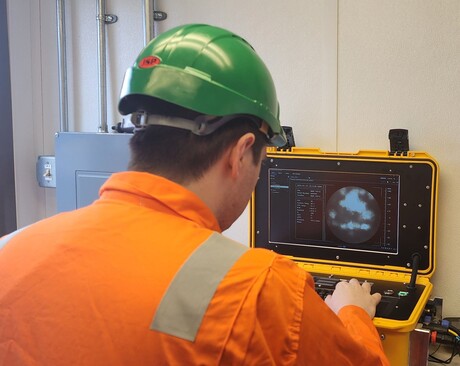
In late 2024, the company initiated a LineVu Discovery study at a custody transfer point to better understand the presence of liquid carryover in its incoming gas supply. Despite reported hydrocarbon dewpoints (HCDP) as low as -47°C, significant liquid contamination was observed inside the pipeline. This matters for Wells Materials & OCTG because fresh price movement and input-cost detail should reset bid assumptions, indexation to hrc, and negotiation guardrails with 2024, 47, 14.1 as the clearest commercial anchors; expect quota tightness
Buyer takeaway
For Wells Materials & OCTG, this is a staffing-shape signal: remote operating models can shift work offsite and change which suppliers, systems, and service levels matter most
Cost / money
The cost angle is directional, not quantified: moving work offsite can cut travel, rotation, and accommodation exposure, but only if the remote setup stays reliable
Supplier / commercial
Expect scope to move toward software support, communications uptime, cyber obligations, and clearer downtime liability instead of only offshore headcount or hardware supply
Safety / operations
Fewer people offshore can reduce exposure and emergency-response load, but the operating model becomes more dependent on connectivity resilience, remote support readiness, and cyber hygiene
What to watch
Watch bandwidth resilience, latency tolerance, cyber obligations, and who carries downtime cost if the remote link drops
Key facts
- In late 2024, the company initiated a LineVu Discovery study at a custody transfer point to b
- Despite reported hydrocarbon dewpoints (HCDP) as low as -47°C, significant liquid contaminati
- Despite challenging suppliers regarding gas quality, traditional measurements for both moistu
- Certified for hazardous areas (Class 1 Div 1 and ATEX Zone 1), these cameras provide continuo
Source excerpts
1 for gas sampling and frequent calibrations) indicated that the gas was dry
1 for gas sampling and frequent calibrations) indicated that the gas was dry. The company needed an indisputable, real-time method to determine gas quality and detect liquids present in gas streams entering the transmission network
Despite reported hydrocarbon dewpoints (HCDP) as low as -47°C, significant liquid contamination was observed inside the pipeline. As a result of the contamination, the midstream operator faced rising operational costs due to frequent pigging, disposal costs, compressor servicing, and instrumentation failures