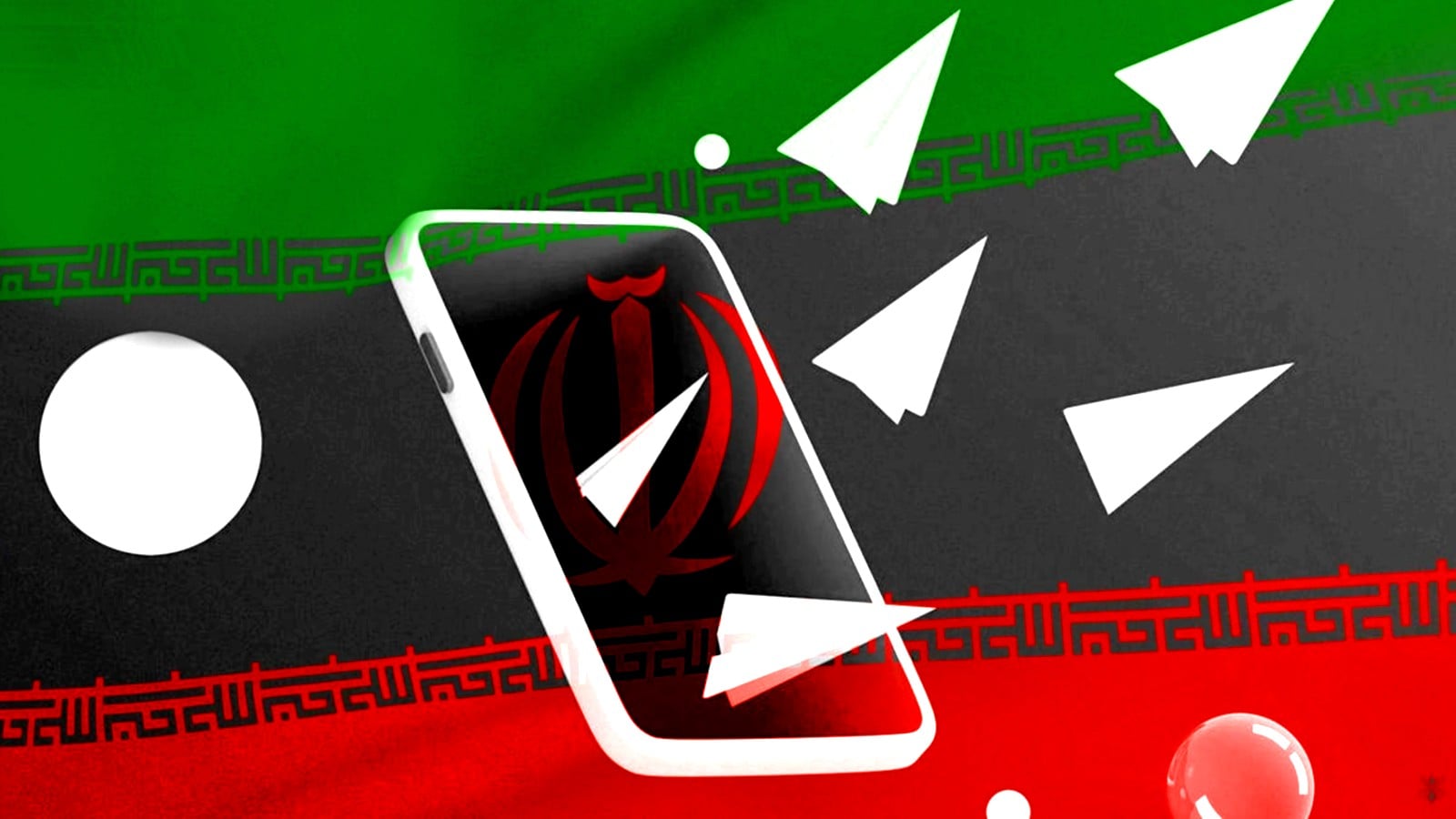
FBI warns of Handala hackers using Telegram in malware attacks
What happened
In a flash alert issued on Friday, the FBI says Telegram is being used as command-and-control (C2) infrastructure by malware targeting journalists criticizing the Iranian government, Iranian dissidents, and various other oppositional groups worldwide. The FBI is releasing this information to maximize awareness of malicious Iranian cyber activity and provide mitigation strategies to reduce the risk of compromise. This matters for IT, Telecom & Cyber because fresh price movement and input-cost detail should reset bid assumptions, breach response slas, and negotiation guardrails with 80,000, 23, 15 as the clearest commercial anchors; expect renewal uplift asks
Buyer takeaway
For IT, Telecom & Cyber, this is a staffing-shape signal: remote operating models can shift work offsite and change which suppliers, systems, and service levels matter most
Cost / money
The cost angle is directional, not quantified: moving work offsite can cut travel, rotation, and accommodation exposure, but only if the remote setup stays reliable
Supplier / commercial
Expect scope to move toward software support, communications uptime, cyber obligations, and clearer downtime liability instead of only offshore headcount or hardware supply
Safety / operations
Fewer people offshore can reduce exposure and emergency-response load, but the operating model becomes more dependent on connectivity resilience, remote support readiness, and cyber hygiene
What to watch
Watch bandwidth resilience, latency tolerance, cyber obligations, and who carries downtime cost if the remote link drops
Key facts
- In a flash alert issued on Friday, the FBI says Telegram is being used as command-and-control
- The FBI is releasing this information to maximize awareness of malicious Iranian cyber activi
- In these attacks, the Iranian hackers are using social engineering to infect targets' devices
- medical giant Stryker, in which they factory reset approximately 80,000 devices (including em