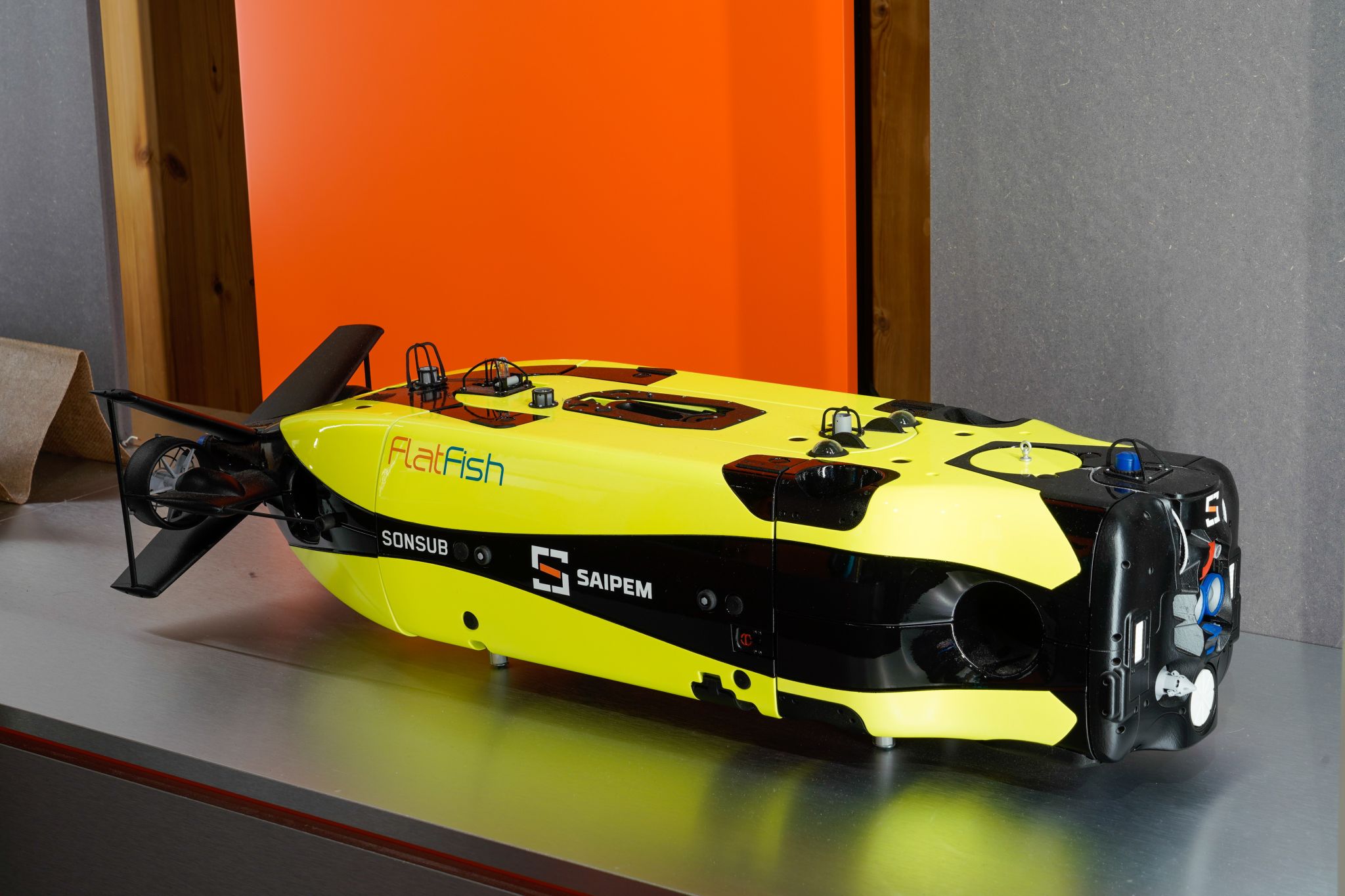
Saipem’s FlatFish drone cleared for offshore deployment after Petrobras testing
What happened
Saipem’s autonomous underwater inspection drone FlatFish completed a key testing phase under its contract with Petrobras, clearing the way for offshore deployment in Brazil’s ultra-deepwater fields. FlatFish is a hybrid, fully autonomous underwater vehicle developed under Saipem’s Hydrone robotics program, designed to perform complex inspection tasks at depths of up to 3,000 m. This matters for Rigs & Integrated Drilling because fresh price movement and input-cost detail should reset bid assumptions, options/extension clauses, and negotiation guardrails with 3,000 as the clearest commercial anchors; expect tender participation
Buyer takeaway
For Rigs & Integrated Drilling, this is a staffing-shape signal: remote operating models can shift work offsite and change which suppliers, systems, and service levels matter most
Cost / money
The cost angle is directional, not quantified: moving work offsite can cut travel, rotation, and accommodation exposure, but only if the remote setup stays reliable
Supplier / commercial
Expect scope to move toward software support, communications uptime, cyber obligations, and clearer downtime liability instead of only offshore headcount or hardware supply
Safety / operations
Fewer people offshore can reduce exposure and emergency-response load, but the operating model becomes more dependent on connectivity resilience, remote support readiness, and cyber hygiene
What to watch
Watch bandwidth resilience, latency tolerance, cyber obligations, and who carries downtime cost if the remote link drops
Key facts
- Saipem’s autonomous underwater inspection drone FlatFish completed a key testing phase under
- FlatFish is a hybrid, fully autonomous underwater vehicle developed under Saipem’s Hydrone ro
- The milestone follows the successful completion of Functional Acceptance Tests, conducted in
- This matters for Rigs & Integrated Drilling because fresh price movement and input-cost detai