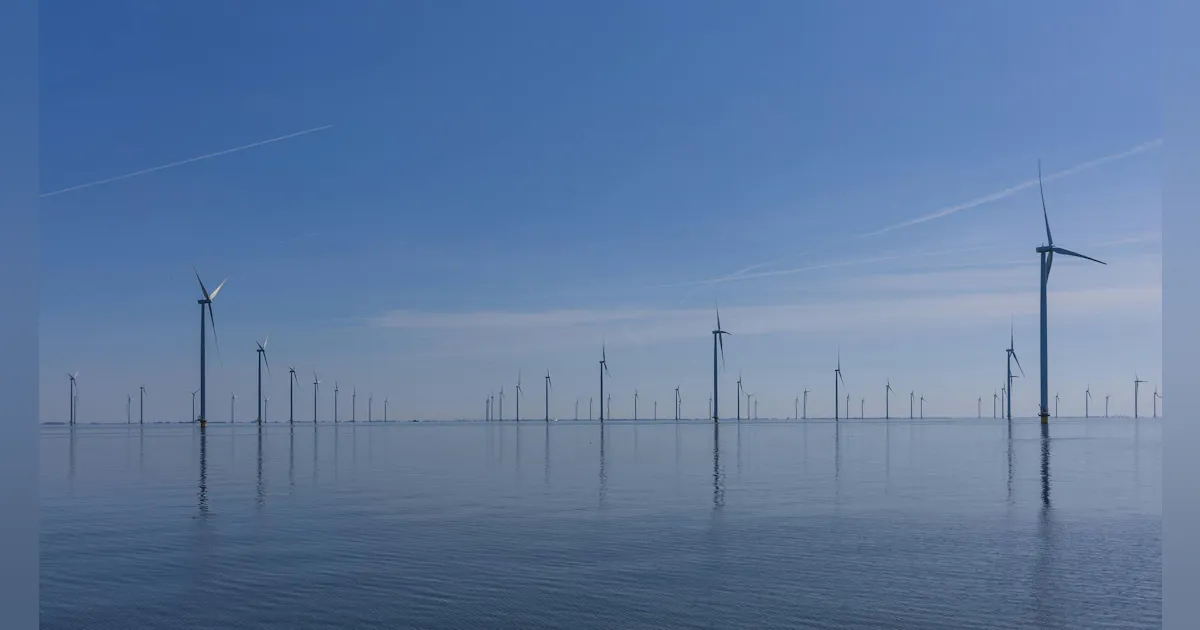
Op-ed: Project management will define the next phase of UK and Irish offshore wind
What happened
Balancing technical risk, supply chain uncertainty, safety expectations and policy goals has never been more critical. Harsher conditions, narrower installation windows and limited port capacity mean delays in major components or tools can quickly challenge tight schedules. This matters for Plug & Abandonment / Decommissioning because fresh price movement and input-cost detail should reset bid assumptions, milestone payments, and negotiation guardrails with 12-, 30, 60 as the clearest commercial anchors; expect schedule risk buffers
Buyer takeaway
For Plug & Abandonment / Decommissioning, treat this as a cost-boundary signal rather than just a headline; buyer assumptions may need refreshing before the next quote or award decision
Cost / money
Use this to refresh should-cost views and challenge any fast repricing. Keep the read-through directional unless the source itself provides hard commercial numbers
Supplier / commercial
Suppliers with fresh cost justification may push harder on reopeners, indexation, shorter quote validity, or pass-through language. Buyers should separate real drivers from negotiation posture
Safety / operations
The operational risk is indirect: tight budgets or repricing battles often reappear later as reduced slack, substitutions, or execution compromises that buyers then have to manage
What to watch
Watch for shorter quote validity, reopeners, pass-through requests, or attempts to reset pricing on the back of weak evidence
Key facts
- Balancing technical risk, supply chain uncertainty, safety expectations and policy goals has
- Harsher conditions, narrower installation windows and limited port capacity mean delays in ma
- For instance, Denmark weather downtime over a 12-month period averages 30%, rising as high as
- Contract structures that reward stable, well-planned execution allow managers to design campa