Rapid response pipeline bends
What happened
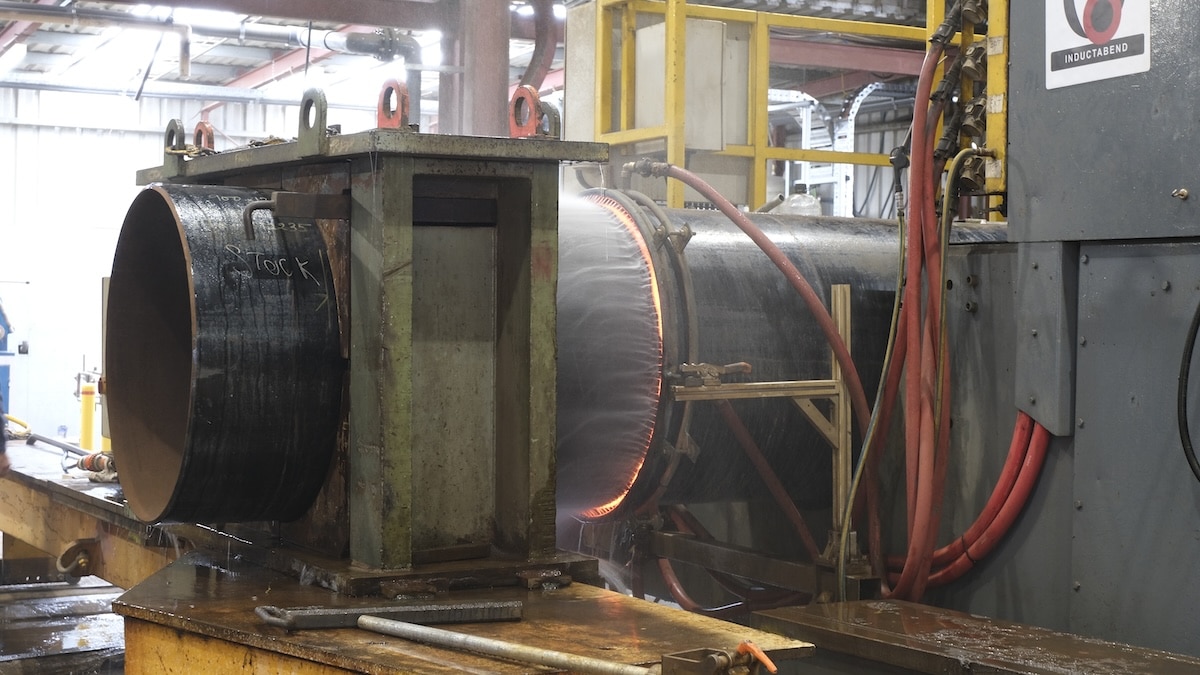
One option is to source bends from mass-producing overseas markets, but these often have hidden costs in the form of lead time, quality assurance, and after sales support. Phase two built on this, adding in a state-of-the-art dual frequency induction heater, which provides more options to tailor the process depending on wall thickness, diameter and material grade while improving energy efficiency and heating capacity. This matters for Wells Materials & OCTG because fresh price movement and input-cost detail should reset bid assumptions, indexation to hrc, and negotiation guardrails with 100, 150, 200 as the clearest commercial anchors; expect quota tightness
Buyer takeaway
For Wells Materials & OCTG, this is a staffing-shape signal: remote operating models can shift work offsite and change which suppliers, systems, and service levels matter most
Cost / money
The cost angle is directional, not quantified: moving work offsite can cut travel, rotation, and accommodation exposure, but only if the remote setup stays reliable
Supplier / commercial
Expect scope to move toward software support, communications uptime, cyber obligations, and clearer downtime liability instead of only offshore headcount or hardware supply
Safety / operations
Fewer people offshore can reduce exposure and emergency-response load, but the operating model becomes more dependent on connectivity resilience, remote support readiness, and cyber hygiene
What to watch
Watch for connectivity reliability, remote-support response times, and whether the operating model can safely revert onsite if needed
Key facts
- One option is to source bends from mass-producing overseas markets, but these often have hidd
- Phase two built on this, adding in a state-of-the-art dual frequency induction heater, which
- ” This new bending technology was utilised for the first time on an underground gas storage f
- It was used more recently on a large order of DN200 seamless duplex pipe, which are bound for