Optical gas imaging improves methane leak detection at LNG facility
What happened
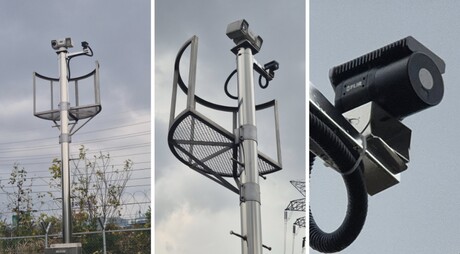
In 2025, South Korea’s GS Energy introduced the Flir GF77a optical gas imaging (OGI) camera to strengthen methane leak monitoring at the pressure regulation facilities of the Boryeong LNG Terminal, where it is responsible for domestic LNG operations. The Flir GF77a — optimised specifically for methane detection — enabled the operator to observe the gas release pattern immediately on a monitor. This matters for Major Equipment OEM & LTSA because fresh price movement and input-cost detail should reset bid assumptions, ltsa scope reset, and negotiation guardrails with 2025 as the clearest commercial anchors; expect ltsa upsell
Buyer takeaway
For Major Equipment OEM & LTSA, this is a staffing-shape signal: remote operating models can shift work offsite and change which suppliers, systems, and service levels matter most
Cost / money
The cost angle is directional, not quantified: moving work offsite can cut travel, rotation, and accommodation exposure, but only if the remote setup stays reliable
Supplier / commercial
Expect scope to move toward software support, communications uptime, cyber obligations, and clearer downtime liability instead of only offshore headcount or hardware supply
Safety / operations
Fewer people offshore can reduce exposure and emergency-response load, but the operating model becomes more dependent on connectivity resilience, remote support readiness, and cyber hygiene
What to watch
Watch bandwidth resilience, latency tolerance, cyber obligations, and who carries downtime cost if the remote link drops
Key facts
- In 2025, South Korea’s GS Energy introduced the Flir GF77a optical gas imaging (OGI) camera t
- The Flir GF77a — optimised specifically for methane detection — enabled the operator to obser
- Following the successful trial, the plant installed the GF77a alongside the existing CCTV inf
- The GF77a was installed so as to give it a field of view covering the entire outdoor pressure