Bringing pipelines into the future
What happened
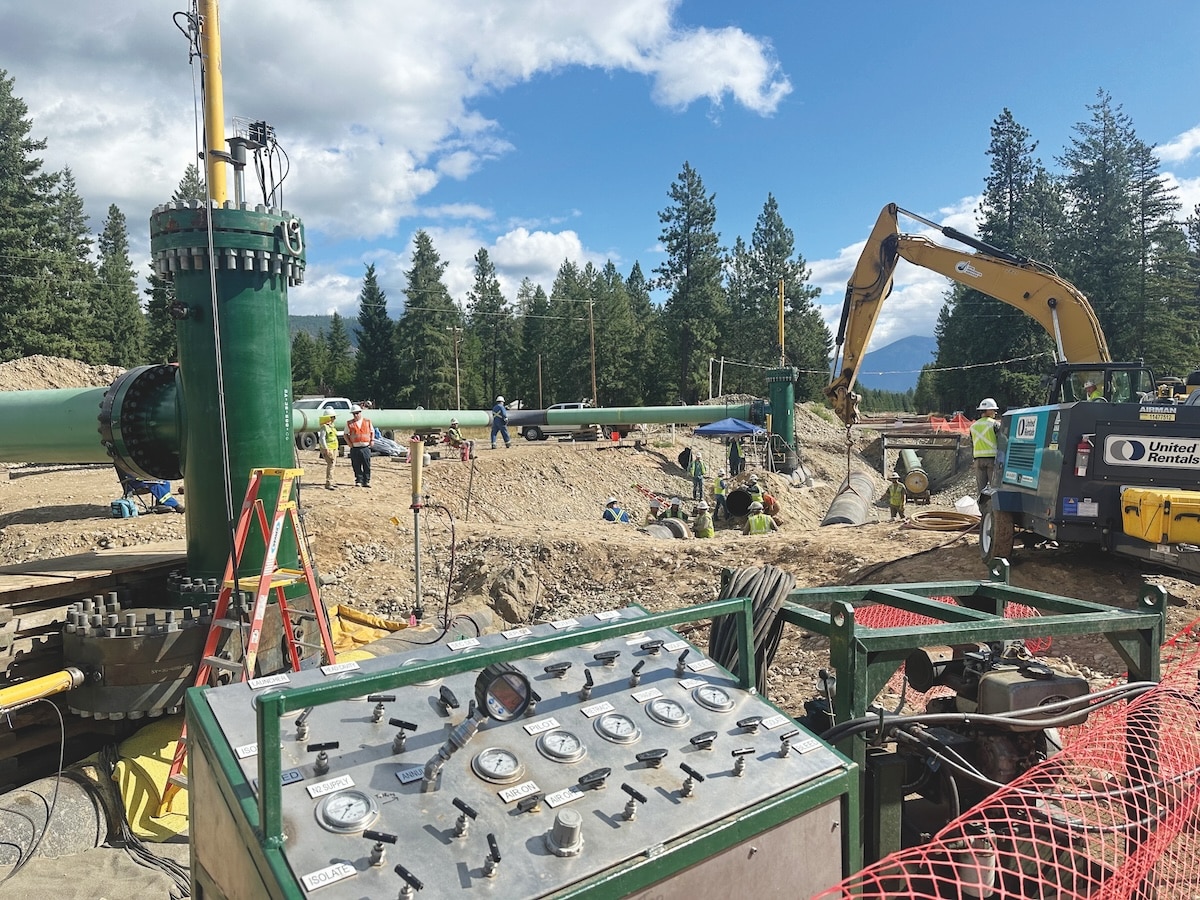
Two parallel 36-inch natural gas transmission lines, constructed in 1961 and designated Line A and Line B, had long operated in areas that were originally sparsely populated. STATS Group deployed two 36-inch BISEP double block and bleed line stop tools at each site, each incorporating a 30-inch integral bypass. This matters for Wells Materials & OCTG because capacity and lead-time signals can move supplier prioritization, award timing, and contingency lanes with 36-, 1961, 30- as the clearest commercial anchors; buyers should plan for quota tightness
Buyer takeaway
For Wells Materials & OCTG, this is a staffing-shape signal: remote operating models can shift work offsite and change which suppliers, systems, and service levels matter most
Cost / money
The cost angle is directional, not quantified: moving work offsite can cut travel, rotation, and accommodation exposure, but only if the remote setup stays reliable
Supplier / commercial
Expect scope to move toward software support, communications uptime, cyber obligations, and clearer downtime liability instead of only offshore headcount or hardware supply
Safety / operations
Fewer people offshore can reduce exposure and emergency-response load, but the operating model becomes more dependent on connectivity resilience, remote support readiness, and cyber hygiene
What to watch
Watch for connectivity reliability, remote-support response times, and whether the operating model can safely revert onsite if needed
Key facts
- Two parallel 36-inch natural gas transmission lines, constructed in 1961 and designated Line
- STATS Group deployed two 36-inch BISEP double block and bleed line stop tools at each site, e
- Preparation began with excavation at both locations, followed by welding two 36-inch hot tap
- A temporary 30-inch bypass was connected between the BISEPs at both North and South points