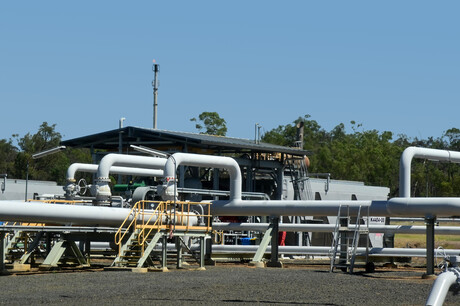
Major Equipment OEM & LTSA · Australia (Perth)

Recalibrate sourcing for Queensland energy, OT and network shifts

Published Apr 24, 2026, 6:08 AM AWSTAPACFull category signal
Ask AI
Queensland Government reports progress on Energy Roadmap after six months

In 60 seconds

Top move

Queensland’s Energy Roadmap and QIC market‑sounding are creating a tangible tender pipeline for gas‑fired generation and storage that will change mobilisation and long‑term service (LTSA) needs for major equipment and field teams

Key takeaways

  • Queensland’s Energy Roadmap and QIC market‑sounding are creating a tangible tender pipeline for gas‑fired generation and storage that will change mobilisation and long‑term service (LTSA) needs for major equipment and field teams.[1]
  • Automation vendors (AI engineering agents, cloud SCADA, industrial edge) are shifting cost and obligation from one‑off hardware to recurring software, updates and remote engineering under LTSA scopes — procurement must capture lifecycle terms.[3]
  • Industrial networking is moving toward IEC 62443‑certified components and rugged field switches, which raises pre‑qualification bars and creates retrofit and integration cost pressure for legacy control networks.[5]
  • UNSW’s hydrogen fuel‑cell redesign is a meaningful lab advance with lower material dependency and higher power density, but it’s not yet vendorised or field‑tested — treat as a monitored technology watch rather than deployable equipment.[4]
  • Process Online’s product and controls coverage (DCS, RTUs, telemetry) provides a short list of vendor releases and upgrade 사례s you can use for targeted capability checks during market‑soundings.[2]

What changed since last run

  • Added Queensland Energy Roadmap progress (Article 1) as a concrete potential source of new tenders and mobilisation demand for generation and storage equipment.
  • Added multiple software/OT vendor moves (Siemens AI agent, cloud SCADA, industrial edge — Article 3) that materially change LTSA lifecycle and recurring cost exposure.
  • Added industrial network cyber certification and new ruggedised comms options (Article 5) that affect supplier pre‑qualification and retrofit planning.

Key facts

  • Government cites more than a gigawatt of new storage now operational
  • Government cites a gigawatt of new renewables brought online
  • QIC completed market sounding for Central Queensland gas‑fired capacity with broad bidder eng
  • Melbourne Water completed a real‑time telemetry rollout for surface water meters
  • ABB announced a new System 800xA DCS modernisation offering
  • Australian RTU technology is expanding into New Zealand

Why it matters

Queensland’s Energy Roadmap and QIC market‑sounding are creating a tangible tender pipeline for gas‑fired generation and storage that will change mobilisation and long‑term service (LTSA) needs for major equipment and field teams. Automation vendors (AI engineering agents, cloud SCADA, industrial edge) are shifting cost and obligation from one‑off hardware to recurring software, updates and remote engineering under LTSA scopes — procurement must capture lifecycle terms. Industrial networking is moving toward IEC 62443‑certified components and rugged field switches, which raises pre‑qualification bars and creates retrofit and integration cost pressure for legacy control networks. UNSW’s hydrogen fuel‑cell redesign is a meaningful lab advance with lower material dependency and higher power density, but it’s not yet vendorised or field‑tested — treat as a monitored technology watch rather than deployable equipment

Cost / money

  • New gas‑fired generation and storage plans expand capex exposure and will increase LTSA line items for long‑term maintenance, spares staging and vendor‑managed services.[1]
  • Adoption of cloud SCADA, edge compute and AI engineering tools shifts spend toward recurring licensing, update management and remote‑support pass‑throughs under LTSA pricing.[3]
  • Requiring IEC 62443‑certified networking and rugged field devices raises procurement unit and retrofit costs but reduces downstream cyber‑remediation and integration risk.[5]

Supplier / commercial

  • Broad bidder interest from QIC market‑soundings gives suppliers leverage on mobilisation windows and short‑validity pricing; procurement should expect tighter commit terms on schedules and mobilisations.[1]
  • Vendors bundling software, edge hardware and managed services will push integrated commercial offers that shift negotiation focus from equipment price to recurring service terms and SLAs.[3]
  • Suppliers with IEC 62443‑certified product lines can command premium pricing; non‑certified vendors may propose higher‑margin retrofit or integration work.[5]

Safety / operations

  • Accelerated project cadence for generation and storage compresses commissioning and handover windows, increasing uptime dependency and the need for pre‑qualified crews and spare pools.[1][5]
  • Expanded OT connectivity and AI tooling widens the cyber attack surface; operational safety hinges on integrated OT/IT controls, hardened remote access and clear update rollback procedures.[3][5]
  • Introducing novel hydrogen fuel‑cell modules would require new commissioning tests and maintenance training; pilots should include explicit verification and safety checks before LTSA inclusion.[4]

What to watch

  • Watch whether Taroom Trough investigations and QIC market‑soundings convert into formal tenders and binding procurement timelines — current signals show active engagement but not awarded contracts.[1]
  • Watch vendor licensing and feature gating for AI agents and cloud SCADA; tied features or premium tiers can lock buyers into higher recurring spend and restrictive update terms.[3]
  • Watch for early vendor prototypes or pilot offers around the UNSW fuel‑cell design; lab gains are promising but vendorisation, certification and field reliability are unverified.[4]

Top stories

Story 1Processonline

Queensland Government reports progress on Energy Roadmap after six months

Signal strongSource-grounded

What happened

Queensland reported six‑month progress on its Energy Roadmap, saying investments across coal, gas, renewables and storage are delivering new capacity and active market engagement. The release highlights a QIC market sounding in Central Queensland for prospective gas‑fired capacity with broad bidder interest, which is operationally real because state managers are actively engaging suppliers; watch whether that converts into formal tenders and binding timelines

Buyer takeaway

Treat the Roadmap signals as actionable sourcing intelligence and prioritise mobilisation and LTSA scoping before tenders issue

Cost / money

Directional increase in capex and LTSA exposure for generation and storage that affects O&M, spares and vendor‑managed service budgets

Supplier / commercial

Early‑engaged suppliers can secure better mobilisation terms; buyers should lock standard clauses to protect against short‑validity pricing

Safety / operations

Faster project cadence compresses commissioning checks and increases uptime dependency, requiring certified crews and spare pools

What to watch

Watch for conversion of market‑soundings into formal tenders and any accelerated procurement timelines from state managers

Key facts

  • Government cites more than a gigawatt of new storage now operational
  • Government cites a gigawatt of new renewables brought online
  • QIC completed market sounding for Central Queensland gas‑fired capacity with broad bidder eng

Source excerpts

” Since the launch of the Energy Roadmap, state-owned investment manager Queensland Investment Corporation (QIC) has completed market sounding in Central Queensland for 400 MW of new gas‑fired generation capacity by 2032
“The Roadmap is a credible plan as we’ve already seen more than a gigawatt of new storage and a gigawatt of new renewables becoming operational since mid-2025,” he added
” The government also claims the Roadmap is also unlocking the “next wave of energy supply”, progressing investigations in the Taroom Trough on Queensland’s oil and gas potential as well as supporting delivery of new renewables and storage
Story 2Processonline

Process control systems :: Process Online

Signal moderateSource-grounded

What happened

Process Online’s process control coverage shows many rolling product updates and deployments — real‑time telemetry, DCS modernisation programs and Australian RTU tech expanding into New Zealand. These vendor moves are operationally real because utilities and water authorities are already finalising telemetry rollouts and vendors are announcing modular DCS and RTU offerings; watch vendor interoperability, delivery roadmaps and qualification requirements during market‑soundings

Buyer takeaway

Use recent vendor releases to validate shortlist capability claims and to define integration and FAT (factory acceptance test) requirements

Cost / money

Modernisation programs can be scoped as staged upgrades to spread capex, but may add short‑term integration and testing costs

Supplier / commercial

Vendors offering modular DCS/RTU solutions may propose phased delivery and managed services that change contract milestones and payments

Safety / operations

Upgrades and telemetry rollouts affect commissioning checklists and remote‑operation procedures; include OT safety validation in SOWs

What to watch

Watch for interoperability gaps between new modules and legacy PLCs/field devices that create unplanned integration work

Key facts

  • Melbourne Water completed a real‑time telemetry rollout for surface water meters
  • ABB announced a new System 800xA DCS modernisation offering
  • Australian RTU technology is expanding into New Zealand

Source excerpts

Process control systems Real-time metering upgrade for Melbourne 27 March, 2026 | Supplied by: Melbourne Water Melbourne Water has finalised the rollout of real‍-‍time telemetry across surface water diversion meters, providing direct access to water usage
ABB introduces DCS modernisation program 06 February, 2026 | Supplied by: ABB Australia Pty Ltd ABB says its Automation Extended program is designed to help industries modernise without disruption
Mitsubishi Electric GOT3000 HMI 18 September, 2025 | Supplied by: Mitsubishi Electric Australia The GOT3000 is designed to act not only as a machine interface but as a secure gateway between factory equipment and higher-level IT systems
Story 3Processonline

Software & IT :: Process Online

Signal moderateDirectional

What happened

Process Online summarised software and IT moves: Siemens launched an AI engineering agent and turnkey industrial edge/data centre solutions, and reports flag rising OT cyber activity and remote‑access consolidation. These are operationally real because they change who performs updates, how remote engineering is conducted and how software must be contracted; watch licensing models, update gating and managed‑service offers that shift costs into recurring lines

Buyer takeaway

Plan contracts around software lifecycle — include update cadence, rollback rights and pass‑through licensing costs up front

Cost / money

Expect higher recurring costs from cloud, edge compute and AI licensing plus expanded remote engineering support

Supplier / commercial

Vendors will bundle software/hardware and offer managed services that change LTSA commercial structures and negotiation focus

Safety / operations

Operational reliability will depend on timely updates and secure remote access; weak lifecycle terms can degrade safety

What to watch

Watch vendor licensing that ties critical features to premium tiers and increased remote‑access exposure from integrated toolchains

Key facts

  • Siemens launched a purpose‑built AI agent for automation engineering
  • Siemens announced turnkey industrial edge DataCenter offerings
  • Industry reporting highlights increasing OT cyber adversary activity and guidance on centrali

Source excerpts

Software & IT Siemens launches purpose‍-‍built AI agent for automation engineering 23 April, 2026 | Supplied by: Siemens Ltd The Eigen Engineering Agent is designed to bring purpose‍-‍built AI to industrial automation engineering
ACSC releases OT connectivity principles to set a higher security bar for organisations 20 January, 2026 Operational technology systems are increasingly connected. While connectivity delivers operational benefits, it can also increase cyber risk if not managed securely
Siemens announces turnkey industrial edge AI solution 14 April, 2026 | Supplied by: Siemens Ltd Siemens has announced the next generation of its Industrial Automation DataCenter, a custom‍-‍configured data centre for IT requirements in industrial production
Story 4Processonline

UNSW hydrogen fuel cell design could unlock key clean energy technology

Signal moderateDirectional

What happened

UNSW researchers redesigned hydrogen fuel cells with microscopic channels to vent trapped water and improve power output while reducing reliance on costly catalysts. The lab result shows large relative power gains and lighter architecture, which is operationally notable but not yet vendorised; watch for vendor prototypes, pilot projects or certification activity that indicate commercial readiness

Buyer takeaway

Monitor for vendorised modules and pilot offers; do not assume commercial readiness for primary procurements

Cost / money

Potential to lower material and weight‑related lifecycle costs if commercialised, but expect pilot and qualification costs up front

Supplier / commercial

IP owners or early vendors may request preferred supplier or licensing arrangements; anticipate exclusivity and support negotiations

Safety / operations

New cell architectures require revised commissioning and maintenance procedures and validation of water management under operational cycles

What to watch

Watch for bespoke integration needs in early prototypes and for gaps in certification and field reliability evidence

Key facts

  • Redesigned cell uses 100‑micrometre channels and micro‑ribs to manage water
  • Researchers report a 75% power gain versus traditional designs
  • Design reduces dependence on high‑cost catalyst metals

Source excerpts

A brand new design The UNSW team’s solution focuses on the structure of the fuel cell itself
“Our design can make hydrogen fuel cells much more efficient with only minor structural changes,” Meyer said. A brand new design The UNSW team’s solution focuses on the structure of the fuel cell itself
“The redesigned fuel cell achieves 75% more power than traditional designs,” he said
Story 5Processonline

Industrial networks & buses :: Process Online

Signal moderateSource-grounded

What happened

Industrial networks coverage reports EtherCAT certified to IEC 62443 and a wave of rugged switches, gateways and secure remote‑access devices entering the market. This is operationally real because certified networking products set procurement acceptance baselines and affect retrofit scope; watch whether procurement specs and approved‑vendor lists update to require certified components

Buyer takeaway

Raise supplier pre‑qualification to include IEC 62443 evidence and vendor roadmaps for secure remote access as a contracted deliverable

Cost / money

Certified networking equipment may carry higher unit and retrofit costs but reduces long‑term cyber remediation exposure

Supplier / commercial

Vendors with certified lines can command a premium; expect retrofit services from non‑certified vendors at higher margins

Safety / operations

Using certified components reduces OT cyber risk and therefore operational safety exposure from remote access and field device compromise

What to watch

Watch for integration costs to retrofit legacy I/O and for lead times on certified switches and gateways

Key facts

  • EtherCAT issued IEC 62443 certification for industrial networks
  • New industrial Gigabit PoE+ and rugged remote‑access gateways announced
  • Multiple vendors releasing field switches and APL devices suitable for harsh environments

Source excerpts

Industrial networks & buses EtherCAT certified cybersecure to IEC 62443 23 April, 2026 | Supplied by: EtherCAT Technology Group Independent safety company UL Solutions has issued certificates confirming that EtherCAT meets IEC 62443 requirements for Security Level 2 without modifications
Pepperl+Fuchs Ethernet-APL rail field switch 01 February, 2026 | Supplied by: Pepperl+Fuchs (Aust) Pty Ltd The Ethernet-APL rail field switch is a ruggedised, managed field switch offering connectivity for Ethernet-APL devices to Ethernet networks via any protocol
Beijer Electronics CloudVPN Gateway 01 February, 2026 | Supplied by: ControlBox The Beijer Electronics CloudVPN Gateway solution is designed to offer simplified and cybersecure remote access to equipment and devices onsite. Tosi Lock 675 industrial remote access device 01 February, 2026 | Supplied by: LAPP Australia Pty Ltd The Tosi Lock 675 industrial remote access device is designed to deliver robust, reliable communications, even in harsh environments

VP Snapshot

Executive Risk & Action View

Queensland’s Energy Roadmap and QIC market‑sounding are creating a tangible tender pipeline for gas‑fired generation and storage that will change mobilisation and long‑term service (LTSA) needs for major equipment and field teams.

Overall
54
Cost
100
Supply
25
Schedule
56
Compliance
15

Top signals

30-180dcost

Signal 1: Cost / money

New gas‑fired generation and storage plans expand capex exposure and will increase LTSA line items for long‑term maintenance, spares staging and vendor‑managed services.

Signal 2: Cost / money

Adoption of cloud SCADA, edge compute and AI engineering tools shifts spend toward recurring licensing, update management and remote‑support pass‑throughs under LTSA pricing.

Signal 3: Cost / money

Requiring IEC 62443‑certified networking and rugged field devices raises procurement unit and retrofit costs but reduces downstream cyber‑remediation and integration risk.

Signal 5: Supplier / commercial

Vendors bundling software, edge hardware and managed services will push integrated commercial offers that shift negotiation focus from equipment price to recurring service terms and SLAs.

Signal 6: Supplier / commercial

Suppliers with IEC 62443‑certified product lines can command premium pricing; non‑certified vendors may propose higher‑margin retrofit or integration work.

30-180dcommercial

Signal 4: Supplier / commercial

Broad bidder interest from QIC market‑soundings gives suppliers leverage on mobilisation windows and short‑validity pricing; procurement should expect tighter commit terms on schedules and mobilisations.

Recommended actions

CategoryDue 3d

Run a focused market‑sounding (RFI) to shortlisted gas‑generation, storage and specialist controls vendors to map capacity, mobilisation constraints and likely tender timing.

Supplier capacity and mobilisation map that informs LTSA timing, mobilisation clauses and short‑list choices.

ContractsDue 3d

Add an IEC 62443 evidence checkbox and certified‑product proof requirement to RFIs and bid templates for work touching control networks or field comms.

Bids immediately filter for cyber‑compliant vendors, reducing integration and remediation exposure later.

ContractsDue 21d

Update LTSA and SOW templates to explicitly include software lifecycle terms: update cadence, rollback rights, remote‑engineering windows and pass‑through licensing cost clauses.

Contract templates that capture software update responsibilities and limit surprise recurring costs and scope ambiguity.

OpsDue 21d

Coordinate Ops and Category to validate commissioning crew availability, travel exposure and spare‑parts staging for potential accelerated generation/storage mobilisations.

Verified mobilisation readiness plan that identifies headcount gaps, travel constraints and critical spare shortages.

CategoryDue 60d

Define a controlled pilot evaluation clause for hydrogen fuel‑cell modules so trials can proceed under limited risk terms or be excluded from standard LTSA scopes.

Decision framework and pilot spec enabling either a limited trial under contract safeguards or exclusion from core LTSA coverage.

Risk register

RiskTriggerMitigation
Watch whether Taroom Trough investigations and QIC market‑soundings convert into formal tenders and binding procurement timelines — current signals show active engagement but not awarded contracts.Watch whether Taroom Trough investigations and QIC market‑soundings convert into formal tenders and binding procurement timelines — current signals show active engagement but not awarded contracts.Confirm exposure with category, contracts, and operations before the next supplier commitment.
Watch vendor licensing and feature gating for AI agents and cloud SCADA; tied features or premium tiers can lock buyers into higher recurring spend and restrictive update terms.Watch vendor licensing and feature gating for AI agents and cloud SCADA; tied features or premium tiers can lock buyers into higher recurring spend and restrictive update terms.Confirm exposure with category, contracts, and operations before the next supplier commitment.
Watch for early vendor prototypes or pilot offers around the UNSW fuel‑cell design; lab gains are promising but vendorisation, certification and field reliability are unverified.Watch for early vendor prototypes or pilot offers around the UNSW fuel‑cell design; lab gains are promising but vendorisation, certification and field reliability are unverified.Confirm exposure with category, contracts, and operations before the next supplier commitment.

CM Snapshot

Category Manager Decision Detail

Today's priorities

Run a focused market‑sounding (RFI) to shortlisted gas‑generation, storage and specialist controls vendors to map capacity, mobilisation constraints and likely tender timing.

because Queensland’s public market engagement and QIC activity indicate upcoming procurement windows and supplier leverage that should be understood before formal RFPs issue.

Due 3d

high

CM move

Use this as the immediate supplier or contract action to move before the next sourcing gate.

Add an IEC 62443 evidence checkbox and certified‑product proof requirement to RFIs and bid templates for work touching control networks or field comms.

because EtherCAT certification and new certified networking products are becoming procurement baselines that reduce retrofit and cyber risk.

Due 3d

high

CM move

Use this as the immediate supplier or contract action to move before the next sourcing gate.

Update LTSA and SOW templates to explicitly include software lifecycle terms: update cadence, rollback rights, remote‑engineering windows and pass‑through licensing cost clauses.

because vendors are delivering cloud SCADA, edge compute and AI agents that shift obligations to recurring updates and remote support and can change total cost of ownership.

Due 21d

high

CM move

Use this as the immediate supplier or contract action to move before the next sourcing gate.

Coordinate Ops and Category to validate commissioning crew availability, travel exposure and spare‑parts staging for potential accelerated generation/storage mobilisations.

because compressed commissioning from new projects increases uptime dependency and requires confirmed workforce, travel plans and spare inventories before vendor mobilisation.

Due 21d

high

CM move

Use this as the immediate supplier or contract action to move before the next sourcing gate.

Supplier radar

Processonline

high

Observed supplier signal

Broad bidder interest from QIC market‑soundings gives suppliers leverage on mobilisation windows and short‑validity pricing; procurement should expect tighter commit terms on schedules and mobilisations.

Commercial implication

Broad bidder interest from QIC market‑soundings gives suppliers leverage on mobilisation windows and short‑validity pricing; procurement should expect tighter commit terms on schedules and mobilisations.

Next step: Validate the source-backed signal with incumbents and alternates before the next award or pricing decision.

Processonline

high

Observed supplier signal

Vendors bundling software, edge hardware and managed services will push integrated commercial offers that shift negotiation focus from equipment price to recurring service terms and SLAs.

Commercial implication

Vendors bundling software, edge hardware and managed services will push integrated commercial offers that shift negotiation focus from equipment price to recurring service terms and SLAs.

Next step: Validate the source-backed signal with incumbents and alternates before the next award or pricing decision.

Processonline

high

Observed supplier signal

Suppliers with IEC 62443‑certified product lines can command premium pricing; non‑certified vendors may propose higher‑margin retrofit or integration work.

Commercial implication

Suppliers with IEC 62443‑certified product lines can command premium pricing; non‑certified vendors may propose higher‑margin retrofit or integration work.

Next step: Validate the source-backed signal with incumbents and alternates before the next award or pricing decision.

Negotiation levers

Run a focused market‑sounding (RFI) to shortlisted gas‑generation, storage and specialist controls vendors to map capacity, mobilisation constraints and likely tender timing.

When to use: because Queensland’s public market engagement and QIC activity indicate upcoming procurement windows and supplier leverage that should be understood before formal RFPs issue.

Expected outcome: Supplier capacity and mobilisation map that informs LTSA timing, mobilisation clauses and short‑list choices.

Commercial mechanism to carry into the next supplier conversation

Add an IEC 62443 evidence checkbox and certified‑product proof requirement to RFIs and bid templates for work touching control networks or field comms.

When to use: because EtherCAT certification and new certified networking products are becoming procurement baselines that reduce retrofit and cyber risk.

Expected outcome: Bids immediately filter for cyber‑compliant vendors, reducing integration and remediation exposure later.

Commercial mechanism to carry into the next supplier conversation

Update LTSA and SOW templates to explicitly include software lifecycle terms: update cadence, rollback rights, remote‑engineering windows and pass‑through licensing cost clauses.

When to use: because vendors are delivering cloud SCADA, edge compute and AI agents that shift obligations to recurring updates and remote support and can change total cost of ownership.

Expected outcome: Contract templates that capture software update responsibilities and limit surprise recurring costs and scope ambiguity.

Commercial mechanism to carry into the next supplier conversation

Coordinate Ops and Category to validate commissioning crew availability, travel exposure and spare‑parts staging for potential accelerated generation/storage mobilisations.

When to use: because compressed commissioning from new projects increases uptime dependency and requires confirmed workforce, travel plans and spare inventories before vendor mobilisation.

Expected outcome: Verified mobilisation readiness plan that identifies headcount gaps, travel constraints and critical spare shortages.

Commercial mechanism to carry into the next supplier conversation

Talking points

Queensland’s Energy Roadmap and QIC market‑sounding are creating a tangible tender pipeline for gas‑fired generation and storage that will change mobilisation and long‑term service (LTSA) needs for major equipment and field teams.
Automation vendors (AI engineering agents, cloud SCADA, industrial edge) are shifting cost and obligation from one‑off hardware to recurring software, updates and remote engineering under LTSA scopes — procurement must capture lifecycle terms.
Industrial networking is moving toward IEC 62443‑certified components and rugged field switches, which raises pre‑qualification bars and creates retrofit and integration cost pressure for legacy control networks.
UNSW’s hydrogen fuel‑cell redesign is a meaningful lab advance with lower material dependency and higher power density, but it’s not yet vendorised or field‑tested — treat as a monitored technology watch rather than deployable equipment.

Supplier radar

SupplierSignalImplicationNext stepConfidence
ProcessonlineBroad bidder interest from QIC market‑soundings gives suppliers leverage on mobilisation windows and short‑validity pricing; procurement should expect tighter commit terms on schedules and mobilisations.Broad bidder interest from QIC market‑soundings gives suppliers leverage on mobilisation windows and short‑validity pricing; procurement should expect tighter commit terms on schedules and mobilisations.Validate the source-backed signal with incumbents and alternates before the next award or pricing decision.high
ProcessonlineVendors bundling software, edge hardware and managed services will push integrated commercial offers that shift negotiation focus from equipment price to recurring service terms and SLAs.Vendors bundling software, edge hardware and managed services will push integrated commercial offers that shift negotiation focus from equipment price to recurring service terms and SLAs.Validate the source-backed signal with incumbents and alternates before the next award or pricing decision.high
ProcessonlineSuppliers with IEC 62443‑certified product lines can command premium pricing; non‑certified vendors may propose higher‑margin retrofit or integration work.Suppliers with IEC 62443‑certified product lines can command premium pricing; non‑certified vendors may propose higher‑margin retrofit or integration work.Validate the source-backed signal with incumbents and alternates before the next award or pricing decision.high

Negotiation levers

  • Run a focused market‑sounding (RFI) to shortlisted gas‑generation, storage and specialist controls vendors to map capacity, mobilisation constraints and likely tender timing.because Queensland’s public market engagement and QIC activity indicate upcoming procurement windows and supplier leverage that should be understood before formal RFPs issue.Supplier capacity and mobilisation map that informs LTSA timing, mobilisation clauses and short‑list choices.

    high confidence

  • Add an IEC 62443 evidence checkbox and certified‑product proof requirement to RFIs and bid templates for work touching control networks or field comms.because EtherCAT certification and new certified networking products are becoming procurement baselines that reduce retrofit and cyber risk.Bids immediately filter for cyber‑compliant vendors, reducing integration and remediation exposure later.

    high confidence

  • Update LTSA and SOW templates to explicitly include software lifecycle terms: update cadence, rollback rights, remote‑engineering windows and pass‑through licensing cost clauses.because vendors are delivering cloud SCADA, edge compute and AI agents that shift obligations to recurring updates and remote support and can change total cost of ownership.Contract templates that capture software update responsibilities and limit surprise recurring costs and scope ambiguity.

    high confidence

  • Coordinate Ops and Category to validate commissioning crew availability, travel exposure and spare‑parts staging for potential accelerated generation/storage mobilisations.because compressed commissioning from new projects increases uptime dependency and requires confirmed workforce, travel plans and spare inventories before vendor mobilisation.Verified mobilisation readiness plan that identifies headcount gaps, travel constraints and critical spare shortages.

    high confidence

What to do / What to watch

What to do now

  • Run a focused market‑sounding (RFI) to shortlisted gas‑generation, storage and specialist controls vendors to map capacity, mobilisation constraints and likely tender timing.

    Why: because Queensland’s public market engagement and QIC activity indicate upcoming procurement windows and supplier leverage that should be understood before formal RFPs issue.

    Owner: Category

    Expected outcome: Supplier capacity and mobilisation map that informs LTSA timing, mobilisation clauses and short‑list choices.

    [1]
  • Add an IEC 62443 evidence checkbox and certified‑product proof requirement to RFIs and bid templates for work touching control networks or field comms.

    Why: because EtherCAT certification and new certified networking products are becoming procurement baselines that reduce retrofit and cyber risk.

    Owner: Contracts

    Expected outcome: Bids immediately filter for cyber‑compliant vendors, reducing integration and remediation exposure later.

    [5]

Next few weeks

  • Update LTSA and SOW templates to explicitly include software lifecycle terms: update cadence, rollback rights, remote‑engineering windows and pass‑through licensing cost clauses.

    Why: because vendors are delivering cloud SCADA, edge compute and AI agents that shift obligations to recurring updates and remote support and can change total cost of ownership.

    Owner: Contracts

    Expected outcome: Contract templates that capture software update responsibilities and limit surprise recurring costs and scope ambiguity.

    [3]
  • Coordinate Ops and Category to validate commissioning crew availability, travel exposure and spare‑parts staging for potential accelerated generation/storage mobilisations.

    Why: because compressed commissioning from new projects increases uptime dependency and requires confirmed workforce, travel plans and spare inventories before vendor mobilisation.

    Owner: Ops

    Expected outcome: Verified mobilisation readiness plan that identifies headcount gaps, travel constraints and critical spare shortages.

    [1]

Longer view

  • Define a controlled pilot evaluation clause for hydrogen fuel‑cell modules so trials can proceed under limited risk terms or be excluded from standard LTSA scopes.

    Why: because UNSW’s lab redesign shows technical promise but commercial maturity, vendorisation and field reliability remain unproven and deserve measured exposure.

    Owner: Category

    Expected outcome: Decision framework and pilot spec enabling either a limited trial under contract safeguards or exclusion from core LTSA coverage.

    [4]

What to watch

  • Watch whether Taroom Trough investigations and QIC market‑soundings convert into formal tenders and binding procurement timelines — current signals show active engagement but not awarded contracts
  • Watch vendor licensing and feature gating for AI agents and cloud SCADA; tied features or premium tiers can lock buyers into higher recurring spend and restrictive update terms
  • Watch for early vendor prototypes or pilot offers around the UNSW fuel‑cell design; lab gains are promising but vendorisation, certification and field reliability are unverified
  • Watch whether Taroom Trough investigations and QIC market‑soundings convert into formal tenders and binding procurement timelines — current signals show active engagement but not awarded contracts.: Watch whether Taroom Trough investigations and QIC market‑soundings convert into formal tenders and binding procurement timelines — current signals show active engagement but not awarded contracts
  • Watch vendor licensing and feature gating for AI agents and cloud SCADA; tied features or premium tiers can lock buyers into higher recurring spend and restrictive update terms.: Watch vendor licensing and feature gating for AI agents and cloud SCADA; tied features or premium tiers can lock buyers into higher recurring spend and restrictive update terms
  • Watch for early vendor prototypes or pilot offers around the UNSW fuel‑cell design; lab gains are promising but vendorisation, certification and field reliability are unverified.: Watch for early vendor prototypes or pilot offers around the UNSW fuel‑cell design; lab gains are promising but vendorisation, certification and field reliability are unverified
  • Queensland’s Energy Roadmap and QIC market‑sounding are creating a tangible tender pipeline for gas‑fired generation and storage that will change mobilisation and long‑term service (LTSA) needs for major equipment and field teams
  • Automation vendors (AI engineering agents, cloud SCADA, industrial edge) are shifting cost and obligation from one‑off hardware to recurring software, updates and remote engineering under LTSA scopes — procurement must capture lifecycle terms

Market pulse

IndexLatestChangeAs of
WTI Crude (WTI)71.23 /bbl+0.00 (+0.00%)Apr 23, 2026, 10:15 PM
Brent Crude (BRENT)74.89 /bbl+0.00 (+0.00%)Apr 23, 2026, 10:15 PM
Natural Gas (NG)3.12 /MMBtu+0.00 (+0.00%)Apr 23, 2026, 10:15 PM
Baker Hughes (BKR)32 +0.00 (+0.00%)Apr 23, 2026, 10:15 PM
GE Vernova (GEV)175 +0.00 (+0.00%)Apr 23, 2026, 10:15 PM
  • Natural Gas: Natural gas market direction affects equipment demand and LTSA sizing as Queensland emphasises gas‑fired generation and market sounding activity
  • Baker Hughes: Baker Hughes index serves as a proxy for equipment and services activity; rising project interest alters supplier leverage and mobilisation pricing

Sources

Inline citations jump here. Expand a source to read the excerpt, the AI interpretation, and the original link.

[1] Queensland Government reports progress on Energy Roadmap after six months

processonline.com.au · n.d.

Expand

AI reading

Queensland reported six‑month progress on its Energy Roadmap, saying investments across coal, gas, renewables and storage are delivering new capacity and active market engagement. The release highlights a QIC market sounding in Central Queensland for prospective gas‑fired capacity with broad bidder interest, which is operationally real because state managers are actively engaging suppliers; watch whether that converts into formal tenders and binding timelines

Buyer takeaway

Treat the Roadmap signals as actionable sourcing intelligence and prioritise mobilisation and LTSA scoping before tenders issue

Cost / money

Directional increase in capex and LTSA exposure for generation and storage that affects O&M, spares and vendor‑managed service budgets

Supplier / commercial

Early‑engaged suppliers can secure better mobilisation terms; buyers should lock standard clauses to protect against short‑validity pricing

Safety / operations

Faster project cadence compresses commissioning checks and increases uptime dependency, requiring certified crews and spare pools

What to watch

Watch for conversion of market‑soundings into formal tenders and any accelerated procurement timelines from state managers

Key facts

  • Government cites more than a gigawatt of new storage now operational
  • Government cites a gigawatt of new renewables brought online
  • QIC completed market sounding for Central Queensland gas‑fired capacity with broad bidder eng

Source excerpts

” Since the launch of the Energy Roadmap, state-owned investment manager Queensland Investment Corporation (QIC) has completed market sounding in Central Queensland for 400 MW of new gas‑fired generation capacity by 2032
“The Roadmap is a credible plan as we’ve already seen more than a gigawatt of new storage and a gigawatt of new renewables becoming operational since mid-2025,” he added
” The government also claims the Roadmap is also unlocking the “next wave of energy supply”, progressing investigations in the Taroom Trough on Queensland’s oil and gas potential as well as supporting delivery of new renewables and storage

Used in this brief

  • Next 72 hours — Run a focused market‑sounding (RFI) to shortlisted gas‑generation, storage and specialist controls vendors to map capacity, mobilisation constraints and likely tender timing.. Rationale: because Queensland’s public market engagement and QIC activity indicate upcoming procurement windows and supplier leverage that should be understood before formal RFPs issue.. Owner: Category. KPI: Supplier capacity and mobilisation map that informs LTSA timing, mobilisation clauses and short‑list choices
  • Next 2-4 weeks — Coordinate Ops and Category to validate commissioning crew availability, travel exposure and spare‑parts staging for potential accelerated generation/storage mobilisations.. Rationale: because compressed commissioning from new projects increases uptime dependency and requires confirmed workforce, travel plans and spare inventories before vendor mobilisation.. Owner: Ops. KPI: Verified mobilisation readiness plan that identifies headcount gaps, travel constraints and critical spare shortages
  • Watch whether Taroom Trough investigations and QIC market‑soundings convert into formal tenders and binding procurement timelines — current signals show active engagement but not awarded contracts
Open original source

[2] Process control systems :: Process Online

processonline.com.au · n.d.

Expand

AI reading

Process Online’s process control coverage shows many rolling product updates and deployments — real‑time telemetry, DCS modernisation programs and Australian RTU tech expanding into New Zealand. These vendor moves are operationally real because utilities and water authorities are already finalising telemetry rollouts and vendors are announcing modular DCS and RTU offerings; watch vendor interoperability, delivery roadmaps and qualification requirements during market‑soundings

Buyer takeaway

Use recent vendor releases to validate shortlist capability claims and to define integration and FAT (factory acceptance test) requirements

Cost / money

Modernisation programs can be scoped as staged upgrades to spread capex, but may add short‑term integration and testing costs

Supplier / commercial

Vendors offering modular DCS/RTU solutions may propose phased delivery and managed services that change contract milestones and payments

Safety / operations

Upgrades and telemetry rollouts affect commissioning checklists and remote‑operation procedures; include OT safety validation in SOWs

What to watch

Watch for interoperability gaps between new modules and legacy PLCs/field devices that create unplanned integration work

Key facts

  • Melbourne Water completed a real‑time telemetry rollout for surface water meters
  • ABB announced a new System 800xA DCS modernisation offering
  • Australian RTU technology is expanding into New Zealand

Source excerpts

Process control systems Real-time metering upgrade for Melbourne 27 March, 2026 | Supplied by: Melbourne Water Melbourne Water has finalised the rollout of real‍-‍time telemetry across surface water diversion meters, providing direct access to water usage
ABB introduces DCS modernisation program 06 February, 2026 | Supplied by: ABB Australia Pty Ltd ABB says its Automation Extended program is designed to help industries modernise without disruption
Mitsubishi Electric GOT3000 HMI 18 September, 2025 | Supplied by: Mitsubishi Electric Australia The GOT3000 is designed to act not only as a machine interface but as a secure gateway between factory equipment and higher-level IT systems

Used in this brief

  • Process Online’s process control coverage shows many rolling product updates and deployments — real‑time telemetry, DCS modernisation programs and Australian RTU tech expanding into New Zealand. These vendor moves are operationally real because utilities and water authorities are already finalising telemetry rollouts and vendors are announcing modular DCS and RTU offerings; watch vendor interoperability, delivery roadmaps and qualification requirements during market‑soundings
  • Buyer bottom line: vendor product releases provide a practical shortlist for capability checks and help shape integration and qualification requirements in upcoming procurements
  • Use recent vendor releases to validate shortlist capability claims and to define integration and FAT (factory acceptance test) requirements
Open original source

[3] Software & IT :: Process Online

processonline.com.au · n.d.

Expand

AI reading

Process Online summarised software and IT moves: Siemens launched an AI engineering agent and turnkey industrial edge/data centre solutions, and reports flag rising OT cyber activity and remote‑access consolidation. These are operationally real because they change who performs updates, how remote engineering is conducted and how software must be contracted; watch licensing models, update gating and managed‑service offers that shift costs into recurring lines

Buyer takeaway

Plan contracts around software lifecycle — include update cadence, rollback rights and pass‑through licensing costs up front

Cost / money

Expect higher recurring costs from cloud, edge compute and AI licensing plus expanded remote engineering support

Supplier / commercial

Vendors will bundle software/hardware and offer managed services that change LTSA commercial structures and negotiation focus

Safety / operations

Operational reliability will depend on timely updates and secure remote access; weak lifecycle terms can degrade safety

What to watch

Watch vendor licensing that ties critical features to premium tiers and increased remote‑access exposure from integrated toolchains

Key facts

  • Siemens launched a purpose‑built AI agent for automation engineering
  • Siemens announced turnkey industrial edge DataCenter offerings
  • Industry reporting highlights increasing OT cyber adversary activity and guidance on centrali

Source excerpts

Software & IT Siemens launches purpose‍-‍built AI agent for automation engineering 23 April, 2026 | Supplied by: Siemens Ltd The Eigen Engineering Agent is designed to bring purpose‍-‍built AI to industrial automation engineering
ACSC releases OT connectivity principles to set a higher security bar for organisations 20 January, 2026 Operational technology systems are increasingly connected. While connectivity delivers operational benefits, it can also increase cyber risk if not managed securely
Siemens announces turnkey industrial edge AI solution 14 April, 2026 | Supplied by: Siemens Ltd Siemens has announced the next generation of its Industrial Automation DataCenter, a custom‍-‍configured data centre for IT requirements in industrial production

Used in this brief

  • Next 2-4 weeks — Update LTSA and SOW templates to explicitly include software lifecycle terms: update cadence, rollback rights, remote‑engineering windows and pass‑through licensing cost clauses.. Rationale: because vendors are delivering cloud SCADA, edge compute and AI agents that shift obligations to recurring updates and remote support and can change total cost of ownership.. Owner: Contracts. KPI: Contract templates that capture software update responsibilities and limit surprise recurring costs and scope ambiguity
  • Watch vendor licensing and feature gating for AI agents and cloud SCADA; tied features or premium tiers can lock buyers into higher recurring spend and restrictive update terms
  • Added multiple software/OT vendor moves (Siemens AI agent, cloud SCADA, industrial edge — Article 3) that materially change LTSA lifecycle and recurring cost exposure
Open original source

[4] UNSW hydrogen fuel cell design could unlock key clean energy technology

processonline.com.au · n.d.

Expand

AI reading

UNSW researchers redesigned hydrogen fuel cells with microscopic channels to vent trapped water and improve power output while reducing reliance on costly catalysts. The lab result shows large relative power gains and lighter architecture, which is operationally notable but not yet vendorised; watch for vendor prototypes, pilot projects or certification activity that indicate commercial readiness

Buyer takeaway

Monitor for vendorised modules and pilot offers; do not assume commercial readiness for primary procurements

Cost / money

Potential to lower material and weight‑related lifecycle costs if commercialised, but expect pilot and qualification costs up front

Supplier / commercial

IP owners or early vendors may request preferred supplier or licensing arrangements; anticipate exclusivity and support negotiations

Safety / operations

New cell architectures require revised commissioning and maintenance procedures and validation of water management under operational cycles

What to watch

Watch for bespoke integration needs in early prototypes and for gaps in certification and field reliability evidence

Key facts

  • Redesigned cell uses 100‑micrometre channels and micro‑ribs to manage water
  • Researchers report a 75% power gain versus traditional designs
  • Design reduces dependence on high‑cost catalyst metals

Source excerpts

A brand new design The UNSW team’s solution focuses on the structure of the fuel cell itself
“Our design can make hydrogen fuel cells much more efficient with only minor structural changes,” Meyer said. A brand new design The UNSW team’s solution focuses on the structure of the fuel cell itself
“The redesigned fuel cell achieves 75% more power than traditional designs,” he said

Used in this brief

  • What to watch: Watch for early vendor prototypes or pilot offers around the UNSW fuel‑cell design; lab gains are promising but vendorisation, certification and field reliability are unverified
  • Next quarter — Define a controlled pilot evaluation clause for hydrogen fuel‑cell modules so trials can proceed under limited risk terms or be excluded from standard LTSA scopes.. Rationale: because UNSW’s lab redesign shows technical promise but commercial maturity, vendorisation and field reliability remain unproven and deserve measured exposure.. Owner: Category. KPI: Decision framework and pilot spec enabling either a limited trial under contract safeguards or exclusion from core LTSA coverage
  • Watch for early vendor prototypes or pilot offers around the UNSW fuel‑cell design; lab gains are promising but vendorisation, certification and field reliability are unverified
Open original source

[5] Industrial networks & buses :: Process Online

processonline.com.au · n.d.

Expand

AI reading

Industrial networks coverage reports EtherCAT certified to IEC 62443 and a wave of rugged switches, gateways and secure remote‑access devices entering the market. This is operationally real because certified networking products set procurement acceptance baselines and affect retrofit scope; watch whether procurement specs and approved‑vendor lists update to require certified components

Buyer takeaway

Raise supplier pre‑qualification to include IEC 62443 evidence and vendor roadmaps for secure remote access as a contracted deliverable

Cost / money

Certified networking equipment may carry higher unit and retrofit costs but reduces long‑term cyber remediation exposure

Supplier / commercial

Vendors with certified lines can command a premium; expect retrofit services from non‑certified vendors at higher margins

Safety / operations

Using certified components reduces OT cyber risk and therefore operational safety exposure from remote access and field device compromise

What to watch

Watch for integration costs to retrofit legacy I/O and for lead times on certified switches and gateways

Key facts

  • EtherCAT issued IEC 62443 certification for industrial networks
  • New industrial Gigabit PoE+ and rugged remote‑access gateways announced
  • Multiple vendors releasing field switches and APL devices suitable for harsh environments

Source excerpts

Industrial networks & buses EtherCAT certified cybersecure to IEC 62443 23 April, 2026 | Supplied by: EtherCAT Technology Group Independent safety company UL Solutions has issued certificates confirming that EtherCAT meets IEC 62443 requirements for Security Level 2 without modifications
Pepperl+Fuchs Ethernet-APL rail field switch 01 February, 2026 | Supplied by: Pepperl+Fuchs (Aust) Pty Ltd The Ethernet-APL rail field switch is a ruggedised, managed field switch offering connectivity for Ethernet-APL devices to Ethernet networks via any protocol
Beijer Electronics CloudVPN Gateway 01 February, 2026 | Supplied by: ControlBox The Beijer Electronics CloudVPN Gateway solution is designed to offer simplified and cybersecure remote access to equipment and devices onsite. Tosi Lock 675 industrial remote access device 01 February, 2026 | Supplied by: LAPP Australia Pty Ltd The Tosi Lock 675 industrial remote access device is designed to deliver robust, reliable communications, even in harsh environments

Used in this brief

  • Next 72 hours — Add an IEC 62443 evidence checkbox and certified‑product proof requirement to RFIs and bid templates for work touching control networks or field comms.. Rationale: because EtherCAT certification and new certified networking products are becoming procurement baselines that reduce retrofit and cyber risk.. Owner: Contracts. KPI: Bids immediately filter for cyber‑compliant vendors, reducing integration and remediation exposure later
  • Industrial networks coverage reports EtherCAT certified to IEC 62443 and a wave of rugged switches, gateways and secure remote‑access devices entering the market. This is operationally real because certified networking products set procurement acceptance baselines and affect retrofit scope; watch whether procurement specs and approved‑vendor lists update to require certified components
  • Buyer bottom line: cyber‑certified network and field devices are becoming a procurement precondition that impacts vendor selection and retrofit budgets
Open original source

[6] Natural Gas

finance.yahoo.com · n.d.

Expand

[7] Baker Hughes

finance.yahoo.com · n.d.

Expand