Operations & Maintenance Services · Australia (Perth)

Mitigate coatings, hydrogen and methane risks in O&M contracts

Published Apr 24, 2026, 6:04 AM AWSTAPACFull category signal
Ask AI
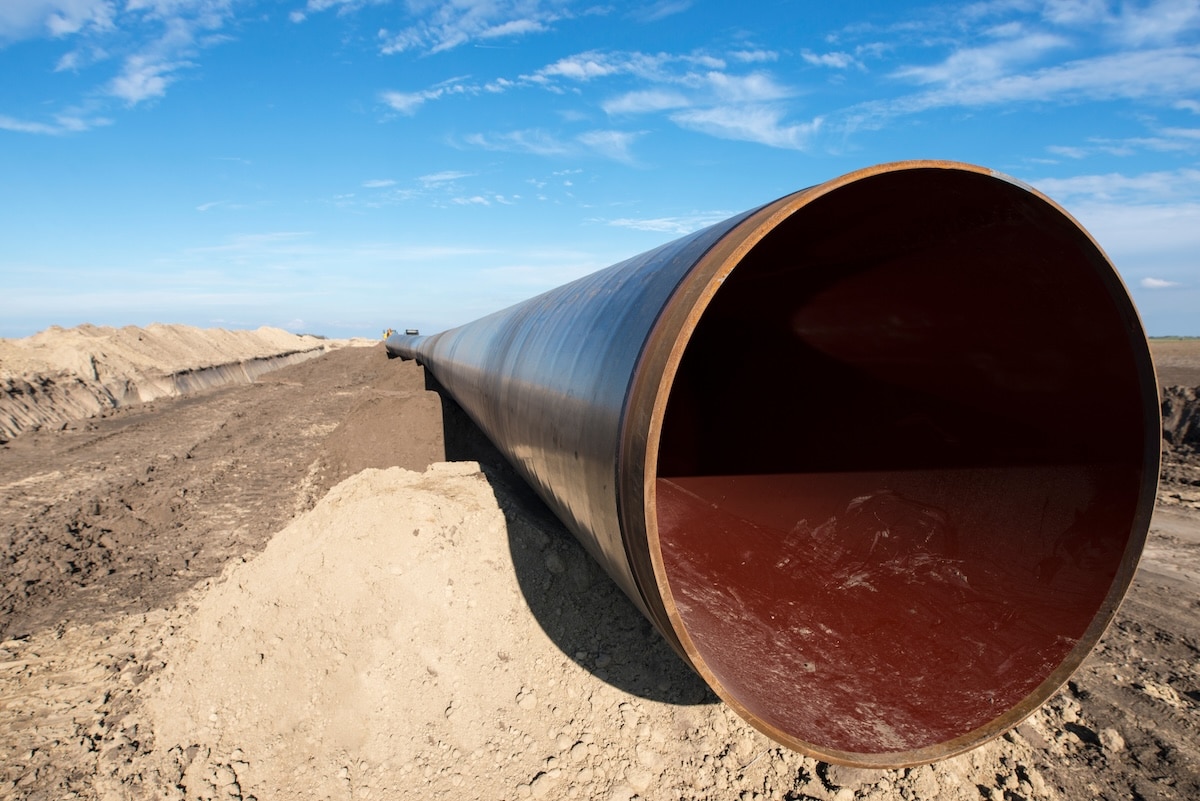
Internal coatings: Why familiar systems still deserve serious scrutiny

In 60 seconds

Top move

Treat internal flow coatings as a contract and qualification failure point: unspecified formulation, shelf-life or plant changes create rework, hold points and cost pass-through risk

Key takeaways

  • Treat internal flow coatings as a contract and qualification failure point: unspecified formulation, shelf-life or plant changes create rework, hold points and cost pass-through risk.[3]
  • Use GIRA's hydrogen test-bed outputs as an early procurement signal to prioritise inspections, materials testing and specialist supplier bookings for gas distribution assets.[1]
  • Pilot UAV-based methane mapping as a way to shift LDAR (leak detection, assessment and repair) spend from risky platform visits to specialist sensing contracts and data verification.[2]
  • Commercial levers matter: require at least two approved coating alternatives, objective shop-trials and supplier change-notification clauses to limit single-source failures and downstream disputes.[3]
  • This is a normal-signal day — developments are programmatic and actionable (materials qualification, hydrogen testing, emissions measurement) rather than market shock events.[1]

What changed since last run

  • Refocused priorities from vessel availability and M&A to three APAC-relevant O&M procurement issues: coatings qualification, hydrogen test-bed outputs and UAV methane measurement applicability.
  • Added concrete contract and pilot actions for coatings and LDAR procurement; removed prior vessel-centric sourcing steps from the Bourbon-themed brief.

Key facts

  • Long-standing products can still change formulation or application behaviour during production
  • Recommended approach: at least two approved alternatives plus comparative testing before shop
  • Five projects approved for funding with multiple projects already commenced
  • Hydrogen test bed re-commissioned and re-pressurised for ongoing material testing
  • UAV-based Gas Mapping LiDAR delivers equipment-level detection with quantified emission rates
  • Flux curtain method uses coordinated dual-UAV flights for inventory baselining and LDAR optim

Why it matters

Treat internal flow coatings as a contract and qualification failure point: unspecified formulation, shelf-life or plant changes create rework, hold points and cost pass-through risk. Use GIRA's hydrogen test-bed outputs as an early procurement signal to prioritise inspections, materials testing and specialist supplier bookings for gas distribution assets. Pilot UAV-based methane mapping as a way to shift LDAR (leak detection, assessment and repair) spend from risky platform visits to specialist sensing contracts and data verification. Commercial levers matter: require at least two approved coating alternatives, objective shop-trials and supplier change-notification clauses to limit single-source failures and downstream disputes

Cost / money

  • Unqualified or changed coatings create shop rework and delayed handback, producing fabrication and labour pass-throughs in O&M projects.[3]
  • Hydrogen compatibility testing will shift near-term maintenance budgets toward inspections, materials testing and selective retrofits for distribution assets.[1]
  • Adopting UAV LiDAR reallocates spend from travel-heavy platform inspections to specialist measurement and data-validation services.[2]

Supplier / commercial

  • Coatings vendors gain leverage when buyers accept single-product approvals; requiring two approved alternatives preserves competitive pressure and fallback options.[3]
  • Specialist hydrogen-testing providers and hydrogen-compatible material suppliers may have limited capacity, creating short booking windows for certification services.[1]
  • UAV LiDAR providers can convert one-off surveys into recurring LDAR contracts if buyers standardise data acceptance and procurement scope.[2]

Safety / operations

  • Poor coating qualification increases corrective work in confined fabrication environments, raising permit and supervision burdens for O&M teams.[3]
  • Remote UAV methane measurement reduces platform personnel exposure and weather-window risk by enabling targeted follow-up rather than broad access inspections.[2]

What to watch

  • Watch for quiet supplier notices about formulation or shelf-life changes that won’t make headlines but can trigger application failures during production.[3]
  • Track timing and interim outputs from GIRA's hydrogen test bed because early technical guidance will determine inspection criteria and procurement demand for niche tests.[1]

Top stories

Story 1The Australian PipelinerApr 13, 2026

Internal coatings: Why familiar systems still deserve serious scrutiny

Signal moderateSource-grounded

What happened

The article warns that internal flow coatings, often treated as routine, can fail or change behaviour when formulations, shelf-life or plant qualification shift. If parameters are not specified and tested before production, projects face rework, delay and contractual disputes; buyers should add shop trials and objective acceptance checkpoints and watch for supplier change notices

Buyer takeaway

Treat coatings as tested and contractually controlled items rather than routine commodities to avoid expensive remedial work

Cost / money

Directional increase in fabrication and rework costs if coating passes fail during shop trials

Supplier / commercial

Requiring two approved alternatives reduces supplier leverage and limits single-source disruption

Safety / operations

Rework and delayed acceptance increase time in confined fabrication spaces, heightening supervision and safety exposure

What to watch

Supplier formulation, shelf-life or plant qualification statements that arrive without comparative testing are a red flag

Key facts

  • Long-standing products can still change formulation or application behaviour during production
  • Recommended approach: at least two approved alternatives plus comparative testing before shop

Source excerpts

Wherever practical, projects should avoid locking themselves into a single product before proper qualification is complete. At least two approved alternatives should be considered, with clear requirements for comparative testing if final approval is to occur after contract award
A product with a long history in the market can still create major issues if its formulation has shifted, its shelf-life behaviour is poorly understood, its application characteristics change in production, or the coating plant has not properly qualified it under actual project conditions
In pipeline projects, internal coatings are often pushed into the background
Story 2The Australian PipelinerApr 15, 2026

Driving innovation in gas infrastructure

Signal strongSource-grounded

What happened

Gas Infrastructure Research Australia (GIRA) has activated a multi-project research program and re-commissioned a hydrogen test bed that was re-pressurised with hydrogen. The test bed is explicitly evaluating transport through a range of pipe materials and will produce outputs that inform inspection and material-compatibility decisions for distribution networks; buyers should monitor findings and guidance timing

Buyer takeaway

Treat published test-bed results as a forward signal for materials and inspection requirements in gas-network O&M planning

Cost / money

Materials testing and potential retrofits will shift near-term maintenance budgets toward inspection and certification activities

Supplier / commercial

Specialist testing and hydrogen-compatible material suppliers may charge premium rates and have limited slots

Safety / operations

Hydrogen exposure testing reveals failure modes that can change maintenance sequences and permit conditions for live-network work

What to watch

Track test outcomes and guidance timelines; early technical recommendations will drive procurement of niche testing services

Key facts

  • Five projects approved for funding with multiple projects already commenced
  • Hydrogen test bed re-commissioned and re-pressurised for ongoing material testing

Source excerpts

Hydrogen test bed The construction of the ‘Hydrogen Test Bed’, located at Deakin University’s Hycel site in Warrnambool, was a major success story of Future Fuels CRC. While the world-leading project successfully demonstrated the ability to safely transport 100 per cent hydrogen through a range of pipe materials (such as vintage and modern PE63, PE80, PE100 and uPVC), further exposure to hydrogen (beyond the initial three-year period) will allow network operators to better understand the service-life impacts o
Hydrogen test bed The construction of the ‘Hydrogen Test Bed’, located at Deakin University’s Hycel site in Warrnambool, was a major success story of Future Fuels CRC
Operational challenges introduced by alternative gases and impurities in the gas stream will also be considered by the Operations WG, such as impacts on fitness for service assessment and inspection techniques. The Strategic Research Working Group (WG3) has a broad scope, with flexibility to pursue projects that are identified as highly relevant to the longer-term strategies of GIRA’s members
Story 3The Australian PipelinerApr 14, 2026

Bringing credible methane measurement offshore

Signal strongSource-grounded

What happened

Bridger Photonics has adapted its Gas Mapping LiDAR system to unmanned aerial vehicles for offshore deployments, delivering quantified emission rates and equipment-level attribution. UAV GML and coordinated dual-UAV flux methods provide defensible, equipment-level data that operators can use to prioritise repairs and reduce unnecessary platform visits

Buyer takeaway

Pilot UAV LiDAR surveys to replace or complement traditional on-platform LDAR and to generate defensible emissions baselines

Cost / money

Shifts spend from travel-heavy inspections to specialist measurement contracts; potential net savings via targeted repairs

Supplier / commercial

Specialist sensing vendors can become preferred partners for recurring LDAR, enabling bundled service agreements

Safety / operations

Remote surveys reduce personnel exposure and weather-window dependency for initial detection work

What to watch

Evaluate data integration and verification methods; measurement vendors must deliver defensible, auditable data for reporting

Key facts

  • UAV-based Gas Mapping LiDAR delivers equipment-level detection with quantified emission rates
  • Flux curtain method uses coordinated dual-UAV flights for inventory baselining and LDAR optim

Source excerpts

Offshore oil and gas assets have long been one of the most challenging environments for methane measurement. Platforms are remote, access is costly, weather windows are limited, and traditional inspection-based methods often deliver incomplete data while increasing safety risk
From compliance to emissions intelligence The value of offshore aerial LiDAR extends beyond emissions reporting
Image: Bridger Photonics Solving offshore MRV challenges with UAV deployment Bridger’s aerial LiDAR deployment for offshore enables close-range, high-resolution scans around dense infrastructure while maintaining the same spectroscopic detection and quantification methods trusted in onshore aerial scans. Offshore UAV-based GML combines two complementary measurement modes: UAV GML: Optimised for equipment- and source-level detection and localisation across offshore platforms and other complex facilities Flux cu

VP Snapshot

Executive Risk & Action View

Treat internal flow coatings as a contract and qualification failure point: unspecified formulation, shelf-life or plant changes create rework, hold points and cost pass-through risk.

Overall
60
Cost
79
Supply
43
Schedule
20
Compliance
35

Top signals

30-180dcost

Signal 1: Cost / money

Unqualified or changed coatings create shop rework and delayed handback, producing fabrication and labour pass-throughs in O&M projects.

Signal 3: Cost / money

Adopting UAV LiDAR reallocates spend from travel-heavy platform inspections to specialist measurement and data-validation services.

0-30dcost

Signal 2: Cost / money

Hydrogen compatibility testing will shift near-term maintenance budgets toward inspections, materials testing and selective retrofits for distribution assets.

30-180dcommercial

Signal 4: Supplier / commercial

Coatings vendors gain leverage when buyers accept single-product approvals; requiring two approved alternatives preserves competitive pressure and fallback options.

Signal 6: Supplier / commercial

UAV LiDAR providers can convert one-off surveys into recurring LDAR contracts if buyers standardise data acceptance and procurement scope.

30-180dsupply

Signal 5: Supplier / commercial

Specialist hydrogen-testing providers and hydrogen-compatible material suppliers may have limited capacity, creating short booking windows for certification services.

Recommended actions

ContractsDue 3d

Inventory active projects' internal-coating specs and flag contracts that permit post-award product substitutions.

Register of coatings-controlled projects and list of contracts needing immediate spec tightening

CategoryDue 21d

Hold a cross-functional session to add shop-trial requirements, objective acceptance tests, and two-approved-alternative clauses into coatings templates.

Updated procurement template language and test checklist ready for imminent fabrication awards

OpsDue 21d

Scope a pilot UAV LiDAR emissions survey for one offshore asset with clear data-verification and reporting rules.

Pilot statement of work, vendor shortlist and an emissions baseline to compare with current LDAR

CategoryDue 21d

Engage specialist labs to confirm hydrogen-compatibility test capacity and provisional lead times for certification services.

Assessment of lab capacity, tentative lead times and recommended procurement route for priority assets

ContractsDue 60d

Publish a coatings addendum requiring supplier notification of formulation or shelf-life changes and an alternate-product approval process.

Deployed addendum across active fabrication and maintenance scopes, reducing single-source acceptance risk

CategoryDue 60d

Segment assets by hydrogen exposure and commission a materials-compatibility gap assessment to prioritise inspections and retrofit procurement.

Prioritised asset list with recommended inspection and procurement paths for hydrogen compatibility work

Risk register

RiskTriggerMitigation
Watch for quiet supplier notices about formulation or shelf-life changes that won’t make headlines but can trigger application failures during production.Watch for quiet supplier notices about formulation or shelf-life changes that won’t make headlines but can trigger application failures during production.Confirm exposure with category, contracts, and operations before the next supplier commitment.
Track timing and interim outputs from GIRA's hydrogen test bed because early technical guidance will determine inspection criteria and procurement demand for niche tests.Track timing and interim outputs from GIRA's hydrogen test bed because early technical guidance will determine inspection criteria and procurement demand for niche tests.Confirm exposure with category, contracts, and operations before the next supplier commitment.

CM Snapshot

Category Manager Decision Detail

Today's priorities

Inventory active projects' internal-coating specs and flag contracts that permit post-award product substitutions.

because formulation or shelf-life changes create late-stage rework and contractual disputes, and knowing acceptance rules prevents avoidable hold points.

Due 3d

high

CM move

Use this as the immediate supplier or contract action to move before the next sourcing gate.

Hold a cross-functional session to add shop-trial requirements, objective acceptance tests, and two-approved-alternative clauses into coatings templates.

because pre-production comparative testing and alternate approvals reduce single-supplier failure risk and downstream rework costs.

Due 21d

high

CM move

Use this as the immediate supplier or contract action to move before the next sourcing gate.

Scope a pilot UAV LiDAR emissions survey for one offshore asset with clear data-verification and reporting rules.

because UAV-based gas mapping provides equipment-level rates that let Ops prioritise repairs without unsafe platform visits.

Due 21d

high

CM move

Use this as the immediate supplier or contract action to move before the next sourcing gate.

Engage specialist labs to confirm hydrogen-compatibility test capacity and provisional lead times for certification services.

because GIRA's re-commissioned test bed will generate procurement demand for niche materials testing and early booking reduces schedule risk.

Due 21d

high

CM move

Use this as the immediate supplier or contract action to move before the next sourcing gate.

Supplier radar

The Australian Pipeliner

high

Observed supplier signal

Coatings vendors gain leverage when buyers accept single-product approvals; requiring two approved alternatives preserves competitive pressure and fallback options.

Commercial implication

Coatings vendors gain leverage when buyers accept single-product approvals; requiring two approved alternatives preserves competitive pressure and fallback options.

Next step: Validate the source-backed signal with incumbents and alternates before the next award or pricing decision.

The Australian Pipeliner

high

Observed supplier signal

Specialist hydrogen-testing providers and hydrogen-compatible material suppliers may have limited capacity, creating short booking windows for certification services.

Commercial implication

Specialist hydrogen-testing providers and hydrogen-compatible material suppliers may have limited capacity, creating short booking windows for certification services.

Next step: Validate the source-backed signal with incumbents and alternates before the next award or pricing decision.

The Australian Pipeliner

high

Observed supplier signal

UAV LiDAR providers can convert one-off surveys into recurring LDAR contracts if buyers standardise data acceptance and procurement scope.

Commercial implication

UAV LiDAR providers can convert one-off surveys into recurring LDAR contracts if buyers standardise data acceptance and procurement scope.

Next step: Validate the source-backed signal with incumbents and alternates before the next award or pricing decision.

Negotiation levers

Inventory active projects' internal-coating specs and flag contracts that permit post-award product substitutions.

When to use: because formulation or shelf-life changes create late-stage rework and contractual disputes, and knowing acceptance rules prevents avoidable hold points.

Expected outcome: Register of coatings-controlled projects and list of contracts needing immediate spec tightening

Commercial mechanism to carry into the next supplier conversation

Hold a cross-functional session to add shop-trial requirements, objective acceptance tests, and two-approved-alternative clauses into coatings templates.

When to use: because pre-production comparative testing and alternate approvals reduce single-supplier failure risk and downstream rework costs.

Expected outcome: Updated procurement template language and test checklist ready for imminent fabrication awards

Commercial mechanism to carry into the next supplier conversation

Scope a pilot UAV LiDAR emissions survey for one offshore asset with clear data-verification and reporting rules.

When to use: because UAV-based gas mapping provides equipment-level rates that let Ops prioritise repairs without unsafe platform visits.

Expected outcome: Pilot statement of work, vendor shortlist and an emissions baseline to compare with current LDAR

Commercial mechanism to carry into the next supplier conversation

Engage specialist labs to confirm hydrogen-compatibility test capacity and provisional lead times for certification services.

When to use: because GIRA's re-commissioned test bed will generate procurement demand for niche materials testing and early booking reduces schedule risk.

Expected outcome: Assessment of lab capacity, tentative lead times and recommended procurement route for priority assets

Commercial mechanism to carry into the next supplier conversation

Talking points

Treat internal flow coatings as a contract and qualification failure point: unspecified formulation, shelf-life or plant changes create rework, hold points and cost pass-through risk.
Use GIRA's hydrogen test-bed outputs as an early procurement signal to prioritise inspections, materials testing and specialist supplier bookings for gas distribution assets.
Pilot UAV-based methane mapping as a way to shift LDAR (leak detection, assessment and repair) spend from risky platform visits to specialist sensing contracts and data verification.
Commercial levers matter: require at least two approved coating alternatives, objective shop-trials and supplier change-notification clauses to limit single-source failures and downstream disputes.

Supplier radar

SupplierSignalImplicationNext stepConfidence
The Australian PipelinerCoatings vendors gain leverage when buyers accept single-product approvals; requiring two approved alternatives preserves competitive pressure and fallback options.Coatings vendors gain leverage when buyers accept single-product approvals; requiring two approved alternatives preserves competitive pressure and fallback options.Validate the source-backed signal with incumbents and alternates before the next award or pricing decision.high
The Australian PipelinerSpecialist hydrogen-testing providers and hydrogen-compatible material suppliers may have limited capacity, creating short booking windows for certification services.Specialist hydrogen-testing providers and hydrogen-compatible material suppliers may have limited capacity, creating short booking windows for certification services.Validate the source-backed signal with incumbents and alternates before the next award or pricing decision.high
The Australian PipelinerUAV LiDAR providers can convert one-off surveys into recurring LDAR contracts if buyers standardise data acceptance and procurement scope.UAV LiDAR providers can convert one-off surveys into recurring LDAR contracts if buyers standardise data acceptance and procurement scope.Validate the source-backed signal with incumbents and alternates before the next award or pricing decision.high

Negotiation levers

  • Inventory active projects' internal-coating specs and flag contracts that permit post-award product substitutions.because formulation or shelf-life changes create late-stage rework and contractual disputes, and knowing acceptance rules prevents avoidable hold points.Register of coatings-controlled projects and list of contracts needing immediate spec tightening

    high confidence

  • Hold a cross-functional session to add shop-trial requirements, objective acceptance tests, and two-approved-alternative clauses into coatings templates.because pre-production comparative testing and alternate approvals reduce single-supplier failure risk and downstream rework costs.Updated procurement template language and test checklist ready for imminent fabrication awards

    high confidence

  • Scope a pilot UAV LiDAR emissions survey for one offshore asset with clear data-verification and reporting rules.because UAV-based gas mapping provides equipment-level rates that let Ops prioritise repairs without unsafe platform visits.Pilot statement of work, vendor shortlist and an emissions baseline to compare with current LDAR

    high confidence

  • Engage specialist labs to confirm hydrogen-compatibility test capacity and provisional lead times for certification services.because GIRA's re-commissioned test bed will generate procurement demand for niche materials testing and early booking reduces schedule risk.Assessment of lab capacity, tentative lead times and recommended procurement route for priority assets

    high confidence

What to do / What to watch

What to do now

  • Inventory active projects' internal-coating specs and flag contracts that permit post-award product substitutions.

    Why: because formulation or shelf-life changes create late-stage rework and contractual disputes, and knowing acceptance rules prevents avoidable hold points.

    Owner: Contracts

    Expected outcome: Register of coatings-controlled projects and list of contracts needing immediate spec tightening

    [3]

Next few weeks

  • Hold a cross-functional session to add shop-trial requirements, objective acceptance tests, and two-approved-alternative clauses into coatings templates.

    Why: because pre-production comparative testing and alternate approvals reduce single-supplier failure risk and downstream rework costs.

    Owner: Category

    Expected outcome: Updated procurement template language and test checklist ready for imminent fabrication awards

    [3]
  • Scope a pilot UAV LiDAR emissions survey for one offshore asset with clear data-verification and reporting rules.

    Why: because UAV-based gas mapping provides equipment-level rates that let Ops prioritise repairs without unsafe platform visits.

    Owner: Ops

    Expected outcome: Pilot statement of work, vendor shortlist and an emissions baseline to compare with current LDAR

    [2]
  • Engage specialist labs to confirm hydrogen-compatibility test capacity and provisional lead times for certification services.

    Why: because GIRA's re-commissioned test bed will generate procurement demand for niche materials testing and early booking reduces schedule risk.

    Owner: Category

    Expected outcome: Assessment of lab capacity, tentative lead times and recommended procurement route for priority assets

    [1]

Longer view

  • Publish a coatings addendum requiring supplier notification of formulation or shelf-life changes and an alternate-product approval process.

    Why: because contractual clarity on product changes prevents late-stage disputes and preserves buyer options if a primary product proves unsuitable.

    Owner: Contracts

    Expected outcome: Deployed addendum across active fabrication and maintenance scopes, reducing single-source acceptance risk

    [3]
  • Segment assets by hydrogen exposure and commission a materials-compatibility gap assessment to prioritise inspections and retrofit procurement.

    Why: because GIRA test-bed findings will change inspection criteria and should inform which assets get limited testing or early retrofit work.

    Owner: Category

    Expected outcome: Prioritised asset list with recommended inspection and procurement paths for hydrogen compatibility work

    [1]

What to watch

  • Watch for quiet supplier notices about formulation or shelf-life changes that won’t make headlines but can trigger application failures during production
  • Track timing and interim outputs from GIRA's hydrogen test bed because early technical guidance will determine inspection criteria and procurement demand for niche tests
  • Watch for quiet supplier notices about formulation or shelf-life changes that won’t make headlines but can trigger application failures during production.: Watch for quiet supplier notices about formulation or shelf-life changes that won’t make headlines but can trigger application failures during production
  • Track timing and interim outputs from GIRA's hydrogen test bed because early technical guidance will determine inspection criteria and procurement demand for niche tests.: Track timing and interim outputs from GIRA's hydrogen test bed because early technical guidance will determine inspection criteria and procurement demand for niche tests
  • Treat internal flow coatings as a contract and qualification failure point: unspecified formulation, shelf-life or plant changes create rework, hold points and cost pass-through risk
  • Use GIRA's hydrogen test-bed outputs as an early procurement signal to prioritise inspections, materials testing and specialist supplier bookings for gas distribution assets
  • Pilot UAV-based methane mapping as a way to shift LDAR (leak detection, assessment and repair) spend from risky platform visits to specialist sensing contracts and data verification
  • Commercial levers matter: require at least two approved coating alternatives, objective shop-trials and supplier change-notification clauses to limit single-source failures and downstream disputes

Market pulse

IndexLatestChangeAs of
WTI Crude (WTI)71.23 /bbl+0.00 (+0.00%)Apr 23, 2026, 10:08 PM
Brent Crude (BRENT)74.89 /bbl+0.00 (+0.00%)Apr 23, 2026, 10:08 PM
Natural Gas (NG)3.12 /MMBtu+0.00 (+0.00%)Apr 23, 2026, 10:08 PM
Johnson Controls (JCI)65 +0.00 (+0.00%)Apr 23, 2026, 10:08 PM
  • Natural Gas: Natural gas market direction and methane measurement progress influence distribution-network inspection and testing demand
  • Brent Crude: Fuel and marine fuel price direction affects offshore mobilization and vendor travel costs when shifting from on-platform inspections to remote services

Sources

Inline citations jump here. Expand a source to read the excerpt, the AI interpretation, and the original link.

[1] Driving innovation in gas infrastructure

pipeliner.com.au · Apr 15, 2026

Expand

AI reading

Gas Infrastructure Research Australia (GIRA) has activated a multi-project research program and re-commissioned a hydrogen test bed that was re-pressurised with hydrogen. The test bed is explicitly evaluating transport through a range of pipe materials and will produce outputs that inform inspection and material-compatibility decisions for distribution networks; buyers should monitor findings and guidance timing

Buyer takeaway

Treat published test-bed results as a forward signal for materials and inspection requirements in gas-network O&M planning

Cost / money

Materials testing and potential retrofits will shift near-term maintenance budgets toward inspection and certification activities

Supplier / commercial

Specialist testing and hydrogen-compatible material suppliers may charge premium rates and have limited slots

Safety / operations

Hydrogen exposure testing reveals failure modes that can change maintenance sequences and permit conditions for live-network work

What to watch

Track test outcomes and guidance timelines; early technical recommendations will drive procurement of niche testing services

Key facts

  • Five projects approved for funding with multiple projects already commenced
  • Hydrogen test bed re-commissioned and re-pressurised for ongoing material testing

Source excerpts

Hydrogen test bed The construction of the ‘Hydrogen Test Bed’, located at Deakin University’s Hycel site in Warrnambool, was a major success story of Future Fuels CRC. While the world-leading project successfully demonstrated the ability to safely transport 100 per cent hydrogen through a range of pipe materials (such as vintage and modern PE63, PE80, PE100 and uPVC), further exposure to hydrogen (beyond the initial three-year period) will allow network operators to better understand the service-life impacts o
Hydrogen test bed The construction of the ‘Hydrogen Test Bed’, located at Deakin University’s Hycel site in Warrnambool, was a major success story of Future Fuels CRC
Operational challenges introduced by alternative gases and impurities in the gas stream will also be considered by the Operations WG, such as impacts on fitness for service assessment and inspection techniques. The Strategic Research Working Group (WG3) has a broad scope, with flexibility to pursue projects that are identified as highly relevant to the longer-term strategies of GIRA’s members

Used in this brief

  • Supplier / commercial: Specialist hydrogen-testing providers and hydrogen-compatible material suppliers may have limited capacity, creating short booking windows for certification services
  • What to watch: Track timing and interim outputs from GIRA's hydrogen test bed because early technical guidance will determine inspection criteria and procurement demand for niche tests
  • Next 2-4 weeks — Engage specialist labs to confirm hydrogen-compatibility test capacity and provisional lead times for certification services.. Rationale: because GIRA's re-commissioned test bed will generate procurement demand for niche materials testing and early booking reduces schedule risk.. Owner: Category. KPI: Assessment of lab capacity, tentative lead times and recommended procurement route for priority assets
Open original source

[2] Bringing credible methane measurement offshore

pipeliner.com.au · Apr 14, 2026

Expand

AI reading

Bridger Photonics has adapted its Gas Mapping LiDAR system to unmanned aerial vehicles for offshore deployments, delivering quantified emission rates and equipment-level attribution. UAV GML and coordinated dual-UAV flux methods provide defensible, equipment-level data that operators can use to prioritise repairs and reduce unnecessary platform visits

Buyer takeaway

Pilot UAV LiDAR surveys to replace or complement traditional on-platform LDAR and to generate defensible emissions baselines

Cost / money

Shifts spend from travel-heavy inspections to specialist measurement contracts; potential net savings via targeted repairs

Supplier / commercial

Specialist sensing vendors can become preferred partners for recurring LDAR, enabling bundled service agreements

Safety / operations

Remote surveys reduce personnel exposure and weather-window dependency for initial detection work

What to watch

Evaluate data integration and verification methods; measurement vendors must deliver defensible, auditable data for reporting

Key facts

  • UAV-based Gas Mapping LiDAR delivers equipment-level detection with quantified emission rates
  • Flux curtain method uses coordinated dual-UAV flights for inventory baselining and LDAR optim

Source excerpts

Offshore oil and gas assets have long been one of the most challenging environments for methane measurement. Platforms are remote, access is costly, weather windows are limited, and traditional inspection-based methods often deliver incomplete data while increasing safety risk
From compliance to emissions intelligence The value of offshore aerial LiDAR extends beyond emissions reporting
Image: Bridger Photonics Solving offshore MRV challenges with UAV deployment Bridger’s aerial LiDAR deployment for offshore enables close-range, high-resolution scans around dense infrastructure while maintaining the same spectroscopic detection and quantification methods trusted in onshore aerial scans. Offshore UAV-based GML combines two complementary measurement modes: UAV GML: Optimised for equipment- and source-level detection and localisation across offshore platforms and other complex facilities Flux cu

Used in this brief

  • Safety / operations: Remote UAV methane measurement reduces platform personnel exposure and weather-window risk by enabling targeted follow-up rather than broad access inspections
  • Next 2-4 weeks — Scope a pilot UAV LiDAR emissions survey for one offshore asset with clear data-verification and reporting rules.. Rationale: because UAV-based gas mapping provides equipment-level rates that let Ops prioritise repairs without unsafe platform visits.. Owner: Ops. KPI: Pilot statement of work, vendor shortlist and an emissions baseline to compare with current LDAR
  • Bridger Photonics has adapted its Gas Mapping LiDAR system to unmanned aerial vehicles for offshore deployments, delivering quantified emission rates and equipment-level attribution. UAV GML and coordinated dual-UAV flux methods provide defensible, equipment-level data that operators can use to prioritise repairs and reduce unnecessary platform visits
Open original source

[3] Internal coatings: Why familiar systems still deserve serious scrutiny

pipeliner.com.au · Apr 13, 2026

Expand

AI reading

The article warns that internal flow coatings, often treated as routine, can fail or change behaviour when formulations, shelf-life or plant qualification shift. If parameters are not specified and tested before production, projects face rework, delay and contractual disputes; buyers should add shop trials and objective acceptance checkpoints and watch for supplier change notices

Buyer takeaway

Treat coatings as tested and contractually controlled items rather than routine commodities to avoid expensive remedial work

Cost / money

Directional increase in fabrication and rework costs if coating passes fail during shop trials

Supplier / commercial

Requiring two approved alternatives reduces supplier leverage and limits single-source disruption

Safety / operations

Rework and delayed acceptance increase time in confined fabrication spaces, heightening supervision and safety exposure

What to watch

Supplier formulation, shelf-life or plant qualification statements that arrive without comparative testing are a red flag

Key facts

  • Long-standing products can still change formulation or application behaviour during production
  • Recommended approach: at least two approved alternatives plus comparative testing before shop

Source excerpts

Wherever practical, projects should avoid locking themselves into a single product before proper qualification is complete. At least two approved alternatives should be considered, with clear requirements for comparative testing if final approval is to occur after contract award
A product with a long history in the market can still create major issues if its formulation has shifted, its shelf-life behaviour is poorly understood, its application characteristics change in production, or the coating plant has not properly qualified it under actual project conditions
In pipeline projects, internal coatings are often pushed into the background

Used in this brief

  • Supplier / commercial: Coatings vendors gain leverage when buyers accept single-product approvals; requiring two approved alternatives preserves competitive pressure and fallback options
  • What to watch: Watch for quiet supplier notices about formulation or shelf-life changes that won’t make headlines but can trigger application failures during production
  • Next 72 hours — Inventory active projects' internal-coating specs and flag contracts that permit post-award product substitutions.. Rationale: because formulation or shelf-life changes create late-stage rework and contractual disputes, and knowing acceptance rules prevents avoidable hold points.. Owner: Contracts. KPI: Register of coatings-controlled projects and list of contracts needing immediate spec tightening
Open original source

[4] Natural Gas

finance.yahoo.com · n.d.

Expand

[5] Brent Crude

finance.yahoo.com · n.d.

Expand