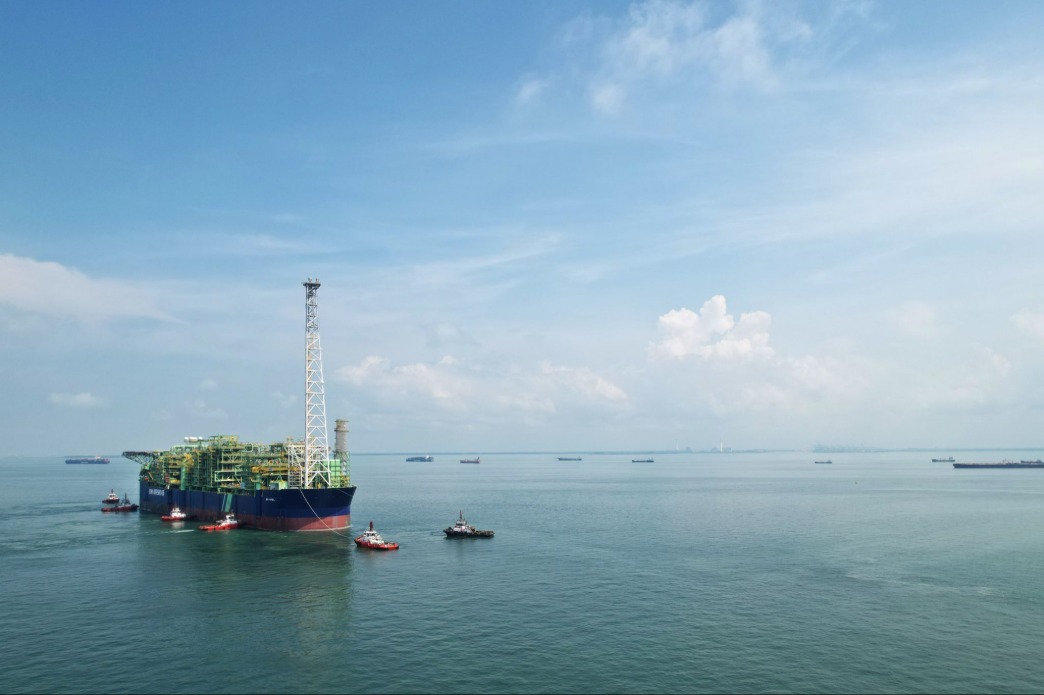
Australian FPSO production ramp-up on Santos’ agenda next week
What happened
Santos announced the Barossa FPSO is restarting and is expected to ramp up production as teams complete heat-exchanger flushing and compressor seal replacements. The work is moving into an operational window beginning next week with LNG production expected shortly after the FPSO is back online. Watch whether the unit sustains full rates or requires follow-on intervention work that would extend mobilisation needs
Buyer takeaway
Treat the ramp-up as a confirmed demand event that tightens mobilisation windows and raises the commercial value of suppliers with stock, local presence, and proven FPSO mobilisation capability
Cost / money
Expect directional upward pressure on short-term intervention and mobilisation costs where suppliers charge for expedited parts and rapid crew deployment
Supplier / commercial
Suppliers holding critical spares or with local crews will be able to press for narrower lead-times or premium terms; bidders without local presence may be excluded from immediate work
Safety / operations
Compressed timelines around hot-work, flushing, and seal swaps increase reliance on pre-mobilisation checks, permit coordination, and competency verification to avoid rework or incidents
What to watch
Watch whether initial ramp achieves stable output; any rollback or repeat maintenance will prolong intervention scopes and increase mobilisation churn
Key facts
- FPSO ramp scheduled to start next week
- Dry gas compressor seals replaced as part of readiness
- LNG production to begin a few days after FPSO back online
Source excerpts
The initial LNG production began after the completion of the Darwin LNG life extension project and the cool-down of the LNG train and storage tank. The FPSO, which is situated at the Barossa gas field, approximately 285 kilometers offshore Darwin in the Northern Territory of Australia, is expected to feed the Darwin LNG plant for the next two decades
5 million barrels of oil (boe) in Q1 2026, up 1% on the prior quarter and 3% on the corresponding period in 2025, as Barossa achieved its first cargoes. The Barossa FPSO is now expected to begin ramping up production in the next week as the firm completes the flushing and cleaning of heat exchanger trains
The Barossa FPSO is now expected to begin ramping up production in the next week as the firm completes the flushing and cleaning of heat exchanger trains