Drilling Services · Australia (Perth)

Adjust APAC Drilling Plans After Santos FPSO Ramp-Up and Sanctions

Published Apr 25, 2026, 6:02 AM AWSTAPACFull category signal
Ask AI
Australian FPSO production ramp-up on Santos’ agenda next week

In 60 seconds

Top move

Santos' BW Opal FPSO is scheduled to ramp production next week, creating immediate demand for local inspection, maintenance and gas-handling support around Darwin — this tightens short-term supplier windows for drilling-support and regional logistics

Key takeaways

  • Santos' BW Opal FPSO is scheduled to ramp production next week, creating immediate demand for local inspection, maintenance and gas-handling support around Darwin — this tightens short-term supplier windows for drilling-support and regional logistics.[1]
  • The EU's 20th sanctions package expands vessel and port restrictions and tightens anti-circumvention checks, which raises compliance steps for international charters and could narrow the pool of usable third‑party shipping providers for mobilisations headed to APAC.[3]
  • A fresh oil-price uptick tied to Middle East risk increases directional cost pressure on dayrates, charters and logistics for upcoming drilling programs — expect suppliers to push harder on price and mobilization terms.[2]
  • Operational detail matters: Santos reported heat‑exchanger flushing and recent compressor seal work tied to the restart, which means buyers must verify spare parts, vendor readiness and sign‑off sequences before allocating contractor slots.[1]
  • Sanctions include explicit no‑Russia clauses and port bans that will be passed downstream into sales and charter contracts — update due‑diligence checklists and expect suppliers to require additional documentation.[3]

What changed since last run

  • Added an APAC operational signal: Santos' Barossa FPSO (BW Opal) scheduled ramp-up next week that directly affects Darwin-region support and logistics (new since prior brief).
  • New regulatory signal: EU's 20th sanctions package expands vessel/port restrictions and anti‑circumvention measures (not referenced in previous brief).
  • Market movement: short-term oil price rise on Middle East hostilities registered today, increasing directional cost pressure versus the prior run.

Key facts

  • Reported production boost cited in Q1 operational update
  • Barossa FPSO expected to begin ramp-up next week
  • Restart sequence includes heat-exchanger flushing and compressor seal replacement
  • 632 vessels listed by the EU shadow-fleet measures
  • Package includes 36 energy-related listings across upstream and downstream
  • Port bans extended to include Murmansk, Tuapse and Karimun Oil Terminal

Why it matters

Santos' BW Opal FPSO is scheduled to ramp production next week, creating immediate demand for local inspection, maintenance and gas-handling support around Darwin — this tightens short-term supplier windows for drilling-support and regional logistics. The EU's 20th sanctions package expands vessel and port restrictions and tightens anti-circumvention checks, which raises compliance steps for international charters and could narrow the pool of usable third‑party shipping providers for mobilisations headed to APAC. A fresh oil-price uptick tied to Middle East risk increases directional cost pressure on dayrates, charters and logistics for upcoming drilling programs — expect suppliers to push harder on price and mobilization terms. Operational detail matters: Santos reported heat‑exchanger flushing and recent compressor seal work tied to the restart, which means buyers must verify spare parts, vendor readiness and sign‑off sequences before allocating contractor slots

Cost / money

  • Santos' restart work and near-term ramp increases short-term mobilization and parts-replacement costs for local contractors because vendors will compress schedules and prioritise FPSO-related work over non-critical mobilisations.[1]
  • Higher oil prices and geopolitical risk create upward pressure on charter rates and drilling dayrates, reducing buyer negotiating room for new mobilizations.[2]

Supplier / commercial

  • Suppliers for FPSO maintenance, topside support and gas-handling are likely to shorten quote validity and demand mobilization premiums as the BW Opal ramp firms up the local schedule.[1]
  • Sanctions and tighter anti-circumvention rules raise supplier compliance costs and may shrink the pool of acceptable international vessel providers for heavy lifts and marine support.[3]

Safety / operations

  • Compressed readiness around the FPSO restart increases execution dependency on spare parts availability, certified crew sign-offs and vendor work-pack accuracy — any gaps can delay ramp and feed into drilling schedules.[1][2]
  • If sanctioned or 'shadow' vessels are removed from service, last-minute vessel swaps create operational risk during heavy-equipment transits and mobilisations, requiring extra verification and contingency planning.[3]

What to watch

  • Check live charter-party and purchase agreements for new 'no Russia' or anti-circumvention warranties and for added compliance steps that suppliers may now require.[3]
  • Watch whether the Santos ramp uses local supplier slots that overlap planned drilling support windows — supplier allocation clashes will surface quickly and will likely carry mobilization premiums.[1]

Top stories

Story 1Offshore EnergyApr 24, 2026

Australian FPSO production ramp-up on Santos’ agenda next week

Signal strongSource-grounded

What happened

Santos announced the BW Opal FPSO will begin a production ramp next week after heat-exchanger flushing and compressor seal replacements. The restart is directly tied to feeding the Darwin LNG plant and will demand immediate inspection, parts and contractor support in the Darwin region. Buyers should watch vendor sloting and spare-parts lead times closely as these will determine how much drilling-support capacity remains available

Buyer takeaway

Treat the ramp as a concrete local demand event and check supplier slotting and spare parts now; this is operational, not just a headline

Cost / money

Directional increase in mobilization and short-notice premiums for Darwin-region services as vendors prioritise FPSO restart work

Supplier / commercial

Suppliers near Darwin can shorten quote validity and seek mobilization premiums; ask for confirmed slot commitments when evaluating bids

Safety / operations

Compressed timelines raise the need for verified crew competencies and documented equipment sign-offs to avoid ramp delays

What to watch

Watch for supplier notices of limited availability and for requests to move to 'standby' commercial terms that carry premiums

Key facts

  • Reported production boost cited in Q1 operational update
  • Barossa FPSO expected to begin ramp-up next week
  • Restart sequence includes heat-exchanger flushing and compressor seal replacement

Source excerpts

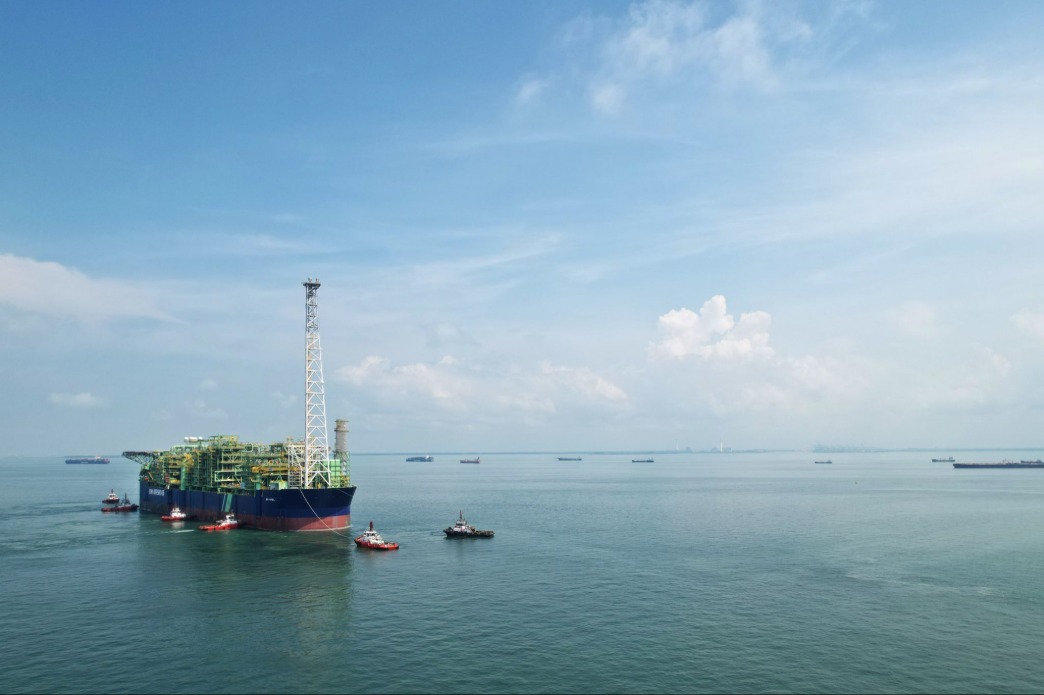
Home Fossil Energy Australian FPSO production ramp-up on Santos’ agenda next week April 24, 2026, by Australia’s energy player Santos has disclosed a timeline for a production increase following a restart of output from a floating production, storage, and offloading (FPSO) vessel deployed at its gas project off the coast of Australia’s Northern Territory. FPSO BW Opal; Source: Santos Santos reported a production boost of 22
The Barossa FPSO is now expected to begin ramping up production in the next week as the firm completes the flushing and cleaning of heat exchanger trains
Home Fossil Energy Australian FPSO production ramp-up on Santos’ agenda next week April 24, 2026, by Australia’s energy player Santos has disclosed a timeline for a production increase following a restart of output from a floating production, storage, and offloading (FPSO) vessel deployed at its gas project off the coast of Australia’s Northern Territory
Story 2Offshore EnergyApr 24, 2026

EU’s 20th sanctions batch tightens grip on Russia’s oil, gas, LNG and shadow fleet spheres with 632 vessels blacklisted

Signal moderateDirectional

What happened

The EU adopted a 20th sanctions package that added 632 vessels to its lists and introduced stronger anti-circumvention and port-service bans. The measures include mandatory seller due diligence and 'no Russia' clauses that are expected to flow into charter and vessel-sale contracts. Procurement teams should expect added paperwork and tighter counterparty checks when contracting international shipping and marine services

Buyer takeaway

Expect more contractual compliance requirements and reduced access to some international vessels; update due-diligence checks and charter acceptance criteria

Cost / money

Compliance and substitution costs may rise as buyers avoid sanctioned routes or replace vessels with compliant alternatives

Supplier / commercial

Vessel owners and agents will push for stronger warranties and shorter quote-validity windows to protect against sanctions exposure

Safety / operations

Last-minute vessel swaps or rerouting increase logistical complexity and risk during heavy-equipment transfers and mobilisations

What to watch

Check for new 'no Russia' clauses creeping into supplier and charter contracts and ensure procurement legal reviews these changes

Key facts

  • 632 vessels listed by the EU shadow-fleet measures
  • Package includes 36 energy-related listings across upstream and downstream
  • Port bans extended to include Murmansk, Tuapse and Karimun Oil Terminal

Source excerpts

The new sanctions are said to have a strong anti-circumvention angle and include energy measures, as well as the activation for the first time of the ‘anti-circumvention’ tool
While 46 vessels are added to the sanctions list, 11 ships are also delisted in this 20th package, showing that delisting is a possibility for vessels returning to compliance
While 46 vessels are added to the sanctions list, 11 ships are also delisted in this 20th package, showing that delisting is a possibility for vessels returning to compliance. The new sanctions insert safeguards on tanker sales from the EU to prevent Russian end-use, with the dedicated due diligence by sellers, as well as a mandatory ‘no Russia’ clause to be passed on into sales contracts, anticipated to prevent usage deployment within the shadow fleet
Story 3Offshore TechnologyApr 24, 2026

Oil climbs 2% on fears of fresh hostilities in Middle East

Signal moderateDirectional

What happened

Oil prices rose on fresh fears of hostilities in the Middle East, causing a short-term climb in Brent and WTI futures. That price move increases cost pressure across charters, fuel bills and dayrates, which suppliers may pass through into quotes and mobilization charges. Watch whether the move persists, as sustained higher crude would change supplier pricing posture

Buyer takeaway

Treat today's price move as an input to supplier negotiations and scenario planning; require suppliers to justify any fuel-related pass-throughs

Cost / money

Directional upward effect on fuel, charter costs and dayrates; expect suppliers to cite market moves when negotiating mobilisation fees

Supplier / commercial

Suppliers may seek to index short-term mobilization or fuel surcharges to crude movements; verify contractual allowance for pass-throughs

Safety / operations

Higher fuel costs can incentivize condensed schedules and longer shifts — monitor fatigue and competency risks if execution is compressed

What to watch

Watch for quick contract amendments proposing fuel or war-risk surcharges

Key facts

  • Brent and WTI futures climbed on renewed geopolitical risk
  • Price move was reported as a multi-dollar rise intraday tied to regional incidents
  • Market reaction increases immediate cost pressure on logistics and charters

Source excerpts

Oil prices surged on 24 April as fears over a new surge in hostilities in the Middle East pushed Brent crude futures up by $2
This waterway, which previously handled around a fifth of global oil shipments, continues to be largely inaccessible
He also said he would extend the ceasefire indefinitely to enable continued peace negotiations

VP Snapshot

Executive Risk & Action View

Santos' BW Opal FPSO is scheduled to ramp production next week, creating immediate demand for local inspection, maintenance and gas-handling support around Darwin — this tightens short-term supplier windows for drilling-support and regional logistics.

Overall
51
Cost
61
Supply
43
Schedule
56
Compliance
55

Top signals

0-30dcost

Signal 1: Cost / money

Santos' restart work and near-term ramp increases short-term mobilization and parts-replacement costs for local contractors because vendors will compress schedules and prioritise FPSO-related work over non-critical mobilisations.

30-180dcost

Signal 2: Cost / money

Higher oil prices and geopolitical risk create upward pressure on charter rates and drilling dayrates, reducing buyer negotiating room for new mobilizations.

30-180dschedule

Signal 3: Supplier / commercial

Suppliers for FPSO maintenance, topside support and gas-handling are likely to shorten quote validity and demand mobilization premiums as the BW Opal ramp firms up the local schedule.

30-180dregulatory

Signal 4: Supplier / commercial

Sanctions and tighter anti-circumvention rules raise supplier compliance costs and may shrink the pool of acceptable international vessel providers for heavy lifts and marine support.

0-30dsupply

Signal 5: Safety / operations

Compressed readiness around the FPSO restart increases execution dependency on spare parts availability, certified crew sign-offs and vendor work-pack accuracy — any gaps can delay ramp and feed into drilling schedules.

30-180dsupplier

Signal 6: Safety / operations

If sanctioned or 'shadow' vessels are removed from service, last-minute vessel swaps create operational risk during heavy-equipment transits and mobilisations, requiring extra verification and contingency planning.

Recommended actions

CategoryDue 3d

Confirm Darwin-region mobilization and support schedules against Santos' FPSO ramp plan.

Updated mobilisation schedule identifying at-risk tenders and reallocated supplier slots.

ContractsDue 3d

Ask commercial teams to validate quote validity, mobilization windows and compliance documentation on all live RFPs for APAC shipments.

RFPs updated with explicit mobilization clauses and required compliance attachments.

CategoryDue 21d

Run a supplier concentration and sanctions-compliance review for marine logistics and heavy-lift vendors that support APAC drilling mobilisations.

Prioritised alternate supplier list and updated compliance checklist for onboarding and charters.

OpsDue 21d

Ops to verify spare-parts, seals and critical rotating-equipment lead times for contractors in Darwin and confirm pre-placements with vendors.

Confirmed parts inventory and vendor lead-time register aligned with planned mobilisations.

ContractsDue 60d

Revise contract templates to add minimum quote-validity periods, clearer mobilization windows and sanctions/due-diligence representations.

Updated contract templates reducing exposure to short-notice cancellations and clarifying compliance obligations.

CategoryDue 60d

Engage preferred suppliers to secure prioritised slots or standby arrangements for FPSO and drilling-support services in northern Australia.

Preferred-supplier agreements or memoranda of understanding that secure mobilization priority and defined response times.

Risk register

RiskTriggerMitigation
Check live charter-party and purchase agreements for new 'no Russia' or anti-circumvention warranties and for added compliance steps that suppliers may now require.Check live charter-party and purchase agreements for new 'no Russia' or anti-circumvention warranties and for added compliance steps that suppliers may now require.Confirm exposure with category, contracts, and operations before the next supplier commitment.
Watch whether the Santos ramp uses local supplier slots that overlap planned drilling support windows — supplier allocation clashes will surface quickly and will likely carry mobilization premiums.Watch whether the Santos ramp uses local supplier slots that overlap planned drilling support windows — supplier allocation clashes will surface quickly and will likely carry mobilization premiums.Confirm exposure with category, contracts, and operations before the next supplier commitment.

CM Snapshot

Category Manager Decision Detail

Today's priorities

Confirm Darwin-region mobilization and support schedules against Santos' FPSO ramp plan.

because Santos has scheduled BW Opal to ramp next week and that will prioritise local inspection, maintenance and gas-handling resources needed for drilling-support.

Due 3d

high

CM move

Use this as the immediate supplier or contract action to move before the next sourcing gate.

Ask commercial teams to validate quote validity, mobilization windows and compliance documentation on all live RFPs for APAC shipments.

because suppliers may shorten quote validity and add compliance pre-conditions as schedules firm up and sanctions expand.

Due 3d

high

CM move

Use this as the immediate supplier or contract action to move before the next sourcing gate.

Run a supplier concentration and sanctions-compliance review for marine logistics and heavy-lift vendors that support APAC drilling mobilisations.

because the EU sanctions package increases documentation requirements and could narrow the pool of acceptable vessels and third‑party logistics providers.

Due 21d

high

CM move

Use this as the immediate supplier or contract action to move before the next sourcing gate.

Ops to verify spare-parts, seals and critical rotating-equipment lead times for contractors in Darwin and confirm pre-placements with vendors.

because the FPSO restart involved heat exchanger flushing and compressor seal work, and missing parts would delay ramp and associated drilling-support activities.

Due 21d

high

CM move

Use this as the immediate supplier or contract action to move before the next sourcing gate.

Supplier radar

Offshore Energy

high

Observed supplier signal

Suppliers for FPSO maintenance, topside support and gas-handling are likely to shorten quote validity and demand mobilization premiums as the BW Opal ramp firms up the local schedule.

Commercial implication

Suppliers for FPSO maintenance, topside support and gas-handling are likely to shorten quote validity and demand mobilization premiums as the BW Opal ramp firms up the local schedule.

Next step: Validate the source-backed signal with incumbents and alternates before the next award or pricing decision.

Offshore Energy

high

Observed supplier signal

Sanctions and tighter anti-circumvention rules raise supplier compliance costs and may shrink the pool of acceptable international vessel providers for heavy lifts and marine support.

Commercial implication

Sanctions and tighter anti-circumvention rules raise supplier compliance costs and may shrink the pool of acceptable international vessel providers for heavy lifts and marine support.

Next step: Validate the source-backed signal with incumbents and alternates before the next award or pricing decision.

Negotiation levers

Confirm Darwin-region mobilization and support schedules against Santos' FPSO ramp plan.

When to use: because Santos has scheduled BW Opal to ramp next week and that will prioritise local inspection, maintenance and gas-handling resources needed for drilling-support.

Expected outcome: Updated mobilisation schedule identifying at-risk tenders and reallocated supplier slots.

Commercial mechanism to carry into the next supplier conversation

Ask commercial teams to validate quote validity, mobilization windows and compliance documentation on all live RFPs for APAC shipments.

When to use: because suppliers may shorten quote validity and add compliance pre-conditions as schedules firm up and sanctions expand.

Expected outcome: RFPs updated with explicit mobilization clauses and required compliance attachments.

Commercial mechanism to carry into the next supplier conversation

Run a supplier concentration and sanctions-compliance review for marine logistics and heavy-lift vendors that support APAC drilling mobilisations.

When to use: because the EU sanctions package increases documentation requirements and could narrow the pool of acceptable vessels and third‑party logistics providers.

Expected outcome: Prioritised alternate supplier list and updated compliance checklist for onboarding and charters.

Commercial mechanism to carry into the next supplier conversation

Ops to verify spare-parts, seals and critical rotating-equipment lead times for contractors in Darwin and confirm pre-placements with vendors.

When to use: because the FPSO restart involved heat exchanger flushing and compressor seal work, and missing parts would delay ramp and associated drilling-support activities.

Expected outcome: Confirmed parts inventory and vendor lead-time register aligned with planned mobilisations.

Commercial mechanism to carry into the next supplier conversation

Talking points

Santos' BW Opal FPSO is scheduled to ramp production next week, creating immediate demand for local inspection, maintenance and gas-handling support around Darwin — this tightens short-term supplier windows for drilling-support and regional logistics.
The EU's 20th sanctions package expands vessel and port restrictions and tightens anti-circumvention checks, which raises compliance steps for international charters and could narrow the pool of usable third‑party shipping providers for mobilisations headed to APAC.
A fresh oil-price uptick tied to Middle East risk increases directional cost pressure on dayrates, charters and logistics for upcoming drilling programs — expect suppliers to push harder on price and mobilization terms.
Operational detail matters: Santos reported heat‑exchanger flushing and recent compressor seal work tied to the restart, which means buyers must verify spare parts, vendor readiness and sign‑off sequences before allocating contractor slots.

Supplier radar

SupplierSignalImplicationNext stepConfidence
Offshore EnergySuppliers for FPSO maintenance, topside support and gas-handling are likely to shorten quote validity and demand mobilization premiums as the BW Opal ramp firms up the local schedule.Suppliers for FPSO maintenance, topside support and gas-handling are likely to shorten quote validity and demand mobilization premiums as the BW Opal ramp firms up the local schedule.Validate the source-backed signal with incumbents and alternates before the next award or pricing decision.high
Offshore EnergySanctions and tighter anti-circumvention rules raise supplier compliance costs and may shrink the pool of acceptable international vessel providers for heavy lifts and marine support.Sanctions and tighter anti-circumvention rules raise supplier compliance costs and may shrink the pool of acceptable international vessel providers for heavy lifts and marine support.Validate the source-backed signal with incumbents and alternates before the next award or pricing decision.high

Negotiation levers

  • Confirm Darwin-region mobilization and support schedules against Santos' FPSO ramp plan.because Santos has scheduled BW Opal to ramp next week and that will prioritise local inspection, maintenance and gas-handling resources needed for drilling-support.Updated mobilisation schedule identifying at-risk tenders and reallocated supplier slots.

    high confidence

  • Ask commercial teams to validate quote validity, mobilization windows and compliance documentation on all live RFPs for APAC shipments.because suppliers may shorten quote validity and add compliance pre-conditions as schedules firm up and sanctions expand.RFPs updated with explicit mobilization clauses and required compliance attachments.

    high confidence

  • Run a supplier concentration and sanctions-compliance review for marine logistics and heavy-lift vendors that support APAC drilling mobilisations.because the EU sanctions package increases documentation requirements and could narrow the pool of acceptable vessels and third‑party logistics providers.Prioritised alternate supplier list and updated compliance checklist for onboarding and charters.

    high confidence

  • Ops to verify spare-parts, seals and critical rotating-equipment lead times for contractors in Darwin and confirm pre-placements with vendors.because the FPSO restart involved heat exchanger flushing and compressor seal work, and missing parts would delay ramp and associated drilling-support activities.Confirmed parts inventory and vendor lead-time register aligned with planned mobilisations.

    high confidence

What to do / What to watch

What to do now

  • Confirm Darwin-region mobilization and support schedules against Santos' FPSO ramp plan.

    Why: because Santos has scheduled BW Opal to ramp next week and that will prioritise local inspection, maintenance and gas-handling resources needed for drilling-support.

    Owner: Category

    Expected outcome: Updated mobilisation schedule identifying at-risk tenders and reallocated supplier slots.

    [1]
  • Ask commercial teams to validate quote validity, mobilization windows and compliance documentation on all live RFPs for APAC shipments.

    Why: because suppliers may shorten quote validity and add compliance pre-conditions as schedules firm up and sanctions expand.

    Owner: Contracts

    Expected outcome: RFPs updated with explicit mobilization clauses and required compliance attachments.

    [3][1]

Next few weeks

  • Run a supplier concentration and sanctions-compliance review for marine logistics and heavy-lift vendors that support APAC drilling mobilisations.

    Why: because the EU sanctions package increases documentation requirements and could narrow the pool of acceptable vessels and third‑party logistics providers.

    Owner: Category

    Expected outcome: Prioritised alternate supplier list and updated compliance checklist for onboarding and charters.

    [3]
  • Ops to verify spare-parts, seals and critical rotating-equipment lead times for contractors in Darwin and confirm pre-placements with vendors.

    Why: because the FPSO restart involved heat exchanger flushing and compressor seal work, and missing parts would delay ramp and associated drilling-support activities.

    Owner: Ops

    Expected outcome: Confirmed parts inventory and vendor lead-time register aligned with planned mobilisations.

    [1]

Longer view

  • Revise contract templates to add minimum quote-validity periods, clearer mobilization windows and sanctions/due-diligence representations.

    Why: because suppliers are likely to tighten commercial terms under price volatility and expanded sanctions, and standard templates preserve buyer leverage and compliance controls.

    Owner: Contracts

    Expected outcome: Updated contract templates reducing exposure to short-notice cancellations and clarifying compliance obligations.

    [3][2]
  • Engage preferred suppliers to secure prioritised slots or standby arrangements for FPSO and drilling-support services in northern Australia.

    Why: because repeated FPSO maintenance and ramp sequences compress supplier availability and locking slots reduces mobilization risk and price spikes.

    Owner: Category

    Expected outcome: Preferred-supplier agreements or memoranda of understanding that secure mobilization priority and defined response times.

    [1]

What to watch

  • Check live charter-party and purchase agreements for new 'no Russia' or anti-circumvention warranties and for added compliance steps that suppliers may now require
  • Watch whether the Santos ramp uses local supplier slots that overlap planned drilling support windows — supplier allocation clashes will surface quickly and will likely carry mobilization premiums
  • Check live charter-party and purchase agreements for new 'no Russia' or anti-circumvention warranties and for added compliance steps that suppliers may now require.: Check live charter-party and purchase agreements for new 'no Russia' or anti-circumvention warranties and for added compliance steps that suppliers may now require
  • Watch whether the Santos ramp uses local supplier slots that overlap planned drilling support windows — supplier allocation clashes will surface quickly and will likely carry mobilization premiums.: Watch whether the Santos ramp uses local supplier slots that overlap planned drilling support windows — supplier allocation clashes will surface quickly and will likely carry mobilization premiums
  • Santos' BW Opal FPSO is scheduled to ramp production next week, creating immediate demand for local inspection, maintenance and gas-handling support around Darwin — this tightens short-term supplier windows for drilling-support and regional logistics
  • The EU's 20th sanctions package expands vessel and port restrictions and tightens anti-circumvention checks, which raises compliance steps for international charters and could narrow the pool of usable third‑party shipping providers for mobilisations headed to APAC
  • A fresh oil-price uptick tied to Middle East risk increases directional cost pressure on dayrates, charters and logistics for upcoming drilling programs — expect suppliers to push harder on price and mobilization terms
  • Operational detail matters: Santos reported heat‑exchanger flushing and recent compressor seal work tied to the restart, which means buyers must verify spare parts, vendor readiness and sign‑off sequences before allocating contractor slots

Market pulse

IndexLatestChangeAs of
WTI Crude (WTI)71.23 /bbl+0.00 (+0.00%)Apr 24, 2026, 10:04 PM
Brent Crude (BRENT)74.89 /bbl+0.00 (+0.00%)Apr 24, 2026, 10:04 PM
Natural Gas (NG)3.12 /MMBtu+0.00 (+0.00%)Apr 24, 2026, 10:04 PM
Schlumberger (SLB)48 +0.00 (+0.00%)Apr 24, 2026, 10:04 PM
Halliburton (HAL)35 +0.00 (+0.00%)Apr 24, 2026, 10:04 PM
Baker Hughes (BKR)32 +0.00 (+0.00%)Apr 24, 2026, 10:04 PM
  • Brent Crude: Short-term upward pressure on logistics and dayrates; factor into supplier negotiations and mobilisation budgets
  • WTI Crude: Monitor for persistence; sustained price rises will harden suppliers' pricing posture on charters and fuel pass-throughs

Sources

Inline citations jump here. Expand a source to read the excerpt, the AI interpretation, and the original link.

[1] Australian FPSO production ramp-up on Santos’ agenda next week

offshore-energy.biz · Apr 24, 2026

Expand

AI reading

Santos announced the BW Opal FPSO will begin a production ramp next week after heat-exchanger flushing and compressor seal replacements. The restart is directly tied to feeding the Darwin LNG plant and will demand immediate inspection, parts and contractor support in the Darwin region. Buyers should watch vendor sloting and spare-parts lead times closely as these will determine how much drilling-support capacity remains available

Buyer takeaway

Treat the ramp as a concrete local demand event and check supplier slotting and spare parts now; this is operational, not just a headline

Cost / money

Directional increase in mobilization and short-notice premiums for Darwin-region services as vendors prioritise FPSO restart work

Supplier / commercial

Suppliers near Darwin can shorten quote validity and seek mobilization premiums; ask for confirmed slot commitments when evaluating bids

Safety / operations

Compressed timelines raise the need for verified crew competencies and documented equipment sign-offs to avoid ramp delays

What to watch

Watch for supplier notices of limited availability and for requests to move to 'standby' commercial terms that carry premiums

Key facts

  • Reported production boost cited in Q1 operational update
  • Barossa FPSO expected to begin ramp-up next week
  • Restart sequence includes heat-exchanger flushing and compressor seal replacement

Source excerpts

Home Fossil Energy Australian FPSO production ramp-up on Santos’ agenda next week April 24, 2026, by Australia’s energy player Santos has disclosed a timeline for a production increase following a restart of output from a floating production, storage, and offloading (FPSO) vessel deployed at its gas project off the coast of Australia’s Northern Territory. FPSO BW Opal; Source: Santos Santos reported a production boost of 22
The Barossa FPSO is now expected to begin ramping up production in the next week as the firm completes the flushing and cleaning of heat exchanger trains
Home Fossil Energy Australian FPSO production ramp-up on Santos’ agenda next week April 24, 2026, by Australia’s energy player Santos has disclosed a timeline for a production increase following a restart of output from a floating production, storage, and offloading (FPSO) vessel deployed at its gas project off the coast of Australia’s Northern Territory

Used in this brief

  • Santos' BW Opal FPSO is scheduled to ramp production next week, creating immediate demand for local inspection, maintenance and gas-handling support around Darwin — this tightens short-term supplier windows for drilling-support and regional logistics. The EU's 20th sanctions package expands vessel and port restrictions and tightens anti-circumvention checks, which raises compliance steps for international charters and could narrow the pool of usable third‑party shipping providers for mobilisations headed to APAC. A fresh oil-price uptick tied to Middle East risk increases directional cost pressure on dayrates, charters and logistics for upcoming drilling programs — expect suppliers to push harder on price and mobilization terms. Operational detail matters: Santos reported heat‑exchanger flushing and recent compressor seal work tied to the restart, which means buyers must verify spare parts, vendor readiness and sign‑off sequences before allocating contractor slots
  • Next 72 hours — Confirm Darwin-region mobilization and support schedules against Santos' FPSO ramp plan.. Rationale: because Santos has scheduled BW Opal to ramp next week and that will prioritise local inspection, maintenance and gas-handling resources needed for drilling-support.. Owner: Category. KPI: Updated mobilisation schedule identifying at-risk tenders and reallocated supplier slots
  • Next 2-4 weeks — Ops to verify spare-parts, seals and critical rotating-equipment lead times for contractors in Darwin and confirm pre-placements with vendors.. Rationale: because the FPSO restart involved heat exchanger flushing and compressor seal work, and missing parts would delay ramp and associated drilling-support activities.. Owner: Ops. KPI: Confirmed parts inventory and vendor lead-time register aligned with planned mobilisations
Open original source

[2] Oil climbs 2% on fears of fresh hostilities in Middle East

offshore-technology.com · Apr 24, 2026

Expand

AI reading

Oil prices rose on fresh fears of hostilities in the Middle East, causing a short-term climb in Brent and WTI futures. That price move increases cost pressure across charters, fuel bills and dayrates, which suppliers may pass through into quotes and mobilization charges. Watch whether the move persists, as sustained higher crude would change supplier pricing posture

Buyer takeaway

Treat today's price move as an input to supplier negotiations and scenario planning; require suppliers to justify any fuel-related pass-throughs

Cost / money

Directional upward effect on fuel, charter costs and dayrates; expect suppliers to cite market moves when negotiating mobilisation fees

Supplier / commercial

Suppliers may seek to index short-term mobilization or fuel surcharges to crude movements; verify contractual allowance for pass-throughs

Safety / operations

Higher fuel costs can incentivize condensed schedules and longer shifts — monitor fatigue and competency risks if execution is compressed

What to watch

Watch for quick contract amendments proposing fuel or war-risk surcharges

Key facts

  • Brent and WTI futures climbed on renewed geopolitical risk
  • Price move was reported as a multi-dollar rise intraday tied to regional incidents
  • Market reaction increases immediate cost pressure on logistics and charters

Source excerpts

Oil prices surged on 24 April as fears over a new surge in hostilities in the Middle East pushed Brent crude futures up by $2
This waterway, which previously handled around a fifth of global oil shipments, continues to be largely inaccessible
He also said he would extend the ceasefire indefinitely to enable continued peace negotiations

Used in this brief

  • Market movement: short-term oil price rise on Middle East hostilities registered today, increasing directional cost pressure versus the prior run
  • Oil prices rose on fresh fears of hostilities in the Middle East, causing a short-term climb in Brent and WTI futures. That price move increases cost pressure across charters, fuel bills and dayrates, which suppliers may pass through into quotes and mobilization charges. Watch whether the move persists, as sustained higher crude would change supplier pricing posture
  • Buyer bottom line: confirmed short-term cost pressure from oil-price movement can reduce negotiating leverage on dayrates and logistics until volatility subsides
Open original source

[3] EU’s 20th sanctions batch tightens grip on Russia’s oil, gas, LNG and shadow fleet spheres with 632 vessels blacklisted

offshore-energy.biz · Apr 24, 2026

Expand

AI reading

The EU adopted a 20th sanctions package that added 632 vessels to its lists and introduced stronger anti-circumvention and port-service bans. The measures include mandatory seller due diligence and 'no Russia' clauses that are expected to flow into charter and vessel-sale contracts. Procurement teams should expect added paperwork and tighter counterparty checks when contracting international shipping and marine services

Buyer takeaway

Expect more contractual compliance requirements and reduced access to some international vessels; update due-diligence checks and charter acceptance criteria

Cost / money

Compliance and substitution costs may rise as buyers avoid sanctioned routes or replace vessels with compliant alternatives

Supplier / commercial

Vessel owners and agents will push for stronger warranties and shorter quote-validity windows to protect against sanctions exposure

Safety / operations

Last-minute vessel swaps or rerouting increase logistical complexity and risk during heavy-equipment transfers and mobilisations

What to watch

Check for new 'no Russia' clauses creeping into supplier and charter contracts and ensure procurement legal reviews these changes

Key facts

  • 632 vessels listed by the EU shadow-fleet measures
  • Package includes 36 energy-related listings across upstream and downstream
  • Port bans extended to include Murmansk, Tuapse and Karimun Oil Terminal

Source excerpts

The new sanctions are said to have a strong anti-circumvention angle and include energy measures, as well as the activation for the first time of the ‘anti-circumvention’ tool
While 46 vessels are added to the sanctions list, 11 ships are also delisted in this 20th package, showing that delisting is a possibility for vessels returning to compliance
While 46 vessels are added to the sanctions list, 11 ships are also delisted in this 20th package, showing that delisting is a possibility for vessels returning to compliance. The new sanctions insert safeguards on tanker sales from the EU to prevent Russian end-use, with the dedicated due diligence by sellers, as well as a mandatory ‘no Russia’ clause to be passed on into sales contracts, anticipated to prevent usage deployment within the shadow fleet

Used in this brief

  • Supplier / commercial: Sanctions and tighter anti-circumvention rules raise supplier compliance costs and may shrink the pool of acceptable international vessel providers for heavy lifts and marine support
  • What to watch: Check live charter-party and purchase agreements for new 'no Russia' or anti-circumvention warranties and for added compliance steps that suppliers may now require
  • Next 72 hours — Ask commercial teams to validate quote validity, mobilization windows and compliance documentation on all live RFPs for APAC shipments.. Rationale: because suppliers may shorten quote validity and add compliance pre-conditions as schedules firm up and sanctions expand.. Owner: Contracts. KPI: RFPs updated with explicit mobilization clauses and required compliance attachments
Open original source

[4] Brent Crude

finance.yahoo.com · n.d.

Expand

[5] WTI Crude

finance.yahoo.com · n.d.

Expand