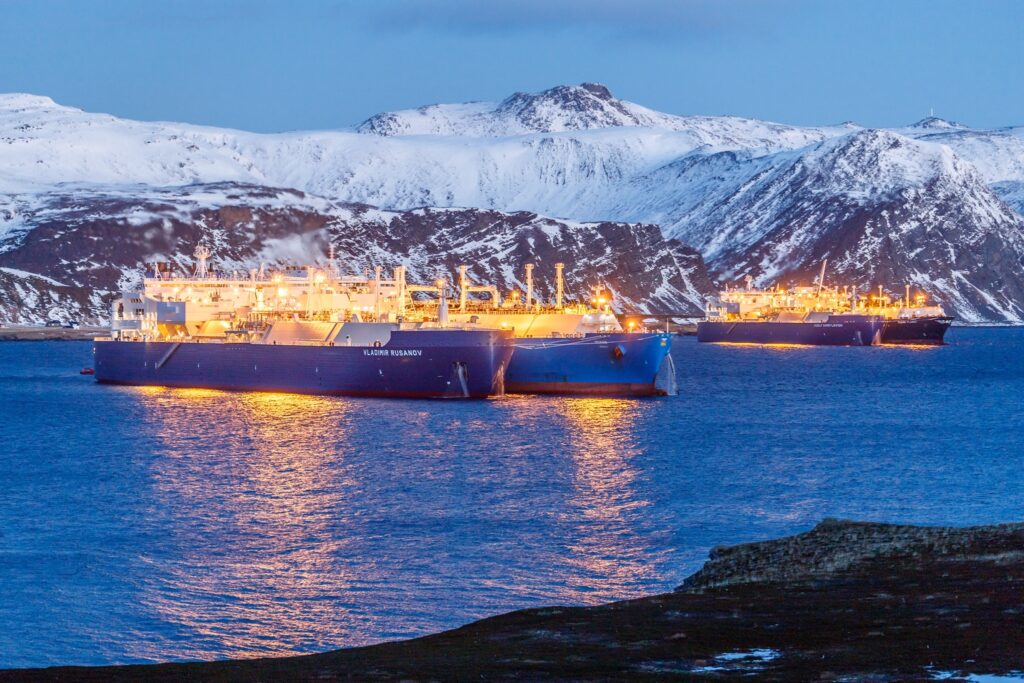
EU’s 20th sanctions batch tightens grip on Russia’s oil, gas, LNG and shadow fleet spheres with 632 vessels blacklisted
What happened
The EU adopted a 20th sanctions package that added hundreds of shadow-fleet vessels to blacklists and expanded port-service restrictions and due-diligence rules. The package names dozens of entities and lists hundreds of vessels, and it includes port listings that can block access or services, which immediately affects logistics for international tanker and support movements. Watch enforcement actions and flag-state cooperation for signs of reflagging, rerouting, or third-country hubs that would affect APAC mobilization chains
Buyer takeaway
Verify vessel flags and port‑service availability early; do not assume previously usable tonnage remains acceptable without supplier attestations
Cost / money
Expect higher mobilization routing costs and potential premiums where compliant vessels or ports are limited
Supplier / commercial
Suppliers with compliant fleets or alternative logistics will gain leverage and can demand firmer commercial terms and shorter quote validities
Safety / operations
Restricted port access can lengthen at-sea legs and complicate emergency response and crew rotations unless alternative plans are in place
What to watch
Watch for reflagging, third‑country hubs or suppliers shifting compliance liability to buyers via indemnities
Key facts
- Package extends listings with hundreds of shadow-fleet vessels added
- Includes new port listings and mandatory seller due‑diligence clauses for tanker sales
Source excerpts
On top of this, a new shadow fleet scrapping clause will facilitate the decommissioning or ‘recycling’ of vessels and exit from the shadow fleet. Regarding the port infrastructure ban, the new sanctions package includes the listing of two Russian ports, Murmansk and Tuapse, as well as, for the first time, a third country port, Karimun Oil Terminal in Indonesia, for their connections with the shadow fleet and circumvention of the oil price cap
With these additions, 632 vessels that are believed to belong to Russia’s shadow fleet are now listed by the EU and subject to a port access ban and a ban on receiving services, as the European Union continues its outreach to flag states to ensure that their registers do not allow these vessels to sail under their flags. While 46 vessels are added to the sanctions list, 11 ships are also delisted in this 20th package, showing that delisting is a possibility for vessels returning to compliance
While 46 vessels are added to the sanctions list, 11 ships are also delisted in this 20th package, showing that delisting is a possibility for vessels returning to compliance