Subsea, SURF & Offshore · Australia (Perth)

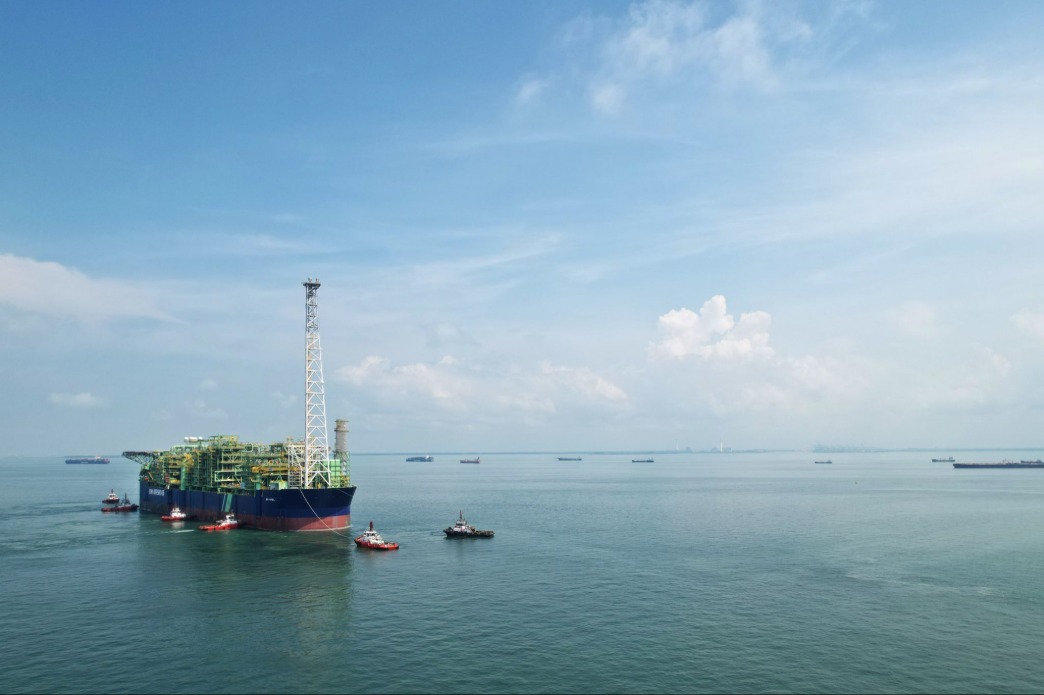
Reassess APAC SURF Plans As Santos FPSO Ramps And Sanctions Shift Shipping

Published Apr 25, 2026, 6:06 AM AWSTAPACFull category signal
Ask AI
Australian FPSO production ramp-up on Santos’ agenda next week

In 60 seconds

Top move

Santos plans a near-term ramp of the Barossa FPSO that will resume feed to Darwin LNG; buyers should verify FPSO commissioning and LNG off-take timing to avoid spot gas shortfalls or tug/vessel rebooking needs

Key takeaways

  • Santos plans a near-term ramp of the Barossa FPSO that will resume feed to Darwin LNG; buyers should verify FPSO commissioning and LNG off-take timing to avoid spot gas shortfalls or tug/vessel rebooking needs.[1]
  • The EU’s 20th sanctions package expands port/service bans and shadow‑fleet listings, which tightens options for vessels and port services and raises the chance of denied port calls or service refusals for sanctioned-connected tonnage.[5]
  • A hydrogen‑fuelled autonomous underwater vehicle (AUV) completed a very long submerged run, showing a practical option to cut vessel time for some subsea inspection tasks — worth tracking for long‑term scope and day‑rate tradeoffs.[4]
  • Woodside and Greenpeace settled their court case with each side covering its own costs; this reduces near‑term litigation uncertainty but leaves reputational and community engagement risks active for project approvals and contractor diligence.[3]
  • GTT secured tank design work with Samsung Heavy Industries for new LNG carriers at Asian yards, which is a reminder that membrane tank design and yard capacity remain drivers of equipment lead times for gas‑handling scopes.[2]

What changed since last run

  • New operational update from Santos announcing Barossa FPSO ramp plans and immediate restart activities (flushing, heat‑exchanger cleaning, compressor seal replacement) not present in prior brief; relevant to short‑ter...
  • EU published a 20th sanctions package that adds large numbers of shadow‑fleet vessels to port/service bans and introduces anti‑circumvention measures that can affect third‑country ship services and charter options (ar...
  • Cellula Robotics reported a hydrogen AUV completing a 2,000 km submerged mission that signals emerging endurance capability for subsea inspection and reduces some vessel dependency for certain survey tasks (article 3).

Key facts

  • FPSO ramp follows flushing of heat‑exchanger trains
  • Dry gas compressor seals replaced to allow full production
  • LNG production to start shortly after FPSO online
  • Package adds numerous entities and vessels to lists subject to port access bans
  • Introduces anti‑circumvention tool and contract safeguards for tanker sales
  • Includes port‑service prohibitions and expanded bank exclusions

Why it matters

Santos plans a near-term ramp of the Barossa FPSO that will resume feed to Darwin LNG; buyers should verify FPSO commissioning and LNG off-take timing to avoid spot gas shortfalls or tug/vessel rebooking needs. The EU’s 20th sanctions package expands port/service bans and shadow‑fleet listings, which tightens options for vessels and port services and raises the chance of denied port calls or service refusals for sanctioned-connected tonnage. A hydrogen‑fuelled autonomous underwater vehicle (AUV) completed a very long submerged run, showing a practical option to cut vessel time for some subsea inspection tasks — worth tracking for long‑term scope and day‑rate tradeoffs. Woodside and Greenpeace settled their court case with each side covering its own costs; this reduces near‑term litigation uncertainty but leaves reputational and community engagement risks active for project approvals and contractor diligence

Cost / money

  • If Barossa FPSO achieves ramp‑up as stated, buyers relying on Darwin LNG should expect reduced short‑term spot gas exposure but must confirm cargo windows to avoid expensive last‑minute vessel rebookings or tug mobilisations.[1]
  • EU sanctions that ban port access and services for shadow‑fleet vessels raise the chance of rerouting or substituting tonnage, creating upward pressure on charter dayrates and mobilisation premiums for compliant vessels.[5]

Supplier / commercial

  • Yard and specialist tank designers (GTT and similar suppliers) remain schedule levers; new tank design awards at Asian yards signal ongoing competition for yard slots and potential negotiation leverage for buyers who lock scopes early.[2]
  • Hydrogen AUV endurance broadens supplier options for inspection tasks, which over time can shift commercial balance from vessel‑day‑rate packages to AUV‑as‑a‑service pricing models — plan for new commercial scoring in RFQs.[4]
  • Sanctions increase supplier due‑diligence burdens: buyers and contractors will likely demand stronger ‘no‑Russia’ or anti‑circumvention warranties and longer supplier declarations on flag/beneficial ownership to avoid service interruptions or penalties.[5]

Safety / operations

  • FPSO ramp activities (heat‑exchanger flushing and compressor seal replacement) are normal but compress pre‑start safety verifications; operations must confirm maintenance sign‑offs and spares readiness to avoid production delays or unsafe start attempts.[1]
  • Adopting long‑endurance AUVs changes offshore execution risk profiles: fewer recoveries reduces exposure to launch/recovery incidents but increases reliance on battery/fuel‑cell safety procedures and subsea mission control integrity.[4]

What to watch

  • Track whether flag states, insurers or port authorities adopt the EU’s anti‑circumvention enforcement aggressively in APAC; early administrative steps (bans or service denials) would be an operational trigger to revalidate vessel lists and insurance compliance.[5]

Top stories

Story 1Offshore EnergyApr 24, 2026

Australian FPSO production ramp-up on Santos’ agenda next week

Signal strongSource-grounded

What happened

Santos has scheduled a production ramp‑up for the Barossa FPSO following work to flush heat‑exchanger trains and replace dry gas compressor seals. The operator expects LNG feed to restart shortly after the FPSO is back online, so timing on mechanical sign‑offs and cargo windows matters for vessel and logistics planning

Buyer takeaway

Treat the ramp as an operational reality that requires immediate verification of mechanical sign‑offs and confirmed cargo/tug windows; don't assume prior calendars remain valid

Cost / money

Successful ramp reduces short‑term spot gas exposure but creates a narrow scheduling window; late confirmations can force expensive vessel or tug rebookings

Supplier / commercial

Vessel operators and marine service providers can press for firm mobilisation/demobilisation clauses and narrower quote validity as operators compress activity windows

Safety / operations

Compressed pre‑start work must be matched with documented maintenance sign‑offs and spare part availability to avoid unsafe start attempts or secondary shutdowns

What to watch

Watch for last‑minute mechanical hold points (e.g., heat exchanger integrity, seal performance) that push cargo dates and cascade into logistics costs

Key facts

  • FPSO ramp follows flushing of heat‑exchanger trains
  • Dry gas compressor seals replaced to allow full production
  • LNG production to start shortly after FPSO online

Source excerpts

The initial LNG production began after the completion of the Darwin LNG life extension project and the cool-down of the LNG train and storage tank. The FPSO, which is situated at the Barossa gas field, approximately 285 kilometers offshore Darwin in the Northern Territory of Australia, is expected to feed the Darwin LNG plant for the next two decades
The Barossa FPSO is now expected to begin ramping up production in the next week as the firm completes the flushing and cleaning of heat exchanger trains
The FPSO, which is situated at the Barossa gas field, approximately 285 kilometers offshore Darwin in the Northern Territory of Australia, is expected to feed the Darwin LNG plant for the next two decades. Kevin Gallagher, Santos’ Managing Director and Chief Executive Officer, commented: “The Barossa project has had a few challenges during commissioning
Story 2Offshore EnergyApr 24, 2026

EU’s 20th sanctions batch tightens grip on Russia’s oil, gas, LNG and shadow fleet spheres with 632 vessels blacklisted

Signal strongSource-grounded

What happened

The EU adopted a 20th sanctions package that expands listings across Russia’s oil and shadow fleet and adds port access bans and service prohibitions for listed vessels. The package includes anti‑circumvention tools and introduces contractual safeguards for tanker sales, meaning sellers and service providers will need tighter due diligence and 'no Russia' covenants

Buyer takeaway

Implement a vessel and supplier ownership screen and make 'no Russia' contractual language standard in solicitations where applicable

Cost / money

Removing sanctioned‑linked tonnage from the serviceable fleet can raise dayrates and mobilisation fees as buyers substitute compliant vessels

Supplier / commercial

Service suppliers will seek stronger warranties and may narrow quote validity; expect pushback on risk transfer clauses tied to sanctions enforcement

Safety / operations

Operational safety is indirectly affected when last‑minute vessel substitutions cause unfamiliar crew or equipment mixes; ensure competency verifications remain part of substitution approvals

What to watch

Monitor flag‑state and insurer guidance in APAC for implementation timelines that would trigger denied port calls or service refusals

Key facts

  • Package adds numerous entities and vessels to lists subject to port access bans
  • Introduces anti‑circumvention tool and contract safeguards for tanker sales
  • Includes port‑service prohibitions and expanded bank exclusions

Source excerpts

With these additions, 632 vessels that are believed to belong to Russia’s shadow fleet are now listed by the EU and subject to a port access ban and a ban on receiving services, as the European Union continues its outreach to flag states to ensure that their registers do not allow these vessels to sail under their flags. While 46 vessels are added to the sanctions list, 11 ships are also delisted in this 20th package, showing that delisting is a possibility for vessels returning to compliance
The new sanctions are said to have a strong anti-circumvention angle and include energy measures, as well as the activation for the first time of the ‘anti-circumvention’ tool
The European Council will decide when the Maritime Services Ban will enter into force, considering an appropriate wind-down period to further reduce the total available capacity to transport Russian oil, hitting the country’s main source of revenue for its ‘war machine
Story 3Offshore EnergyApr 24, 2026

Hydrogen-fueled AUV breaks range expectations with 2,000-kilometer subsea run

Signal moderateDirectional

What happened

Cellula Robotics reported that its hydrogen‑fuelled Envoy AUV completed over 2,000 km submerged across a realistic mission profile, using hydrogen fuel cells for propulsion and producing water as a by‑product. The result indicates potential for fewer recoveries and longer continuous subsea operations, which could change inspection contracting and vessel reliance

Buyer takeaway

Pilot AUV services where survey scope and risk profile match to reduce vessel days and test commercial tradeoffs between AUV package pricing and vessel‑based survey costs

Cost / money

Over time, high‑endurance AUV usage could reduce vessel hire days and associated mobilisations, but initial pilots may require equipment rental or mission‑support fees

Supplier / commercial

AUV vendors will push bundled mission pricing and uptime guarantees; buyers should add mission acceptance criteria and data deliverable standards

Safety / operations

Longer missions concentrate dependency on fuel‑cell safety and remote mission control processes; include emergency recovery procedures and fuel handling controls

What to watch

Technology is demonstrative; buyers should treat current capability as a pilot opportunity rather than immediate substitution for all inspection work

Key facts

  • AUV mission covered over 2,000 kilometres submerged
  • Mission profile included over 4,000 turns and manoeuvres
  • AUV remained on mission for 385 hours

Source excerpts

“That is what makes the endurance meaningful for operators, with the potential for fewer recoveries, more continuous operations, and greater efficiency offshore. ” Using hydrogen fuel cell technology developed with Infinity Fuel Cell and Hydrogen, Inc
Home Subsea Hydrogen-fueled AUV breaks range expectations with 2,000-kilometer subsea run April 24, 2026, by An autonomous underwater vehicle (AUV) developed by Canada’s Cellula Robotics has traveled over 2,000 kilometers submerged, powered by a hydrogen fuel cell, exceeding its published performance specification
Home Subsea Hydrogen-fueled AUV breaks range expectations with 2,000-kilometer subsea run April 24, 2026, by An autonomous underwater vehicle (AUV) developed by Canada’s Cellula Robotics has traveled over 2,000 kilometers submerged, powered by a hydrogen fuel cell, exceeding its published performance specification. Source: Cellula Robotics During the mission, the Envoy AUV made over 4,000 turns and manoeuvres, which used more energy compared to steady, linear travel, better showing how the vehicle would perform
Story 4Offshore EnergyApr 24, 2026

Court case ends in settlement with Woodside and Greenpeace agreeing to foot their own bills

Signal limitedSource-grounded

What happened

Woodside and Greenpeace agreed to drop the court case with each side paying its own costs, ending litigation that challenged Woodside's prior climate disclosures. The settlement reduces legal uncertainty but keeps public campaigning and reputational scrutiny active

Buyer takeaway

Maintain enhanced reputational due diligence for major contractors and keep community engagement clauses and disclosure expectations in high‑profile project contracts

Cost / money

Reputational issues can translate into operational delays or additional stakeholder mitigation costs, particularly on controversial projects

Supplier / commercial

Contractors may require clearer scope and PR coordination clauses to manage joint statements or campaign exposure during major projects

Safety / operations

No direct safety change reported, but protests and campaigns can affect access and logistic windows; include contingency plans in mobilisations

What to watch

Monitor ongoing public campaigns that could target contractors or supply chains even after legal settlement

Key facts

  • Federal Court proceedings concluded with consent to dismiss
  • Each party will bear its own legal costs
  • Greenpeace indicated continued public campaigning outside the courts

Source excerpts

Home Fossil Energy Court case ends in settlement with Woodside and Greenpeace agreeing to foot their own bills April 24, 2026, by Australian energy giant Woodside and Greenpeace Australia Pacific (GAP), an independent campaigning organization, have reached a settlement in an emissions lawsuit, which has now been dismissed in the Federal Court of Australia. Illustration; Source: Woodside Woodside has confirmed that the Federal Court of Australia put an end to proceedings launched against it by Greenpeace Austral
Rafalowicz added: “Woodside’s greed-driven appetite to expand fossil fuel production is accelerating the climate crisis, putting the environment and communities at risk. Greenpeace strongly supports public interest litigation as a crucial tool in democratic engagement to protect our planet and holding large corporations accountable for their contributions to climate change
Greenpeace strongly supports public interest litigation as a crucial tool in democratic engagement to protect our planet and holding large corporations accountable for their contributions to climate change
Story 5Offshore EnergyApr 24, 2026

French firm gets more work with Samsung Heavy Industries for LNG vessel pair

Signal moderateSource-grounded

What happened

GTT secured new tank‑design orders from Samsung Heavy Industries for two large LNG carriers being built for Celsius Tankers, signaling continued activity at Asian shipyards for membrane tanks. Delivery timing to yards and subsequent tank installation schedules remain key for LNG shipping capacity planning

Buyer takeaway

Include tank‑designer and yard coordination checkpoints in long‑lead procurement for LNG shipping or gas‑handling equipment to avoid installation delays

Cost / money

Busy yard/tank design pipelines can compress negotiation leverage and increase the value of locking scope early to secure delivery windows

Supplier / commercial

Tank designers and yards can bundle services and push longer quote validity; buyers should seek staged commitments tied to yard milestones

Safety / operations

Tank design and installation carry critical certification steps; ensure supplier delivers certification evidence to acceptance criteria

What to watch

Track yard delivery schedules and tank design delivery dates as slip here cascades into vessel availability and charter windows

Key facts

  • Tank design for two LNG carriers ordered from GTT
  • Each vessel planned with Mark III Flex membrane containment
  • Design work feeds Asian shipyard delivery schedules

Source excerpts

This order comes shortly after GTT obtained another deal with Samsung Heavy Industries for the tank design of a new LNG vessel on behalf of an Asian shipowner
LNG vessel; Source: GTT GTT has received an order from Samsung Heavy Industries’ shipyard for the tank design of two new LNG carriers on behalf of Celsius Tankers, the shipowner
Home Fossil Energy French firm gets more work with Samsung Heavy Industries for LNG vessel pair April 24, 2026, by French technological containment specialist Gaztransport & Technigaz (GTT) has secured new tank design assignments for a liquefied natural gas (LNG) carrier (LNGC) duo with South Korea’s Samsung Heavy Industries. LNG vessel; Source: GTT GTT has received an order from Samsung Heavy Industries’ shipyard for the tank design of two new LNG carriers on behalf of Celsius Tankers, the shipowner

VP Snapshot

Executive Risk & Action View

Santos plans a near-term ramp of the Barossa FPSO that will resume feed to Darwin LNG; buyers should verify FPSO commissioning and LNG off-take timing to avoid spot gas shortfalls or tug/vessel rebooking needs.

Overall
61
Cost
79
Supply
25
Schedule
38
Compliance
35

Top signals

30-180dcost

Signal 1: Cost / money

If Barossa FPSO achieves ramp‑up as stated, buyers relying on Darwin LNG should expect reduced short‑term spot gas exposure but must confirm cargo windows to avoid expensive last‑minute vessel rebookings or tug mobilisations.

Signal 2: Cost / money

EU sanctions that ban port access and services for shadow‑fleet vessels raise the chance of rerouting or substituting tonnage, creating upward pressure on charter dayrates and mobilisation premiums for compliant vessels.

Signal 4: Supplier / commercial

Hydrogen AUV endurance broadens supplier options for inspection tasks, which over time can shift commercial balance from vessel‑day‑rate packages to AUV‑as‑a‑service pricing models — plan for new commercial scoring in RFQs.

30-180dschedule

Signal 3: Supplier / commercial

Yard and specialist tank designers (GTT and similar suppliers) remain schedule levers; new tank design awards at Asian yards signal ongoing competition for yard slots and potential negotiation leverage for buyers who lock scopes early.

180d+commercial

Signal 5: Supplier / commercial

Sanctions increase supplier due‑diligence burdens: buyers and contractors will likely demand stronger ‘no‑Russia’ or anti‑circumvention warranties and longer supplier declarations on flag/beneficial ownership to avoid service interruptions or penalties.

30-180dsupplier

Signal 6: Safety / operations

FPSO ramp activities (heat‑exchanger flushing and compressor seal replacement) are normal but compress pre‑start safety verifications; operations must confirm maintenance sign‑offs and spares readiness to avoid production delays or unsafe start attempts.

Recommended actions

OpsDue 3d

Ask Operations to confirm and document final FPSO commissioning milestones, outstanding mechanical sign‑offs, and the earliest LNG cargo feed dates with Santos and BW Offshore.

Updated commissioning milestone list and confirmed earliest cargo feed date to baseline vessel bookings and avoid spot‑rate exposure.

CategoryDue 21d

Run a sanctioned‑vessel exposure scan across current charters, port calls, and service contracts; flag any vessels with beneficial‑ownership opacity or prior links to shadow‑fle...

Ranked list of at‑risk vessel call/contracts with recommended substitution or compliance steps to avoid denied port access or service interruptions.

ContractsDue 21d

Update RFI/RFQ templates to include explicit anti‑circumvention and ownership disclosure clauses, and require suppliers to certify compliance with EU‑style port/service restrict...

Revised procurement templates with anti‑circumvention warranties and ownership disclosure fields ready for upcoming vessel and marine services solicitations.

CategoryDue 60d

Evaluate pilot contracting options to source hydrogen‑AUV inspection services as a complement to vessel‑based surveys; include commercial models that price AUV mission packages...

Pilot procurement plan and shortlist of AUV service suppliers with proposed commercial models and criteria for cost/performance trials.

ContractsDue 60d

Request Contracts to review mobilisation, demobilisation and force‑majeure clauses in vessel and FPSO support agreements to ensure schedule and cost protections reflect current...

Revised clause recommendations and targeted amendments for high‑value vessel/FPSO support contracts to reduce pass‑through and mobilisation risk.

Risk register

RiskTriggerMitigation
Track whether flag states, insurers or port authorities adopt the EU’s anti‑circumvention enforcement aggressively in APAC; early administrative steps (bans or service denials) would be an operational trigger to revalidate vessel lists and insurance compliance.Track whether flag states, insurers or port authorities adopt the EU’s anti‑circumvention enforcement aggressively in APAC; early administrative steps (bans or service denials) would be an operational trigger to revalidate vessel lists and insurance compliance.Confirm exposure with category, contracts, and operations before the next supplier commitment.

CM Snapshot

Category Manager Decision Detail

Today's priorities

Ask Operations to confirm and document final FPSO commissioning milestones, outstanding mechanical sign‑offs, and the earliest LNG cargo feed dates with Santos and BW Offshore.

Act because the cited source changes the timing, capacity, or commercial assumptions behind the next sourcing decision.

Due 3d

high

CM move

Use this as the immediate supplier or contract action to move before the next sourcing gate.

Run a sanctioned‑vessel exposure scan across current charters, port calls, and service contracts; flag any vessels with beneficial‑ownership opacity or prior links to shadow‑fle...

Act because the cited source changes the timing, capacity, or commercial assumptions behind the next sourcing decision.

Due 21d

high

CM move

Use this as the immediate supplier or contract action to move before the next sourcing gate.

Update RFI/RFQ templates to include explicit anti‑circumvention and ownership disclosure clauses, and require suppliers to certify compliance with EU‑style port/service restrict...

Act because the cited source changes the timing, capacity, or commercial assumptions behind the next sourcing decision.

Due 21d

high

CM move

Use this as the immediate supplier or contract action to move before the next sourcing gate.

Evaluate pilot contracting options to source hydrogen‑AUV inspection services as a complement to vessel‑based surveys; include commercial models that price AUV mission packages...

because the reported long‑endurance AUV run demonstrates a new execution model that can lower vessel exposure and change offshore scope and day‑rate economics (article 3).

Due 60d

high

CM move

Use this as the immediate supplier or contract action to move before the next sourcing gate.

Supplier radar

Offshore Energy

high

Observed supplier signal

Yard and specialist tank designers (GTT and similar suppliers) remain schedule levers; new tank design awards at Asian yards signal ongoing competition for yard slots and potential negotiation leverage for buyers who lock scopes early.

Commercial implication

Yard and specialist tank designers (GTT and similar suppliers) remain schedule levers; new tank design awards at Asian yards signal ongoing competition for yard slots and potential negotiation leverage for buyers who lock scopes early.

Next step: Validate the source-backed signal with incumbents and alternates before the next award or pricing decision.

Offshore Energy

high

Observed supplier signal

Hydrogen AUV endurance broadens supplier options for inspection tasks, which over time can shift commercial balance from vessel‑day‑rate packages to AUV‑as‑a‑service pricing models — plan for new commercial scoring in RFQs.

Commercial implication

Hydrogen AUV endurance broadens supplier options for inspection tasks, which over time can shift commercial balance from vessel‑day‑rate packages to AUV‑as‑a‑service pricing models — plan for new commercial scoring in RFQs.

Next step: Validate the source-backed signal with incumbents and alternates before the next award or pricing decision.

Offshore Energy

high

Observed supplier signal

Sanctions increase supplier due‑diligence burdens: buyers and contractors will likely demand stronger ‘no‑Russia’ or anti‑circumvention warranties and longer supplier declarations on flag/beneficial ownership to avoid service interruptions or penalties.

Commercial implication

Sanctions increase supplier due‑diligence burdens: buyers and contractors will likely demand stronger ‘no‑Russia’ or anti‑circumvention warranties and longer supplier declarations on flag/beneficial ownership to avoid service interruptions or penalties.

Next step: Validate the source-backed signal with incumbents and alternates before the next award or pricing decision.

Negotiation levers

Ask Operations to confirm and document final FPSO commissioning milestones, outstanding mechanical sign‑offs, and the earliest LNG cargo feed dates with Santos and BW Offshore.

When to use: Act because the cited source changes the timing, capacity, or commercial assumptions behind the next sourcing decision.

Expected outcome: Updated commissioning milestone list and confirmed earliest cargo feed date to baseline vessel bookings and avoid spot‑rate exposure.

Commercial mechanism to carry into the next supplier conversation

Run a sanctioned‑vessel exposure scan across current charters, port calls, and service contracts; flag any vessels with beneficial‑ownership opacity or prior links to shadow‑fle...

When to use: Act because the cited source changes the timing, capacity, or commercial assumptions behind the next sourcing decision.

Expected outcome: Ranked list of at‑risk vessel call/contracts with recommended substitution or compliance steps to avoid denied port access or service interruptions.

Commercial mechanism to carry into the next supplier conversation

Update RFI/RFQ templates to include explicit anti‑circumvention and ownership disclosure clauses, and require suppliers to certify compliance with EU‑style port/service restrict...

When to use: Act because the cited source changes the timing, capacity, or commercial assumptions behind the next sourcing decision.

Expected outcome: Revised procurement templates with anti‑circumvention warranties and ownership disclosure fields ready for upcoming vessel and marine services solicitations.

Commercial mechanism to carry into the next supplier conversation

Evaluate pilot contracting options to source hydrogen‑AUV inspection services as a complement to vessel‑based surveys; include commercial models that price AUV mission packages...

When to use: because the reported long‑endurance AUV run demonstrates a new execution model that can lower vessel exposure and change offshore scope and day‑rate economics (article 3).

Expected outcome: Pilot procurement plan and shortlist of AUV service suppliers with proposed commercial models and criteria for cost/performance trials.

Commercial mechanism to carry into the next supplier conversation

Talking points

Santos plans a near-term ramp of the Barossa FPSO that will resume feed to Darwin LNG; buyers should verify FPSO commissioning and LNG off-take timing to avoid spot gas shortfalls or tug/vessel rebooking needs.
The EU’s 20th sanctions package expands port/service bans and shadow‑fleet listings, which tightens options for vessels and port services and raises the chance of denied port calls or service refusals for sanctioned-connected tonnage.
A hydrogen‑fuelled autonomous underwater vehicle (AUV) completed a very long submerged run, showing a practical option to cut vessel time for some subsea inspection tasks — worth tracking for long‑term scope and day‑rate tradeoffs.
Woodside and Greenpeace settled their court case with each side covering its own costs; this reduces near‑term litigation uncertainty but leaves reputational and community engagement risks active for project approvals and contractor diligence.

Supplier radar

SupplierSignalImplicationNext stepConfidence
Offshore EnergyYard and specialist tank designers (GTT and similar suppliers) remain schedule levers; new tank design awards at Asian yards signal ongoing competition for yard slots and potential negotiation leverage for buyers who lock scopes early.Yard and specialist tank designers (GTT and similar suppliers) remain schedule levers; new tank design awards at Asian yards signal ongoing competition for yard slots and potential negotiation leverage for buyers who lock scopes early.Validate the source-backed signal with incumbents and alternates before the next award or pricing decision.high
Offshore EnergyHydrogen AUV endurance broadens supplier options for inspection tasks, which over time can shift commercial balance from vessel‑day‑rate packages to AUV‑as‑a‑service pricing models — plan for new commercial scoring in RFQs.Hydrogen AUV endurance broadens supplier options for inspection tasks, which over time can shift commercial balance from vessel‑day‑rate packages to AUV‑as‑a‑service pricing models — plan for new commercial scoring in RFQs.Validate the source-backed signal with incumbents and alternates before the next award or pricing decision.high
Offshore EnergySanctions increase supplier due‑diligence burdens: buyers and contractors will likely demand stronger ‘no‑Russia’ or anti‑circumvention warranties and longer supplier declarations on flag/beneficial ownership to avoid service interruptions or penalties.Sanctions increase supplier due‑diligence burdens: buyers and contractors will likely demand stronger ‘no‑Russia’ or anti‑circumvention warranties and longer supplier declarations on flag/beneficial ownership to avoid service interruptions or penalties.Validate the source-backed signal with incumbents and alternates before the next award or pricing decision.high

Negotiation levers

  • Ask Operations to confirm and document final FPSO commissioning milestones, outstanding mechanical sign‑offs, and the earliest LNG cargo feed dates with Santos and BW Offshore.Act because the cited source changes the timing, capacity, or commercial assumptions behind the next sourcing decision.Updated commissioning milestone list and confirmed earliest cargo feed date to baseline vessel bookings and avoid spot‑rate exposure.

    high confidence

  • Run a sanctioned‑vessel exposure scan across current charters, port calls, and service contracts; flag any vessels with beneficial‑ownership opacity or prior links to shadow‑fle...Act because the cited source changes the timing, capacity, or commercial assumptions behind the next sourcing decision.Ranked list of at‑risk vessel call/contracts with recommended substitution or compliance steps to avoid denied port access or service interruptions.

    high confidence

  • Update RFI/RFQ templates to include explicit anti‑circumvention and ownership disclosure clauses, and require suppliers to certify compliance with EU‑style port/service restrict...Act because the cited source changes the timing, capacity, or commercial assumptions behind the next sourcing decision.Revised procurement templates with anti‑circumvention warranties and ownership disclosure fields ready for upcoming vessel and marine services solicitations.

    high confidence

  • Evaluate pilot contracting options to source hydrogen‑AUV inspection services as a complement to vessel‑based surveys; include commercial models that price AUV mission packages...because the reported long‑endurance AUV run demonstrates a new execution model that can lower vessel exposure and change offshore scope and day‑rate economics (article 3).Pilot procurement plan and shortlist of AUV service suppliers with proposed commercial models and criteria for cost/performance trials.

    high confidence

What to do / What to watch

What to do now

  • Ask Operations to confirm and document final FPSO commissioning milestones, outstanding mechanical sign‑offs, and the earliest LNG cargo feed dates with Santos and BW Offshore.

    Why: Act because the cited source changes the timing, capacity, or commercial assumptions behind the next sourcing decision.

    Owner: Ops

    Expected outcome: Updated commissioning milestone list and confirmed earliest cargo feed date to baseline vessel bookings and avoid spot‑rate exposure.

    [1]

Next few weeks

  • Run a sanctioned‑vessel exposure scan across current charters, port calls, and service contracts; flag any vessels with beneficial‑ownership opacity or prior links to shadow‑fle...

    Why: Act because the cited source changes the timing, capacity, or commercial assumptions behind the next sourcing decision.

    Owner: Category

    Expected outcome: Ranked list of at‑risk vessel call/contracts with recommended substitution or compliance steps to avoid denied port access or service interruptions.

    [5]
  • Update RFI/RFQ templates to include explicit anti‑circumvention and ownership disclosure clauses, and require suppliers to certify compliance with EU‑style port/service restrict...

    Why: Act because the cited source changes the timing, capacity, or commercial assumptions behind the next sourcing decision.

    Owner: Contracts

    Expected outcome: Revised procurement templates with anti‑circumvention warranties and ownership disclosure fields ready for upcoming vessel and marine services solicitations.

    [5]

Longer view

  • Evaluate pilot contracting options to source hydrogen‑AUV inspection services as a complement to vessel‑based surveys; include commercial models that price AUV mission packages...

    Why: because the reported long‑endurance AUV run demonstrates a new execution model that can lower vessel exposure and change offshore scope and day‑rate economics (article 3).

    Owner: Category

    Expected outcome: Pilot procurement plan and shortlist of AUV service suppliers with proposed commercial models and criteria for cost/performance trials.

    [4]
  • Request Contracts to review mobilisation, demobilisation and force‑majeure clauses in vessel and FPSO support agreements to ensure schedule and cost protections reflect current...

    Why: Act because the cited source changes the timing, capacity, or commercial assumptions behind the next sourcing decision.

    Owner: Contracts

    Expected outcome: Revised clause recommendations and targeted amendments for high‑value vessel/FPSO support contracts to reduce pass‑through and mobilisation risk.

    [5][1]

What to watch

  • Track whether flag states, insurers or port authorities adopt the EU’s anti‑circumvention enforcement aggressively in APAC; early administrative steps (bans or service denials) would be an operational trigger to revalidate vessel lists and insurance compliance
  • Track whether flag states, insurers or port authorities adopt the EU’s anti‑circumvention enforcement aggressively in APAC; early administrative steps (bans or service denials) would be an operational trigger to revalidate vessel lists and insurance compliance.: Track whether flag states, insurers or port authorities adopt the EU’s anti‑circumvention enforcement aggressively in APAC; early administrative steps (bans or service denials) would be an operational trigger to revalidate vessel lists and insurance compliance
  • Santos plans a near-term ramp of the Barossa FPSO that will resume feed to Darwin LNG; buyers should verify FPSO commissioning and LNG off-take timing to avoid spot gas shortfalls or tug/vessel rebooking needs
  • The EU’s 20th sanctions package expands port/service bans and shadow‑fleet listings, which tightens options for vessels and port services and raises the chance of denied port calls or service refusals for sanctioned-connected tonnage
  • A hydrogen‑fuelled autonomous underwater vehicle (AUV) completed a very long submerged run, showing a practical option to cut vessel time for some subsea inspection tasks — worth tracking for long‑term scope and day‑rate tradeoffs
  • Woodside and Greenpeace settled their court case with each side covering its own costs; this reduces near‑term litigation uncertainty but leaves reputational and community engagement risks active for project approvals and contractor diligence

Market pulse

IndexLatestChangeAs of
WTI Crude (WTI)71.23 /bbl+0.00 (+0.00%)Apr 24, 2026, 10:08 PM
Brent Crude (BRENT)74.89 /bbl+0.00 (+0.00%)Apr 24, 2026, 10:08 PM
Natural Gas (NG)3.12 /MMBtu+0.00 (+0.00%)Apr 24, 2026, 10:08 PM
Dry Bulk Shipping (BDRY) (BDRY)0 +0.00 (+0.00%)Apr 24, 2026, 10:08 PM
WTI (Fuel) (WTI)71.23 /bbl+0.00 (+0.00%)Apr 24, 2026, 10:08 PM
TechnipFMC (FTI)22 +0.00 (+0.00%)Apr 24, 2026, 10:08 PM
  • WTI Crude: Fuel price trends affect vessel fuel cost and dayrates; confirm fuel‑surcharge pass‑through in charters
  • Dry Bulk Shipping (BDRY): Dry bulk charter market tightness signals yard capacity pressure and potential mobilization cost impact for heavy equipment shipments

Sources

Inline citations jump here. Expand a source to read the excerpt, the AI interpretation, and the original link.

[1] Australian FPSO production ramp-up on Santos’ agenda next week

offshore-energy.biz · Apr 24, 2026

Expand

AI reading

Santos has scheduled a production ramp‑up for the Barossa FPSO following work to flush heat‑exchanger trains and replace dry gas compressor seals. The operator expects LNG feed to restart shortly after the FPSO is back online, so timing on mechanical sign‑offs and cargo windows matters for vessel and logistics planning

Buyer takeaway

Treat the ramp as an operational reality that requires immediate verification of mechanical sign‑offs and confirmed cargo/tug windows; don't assume prior calendars remain valid

Cost / money

Successful ramp reduces short‑term spot gas exposure but creates a narrow scheduling window; late confirmations can force expensive vessel or tug rebookings

Supplier / commercial

Vessel operators and marine service providers can press for firm mobilisation/demobilisation clauses and narrower quote validity as operators compress activity windows

Safety / operations

Compressed pre‑start work must be matched with documented maintenance sign‑offs and spare part availability to avoid unsafe start attempts or secondary shutdowns

What to watch

Watch for last‑minute mechanical hold points (e.g., heat exchanger integrity, seal performance) that push cargo dates and cascade into logistics costs

Key facts

  • FPSO ramp follows flushing of heat‑exchanger trains
  • Dry gas compressor seals replaced to allow full production
  • LNG production to start shortly after FPSO online

Source excerpts

The initial LNG production began after the completion of the Darwin LNG life extension project and the cool-down of the LNG train and storage tank. The FPSO, which is situated at the Barossa gas field, approximately 285 kilometers offshore Darwin in the Northern Territory of Australia, is expected to feed the Darwin LNG plant for the next two decades
The Barossa FPSO is now expected to begin ramping up production in the next week as the firm completes the flushing and cleaning of heat exchanger trains
The FPSO, which is situated at the Barossa gas field, approximately 285 kilometers offshore Darwin in the Northern Territory of Australia, is expected to feed the Darwin LNG plant for the next two decades. Kevin Gallagher, Santos’ Managing Director and Chief Executive Officer, commented: “The Barossa project has had a few challenges during commissioning

Used in this brief

  • Cost / money: If Barossa FPSO achieves ramp‑up as stated, buyers relying on Darwin LNG should expect reduced short‑term spot gas exposure but must confirm cargo windows to avoid expensive last‑minute vessel rebookings or tug mobilisations
  • Safety / operations: FPSO ramp activities (heat‑exchanger flushing and compressor seal replacement) are normal but compress pre‑start safety verifications; operations must confirm maintenance sign‑offs and spares readiness to avoid production delays or unsafe start attempts
  • Next 72 hours — Ask Operations to confirm and document final FPSO commissioning milestones, outstanding mechanical sign‑offs, and the earliest LNG cargo feed dates with Santos and BW Offshore.. Rationale: Act because the cited source changes the timing, capacity, or commercial assumptions behind the next sourcing decision.. Owner: Ops. KPI: Updated commissioning milestone list and confirmed earliest cargo feed date to baseline vessel bookings and avoid spot‑rate exposure
Open original source

[2] French firm gets more work with Samsung Heavy Industries for LNG vessel pair

offshore-energy.biz · Apr 24, 2026

Expand

AI reading

GTT secured new tank‑design orders from Samsung Heavy Industries for two large LNG carriers being built for Celsius Tankers, signaling continued activity at Asian shipyards for membrane tanks. Delivery timing to yards and subsequent tank installation schedules remain key for LNG shipping capacity planning

Buyer takeaway

Include tank‑designer and yard coordination checkpoints in long‑lead procurement for LNG shipping or gas‑handling equipment to avoid installation delays

Cost / money

Busy yard/tank design pipelines can compress negotiation leverage and increase the value of locking scope early to secure delivery windows

Supplier / commercial

Tank designers and yards can bundle services and push longer quote validity; buyers should seek staged commitments tied to yard milestones

Safety / operations

Tank design and installation carry critical certification steps; ensure supplier delivers certification evidence to acceptance criteria

What to watch

Track yard delivery schedules and tank design delivery dates as slip here cascades into vessel availability and charter windows

Key facts

  • Tank design for two LNG carriers ordered from GTT
  • Each vessel planned with Mark III Flex membrane containment
  • Design work feeds Asian shipyard delivery schedules

Source excerpts

This order comes shortly after GTT obtained another deal with Samsung Heavy Industries for the tank design of a new LNG vessel on behalf of an Asian shipowner
LNG vessel; Source: GTT GTT has received an order from Samsung Heavy Industries’ shipyard for the tank design of two new LNG carriers on behalf of Celsius Tankers, the shipowner
Home Fossil Energy French firm gets more work with Samsung Heavy Industries for LNG vessel pair April 24, 2026, by French technological containment specialist Gaztransport & Technigaz (GTT) has secured new tank design assignments for a liquefied natural gas (LNG) carrier (LNGC) duo with South Korea’s Samsung Heavy Industries. LNG vessel; Source: GTT GTT has received an order from Samsung Heavy Industries’ shipyard for the tank design of two new LNG carriers on behalf of Celsius Tankers, the shipowner

Used in this brief

  • Supplier / commercial: Yard and specialist tank designers (GTT and similar suppliers) remain schedule levers; new tank design awards at Asian yards signal ongoing competition for yard slots and potential negotiation leverage for buyers who lock scopes early
  • GTT secured new tank‑design orders from Samsung Heavy Industries for two large LNG carriers being built for Celsius Tankers, signaling continued activity at Asian shipyards for membrane tanks. Delivery timing to yards and subsequent tank installation schedules remain key for LNG shipping capacity planning
  • Buyer bottom line: membrane tank design awards at busy Asian yards remind buyers to account for design and tank supplier lead times when scheduling LNG shipping or charter commitments
Open original source

[3] Court case ends in settlement with Woodside and Greenpeace agreeing to foot their own bills

offshore-energy.biz · Apr 24, 2026

Expand

AI reading

Woodside and Greenpeace agreed to drop the court case with each side paying its own costs, ending litigation that challenged Woodside's prior climate disclosures. The settlement reduces legal uncertainty but keeps public campaigning and reputational scrutiny active

Buyer takeaway

Maintain enhanced reputational due diligence for major contractors and keep community engagement clauses and disclosure expectations in high‑profile project contracts

Cost / money

Reputational issues can translate into operational delays or additional stakeholder mitigation costs, particularly on controversial projects

Supplier / commercial

Contractors may require clearer scope and PR coordination clauses to manage joint statements or campaign exposure during major projects

Safety / operations

No direct safety change reported, but protests and campaigns can affect access and logistic windows; include contingency plans in mobilisations

What to watch

Monitor ongoing public campaigns that could target contractors or supply chains even after legal settlement

Key facts

  • Federal Court proceedings concluded with consent to dismiss
  • Each party will bear its own legal costs
  • Greenpeace indicated continued public campaigning outside the courts

Source excerpts

Home Fossil Energy Court case ends in settlement with Woodside and Greenpeace agreeing to foot their own bills April 24, 2026, by Australian energy giant Woodside and Greenpeace Australia Pacific (GAP), an independent campaigning organization, have reached a settlement in an emissions lawsuit, which has now been dismissed in the Federal Court of Australia. Illustration; Source: Woodside Woodside has confirmed that the Federal Court of Australia put an end to proceedings launched against it by Greenpeace Austral
Rafalowicz added: “Woodside’s greed-driven appetite to expand fossil fuel production is accelerating the climate crisis, putting the environment and communities at risk. Greenpeace strongly supports public interest litigation as a crucial tool in democratic engagement to protect our planet and holding large corporations accountable for their contributions to climate change
Greenpeace strongly supports public interest litigation as a crucial tool in democratic engagement to protect our planet and holding large corporations accountable for their contributions to climate change

Used in this brief

  • Woodside and Greenpeace agreed to drop the court case with each side paying its own costs, ending litigation that challenged Woodside's prior climate disclosures. The settlement reduces legal uncertainty but keeps public campaigning and reputational scrutiny active
  • Buyer bottom line: litigation settlement lowers near‑term legal risk but maintains reputational and stakeholder pressures that can influence approvals, community engagement, and contractor ESG screening
  • Maintain enhanced reputational due diligence for major contractors and keep community engagement clauses and disclosure expectations in high‑profile project contracts
Open original source

[4] Hydrogen-fueled AUV breaks range expectations with 2,000-kilometer subsea run

offshore-energy.biz · Apr 24, 2026

Expand

AI reading

Cellula Robotics reported that its hydrogen‑fuelled Envoy AUV completed over 2,000 km submerged across a realistic mission profile, using hydrogen fuel cells for propulsion and producing water as a by‑product. The result indicates potential for fewer recoveries and longer continuous subsea operations, which could change inspection contracting and vessel reliance

Buyer takeaway

Pilot AUV services where survey scope and risk profile match to reduce vessel days and test commercial tradeoffs between AUV package pricing and vessel‑based survey costs

Cost / money

Over time, high‑endurance AUV usage could reduce vessel hire days and associated mobilisations, but initial pilots may require equipment rental or mission‑support fees

Supplier / commercial

AUV vendors will push bundled mission pricing and uptime guarantees; buyers should add mission acceptance criteria and data deliverable standards

Safety / operations

Longer missions concentrate dependency on fuel‑cell safety and remote mission control processes; include emergency recovery procedures and fuel handling controls

What to watch

Technology is demonstrative; buyers should treat current capability as a pilot opportunity rather than immediate substitution for all inspection work

Key facts

  • AUV mission covered over 2,000 kilometres submerged
  • Mission profile included over 4,000 turns and manoeuvres
  • AUV remained on mission for 385 hours

Source excerpts

“That is what makes the endurance meaningful for operators, with the potential for fewer recoveries, more continuous operations, and greater efficiency offshore. ” Using hydrogen fuel cell technology developed with Infinity Fuel Cell and Hydrogen, Inc
Home Subsea Hydrogen-fueled AUV breaks range expectations with 2,000-kilometer subsea run April 24, 2026, by An autonomous underwater vehicle (AUV) developed by Canada’s Cellula Robotics has traveled over 2,000 kilometers submerged, powered by a hydrogen fuel cell, exceeding its published performance specification
Home Subsea Hydrogen-fueled AUV breaks range expectations with 2,000-kilometer subsea run April 24, 2026, by An autonomous underwater vehicle (AUV) developed by Canada’s Cellula Robotics has traveled over 2,000 kilometers submerged, powered by a hydrogen fuel cell, exceeding its published performance specification. Source: Cellula Robotics During the mission, the Envoy AUV made over 4,000 turns and manoeuvres, which used more energy compared to steady, linear travel, better showing how the vehicle would perform

Used in this brief

  • Safety / operations: Adopting long‑endurance AUVs changes offshore execution risk profiles: fewer recoveries reduces exposure to launch/recovery incidents but increases reliance on battery/fuel‑cell safety procedures and subsea mission control integrity
  • Next quarter — Evaluate pilot contracting options to source hydrogen‑AUV inspection services as a complement to vessel‑based surveys; include commercial models that price AUV mission packages.... Rationale: because the reported long‑endurance AUV run demonstrates a new execution model that can lower vessel exposure and change offshore scope and day‑rate economics (article 3).. Owner: Category. KPI: Pilot procurement plan and shortlist of AUV service suppliers with proposed commercial models and criteria for cost/performance trials
  • Cellula Robotics reported a hydrogen AUV completing a 2,000 km submerged mission that signals emerging endurance capability for subsea inspection and reduces some vessel dependency for certain survey tasks (article 3)
Open original source

[5] EU’s 20th sanctions batch tightens grip on Russia’s oil, gas, LNG and shadow fleet spheres with 632 vessels blacklisted

offshore-energy.biz · Apr 24, 2026

Expand

AI reading

The EU adopted a 20th sanctions package that expands listings across Russia’s oil and shadow fleet and adds port access bans and service prohibitions for listed vessels. The package includes anti‑circumvention tools and introduces contractual safeguards for tanker sales, meaning sellers and service providers will need tighter due diligence and 'no Russia' covenants

Buyer takeaway

Implement a vessel and supplier ownership screen and make 'no Russia' contractual language standard in solicitations where applicable

Cost / money

Removing sanctioned‑linked tonnage from the serviceable fleet can raise dayrates and mobilisation fees as buyers substitute compliant vessels

Supplier / commercial

Service suppliers will seek stronger warranties and may narrow quote validity; expect pushback on risk transfer clauses tied to sanctions enforcement

Safety / operations

Operational safety is indirectly affected when last‑minute vessel substitutions cause unfamiliar crew or equipment mixes; ensure competency verifications remain part of substitution approvals

What to watch

Monitor flag‑state and insurer guidance in APAC for implementation timelines that would trigger denied port calls or service refusals

Key facts

  • Package adds numerous entities and vessels to lists subject to port access bans
  • Introduces anti‑circumvention tool and contract safeguards for tanker sales
  • Includes port‑service prohibitions and expanded bank exclusions

Source excerpts

With these additions, 632 vessels that are believed to belong to Russia’s shadow fleet are now listed by the EU and subject to a port access ban and a ban on receiving services, as the European Union continues its outreach to flag states to ensure that their registers do not allow these vessels to sail under their flags. While 46 vessels are added to the sanctions list, 11 ships are also delisted in this 20th package, showing that delisting is a possibility for vessels returning to compliance
The new sanctions are said to have a strong anti-circumvention angle and include energy measures, as well as the activation for the first time of the ‘anti-circumvention’ tool
The European Council will decide when the Maritime Services Ban will enter into force, considering an appropriate wind-down period to further reduce the total available capacity to transport Russian oil, hitting the country’s main source of revenue for its ‘war machine

Used in this brief

  • Cost / money: EU sanctions that ban port access and services for shadow‑fleet vessels raise the chance of rerouting or substituting tonnage, creating upward pressure on charter dayrates and mobilisation premiums for compliant vessels
  • Next 2-4 weeks — Run a sanctioned‑vessel exposure scan across current charters, port calls, and service contracts; flag any vessels with beneficial‑ownership opacity or prior links to shadow‑fle.... Rationale: Act because the cited source changes the timing, capacity, or commercial assumptions behind the next sourcing decision.. Owner: Category. KPI: Ranked list of at‑risk vessel call/contracts with recommended substitution or compliance steps to avoid denied port access or service interruptions
  • Next 2-4 weeks — Update RFI/RFQ templates to include explicit anti‑circumvention and ownership disclosure clauses, and require suppliers to certify compliance with EU‑style port/service restrict.... Rationale: Act because the cited source changes the timing, capacity, or commercial assumptions behind the next sourcing decision.. Owner: Contracts. KPI: Revised procurement templates with anti‑circumvention warranties and ownership disclosure fields ready for upcoming vessel and marine services solicitations
Open original source

[6] WTI Crude

finance.yahoo.com · n.d.

Expand

[7] Dry Bulk Shipping (BDRY)

finance.yahoo.com · n.d.

Expand