Completions & Intervention · Australia (Perth)

Reassess APAC vessel logistics and ROV sourcing after recent shifts

Published Apr 26, 2026, 6:00 AM AWSTAPACFull category signal
Ask AI
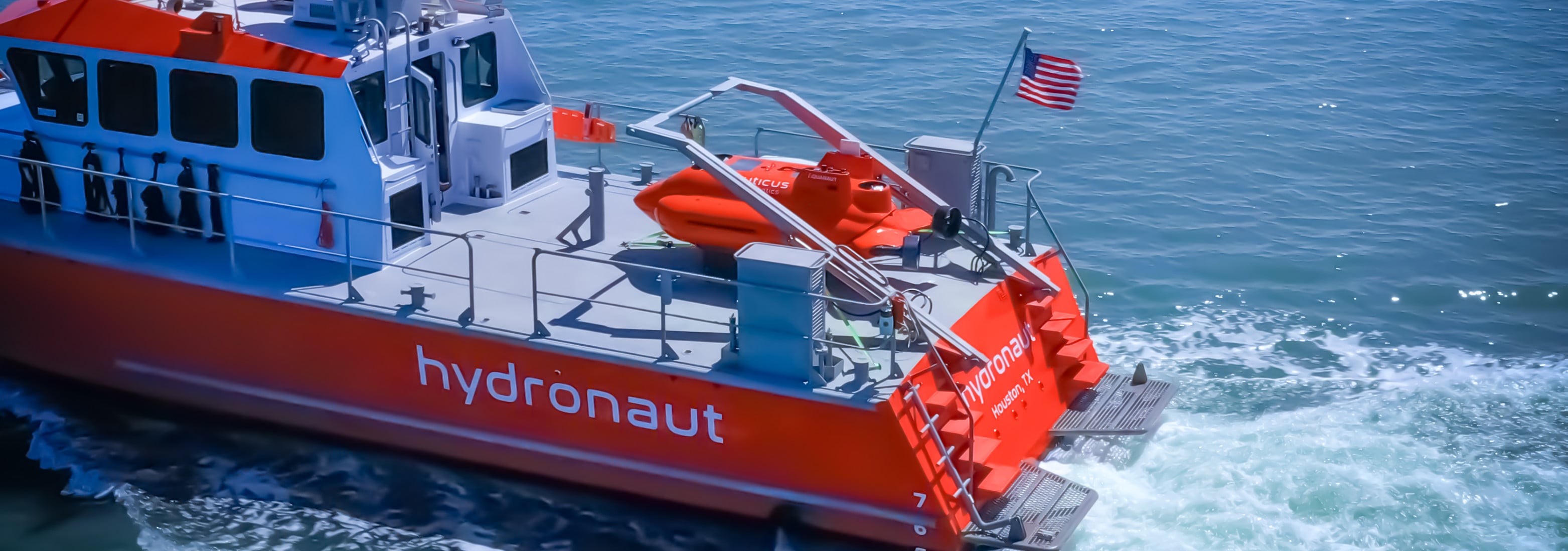
Texas company to start archaeological survey for US East Coast offshore wind project

In 60 seconds

Top move

EU’s 20th sanctions package tightens maritime restrictions that can reduce available flagged vessels and restrict port services in parts of Southeast Asia, raising logistics and charter-risk for APAC interventions

Key takeaways

  • EU’s 20th sanctions package tightens maritime restrictions that can reduce available flagged vessels and restrict port services in parts of Southeast Asia, raising logistics and charter-risk for APAC interventions.[3]
  • Woodside and Greenpeace settlement removes an active legal case but keeps reputational scrutiny on Australian operators; expect procurement reviews of contractor climate claims and disclosure practices.[2]
  • A commercial ROV/robotics survey mobilisation is scheduled for early May, showing near-term demand for remote survey systems and short mobilisation windows that affect crew and equipment sequencing.[4]
  • New LNG carrier tank design orders at Asian yards point to continued demand for shipyard capacity and cryogenic supply chains, which matters for medium-term availability of heavy-lift and LNG shipping support.[1]
  • Practical procurement effects to watch: stronger seller due-diligence and ‘no Russia’ pass-through clauses in vessel sales and service contracts, plus tightened mobilisation lead-times for specialised supplier scopes.[3]

What changed since last run

  • Added EU 20th sanctions (shadow-fleet and port restrictions) as a new supplier-side constraint not present in the prior brief.
  • Recorded closure of Woodside–Greenpeace court case, reducing litigation tail-risk but leaving reputational/procurement scrutiny elevated.

Key facts

  • New sanctions package with expanded shadow-fleet listings
  • Includes port access bans and anti-circumvention measures
  • Introduces mandatory seller due diligence and contract pass-through expectations
  • Court proceedings dismissed with consent of both parties
  • Parties will bear their own legal costs
  • Public scrutiny of operator climate claims remains

Why it matters

EU’s 20th sanctions package tightens maritime restrictions that can reduce available flagged vessels and restrict port services in parts of Southeast Asia, raising logistics and charter-risk for APAC interventions. Woodside and Greenpeace settlement removes an active legal case but keeps reputational scrutiny on Australian operators; expect procurement reviews of contractor climate claims and disclosure practices. A commercial ROV/robotics survey mobilisation is scheduled for early May, showing near-term demand for remote survey systems and short mobilisation windows that affect crew and equipment sequencing. New LNG carrier tank design orders at Asian yards point to continued demand for shipyard capacity and cryogenic supply chains, which matters for medium-term availability of heavy-lift and LNG shipping support

Cost / money

  • Sanctions that blacklist vessels and ban port services can raise spot charter dayrates and force longer transits or alternative routings with higher fuel and time costs.[3]
  • Short-notice ROV mobilisation increases the likelihood of expedited logistics fees and premium rates for specialised subsea crews and equipment handling.[4]
  • Ongoing shipyard activity for LNG carriers can tighten heavy-lift and tanker availability over the medium term, sustaining higher hire costs for niche vessels.[1]

Supplier / commercial

  • Expect suppliers to ask for stronger pass-through protections and narrower bid validity as sellers implement mandatory due diligence and 'no Russia' clauses in downstream contracts.[3]
  • Woodside’s settlement reduces immediate legal uncertainty but may push buyers to require clearer contractor climate and disclosure warranties during awards.[2]
  • ROV and robotics vendors winning survey work increase their leverage on pricing and delivery windows versus traditional vessel-based service providers.[4]

Safety / operations

  • Port access bans and service prohibitions can force reroutes and longer transit legs, increasing crew exposure and complicating emergency-response timelines during interventions.[3][1]
  • Compressed mobilisation for ROV surveys reduces time available for pre-mobilisation safety checks, permit verification, and competency confirmation for remote-operations teams.[4]

What to watch

  • Watch whether the EU activates the maritime services ban and how gradual wind-down timing is defined; this determines how immediate vessel and service restrictions apply in APAC ports.[3]
  • Watch supplier marketing and contract language shifts after the Woodside settlement — buyers should verify any changed climate-related claims before relying on them in awards.[2]
  • Watch shipyard delivery schedules and heavy-lift availability as LNG carrier orders roll; shifts there can indirectly affect availability of specialized vessels used for interventions.[1]

Top stories

Story 1Offshore EnergyApr 24, 2026

EU’s 20th sanctions batch tightens grip on Russia’s oil, gas, LNG and shadow fleet spheres with 632 vessels blacklisted

Signal strongSource-grounded

What happened

The EU adopted its 20th sanctions package that adds dozens of entities and expands listings of vessels tied to Russia’s shadow fleet. The package includes port access bans and a new emphasis on anti-circumvention checks and mandatory seller due diligence, with one Indonesian port specifically named. Operationally, this tightens which vessels and maritime services are available to buyers in APAC and raises the need to validate flag and service eligibility in contracts

Buyer takeaway

Treat this as a real supplier-availability constraint: contracting must capture flag/port eligibility and pass-through due diligence because some vessels and services will become unusable for compliance reasons

Cost / money

Directionally upward: reduced vessel choices and longer routings can increase charter and logistics premiums; expect higher mobilization and transit costs where alternatives are limited

Supplier / commercial

Shifts leverage to suppliers that can prove compliant flags and port access; buyers should demand declarations and warranties and consider commercial protections for rerouting costs

Safety / operations

Operational risk increases where reroutes lengthen transits and emergency-response coverage; plans and permits must reflect longer legs and alternate ports

What to watch

Watch whether the maritime services ban is activated and how wind-down periods are communicated; these timings determine how quickly supplier options narrow

Key facts

  • New sanctions package with expanded shadow-fleet listings
  • Includes port access bans and anti-circumvention measures
  • Introduces mandatory seller due diligence and contract pass-through expectations

Source excerpts

With these additions, 632 vessels that are believed to belong to Russia’s shadow fleet are now listed by the EU and subject to a port access ban and a ban on receiving services, as the European Union continues its outreach to flag states to ensure that their registers do not allow these vessels to sail under their flags. While 46 vessels are added to the sanctions list, 11 ships are also delisted in this 20th package, showing that delisting is a possibility for vessels returning to compliance
The new sanctions insert safeguards on tanker sales from the EU to prevent Russian end-use, with the dedicated due diligence by sellers, as well as a mandatory ‘no Russia’ clause to be passed on into sales contracts, anticipated to prevent usage deployment within the shadow fleet
The European Council will decide when the Maritime Services Ban will enter into force, considering an appropriate wind-down period to further reduce the total available capacity to transport Russian oil, hitting the country’s main source of revenue for its ‘war machine
Story 2Offshore EnergyApr 24, 2026

Court case ends in settlement with Woodside and Greenpeace agreeing to foot their own bills

Signal moderateSource-grounded

What happened

Woodside and Greenpeace resolved a court challenge with each party bearing its own costs, ending litigation that questioned the operator’s prior climate disclosures. The settlement means the court case is closed but public and investor scrutiny of climate claims and disclosure practices remains active. Buyers should expect supplier communications and commercial materials to be reviewed or revised in response

Buyer takeaway

Don’t assume reduced scrutiny; update contract requirements so supplier ESG and disclosure claims are verifiable because reputational pressure can trigger post-award challenges

Cost / money

Neutral-to-directional: while litigation cost risk falls, procurement may incur administrative costs to tighten verification and audit clauses

Supplier / commercial

Suppliers may refresh marketing and claims; buyers should require evidence rather than rely on public statements when assessing ESG credentials

Safety / operations

No direct operational safety change, but contracting for novel technologies may face higher non-technical review overhead

What to watch

Watch supplier revisions to climate-related marketing and whether those changes propagate into bids without supporting evidence

Key facts

  • Court proceedings dismissed with consent of both parties
  • Parties will bear their own legal costs
  • Public scrutiny of operator climate claims remains

Source excerpts

“Settling this case does not signal the end of our fight against Woodside’s climate and nature-destroying gas projects. While we may have agreed to resolve our court action against Woodside, in which we alleged it made misleading and deceptive claims to investors regarding its climate plans, the fact is the court of public opinion will judge Woodside for the harm it inflicts on our climate
Home Fossil Energy Court case ends in settlement with Woodside and Greenpeace agreeing to foot their own bills April 24, 2026, by Australian energy giant Woodside and Greenpeace Australia Pacific (GAP), an independent campaigning organization, have reached a settlement in an emissions lawsuit, which has now been dismissed in the Federal Court of Australia. Illustration; Source: Woodside Woodside has confirmed that the Federal Court of Australia put an end to proceedings launched against it by Greenpeace Austral
Rafalowicz added: “Woodside’s greed-driven appetite to expand fossil fuel production is accelerating the climate crisis, putting the environment and communities at risk. Greenpeace strongly supports public interest litigation as a crucial tool in democratic engagement to protect our planet and holding large corporations accountable for their contributions to climate change
Story 3Offshore EnergyApr 24, 2026

Texas company to start archaeological survey for US East Coast offshore wind project

Signal strongSource-grounded

What happened

Nauticus Robotics awarded a contract to perform an offshore archaeological survey for a US East Coast wind project, with mobilisation scheduled for early May and offshore operations to start shortly after. The work will use Comanche ROV systems and demonstrates active commercial demand for robotics-led subsea surveys, highlighting short mobilisation windows and technology-driven delivery models to watch

Buyer takeaway

Treat robotics vendors as viable alternatives to vessel-heavy offers and verify mobilisation and safety procedures because short mobilisations can strain existing logistics and permits

Cost / money

Mobilisation premiums likely: short-notice robotics deployments can draw expedited fees and reduce lead-time negotiation leverage

Supplier / commercial

Robotics providers can command tighter delivery windows and may require bespoke commercial terms for crew, data delivery, and ashore analysis

Safety / operations

Compressed timelines demand tightened pre-mobilisation safety checks and explicit remote-operation recovery procedures

What to watch

Watch vendor-provided mobilisation timelines and validate permits and insurance coverage for remote-operated systems before award

Key facts

  • Mobilisation scheduled for early May
  • Work will deploy Comanche ROV systems for subsea survey
  • Award underscores growing uptake of robotics-driven survey contracts

Source excerpts

Offshore operations will be conducted using the company’s Comanche remotely operated vehicle (ROV) systems. The survey will utilize a range of equipment, including dredges, sonar systems and photogrammetry cameras to document and analyze the site, according to Nauticus Robotics
Home Wind Farms Texas company to start archaeological survey for US East Coast offshore wind project April 24, 2026, by Nauticus Robotics, an ocean robotics developer based in Texas, has been awarded a contract to carry out an offshore archaeological investigation along the U
“This award reflects the growing demand for high-quality, technology-driven survey solutions in support of offshore development”, said Steve Walsh, Vice President of Sales for Nauticus
Story 4Offshore EnergyApr 24, 2026

French firm gets more work with Samsung Heavy Industries for LNG vessel pair

Signal moderateDirectional

What happened

GTT secured tank-design work from Samsung Heavy Industries for two LNG carriers, indicating continued vessel build activity in Asian yards. Delivery timing is multi-year, but the order reflects demand for cryogenic tanks and shipyard capacity that can affect medium-term availability of specialist vessels used in offshore support roles

Buyer takeaway

Factor shipyard demand into medium-term vessel availability planning because heavy shipping build schedules can tighten the pool of specialist support vessels

Cost / money

Directional pressure upward: active shipbuilding can keep hire rates firm for specialised vessel classes

Supplier / commercial

Shipyards and their design partners may prioritise large LNG owners, potentially lengthening lead-times for niche vessel conversions or charter support

Safety / operations

No immediate safety change, but logistics planning should account for longer equipment delivery windows tied to shipyard schedules

What to watch

Watch whether ordered tonnage reduces available spot tonnage for heavy-lift or gas-support charters in the region

Key facts

  • Tank design order for two 180,000 cbm LNG carriers
  • Design uses Mark III Flex membrane containment
  • Delivery scheduled in later quarters (multi-year shipyard timeline)

Source excerpts

LNG vessel; Source: GTT GTT has received an order from Samsung Heavy Industries’ shipyard for the tank design of two new LNG carriers on behalf of Celsius Tankers, the shipowner
Home Fossil Energy French firm gets more work with Samsung Heavy Industries for LNG vessel pair April 24, 2026, by French technological containment specialist Gaztransport & Technigaz (GTT) has secured new tank design assignments for a liquefied natural gas (LNG) carrier (LNGC) duo with South Korea’s Samsung Heavy Industries. LNG vessel; Source: GTT GTT has received an order from Samsung Heavy Industries’ shipyard for the tank design of two new LNG carriers on behalf of Celsius Tankers, the shipowner
LNG vessel; Source: GTT GTT has received an order from Samsung Heavy Industries’ shipyard for the tank design of two new LNG carriers on behalf of Celsius Tankers, the shipowner. The French player claims that each vessel, with a capacity of 180,000 cubic meters (cbm), will feature its cryogenic tanks

VP Snapshot

Executive Risk & Action View

EU’s 20th sanctions package tightens maritime restrictions that can reduce available flagged vessels and restrict port services in parts of Southeast Asia, raising logistics and charter-risk for APAC interventions.

Overall
51
Cost
79
Supply
61
Schedule
38
Compliance
35

Top signals

180d+cost

Signal 1: Cost / money

Sanctions that blacklist vessels and ban port services can raise spot charter dayrates and force longer transits or alternative routings with higher fuel and time costs.

30-180dcost

Signal 2: Cost / money

Short-notice ROV mobilisation increases the likelihood of expedited logistics fees and premium rates for specialised subsea crews and equipment handling.

0-30dcost

Signal 3: Cost / money

Ongoing shipyard activity for LNG carriers can tighten heavy-lift and tanker availability over the medium term, sustaining higher hire costs for niche vessels.

30-180dcommercial

Signal 4: Supplier / commercial

Expect suppliers to ask for stronger pass-through protections and narrower bid validity as sellers implement mandatory due diligence and 'no Russia' clauses in downstream contracts.

0-30dcommercial

Signal 5: Supplier / commercial

Woodside’s settlement reduces immediate legal uncertainty but may push buyers to require clearer contractor climate and disclosure warranties during awards.

30-180dschedule

Signal 6: Supplier / commercial

ROV and robotics vendors winning survey work increase their leverage on pricing and delivery windows versus traditional vessel-based service providers.

Recommended actions

CategoryDue 3d

Map upcoming APAC mobilisations against available flagged vessels and ROV teams; highlight single-supplier and single-flag exposure.

Inventory showing at-risk mobilisations, alternate flagged vessels, and candidate ROV providers for each job

ContractsDue 21d

Issue RFx addenda requiring supplier declarations on flag, port access history, mobilisation lead-times, spare-part hold policies, and a 'no Russia' compliance clause.

Contracts with annexes that capture flagging, mobilisation SLAs, spare-part commitments, and due-diligence attestations

OpsDue 21d

Ask shortlisted ROV/robotics vendors for concrete mobilisation timelines and pre-mobilisation safety checklists, then validate with Ops for acceptability.

Validated mobilisation plans and safety checklists signed off by Ops for shortlisted vendors

CategoryDue 60d

Run a sourcing test comparing autonomy-enabled survey bundles (robotics + ashore analysis) versus vessel-charter packages to inform medium-term award strategy.

Sourcing options paper recommending preferred contract vehicles and threshold rules for autonomy vs vessel-based awards

Risk register

RiskTriggerMitigation
Watch whether the EU activates the maritime services ban and how gradual wind-down timing is defined; this determines how immediate vessel and service restrictions apply in APAC ports.Watch whether the EU activates the maritime services ban and how gradual wind-down timing is defined; this determines how immediate vessel and service restrictions apply in APAC ports.Confirm exposure with category, contracts, and operations before the next supplier commitment.
Watch supplier marketing and contract language shifts after the Woodside settlement — buyers should verify any changed climate-related claims before relying on them in awards.Watch supplier marketing and contract language shifts after the Woodside settlement — buyers should verify any changed climate-related claims before relying on them in awards.Confirm exposure with category, contracts, and operations before the next supplier commitment.
Watch shipyard delivery schedules and heavy-lift availability as LNG carrier orders roll; shifts there can indirectly affect availability of specialized vessels used for interventions.Watch shipyard delivery schedules and heavy-lift availability as LNG carrier orders roll; shifts there can indirectly affect availability of specialized vessels used for interventions.Confirm exposure with category, contracts, and operations before the next supplier commitment.

CM Snapshot

Category Manager Decision Detail

Today's priorities

Map upcoming APAC mobilisations against available flagged vessels and ROV teams; highlight single-supplier and single-flag exposure.

because the EU’s expanded sanctions and port listings can immediately remove vessel options and increase charter or reroute costs, and because a near-term ROV mobilisation is sc...

Due 3d

high

CM move

Use this as the immediate supplier or contract action to move before the next sourcing gate.

Issue RFx addenda requiring supplier declarations on flag, port access history, mobilisation lead-times, spare-part hold policies, and a 'no Russia' compliance clause.

because suppliers must demonstrate they can legally and contractually support APAC call-offs under tighter maritime sanctions and seller-due-diligence expectations.

Due 21d

high

CM move

Use this as the immediate supplier or contract action to move before the next sourcing gate.

Ask shortlisted ROV/robotics vendors for concrete mobilisation timelines and pre-mobilisation safety checklists, then validate with Ops for acceptability.

because compressed survey windows raise the risk of incomplete safety verification and permit gaps which can delay intervention execution.

Due 21d

high

CM move

Use this as the immediate supplier or contract action to move before the next sourcing gate.

Run a sourcing test comparing autonomy-enabled survey bundles (robotics + ashore analysis) versus vessel-charter packages to inform medium-term award strategy.

because robotics providers are capturing survey work and regional shipyard orders indicate pressure on vessel availability; testing will show cost/execution trade-offs for futur...

Due 60d

high

CM move

Use this as the immediate supplier or contract action to move before the next sourcing gate.

Supplier radar

Offshore Energy

high

Observed supplier signal

Expect suppliers to ask for stronger pass-through protections and narrower bid validity as sellers implement mandatory due diligence and 'no Russia' clauses in downstream contracts.

Commercial implication

Expect suppliers to ask for stronger pass-through protections and narrower bid validity as sellers implement mandatory due diligence and 'no Russia' clauses in downstream contracts.

Next step: Validate the source-backed signal with incumbents and alternates before the next award or pricing decision.

Offshore Energy

high

Observed supplier signal

Woodside’s settlement reduces immediate legal uncertainty but may push buyers to require clearer contractor climate and disclosure warranties during awards.

Commercial implication

Woodside’s settlement reduces immediate legal uncertainty but may push buyers to require clearer contractor climate and disclosure warranties during awards.

Next step: Validate the source-backed signal with incumbents and alternates before the next award or pricing decision.

Offshore Energy

high

Observed supplier signal

ROV and robotics vendors winning survey work increase their leverage on pricing and delivery windows versus traditional vessel-based service providers.

Commercial implication

ROV and robotics vendors winning survey work increase their leverage on pricing and delivery windows versus traditional vessel-based service providers.

Next step: Validate the source-backed signal with incumbents and alternates before the next award or pricing decision.

Negotiation levers

Map upcoming APAC mobilisations against available flagged vessels and ROV teams; highlight single-supplier and single-flag exposure.

When to use: because the EU’s expanded sanctions and port listings can immediately remove vessel options and increase charter or reroute costs, and because a near-term ROV mobilisation is sc...

Expected outcome: Inventory showing at-risk mobilisations, alternate flagged vessels, and candidate ROV providers for each job

Commercial mechanism to carry into the next supplier conversation

Issue RFx addenda requiring supplier declarations on flag, port access history, mobilisation lead-times, spare-part hold policies, and a 'no Russia' compliance clause.

When to use: because suppliers must demonstrate they can legally and contractually support APAC call-offs under tighter maritime sanctions and seller-due-diligence expectations.

Expected outcome: Contracts with annexes that capture flagging, mobilisation SLAs, spare-part commitments, and due-diligence attestations

Commercial mechanism to carry into the next supplier conversation

Ask shortlisted ROV/robotics vendors for concrete mobilisation timelines and pre-mobilisation safety checklists, then validate with Ops for acceptability.

When to use: because compressed survey windows raise the risk of incomplete safety verification and permit gaps which can delay intervention execution.

Expected outcome: Validated mobilisation plans and safety checklists signed off by Ops for shortlisted vendors

Commercial mechanism to carry into the next supplier conversation

Run a sourcing test comparing autonomy-enabled survey bundles (robotics + ashore analysis) versus vessel-charter packages to inform medium-term award strategy.

When to use: because robotics providers are capturing survey work and regional shipyard orders indicate pressure on vessel availability; testing will show cost/execution trade-offs for futur...

Expected outcome: Sourcing options paper recommending preferred contract vehicles and threshold rules for autonomy vs vessel-based awards

Commercial mechanism to carry into the next supplier conversation

Talking points

EU’s 20th sanctions package tightens maritime restrictions that can reduce available flagged vessels and restrict port services in parts of Southeast Asia, raising logistics and charter-risk for APAC interventions.
Woodside and Greenpeace settlement removes an active legal case but keeps reputational scrutiny on Australian operators; expect procurement reviews of contractor climate claims and disclosure practices.
A commercial ROV/robotics survey mobilisation is scheduled for early May, showing near-term demand for remote survey systems and short mobilisation windows that affect crew and equipment sequencing.
New LNG carrier tank design orders at Asian yards point to continued demand for shipyard capacity and cryogenic supply chains, which matters for medium-term availability of heavy-lift and LNG shipping support.

Supplier radar

SupplierSignalImplicationNext stepConfidence
Offshore EnergyExpect suppliers to ask for stronger pass-through protections and narrower bid validity as sellers implement mandatory due diligence and 'no Russia' clauses in downstream contracts.Expect suppliers to ask for stronger pass-through protections and narrower bid validity as sellers implement mandatory due diligence and 'no Russia' clauses in downstream contracts.Validate the source-backed signal with incumbents and alternates before the next award or pricing decision.high
Offshore EnergyWoodside’s settlement reduces immediate legal uncertainty but may push buyers to require clearer contractor climate and disclosure warranties during awards.Woodside’s settlement reduces immediate legal uncertainty but may push buyers to require clearer contractor climate and disclosure warranties during awards.Validate the source-backed signal with incumbents and alternates before the next award or pricing decision.high
Offshore EnergyROV and robotics vendors winning survey work increase their leverage on pricing and delivery windows versus traditional vessel-based service providers.ROV and robotics vendors winning survey work increase their leverage on pricing and delivery windows versus traditional vessel-based service providers.Validate the source-backed signal with incumbents and alternates before the next award or pricing decision.high

Negotiation levers

  • Map upcoming APAC mobilisations against available flagged vessels and ROV teams; highlight single-supplier and single-flag exposure.because the EU’s expanded sanctions and port listings can immediately remove vessel options and increase charter or reroute costs, and because a near-term ROV mobilisation is sc...Inventory showing at-risk mobilisations, alternate flagged vessels, and candidate ROV providers for each job

    high confidence

  • Issue RFx addenda requiring supplier declarations on flag, port access history, mobilisation lead-times, spare-part hold policies, and a 'no Russia' compliance clause.because suppliers must demonstrate they can legally and contractually support APAC call-offs under tighter maritime sanctions and seller-due-diligence expectations.Contracts with annexes that capture flagging, mobilisation SLAs, spare-part commitments, and due-diligence attestations

    high confidence

  • Ask shortlisted ROV/robotics vendors for concrete mobilisation timelines and pre-mobilisation safety checklists, then validate with Ops for acceptability.because compressed survey windows raise the risk of incomplete safety verification and permit gaps which can delay intervention execution.Validated mobilisation plans and safety checklists signed off by Ops for shortlisted vendors

    high confidence

  • Run a sourcing test comparing autonomy-enabled survey bundles (robotics + ashore analysis) versus vessel-charter packages to inform medium-term award strategy.because robotics providers are capturing survey work and regional shipyard orders indicate pressure on vessel availability; testing will show cost/execution trade-offs for futur...Sourcing options paper recommending preferred contract vehicles and threshold rules for autonomy vs vessel-based awards

    high confidence

What to do / What to watch

What to do now

  • Map upcoming APAC mobilisations against available flagged vessels and ROV teams; highlight single-supplier and single-flag exposure.

    Why: because the EU’s expanded sanctions and port listings can immediately remove vessel options and increase charter or reroute costs, and because a near-term ROV mobilisation is sc...

    Owner: Category

    Expected outcome: Inventory showing at-risk mobilisations, alternate flagged vessels, and candidate ROV providers for each job

    [3][4]

Next few weeks

  • Issue RFx addenda requiring supplier declarations on flag, port access history, mobilisation lead-times, spare-part hold policies, and a 'no Russia' compliance clause.

    Why: because suppliers must demonstrate they can legally and contractually support APAC call-offs under tighter maritime sanctions and seller-due-diligence expectations.

    Owner: Contracts

    Expected outcome: Contracts with annexes that capture flagging, mobilisation SLAs, spare-part commitments, and due-diligence attestations

    [3]
  • Ask shortlisted ROV/robotics vendors for concrete mobilisation timelines and pre-mobilisation safety checklists, then validate with Ops for acceptability.

    Why: because compressed survey windows raise the risk of incomplete safety verification and permit gaps which can delay intervention execution.

    Owner: Ops

    Expected outcome: Validated mobilisation plans and safety checklists signed off by Ops for shortlisted vendors

    [4]

Longer view

  • Run a sourcing test comparing autonomy-enabled survey bundles (robotics + ashore analysis) versus vessel-charter packages to inform medium-term award strategy.

    Why: because robotics providers are capturing survey work and regional shipyard orders indicate pressure on vessel availability; testing will show cost/execution trade-offs for futur...

    Owner: Category

    Expected outcome: Sourcing options paper recommending preferred contract vehicles and threshold rules for autonomy vs vessel-based awards

    [4][1]

What to watch

  • Watch whether the EU activates the maritime services ban and how gradual wind-down timing is defined; this determines how immediate vessel and service restrictions apply in APAC ports
  • Watch supplier marketing and contract language shifts after the Woodside settlement — buyers should verify any changed climate-related claims before relying on them in awards
  • Watch shipyard delivery schedules and heavy-lift availability as LNG carrier orders roll; shifts there can indirectly affect availability of specialized vessels used for interventions
  • Watch whether the EU activates the maritime services ban and how gradual wind-down timing is defined; this determines how immediate vessel and service restrictions apply in APAC ports.: Watch whether the EU activates the maritime services ban and how gradual wind-down timing is defined; this determines how immediate vessel and service restrictions apply in APAC ports
  • Watch supplier marketing and contract language shifts after the Woodside settlement — buyers should verify any changed climate-related claims before relying on them in awards.: Watch supplier marketing and contract language shifts after the Woodside settlement — buyers should verify any changed climate-related claims before relying on them in awards
  • Watch shipyard delivery schedules and heavy-lift availability as LNG carrier orders roll; shifts there can indirectly affect availability of specialized vessels used for interventions.: Watch shipyard delivery schedules and heavy-lift availability as LNG carrier orders roll; shifts there can indirectly affect availability of specialized vessels used for interventions
  • EU’s 20th sanctions package tightens maritime restrictions that can reduce available flagged vessels and restrict port services in parts of Southeast Asia, raising logistics and charter-risk for APAC interventions
  • Woodside and Greenpeace settlement removes an active legal case but keeps reputational scrutiny on Australian operators; expect procurement reviews of contractor climate claims and disclosure practices

Market pulse

IndexLatestChangeAs of
WTI Crude (WTI)71.23 /bbl+0.00 (+0.00%)Apr 25, 2026, 10:02 PM
Brent Crude (BRENT)74.89 /bbl+0.00 (+0.00%)Apr 25, 2026, 10:02 PM
Natural Gas (NG)3.12 /MMBtu+0.00 (+0.00%)Apr 25, 2026, 10:02 PM
Schlumberger (SLB)48 +0.00 (+0.00%)Apr 25, 2026, 10:02 PM
Halliburton (HAL)35 +0.00 (+0.00%)Apr 25, 2026, 10:02 PM
  • Brent Crude: Brent direction affects economics of long transits and charter decisions for APAC interventions
  • Schlumberger: Service-stock indicators signal supplier cost and access trends that influence dayrate negotiations and sourcing posture

Sources

Inline citations jump here. Expand a source to read the excerpt, the AI interpretation, and the original link.

[1] French firm gets more work with Samsung Heavy Industries for LNG vessel pair

offshore-energy.biz · Apr 24, 2026

Expand

AI reading

GTT secured tank-design work from Samsung Heavy Industries for two LNG carriers, indicating continued vessel build activity in Asian yards. Delivery timing is multi-year, but the order reflects demand for cryogenic tanks and shipyard capacity that can affect medium-term availability of specialist vessels used in offshore support roles

Buyer takeaway

Factor shipyard demand into medium-term vessel availability planning because heavy shipping build schedules can tighten the pool of specialist support vessels

Cost / money

Directional pressure upward: active shipbuilding can keep hire rates firm for specialised vessel classes

Supplier / commercial

Shipyards and their design partners may prioritise large LNG owners, potentially lengthening lead-times for niche vessel conversions or charter support

Safety / operations

No immediate safety change, but logistics planning should account for longer equipment delivery windows tied to shipyard schedules

What to watch

Watch whether ordered tonnage reduces available spot tonnage for heavy-lift or gas-support charters in the region

Key facts

  • Tank design order for two 180,000 cbm LNG carriers
  • Design uses Mark III Flex membrane containment
  • Delivery scheduled in later quarters (multi-year shipyard timeline)

Source excerpts

LNG vessel; Source: GTT GTT has received an order from Samsung Heavy Industries’ shipyard for the tank design of two new LNG carriers on behalf of Celsius Tankers, the shipowner
Home Fossil Energy French firm gets more work with Samsung Heavy Industries for LNG vessel pair April 24, 2026, by French technological containment specialist Gaztransport & Technigaz (GTT) has secured new tank design assignments for a liquefied natural gas (LNG) carrier (LNGC) duo with South Korea’s Samsung Heavy Industries. LNG vessel; Source: GTT GTT has received an order from Samsung Heavy Industries’ shipyard for the tank design of two new LNG carriers on behalf of Celsius Tankers, the shipowner
LNG vessel; Source: GTT GTT has received an order from Samsung Heavy Industries’ shipyard for the tank design of two new LNG carriers on behalf of Celsius Tankers, the shipowner. The French player claims that each vessel, with a capacity of 180,000 cubic meters (cbm), will feature its cryogenic tanks

Used in this brief

  • Cost / money: Ongoing shipyard activity for LNG carriers can tighten heavy-lift and tanker availability over the medium term, sustaining higher hire costs for niche vessels
  • Watch shipyard delivery schedules and heavy-lift availability as LNG carrier orders roll; shifts there can indirectly affect availability of specialized vessels used for interventions
  • GTT secured tank-design work from Samsung Heavy Industries for two LNG carriers, indicating continued vessel build activity in Asian yards. Delivery timing is multi-year, but the order reflects demand for cryogenic tanks and shipyard capacity that can affect medium-term availability of specialist vessels used in offshore support roles
Open original source

[2] Court case ends in settlement with Woodside and Greenpeace agreeing to foot their own bills

offshore-energy.biz · Apr 24, 2026

Expand

AI reading

Woodside and Greenpeace resolved a court challenge with each party bearing its own costs, ending litigation that questioned the operator’s prior climate disclosures. The settlement means the court case is closed but public and investor scrutiny of climate claims and disclosure practices remains active. Buyers should expect supplier communications and commercial materials to be reviewed or revised in response

Buyer takeaway

Don’t assume reduced scrutiny; update contract requirements so supplier ESG and disclosure claims are verifiable because reputational pressure can trigger post-award challenges

Cost / money

Neutral-to-directional: while litigation cost risk falls, procurement may incur administrative costs to tighten verification and audit clauses

Supplier / commercial

Suppliers may refresh marketing and claims; buyers should require evidence rather than rely on public statements when assessing ESG credentials

Safety / operations

No direct operational safety change, but contracting for novel technologies may face higher non-technical review overhead

What to watch

Watch supplier revisions to climate-related marketing and whether those changes propagate into bids without supporting evidence

Key facts

  • Court proceedings dismissed with consent of both parties
  • Parties will bear their own legal costs
  • Public scrutiny of operator climate claims remains

Source excerpts

“Settling this case does not signal the end of our fight against Woodside’s climate and nature-destroying gas projects. While we may have agreed to resolve our court action against Woodside, in which we alleged it made misleading and deceptive claims to investors regarding its climate plans, the fact is the court of public opinion will judge Woodside for the harm it inflicts on our climate
Home Fossil Energy Court case ends in settlement with Woodside and Greenpeace agreeing to foot their own bills April 24, 2026, by Australian energy giant Woodside and Greenpeace Australia Pacific (GAP), an independent campaigning organization, have reached a settlement in an emissions lawsuit, which has now been dismissed in the Federal Court of Australia. Illustration; Source: Woodside Woodside has confirmed that the Federal Court of Australia put an end to proceedings launched against it by Greenpeace Austral
Rafalowicz added: “Woodside’s greed-driven appetite to expand fossil fuel production is accelerating the climate crisis, putting the environment and communities at risk. Greenpeace strongly supports public interest litigation as a crucial tool in democratic engagement to protect our planet and holding large corporations accountable for their contributions to climate change

Used in this brief

  • Supplier / commercial: Woodside’s settlement reduces immediate legal uncertainty but may push buyers to require clearer contractor climate and disclosure warranties during awards
  • Watch supplier marketing and contract language shifts after the Woodside settlement — buyers should verify any changed climate-related claims before relying on them in awards
  • Recorded closure of Woodside–Greenpeace court case, reducing litigation tail-risk but leaving reputational/procurement scrutiny elevated
Open original source

[3] EU’s 20th sanctions batch tightens grip on Russia’s oil, gas, LNG and shadow fleet spheres with 632 vessels blacklisted

offshore-energy.biz · Apr 24, 2026

Expand

AI reading

The EU adopted its 20th sanctions package that adds dozens of entities and expands listings of vessels tied to Russia’s shadow fleet. The package includes port access bans and a new emphasis on anti-circumvention checks and mandatory seller due diligence, with one Indonesian port specifically named. Operationally, this tightens which vessels and maritime services are available to buyers in APAC and raises the need to validate flag and service eligibility in contracts

Buyer takeaway

Treat this as a real supplier-availability constraint: contracting must capture flag/port eligibility and pass-through due diligence because some vessels and services will become unusable for compliance reasons

Cost / money

Directionally upward: reduced vessel choices and longer routings can increase charter and logistics premiums; expect higher mobilization and transit costs where alternatives are limited

Supplier / commercial

Shifts leverage to suppliers that can prove compliant flags and port access; buyers should demand declarations and warranties and consider commercial protections for rerouting costs

Safety / operations

Operational risk increases where reroutes lengthen transits and emergency-response coverage; plans and permits must reflect longer legs and alternate ports

What to watch

Watch whether the maritime services ban is activated and how wind-down periods are communicated; these timings determine how quickly supplier options narrow

Key facts

  • New sanctions package with expanded shadow-fleet listings
  • Includes port access bans and anti-circumvention measures
  • Introduces mandatory seller due diligence and contract pass-through expectations

Source excerpts

With these additions, 632 vessels that are believed to belong to Russia’s shadow fleet are now listed by the EU and subject to a port access ban and a ban on receiving services, as the European Union continues its outreach to flag states to ensure that their registers do not allow these vessels to sail under their flags. While 46 vessels are added to the sanctions list, 11 ships are also delisted in this 20th package, showing that delisting is a possibility for vessels returning to compliance
The new sanctions insert safeguards on tanker sales from the EU to prevent Russian end-use, with the dedicated due diligence by sellers, as well as a mandatory ‘no Russia’ clause to be passed on into sales contracts, anticipated to prevent usage deployment within the shadow fleet
The European Council will decide when the Maritime Services Ban will enter into force, considering an appropriate wind-down period to further reduce the total available capacity to transport Russian oil, hitting the country’s main source of revenue for its ‘war machine

Used in this brief

  • Cost / money: Sanctions that blacklist vessels and ban port services can raise spot charter dayrates and force longer transits or alternative routings with higher fuel and time costs
  • Supplier / commercial: Expect suppliers to ask for stronger pass-through protections and narrower bid validity as sellers implement mandatory due diligence and 'no Russia' clauses in downstream contracts
  • Next 72 hours — Map upcoming APAC mobilisations against available flagged vessels and ROV teams; highlight single-supplier and single-flag exposure.. Rationale: because the EU’s expanded sanctions and port listings can immediately remove vessel options and increase charter or reroute costs, and because a near-term ROV mobilisation is sc.... Owner: Category. KPI: Inventory showing at-risk mobilisations, alternate flagged vessels, and candidate ROV providers for each job
Open original source

[4] Texas company to start archaeological survey for US East Coast offshore wind project

offshore-energy.biz · Apr 24, 2026

Expand

AI reading

Nauticus Robotics awarded a contract to perform an offshore archaeological survey for a US East Coast wind project, with mobilisation scheduled for early May and offshore operations to start shortly after. The work will use Comanche ROV systems and demonstrates active commercial demand for robotics-led subsea surveys, highlighting short mobilisation windows and technology-driven delivery models to watch

Buyer takeaway

Treat robotics vendors as viable alternatives to vessel-heavy offers and verify mobilisation and safety procedures because short mobilisations can strain existing logistics and permits

Cost / money

Mobilisation premiums likely: short-notice robotics deployments can draw expedited fees and reduce lead-time negotiation leverage

Supplier / commercial

Robotics providers can command tighter delivery windows and may require bespoke commercial terms for crew, data delivery, and ashore analysis

Safety / operations

Compressed timelines demand tightened pre-mobilisation safety checks and explicit remote-operation recovery procedures

What to watch

Watch vendor-provided mobilisation timelines and validate permits and insurance coverage for remote-operated systems before award

Key facts

  • Mobilisation scheduled for early May
  • Work will deploy Comanche ROV systems for subsea survey
  • Award underscores growing uptake of robotics-driven survey contracts

Source excerpts

Offshore operations will be conducted using the company’s Comanche remotely operated vehicle (ROV) systems. The survey will utilize a range of equipment, including dredges, sonar systems and photogrammetry cameras to document and analyze the site, according to Nauticus Robotics
Home Wind Farms Texas company to start archaeological survey for US East Coast offshore wind project April 24, 2026, by Nauticus Robotics, an ocean robotics developer based in Texas, has been awarded a contract to carry out an offshore archaeological investigation along the U
“This award reflects the growing demand for high-quality, technology-driven survey solutions in support of offshore development”, said Steve Walsh, Vice President of Sales for Nauticus

Used in this brief

  • Next 2-4 weeks — Ask shortlisted ROV/robotics vendors for concrete mobilisation timelines and pre-mobilisation safety checklists, then validate with Ops for acceptability.. Rationale: because compressed survey windows raise the risk of incomplete safety verification and permit gaps which can delay intervention execution.. Owner: Ops. KPI: Validated mobilisation plans and safety checklists signed off by Ops for shortlisted vendors
  • Next quarter — Run a sourcing test comparing autonomy-enabled survey bundles (robotics + ashore analysis) versus vessel-charter packages to inform medium-term award strategy.. Rationale: because robotics providers are capturing survey work and regional shipyard orders indicate pressure on vessel availability; testing will show cost/execution trade-offs for futur.... Owner: Category. KPI: Sourcing options paper recommending preferred contract vehicles and threshold rules for autonomy vs vessel-based awards
  • Nauticus Robotics awarded a contract to perform an offshore archaeological survey for a US East Coast wind project, with mobilisation scheduled for early May and offshore operations to start shortly after. The work will use Comanche ROV systems and demonstrates active commercial demand for robotics-led subsea surveys, highlighting short mobilisation windows and technology-driven delivery models to watch
Open original source

[5] Brent Crude

finance.yahoo.com · n.d.

Expand

[6] Schlumberger

finance.yahoo.com · n.d.

Expand