Operations & Maintenance Services · Australia (Perth)

Prioritize integration, spares and contract terms for O&M vendors

Published Apr 26, 2026, 6:04 AM AWSTAPACFull category signal
Ask AI
En on Reliabilityweb's site

In 60 seconds

Top move

New industrial-AI and CMMS integrations are moving asset alerts directly into work-order systems; buyers should prefer vendors that prove API-level compatibility to avoid costly point integrations

Key takeaways

  • New industrial-AI and CMMS integrations are moving asset alerts directly into work-order systems; buyers should prefer vendors that prove API-level compatibility to avoid costly point integrations.[3]
  • TSO cooperation on subsea cable repair and spare-parts sharing creates a procurement template for pooled logistics and pre‑negotiated repair rates that offshore O&M contracts can mirror.[2]
  • An FSRU restocking LNG via an open tender (cargo due in the second week of May) underscores continued vendor reliance on short-cycle fuel logistics; contracts should be checked for delivery and pass-through clauses.[1]
  • Condition‑monitoring programs are at a maturity inflection: automation can cut reactive spend but requires upfront integration, training and change management budget.[4]
  • Vendor positioning in industrial-AI platforms is consolidating; that narrows choice and raises switching costs—treat vendor consolidation as an early-signal risk for future lock‑in.[3]

What changed since last run

  • Added coverage of industrial-AI and CMMS integration (Reliabilityweb) as a procurement risk/opportunity absent from the prior Barossa-focused brief.
  • Added European TSO subsea cable initiative as a model for pooled spare/repair logistics that can influence regional offshore contracting.
  • Added LNG FSRU cargo tender update (Argentina) which flags continued short-cycle fuel logistics risk for marine-dependent O&M scopes.

Key facts

  • TwinThread named a Front Runner in LNS Research’s 2026 Industrial AI solution matrix
  • IBM Maximo referenced as connecting asset health, inspections and safety into maintenance exe
  • MoU covers repair logistics, spare parts, fault detection and legal/financial frameworks
  • Initial assessment period set for at least one year to identify cooperation projects
  • Tender invited 39 prequalified firms with six bidders participating
  • Estimated LNG arrival at the FSRU: second week of May

Why it matters

New industrial-AI and CMMS integrations are moving asset alerts directly into work-order systems; buyers should prefer vendors that prove API-level compatibility to avoid costly point integrations. TSO cooperation on subsea cable repair and spare-parts sharing creates a procurement template for pooled logistics and pre‑negotiated repair rates that offshore O&M contracts can mirror. An FSRU restocking LNG via an open tender (cargo due in the second week of May) underscores continued vendor reliance on short-cycle fuel logistics; contracts should be checked for delivery and pass-through clauses. Condition‑monitoring programs are at a maturity inflection: automation can cut reactive spend but requires upfront integration, training and change management budget

Cost / money

  • Buying integration-ready AI/CMMS shifts spend from reactive call-outs to implementation, licensing and integration services; expect near-term OPEX reallocation to software and vendor support.[3]
  • A structured spare‑parts pooling approach can lower aggregate inventory holding costs but requires new cross‑charge and commercial governance that may increase contracting overhead.[2]

Supplier / commercial

  • Vendors that bundle condition monitoring with work-order automation gain leverage on contract terms; require open-API and data-export clauses to preserve switching options.[3]
  • If subsea actors adopt pre‑negotiated repair frameworks, suppliers of repair vessels and specialist crews may shift to long‑form framework agreements rather than single-call charters, changing tender dynamics.[2]

Safety / operations

  • Automating condition alerts into execution reduces undetected failures but raises the need for vendor-verified commissioning and strict permit-to-work handoffs to avoid unsafe rapid fixes.[3][4]
  • FSRU cargo scheduling ties into regas injections and peak-demand windows; maintenance and spare-part plans must align with those fuel deliveries to avoid operational shortfalls during high demand.[1]

What to watch

  • Vendor consolidation in industrial-AI platforms could create API compatibility and data-ownership problems; treat this as an early-signal and demand clear data exit terms in contracts.[3]
  • The TSO MoU could evolve into formal commercial frameworks — if adopted, it may set expectations for cross‑operator liability and cost-sharing in offshore repairs; watch for published governance documents.[2]

Top stories

Story 1Reliabilityweb

En on Reliabilityweb's site

Signal strongSource-grounded

What happened

Reliabilityweb highlights industry discussion on asset data quality and reports TwinThread’s recognition in an Industrial AI platforms matrix plus examples of AI connecting into IBM Maximo. The key operational detail is that these platforms are being positioned to feed asset health and inspection data directly into maintenance workflows. Watch whether vendors deliver standard API integrations and not proprietary, single‑vendor lock-ins

Buyer takeaway

Treat AI+CMMS offerings as integration projects, not just software purchases; insist on demonstrable API compatibility

Cost / money

Spending will shift toward licensing and integration services rather than reactive mobilization if integrations work; budget for implementation

Supplier / commercial

Vendors bundling platform+services will seek stronger commercial terms; require open standards and exit clauses to keep leverage

Safety / operations

Better detection-to-work-order automation can reduce unsafe failure events but heightens the need for validated commissioning and permits

What to watch

Watch for platform consolidation and proprietary APIs that raise switching costs; validate data-export and migration paths early

Key facts

  • TwinThread named a Front Runner in LNS Research’s 2026 Industrial AI solution matrix
  • IBM Maximo referenced as connecting asset health, inspections and safety into maintenance exe

Source excerpts

CESMII – The Smart Manufacturing Institute today announced the beta launch of the Industrial Information Interoperability eXchange (i3X™), an open, standards-based API designed to enable seamless interoperability across manufacturing systems, platforms and applications
In this roundtable discussion, industry leaders explore how asset data quality, knowledge retention, and practical digital modernization help utilities build long-term resilience and reliability. CESMII – The Smart Manufacturing Institute today announced the beta launch of the Industrial Information Interoperability eXchange (i3X™), an open, standards-based API designed to enable seamless interoperability across manufacturing systems, platforms and applications
Sign Up Please use your business email address if applicable Water utilities face aging assets, workforce turnover, and growing pressure to modernize
Story 2Offshore EnergyApr 23, 2026

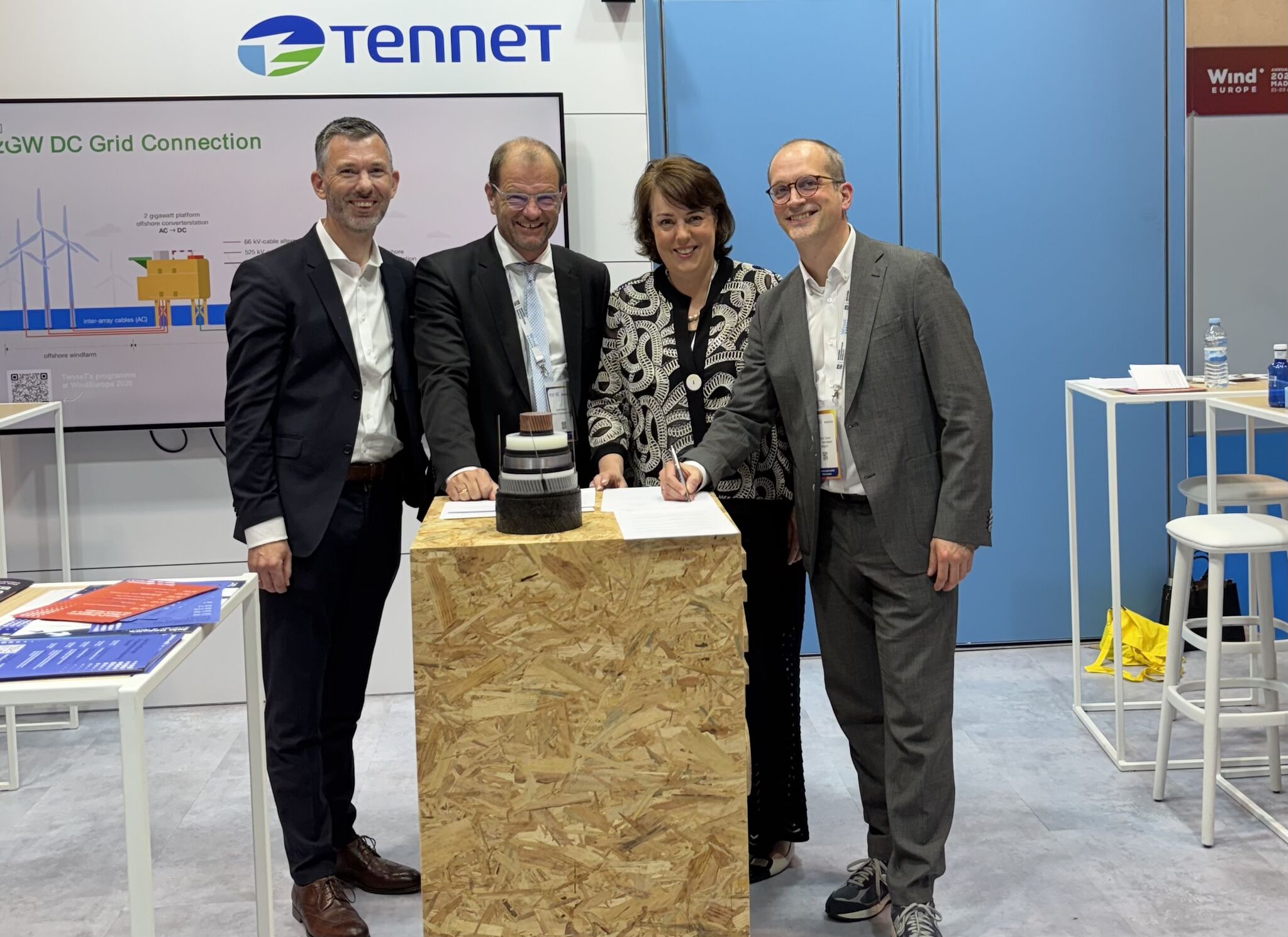
Five European TSOs launch joint initiative on North Sea subsea cable infrastructure

Signal moderateDirectional

What happened

Five European transmission system operators signed an MoU to cooperate on North Sea subsea cable infrastructure, focusing on repair procedures, spare parts, and fault detection. The initiative will run an initial assessment period and aims to map vessels, materials and repair capabilities to reduce downtime. Procurement should watch whether the MoU produces reusable commercial frameworks for pooled spares and shared repair contracts

Buyer takeaway

Treat the TSO collaboration as a blueprint for pooled logistics; evaluate whether a similar model fits local offshore assets to reduce repair lead times

Cost / money

Pooling spares can reduce total inventory costs but needs commercial agreements for cross-charges and access rights

Supplier / commercial

Repair-vessel and specialist suppliers may prefer framework agreements and pre-negotiated rates over one-off charters

Safety / operations

Standardized repair procedures and shared fault-detection methods can improve safety and speed, but require harmonized competency standards

What to watch

Watch whether the MoU leads to formal commercial rules that change how liability and cost-sharing are handled during cross-operator repairs

Key facts

  • MoU covers repair logistics, spare parts, fault detection and legal/financial frameworks
  • Initial assessment period set for at least one year to identify cooperation projects

Source excerpts

The cooperation will be organized through four thematic working groups focusing on repair logistics, spare parts and equipment, fault detection, and legal and financial frameworks. The objective is to identify scalable solutions that can reduce downtime, improve repair efficiency and limit system impacts and associated costs
This includes sharing knowledge on repair procedures, spare parts, and fault detection, as well as mapping available vessels, materials and technical capabilities. The cooperation will be organized through four thematic working groups focusing on repair logistics, spare parts and equipment, fault detection, and legal and financial frameworks
The initiative is open to other members of the Offshore TSO Collaboration (OTC) group, with the potential to evolve into a longer-term structured cooperation if the feasibility phase demonstrates clear benefits
Story 3Offshore EnergyApr 24, 2026

Argentina’s FSRU lines up LNG cargo from Naturgy

Signal moderateSource-grounded

What happened

An FSRU at Escobar Terminal in Argentina secured an LNG cargo via an open tender, with the cargo estimated to arrive in the second week of May. The tender invited 39 prequalified firms but only six submitted bids, indicating selective supplier participation in short-cycle LNG provisioning. Buyers with marine-dependent maintenance should check fuel delivery clauses and alignment between regas schedules and planned maintenance

Buyer takeaway

Validate fuel and logistics clauses in supplier agreements where regas schedules affect maintenance windows; ensure alternatives are contractually explicit

Cost / money

Fuel-supply timing variability can create unplanned premium mobilization or storage costs if maintenance must shift

Supplier / commercial

Limited bidder participation in tenders can weaken buyer leverage on price and delivery terms; consider backup procurement routes

Safety / operations

Regas and storage windows constrain when certain maintenance tasks can run safely; align permits and spares accordingly

What to watch

Watch for narrow tender participation and the resulting delivery-constrained scheduling that may force service-level pass-throughs

Key facts

  • Tender invited 39 prequalified firms with six bidders participating
  • Estimated LNG arrival at the FSRU: second week of May

Source excerpts

The cargo is intended to replenish stock on the FSRU located at the Escobar Terminal
LNG operation; Source: Excelerate Energy Naturgy has secured an LNG cargo supply contract following the international open tender held on April 15, 2026. The company received the LNG cargo award from Energía Argentina, which invited 39 prequalified firms to participate in the tender, but only six submitted bids in the latest process
The company received the LNG cargo award from Energía Argentina, which invited 39 prequalified firms to participate in the tender, but only six submitted bids in the latest process. The cargo is intended to replenish stock on the FSRU located at the Escobar Terminal
Story 4Reliabilityweb

Es home featured on Reliabilityweb's site

Signal moderateDirectional

What happened

Reliabilityweb describes what a maturing condition-monitoring program looks like and warns that some programs plateau while others expand coverage and insight. The operational detail is that maturity comes from widened coverage, sharper analytics and technician enablement rather than just more sensors. Buyers should treat condition-monitoring purchases as multi-year capability builds, not one-off upgrades

Buyer takeaway

Scope condition-monitoring contracts as phased programs with training, acceptance criteria and measurable execution KPIs

Cost / money

Mature programs reallocate spend away from reactive call-outs to analytics, training and defined integration services

Supplier / commercial

Vendors selling sensors alone are lower value; prefer suppliers that include analytics-to-execution pathways or partner integrations

Safety / operations

Mature CM programs improve early detection but require clear procedures to manage automated alerts and avoid unsafe rapid interventions

What to watch

Watch for programs that collect data without operational integration—those plateau and fail to reduce emergency work-orders

Key facts

  • Condition-monitoring maturity requires expanded coverage and sharper insight, not just route
  • Successful programs empower technicians to act on insights rather than just collect more data

Source excerpts

asset condition management What a Maturing Condition Monitoring Program Really Looks Like Not all condition monitoring programs are created equal
asset condition management What a Maturing Condition Monitoring Program Really Looks Like Not all condition monitoring programs are created equal. Some evolve by expanding coverage, sharpening insight, and empowering technicians to drive reliability
The difference comes down to one choice: do you allow your program to plateau, or do you build it to mature?

VP Snapshot

Executive Risk & Action View

New industrial-AI and CMMS integrations are moving asset alerts directly into work-order systems; buyers should prefer vendors that prove API-level compatibility to avoid costly point integrations.

Overall
66
Cost
79
Supply
25
Schedule
38
Compliance
15

Top signals

0-30dcost

Signal 1: Cost / money

Buying integration-ready AI/CMMS shifts spend from reactive call-outs to implementation, licensing and integration services; expect near-term OPEX reallocation to software and vendor support.

30-180dcost

Signal 2: Cost / money

A structured spare‑parts pooling approach can lower aggregate inventory holding costs but requires new cross‑charge and commercial governance that may increase contracting overhead.

30-180dcommercial

Signal 3: Supplier / commercial

Vendors that bundle condition monitoring with work-order automation gain leverage on contract terms; require open-API and data-export clauses to preserve switching options.

180d+commercial

Signal 4: Supplier / commercial

If subsea actors adopt pre‑negotiated repair frameworks, suppliers of repair vessels and specialist crews may shift to long‑form framework agreements rather than single-call charters, changing tender dynamics.

0-30dschedule

Signal 5: Safety / operations

Automating condition alerts into execution reduces undetected failures but raises the need for vendor-verified commissioning and strict permit-to-work handoffs to avoid unsafe rapid fixes.

30-180dsupplier

Signal 6: Safety / operations

FSRU cargo scheduling ties into regas injections and peak-demand windows; maintenance and spare-part plans must align with those fuel deliveries to avoid operational shortfalls during high demand.

Recommended actions

CategoryDue 3d

Verify shortlisted CMMS and condition-monitoring vendors support open APIs and can deliver a simple data-export proof of concept.

Approved vendor compatibility matrix and at least one vendor API POC scheduled or completed

CategoryDue 3d

Confirm critical subsea-cable and repair-related spare parts and identify at least one secondary supplier or cross-operator contact for each item.

Updated critical-parts list with secondary supplier contacts and known cross-operator spare options

ContractsDue 21d

Update RFP and supplier terms to require API access, data-export rights, and contractual exit provisions for CMMS/AI contracts.

Revised RFP template and contract annex covering API, data ownership and exit terms ready for use in upcoming tenders

ContractsDue 21d

Review fuel-supply and marine logistics clauses (pass-through costs, delivery timing, and force majeure) in service contracts that depend on FSRU/regas schedules.

Gap analysis and recommended contract amendments to align maintenance windows with fuel delivery scheduling

CategoryDue 60d

Run a controlled pilot to integrate one condition-monitoring vendor with the CMMS on a high-value asset to measure reduction in emergency call-outs and vendor mobilization hours.

Pilot SOW, integration checklist, and baseline metrics for emergency work-orders and mobilization hours established for evaluation

Risk register

RiskTriggerMitigation
Vendor consolidation in industrial-AI platforms could create API compatibility and data-ownership problems; treat this as an early-signal and demand clear data exit terms in contracts.Vendor consolidation in industrial-AI platforms could create API compatibility and data-ownership problems; treat this as an early-signal and demand clear data exit terms in contracts.Confirm exposure with category, contracts, and operations before the next supplier commitment.
The TSO MoU could evolve into formal commercial frameworks — if adopted, it may set expectations for cross‑operator liability and cost-sharing in offshore repairs; watch for published governance documents.The TSO MoU could evolve into formal commercial frameworks — if adopted, it may set expectations for cross‑operator liability and cost-sharing in offshore repairs; watch for published governance documents.Confirm exposure with category, contracts, and operations before the next supplier commitment.

CM Snapshot

Category Manager Decision Detail

Today's priorities

Verify shortlisted CMMS and condition-monitoring vendors support open APIs and can deliver a simple data-export proof of concept.

because integrations seen in recent industrial-AI and Maximo examples require API compatibility to avoid expensive custom interfaces and lock-in risk.

Due 3d

high

CM move

Use this as the immediate supplier or contract action to move before the next sourcing gate.

Confirm critical subsea-cable and repair-related spare parts and identify at least one secondary supplier or cross-operator contact for each item.

because the TSO initiative highlights pooled spare/repair logistics and buyers with no secondary sources will face premium mobilization costs during outages.

Due 3d

high

CM move

Use this as the immediate supplier or contract action to move before the next sourcing gate.

Update RFP and supplier terms to require API access, data-export rights, and contractual exit provisions for CMMS/AI contracts.

because vendor consolidation in industrial-AI platforms increases switching costs and buyers need contractual levers to protect data access and migration.

Due 21d

high

CM move

Use this as the immediate supplier or contract action to move before the next sourcing gate.

Review fuel-supply and marine logistics clauses (pass-through costs, delivery timing, and force majeure) in service contracts that depend on FSRU/regas schedules.

because the Argentine FSRU cargo timing shows how tendered fuel deliveries can create upstream dependencies that affect maintenance windows and parts availability.

Due 21d

high

CM move

Use this as the immediate supplier or contract action to move before the next sourcing gate.

Supplier radar

Reliabilityweb

high

Observed supplier signal

Vendors that bundle condition monitoring with work-order automation gain leverage on contract terms; require open-API and data-export clauses to preserve switching options.

Commercial implication

Vendors that bundle condition monitoring with work-order automation gain leverage on contract terms; require open-API and data-export clauses to preserve switching options.

Next step: Validate the source-backed signal with incumbents and alternates before the next award or pricing decision.

Offshore Energy

high

Observed supplier signal

If subsea actors adopt pre‑negotiated repair frameworks, suppliers of repair vessels and specialist crews may shift to long‑form framework agreements rather than single-call charters, changing tender dynamics.

Commercial implication

If subsea actors adopt pre‑negotiated repair frameworks, suppliers of repair vessels and specialist crews may shift to long‑form framework agreements rather than single-call charters, changing tender dynamics.

Next step: Validate the source-backed signal with incumbents and alternates before the next award or pricing decision.

Negotiation levers

Verify shortlisted CMMS and condition-monitoring vendors support open APIs and can deliver a simple data-export proof of concept.

When to use: because integrations seen in recent industrial-AI and Maximo examples require API compatibility to avoid expensive custom interfaces and lock-in risk.

Expected outcome: Approved vendor compatibility matrix and at least one vendor API POC scheduled or completed

Commercial mechanism to carry into the next supplier conversation

Confirm critical subsea-cable and repair-related spare parts and identify at least one secondary supplier or cross-operator contact for each item.

When to use: because the TSO initiative highlights pooled spare/repair logistics and buyers with no secondary sources will face premium mobilization costs during outages.

Expected outcome: Updated critical-parts list with secondary supplier contacts and known cross-operator spare options

Commercial mechanism to carry into the next supplier conversation

Update RFP and supplier terms to require API access, data-export rights, and contractual exit provisions for CMMS/AI contracts.

When to use: because vendor consolidation in industrial-AI platforms increases switching costs and buyers need contractual levers to protect data access and migration.

Expected outcome: Revised RFP template and contract annex covering API, data ownership and exit terms ready for use in upcoming tenders

Commercial mechanism to carry into the next supplier conversation

Review fuel-supply and marine logistics clauses (pass-through costs, delivery timing, and force majeure) in service contracts that depend on FSRU/regas schedules.

When to use: because the Argentine FSRU cargo timing shows how tendered fuel deliveries can create upstream dependencies that affect maintenance windows and parts availability.

Expected outcome: Gap analysis and recommended contract amendments to align maintenance windows with fuel delivery scheduling

Commercial mechanism to carry into the next supplier conversation

Talking points

New industrial-AI and CMMS integrations are moving asset alerts directly into work-order systems; buyers should prefer vendors that prove API-level compatibility to avoid costly point integrations.
TSO cooperation on subsea cable repair and spare-parts sharing creates a procurement template for pooled logistics and pre‑negotiated repair rates that offshore O&M contracts can mirror.
An FSRU restocking LNG via an open tender (cargo due in the second week of May) underscores continued vendor reliance on short-cycle fuel logistics; contracts should be checked for delivery and pass-through clauses.
Condition‑monitoring programs are at a maturity inflection: automation can cut reactive spend but requires upfront integration, training and change management budget.

Supplier radar

SupplierSignalImplicationNext stepConfidence
ReliabilitywebVendors that bundle condition monitoring with work-order automation gain leverage on contract terms; require open-API and data-export clauses to preserve switching options.Vendors that bundle condition monitoring with work-order automation gain leverage on contract terms; require open-API and data-export clauses to preserve switching options.Validate the source-backed signal with incumbents and alternates before the next award or pricing decision.high
Offshore EnergyIf subsea actors adopt pre‑negotiated repair frameworks, suppliers of repair vessels and specialist crews may shift to long‑form framework agreements rather than single-call charters, changing tender dynamics.If subsea actors adopt pre‑negotiated repair frameworks, suppliers of repair vessels and specialist crews may shift to long‑form framework agreements rather than single-call charters, changing tender dynamics.Validate the source-backed signal with incumbents and alternates before the next award or pricing decision.high

Negotiation levers

  • Verify shortlisted CMMS and condition-monitoring vendors support open APIs and can deliver a simple data-export proof of concept.because integrations seen in recent industrial-AI and Maximo examples require API compatibility to avoid expensive custom interfaces and lock-in risk.Approved vendor compatibility matrix and at least one vendor API POC scheduled or completed

    high confidence

  • Confirm critical subsea-cable and repair-related spare parts and identify at least one secondary supplier or cross-operator contact for each item.because the TSO initiative highlights pooled spare/repair logistics and buyers with no secondary sources will face premium mobilization costs during outages.Updated critical-parts list with secondary supplier contacts and known cross-operator spare options

    high confidence

  • Update RFP and supplier terms to require API access, data-export rights, and contractual exit provisions for CMMS/AI contracts.because vendor consolidation in industrial-AI platforms increases switching costs and buyers need contractual levers to protect data access and migration.Revised RFP template and contract annex covering API, data ownership and exit terms ready for use in upcoming tenders

    high confidence

  • Review fuel-supply and marine logistics clauses (pass-through costs, delivery timing, and force majeure) in service contracts that depend on FSRU/regas schedules.because the Argentine FSRU cargo timing shows how tendered fuel deliveries can create upstream dependencies that affect maintenance windows and parts availability.Gap analysis and recommended contract amendments to align maintenance windows with fuel delivery scheduling

    high confidence

What to do / What to watch

What to do now

  • Verify shortlisted CMMS and condition-monitoring vendors support open APIs and can deliver a simple data-export proof of concept.

    Why: because integrations seen in recent industrial-AI and Maximo examples require API compatibility to avoid expensive custom interfaces and lock-in risk.

    Owner: Category

    Expected outcome: Approved vendor compatibility matrix and at least one vendor API POC scheduled or completed

    [3]
  • Confirm critical subsea-cable and repair-related spare parts and identify at least one secondary supplier or cross-operator contact for each item.

    Why: because the TSO initiative highlights pooled spare/repair logistics and buyers with no secondary sources will face premium mobilization costs during outages.

    Owner: Category

    Expected outcome: Updated critical-parts list with secondary supplier contacts and known cross-operator spare options

    [2]

Next few weeks

  • Update RFP and supplier terms to require API access, data-export rights, and contractual exit provisions for CMMS/AI contracts.

    Why: because vendor consolidation in industrial-AI platforms increases switching costs and buyers need contractual levers to protect data access and migration.

    Owner: Contracts

    Expected outcome: Revised RFP template and contract annex covering API, data ownership and exit terms ready for use in upcoming tenders

    [3]
  • Review fuel-supply and marine logistics clauses (pass-through costs, delivery timing, and force majeure) in service contracts that depend on FSRU/regas schedules.

    Why: because the Argentine FSRU cargo timing shows how tendered fuel deliveries can create upstream dependencies that affect maintenance windows and parts availability.

    Owner: Contracts

    Expected outcome: Gap analysis and recommended contract amendments to align maintenance windows with fuel delivery scheduling

    [1]

Longer view

  • Run a controlled pilot to integrate one condition-monitoring vendor with the CMMS on a high-value asset to measure reduction in emergency call-outs and vendor mobilization hours.

    Why: because maturity signals from condition-monitoring programs and industrial-AI integrations indicate pilots can validate real O&M savings and reveal execution constraints.

    Owner: Category

    Expected outcome: Pilot SOW, integration checklist, and baseline metrics for emergency work-orders and mobilization hours established for evaluation

    [4][3]

What to watch

  • Vendor consolidation in industrial-AI platforms could create API compatibility and data-ownership problems; treat this as an early-signal and demand clear data exit terms in contracts
  • The TSO MoU could evolve into formal commercial frameworks — if adopted, it may set expectations for cross‑operator liability and cost-sharing in offshore repairs; watch for published governance documents
  • Vendor consolidation in industrial-AI platforms could create API compatibility and data-ownership problems; treat this as an early-signal and demand clear data exit terms in contracts.: Vendor consolidation in industrial-AI platforms could create API compatibility and data-ownership problems; treat this as an early-signal and demand clear data exit terms in contracts
  • The TSO MoU could evolve into formal commercial frameworks — if adopted, it may set expectations for cross‑operator liability and cost-sharing in offshore repairs; watch for published governance documents.: The TSO MoU could evolve into formal commercial frameworks — if adopted, it may set expectations for cross‑operator liability and cost-sharing in offshore repairs; watch for published governance documents
  • New industrial-AI and CMMS integrations are moving asset alerts directly into work-order systems; buyers should prefer vendors that prove API-level compatibility to avoid costly point integrations
  • TSO cooperation on subsea cable repair and spare-parts sharing creates a procurement template for pooled logistics and pre‑negotiated repair rates that offshore O&M contracts can mirror
  • An FSRU restocking LNG via an open tender (cargo due in the second week of May) underscores continued vendor reliance on short-cycle fuel logistics; contracts should be checked for delivery and pass-through clauses
  • Condition‑monitoring programs are at a maturity inflection: automation can cut reactive spend but requires upfront integration, training and change management budget

Market pulse

IndexLatestChangeAs of
WTI Crude (WTI)71.23 /bbl+0.00 (+0.00%)Apr 25, 2026, 10:06 PM
Brent Crude (BRENT)74.89 /bbl+0.00 (+0.00%)Apr 25, 2026, 10:06 PM
Natural Gas (NG)3.12 /MMBtu+0.00 (+0.00%)Apr 25, 2026, 10:06 PM
Johnson Controls (JCI)65 +0.00 (+0.00%)Apr 25, 2026, 10:06 PM
  • Johnson Controls: Asset-management vendor trends increase importance of integration clauses in procurement decisions
  • Natural Gas: LNG cargo scheduling affects regas-dependent O&M windows and spare-part planning for marine operations

Sources

Inline citations jump here. Expand a source to read the excerpt, the AI interpretation, and the original link.

[1] Argentina’s FSRU lines up LNG cargo from Naturgy

offshore-energy.biz · Apr 24, 2026

Expand

AI reading

An FSRU at Escobar Terminal in Argentina secured an LNG cargo via an open tender, with the cargo estimated to arrive in the second week of May. The tender invited 39 prequalified firms but only six submitted bids, indicating selective supplier participation in short-cycle LNG provisioning. Buyers with marine-dependent maintenance should check fuel delivery clauses and alignment between regas schedules and planned maintenance

Buyer takeaway

Validate fuel and logistics clauses in supplier agreements where regas schedules affect maintenance windows; ensure alternatives are contractually explicit

Cost / money

Fuel-supply timing variability can create unplanned premium mobilization or storage costs if maintenance must shift

Supplier / commercial

Limited bidder participation in tenders can weaken buyer leverage on price and delivery terms; consider backup procurement routes

Safety / operations

Regas and storage windows constrain when certain maintenance tasks can run safely; align permits and spares accordingly

What to watch

Watch for narrow tender participation and the resulting delivery-constrained scheduling that may force service-level pass-throughs

Key facts

  • Tender invited 39 prequalified firms with six bidders participating
  • Estimated LNG arrival at the FSRU: second week of May

Source excerpts

The cargo is intended to replenish stock on the FSRU located at the Escobar Terminal
LNG operation; Source: Excelerate Energy Naturgy has secured an LNG cargo supply contract following the international open tender held on April 15, 2026. The company received the LNG cargo award from Energía Argentina, which invited 39 prequalified firms to participate in the tender, but only six submitted bids in the latest process
The company received the LNG cargo award from Energía Argentina, which invited 39 prequalified firms to participate in the tender, but only six submitted bids in the latest process. The cargo is intended to replenish stock on the FSRU located at the Escobar Terminal

Used in this brief

  • Next 2-4 weeks — Review fuel-supply and marine logistics clauses (pass-through costs, delivery timing, and force majeure) in service contracts that depend on FSRU/regas schedules.. Rationale: because the Argentine FSRU cargo timing shows how tendered fuel deliveries can create upstream dependencies that affect maintenance windows and parts availability.. Owner: Contracts. KPI: Gap analysis and recommended contract amendments to align maintenance windows with fuel delivery scheduling
  • Added LNG FSRU cargo tender update (Argentina) which flags continued short-cycle fuel logistics risk for marine-dependent O&M scopes
  • An FSRU at Escobar Terminal in Argentina secured an LNG cargo via an open tender, with the cargo estimated to arrive in the second week of May. The tender invited 39 prequalified firms but only six submitted bids, indicating selective supplier participation in short-cycle LNG provisioning. Buyers with marine-dependent maintenance should check fuel delivery clauses and alignment between regas schedules and planned maintenance
Open original source

[2] Five European TSOs launch joint initiative on North Sea subsea cable infrastructure

offshore-energy.biz · Apr 23, 2026

Expand

AI reading

Five European transmission system operators signed an MoU to cooperate on North Sea subsea cable infrastructure, focusing on repair procedures, spare parts, and fault detection. The initiative will run an initial assessment period and aims to map vessels, materials and repair capabilities to reduce downtime. Procurement should watch whether the MoU produces reusable commercial frameworks for pooled spares and shared repair contracts

Buyer takeaway

Treat the TSO collaboration as a blueprint for pooled logistics; evaluate whether a similar model fits local offshore assets to reduce repair lead times

Cost / money

Pooling spares can reduce total inventory costs but needs commercial agreements for cross-charges and access rights

Supplier / commercial

Repair-vessel and specialist suppliers may prefer framework agreements and pre-negotiated rates over one-off charters

Safety / operations

Standardized repair procedures and shared fault-detection methods can improve safety and speed, but require harmonized competency standards

What to watch

Watch whether the MoU leads to formal commercial rules that change how liability and cost-sharing are handled during cross-operator repairs

Key facts

  • MoU covers repair logistics, spare parts, fault detection and legal/financial frameworks
  • Initial assessment period set for at least one year to identify cooperation projects

Source excerpts

The cooperation will be organized through four thematic working groups focusing on repair logistics, spare parts and equipment, fault detection, and legal and financial frameworks. The objective is to identify scalable solutions that can reduce downtime, improve repair efficiency and limit system impacts and associated costs
This includes sharing knowledge on repair procedures, spare parts, and fault detection, as well as mapping available vessels, materials and technical capabilities. The cooperation will be organized through four thematic working groups focusing on repair logistics, spare parts and equipment, fault detection, and legal and financial frameworks
The initiative is open to other members of the Offshore TSO Collaboration (OTC) group, with the potential to evolve into a longer-term structured cooperation if the feasibility phase demonstrates clear benefits

Used in this brief

  • New industrial-AI and CMMS integrations are moving asset alerts directly into work-order systems; buyers should prefer vendors that prove API-level compatibility to avoid costly point integrations. TSO cooperation on subsea cable repair and spare-parts sharing creates a procurement template for pooled logistics and pre‑negotiated repair rates that offshore O&M contracts can mirror. An FSRU restocking LNG via an open tender (cargo due in the second week of May) underscores continued vendor reliance on short-cycle fuel logistics; contracts should be checked for delivery and pass-through clauses. Condition‑monitoring programs are at a maturity inflection: automation can cut reactive spend but requires upfront integration, training and change management budget
  • Next 72 hours — Confirm critical subsea-cable and repair-related spare parts and identify at least one secondary supplier or cross-operator contact for each item.. Rationale: because the TSO initiative highlights pooled spare/repair logistics and buyers with no secondary sources will face premium mobilization costs during outages.. Owner: Category. KPI: Updated critical-parts list with secondary supplier contacts and known cross-operator spare options
  • The TSO MoU could evolve into formal commercial frameworks — if adopted, it may set expectations for cross‑operator liability and cost-sharing in offshore repairs; watch for published governance documents
Open original source

[3] En on Reliabilityweb's site

reliabilityweb.com · n.d.

Expand

AI reading

Reliabilityweb highlights industry discussion on asset data quality and reports TwinThread’s recognition in an Industrial AI platforms matrix plus examples of AI connecting into IBM Maximo. The key operational detail is that these platforms are being positioned to feed asset health and inspection data directly into maintenance workflows. Watch whether vendors deliver standard API integrations and not proprietary, single‑vendor lock-ins

Buyer takeaway

Treat AI+CMMS offerings as integration projects, not just software purchases; insist on demonstrable API compatibility

Cost / money

Spending will shift toward licensing and integration services rather than reactive mobilization if integrations work; budget for implementation

Supplier / commercial

Vendors bundling platform+services will seek stronger commercial terms; require open standards and exit clauses to keep leverage

Safety / operations

Better detection-to-work-order automation can reduce unsafe failure events but heightens the need for validated commissioning and permits

What to watch

Watch for platform consolidation and proprietary APIs that raise switching costs; validate data-export and migration paths early

Key facts

  • TwinThread named a Front Runner in LNS Research’s 2026 Industrial AI solution matrix
  • IBM Maximo referenced as connecting asset health, inspections and safety into maintenance exe

Source excerpts

CESMII – The Smart Manufacturing Institute today announced the beta launch of the Industrial Information Interoperability eXchange (i3X™), an open, standards-based API designed to enable seamless interoperability across manufacturing systems, platforms and applications
In this roundtable discussion, industry leaders explore how asset data quality, knowledge retention, and practical digital modernization help utilities build long-term resilience and reliability. CESMII – The Smart Manufacturing Institute today announced the beta launch of the Industrial Information Interoperability eXchange (i3X™), an open, standards-based API designed to enable seamless interoperability across manufacturing systems, platforms and applications
Sign Up Please use your business email address if applicable Water utilities face aging assets, workforce turnover, and growing pressure to modernize

Used in this brief

  • Next 72 hours — Verify shortlisted CMMS and condition-monitoring vendors support open APIs and can deliver a simple data-export proof of concept.. Rationale: because integrations seen in recent industrial-AI and Maximo examples require API compatibility to avoid expensive custom interfaces and lock-in risk.. Owner: Category. KPI: Approved vendor compatibility matrix and at least one vendor API POC scheduled or completed
  • Next 2-4 weeks — Update RFP and supplier terms to require API access, data-export rights, and contractual exit provisions for CMMS/AI contracts.. Rationale: because vendor consolidation in industrial-AI platforms increases switching costs and buyers need contractual levers to protect data access and migration.. Owner: Contracts. KPI: Revised RFP template and contract annex covering API, data ownership and exit terms ready for use in upcoming tenders
  • Vendor consolidation in industrial-AI platforms could create API compatibility and data-ownership problems; treat this as an early-signal and demand clear data exit terms in contracts
Open original source

[4] Es home featured on Reliabilityweb's site

reliabilityweb.com · n.d.

Expand

AI reading

Reliabilityweb describes what a maturing condition-monitoring program looks like and warns that some programs plateau while others expand coverage and insight. The operational detail is that maturity comes from widened coverage, sharper analytics and technician enablement rather than just more sensors. Buyers should treat condition-monitoring purchases as multi-year capability builds, not one-off upgrades

Buyer takeaway

Scope condition-monitoring contracts as phased programs with training, acceptance criteria and measurable execution KPIs

Cost / money

Mature programs reallocate spend away from reactive call-outs to analytics, training and defined integration services

Supplier / commercial

Vendors selling sensors alone are lower value; prefer suppliers that include analytics-to-execution pathways or partner integrations

Safety / operations

Mature CM programs improve early detection but require clear procedures to manage automated alerts and avoid unsafe rapid interventions

What to watch

Watch for programs that collect data without operational integration—those plateau and fail to reduce emergency work-orders

Key facts

  • Condition-monitoring maturity requires expanded coverage and sharper insight, not just route
  • Successful programs empower technicians to act on insights rather than just collect more data

Source excerpts

asset condition management What a Maturing Condition Monitoring Program Really Looks Like Not all condition monitoring programs are created equal
asset condition management What a Maturing Condition Monitoring Program Really Looks Like Not all condition monitoring programs are created equal. Some evolve by expanding coverage, sharpening insight, and empowering technicians to drive reliability
The difference comes down to one choice: do you allow your program to plateau, or do you build it to mature?

Used in this brief

  • Supplier / commercial: Vendors that bundle condition monitoring with work-order automation gain leverage on contract terms; require open-API and data-export clauses to preserve switching options
  • Next quarter — Run a controlled pilot to integrate one condition-monitoring vendor with the CMMS on a high-value asset to measure reduction in emergency call-outs and vendor mobilization hours.. Rationale: because maturity signals from condition-monitoring programs and industrial-AI integrations indicate pilots can validate real O&M savings and reveal execution constraints.. Owner: Category. KPI: Pilot SOW, integration checklist, and baseline metrics for emergency work-orders and mobilization hours established for evaluation
  • Reliabilityweb describes what a maturing condition-monitoring program looks like and warns that some programs plateau while others expand coverage and insight. The operational detail is that maturity comes from widened coverage, sharper analytics and technician enablement rather than just more sensors. Buyers should treat condition-monitoring purchases as multi-year capability builds, not one-off upgrades
Open original source

[5] Johnson Controls

finance.yahoo.com · n.d.

Expand

[6] Natural Gas

finance.yahoo.com · n.d.

Expand