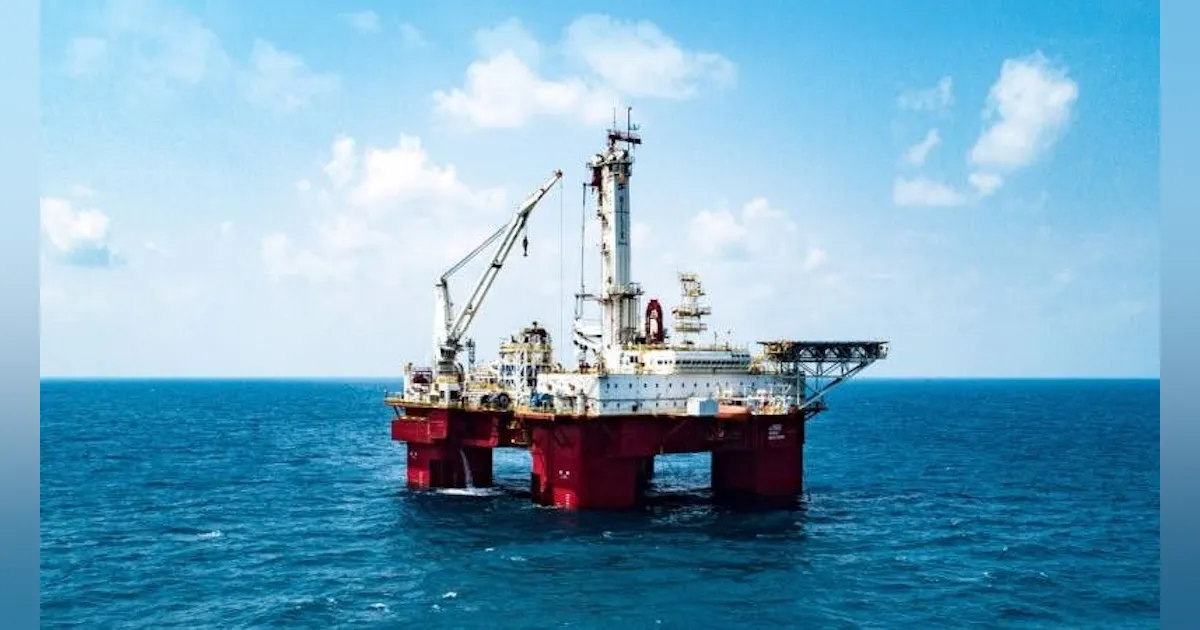
Plug & Abandonment / Decommissioning · International (Houston)

Recalibrate P&A Sourcing Ahead Of Fleet Consolidation And Automation

Published Apr 26, 2026, 5:06 AM CSTINTERNATIONALFull category signal
Ask AI
Helix Energy Solutions, Hornbeck announce merger agreement

In 60 seconds

Top move

A confirmed all-stock merger between Helix and Hornbeck will create a larger integrated offshore services supplier with expanded vessels, well-intervention and robotics capability; expect changes to how buyers access specialty vessels and intervention services

Key takeaways

  • A confirmed all-stock merger between Helix and Hornbeck will create a larger integrated offshore services supplier with expanded vessels, well-intervention and robotics capability; expect changes to how buyers access specialty vessels and intervention services.[1]
  • Field trials of automated tubular running systems (digital automation for pipe make-up) show clear operational gains that reduce personnel exposure and reduce connection times, which can alter crew, equipment and scope assumptions in P&A workpacks.[2]
  • TAQA’s decision to extend Harding platform operations shifts a known decommissioning task later, rephasing near-term P&A demand and keeping some vessel and crew utilization tied to continued production rather than removal.[3]
  • Commercial detail in the merger (stated synergies and backlog figures) implies fleet optimization and schedule rationalization that could tighten availability windows for buyers and push suppliers to seek longer contract terms or narrower quote validity.[1]
  • Automation benefits are real but adoption creates new dependencies — proprietary control systems, connectivity and integrated safety interfaces — so vendor lock-in and upgrade/pathway issues are a material procurement watchpoint.[2]

What changed since last run

  • New confirmed merger between Helix and Hornbeck introduces a large integrated supplier profile not present in last run (affects vessel and robotics sourcing).
  • Published field trial results for automated tubular running systems add evidence that automation can materially change crew and scope needs for P&A operations.
  • Operator update: Harding platform operations officially extended, deferring a specific decommissioning scope previously expected to enter procurement pipelines.

Key facts

  • Transaction described as all-stock merger
  • Management cites annual revenue and cost synergies and a substantial backlog
  • Deal positions combined fleet, robotics and intervention services under one supplier
  • Field trials reported large reductions in connection make-up/breakout times
  • System integrates with rig safety interlocks and remote controls
  • Technology has been applied in multiple offshore regions including GoM and North Sea

Why it matters

A confirmed all-stock merger between Helix and Hornbeck will create a larger integrated offshore services supplier with expanded vessels, well-intervention and robotics capability; expect changes to how buyers access specialty vessels and intervention services. Field trials of automated tubular running systems (digital automation for pipe make-up) show clear operational gains that reduce personnel exposure and reduce connection times, which can alter crew, equipment and scope assumptions in P&A workpacks. TAQA’s decision to extend Harding platform operations shifts a known decommissioning task later, rephasing near-term P&A demand and keeping some vessel and crew utilization tied to continued production rather than removal. Commercial detail in the merger (stated synergies and backlog figures) implies fleet optimization and schedule rationalization that could tighten availability windows for buyers and push suppliers to seek longer contract terms or narrower quote validity

Cost / money

  • Supplier consolidation from the Helix–Hornbeck deal can shift pricing posture by concentrating specialized vessel and intervention capacity, reducing buyer leverage on day rates and mobilization pricing.[1]
  • Platform-life extensions (Harding) delay immediate P&A spend but can compress future windows and drive short-term mobilization premiums when those campaigns restart.[3]
  • Automation systems can lower operational OPEX through reduced crew exposure and faster cycle times, changing the cost base for execution and altering which line items drive bids.[2]

Supplier / commercial

  • The combined company offers integrated vessel+robotics packages that change how scopes are bid — expect suppliers to push for larger scopes, longer terms, and pass-through clauses tied to fleet optimization.[1]
  • Vendors that supply automation and digital monitoring can extract premium or preferred status in awards because they reduce operational risk and may shorten execution windows.[2]
  • With Harding extended, suppliers that can offer flexible idling, long-term crewing, or extendable support agreements will be commercially advantaged in rebid rounds.[3]

Safety / operations

  • Automated tubular running reduces personnel on the rig floor and integrates with safety interlocks, supporting 'no red zone' objectives and lowering exposure risk during critical make-up operations.[2]
  • Access to enhanced subsea robotics and well-intervention assets from a combined supplier can improve options for lower-risk P&A execution techniques where intervention reduces physical exposure.[1]
  • Extending platform life maintains ongoing inspection and maintenance windows, keeping crews exposed longer but also preserving current safety procedures rather than forcing an accelerated removal under tight timing.[3]

What to watch

  • Watch for suppliers tightening quote validity and shortening mobilization lead times as they rationalize fleet schedules — supplier tactics after the merger are not yet public and should be treated as an early signal.[1]
  • Watch for proprietary automation dependencies that create connectivity, upgrade and support obligations in execution contracts; verify interoperability before accepting tech-led bids.[2]

Top stories

Story 1Offshore-mag

Helix Energy Solutions, Hornbeck announce merger agreement

Signal strongSource-grounded

What happened

Helix Energy Solutions and Hornbeck Offshore signed a definitive all-stock merger agreement to create a larger integrated offshore services company. The companies say the combined firm will pair Helix’s well intervention and robotics with Hornbeck’s specialty vessels and expects material revenue and cost synergies tied to fleet optimization. For procurement, watch how integration affects vessel allocation, quote-validity tactics, and whether buyers see longer-term contract proposals from the combined supplier

Buyer takeaway

Treat the merger as a near-term commercial shift: expect integrated offerings that can be bundled into larger scopes and suppliers that will press for longer terms or pass-through clauses

Cost / money

Directionally upward pressure on mobilization and day rates is plausible where the combined fleet reduces alternates for specialized vessels; plan to test pricing post-close

Supplier / commercial

Suppliers may propose integrated scopes and push for contract language that preserves fleet optimization flexibility; buyers should reinforce competition and narrow validity protections

Safety / operations

Access to combined robotics and well-intervention assets can lower execution risk in complex P&A scopes, offering safer low-exposure options for some campaigns

What to watch

Watch for shortened quote-validity windows, schedule rationalization that reallocates vessels, and early attempts to renegotiate existing long-lead commitments

Key facts

  • Transaction described as all-stock merger
  • Management cites annual revenue and cost synergies and a substantial backlog
  • Deal positions combined fleet, robotics and intervention services under one supplier

Source excerpts

have signed a definitive agreement to combine in an all-stock transaction to create a “premier integrated offshore services company. ” The companies say that the combination will create a “recognized leader” in offshore operations through a diversified and expanded high-specification fleet of specialty vessels, supported by subsea robotics, well intervention, and technical service capabilities, including trenching subsea pipelines and cables
Hornbeck
The transaction is expected to generate $75 million or more in annual revenue and cost synergies within three years through integrated offerings, fleet optimization, and operational efficiencies. The combined company is projected to have a ~$2 billion backlog, low leverage, and substantial free cash flow generation
Story 2Offshore-mag

Case study: Automated tubular running system demonstrates operational gains in the GoM

Signal strongSource-grounded

What happened

A Gulf of Mexico trial of an automated tubular running system demonstrated faster connection times and integrated safety controls with remote operation capability. The case study reports substantial make-up/breakout time gains and notes deployments across multiple regions, showing the technology is operational rather than purely theoretical. Procurement should test how vendor software, interlocks and training needs change crew and equipment scopes in P&A contracts

Buyer takeaway

View automation as a supply-side differentiator—vendors offering proven systems may require different commercial terms and SLAs tied to uptime and remote support

Cost / money

Automation can reduce crew exposure and downtime, shifting cost drivers from labor to technology support, connectivity and spare parts

Supplier / commercial

Automation vendors can demand premium pricing or preferenced placement in awards; include evaluation criteria for tech ownership, support and upgrade paths

Safety / operations

Demonstrated safety gains through reduced personnel on deck and integrated interlocks support inclusion of safety KPIs in contracts

What to watch

Watch for proprietary control systems and connectivity requirements that create vendor dependency; verify interoperability and support before acceptance

Key facts

  • Field trials reported large reductions in connection make-up/breakout times
  • System integrates with rig safety interlocks and remote controls
  • Technology has been applied in multiple offshore regions including GoM and North Sea

Source excerpts

Safety integration reinforces 'no red zone exposure' objectivesThe TRS package has been integrated into the rig’s zone management, pipe interlock and anti-collision systems, allowing it to operate as part of the rig’s safety architecture. This helps reduce the risk of equipment clashes and supports a “no red zone exposure” approach during connection activities
Data from these deployments provides a benchmark for expected performance. In previous applications, connection make-up and breakout times have been reduced by approximately 40-50% compared to conventional methods, driven by automation and process standardization
Key highlights: Automated tubular running systems enable remote operation, reducing personnel exposure and improving safety during HP/HT drilling activities. Integration with rig safety systems and real-time data monitoring enhances operational consistency and helps predict equipment failures before they cause downtime
Story 3Offshore-mag

North Sea Harding platform operations extended to 2027

Signal moderateSource-grounded

What happened

TAQA UK extended operations on the Harding platform, delaying its planned removal and associated decommissioning work. The extension keeps production and maintenance activity on the asset rather than moving it immediately to P&A planning, changing timing for procurement of removal services. Buyers should adjust schedules and re-evaluate tender windows for the Harding scope accordingly

Buyer takeaway

Treat the Harding extension as a schedule rephase: update demand forecasts and reassign procurement effort to higher-priority scopes while monitoring when removal will re-enter the pipeline

Cost / money

Deferral reduces immediate P&A spend but may increase future mobilization premiums if multiple deferred removals align

Supplier / commercial

Suppliers that can offer flexible idling, re-mobilization terms or extended maintenance support will be preferred in future tenders

Safety / operations

Extended life requires continued inspection and maintenance regimes, keeping operational safety controls active rather than moving to an abandonment focus

What to watch

Watch for knock-on schedule impacts if other deferred assets cluster in the same season, creating vessel and crew competition

Key facts

  • Operator publicly extended Harding platform operations
  • Platform continues in production, postponing previously expected decommissioning activity

Source excerpts

This included TAQA becoming operator of the Harding Field and associated production platform
Harding was not expected to operate for much more than 20 years, but it will now remain in production until 2027. To date, it has produced more than 317 MMboe
This included TAQA becoming operator of the Harding Field and associated production platform. Harding was not expected to operate for much more than 20 years, but it will now remain in production until 2027

VP Snapshot

Executive Risk & Action View

A confirmed all-stock merger between Helix and Hornbeck will create a larger integrated offshore services supplier with expanded vessels, well-intervention and robotics capability; expect changes to how buyers access specialty vessels and intervention services.

Overall
55
Cost
79
Supply
79
Schedule
20
Compliance
15

Top signals

30-180dcost

Signal 1: Cost / money

Supplier consolidation from the Helix–Hornbeck deal can shift pricing posture by concentrating specialized vessel and intervention capacity, reducing buyer leverage on day rates and mobilization pricing.

Signal 3: Cost / money

Automation systems can lower operational OPEX through reduced crew exposure and faster cycle times, changing the cost base for execution and altering which line items drive bids.

0-30dcost

Signal 2: Cost / money

Platform-life extensions (Harding) delay immediate P&A spend but can compress future windows and drive short-term mobilization premiums when those campaigns restart.

180d+supply

Signal 4: Supplier / commercial

The combined company offers integrated vessel+robotics packages that change how scopes are bid — expect suppliers to push for larger scopes, longer terms, and pass-through clauses tied to fleet optimization.

30-180dsupply

Signal 5: Supplier / commercial

Vendors that supply automation and digital monitoring can extract premium or preferred status in awards because they reduce operational risk and may shorten execution windows.

30-180dcommercial

Signal 6: Supplier / commercial

With Harding extended, suppliers that can offer flexible idling, long-term crewing, or extendable support agreements will be commercially advantaged in rebid rounds.

Recommended actions

CategoryDue 3d

Flag active P&A tenders and identify where vessel, intervention or robotics requirements overlap with the Helix–Hornbeck merged capability.

List of live tenders where supplier consolidation could narrow competition or require scope clarification before award

ContractsDue 3d

Email incumbent vessel and intervention suppliers to confirm current quote validity, mobilization windows and resource allocation assumptions.

Updated supplier confirmations that align awarded scope with realistic mobilization and lead-time expectations

LegalDue 21d

Update contract templates to include minimum quote validity, clearer pass-through language for mobilization costs, and clauses addressing tech interoperability for automated sys...

Contract clauses that limit supplier ability to shorten validity windows and clarify responsibility for integration or connectivity costs

CategoryDue 21d

Run a targeted market engagement that separates bids for traditional vessel/intervention scopes and bids that include robotics/automation so you can benchmark pricing and terms.

Market data showing relative pricing and commercial terms for automation-enabled versus conventional execution options

CategoryDue 60d

Redesign medium-term sourcing strategy to prioritize suppliers that demonstrate integrated vessel+robotics capability and clear interoperability pathways.

A prioritized supplier list and sourcing strategy that reduces execution risk through verified integrated capabilities

OpsDue 60d

Pilot deployment of an automated tubular running system on a low‑risk decommissioning activity with Ops oversight and vendor SLA requirements.

Pilot report validating safety and efficiency claims and defining vendor support and connectivity requirements for future tenders

Risk register

RiskTriggerMitigation
Watch for suppliers tightening quote validity and shortening mobilization lead times as they rationalize fleet schedules — supplier tactics after the merger are not yet public and should be treated as an early signal.Watch for suppliers tightening quote validity and shortening mobilization lead times as they rationalize fleet schedules — supplier tactics after the merger are not yet public and should be treated as an early signal.Confirm exposure with category, contracts, and operations before the next supplier commitment.
Watch for proprietary automation dependencies that create connectivity, upgrade and support obligations in execution contracts; verify interoperability before accepting tech-led bids.Watch for proprietary automation dependencies that create connectivity, upgrade and support obligations in execution contracts; verify interoperability before accepting tech-led bids.Confirm exposure with category, contracts, and operations before the next supplier commitment.

CM Snapshot

Category Manager Decision Detail

Today's priorities

Flag active P&A tenders and identify where vessel, intervention or robotics requirements overlap with the Helix–Hornbeck merged capability.

because a larger integrated supplier can change competitive dynamics and mobilization availability for current bids, and early identification prevents surprise at award.

Due 3d

high

CM move

Use this as the immediate supplier or contract action to move before the next sourcing gate.

Email incumbent vessel and intervention suppliers to confirm current quote validity, mobilization windows and resource allocation assumptions.

because suppliers may shorten quote validity or reassign assets as fleet schedules are optimized post-merger, and confirmation reduces award‑to‑mobilization risk.

Due 3d

high

CM move

Use this as the immediate supplier or contract action to move before the next sourcing gate.

Update contract templates to include minimum quote validity, clearer pass-through language for mobilization costs, and clauses addressing tech interoperability for automated sys...

because merged suppliers and automation vendors may seek narrower commercial windows or introduce proprietary dependencies that should be managed contractually.

Due 21d

high

CM move

Use this as the immediate supplier or contract action to move before the next sourcing gate.

Run a targeted market engagement that separates bids for traditional vessel/intervention scopes and bids that include robotics/automation so you can benchmark pricing and terms.

because suppliers offering integrated robotics or automation can present different pricing and term profiles; discrete testing reveals where premium applies.

Due 21d

high

CM move

Use this as the immediate supplier or contract action to move before the next sourcing gate.

Supplier radar

Offshore-mag

high

Observed supplier signal

The combined company offers integrated vessel+robotics packages that change how scopes are bid — expect suppliers to push for larger scopes, longer terms, and pass-through clauses tied to fleet optimization.

Commercial implication

The combined company offers integrated vessel+robotics packages that change how scopes are bid — expect suppliers to push for larger scopes, longer terms, and pass-through clauses tied to fleet optimization.

Next step: Validate the source-backed signal with incumbents and alternates before the next award or pricing decision.

Offshore-mag

high

Observed supplier signal

Vendors that supply automation and digital monitoring can extract premium or preferred status in awards because they reduce operational risk and may shorten execution windows.

Commercial implication

Vendors that supply automation and digital monitoring can extract premium or preferred status in awards because they reduce operational risk and may shorten execution windows.

Next step: Validate the source-backed signal with incumbents and alternates before the next award or pricing decision.

Offshore-mag

high

Observed supplier signal

With Harding extended, suppliers that can offer flexible idling, long-term crewing, or extendable support agreements will be commercially advantaged in rebid rounds.

Commercial implication

With Harding extended, suppliers that can offer flexible idling, long-term crewing, or extendable support agreements will be commercially advantaged in rebid rounds.

Next step: Validate the source-backed signal with incumbents and alternates before the next award or pricing decision.

Negotiation levers

Flag active P&A tenders and identify where vessel, intervention or robotics requirements overlap with the Helix–Hornbeck merged capability.

When to use: because a larger integrated supplier can change competitive dynamics and mobilization availability for current bids, and early identification prevents surprise at award.

Expected outcome: List of live tenders where supplier consolidation could narrow competition or require scope clarification before award

Commercial mechanism to carry into the next supplier conversation

Email incumbent vessel and intervention suppliers to confirm current quote validity, mobilization windows and resource allocation assumptions.

When to use: because suppliers may shorten quote validity or reassign assets as fleet schedules are optimized post-merger, and confirmation reduces award‑to‑mobilization risk.

Expected outcome: Updated supplier confirmations that align awarded scope with realistic mobilization and lead-time expectations

Commercial mechanism to carry into the next supplier conversation

Update contract templates to include minimum quote validity, clearer pass-through language for mobilization costs, and clauses addressing tech interoperability for automated sys...

When to use: because merged suppliers and automation vendors may seek narrower commercial windows or introduce proprietary dependencies that should be managed contractually.

Expected outcome: Contract clauses that limit supplier ability to shorten validity windows and clarify responsibility for integration or connectivity costs

Commercial mechanism to carry into the next supplier conversation

Run a targeted market engagement that separates bids for traditional vessel/intervention scopes and bids that include robotics/automation so you can benchmark pricing and terms.

When to use: because suppliers offering integrated robotics or automation can present different pricing and term profiles; discrete testing reveals where premium applies.

Expected outcome: Market data showing relative pricing and commercial terms for automation-enabled versus conventional execution options

Commercial mechanism to carry into the next supplier conversation

Talking points

A confirmed all-stock merger between Helix and Hornbeck will create a larger integrated offshore services supplier with expanded vessels, well-intervention and robotics capability; expect changes to how buyers access specialty vessels and intervention services.
Field trials of automated tubular running systems (digital automation for pipe make-up) show clear operational gains that reduce personnel exposure and reduce connection times, which can alter crew, equipment and scope assumptions in P&A workpacks.
TAQA’s decision to extend Harding platform operations shifts a known decommissioning task later, rephasing near-term P&A demand and keeping some vessel and crew utilization tied to continued production rather than removal.
Commercial detail in the merger (stated synergies and backlog figures) implies fleet optimization and schedule rationalization that could tighten availability windows for buyers and push suppliers to seek longer contract terms or narrower quote validity.

Supplier radar

SupplierSignalImplicationNext stepConfidence
Offshore-magThe combined company offers integrated vessel+robotics packages that change how scopes are bid — expect suppliers to push for larger scopes, longer terms, and pass-through clauses tied to fleet optimization.The combined company offers integrated vessel+robotics packages that change how scopes are bid — expect suppliers to push for larger scopes, longer terms, and pass-through clauses tied to fleet optimization.Validate the source-backed signal with incumbents and alternates before the next award or pricing decision.high
Offshore-magVendors that supply automation and digital monitoring can extract premium or preferred status in awards because they reduce operational risk and may shorten execution windows.Vendors that supply automation and digital monitoring can extract premium or preferred status in awards because they reduce operational risk and may shorten execution windows.Validate the source-backed signal with incumbents and alternates before the next award or pricing decision.high
Offshore-magWith Harding extended, suppliers that can offer flexible idling, long-term crewing, or extendable support agreements will be commercially advantaged in rebid rounds.With Harding extended, suppliers that can offer flexible idling, long-term crewing, or extendable support agreements will be commercially advantaged in rebid rounds.Validate the source-backed signal with incumbents and alternates before the next award or pricing decision.high

Negotiation levers

  • Flag active P&A tenders and identify where vessel, intervention or robotics requirements overlap with the Helix–Hornbeck merged capability.because a larger integrated supplier can change competitive dynamics and mobilization availability for current bids, and early identification prevents surprise at award.List of live tenders where supplier consolidation could narrow competition or require scope clarification before award

    high confidence

  • Email incumbent vessel and intervention suppliers to confirm current quote validity, mobilization windows and resource allocation assumptions.because suppliers may shorten quote validity or reassign assets as fleet schedules are optimized post-merger, and confirmation reduces award‑to‑mobilization risk.Updated supplier confirmations that align awarded scope with realistic mobilization and lead-time expectations

    high confidence

  • Update contract templates to include minimum quote validity, clearer pass-through language for mobilization costs, and clauses addressing tech interoperability for automated sys...because merged suppliers and automation vendors may seek narrower commercial windows or introduce proprietary dependencies that should be managed contractually.Contract clauses that limit supplier ability to shorten validity windows and clarify responsibility for integration or connectivity costs

    high confidence

  • Run a targeted market engagement that separates bids for traditional vessel/intervention scopes and bids that include robotics/automation so you can benchmark pricing and terms.because suppliers offering integrated robotics or automation can present different pricing and term profiles; discrete testing reveals where premium applies.Market data showing relative pricing and commercial terms for automation-enabled versus conventional execution options

    high confidence

What to do / What to watch

What to do now

  • Flag active P&A tenders and identify where vessel, intervention or robotics requirements overlap with the Helix–Hornbeck merged capability.

    Why: because a larger integrated supplier can change competitive dynamics and mobilization availability for current bids, and early identification prevents surprise at award.

    Owner: Category

    Expected outcome: List of live tenders where supplier consolidation could narrow competition or require scope clarification before award

    [1]
  • Email incumbent vessel and intervention suppliers to confirm current quote validity, mobilization windows and resource allocation assumptions.

    Why: because suppliers may shorten quote validity or reassign assets as fleet schedules are optimized post-merger, and confirmation reduces award‑to‑mobilization risk.

    Owner: Contracts

    Expected outcome: Updated supplier confirmations that align awarded scope with realistic mobilization and lead-time expectations

    [1]

Next few weeks

  • Update contract templates to include minimum quote validity, clearer pass-through language for mobilization costs, and clauses addressing tech interoperability for automated sys...

    Why: because merged suppliers and automation vendors may seek narrower commercial windows or introduce proprietary dependencies that should be managed contractually.

    Owner: Legal

    Expected outcome: Contract clauses that limit supplier ability to shorten validity windows and clarify responsibility for integration or connectivity costs

    [1]
  • Run a targeted market engagement that separates bids for traditional vessel/intervention scopes and bids that include robotics/automation so you can benchmark pricing and terms.

    Why: because suppliers offering integrated robotics or automation can present different pricing and term profiles; discrete testing reveals where premium applies.

    Owner: Category

    Expected outcome: Market data showing relative pricing and commercial terms for automation-enabled versus conventional execution options

    [2]

Longer view

  • Redesign medium-term sourcing strategy to prioritize suppliers that demonstrate integrated vessel+robotics capability and clear interoperability pathways.

    Why: because fleet consolidation and automation adoption create execution dependencies that directly affect uptime, safety and total project risk.

    Owner: Category

    Expected outcome: A prioritized supplier list and sourcing strategy that reduces execution risk through verified integrated capabilities

    [1]
  • Pilot deployment of an automated tubular running system on a low‑risk decommissioning activity with Ops oversight and vendor SLA requirements.

    Why: because field trial data show operational and safety gains, and a controlled pilot verifies real-world integration, support needs, and cost impacts before wider roll-out.

    Owner: Ops

    Expected outcome: Pilot report validating safety and efficiency claims and defining vendor support and connectivity requirements for future tenders

    [2]

What to watch

  • Watch for suppliers tightening quote validity and shortening mobilization lead times as they rationalize fleet schedules — supplier tactics after the merger are not yet public and should be treated as an early signal
  • Watch for proprietary automation dependencies that create connectivity, upgrade and support obligations in execution contracts; verify interoperability before accepting tech-led bids
  • Watch for suppliers tightening quote validity and shortening mobilization lead times as they rationalize fleet schedules — supplier tactics after the merger are not yet public and should be treated as an early signal.: Watch for suppliers tightening quote validity and shortening mobilization lead times as they rationalize fleet schedules — supplier tactics after the merger are not yet public and should be treated as an early signal
  • Watch for proprietary automation dependencies that create connectivity, upgrade and support obligations in execution contracts; verify interoperability before accepting tech-led bids.: Watch for proprietary automation dependencies that create connectivity, upgrade and support obligations in execution contracts; verify interoperability before accepting tech-led bids
  • A confirmed all-stock merger between Helix and Hornbeck will create a larger integrated offshore services supplier with expanded vessels, well-intervention and robotics capability; expect changes to how buyers access specialty vessels and intervention services
  • Field trials of automated tubular running systems (digital automation for pipe make-up) show clear operational gains that reduce personnel exposure and reduce connection times, which can alter crew, equipment and scope assumptions in P&A workpacks
  • TAQA’s decision to extend Harding platform operations shifts a known decommissioning task later, rephasing near-term P&A demand and keeping some vessel and crew utilization tied to continued production rather than removal
  • Commercial detail in the merger (stated synergies and backlog figures) implies fleet optimization and schedule rationalization that could tighten availability windows for buyers and push suppliers to seek longer contract terms or narrower quote validity

Market pulse

IndexLatestChangeAs of
WTI Crude (WTI)71.23 /bbl+0.00 (+0.00%)Apr 26, 2026, 10:08 AM
Brent Crude (BRENT)74.89 /bbl+0.00 (+0.00%)Apr 26, 2026, 10:08 AM
Natural Gas (NG)3.12 /MMBtu+0.00 (+0.00%)Apr 26, 2026, 10:08 AM
Baltic Dry (BDI)1,245 pts+0.00 (+0.00%)Apr 26, 2026, 10:08 AM
  • Baltic Dry: Baltic Dry movement affects vessel and equipment shipping costs and thus mobilization expense for decommissioning scopes
  • Brent Crude: Brent crude price directionality influences operator capex decisions and the timing of decommissioning windows tied to production economics

Sources

Inline citations jump here. Expand a source to read the excerpt, the AI interpretation, and the original link.

[1] Helix Energy Solutions, Hornbeck announce merger agreement

offshore-mag.com · n.d.

Expand

AI reading

Helix Energy Solutions and Hornbeck Offshore signed a definitive all-stock merger agreement to create a larger integrated offshore services company. The companies say the combined firm will pair Helix’s well intervention and robotics with Hornbeck’s specialty vessels and expects material revenue and cost synergies tied to fleet optimization. For procurement, watch how integration affects vessel allocation, quote-validity tactics, and whether buyers see longer-term contract proposals from the combined supplier

Buyer takeaway

Treat the merger as a near-term commercial shift: expect integrated offerings that can be bundled into larger scopes and suppliers that will press for longer terms or pass-through clauses

Cost / money

Directionally upward pressure on mobilization and day rates is plausible where the combined fleet reduces alternates for specialized vessels; plan to test pricing post-close

Supplier / commercial

Suppliers may propose integrated scopes and push for contract language that preserves fleet optimization flexibility; buyers should reinforce competition and narrow validity protections

Safety / operations

Access to combined robotics and well-intervention assets can lower execution risk in complex P&A scopes, offering safer low-exposure options for some campaigns

What to watch

Watch for shortened quote-validity windows, schedule rationalization that reallocates vessels, and early attempts to renegotiate existing long-lead commitments

Key facts

  • Transaction described as all-stock merger
  • Management cites annual revenue and cost synergies and a substantial backlog
  • Deal positions combined fleet, robotics and intervention services under one supplier

Source excerpts

have signed a definitive agreement to combine in an all-stock transaction to create a “premier integrated offshore services company. ” The companies say that the combination will create a “recognized leader” in offshore operations through a diversified and expanded high-specification fleet of specialty vessels, supported by subsea robotics, well intervention, and technical service capabilities, including trenching subsea pipelines and cables
Hornbeck
The transaction is expected to generate $75 million or more in annual revenue and cost synergies within three years through integrated offerings, fleet optimization, and operational efficiencies. The combined company is projected to have a ~$2 billion backlog, low leverage, and substantial free cash flow generation

Used in this brief

  • A confirmed all-stock merger between Helix and Hornbeck will create a larger integrated offshore services supplier with expanded vessels, well-intervention and robotics capability; expect changes to how buyers access specialty vessels and intervention services. Field trials of automated tubular running systems (digital automation for pipe make-up) show clear operational gains that reduce personnel exposure and reduce connection times, which can alter crew, equipment and scope assumptions in P&A workpacks. TAQA’s decision to extend Harding platform operations shifts a known decommissioning task later, rephasing near-term P&A demand and keeping some vessel and crew utilization tied to continued production rather than removal. Commercial detail in the merger (stated synergies and backlog figures) implies fleet optimization and schedule rationalization that could tighten availability windows for buyers and push suppliers to seek longer contract terms or narrower quote validity
  • Cost / money: Supplier consolidation from the Helix–Hornbeck deal can shift pricing posture by concentrating specialized vessel and intervention capacity, reducing buyer leverage on day rates and mobilization pricing
  • Supplier / commercial: The combined company offers integrated vessel+robotics packages that change how scopes are bid — expect suppliers to push for larger scopes, longer terms, and pass-through clauses tied to fleet optimization
Open original source

[2] Case study: Automated tubular running system demonstrates operational gains in the GoM

offshore-mag.com · n.d.

Expand

AI reading

A Gulf of Mexico trial of an automated tubular running system demonstrated faster connection times and integrated safety controls with remote operation capability. The case study reports substantial make-up/breakout time gains and notes deployments across multiple regions, showing the technology is operational rather than purely theoretical. Procurement should test how vendor software, interlocks and training needs change crew and equipment scopes in P&A contracts

Buyer takeaway

View automation as a supply-side differentiator—vendors offering proven systems may require different commercial terms and SLAs tied to uptime and remote support

Cost / money

Automation can reduce crew exposure and downtime, shifting cost drivers from labor to technology support, connectivity and spare parts

Supplier / commercial

Automation vendors can demand premium pricing or preferenced placement in awards; include evaluation criteria for tech ownership, support and upgrade paths

Safety / operations

Demonstrated safety gains through reduced personnel on deck and integrated interlocks support inclusion of safety KPIs in contracts

What to watch

Watch for proprietary control systems and connectivity requirements that create vendor dependency; verify interoperability and support before acceptance

Key facts

  • Field trials reported large reductions in connection make-up/breakout times
  • System integrates with rig safety interlocks and remote controls
  • Technology has been applied in multiple offshore regions including GoM and North Sea

Source excerpts

Safety integration reinforces 'no red zone exposure' objectivesThe TRS package has been integrated into the rig’s zone management, pipe interlock and anti-collision systems, allowing it to operate as part of the rig’s safety architecture. This helps reduce the risk of equipment clashes and supports a “no red zone exposure” approach during connection activities
Data from these deployments provides a benchmark for expected performance. In previous applications, connection make-up and breakout times have been reduced by approximately 40-50% compared to conventional methods, driven by automation and process standardization
Key highlights: Automated tubular running systems enable remote operation, reducing personnel exposure and improving safety during HP/HT drilling activities. Integration with rig safety systems and real-time data monitoring enhances operational consistency and helps predict equipment failures before they cause downtime

Used in this brief

  • Safety / operations: Automated tubular running reduces personnel on the rig floor and integrates with safety interlocks, supporting 'no red zone' objectives and lowering exposure risk during critical make-up operations
  • Next 2-4 weeks — Run a targeted market engagement that separates bids for traditional vessel/intervention scopes and bids that include robotics/automation so you can benchmark pricing and terms.. Rationale: because suppliers offering integrated robotics or automation can present different pricing and term profiles; discrete testing reveals where premium applies.. Owner: Category. KPI: Market data showing relative pricing and commercial terms for automation-enabled versus conventional execution options
  • Next quarter — Pilot deployment of an automated tubular running system on a low‑risk decommissioning activity with Ops oversight and vendor SLA requirements.. Rationale: because field trial data show operational and safety gains, and a controlled pilot verifies real-world integration, support needs, and cost impacts before wider roll-out.. Owner: Ops. KPI: Pilot report validating safety and efficiency claims and defining vendor support and connectivity requirements for future tenders
Open original source

[3] North Sea Harding platform operations extended to 2027

offshore-mag.com · n.d.

Expand

AI reading

TAQA UK extended operations on the Harding platform, delaying its planned removal and associated decommissioning work. The extension keeps production and maintenance activity on the asset rather than moving it immediately to P&A planning, changing timing for procurement of removal services. Buyers should adjust schedules and re-evaluate tender windows for the Harding scope accordingly

Buyer takeaway

Treat the Harding extension as a schedule rephase: update demand forecasts and reassign procurement effort to higher-priority scopes while monitoring when removal will re-enter the pipeline

Cost / money

Deferral reduces immediate P&A spend but may increase future mobilization premiums if multiple deferred removals align

Supplier / commercial

Suppliers that can offer flexible idling, re-mobilization terms or extended maintenance support will be preferred in future tenders

Safety / operations

Extended life requires continued inspection and maintenance regimes, keeping operational safety controls active rather than moving to an abandonment focus

What to watch

Watch for knock-on schedule impacts if other deferred assets cluster in the same season, creating vessel and crew competition

Key facts

  • Operator publicly extended Harding platform operations
  • Platform continues in production, postponing previously expected decommissioning activity

Source excerpts

This included TAQA becoming operator of the Harding Field and associated production platform
Harding was not expected to operate for much more than 20 years, but it will now remain in production until 2027. To date, it has produced more than 317 MMboe
This included TAQA becoming operator of the Harding Field and associated production platform. Harding was not expected to operate for much more than 20 years, but it will now remain in production until 2027

Used in this brief

  • Operator update: Harding platform operations officially extended, deferring a specific decommissioning scope previously expected to enter procurement pipelines
  • TAQA UK extended operations on the Harding platform, delaying its planned removal and associated decommissioning work. The extension keeps production and maintenance activity on the asset rather than moving it immediately to P&A planning, changing timing for procurement of removal services. Buyers should adjust schedules and re-evaluate tender windows for the Harding scope accordingly
  • Buyer bottom line: deferral of the Harding removal re-phases demand and gives buyers more time to prepare, but it can also compress future windows and affect vessel availability when removal is rescheduled
Open original source

[4] Baltic Dry

finance.yahoo.com · n.d.

Expand

[5] Brent Crude

finance.yahoo.com · n.d.

Expand