Projects (EPC/EPCM & Construction) · Australia (Perth)

Adjust Project Sourcing After Barossa FPSO Restart and ESG Signals

Published Apr 27, 2026, 6:00 AM AWSTAPACFull category signal
Ask AI
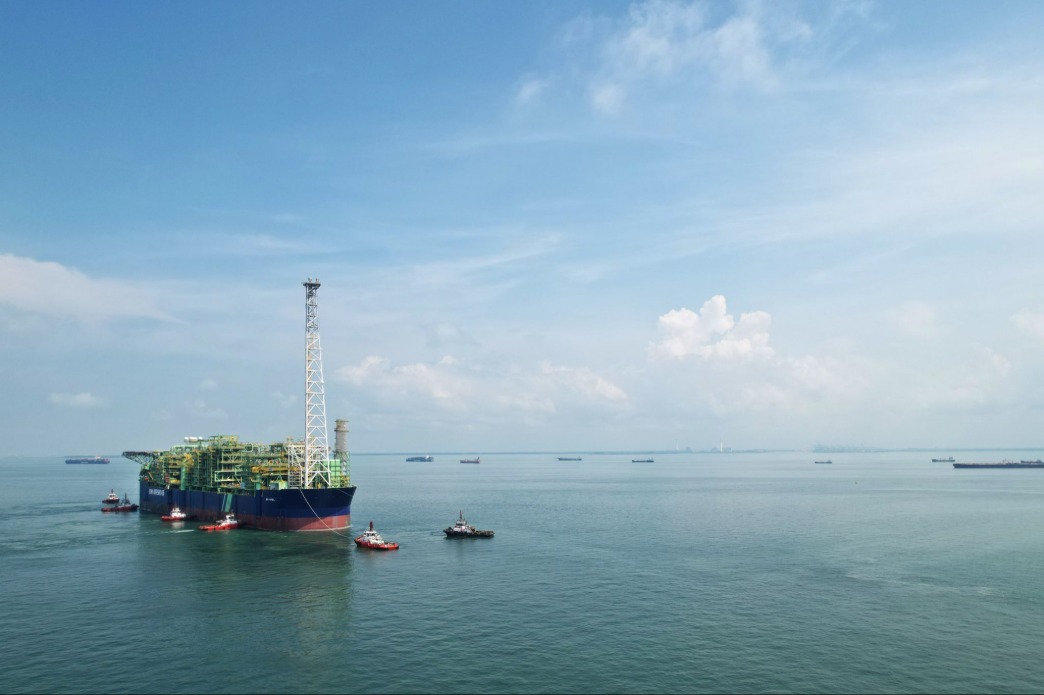
Australian FPSO production ramp-up on Santos’ agenda next week

In 60 seconds

Top move

Santos expects the Barossa FPSO to ramp next week; for projects this creates a near-term rise in demand for marine support, spares and specialised services tied to FPSO restart activities

Key takeaways

  • Santos expects the Barossa FPSO to ramp next week; for projects this creates a near-term rise in demand for marine support, spares and specialised services tied to FPSO restart activities.[1]
  • A Federal Court settlement between Woodside and Greenpeace removes that specific legal uncertainty but keeps public and investor scrutiny active, which will likely push buyers to tighten ESG and disclosure clauses in supplier agreements.[2]
  • A hydrogen-fuelled autonomous underwater vehicle (AUV) demonstration shows potential to cut subsea survey vessel time and recoveries, but this is an emerging tech signal that needs validation before assuming operational savings.[3]
  • Operationally relevant detail: Barossa’s ramp follows heat-exchanger flushing and dry-gas compressor seal replacement, meaning suppliers for spares, cleaning and restart crews will be the first to see workload changes.[1]
  • Context on contracts and commercial terms: the Woodside settlement is likely to be followed by heightened bidder scrutiny and possible contract language updates on climate representations — watch for suppliers pushing back or requesting carve-outs.[2]

What changed since last run

  • Added Australia-focused operational ramp (Barossa FPSO) that changes short-term demand for marine support and spares versus prior WA weather/logistics focus.
  • Added court settlement outcome (Woodside vs Greenpeace) that shifts focus from logistics disruptions to contract-level ESG and disclosure exposure.
  • Added technology signal from hydrogen AUV endurance demo that could change future subsea survey sourcing and vessel-day assumptions.

Key facts

  • Barossa FPSO scheduled to begin ramp next week
  • Heat-exchanger trains flushed and dry gas compressor seals replaced
  • Expected to feed the Darwin LNG plant shortly after FPSO online
  • Federal Court proceedings dismissed by consent
  • Settlement leaves public scrutiny and campaign activity intact
  • AUV mission exceeded 2,000 kilometres submerged

Why it matters

Santos expects the Barossa FPSO to ramp next week; for projects this creates a near-term rise in demand for marine support, spares and specialised services tied to FPSO restart activities. A Federal Court settlement between Woodside and Greenpeace removes that specific legal uncertainty but keeps public and investor scrutiny active, which will likely push buyers to tighten ESG and disclosure clauses in supplier agreements. A hydrogen-fuelled autonomous underwater vehicle (AUV) demonstration shows potential to cut subsea survey vessel time and recoveries, but this is an emerging tech signal that needs validation before assuming operational savings. Operationally relevant detail: Barossa’s ramp follows heat-exchanger flushing and dry-gas compressor seal replacement, meaning suppliers for spares, cleaning and restart crews will be the first to see workload changes

Cost / money

  • FPSO ramp will increase short-run mobilization and spares spend as cleaning and seal replacement work completes and full production resumes.[1]
  • Settlement reduces immediate litigation cost exposure for operators but may raise compliance and reporting costs for buyers and suppliers as disclosure expectations tighten.[2]
  • If hydrogen AUVs scale, buyers could reduce vessel hire and mobilisation spend over time by lowering recovery frequency and vessel days; this is directional and contingent on commercial maturity.[3]

Supplier / commercial

  • FPSO support suppliers (marine crews, heat-exchanger specialists, seal vendors) will gain leverage on mobilization timing and short-validity quotes during the ramp sequence.[1]
  • Expect suppliers to be asked for stronger ESG representations and documentary proof after the Woodside settlement, which can slow onboarding or add cost to compliance activities.[2]
  • Early-adopter vendors of long-endurance AUV systems could command premium trial rates or preferential contract terms as buyers evaluate operational benefits.[3]

Safety / operations

  • Compressed restart activities (heat-exchanger flushing; replaced compressor seals) raise HSE and readiness checks for crews and equipment — insufficient prep could force hold points or rework.[1][3]
  • Public scrutiny from the Woodside case keeps environmental management practices under the microscope during construction and operations, increasing the need for documented controls on emissions and waste.[2]
  • Longer-endurance AUV operations reduce offshore human exposure by lowering recoveries, but hydrogen fuel systems introduce new handling and safety procedures that must be validated before deployment.[3]

What to watch

  • Watch whether Barossa holds the announced ramp timing and whether Darwin LNG feed-in timing shifts; changes will directly affect mobilisation and scheduling for regional service providers.[1]
  • Watch supplier contract language and bid responses for new ESG or disclosure demands after the Woodside settlement; suppliers may seek indemnities or shorter quote validity to manage reputational risk.[2]
  • Watch commercial certification and insurance treatment for hydrogen AUV systems before assuming reduced vessel-day models — regulatory or insurer limits could delay buyer benefits.[3]

Top stories

Story 1Offshore EnergyApr 24, 2026

Australian FPSO production ramp-up on Santos’ agenda next week

Signal strongSource-grounded

What happened

Santos says the Barossa FPSO will begin ramping up production next week after flushing and cleaning heat-exchanger trains and replacing dry gas compressor seals. That makes the restart operationally concrete because specialist cleaning, spares and mobilisation crews must be scheduled immediately. Watch whether subsequent feed timing into the Darwin LNG plant shifts, which would affect regional logistics and service demand

Buyer takeaway

Treat the ramp as a near-term sourcing event requiring validated supplier capacity and confirmed mobilisations rather than a distant operational note

Cost / money

Directional increase in near-term mobilisation and spare-parts spend as restart activities complete and full production resumes

Supplier / commercial

Suppliers providing restart and maintenance services will have leverage on short-validity quotes and mobilization timing until schedules stabilise

Safety / operations

Compressed readiness windows for crews and equipment heighten need for hold-point checks and verified competency before on-site work

What to watch

Confirm actual feed-in timing to Darwin LNG and supplier availability; if either shifts, expect ripple effects across regional logistics and staging

Key facts

  • Barossa FPSO scheduled to begin ramp next week
  • Heat-exchanger trains flushed and dry gas compressor seals replaced
  • Expected to feed the Darwin LNG plant shortly after FPSO online

Source excerpts

The Barossa FPSO is now expected to begin ramping up production in the next week as the firm completes the flushing and cleaning of heat exchanger trains
The Barossa FPSO is now expected to begin ramping up production in the next week as the firm completes the flushing and cleaning of heat exchanger trains. During this recent shutdown, the dry gas compressor seals have been replaced to allow full production rates once the unit is back online
Pleasingly, we have now replaced the dry gas seals on the compressors and the FPSO is expected to commence ramping up as we complete the flushing and cleaning of the heat exchanger trains
Story 2Offshore EnergyApr 24, 2026

Court case ends in settlement with Woodside and Greenpeace agreeing to foot their own bills

Signal moderateSource-grounded

What happened

A Federal Court action brought by Greenpeace against Woodside ended in a consent settlement where both parties will bear their own costs and proceedings were dismissed. The operational read-through is contractual and reputational: buyers and suppliers should expect closer scrutiny of emissions claims and possible demand for clearer documentary proof in future agreements. Watch for changes in bid responses and supplier requests for indemnities or carve-outs

Buyer takeaway

Do not assume risk goes away with the settlement — expect buyers and suppliers to revisit contract language on climate claims and evidence requirements

Cost / money

Short-term reduction in litigation exposure but likely higher compliance and reporting costs as buyers demand more documentary proof

Supplier / commercial

Suppliers may push for indemnities or shorter commitments where climate representations are required, affecting commercial negotiations

Safety / operations

Indirect operational impact via increased audits or environmental management checks during project works

What to watch

Monitor supplier contract responses for new carve-outs, proof requirements, or increased prices tied to reputational risk management

Key facts

  • Federal Court proceedings dismissed by consent
  • Settlement leaves public scrutiny and campaign activity intact

Source excerpts

During the course of the case, Woodside changed how it was presenting its plans on carbon emissions from what they had said prior to us bringing this case
“Settling this case does not signal the end of our fight against Woodside’s climate and nature-destroying gas projects. While we may have agreed to resolve our court action against Woodside, in which we alleged it made misleading and deceptive claims to investors regarding its climate plans, the fact is the court of public opinion will judge Woodside for the harm it inflicts on our climate
While we may have agreed to resolve our court action against Woodside, in which we alleged it made misleading and deceptive claims to investors regarding its climate plans, the fact is the court of public opinion will judge Woodside for the harm it inflicts on our climate
Story 3Offshore EnergyApr 24, 2026

Hydrogen-fueled AUV breaks range expectations with 2,000-kilometer subsea run

Signal limitedDirectional

What happened

Cellula Robotics reports a hydrogen-fuelled AUV completed over 2,000 kilometres submerged, claiming operational profiles closer to real-world subsea jobs. This matters operationally because longer endurance can reduce vessel recoveries and continuous-operating windows, but commercial maturity, certification and insurance need checking before changing procurement models. Watch vendor commercial terms, certification status and hydrogen-handling requirements

Buyer takeaway

Treat this as a technology-availability signal worth piloting, not an immediate replacement for current survey RFP assumptions

Cost / money

Potential to lower vessel hire and mobilisation costs over time, contingent on commercial availability and certification

Supplier / commercial

New-tech vendors may command premium trial pricing and preferred-pilot terms while commercial models develop

Safety / operations

Reduces offshore personnel exposure but introduces hydrogen-fuel handling and new maintenance competencies to manage

What to watch

Verify certification, insurance treatment and hydrogen-handling protocols before assuming reductions in vessel days or mobilisation needs

Key facts

  • AUV mission exceeded 2,000 kilometres submerged
  • Mission profile included thousands of manoeuvres to mimic realistic operations

Source excerpts

“That is what makes the endurance meaningful for operators, with the potential for fewer recoveries, more continuous operations, and greater efficiency offshore. ” Using hydrogen fuel cell technology developed with Infinity Fuel Cell and Hydrogen, Inc
Home Subsea Hydrogen-fueled AUV breaks range expectations with 2,000-kilometer subsea run April 24, 2026, by An autonomous underwater vehicle (AUV) developed by Canada’s Cellula Robotics has traveled over 2,000 kilometers submerged, powered by a hydrogen fuel cell, exceeding its published performance specification
Home Subsea Hydrogen-fueled AUV breaks range expectations with 2,000-kilometer subsea run April 24, 2026, by An autonomous underwater vehicle (AUV) developed by Canada’s Cellula Robotics has traveled over 2,000 kilometers submerged, powered by a hydrogen fuel cell, exceeding its published performance specification. Source: Cellula Robotics During the mission, the Envoy AUV made over 4,000 turns and manoeuvres, which used more energy compared to steady, linear travel, better showing how the vehicle would perform

VP Snapshot

Executive Risk & Action View

Santos expects the Barossa FPSO to ramp next week; for projects this creates a near-term rise in demand for marine support, spares and specialised services tied to FPSO restart activities.

Overall
58
Cost
97
Supply
25
Schedule
56
Compliance
15

Top signals

30-180dcost

Signal 1: Cost / money

FPSO ramp will increase short-run mobilization and spares spend as cleaning and seal replacement work completes and full production resumes.

Signal 3: Cost / money

If hydrogen AUVs scale, buyers could reduce vessel hire and mobilisation spend over time by lowering recovery frequency and vessel days; this is directional and contingent on commercial maturity.

Signal 5: Supplier / commercial

Expect suppliers to be asked for stronger ESG representations and documentary proof after the Woodside settlement, which can slow onboarding or add cost to compliance activities.

0-30dcost

Signal 2: Cost / money

Settlement reduces immediate litigation cost exposure for operators but may raise compliance and reporting costs for buyers and suppliers as disclosure expectations tighten.

30-180dschedule

Signal 4: Supplier / commercial

FPSO support suppliers (marine crews, heat-exchanger specialists, seal vendors) will gain leverage on mobilization timing and short-validity quotes during the ramp sequence.

30-180dcommercial

Signal 6: Supplier / commercial

Early-adopter vendors of long-endurance AUV systems could command premium trial rates or preferential contract terms as buyers evaluate operational benefits.

Recommended actions

CategoryDue 3d

Confirm mobilisation windows and spare-parts delivery slots with FPSO-support suppliers and nominated service vendors.

Validated mobilisation windows and escalation list for at-risk scopes

ContractsDue 3d

Scan active contracts for major projects to flag ESG and climate-disclosure clauses that may be affected by heightened public scrutiny.

Inventory of contracts with potential ESG/disclosure gaps for review

CategoryDue 21d

Run a supplier readiness sweep for marine crews, heat-exchanger cleaning firms and critical spares vendors supporting Darwin/Barossa operations.

Shortlist of validated suppliers with confirmed capacity and alternative staging options

OpsDue 21d

Scope a small operational trial or commercial evaluation for hydrogen AUV survey services to test endurance claims and integration needs.

Defined trial scope and vendor shortlist for a proof-of-value test

LegalDue 60d

Work with Legal to update standard procurement clauses to tighten ESG representations, define evidence packages, and set remedies for misrepresentation.

Revised contract templates and clause library addressing ESG representations

CategoryDue 60d

Reassess long-lead spare-parts procurement strategy and include mobilisation-price protections or pass-through mechanics in upcoming RFQs.

Updated procurement plan with prioritized long-lead items and commercial protections

Risk register

RiskTriggerMitigation
Watch whether Barossa holds the announced ramp timing and whether Darwin LNG feed-in timing shifts; changes will directly affect mobilisation and scheduling for regional service providers.Watch whether Barossa holds the announced ramp timing and whether Darwin LNG feed-in timing shifts; changes will directly affect mobilisation and scheduling for regional service providers.Confirm exposure with category, contracts, and operations before the next supplier commitment.
Watch supplier contract language and bid responses for new ESG or disclosure demands after the Woodside settlement; suppliers may seek indemnities or shorter quote validity to manage reputational risk.Watch supplier contract language and bid responses for new ESG or disclosure demands after the Woodside settlement; suppliers may seek indemnities or shorter quote validity to manage reputational risk.Confirm exposure with category, contracts, and operations before the next supplier commitment.
Watch commercial certification and insurance treatment for hydrogen AUV systems before assuming reduced vessel-day models — regulatory or insurer limits could delay buyer benefits.Watch commercial certification and insurance treatment for hydrogen AUV systems before assuming reduced vessel-day models — regulatory or insurer limits could delay buyer benefits.Confirm exposure with category, contracts, and operations before the next supplier commitment.

CM Snapshot

Category Manager Decision Detail

Today's priorities

Confirm mobilisation windows and spare-parts delivery slots with FPSO-support suppliers and nominated service vendors.

because the Barossa FPSO restart and heat-exchanger work make immediate mobilisation timing material to avoid last-minute premium re-sourcing or schedule slips.

Due 3d

high

CM move

Use this as the immediate supplier or contract action to move before the next sourcing gate.

Scan active contracts for major projects to flag ESG and climate-disclosure clauses that may be affected by heightened public scrutiny.

because the Woodside/Greenpeace settlement signals buyers and suppliers will face closer examination of climate representations and related warranties.

Due 3d

high

CM move

Use this as the immediate supplier or contract action to move before the next sourcing gate.

Run a supplier readiness sweep for marine crews, heat-exchanger cleaning firms and critical spares vendors supporting Darwin/Barossa operations.

because an FPSO production ramp concentrates demand on specific service categories and early validation prevents execution surprises and premium re-pricing.

Due 21d

high

CM move

Use this as the immediate supplier or contract action to move before the next sourcing gate.

Scope a small operational trial or commercial evaluation for hydrogen AUV survey services to test endurance claims and integration needs.

because the AUV demo suggests reduced vessel-day potential but real procurement value depends on proven integration, certification and available vendors.

Due 21d

high

CM move

Use this as the immediate supplier or contract action to move before the next sourcing gate.

Supplier radar

Offshore Energy

high

Observed supplier signal

FPSO support suppliers (marine crews, heat-exchanger specialists, seal vendors) will gain leverage on mobilization timing and short-validity quotes during the ramp sequence.

Commercial implication

FPSO support suppliers (marine crews, heat-exchanger specialists, seal vendors) will gain leverage on mobilization timing and short-validity quotes during the ramp sequence.

Next step: Validate the source-backed signal with incumbents and alternates before the next award or pricing decision.

Offshore Energy

high

Observed supplier signal

Expect suppliers to be asked for stronger ESG representations and documentary proof after the Woodside settlement, which can slow onboarding or add cost to compliance activities.

Commercial implication

Expect suppliers to be asked for stronger ESG representations and documentary proof after the Woodside settlement, which can slow onboarding or add cost to compliance activities.

Next step: Validate the source-backed signal with incumbents and alternates before the next award or pricing decision.

Offshore Energy

high

Observed supplier signal

Early-adopter vendors of long-endurance AUV systems could command premium trial rates or preferential contract terms as buyers evaluate operational benefits.

Commercial implication

Early-adopter vendors of long-endurance AUV systems could command premium trial rates or preferential contract terms as buyers evaluate operational benefits.

Next step: Validate the source-backed signal with incumbents and alternates before the next award or pricing decision.

Negotiation levers

Confirm mobilisation windows and spare-parts delivery slots with FPSO-support suppliers and nominated service vendors.

When to use: because the Barossa FPSO restart and heat-exchanger work make immediate mobilisation timing material to avoid last-minute premium re-sourcing or schedule slips.

Expected outcome: Validated mobilisation windows and escalation list for at-risk scopes

Commercial mechanism to carry into the next supplier conversation

Scan active contracts for major projects to flag ESG and climate-disclosure clauses that may be affected by heightened public scrutiny.

When to use: because the Woodside/Greenpeace settlement signals buyers and suppliers will face closer examination of climate representations and related warranties.

Expected outcome: Inventory of contracts with potential ESG/disclosure gaps for review

Commercial mechanism to carry into the next supplier conversation

Run a supplier readiness sweep for marine crews, heat-exchanger cleaning firms and critical spares vendors supporting Darwin/Barossa operations.

When to use: because an FPSO production ramp concentrates demand on specific service categories and early validation prevents execution surprises and premium re-pricing.

Expected outcome: Shortlist of validated suppliers with confirmed capacity and alternative staging options

Commercial mechanism to carry into the next supplier conversation

Scope a small operational trial or commercial evaluation for hydrogen AUV survey services to test endurance claims and integration needs.

When to use: because the AUV demo suggests reduced vessel-day potential but real procurement value depends on proven integration, certification and available vendors.

Expected outcome: Defined trial scope and vendor shortlist for a proof-of-value test

Commercial mechanism to carry into the next supplier conversation

Talking points

Santos expects the Barossa FPSO to ramp next week; for projects this creates a near-term rise in demand for marine support, spares and specialised services tied to FPSO restart activities.
A Federal Court settlement between Woodside and Greenpeace removes that specific legal uncertainty but keeps public and investor scrutiny active, which will likely push buyers to tighten ESG and disclosure clauses in supplier agreements.
A hydrogen-fuelled autonomous underwater vehicle (AUV) demonstration shows potential to cut subsea survey vessel time and recoveries, but this is an emerging tech signal that needs validation before assuming operational savings.
Operationally relevant detail: Barossa’s ramp follows heat-exchanger flushing and dry-gas compressor seal replacement, meaning suppliers for spares, cleaning and restart crews will be the first to see workload changes.

Supplier radar

SupplierSignalImplicationNext stepConfidence
Offshore EnergyFPSO support suppliers (marine crews, heat-exchanger specialists, seal vendors) will gain leverage on mobilization timing and short-validity quotes during the ramp sequence.FPSO support suppliers (marine crews, heat-exchanger specialists, seal vendors) will gain leverage on mobilization timing and short-validity quotes during the ramp sequence.Validate the source-backed signal with incumbents and alternates before the next award or pricing decision.high
Offshore EnergyExpect suppliers to be asked for stronger ESG representations and documentary proof after the Woodside settlement, which can slow onboarding or add cost to compliance activities.Expect suppliers to be asked for stronger ESG representations and documentary proof after the Woodside settlement, which can slow onboarding or add cost to compliance activities.Validate the source-backed signal with incumbents and alternates before the next award or pricing decision.high
Offshore EnergyEarly-adopter vendors of long-endurance AUV systems could command premium trial rates or preferential contract terms as buyers evaluate operational benefits.Early-adopter vendors of long-endurance AUV systems could command premium trial rates or preferential contract terms as buyers evaluate operational benefits.Validate the source-backed signal with incumbents and alternates before the next award or pricing decision.high

Negotiation levers

  • Confirm mobilisation windows and spare-parts delivery slots with FPSO-support suppliers and nominated service vendors.because the Barossa FPSO restart and heat-exchanger work make immediate mobilisation timing material to avoid last-minute premium re-sourcing or schedule slips.Validated mobilisation windows and escalation list for at-risk scopes

    high confidence

  • Scan active contracts for major projects to flag ESG and climate-disclosure clauses that may be affected by heightened public scrutiny.because the Woodside/Greenpeace settlement signals buyers and suppliers will face closer examination of climate representations and related warranties.Inventory of contracts with potential ESG/disclosure gaps for review

    high confidence

  • Run a supplier readiness sweep for marine crews, heat-exchanger cleaning firms and critical spares vendors supporting Darwin/Barossa operations.because an FPSO production ramp concentrates demand on specific service categories and early validation prevents execution surprises and premium re-pricing.Shortlist of validated suppliers with confirmed capacity and alternative staging options

    high confidence

  • Scope a small operational trial or commercial evaluation for hydrogen AUV survey services to test endurance claims and integration needs.because the AUV demo suggests reduced vessel-day potential but real procurement value depends on proven integration, certification and available vendors.Defined trial scope and vendor shortlist for a proof-of-value test

    high confidence

What to do / What to watch

What to do now

  • Confirm mobilisation windows and spare-parts delivery slots with FPSO-support suppliers and nominated service vendors.

    Why: because the Barossa FPSO restart and heat-exchanger work make immediate mobilisation timing material to avoid last-minute premium re-sourcing or schedule slips.

    Owner: Category

    Expected outcome: Validated mobilisation windows and escalation list for at-risk scopes

    [1]
  • Scan active contracts for major projects to flag ESG and climate-disclosure clauses that may be affected by heightened public scrutiny.

    Why: because the Woodside/Greenpeace settlement signals buyers and suppliers will face closer examination of climate representations and related warranties.

    Owner: Contracts

    Expected outcome: Inventory of contracts with potential ESG/disclosure gaps for review

    [2]

Next few weeks

  • Run a supplier readiness sweep for marine crews, heat-exchanger cleaning firms and critical spares vendors supporting Darwin/Barossa operations.

    Why: because an FPSO production ramp concentrates demand on specific service categories and early validation prevents execution surprises and premium re-pricing.

    Owner: Category

    Expected outcome: Shortlist of validated suppliers with confirmed capacity and alternative staging options

    [1]
  • Scope a small operational trial or commercial evaluation for hydrogen AUV survey services to test endurance claims and integration needs.

    Why: because the AUV demo suggests reduced vessel-day potential but real procurement value depends on proven integration, certification and available vendors.

    Owner: Ops

    Expected outcome: Defined trial scope and vendor shortlist for a proof-of-value test

    [3]

Longer view

  • Work with Legal to update standard procurement clauses to tighten ESG representations, define evidence packages, and set remedies for misrepresentation.

    Why: because the court settlement highlights buyer and public sensitivity to ESG claims and pre-defining contractual proof reduces downstream risk and negotiation time.

    Owner: Legal

    Expected outcome: Revised contract templates and clause library addressing ESG representations

    [2]
  • Reassess long-lead spare-parts procurement strategy and include mobilisation-price protections or pass-through mechanics in upcoming RFQs.

    Why: because repeated FPSO restart and ramp activity can tighten spare availability and reduce negotiating leverage, so early procurement controls preserve delivery and budget predic...

    Owner: Category

    Expected outcome: Updated procurement plan with prioritized long-lead items and commercial protections

    [1]

What to watch

  • Watch whether Barossa holds the announced ramp timing and whether Darwin LNG feed-in timing shifts; changes will directly affect mobilisation and scheduling for regional service providers
  • Watch supplier contract language and bid responses for new ESG or disclosure demands after the Woodside settlement; suppliers may seek indemnities or shorter quote validity to manage reputational risk
  • Watch commercial certification and insurance treatment for hydrogen AUV systems before assuming reduced vessel-day models — regulatory or insurer limits could delay buyer benefits
  • Watch whether Barossa holds the announced ramp timing and whether Darwin LNG feed-in timing shifts; changes will directly affect mobilisation and scheduling for regional service providers.: Watch whether Barossa holds the announced ramp timing and whether Darwin LNG feed-in timing shifts; changes will directly affect mobilisation and scheduling for regional service providers
  • Watch supplier contract language and bid responses for new ESG or disclosure demands after the Woodside settlement; suppliers may seek indemnities or shorter quote validity to manage reputational risk.: Watch supplier contract language and bid responses for new ESG or disclosure demands after the Woodside settlement; suppliers may seek indemnities or shorter quote validity to manage reputational risk
  • Watch commercial certification and insurance treatment for hydrogen AUV systems before assuming reduced vessel-day models — regulatory or insurer limits could delay buyer benefits.: Watch commercial certification and insurance treatment for hydrogen AUV systems before assuming reduced vessel-day models — regulatory or insurer limits could delay buyer benefits
  • Santos expects the Barossa FPSO to ramp next week; for projects this creates a near-term rise in demand for marine support, spares and specialised services tied to FPSO restart activities
  • A Federal Court settlement between Woodside and Greenpeace removes that specific legal uncertainty but keeps public and investor scrutiny active, which will likely push buyers to tighten ESG and disclosure clauses in supplier agreements

Market pulse

IndexLatestChangeAs of
Henry Hub Gas (NG)3.12 /MMBtu+0.00 (+0.00%)Apr 26, 2026, 10:04 PM
Cheniere (LNG) (LNG)185 +0.00 (+0.00%)Apr 26, 2026, 10:04 PM
Brent Crude (BRENT)74.89 /bbl+0.00 (+0.00%)Apr 26, 2026, 10:04 PM
Fluor Corp (FLR)42 +0.00 (+0.00%)Apr 26, 2026, 10:04 PM
KBR Inc (KBR)58 +0.00 (+0.00%)Apr 26, 2026, 10:04 PM
  • Cheniere (LNG): LNG feed timing affects Darwin-based logistics and buyers' spot service demand
  • Brent Crude: Fuel and marine fuel pricing will influence mobilisation and vessel-day costs for regional projects

Sources

Inline citations jump here. Expand a source to read the excerpt, the AI interpretation, and the original link.

[1] Australian FPSO production ramp-up on Santos’ agenda next week

offshore-energy.biz · Apr 24, 2026

Expand

AI reading

Santos says the Barossa FPSO will begin ramping up production next week after flushing and cleaning heat-exchanger trains and replacing dry gas compressor seals. That makes the restart operationally concrete because specialist cleaning, spares and mobilisation crews must be scheduled immediately. Watch whether subsequent feed timing into the Darwin LNG plant shifts, which would affect regional logistics and service demand

Buyer takeaway

Treat the ramp as a near-term sourcing event requiring validated supplier capacity and confirmed mobilisations rather than a distant operational note

Cost / money

Directional increase in near-term mobilisation and spare-parts spend as restart activities complete and full production resumes

Supplier / commercial

Suppliers providing restart and maintenance services will have leverage on short-validity quotes and mobilization timing until schedules stabilise

Safety / operations

Compressed readiness windows for crews and equipment heighten need for hold-point checks and verified competency before on-site work

What to watch

Confirm actual feed-in timing to Darwin LNG and supplier availability; if either shifts, expect ripple effects across regional logistics and staging

Key facts

  • Barossa FPSO scheduled to begin ramp next week
  • Heat-exchanger trains flushed and dry gas compressor seals replaced
  • Expected to feed the Darwin LNG plant shortly after FPSO online

Source excerpts

The Barossa FPSO is now expected to begin ramping up production in the next week as the firm completes the flushing and cleaning of heat exchanger trains
The Barossa FPSO is now expected to begin ramping up production in the next week as the firm completes the flushing and cleaning of heat exchanger trains. During this recent shutdown, the dry gas compressor seals have been replaced to allow full production rates once the unit is back online
Pleasingly, we have now replaced the dry gas seals on the compressors and the FPSO is expected to commence ramping up as we complete the flushing and cleaning of the heat exchanger trains

Used in this brief

  • Santos expects the Barossa FPSO to ramp next week; for projects this creates a near-term rise in demand for marine support, spares and specialised services tied to FPSO restart activities. A Federal Court settlement between Woodside and Greenpeace removes that specific legal uncertainty but keeps public and investor scrutiny active, which will likely push buyers to tighten ESG and disclosure clauses in supplier agreements. A hydrogen-fuelled autonomous underwater vehicle (AUV) demonstration shows potential to cut subsea survey vessel time and recoveries, but this is an emerging tech signal that needs validation before assuming operational savings. Operationally relevant detail: Barossa’s ramp follows heat-exchanger flushing and dry-gas compressor seal replacement, meaning suppliers for spares, cleaning and restart crews will be the first to see workload changes
  • Cost / money: FPSO ramp will increase short-run mobilization and spares spend as cleaning and seal replacement work completes and full production resumes
  • Safety / operations: Compressed restart activities (heat-exchanger flushing; replaced compressor seals) raise HSE and readiness checks for crews and equipment — insufficient prep could force hold points or rework
Open original source

[2] Court case ends in settlement with Woodside and Greenpeace agreeing to foot their own bills

offshore-energy.biz · Apr 24, 2026

Expand

AI reading

A Federal Court action brought by Greenpeace against Woodside ended in a consent settlement where both parties will bear their own costs and proceedings were dismissed. The operational read-through is contractual and reputational: buyers and suppliers should expect closer scrutiny of emissions claims and possible demand for clearer documentary proof in future agreements. Watch for changes in bid responses and supplier requests for indemnities or carve-outs

Buyer takeaway

Do not assume risk goes away with the settlement — expect buyers and suppliers to revisit contract language on climate claims and evidence requirements

Cost / money

Short-term reduction in litigation exposure but likely higher compliance and reporting costs as buyers demand more documentary proof

Supplier / commercial

Suppliers may push for indemnities or shorter commitments where climate representations are required, affecting commercial negotiations

Safety / operations

Indirect operational impact via increased audits or environmental management checks during project works

What to watch

Monitor supplier contract responses for new carve-outs, proof requirements, or increased prices tied to reputational risk management

Key facts

  • Federal Court proceedings dismissed by consent
  • Settlement leaves public scrutiny and campaign activity intact

Source excerpts

During the course of the case, Woodside changed how it was presenting its plans on carbon emissions from what they had said prior to us bringing this case
“Settling this case does not signal the end of our fight against Woodside’s climate and nature-destroying gas projects. While we may have agreed to resolve our court action against Woodside, in which we alleged it made misleading and deceptive claims to investors regarding its climate plans, the fact is the court of public opinion will judge Woodside for the harm it inflicts on our climate
While we may have agreed to resolve our court action against Woodside, in which we alleged it made misleading and deceptive claims to investors regarding its climate plans, the fact is the court of public opinion will judge Woodside for the harm it inflicts on our climate

Used in this brief

  • Safety / operations: Public scrutiny from the Woodside case keeps environmental management practices under the microscope during construction and operations, increasing the need for documented controls on emissions and waste
  • Next 72 hours — Scan active contracts for major projects to flag ESG and climate-disclosure clauses that may be affected by heightened public scrutiny.. Rationale: because the Woodside/Greenpeace settlement signals buyers and suppliers will face closer examination of climate representations and related warranties.. Owner: Contracts. KPI: Inventory of contracts with potential ESG/disclosure gaps for review
  • Next quarter — Work with Legal to update standard procurement clauses to tighten ESG representations, define evidence packages, and set remedies for misrepresentation.. Rationale: because the court settlement highlights buyer and public sensitivity to ESG claims and pre-defining contractual proof reduces downstream risk and negotiation time.. Owner: Legal. KPI: Revised contract templates and clause library addressing ESG representations
Open original source

[3] Hydrogen-fueled AUV breaks range expectations with 2,000-kilometer subsea run

offshore-energy.biz · Apr 24, 2026

Expand

AI reading

Cellula Robotics reports a hydrogen-fuelled AUV completed over 2,000 kilometres submerged, claiming operational profiles closer to real-world subsea jobs. This matters operationally because longer endurance can reduce vessel recoveries and continuous-operating windows, but commercial maturity, certification and insurance need checking before changing procurement models. Watch vendor commercial terms, certification status and hydrogen-handling requirements

Buyer takeaway

Treat this as a technology-availability signal worth piloting, not an immediate replacement for current survey RFP assumptions

Cost / money

Potential to lower vessel hire and mobilisation costs over time, contingent on commercial availability and certification

Supplier / commercial

New-tech vendors may command premium trial pricing and preferred-pilot terms while commercial models develop

Safety / operations

Reduces offshore personnel exposure but introduces hydrogen-fuel handling and new maintenance competencies to manage

What to watch

Verify certification, insurance treatment and hydrogen-handling protocols before assuming reductions in vessel days or mobilisation needs

Key facts

  • AUV mission exceeded 2,000 kilometres submerged
  • Mission profile included thousands of manoeuvres to mimic realistic operations

Source excerpts

“That is what makes the endurance meaningful for operators, with the potential for fewer recoveries, more continuous operations, and greater efficiency offshore. ” Using hydrogen fuel cell technology developed with Infinity Fuel Cell and Hydrogen, Inc
Home Subsea Hydrogen-fueled AUV breaks range expectations with 2,000-kilometer subsea run April 24, 2026, by An autonomous underwater vehicle (AUV) developed by Canada’s Cellula Robotics has traveled over 2,000 kilometers submerged, powered by a hydrogen fuel cell, exceeding its published performance specification
Home Subsea Hydrogen-fueled AUV breaks range expectations with 2,000-kilometer subsea run April 24, 2026, by An autonomous underwater vehicle (AUV) developed by Canada’s Cellula Robotics has traveled over 2,000 kilometers submerged, powered by a hydrogen fuel cell, exceeding its published performance specification. Source: Cellula Robotics During the mission, the Envoy AUV made over 4,000 turns and manoeuvres, which used more energy compared to steady, linear travel, better showing how the vehicle would perform

Used in this brief

  • Safety / operations: Longer-endurance AUV operations reduce offshore human exposure by lowering recoveries, but hydrogen fuel systems introduce new handling and safety procedures that must be validated before deployment
  • Next 2-4 weeks — Scope a small operational trial or commercial evaluation for hydrogen AUV survey services to test endurance claims and integration needs.. Rationale: because the AUV demo suggests reduced vessel-day potential but real procurement value depends on proven integration, certification and available vendors.. Owner: Ops. KPI: Defined trial scope and vendor shortlist for a proof-of-value test
  • Watch commercial certification and insurance treatment for hydrogen AUV systems before assuming reduced vessel-day models — regulatory or insurer limits could delay buyer benefits
Open original source

[4] Cheniere (LNG)

finance.yahoo.com · n.d.

Expand

[5] Brent Crude

finance.yahoo.com · n.d.

Expand