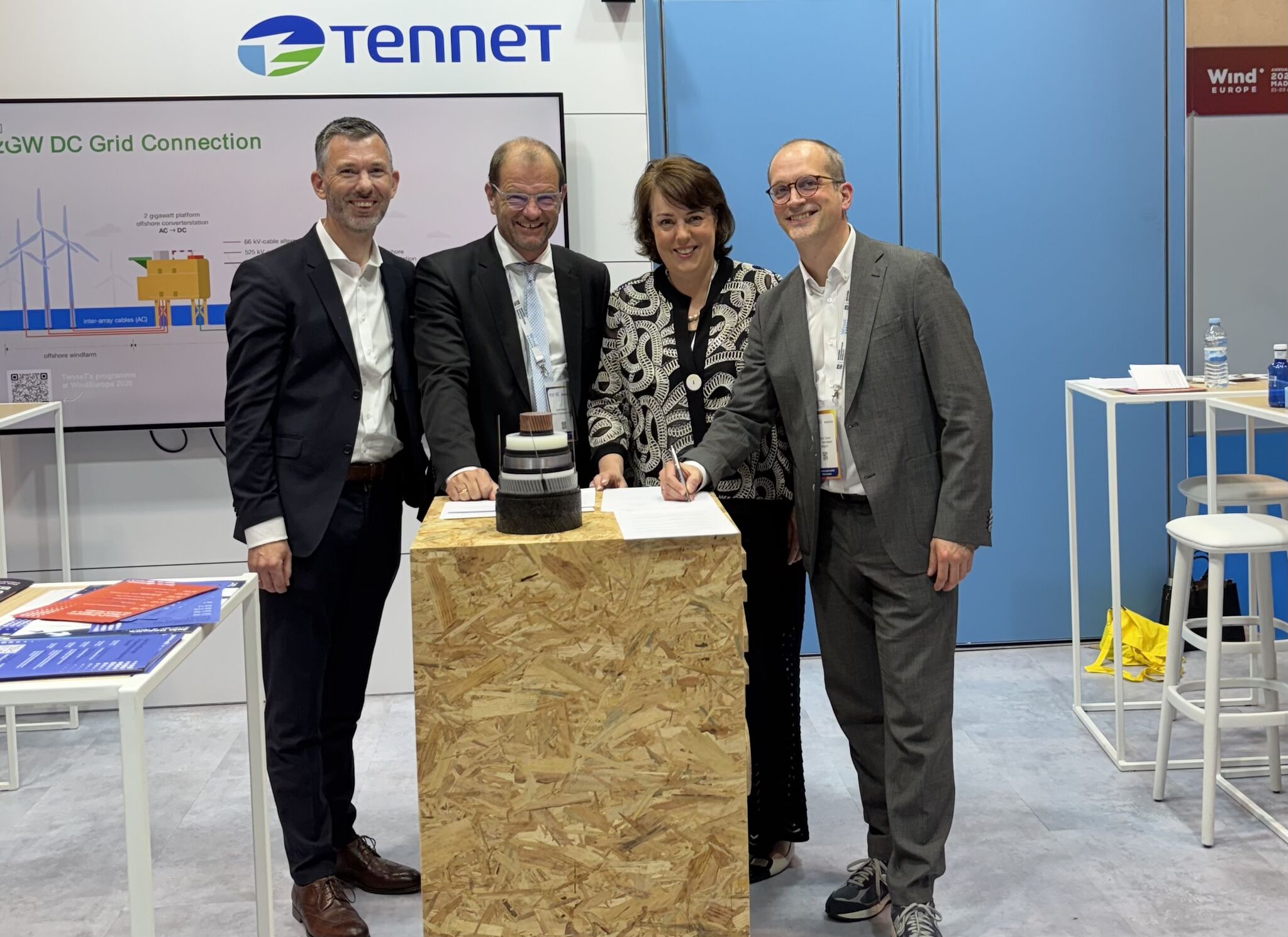
Five European TSOs launch joint initiative on North Sea subsea cable infrastructure
What happened
Five European transmission system operators signed an MoU to cooperate on North Sea subsea cable infrastructure, focusing on repair logistics, spare parts sharing and fault detection. The initiative will run an initial feasibility phase of at least one year and will map available vessels, materials and capabilities. Watch for the group to pilot shared procurement or spare‑pool arrangements that would change mobilisation and repair contracting models
Buyer takeaway
Treat the MoU as a credible operational model for coordinated repair logistics that buyers may be asked to align with or mirror in large SURF/cable contracts
Cost / money
Costs may shift from reactive emergency hires to priced prepositioning and committed availability fees; buyers should expect to negotiate who carries readiness costs
Supplier / commercial
Vessel operators and spare‑parts owners can gain leverage if buyers need committed availability or short repair SLAs; procurement should test alternative suppliers and availability windows
Safety / operations
Cable repairs require specialist crews, exclusion zones and fault‑isolation procedures; ensure competence verification and permit alignment are explicit in scopes
What to watch
Watch for the MoU to produce standard procurement templates or joint spare‑pool pilots — that will change contract scope, acceptance criteria and pass‑through arrangements
Key facts
- MoU covers repair logistics, spare parts, fault detection and legal/financial frameworks
- Initial feasibility phase set for at least one year
- Focus includes mapping vessels, spare inventories and repair procedures
Source excerpts
Home Grid Five European TSOs launch joint initiative on North Sea subsea cable infrastructure April 23, 2026, by Five European transmission system operators (TSOs) have signed a memorandum of understanding (MoU) to cooperate on offshore cable infrastructure in the North Sea
This includes sharing knowledge on repair procedures, spare parts, and fault detection, as well as mapping available vessels, materials and technical capabilities. The cooperation will be organized through four thematic working groups focusing on repair logistics, spare parts and equipment, fault detection, and legal and financial frameworks
The cooperation will be organized through four thematic working groups focusing on repair logistics, spare parts and equipment, fault detection, and legal and financial frameworks. The objective is to identify scalable solutions that can reduce downtime, improve repair efficiency and limit system impacts and associated costs