Completions & Intervention · Australia (Perth)

Rework Mobilisation and Cyber Terms for Automation and Local JV Growth

Published Apr 28, 2026, 6:00 AM AWSTAPACFull category signal
Ask AI
Hydraulic Fracturing

In 60 seconds

Top move

Frac operations are shifting toward simulfracing and autonomous pressure control; this raises uptime dependence on automated controls and remote connectivity for stimulation jobs

Key takeaways

  • Frac operations are shifting toward simulfracing and autonomous pressure control; this raises uptime dependence on automated controls and remote connectivity for stimulation jobs.[3]
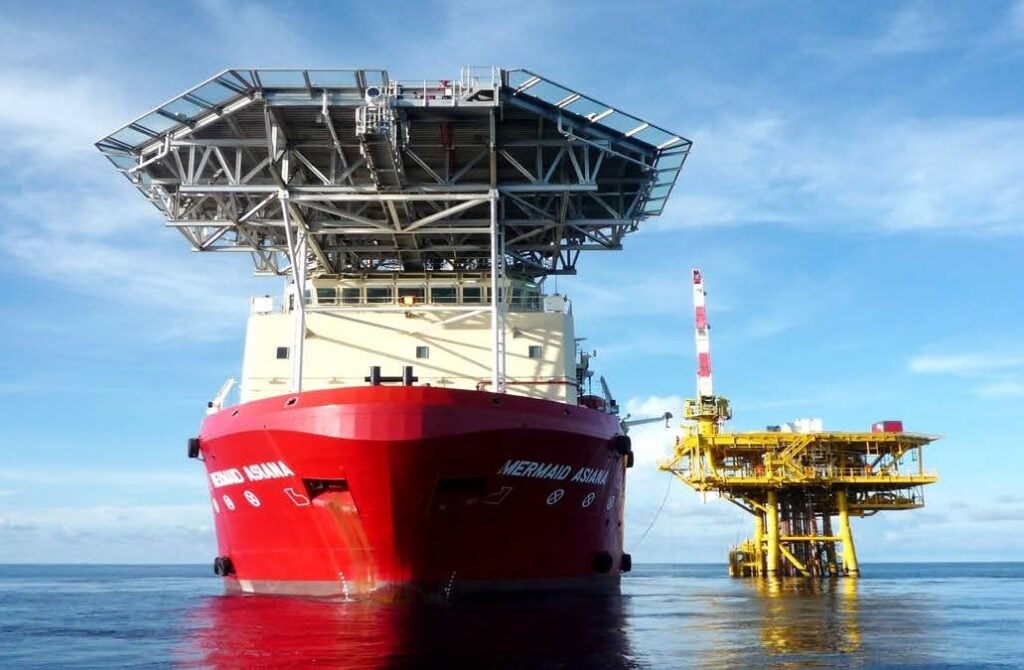
  • Regional supply capacity in SE Asia just grew: Mermaid’s Brunei joint venture creates a locally based transport, installation and IRM (inspection, repair, maintenance) option that changes mobilisation geography and partner leverage.[1]
  • Marine support logistics and vessel energy plans will be exposed to new fuel and power models as buyers evaluate ammonia bunkering trials and offshore digitization—this changes vessel compatibility and refit risk for completions campaigns.[2][4]
  • For sourcing, expect contract language pressure around mobilisation SLAs, bid validity and spare-part holds when automation or multi-well sequences shorten readiness windows.[3][1]
  • Some items are thematic or regionally focused (webinars, demo projects) and produce an early procurement signal rather than immediate contract disruption; treat them as preparatory inputs for RFx updates.[4][2]

What changed since last run

  • Added a strong automation signal from simulfracing and autonomous pressure control (Worldoil) that raises digital/cyber dependency for frac campaigns.
  • Captured a regional supply change: Mermaid’s Brunei joint venture introduces a new locally based T&I and IRM supplier option in SE Asia.
  • Included vessel fuel transition signal via an ammonia bunkering demo in Singapore and an FPSO digitization webinar, which shift marine logistics considerations.

Key facts

  • Simulfracing adoption discussed as material (up to 30% of U.S. frac crews noted)
  • Industry pushes autonomous pressure control to optimise simul‑frac transitions
  • Vendor developments and guidelines cited as enabling factors
  • JV formed as Serikandi Mermaid SDN BHD with 50/50 ownership
  • Scope includes T&I, installation, IRM, decommissioning and pipeline projects
  • Investment funded from Mermaid’s internal resources

Why it matters

Frac operations are shifting toward simulfracing and autonomous pressure control; this raises uptime dependence on automated controls and remote connectivity for stimulation jobs. Regional supply capacity in SE Asia just grew: Mermaid’s Brunei joint venture creates a locally based transport, installation and IRM (inspection, repair, maintenance) option that changes mobilisation geography and partner leverage. Marine support logistics and vessel energy plans will be exposed to new fuel and power models as buyers evaluate ammonia bunkering trials and offshore digitization—this changes vessel compatibility and refit risk for completions campaigns. For sourcing, expect contract language pressure around mobilisation SLAs, bid validity and spare-part holds when automation or multi-well sequences shorten readiness windows

Cost / money

  • Automation-capable fracturing (simulfracs + autonomous pressure control) shifts cost exposure toward connectivity, remote support contracts, and potential vendor subscription models for control software.[3]
  • Local JV capacity (Mermaid in Brunei) can reduce long-haul mobilisation fees for nearby jobs but also concentrate spend with fewer regional suppliers who can command premium dayrates or pass-throughs.[1]
  • Marine fuel and power transitions (ammonia trials, FPSO digitization) create potential refit or compatibility costs for contractor vessels and platform interfaces that buyers may need to fund or require via contract.[2][4]

Supplier / commercial

  • Suppliers offering autonomous frac control or simulfrac capability can ask for tighter bid validity and mobilisation windows because performance relies on calibrated equipment and vendor support.[3]
  • A new local JV provides suppliers with a pathway to secure regional T&I and IRM work; this raises the value of preferred-supplier status for Brunei-adjacent jobs.[1]
  • Vendors involved in vessel fuel trials may push for cost-pass-throughs or long-term supply commitments to justify capital for new bunkering or charging solutions.[2]

Safety / operations

  • Autonomous frac execution increases dependence on reliable control loops and remote diagnostics; if crews, comms or cyber controls lag, operational risk and potential for stage-level incidents rise.[3][4]
  • Ammonia ship-to-ship bunkering trials carry specific handling and safety protocols that operations teams must validate before accepting bunker-supplied vessels for completions support.[2]

What to watch

  • APAC uptake of simulfracing is not yet demonstrated locally; watch for vendor demos and pilot announcements in the region as an early-signal of adoption pressure on sourcing and mobilisation.[3]
  • Mermaid’s JV funding from internal resources short-circuits some procurement lead times but could limit market competition locally—monitor contracting terms and sole-source risk.[1]
  • Ammonia bunkering is still demo-stage; don’t assume wide availability for immediate campaigns, but start checking vessel compatibility as an emerging constraint.[2]

Top stories

Story 1Worldoil

Hydraulic Fracturing

Signal strongSource-grounded

What happened

World Oil reports growing use of simulfracing and the need for autonomous pressure control to make simul-frac efficient. The piece highlights vendor developments (including Chevron and Halliburton work) and industry guidance, making automation and connectivity operational factors for stimulation programs. Watch for vendor pilots and regional demonstrations that would move this from U.S. practice into APAC sourcing considerations

Buyer takeaway

Treat autonomous simulfracs as an operational capability that requires procurement to specify cyber, connectivity and mobilisation terms rather than as a vendor add-on

Cost / money

Directional shift toward buying vendor support and software subscriptions for remote control and diagnostics, changing some spend from dayrates to service contracts

Supplier / commercial

Vendors who can prove autonomous pressure control may shorten bid validity and seek premium on fast mobilisation windows

Safety / operations

Automation reduces some deck headcount but raises the need for proven failover controls, comms redundancy and integration tests before mobilising crews

What to watch

APAC adoption is not yet proven locally; watch for demos and pilots that turn this into a procurement requirement

Key facts

  • Simulfracing adoption discussed as material (up to 30% of U.S. frac crews noted)
  • Industry pushes autonomous pressure control to optimise simul‑frac transitions
  • Vendor developments and guidelines cited as enabling factors

Source excerpts

News Frac chaos out, autonomous control in September 30, 2025 Why pump uptime isn’t the real measure of frac efficiency. True performance requires autonomous pressure control—especially in simul-frac operations—to optimize transitions, reduce downtime and deliver smarter, more meaningful gains
frac crews may be using this method. News Frac chaos out, autonomous control in September 30, 2025 Why pump uptime isn’t the real measure of frac efficiency
Information is provided 'as is' and solely for informational purposes, not for trading purposes or advice
Story 2Offshore EnergyApr 27, 2026

Mermaid Maritime continues global expansion with joint venture in Brunei

Signal moderateSource-grounded

What happened

Offshore Energy reports Mermaid Maritime formed a joint venture in Brunei (Serikandi Mermaid SDN BHD) to provide offshore transport, installation, IRM, decommissioning and pipeline services. The JV is 50/50 between Mermaid Subsea Services (Thailand) and a Brunei partner, and the investment is funded from internal resources, which can speed local operational readiness. Buyers should monitor contracting terms and competition dynamics in Brunei and nearby basins

Buyer takeaway

Update regional supplier maps and weight local JV capability when planning nearby mobilisations; proximity can reduce transit cost and lead time

Cost / money

Potential lower long-haul mobilisation but greater exposure to single-supplier pricing for Brunei work if competition is limited

Supplier / commercial

JV partners may seek preferred-supplier contracts or local-content terms that affect commercial leverage

Safety / operations

Local presence improves response and IRM timeliness but requires verification of crew competence and equipment standards

What to watch

Monitor whether the JV pushes sole-source arrangements or non-competitive frameworks in local tenders

Key facts

  • JV formed as Serikandi Mermaid SDN BHD with 50/50 ownership
  • Scope includes T&I, installation, IRM, decommissioning and pipeline projects
  • Investment funded from Mermaid’s internal resources

Source excerpts

Home Subsea Mermaid Maritime continues global expansion with joint venture in Brunei April 27, 2026, by After establishing joint venture companies in Taiwan and Equatorial Guinea, Thailand-headquartered subsea and offshore drilling services company Mermaid Maritime Public Company Limited has done the same in Brunei. The primary activities of the entity named Serikandi Mermaid SDN BHD are offshore transport and installation (T&I), installation, repair, and maintenance (IRM), decommissioning, and pipeline project
According to Mermaid Maritime, the investment is funded from internal resources
A for services in the oil & gas industry, including diving, vessel supply, remotely operated vehicle (ROV) and all other associated services, announced in November. View post tag: Mermaid Maritime
Story 3Worldoil

Production

Signal limitedDirectional

What happened

World Oil highlighted an industry webcast and discussion on digitization and FPSO performance, focusing on integrated controls, safety solutions and advanced applications. The content frames increasing pressure to digitize FPSO systems and integrate control and safety stacks to improve reliability. For completions and intervention, this reinforces the need to include digital integration and cyber resilience in uptime contracts

Buyer takeaway

Include digital integration and cyber-resilience test criteria in vendor evaluations for any work that interfaces with host control systems

Cost / money

May increase pre-award due diligence and testing costs, and shift some spend into vendor integration services

Supplier / commercial

Vendors that offer proven integration toolkits gain advantage but may ask for longer support terms or subscription pricing

Safety / operations

Better integration reduces chance of equipment conflicts but requires validated safety interlocks and failover plans

What to watch

Webinar content is thematic; operational impact depends on actual vendor offerings and on-board implementation schedules

Key facts

  • Webcast emphasises digitization, integration and advanced control applications for FPSO perfo
  • Honeywell cited as providing integrated control and safety solutions for complex FPSO programs

Source excerpts

Webcast Driving the Future of FPSO Performance: Digitization, Integration, and Advanced Applications April 01, 2026 Honeywell As FPSO projects become increasingly complex, operators and design companies are under pressure to deliver safer, smarter, and more cost efficient assets—often within compressed timelines and evolving regulatory expectations
Webcast Driving the Future of FPSO Performance: Digitization, Integration, and Advanced Applications April 01, 2026 Honeywell As FPSO projects become increasingly complex, operators and design companies are under pressure to deliver safer, smarter, and more cost efficient assets—often within compressed timelines and evolving regulatory expectations. This webinar explores how Honeywell is helping customers meet these challenges head on through advanced digital technologies, proven offshore expertise, and tightly
We will highlight Honeywell’s recent contributions to major FPSO programs and demonstrate how our digitized engineering practices, integrated control and safety solutions, and next generation applications have helped customers streamline project schedules, reduce lifecycle costs, and enhance operational readiness from day one
Story 4Offshore EnergyApr 27, 2026

Japanese trio launches demo project on ammonia supply for vessels in Singapore

Signal moderateSource-grounded

What happened

Offshore Energy reports a Japan-led demonstration project to trial ammonia ship-to-ship bunkering in Singapore, funded under an FY2024 supplementary grant to assess operational, safety and environmental factors. The demo will study procedures, vessel design, and safety protocols, which makes ammonia a credible future marine fuel option to watch for vessel-support planning in the region. Buyers should not assume immediate availability but should begin checking vessel compatibility and safety regimes

Buyer takeaway

Start documenting which support vessels can accept alternative fuels and require safety/compliance evidence in vetting for future campaigns

Cost / money

Potential refit or compatibility costs for contractor vessels and platform interfaces; buyers may need to specify who bears these costs in contracts

Supplier / commercial

Vendors participating in pilot fuel projects may push for cost recovery or minimum contract terms to justify investment

Safety / operations

Ammonia handling introduces distinct hazards and procedural needs that Ops must validate before accepting vessels for critical work

What to watch

Project is demonstrative; widespread commercial availability is not guaranteed and timing is uncertain

Key facts

  • Demo project organised by Sumitomo, K Line and NYK to trial ammonia STS bunkering in Singapore
  • Project selected for FY2024 Supplementary Budget Grant to cover demonstration phase costs
  • Workstreams include FEED-like studies on vessel design, procedures and safety requirements

Source excerpts

Sumitomo Corporation Coordinated by Sumitomo, the project will see the companies conduct a trial supply of ammonia fuel using the ship-to-ship (STS) transfer method, employing a bunkering vessel that complies with the requirements set by the Singapore Government, marking the first demonstration of ammonia bunkering by the collaborators
Home Clean Fuel Japanese trio launches demo project on ammonia supply for vessels in Singapore April 27, 2026, by Japan’s Sumitomo Corporation, Kawasaki Kisen Kaisha (“K” Line), and Nippon Yusen Kabushiki Kaisha (NYK Line) have jointly applied to run a demonstration project on the supply of ammonia fuel for vessels in Singapore, building on their memorandum of understanding (MoU) from last month to conduct a front-end engineering design (FEED) study and explore the ownership of a newbuild ammonia bunkering vesse
Sumitomo Corporation Coordinated by Sumitomo, the project will see the companies conduct a trial supply of ammonia fuel using the ship-to-ship (STS) transfer method, employing a bunkering vessel that complies with the requirements set by the Singapore Government, marking the first demonstration of ammonia bunkering by the collaborators. The feasibility studies will assess supply facilities while managing operational risks, establishing procedures, and evaluating environmental and safety factors to confirm the v

VP Snapshot

Executive Risk & Action View

Frac operations are shifting toward simulfracing and autonomous pressure control; this raises uptime dependence on automated controls and remote connectivity for stimulation jobs.

Overall
61
Cost
97
Supply
43
Schedule
20
Compliance
15

Top signals

30-180dcost

Signal 1: Cost / money

Automation-capable fracturing (simulfracs + autonomous pressure control) shifts cost exposure toward connectivity, remote support contracts, and potential vendor subscription models for control software.

Signal 2: Cost / money

Local JV capacity (Mermaid in Brunei) can reduce long-haul mobilisation fees for nearby jobs but also concentrate spend with fewer regional suppliers who can command premium dayrates or pass-throughs.

Signal 3: Cost / money

Marine fuel and power transitions (ammonia trials, FPSO digitization) create potential refit or compatibility costs for contractor vessels and platform interfaces that buyers may need to fund or require via contract.

Signal 6: Supplier / commercial

Vendors involved in vessel fuel trials may push for cost-pass-throughs or long-term supply commitments to justify capital for new bunkering or charging solutions.

30-180dcommercial

Signal 4: Supplier / commercial

Suppliers offering autonomous frac control or simulfrac capability can ask for tighter bid validity and mobilisation windows because performance relies on calibrated equipment and vendor support.

Signal 5: Supplier / commercial

A new local JV provides suppliers with a pathway to secure regional T&I and IRM work; this raises the value of preferred-supplier status for Brunei-adjacent jobs.

Recommended actions

CategoryDue 3d

Map current and planned APAC completions jobs against available local T&I/IRM providers and vessel fuel compatibility.

Inventory of at-risk jobs with identified alternate suppliers or vessel compatibility gaps

ContractsDue 21d

Amend upcoming RFx templates to require vendor responses on automation control capability, cyber/connectivity test plans, and mobilisation SLAs (including spare-part hold commit...

RFx submissions that include cyber/connectivity test evidence, mobilisation SLAs and spare-part commitments for side-by-side evaluation

OpsDue 21d

Ask Ops to validate safety procedures and emergency handling for any vessels or contractors that might participate in ammonia bunkering trials or require non‑standard fuel handl...

Signed operational acceptance or documented mitigation plans for vessels under consideration

CategoryDue 60d

Run a sourcing pilot that compares autonomy-enabled stimulation packages (vendor-operated control systems + remote support contracts) versus traditional crewed frac packages, in...

Sourcing options paper with recommended contract vehicle, mobilisation SLAs and cyber/resilience clauses

Risk register

RiskTriggerMitigation
APAC uptake of simulfracing is not yet demonstrated locally; watch for vendor demos and pilot announcements in the region as an early-signal of adoption pressure on sourcing and mobilisation.APAC uptake of simulfracing is not yet demonstrated locally; watch for vendor demos and pilot announcements in the region as an early-signal of adoption pressure on sourcing and mobilisation.Confirm exposure with category, contracts, and operations before the next supplier commitment.
Mermaid’s JV funding from internal resources short-circuits some procurement lead times but could limit market competition locally—monitor contracting terms and sole-source risk.Mermaid’s JV funding from internal resources short-circuits some procurement lead times but could limit market competition locally—monitor contracting terms and sole-source risk.Confirm exposure with category, contracts, and operations before the next supplier commitment.
Ammonia bunkering is still demo-stage; don’t assume wide availability for immediate campaigns, but start checking vessel compatibility as an emerging constraint.Ammonia bunkering is still demo-stage; don’t assume wide availability for immediate campaigns, but start checking vessel compatibility as an emerging constraint.Confirm exposure with category, contracts, and operations before the next supplier commitment.

CM Snapshot

Category Manager Decision Detail

Today's priorities

Map current and planned APAC completions jobs against available local T&I/IRM providers and vessel fuel compatibility.

Because Mermaid’s Brunei JV and vessel fuel transition signals change which local suppliers and support vessels are truly available for nearshore jobs, mapping exposure reveals...

Due 3d

high

CM move

Use this as the immediate supplier or contract action to move before the next sourcing gate.

Amend upcoming RFx templates to require vendor responses on automation control capability, cyber/connectivity test plans, and mobilisation SLAs (including spare-part hold commit...

Because simulfracing and autonomous pressure control increase uptime dependence on vendor controls and shorten mobilisation flexibility, explicit RFx requirements protect schedu...

Due 21d

high

CM move

Use this as the immediate supplier or contract action to move before the next sourcing gate.

Ask Ops to validate safety procedures and emergency handling for any vessels or contractors that might participate in ammonia bunkering trials or require non‑standard fuel handl...

Because ammonia bunkering trials introduce different handling and operational hazards, Ops validation ensures acceptable safety controls before suppliers are approved for comple...

Due 21d

high

CM move

Use this as the immediate supplier or contract action to move before the next sourcing gate.

Run a sourcing pilot that compares autonomy-enabled stimulation packages (vendor-operated control systems + remote support contracts) versus traditional crewed frac packages, in...

Because automation-capable services can change cost structure and uptime liability, a pilot will clarify contract scope, pricing posture, and risk-transfer models before larger...

Due 60d

high

CM move

Use this as the immediate supplier or contract action to move before the next sourcing gate.

Supplier radar

Worldoil

high

Observed supplier signal

Suppliers offering autonomous frac control or simulfrac capability can ask for tighter bid validity and mobilisation windows because performance relies on calibrated equipment and vendor support.

Commercial implication

Suppliers offering autonomous frac control or simulfrac capability can ask for tighter bid validity and mobilisation windows because performance relies on calibrated equipment and vendor support.

Next step: Validate the source-backed signal with incumbents and alternates before the next award or pricing decision.

Offshore Energy

high

Observed supplier signal

A new local JV provides suppliers with a pathway to secure regional T&I and IRM work; this raises the value of preferred-supplier status for Brunei-adjacent jobs.

Commercial implication

A new local JV provides suppliers with a pathway to secure regional T&I and IRM work; this raises the value of preferred-supplier status for Brunei-adjacent jobs.

Next step: Validate the source-backed signal with incumbents and alternates before the next award or pricing decision.

Offshore Energy

high

Observed supplier signal

Vendors involved in vessel fuel trials may push for cost-pass-throughs or long-term supply commitments to justify capital for new bunkering or charging solutions.

Commercial implication

Vendors involved in vessel fuel trials may push for cost-pass-throughs or long-term supply commitments to justify capital for new bunkering or charging solutions.

Next step: Validate the source-backed signal with incumbents and alternates before the next award or pricing decision.

Negotiation levers

Map current and planned APAC completions jobs against available local T&I/IRM providers and vessel fuel compatibility.

When to use: Because Mermaid’s Brunei JV and vessel fuel transition signals change which local suppliers and support vessels are truly available for nearshore jobs, mapping exposure reveals...

Expected outcome: Inventory of at-risk jobs with identified alternate suppliers or vessel compatibility gaps

Commercial mechanism to carry into the next supplier conversation

Amend upcoming RFx templates to require vendor responses on automation control capability, cyber/connectivity test plans, and mobilisation SLAs (including spare-part hold commit...

When to use: Because simulfracing and autonomous pressure control increase uptime dependence on vendor controls and shorten mobilisation flexibility, explicit RFx requirements protect schedu...

Expected outcome: RFx submissions that include cyber/connectivity test evidence, mobilisation SLAs and spare-part commitments for side-by-side evaluation

Commercial mechanism to carry into the next supplier conversation

Ask Ops to validate safety procedures and emergency handling for any vessels or contractors that might participate in ammonia bunkering trials or require non‑standard fuel handl...

When to use: Because ammonia bunkering trials introduce different handling and operational hazards, Ops validation ensures acceptable safety controls before suppliers are approved for comple...

Expected outcome: Signed operational acceptance or documented mitigation plans for vessels under consideration

Commercial mechanism to carry into the next supplier conversation

Run a sourcing pilot that compares autonomy-enabled stimulation packages (vendor-operated control systems + remote support contracts) versus traditional crewed frac packages, in...

When to use: Because automation-capable services can change cost structure and uptime liability, a pilot will clarify contract scope, pricing posture, and risk-transfer models before larger...

Expected outcome: Sourcing options paper with recommended contract vehicle, mobilisation SLAs and cyber/resilience clauses

Commercial mechanism to carry into the next supplier conversation

Talking points

Frac operations are shifting toward simulfracing and autonomous pressure control; this raises uptime dependence on automated controls and remote connectivity for stimulation jobs.
Regional supply capacity in SE Asia just grew: Mermaid’s Brunei joint venture creates a locally based transport, installation and IRM (inspection, repair, maintenance) option that changes mobilisation geography and partner leverage.
Marine support logistics and vessel energy plans will be exposed to new fuel and power models as buyers evaluate ammonia bunkering trials and offshore digitization—this changes vessel compatibility and refit risk for completions campaigns.
For sourcing, expect contract language pressure around mobilisation SLAs, bid validity and spare-part holds when automation or multi-well sequences shorten readiness windows.

Supplier radar

SupplierSignalImplicationNext stepConfidence
WorldoilSuppliers offering autonomous frac control or simulfrac capability can ask for tighter bid validity and mobilisation windows because performance relies on calibrated equipment and vendor support.Suppliers offering autonomous frac control or simulfrac capability can ask for tighter bid validity and mobilisation windows because performance relies on calibrated equipment and vendor support.Validate the source-backed signal with incumbents and alternates before the next award or pricing decision.high
Offshore EnergyA new local JV provides suppliers with a pathway to secure regional T&I and IRM work; this raises the value of preferred-supplier status for Brunei-adjacent jobs.A new local JV provides suppliers with a pathway to secure regional T&I and IRM work; this raises the value of preferred-supplier status for Brunei-adjacent jobs.Validate the source-backed signal with incumbents and alternates before the next award or pricing decision.high
Offshore EnergyVendors involved in vessel fuel trials may push for cost-pass-throughs or long-term supply commitments to justify capital for new bunkering or charging solutions.Vendors involved in vessel fuel trials may push for cost-pass-throughs or long-term supply commitments to justify capital for new bunkering or charging solutions.Validate the source-backed signal with incumbents and alternates before the next award or pricing decision.high

Negotiation levers

  • Map current and planned APAC completions jobs against available local T&I/IRM providers and vessel fuel compatibility.Because Mermaid’s Brunei JV and vessel fuel transition signals change which local suppliers and support vessels are truly available for nearshore jobs, mapping exposure reveals...Inventory of at-risk jobs with identified alternate suppliers or vessel compatibility gaps

    high confidence

  • Amend upcoming RFx templates to require vendor responses on automation control capability, cyber/connectivity test plans, and mobilisation SLAs (including spare-part hold commit...Because simulfracing and autonomous pressure control increase uptime dependence on vendor controls and shorten mobilisation flexibility, explicit RFx requirements protect schedu...RFx submissions that include cyber/connectivity test evidence, mobilisation SLAs and spare-part commitments for side-by-side evaluation

    high confidence

  • Ask Ops to validate safety procedures and emergency handling for any vessels or contractors that might participate in ammonia bunkering trials or require non‑standard fuel handl...Because ammonia bunkering trials introduce different handling and operational hazards, Ops validation ensures acceptable safety controls before suppliers are approved for comple...Signed operational acceptance or documented mitigation plans for vessels under consideration

    high confidence

  • Run a sourcing pilot that compares autonomy-enabled stimulation packages (vendor-operated control systems + remote support contracts) versus traditional crewed frac packages, in...Because automation-capable services can change cost structure and uptime liability, a pilot will clarify contract scope, pricing posture, and risk-transfer models before larger...Sourcing options paper with recommended contract vehicle, mobilisation SLAs and cyber/resilience clauses

    high confidence

What to do / What to watch

What to do now

  • Map current and planned APAC completions jobs against available local T&I/IRM providers and vessel fuel compatibility.

    Why: Because Mermaid’s Brunei JV and vessel fuel transition signals change which local suppliers and support vessels are truly available for nearshore jobs, mapping exposure reveals...

    Owner: Category

    Expected outcome: Inventory of at-risk jobs with identified alternate suppliers or vessel compatibility gaps

    [1][2]

Next few weeks

  • Amend upcoming RFx templates to require vendor responses on automation control capability, cyber/connectivity test plans, and mobilisation SLAs (including spare-part hold commit...

    Why: Because simulfracing and autonomous pressure control increase uptime dependence on vendor controls and shorten mobilisation flexibility, explicit RFx requirements protect schedu...

    Owner: Contracts

    Expected outcome: RFx submissions that include cyber/connectivity test evidence, mobilisation SLAs and spare-part commitments for side-by-side evaluation

    [3]
  • Ask Ops to validate safety procedures and emergency handling for any vessels or contractors that might participate in ammonia bunkering trials or require non‑standard fuel handl...

    Why: Because ammonia bunkering trials introduce different handling and operational hazards, Ops validation ensures acceptable safety controls before suppliers are approved for comple...

    Owner: Ops

    Expected outcome: Signed operational acceptance or documented mitigation plans for vessels under consideration

    [2]

Longer view

  • Run a sourcing pilot that compares autonomy-enabled stimulation packages (vendor-operated control systems + remote support contracts) versus traditional crewed frac packages, in...

    Why: Because automation-capable services can change cost structure and uptime liability, a pilot will clarify contract scope, pricing posture, and risk-transfer models before larger...

    Owner: Category

    Expected outcome: Sourcing options paper with recommended contract vehicle, mobilisation SLAs and cyber/resilience clauses

    [3][4]

What to watch

  • APAC uptake of simulfracing is not yet demonstrated locally; watch for vendor demos and pilot announcements in the region as an early-signal of adoption pressure on sourcing and mobilisation
  • Mermaid’s JV funding from internal resources short-circuits some procurement lead times but could limit market competition locally—monitor contracting terms and sole-source risk
  • Ammonia bunkering is still demo-stage; don’t assume wide availability for immediate campaigns, but start checking vessel compatibility as an emerging constraint
  • APAC uptake of simulfracing is not yet demonstrated locally; watch for vendor demos and pilot announcements in the region as an early-signal of adoption pressure on sourcing and mobilisation.: APAC uptake of simulfracing is not yet demonstrated locally; watch for vendor demos and pilot announcements in the region as an early-signal of adoption pressure on sourcing and mobilisation
  • Mermaid’s JV funding from internal resources short-circuits some procurement lead times but could limit market competition locally—monitor contracting terms and sole-source risk.: Mermaid’s JV funding from internal resources short-circuits some procurement lead times but could limit market competition locally—monitor contracting terms and sole-source risk
  • Ammonia bunkering is still demo-stage; don’t assume wide availability for immediate campaigns, but start checking vessel compatibility as an emerging constraint.: Ammonia bunkering is still demo-stage; don’t assume wide availability for immediate campaigns, but start checking vessel compatibility as an emerging constraint
  • Frac operations are shifting toward simulfracing and autonomous pressure control; this raises uptime dependence on automated controls and remote connectivity for stimulation jobs
  • Regional supply capacity in SE Asia just grew: Mermaid’s Brunei joint venture creates a locally based transport, installation and IRM (inspection, repair, maintenance) option that changes mobilisation geography and partner leverage

Market pulse

IndexLatestChangeAs of
WTI Crude (WTI)71.23 /bbl+0.00 (+0.00%)Apr 27, 2026, 10:03 PM
Brent Crude (BRENT)74.89 /bbl+0.00 (+0.00%)Apr 27, 2026, 10:03 PM
Natural Gas (NG)3.12 /MMBtu+0.00 (+0.00%)Apr 27, 2026, 10:03 PM
Schlumberger (SLB)48 +0.00 (+0.00%)Apr 27, 2026, 10:03 PM
Halliburton (HAL)35 +0.00 (+0.00%)Apr 27, 2026, 10:03 PM
  • Brent Crude: Energy price movements influence frac service demand and supplier margin pressure
  • Schlumberger: Major service-provider equity can signal sector margin and investment trends for automation-capable services

Sources

Inline citations jump here. Expand a source to read the excerpt, the AI interpretation, and the original link.

[1] Mermaid Maritime continues global expansion with joint venture in Brunei

offshore-energy.biz · Apr 27, 2026

Expand

AI reading

Offshore Energy reports Mermaid Maritime formed a joint venture in Brunei (Serikandi Mermaid SDN BHD) to provide offshore transport, installation, IRM, decommissioning and pipeline services. The JV is 50/50 between Mermaid Subsea Services (Thailand) and a Brunei partner, and the investment is funded from internal resources, which can speed local operational readiness. Buyers should monitor contracting terms and competition dynamics in Brunei and nearby basins

Buyer takeaway

Update regional supplier maps and weight local JV capability when planning nearby mobilisations; proximity can reduce transit cost and lead time

Cost / money

Potential lower long-haul mobilisation but greater exposure to single-supplier pricing for Brunei work if competition is limited

Supplier / commercial

JV partners may seek preferred-supplier contracts or local-content terms that affect commercial leverage

Safety / operations

Local presence improves response and IRM timeliness but requires verification of crew competence and equipment standards

What to watch

Monitor whether the JV pushes sole-source arrangements or non-competitive frameworks in local tenders

Key facts

  • JV formed as Serikandi Mermaid SDN BHD with 50/50 ownership
  • Scope includes T&I, installation, IRM, decommissioning and pipeline projects
  • Investment funded from Mermaid’s internal resources

Source excerpts

Home Subsea Mermaid Maritime continues global expansion with joint venture in Brunei April 27, 2026, by After establishing joint venture companies in Taiwan and Equatorial Guinea, Thailand-headquartered subsea and offshore drilling services company Mermaid Maritime Public Company Limited has done the same in Brunei. The primary activities of the entity named Serikandi Mermaid SDN BHD are offshore transport and installation (T&I), installation, repair, and maintenance (IRM), decommissioning, and pipeline project
According to Mermaid Maritime, the investment is funded from internal resources
A for services in the oil & gas industry, including diving, vessel supply, remotely operated vehicle (ROV) and all other associated services, announced in November. View post tag: Mermaid Maritime

Used in this brief

  • Frac operations are shifting toward simulfracing and autonomous pressure control; this raises uptime dependence on automated controls and remote connectivity for stimulation jobs. Regional supply capacity in SE Asia just grew: Mermaid’s Brunei joint venture creates a locally based transport, installation and IRM (inspection, repair, maintenance) option that changes mobilisation geography and partner leverage. Marine support logistics and vessel energy plans will be exposed to new fuel and power models as buyers evaluate ammonia bunkering trials and offshore digitization—this changes vessel compatibility and refit risk for completions campaigns. For sourcing, expect contract language pressure around mobilisation SLAs, bid validity and spare-part holds when automation or multi-well sequences shorten readiness windows
  • What to watch: Mermaid’s JV funding from internal resources short-circuits some procurement lead times but could limit market competition locally—monitor contracting terms and sole-source risk
  • Next 72 hours — Map current and planned APAC completions jobs against available local T&I/IRM providers and vessel fuel compatibility.. Rationale: Because Mermaid’s Brunei JV and vessel fuel transition signals change which local suppliers and support vessels are truly available for nearshore jobs, mapping exposure reveals.... Owner: Category. KPI: Inventory of at-risk jobs with identified alternate suppliers or vessel compatibility gaps
Open original source

[2] Japanese trio launches demo project on ammonia supply for vessels in Singapore

offshore-energy.biz · Apr 27, 2026

Expand

AI reading

Offshore Energy reports a Japan-led demonstration project to trial ammonia ship-to-ship bunkering in Singapore, funded under an FY2024 supplementary grant to assess operational, safety and environmental factors. The demo will study procedures, vessel design, and safety protocols, which makes ammonia a credible future marine fuel option to watch for vessel-support planning in the region. Buyers should not assume immediate availability but should begin checking vessel compatibility and safety regimes

Buyer takeaway

Start documenting which support vessels can accept alternative fuels and require safety/compliance evidence in vetting for future campaigns

Cost / money

Potential refit or compatibility costs for contractor vessels and platform interfaces; buyers may need to specify who bears these costs in contracts

Supplier / commercial

Vendors participating in pilot fuel projects may push for cost recovery or minimum contract terms to justify investment

Safety / operations

Ammonia handling introduces distinct hazards and procedural needs that Ops must validate before accepting vessels for critical work

What to watch

Project is demonstrative; widespread commercial availability is not guaranteed and timing is uncertain

Key facts

  • Demo project organised by Sumitomo, K Line and NYK to trial ammonia STS bunkering in Singapore
  • Project selected for FY2024 Supplementary Budget Grant to cover demonstration phase costs
  • Workstreams include FEED-like studies on vessel design, procedures and safety requirements

Source excerpts

Sumitomo Corporation Coordinated by Sumitomo, the project will see the companies conduct a trial supply of ammonia fuel using the ship-to-ship (STS) transfer method, employing a bunkering vessel that complies with the requirements set by the Singapore Government, marking the first demonstration of ammonia bunkering by the collaborators
Home Clean Fuel Japanese trio launches demo project on ammonia supply for vessels in Singapore April 27, 2026, by Japan’s Sumitomo Corporation, Kawasaki Kisen Kaisha (“K” Line), and Nippon Yusen Kabushiki Kaisha (NYK Line) have jointly applied to run a demonstration project on the supply of ammonia fuel for vessels in Singapore, building on their memorandum of understanding (MoU) from last month to conduct a front-end engineering design (FEED) study and explore the ownership of a newbuild ammonia bunkering vesse
Sumitomo Corporation Coordinated by Sumitomo, the project will see the companies conduct a trial supply of ammonia fuel using the ship-to-ship (STS) transfer method, employing a bunkering vessel that complies with the requirements set by the Singapore Government, marking the first demonstration of ammonia bunkering by the collaborators. The feasibility studies will assess supply facilities while managing operational risks, establishing procedures, and evaluating environmental and safety factors to confirm the v

Used in this brief

  • Safety / operations: Ammonia ship-to-ship bunkering trials carry specific handling and safety protocols that operations teams must validate before accepting bunker-supplied vessels for completions support
  • What to watch: Ammonia bunkering is still demo-stage; don’t assume wide availability for immediate campaigns, but start checking vessel compatibility as an emerging constraint
  • Next 2-4 weeks — Ask Ops to validate safety procedures and emergency handling for any vessels or contractors that might participate in ammonia bunkering trials or require non‑standard fuel handl.... Rationale: Because ammonia bunkering trials introduce different handling and operational hazards, Ops validation ensures acceptable safety controls before suppliers are approved for comple.... Owner: Ops. KPI: Signed operational acceptance or documented mitigation plans for vessels under consideration
Open original source

[3] Hydraulic Fracturing

worldoil.com · n.d.

Expand

AI reading

World Oil reports growing use of simulfracing and the need for autonomous pressure control to make simul-frac efficient. The piece highlights vendor developments (including Chevron and Halliburton work) and industry guidance, making automation and connectivity operational factors for stimulation programs. Watch for vendor pilots and regional demonstrations that would move this from U.S. practice into APAC sourcing considerations

Buyer takeaway

Treat autonomous simulfracs as an operational capability that requires procurement to specify cyber, connectivity and mobilisation terms rather than as a vendor add-on

Cost / money

Directional shift toward buying vendor support and software subscriptions for remote control and diagnostics, changing some spend from dayrates to service contracts

Supplier / commercial

Vendors who can prove autonomous pressure control may shorten bid validity and seek premium on fast mobilisation windows

Safety / operations

Automation reduces some deck headcount but raises the need for proven failover controls, comms redundancy and integration tests before mobilising crews

What to watch

APAC adoption is not yet proven locally; watch for demos and pilots that turn this into a procurement requirement

Key facts

  • Simulfracing adoption discussed as material (up to 30% of U.S. frac crews noted)
  • Industry pushes autonomous pressure control to optimise simul‑frac transitions
  • Vendor developments and guidelines cited as enabling factors

Source excerpts

News Frac chaos out, autonomous control in September 30, 2025 Why pump uptime isn’t the real measure of frac efficiency. True performance requires autonomous pressure control—especially in simul-frac operations—to optimize transitions, reduce downtime and deliver smarter, more meaningful gains
frac crews may be using this method. News Frac chaos out, autonomous control in September 30, 2025 Why pump uptime isn’t the real measure of frac efficiency
Information is provided 'as is' and solely for informational purposes, not for trading purposes or advice

Used in this brief

  • Cost / money: Automation-capable fracturing (simulfracs + autonomous pressure control) shifts cost exposure toward connectivity, remote support contracts, and potential vendor subscription models for control software
  • Supplier / commercial: Suppliers offering autonomous frac control or simulfrac capability can ask for tighter bid validity and mobilisation windows because performance relies on calibrated equipment and vendor support
  • Safety / operations: Autonomous frac execution increases dependence on reliable control loops and remote diagnostics; if crews, comms or cyber controls lag, operational risk and potential for stage-level incidents rise
Open original source

[4] Production

worldoil.com · n.d.

Expand

AI reading

World Oil highlighted an industry webcast and discussion on digitization and FPSO performance, focusing on integrated controls, safety solutions and advanced applications. The content frames increasing pressure to digitize FPSO systems and integrate control and safety stacks to improve reliability. For completions and intervention, this reinforces the need to include digital integration and cyber resilience in uptime contracts

Buyer takeaway

Include digital integration and cyber-resilience test criteria in vendor evaluations for any work that interfaces with host control systems

Cost / money

May increase pre-award due diligence and testing costs, and shift some spend into vendor integration services

Supplier / commercial

Vendors that offer proven integration toolkits gain advantage but may ask for longer support terms or subscription pricing

Safety / operations

Better integration reduces chance of equipment conflicts but requires validated safety interlocks and failover plans

What to watch

Webinar content is thematic; operational impact depends on actual vendor offerings and on-board implementation schedules

Key facts

  • Webcast emphasises digitization, integration and advanced control applications for FPSO perfo
  • Honeywell cited as providing integrated control and safety solutions for complex FPSO programs

Source excerpts

Webcast Driving the Future of FPSO Performance: Digitization, Integration, and Advanced Applications April 01, 2026 Honeywell As FPSO projects become increasingly complex, operators and design companies are under pressure to deliver safer, smarter, and more cost efficient assets—often within compressed timelines and evolving regulatory expectations
Webcast Driving the Future of FPSO Performance: Digitization, Integration, and Advanced Applications April 01, 2026 Honeywell As FPSO projects become increasingly complex, operators and design companies are under pressure to deliver safer, smarter, and more cost efficient assets—often within compressed timelines and evolving regulatory expectations. This webinar explores how Honeywell is helping customers meet these challenges head on through advanced digital technologies, proven offshore expertise, and tightly
We will highlight Honeywell’s recent contributions to major FPSO programs and demonstrate how our digitized engineering practices, integrated control and safety solutions, and next generation applications have helped customers streamline project schedules, reduce lifecycle costs, and enhance operational readiness from day one

Used in this brief

  • World Oil highlighted an industry webcast and discussion on digitization and FPSO performance, focusing on integrated controls, safety solutions and advanced applications. The content frames increasing pressure to digitize FPSO systems and integrate control and safety stacks to improve reliability. For completions and intervention, this reinforces the need to include digital integration and cyber resilience in uptime contracts
  • Buyer bottom line: FPSO digitization makes uptime and control-system interoperability contract levers; procurement must define integration and cyber acceptance tests
  • Include digital integration and cyber-resilience test criteria in vendor evaluations for any work that interfaces with host control systems
Open original source

[5] Brent Crude

finance.yahoo.com · n.d.

Expand

[6] Schlumberger

finance.yahoo.com · n.d.

Expand