Logistics, Marine & Aviation · Australia (Perth)

Re‑map Sourcing After Fleet Moves and Firmer Dry‑Bulk Rates

Published Apr 28, 2026, 6:09 AM AWSTAPACFull category signal
Ask AI
Rio Tinto quietly restructuring its marine fleet

In 60 seconds

Top move

A reported Rio Tinto reshuffle of vessels and towage contracts is altering the supplier footprint for marine services that support Australian exporters; buyers should map which contracts and lanes could be affected

Key takeaways

  • A reported Rio Tinto reshuffle of vessels and towage contracts is altering the supplier footprint for marine services that support Australian exporters; buyers should map which contracts and lanes could be affected.[1]
  • The Baltic dry‑bulk index shows firmer prompt‑tonnage conditions, which increases short‑term cost pressure on spot charters and makes freight tender assumptions more sensitive.[2]
  • Pilotage leaders are promoting structured near‑miss reporting and tech‑enabled coordination between pilots and tugs — meaningful safety gains are possible but adoption will be phased.[3]
  • A Sydney depot advertises authorised biosecurity services and seven‑day operations, but the page reads as vendor marketing and requires licence and throughput proof before use in contingency plans.[4]
  • Taken together, expect pockets of supplier leverage in towage, short‑term bulk charters and depot pass‑throughs; monitor commercial terms and mobilisation language in upcoming supplier quotes.[1][2]

What changed since last run

  • New: Reported Rio Tinto marine‑fleet reshaping surfaced since the prior brief; this adds a supplier‑structure signal not present before (Article 1).
  • New: Baltic Exchange weekly shows a firmer BDI reading, introducing a confirmed market cost signal to factor into freight tenders (Article 3).
  • No change: The Sydney depot listing remains unverified; no licence or operational evidence has been added since the prior brief (Article 5).

Key facts

  • Reported combination of vessel disposals and towage‑contract consolidation
  • Characterised as fleet‑wide efficiency reshaping rather than a single asset sale
  • Baltic Dry Index reported at a firmer weekly reading
  • Tighter ballaster lists and Atlantic strength cited as primary drivers
  • Conference theme: Positive Organisational Culture and data‑led reviews
  • Recommendations include near‑miss reporting and technology to integrate pilots and tugs

Why it matters

A reported Rio Tinto reshuffle of vessels and towage contracts is altering the supplier footprint for marine services that support Australian exporters; buyers should map which contracts and lanes could be affected. The Baltic dry‑bulk index shows firmer prompt‑tonnage conditions, which increases short‑term cost pressure on spot charters and makes freight tender assumptions more sensitive. Pilotage leaders are promoting structured near‑miss reporting and tech‑enabled coordination between pilots and tugs — meaningful safety gains are possible but adoption will be phased. A Sydney depot advertises authorised biosecurity services and seven‑day operations, but the page reads as vendor marketing and requires licence and throughput proof before use in contingency plans

Cost / money

  • Firmer dry‑bulk market tone increases the likelihood of higher spot charter and fronthaul cost assumptions for APAC loadings, which should be reflected in tender contingency lines.[2]
  • If Rio Tinto disposes vessels or consolidates towage contracts, shortfalls in prompt availability can create mobilisation premiums or shorter quote validity in supplier pricing.[1]
  • Using an unvalidated off‑port depot shifts hidden cost risk from demurrage/detention to explicit depot pass‑throughs and handling fees unless activation triggers are contractually defined.[4]

Supplier / commercial

  • Consolidation of towage contracts can increase supplier leverage, enabling owners and towage vendors to demand minimum term cover or reduce quote windows.[1]
  • Owners may prefer period cover over spot fixtures where regional demand diverges, changing negotiation posture and the mix of spot vs period sourcing.[2]
  • Depot marketing without documented credentials invites suppliers to default to short‑notice uplifts; contracts should specify activation, bill‑through and quote validity to prevent surprise charges.[4]

Safety / operations

  • Structured near‑miss reporting and shared mental‑model tools between pilots and tugs can reduce operational variance; buyers can convert this into SLA fields for port partners.[3]
  • Faster vessel reallocation or towage reshuffles can compress readiness windows for crews and equipment, increasing the chance of execution holds unless mobilisation responsibilities are enforced.[1]

What to watch

  • Watch for supplier communications that shorten quote validity, add mobilisation fees, or seek new pass‑through clauses — early supplier outreach will reveal commercial shifts before formal tender changes.[1]
  • Treat depot web claims as unverified until licences, biosecurity accreditation and weekend throughput logs are provided; accepting marketing at face value shifts risk onto operations.[4]

Top stories

Story 1Thedcn

Rio Tinto quietly restructuring its marine fleet

Signal moderateSource-grounded

What happened

Thedcn reports Rio Tinto is reshaping parts of its marine fleet through vessel disposals and towage‑contract consolidation. The coverage frames this as a fleet‑wide efficiency move rather than an isolated sale, so it can change who provides towage and availability patterns on export lanes. Watch supplier communications and contracting moves from owners and towage vendors for concrete changes to mobilisation or quote terms

Buyer takeaway

Map incumbent towage and charter contracts to the reported reshuffle because changes to owner footprints alter supplier leverage and availability on critical lanes

Cost / money

Directional upward pressure where prompt tonnage reduces; expect mobilisation premiums and shorter quote validity in constrained windows

Supplier / commercial

Consolidation allows suppliers to demand minimum terms or shorten validity; include mobilisation and pass‑through limits in contract language

Safety / operations

Reallocations can compress crew and equipment readiness windows; ensure mobilisation responsibilities and checks are clearly stated in ops playbooks

What to watch

Monitor supplier notices for amended service terms, new mobilisation fees, or requests for minimum term cover

Key facts

  • Reported combination of vessel disposals and towage‑contract consolidation
  • Characterised as fleet‑wide efficiency reshaping rather than a single asset sale

Source excerpts

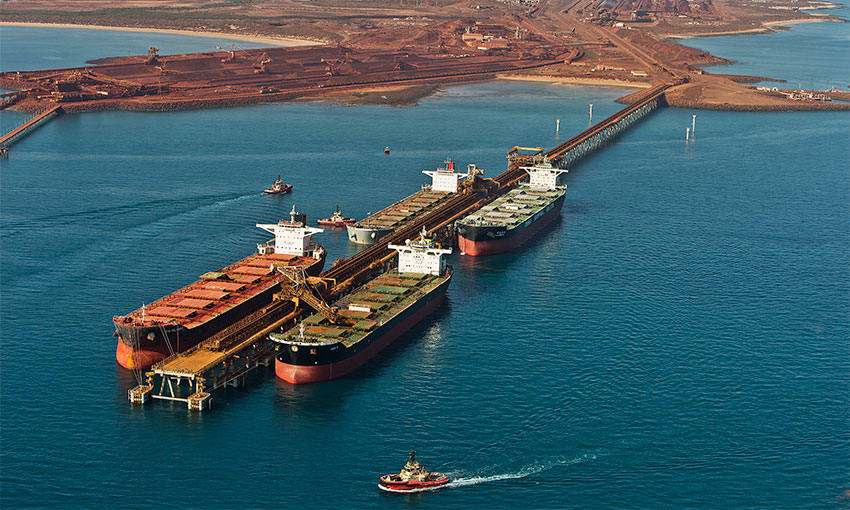
News Rio Tinto quietly restructuring its marine fleet Rio Tinto vessels loading iron ore
News Rio Tinto quietly restructuring its marine fleet Rio Tinto vessels loading iron ore. Image: Rio Tinto Posted by Allen Newton | 24 April, 2026 MINING giant Rio Tinto appears to be reshaping the structure and operation of its global marine fleet, with a combination of vessel disposals, towage‑contract consolidation and a fleet‑wide efficiency program pointing to a gradual but material shift in how it manages its shipping assets
Image: Rio Tinto Posted by Allen Newton | 24 April, 2026 MINING giant Rio Tinto appears to be reshaping the structure and operation of its global marine fleet, with a combination of vessel disposals, towage‑contract consolidation and a fleet‑wide efficiency program pointing to a gradual but material shift in how it manages its shipping assets
Story 2Thedcn

Baltic Exchange Weekly Report - 24 April 2026

Signal strongSource-grounded

What happened

Thedcn summarises the Baltic Exchange weekly where the dry‑bulk index closed firmer with capesize and Atlantic activity supporting the move. The report ties firmness to tighter ballaster lists and active Atlantic demand, making prompt tonnage for some APAC loadings more price‑sensitive; use this to stress‑test freight assumptions

Buyer takeaway

Use the BDI uptick to reprice spot assumptions and contingency allowances in active freight tenders because prompt‑tonnage shifts change short‑term charter costs

Cost / money

Firmer market tone implies upward pressure on spot charters and fronthaul pricing; budget contingencies should be reviewed

Supplier / commercial

Owners may push for period cover or harden quote validity to capture market gains; procurement should counter with clause options

Safety / operations

Tighter availability increases scheduling pressure and reduces recovery levers for slipped voyages; enforce readiness checks

What to watch

Watch regional divergence—Atlantic strength can coexist with softer Pacific patches, creating uneven availability across lanes

Key facts

  • Baltic Dry Index reported at a firmer weekly reading
  • Tighter ballaster lists and Atlantic strength cited as primary drivers

Source excerpts

Suezmax In the Suezmax sector, the Western Baltic Exchange routes are firmer
In the Atlantic, the US Gulf and South America were the primary sources of strength, supporting firmer rates throughout the week due to a shortage of prompt tonnage for April
LNG The LNG spot market saw a quiet week, with limited activity particularly at the start of the week. Overall, the market appears relatively balanced between available cargoes and open tonnage, resulting in sideways trading across most routes
Story 3Thedcn

New Zealand Marine Pilots Association Conference 2026 – Tauranga, NZ

Signal limitedDirectional

What happened

Thedcn's summary of the NZ Marine Pilots Association conference highlights a push toward formal data review, near‑miss reporting and tech integration between pilots and tug operators. Speakers argued this cultural and systems shift improves shared mental models and coordination, but operational impact depends on supplier adoption and governance

Buyer takeaway

Consider piloting data‑sharing and joint reviews with pilotage/tug partners and include measurable fields in future SLAs to reduce recurring operational deviations

Cost / money

Initial implementation may add admin or tool costs, but can lower downstream execution losses from incidents and rework

Supplier / commercial

Some suppliers may resist reporting burdens; use pilot programs to demonstrate value before rolling into contracts

Safety / operations

Formal near‑miss analysis and shared mental‑model practices can reduce high‑variance events if consistently applied

What to watch

Conference outcomes are thematic and depend on supplier and port adoption; treat as directional until pilot trials prove impact

Key facts

  • Conference theme: Positive Organisational Culture and data‑led reviews
  • Recommendations include near‑miss reporting and technology to integrate pilots and tugs

Source excerpts

In his second presentation, Barker demonstrated how technology can enhance the shared mental model between pilots and tug operators, improving coordination and reducing uncertainty across the pilotage ecosystem
Data analysis
Incidents rarely arise from a single failure
Story 4Price & Speed

Sydney Container Depot

Signal limitedSource-grounded

What happened

A vendor page for Price & Speed in Sydney advertises authorised biosecurity services, two depots and seven‑day operations near the ports. The page looks like marketing copy; operational reality requires licences, biosecurity accreditation and live references or a pilot movement to confirm weekend capacity and throughput

Buyer takeaway

Request documentary proof and an operational reference check before using the depot for biosecurity or time‑sensitive flows to avoid hidden execution risk

Cost / money

Until validated, depot use introduces pass‑through and handling fee uncertainty that can change landed‑cost accounting

Supplier / commercial

Vendors may tighten short‑notice quote windows without activation triggers; specify billing and activation terms in procurement docs

Safety / operations

Off‑port biosecurity handling moves dependency from berth clearances to depot throughput and certified fumigation teams; missing any element causes holds

What to watch

Treat the page as unverified marketing and require licences, accreditations and a pilot shipment to confirm capacity

Key facts

  • Claims: authorised facility for commercial operations and biosecurity activities
  • States two depots and seven‑day availability with contact and operating hours listed

Source excerpts

+61 2 9666 6565Open 7 dayscheck our contact page for depot operating hours
Located close to Sydney Ports, Price & Speed is an authorised facility for commercial operations and biosecurity activities
For all your depot requirementsSEA / AIR CARGO FUMIGATIONOUT OF GAUGE CARGO FLOWERS & FRESH PRODUCEPrice & Speed Containers is an Australian & family owned business with an established reputation for service excellence, expert knowledge and personal customer attention

VP Snapshot

Executive Risk & Action View

A reported Rio Tinto reshuffle of vessels and towage contracts is altering the supplier footprint for marine services that support Australian exporters; buyers should map which contracts and lanes could be affected.

Overall
70
Cost
79
Supply
25
Schedule
20
Compliance
15

Top signals

30-180dcost

Signal 1: Cost / money

Firmer dry‑bulk market tone increases the likelihood of higher spot charter and fronthaul cost assumptions for APAC loadings, which should be reflected in tender contingency lines.

Signal 3: Cost / money

Using an unvalidated off‑port depot shifts hidden cost risk from demurrage/detention to explicit depot pass‑throughs and handling fees unless activation triggers are contractually defined.

0-30dcost

Signal 2: Cost / money

If Rio Tinto disposes vessels or consolidates towage contracts, shortfalls in prompt availability can create mobilisation premiums or shorter quote validity in supplier pricing.

30-180dcommercial

Signal 4: Supplier / commercial

Consolidation of towage contracts can increase supplier leverage, enabling owners and towage vendors to demand minimum term cover or reduce quote windows.

Signal 5: Supplier / commercial

Owners may prefer period cover over spot fixtures where regional demand diverges, changing negotiation posture and the mix of spot vs period sourcing.

Signal 6: Supplier / commercial

Depot marketing without documented credentials invites suppliers to default to short‑notice uplifts; contracts should specify activation, bill‑through and quote validity to prevent surprise charges.

Recommended actions

CategoryDue 3d

Run a supplier‑exposure check for bulk lanes and towage providers that service our Australian export routes.

List of critical suppliers and lanes with flagged exposure for targeted commercial outreach.

OpsDue 3d

Request licence, biosecurity accreditation and weekend operating hours from the named Sydney depot before including it in contingency panels.

Receipt of documentation that confirms or rules out the depot for further evaluation.

ContractsDue 21d

Amend standard towage and charter RFP templates to tighten mobilisation language, quote validity windows and pass‑through billing triggers.

Updated RFP and clause bank that limits supplier ability to impose short‑notice uplifts and clarifies activation billing.

CategoryDue 21d

Adjust freight tender assumptions to reflect the firmer Baltic index tone and re‑price contingency allowances for short‑notice spot cover.

Revised tender price assumptions and contingency line items that align with current market conditions.

OpsDue 60d

Pilot a joint near‑miss reporting and coordination protocol with a major pilotage/tug partner and capture performance fields for inclusion in future SLAs.

Pilot scoped, trial completed and SLA language drafted to capture pilotage/tug coordination metrics for contract rounds.

Risk register

RiskTriggerMitigation
Watch for supplier communications that shorten quote validity, add mobilisation fees, or seek new pass‑through clauses — early supplier outreach will reveal commercial shifts before formal tender changes.Watch for supplier communications that shorten quote validity, add mobilisation fees, or seek new pass‑through clauses — early supplier outreach will reveal commercial shifts before formal tender changes.Confirm exposure with category, contracts, and operations before the next supplier commitment.
Treat depot web claims as unverified until licences, biosecurity accreditation and weekend throughput logs are provided; accepting marketing at face value shifts risk onto operations.Treat depot web claims as unverified until licences, biosecurity accreditation and weekend throughput logs are provided; accepting marketing at face value shifts risk onto operations.Confirm exposure with category, contracts, and operations before the next supplier commitment.

CM Snapshot

Category Manager Decision Detail

Today's priorities

Run a supplier‑exposure check for bulk lanes and towage providers that service our Australian export routes.

because the reported Rio Tinto fleet reshaping can change which owners or towage vendors handle key lanes and therefore affect availability and mobilisation terms.

Due 3d

high

CM move

Use this as the immediate supplier or contract action to move before the next sourcing gate.

Request licence, biosecurity accreditation and weekend operating hours from the named Sydney depot before including it in contingency panels.

because the depot page is marketing material and documentary proof is the minimal trigger to accept off‑port biosecurity handling for sensitive flows.

Due 3d

high

CM move

Use this as the immediate supplier or contract action to move before the next sourcing gate.

Amend standard towage and charter RFP templates to tighten mobilisation language, quote validity windows and pass‑through billing triggers.

because consolidation and disposals among owners increase the chance of shorter quote windows and mobilisation premiums that must be governed contractually.

Due 21d

high

CM move

Use this as the immediate supplier or contract action to move before the next sourcing gate.

Adjust freight tender assumptions to reflect the firmer Baltic index tone and re‑price contingency allowances for short‑notice spot cover.

because the Baltic report indicates tighter prompt tonnage which directly affects spot charter cost sensitivity in tender outcomes.

Due 21d

high

CM move

Use this as the immediate supplier or contract action to move before the next sourcing gate.

Supplier radar

Thedcn

high

Observed supplier signal

Consolidation of towage contracts can increase supplier leverage, enabling owners and towage vendors to demand minimum term cover or reduce quote windows.

Commercial implication

Consolidation of towage contracts can increase supplier leverage, enabling owners and towage vendors to demand minimum term cover or reduce quote windows.

Next step: Validate the source-backed signal with incumbents and alternates before the next award or pricing decision.

Thedcn

high

Observed supplier signal

Owners may prefer period cover over spot fixtures where regional demand diverges, changing negotiation posture and the mix of spot vs period sourcing.

Commercial implication

Owners may prefer period cover over spot fixtures where regional demand diverges, changing negotiation posture and the mix of spot vs period sourcing.

Next step: Validate the source-backed signal with incumbents and alternates before the next award or pricing decision.

Price & Speed

high

Observed supplier signal

Depot marketing without documented credentials invites suppliers to default to short‑notice uplifts; contracts should specify activation, bill‑through and quote validity to prevent surprise charges.

Commercial implication

Depot marketing without documented credentials invites suppliers to default to short‑notice uplifts; contracts should specify activation, bill‑through and quote validity to prevent surprise charges.

Next step: Validate the source-backed signal with incumbents and alternates before the next award or pricing decision.

Negotiation levers

Run a supplier‑exposure check for bulk lanes and towage providers that service our Australian export routes.

When to use: because the reported Rio Tinto fleet reshaping can change which owners or towage vendors handle key lanes and therefore affect availability and mobilisation terms.

Expected outcome: List of critical suppliers and lanes with flagged exposure for targeted commercial outreach.

Commercial mechanism to carry into the next supplier conversation

Request licence, biosecurity accreditation and weekend operating hours from the named Sydney depot before including it in contingency panels.

When to use: because the depot page is marketing material and documentary proof is the minimal trigger to accept off‑port biosecurity handling for sensitive flows.

Expected outcome: Receipt of documentation that confirms or rules out the depot for further evaluation.

Commercial mechanism to carry into the next supplier conversation

Amend standard towage and charter RFP templates to tighten mobilisation language, quote validity windows and pass‑through billing triggers.

When to use: because consolidation and disposals among owners increase the chance of shorter quote windows and mobilisation premiums that must be governed contractually.

Expected outcome: Updated RFP and clause bank that limits supplier ability to impose short‑notice uplifts and clarifies activation billing.

Commercial mechanism to carry into the next supplier conversation

Adjust freight tender assumptions to reflect the firmer Baltic index tone and re‑price contingency allowances for short‑notice spot cover.

When to use: because the Baltic report indicates tighter prompt tonnage which directly affects spot charter cost sensitivity in tender outcomes.

Expected outcome: Revised tender price assumptions and contingency line items that align with current market conditions.

Commercial mechanism to carry into the next supplier conversation

Talking points

A reported Rio Tinto reshuffle of vessels and towage contracts is altering the supplier footprint for marine services that support Australian exporters; buyers should map which contracts and lanes could be affected.
The Baltic dry‑bulk index shows firmer prompt‑tonnage conditions, which increases short‑term cost pressure on spot charters and makes freight tender assumptions more sensitive.
Pilotage leaders are promoting structured near‑miss reporting and tech‑enabled coordination between pilots and tugs — meaningful safety gains are possible but adoption will be phased.
A Sydney depot advertises authorised biosecurity services and seven‑day operations, but the page reads as vendor marketing and requires licence and throughput proof before use in contingency plans.

Supplier radar

SupplierSignalImplicationNext stepConfidence
ThedcnConsolidation of towage contracts can increase supplier leverage, enabling owners and towage vendors to demand minimum term cover or reduce quote windows.Consolidation of towage contracts can increase supplier leverage, enabling owners and towage vendors to demand minimum term cover or reduce quote windows.Validate the source-backed signal with incumbents and alternates before the next award or pricing decision.high
ThedcnOwners may prefer period cover over spot fixtures where regional demand diverges, changing negotiation posture and the mix of spot vs period sourcing.Owners may prefer period cover over spot fixtures where regional demand diverges, changing negotiation posture and the mix of spot vs period sourcing.Validate the source-backed signal with incumbents and alternates before the next award or pricing decision.high
Price & SpeedDepot marketing without documented credentials invites suppliers to default to short‑notice uplifts; contracts should specify activation, bill‑through and quote validity to prevent surprise charges.Depot marketing without documented credentials invites suppliers to default to short‑notice uplifts; contracts should specify activation, bill‑through and quote validity to prevent surprise charges.Validate the source-backed signal with incumbents and alternates before the next award or pricing decision.high

Negotiation levers

  • Run a supplier‑exposure check for bulk lanes and towage providers that service our Australian export routes.because the reported Rio Tinto fleet reshaping can change which owners or towage vendors handle key lanes and therefore affect availability and mobilisation terms.List of critical suppliers and lanes with flagged exposure for targeted commercial outreach.

    high confidence

  • Request licence, biosecurity accreditation and weekend operating hours from the named Sydney depot before including it in contingency panels.because the depot page is marketing material and documentary proof is the minimal trigger to accept off‑port biosecurity handling for sensitive flows.Receipt of documentation that confirms or rules out the depot for further evaluation.

    high confidence

  • Amend standard towage and charter RFP templates to tighten mobilisation language, quote validity windows and pass‑through billing triggers.because consolidation and disposals among owners increase the chance of shorter quote windows and mobilisation premiums that must be governed contractually.Updated RFP and clause bank that limits supplier ability to impose short‑notice uplifts and clarifies activation billing.

    high confidence

  • Adjust freight tender assumptions to reflect the firmer Baltic index tone and re‑price contingency allowances for short‑notice spot cover.because the Baltic report indicates tighter prompt tonnage which directly affects spot charter cost sensitivity in tender outcomes.Revised tender price assumptions and contingency line items that align with current market conditions.

    high confidence

What to do / What to watch

What to do now

  • Run a supplier‑exposure check for bulk lanes and towage providers that service our Australian export routes.

    Why: because the reported Rio Tinto fleet reshaping can change which owners or towage vendors handle key lanes and therefore affect availability and mobilisation terms.

    Owner: Category

    Expected outcome: List of critical suppliers and lanes with flagged exposure for targeted commercial outreach.

    [1]
  • Request licence, biosecurity accreditation and weekend operating hours from the named Sydney depot before including it in contingency panels.

    Why: because the depot page is marketing material and documentary proof is the minimal trigger to accept off‑port biosecurity handling for sensitive flows.

    Owner: Ops

    Expected outcome: Receipt of documentation that confirms or rules out the depot for further evaluation.

    [4]

Next few weeks

  • Amend standard towage and charter RFP templates to tighten mobilisation language, quote validity windows and pass‑through billing triggers.

    Why: because consolidation and disposals among owners increase the chance of shorter quote windows and mobilisation premiums that must be governed contractually.

    Owner: Contracts

    Expected outcome: Updated RFP and clause bank that limits supplier ability to impose short‑notice uplifts and clarifies activation billing.

    [1]
  • Adjust freight tender assumptions to reflect the firmer Baltic index tone and re‑price contingency allowances for short‑notice spot cover.

    Why: because the Baltic report indicates tighter prompt tonnage which directly affects spot charter cost sensitivity in tender outcomes.

    Owner: Category

    Expected outcome: Revised tender price assumptions and contingency line items that align with current market conditions.

    [2]

Longer view

  • Pilot a joint near‑miss reporting and coordination protocol with a major pilotage/tug partner and capture performance fields for inclusion in future SLAs.

    Why: because conference recommendations show structured data reviews between pilots and tugs reduce variance and including metrics in SLAs translates that into enforceable performanc...

    Owner: Ops

    Expected outcome: Pilot scoped, trial completed and SLA language drafted to capture pilotage/tug coordination metrics for contract rounds.

    [3]

What to watch

  • Watch for supplier communications that shorten quote validity, add mobilisation fees, or seek new pass‑through clauses — early supplier outreach will reveal commercial shifts before formal tender changes
  • Treat depot web claims as unverified until licences, biosecurity accreditation and weekend throughput logs are provided; accepting marketing at face value shifts risk onto operations
  • Watch for supplier communications that shorten quote validity, add mobilisation fees, or seek new pass‑through clauses — early supplier outreach will reveal commercial shifts before formal tender changes.: Watch for supplier communications that shorten quote validity, add mobilisation fees, or seek new pass‑through clauses — early supplier outreach will reveal commercial shifts before formal tender changes
  • Treat depot web claims as unverified until licences, biosecurity accreditation and weekend throughput logs are provided; accepting marketing at face value shifts risk onto operations.: Treat depot web claims as unverified until licences, biosecurity accreditation and weekend throughput logs are provided; accepting marketing at face value shifts risk onto operations
  • A reported Rio Tinto reshuffle of vessels and towage contracts is altering the supplier footprint for marine services that support Australian exporters; buyers should map which contracts and lanes could be affected
  • The Baltic dry‑bulk index shows firmer prompt‑tonnage conditions, which increases short‑term cost pressure on spot charters and makes freight tender assumptions more sensitive
  • Pilotage leaders are promoting structured near‑miss reporting and tech‑enabled coordination between pilots and tugs — meaningful safety gains are possible but adoption will be phased
  • A Sydney depot advertises authorised biosecurity services and seven‑day operations, but the page reads as vendor marketing and requires licence and throughput proof before use in contingency plans

Market pulse

IndexLatestChangeAs of
Dry Bulk Shipping (BDRY) (BDRY)0 +0.00 (+0.00%)Apr 27, 2026, 10:12 PM
WTI (Fuel) (WTI)71.23 /bbl+0.00 (+0.00%)Apr 27, 2026, 10:12 PM
FedEx (FDX)285 +0.00 (+0.00%)Apr 27, 2026, 10:12 PM
UPS (UPS)142 +0.00 (+0.00%)Apr 27, 2026, 10:12 PM
Maersk (MAERSK)9.5 +0.00 (+0.00%)Apr 27, 2026, 10:12 PM
  • Dry Bulk Shipping (BDRY): BDI uplift signals tighter prompt tonnage and directional upward pressure on short‑term bulk shipping costs; use to stress freight tenders and contingency allowances
  • WTI (Fuel): Fuel price moves affect voyage economics and owner pricing posture; track fuel impact on fronthaul and ballast costs when re‑pricing charters

Sources

Inline citations jump here. Expand a source to read the excerpt, the AI interpretation, and the original link.

[1] Rio Tinto quietly restructuring its marine fleet

thedcn.com.au · n.d.

Expand

AI reading

Thedcn reports Rio Tinto is reshaping parts of its marine fleet through vessel disposals and towage‑contract consolidation. The coverage frames this as a fleet‑wide efficiency move rather than an isolated sale, so it can change who provides towage and availability patterns on export lanes. Watch supplier communications and contracting moves from owners and towage vendors for concrete changes to mobilisation or quote terms

Buyer takeaway

Map incumbent towage and charter contracts to the reported reshuffle because changes to owner footprints alter supplier leverage and availability on critical lanes

Cost / money

Directional upward pressure where prompt tonnage reduces; expect mobilisation premiums and shorter quote validity in constrained windows

Supplier / commercial

Consolidation allows suppliers to demand minimum terms or shorten validity; include mobilisation and pass‑through limits in contract language

Safety / operations

Reallocations can compress crew and equipment readiness windows; ensure mobilisation responsibilities and checks are clearly stated in ops playbooks

What to watch

Monitor supplier notices for amended service terms, new mobilisation fees, or requests for minimum term cover

Key facts

  • Reported combination of vessel disposals and towage‑contract consolidation
  • Characterised as fleet‑wide efficiency reshaping rather than a single asset sale

Source excerpts

News Rio Tinto quietly restructuring its marine fleet Rio Tinto vessels loading iron ore
News Rio Tinto quietly restructuring its marine fleet Rio Tinto vessels loading iron ore. Image: Rio Tinto Posted by Allen Newton | 24 April, 2026 MINING giant Rio Tinto appears to be reshaping the structure and operation of its global marine fleet, with a combination of vessel disposals, towage‑contract consolidation and a fleet‑wide efficiency program pointing to a gradual but material shift in how it manages its shipping assets
Image: Rio Tinto Posted by Allen Newton | 24 April, 2026 MINING giant Rio Tinto appears to be reshaping the structure and operation of its global marine fleet, with a combination of vessel disposals, towage‑contract consolidation and a fleet‑wide efficiency program pointing to a gradual but material shift in how it manages its shipping assets

Used in this brief

  • Cost / money: If Rio Tinto disposes vessels or consolidates towage contracts, shortfalls in prompt availability can create mobilisation premiums or shorter quote validity in supplier pricing
  • Next 72 hours — Run a supplier‑exposure check for bulk lanes and towage providers that service our Australian export routes.. Rationale: because the reported Rio Tinto fleet reshaping can change which owners or towage vendors handle key lanes and therefore affect availability and mobilisation terms.. Owner: Category. KPI: List of critical suppliers and lanes with flagged exposure for targeted commercial outreach
  • Next 2-4 weeks — Amend standard towage and charter RFP templates to tighten mobilisation language, quote validity windows and pass‑through billing triggers.. Rationale: because consolidation and disposals among owners increase the chance of shorter quote windows and mobilisation premiums that must be governed contractually.. Owner: Contracts. KPI: Updated RFP and clause bank that limits supplier ability to impose short‑notice uplifts and clarifies activation billing
Open original source

[2] Baltic Exchange Weekly Report - 24 April 2026

thedcn.com.au · n.d.

Expand

AI reading

Thedcn summarises the Baltic Exchange weekly where the dry‑bulk index closed firmer with capesize and Atlantic activity supporting the move. The report ties firmness to tighter ballaster lists and active Atlantic demand, making prompt tonnage for some APAC loadings more price‑sensitive; use this to stress‑test freight assumptions

Buyer takeaway

Use the BDI uptick to reprice spot assumptions and contingency allowances in active freight tenders because prompt‑tonnage shifts change short‑term charter costs

Cost / money

Firmer market tone implies upward pressure on spot charters and fronthaul pricing; budget contingencies should be reviewed

Supplier / commercial

Owners may push for period cover or harden quote validity to capture market gains; procurement should counter with clause options

Safety / operations

Tighter availability increases scheduling pressure and reduces recovery levers for slipped voyages; enforce readiness checks

What to watch

Watch regional divergence—Atlantic strength can coexist with softer Pacific patches, creating uneven availability across lanes

Key facts

  • Baltic Dry Index reported at a firmer weekly reading
  • Tighter ballaster lists and Atlantic strength cited as primary drivers

Source excerpts

Suezmax In the Suezmax sector, the Western Baltic Exchange routes are firmer
In the Atlantic, the US Gulf and South America were the primary sources of strength, supporting firmer rates throughout the week due to a shortage of prompt tonnage for April
LNG The LNG spot market saw a quiet week, with limited activity particularly at the start of the week. Overall, the market appears relatively balanced between available cargoes and open tonnage, resulting in sideways trading across most routes

Used in this brief

  • Next 2-4 weeks — Adjust freight tender assumptions to reflect the firmer Baltic index tone and re‑price contingency allowances for short‑notice spot cover.. Rationale: because the Baltic report indicates tighter prompt tonnage which directly affects spot charter cost sensitivity in tender outcomes.. Owner: Category. KPI: Revised tender price assumptions and contingency line items that align with current market conditions
  • New: Baltic Exchange weekly shows a firmer BDI reading, introducing a confirmed market cost signal to factor into freight tenders (Article 3)
  • Thedcn summarises the Baltic Exchange weekly where the dry‑bulk index closed firmer with capesize and Atlantic activity supporting the move. The report ties firmness to tighter ballaster lists and active Atlantic demand, making prompt tonnage for some APAC loadings more price‑sensitive; use this to stress‑test freight assumptions
Open original source

[3] New Zealand Marine Pilots Association Conference 2026 – Tauranga, NZ

thedcn.com.au · n.d.

Expand

AI reading

Thedcn's summary of the NZ Marine Pilots Association conference highlights a push toward formal data review, near‑miss reporting and tech integration between pilots and tug operators. Speakers argued this cultural and systems shift improves shared mental models and coordination, but operational impact depends on supplier adoption and governance

Buyer takeaway

Consider piloting data‑sharing and joint reviews with pilotage/tug partners and include measurable fields in future SLAs to reduce recurring operational deviations

Cost / money

Initial implementation may add admin or tool costs, but can lower downstream execution losses from incidents and rework

Supplier / commercial

Some suppliers may resist reporting burdens; use pilot programs to demonstrate value before rolling into contracts

Safety / operations

Formal near‑miss analysis and shared mental‑model practices can reduce high‑variance events if consistently applied

What to watch

Conference outcomes are thematic and depend on supplier and port adoption; treat as directional until pilot trials prove impact

Key facts

  • Conference theme: Positive Organisational Culture and data‑led reviews
  • Recommendations include near‑miss reporting and technology to integrate pilots and tugs

Source excerpts

In his second presentation, Barker demonstrated how technology can enhance the shared mental model between pilots and tug operators, improving coordination and reducing uncertainty across the pilotage ecosystem
Data analysis
Incidents rarely arise from a single failure

Used in this brief

  • Safety / operations: Structured near‑miss reporting and shared mental‑model tools between pilots and tugs can reduce operational variance; buyers can convert this into SLA fields for port partners
  • Next quarter — Pilot a joint near‑miss reporting and coordination protocol with a major pilotage/tug partner and capture performance fields for inclusion in future SLAs.. Rationale: because conference recommendations show structured data reviews between pilots and tugs reduce variance and including metrics in SLAs translates that into enforceable performanc.... Owner: Ops. KPI: Pilot scoped, trial completed and SLA language drafted to capture pilotage/tug coordination metrics for contract rounds
  • Thedcn's summary of the NZ Marine Pilots Association conference highlights a push toward formal data review, near‑miss reporting and tech integration between pilots and tug operators. Speakers argued this cultural and systems shift improves shared mental models and coordination, but operational impact depends on supplier adoption and governance
Open original source

[4] Sydney Container Depot

thedcn.com.au · n.d.

Expand

AI reading

A vendor page for Price & Speed in Sydney advertises authorised biosecurity services, two depots and seven‑day operations near the ports. The page looks like marketing copy; operational reality requires licences, biosecurity accreditation and live references or a pilot movement to confirm weekend capacity and throughput

Buyer takeaway

Request documentary proof and an operational reference check before using the depot for biosecurity or time‑sensitive flows to avoid hidden execution risk

Cost / money

Until validated, depot use introduces pass‑through and handling fee uncertainty that can change landed‑cost accounting

Supplier / commercial

Vendors may tighten short‑notice quote windows without activation triggers; specify billing and activation terms in procurement docs

Safety / operations

Off‑port biosecurity handling moves dependency from berth clearances to depot throughput and certified fumigation teams; missing any element causes holds

What to watch

Treat the page as unverified marketing and require licences, accreditations and a pilot shipment to confirm capacity

Key facts

  • Claims: authorised facility for commercial operations and biosecurity activities
  • States two depots and seven‑day availability with contact and operating hours listed

Source excerpts

+61 2 9666 6565Open 7 dayscheck our contact page for depot operating hours
Located close to Sydney Ports, Price & Speed is an authorised facility for commercial operations and biosecurity activities
For all your depot requirementsSEA / AIR CARGO FUMIGATIONOUT OF GAUGE CARGO FLOWERS & FRESH PRODUCEPrice & Speed Containers is an Australian & family owned business with an established reputation for service excellence, expert knowledge and personal customer attention

Used in this brief

  • Next 72 hours — Request licence, biosecurity accreditation and weekend operating hours from the named Sydney depot before including it in contingency panels.. Rationale: because the depot page is marketing material and documentary proof is the minimal trigger to accept off‑port biosecurity handling for sensitive flows.. Owner: Ops. KPI: Receipt of documentation that confirms or rules out the depot for further evaluation
  • Treat depot web claims as unverified until licences, biosecurity accreditation and weekend throughput logs are provided; accepting marketing at face value shifts risk onto operations
  • A vendor page for Price & Speed in Sydney advertises authorised biosecurity services, two depots and seven‑day operations near the ports. The page looks like marketing copy; operational reality requires licences, biosecurity accreditation and live references or a pilot movement to confirm weekend capacity and throughput
Open original source

[5] Dry Bulk Shipping (BDRY)

finance.yahoo.com · n.d.

Expand

[6] WTI (Fuel)

finance.yahoo.com · n.d.

Expand