Operations & Maintenance Services · Australia (Perth)

Reposition O&M Sourcing Around Local Marine and Charging Shifts

Published Apr 28, 2026, 6:04 AM AWSTAPACFull category signal
Ask AI
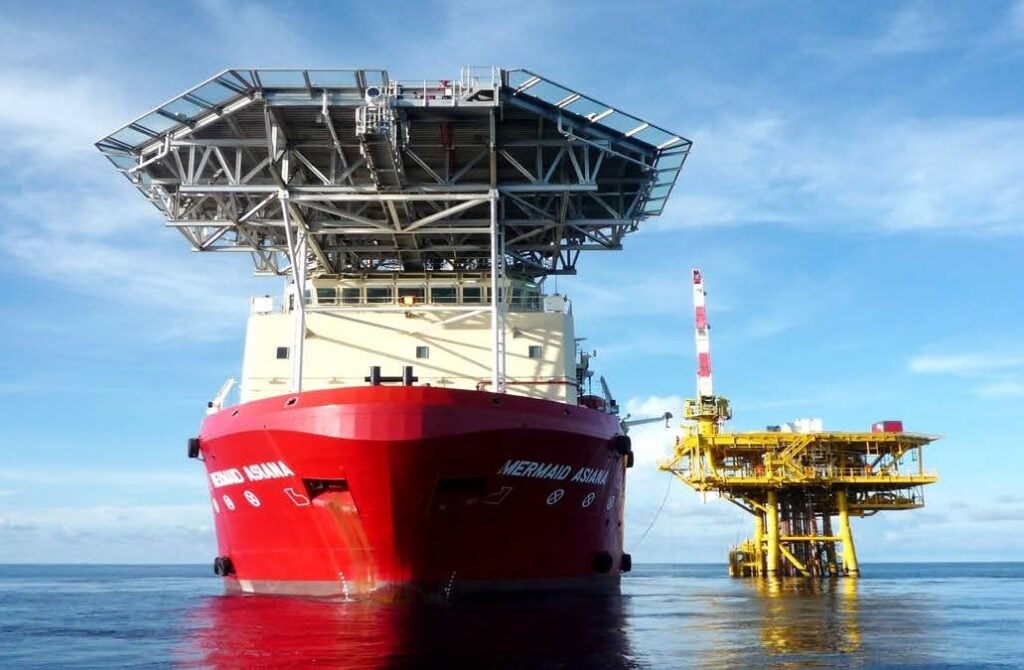
Mermaid Maritime continues global expansion with joint venture in Brunei

In 60 seconds

Top move

A new 50/50 Mermaid JV in Brunei creates an in‑country IRM and T&I supplier that shortens mobilisation distances and shifts negotiation leverage toward local partners for decommissioning and pipeline support

Key takeaways

  • A new 50/50 Mermaid JV in Brunei creates an in‑country IRM and T&I supplier that shortens mobilisation distances and shifts negotiation leverage toward local partners for decommissioning and pipeline support.[2]
  • Seatrium’s completed sale of its Singapore tug fleet removes owner‑operated assets from the local market and can change commercial terms or availability for port and towage services; buyers should expect contract continuity checks.[4]
  • Stillstrom’s monopile-based offshore charging moves vessel electrification from concept toward trial, creating infrastructure access, uptime and metering obligations that belong in procurement and SOWs rather than only in technical specs.[1]
  • A Japanese-led ammonia bunkering demo in Singapore advances FEED and safety procedures, meaning future fuel-supply contracts in the region may need explicit HAZID, permit and training provisions.[3]
  • Pack Tuff’s repeated use on large Australian pipeline projects shows durable, locally sourced bedding can reduce freight exposure and rework risk — validate reuse acceptance criteria before listing as an approved alternative.[5]

What changed since last run

  • Mermaid launched a 50/50 joint venture in Brunei to provide local T&I, IRM, decommissioning and pipeline services, creating a new in‑country supplier capability (article 1).
  • Seatrium completed the divestment of its 17‑vessel Singapore tug fleet, removing owner‑operated assets from the local service mix and realising the previously announced proceeds (article 8).
  • Stillstrom publicly unveiled standalone monopile charging systems and scheduled a demonstration trial, advancing offshore charging infrastructure from concept toward procurement testability (article 11).

Key facts

  • JV equity split: Mermaid holds 50% in the Brunei entity
  • Primary activities: offshore T&I, IRM, decommissioning and pipeline projects
  • Funding: investment funded from Mermaid’s internal resources
  • Fleet sold: 17 tugboats completed divestment
  • Proceeds reported: sale expected to generate S$104 million
  • Reported impact: company cited annualized cost savings after divestments

Why it matters

A new 50/50 Mermaid JV in Brunei creates an in‑country IRM and T&I supplier that shortens mobilisation distances and shifts negotiation leverage toward local partners for decommissioning and pipeline support. Seatrium’s completed sale of its Singapore tug fleet removes owner‑operated assets from the local market and can change commercial terms or availability for port and towage services; buyers should expect contract continuity checks. Stillstrom’s monopile-based offshore charging moves vessel electrification from concept toward trial, creating infrastructure access, uptime and metering obligations that belong in procurement and SOWs rather than only in technical specs. A Japanese-led ammonia bunkering demo in Singapore advances FEED and safety procedures, meaning future fuel-supply contracts in the region may need explicit HAZID, permit and training provisions

Cost / money

  • Local execution via the Mermaid JV reduces long‑haul mobilisation pass‑throughs but can introduce short‑lead pricing premiums as suppliers monetise faster availability.[2]
  • Seatrium’s tug sale may change the commercial baseline for harbour services: incoming owners often reprice spot hires and reallocate costs, affecting short‑term hire rates and contract pass‑throughs.[4]
  • Monopile charging creates new recurring cost lines (access or connection fees and electricity charges) that should be captured in vendor cost models rather than folded into fuel line items.[1]

Supplier / commercial

  • A locally funded JV becomes a preferred counterparty for in‑country work; expect suppliers with in‑country presence to push for exclusivity, local‑content preferences or limited‑term availability premiums.[2]
  • New infrastructure owners (charging towers) and asset buyers (post-divestment tug operators) will demand SLA, access and maintenance clauses — buyer leverage drops without pre‑negotiated exit and metering rights.[4]

Safety / operations

  • Ammonia STS demos increase operational HAZID and permit complexity for bunkering; port operators and buyers will need expanded PTW, emergency response and training deliverables in contracts.[3]
  • Charging at sea changes electrical safety and mooring scopes: integrate electrical isolation, berthing procedures and emergency disconnects into vessel PTW and supplier responsibilities.[1]

What to watch

  • Offshore charging is still at demonstration stage — timelines and regulatory approvals are uncertain, so don’t assume immediate commercial availability or proven uptime performance.[1]
  • Asset divestments can create short windows where service continuity depends on transfer clauses and crew/maintenance handovers — verify contractual novation and maintenance records before relying on legacy service levels.[4]

Top stories

Story 1Offshore EnergyApr 27, 2026

Mermaid Maritime continues global expansion with joint venture in Brunei

Signal strongSource-grounded

What happened

Mermaid Maritime formed a 50/50 joint venture in Brunei to provide offshore transport and installation, installation, repair and maintenance (IRM), decommissioning and pipeline services. The JV is funded from Mermaid’s internal resources and establishes a local execution base rather than relying on long‑distance mobilisation. Watch whether local project awards migrate to the JV and compress lead times for IRM work

Buyer takeaway

Treat the JV as an operationally real local supplier because it creates an in‑country mobilization point that changes logistics and counterparty options

Cost / money

Directional: local execution cuts long‑haul mobilization pass‑throughs but suppliers can price shorter lead‑time premiums

Supplier / commercial

Expect the JV to seek preference on local awards and to quote limited‑term availability pricing that captures faster response windows

Safety / operations

Local delivery shifts gating items to permits, local crew availability and local supply chain readiness which buyers must validate

What to watch

Watch whether follow‑on awards consolidate with the JV and whether local content or exclusivity clauses start to appear in scopes

Key facts

  • JV equity split: Mermaid holds 50% in the Brunei entity
  • Primary activities: offshore T&I, IRM, decommissioning and pipeline projects
  • Funding: investment funded from Mermaid’s internal resources

Source excerpts

Home Subsea Mermaid Maritime continues global expansion with joint venture in Brunei April 27, 2026, by After establishing joint venture companies in Taiwan and Equatorial Guinea, Thailand-headquartered subsea and offshore drilling services company Mermaid Maritime Public Company Limited has done the same in Brunei. The primary activities of the entity named Serikandi Mermaid SDN BHD are offshore transport and installation (T&I), installation, repair, and maintenance (IRM), decommissioning, and pipeline project
The primary activities of the entity named Serikandi Mermaid SDN BHD are offshore transport and installation (T&I), installation, repair, and maintenance (IRM), decommissioning, and pipeline projects in Brunei. Mermaid Subsea Services (Thailand) Ltd
The primary activities of the entity named Serikandi Mermaid SDN BHD are offshore transport and installation (T&I), installation, repair, and maintenance (IRM), decommissioning, and pipeline projects in Brunei
Story 2Offshore EnergyApr 27, 2026

Seatrium ticks tugboat fleet sale off non-core asset divestment list

Signal strongSource-grounded

What happened

Seatrium completed the sale of its 17‑vessel tug fleet in Singapore, closing a previously announced divestment of non‑core assets. The transaction was disclosed to generate material proceeds and deliver cost savings, but it also removes owner‑operated tugs from the local service pool and may change who offers short‑notice harbour services

Buyer takeaway

Do not assume legacy owners remain providers because asset sales change contractual counterparties and local availability

Cost / money

New owners may reprice short‑term services or seek longer contracts to justify acquired assets, shifting cost exposure

Supplier / commercial

Incoming operators can demand different commercial terms and minimum commitment windows to recoup acquisition costs

Safety / operations

Validate crew transfers, maintenance history and certifications during any contract novation to avoid operational gaps

What to watch

Verify service continuity and novation clauses now; ownership changes often precede shifts in pricing or availability

Key facts

  • Fleet sold: 17 tugboats completed divestment
  • Proceeds reported: sale expected to generate S$104 million
  • Reported impact: company cited annualized cost savings after divestments

Source excerpts

Seatrium yard; Source: Seatrium Seatrium completed the divestment of its fleet of 17 tugboats in Singapore on April 24, 2026
This move, alongside other non-core asset divestments disclosed earlier, such as the AmFELS yard in Texas and Guanabara Navegação Ltda (GNL), a special-purpose vehicle that owns two units of platform supply vessels (PSVs), is expected to deliver over S$50 million ($39
Home Fossil Energy Seatrium ticks tugboat fleet sale off non-core asset divestment list April 27, 2026, by Singapore-based offshore, marine, and energy solutions provider Seatrium has brought to a close the disposal of its tugboat fleet as it continues its mission to part ways with non-core assets in its portfolio. Seatrium yard; Source: Seatrium Seatrium completed the divestment of its fleet of 17 tugboats in Singapore on April 24, 2026
Story 3Offshore EnergyApr 27, 2026

Stillstrom unveils new standalone monopile-based offshore charging tech

Signal moderateDirectional

What happened

Stillstrom unveiled two monopile‑based offshore charging systems designed to provide standalone vessel charging options that do not require integration with turbine foundations. One system is planned for a demonstration trial in the fourth quarter of 2026, moving charging infrastructure from concept toward a testable procurement condition. Watch demonstration results for uptime, metering and berthing constraints before adding charging into operational contracts

Buyer takeaway

Treat monopile charging as an infrastructure procurement because it introduces access and uptime dependencies for vessel services

Cost / money

Expect new cost lines: access fees, electricity transmission charges and shared maintenance responsibilities

Supplier / commercial

Infrastructure owners will look for long‑term access arrangements; include exit rights, metering and maintenance SLAs in contracts

Safety / operations

Offshore charging changes electrical safety, mooring and PTW scopes requiring integration into emergency procedures

What to watch

Demonstration status makes timelines and commercial availability directional; maintain fallback fuel arrangements until reliability is proven

Key facts

  • Product types: Power Hub and Power Tower monopile charging systems
  • Capability: standalone charging deployable inside or adjacent to operational wind farms

Source excerpts

Home Vessels Stillstrom unveils new standalone monopile-based offshore charging tech April 27, 2026, by Stillstrom, part of A
P. Moller – Maersk, has introduced two new standalone offshore charging solutions aimed at supporting vessel electrification in offshore wind operations
The new offshore charging models expand Stillstrom’s portfolio of solutions integrated into wind farm assets, one of which is planned for its first demonstration trial in the fourth quarter of 2026 in Esbjerg, Denmark
Story 4Offshore EnergyApr 27, 2026

Japanese trio launches demo project on ammonia supply for vessels in Singapore

Signal moderateSource-grounded

What happened

A Japanese consortium launched a demonstration project to trial ship‑to‑ship ammonia bunkering in Singapore, progressing FEED work and testing STS transfer protocols and safety procedures. The trial is supported by a government grant and includes studies on supply facilities, ownership models and operational risk controls. Monitor regulatory feedback and trial findings to understand permit, training and emergency response obligations for future ammonia supply contracts

Buyer takeaway

Consider ammonia as a potential future bunker pathway because trials are progressing FEED and operational safety work

Cost / money

Early operational and compliance costs for ammonia handling will be higher and likely reflected in supplier pricing during commercialisation

Supplier / commercial

Bunker operators may require long commitments or subsidies to amortise high capital and safety compliance costs

Safety / operations

Ammonia bunkering expands PTW, HAZID and emergency response scope; port and ship teams will need new procedures and training

What to watch

Demo funding makes the activity more than theoretical, but commercial scale and regulatory clearance remain to be proven

Key facts

  • Activity: demo project to trial ammonia ship‑to‑ship (STS) transfer
  • Support: selected for a government supplementary budget grant
  • Scope: FEED studies and ownership model analysis for a potential ammonia bunkering vessel

Source excerpts

Home Clean Fuel Japanese trio launches demo project on ammonia supply for vessels in Singapore April 27, 2026, by Japan’s Sumitomo Corporation, Kawasaki Kisen Kaisha (“K” Line), and Nippon Yusen Kabushiki Kaisha (NYK Line) have jointly applied to run a demonstration project on the supply of ammonia fuel for vessels in Singapore, building on their memorandum of understanding (MoU) from last month to conduct a front-end engineering design (FEED) study and explore the ownership of a newbuild ammonia bunkering vesse
Sumitomo Corporation Coordinated by Sumitomo, the project will see the companies conduct a trial supply of ammonia fuel using the ship-to-ship (STS) transfer method, employing a bunkering vessel that complies with the requirements set by the Singapore Government, marking the first demonstration of ammonia bunkering by the collaborators. The feasibility studies will assess supply facilities while managing operational risks, establishing procedures, and evaluating environmental and safety factors to confirm the v
The tripartite partnership is now working to advance detailed studies covering the vessel’s basic design, technical specifications, safety and operational requirements, as well as the structuring and ownership model tailored to the Singapore ammonia bunker market
Story 5The Australian PipelinerApr 27, 2026

Build it right with Pack Tuff

Signal strongSource-grounded

What happened

Pack Tuff bedding bags continue to be used on major Australian pipeline projects, with repeat shipments and reported multi‑use performance on desalination and interstate pipeline builds. The product’s durability and ability to be freighted with pipe lower transport costs and on‑site waste; buyers should validate reuse acceptance criteria before listing as approved alternatives. Watch supplier validation evidence to avoid disputes over condition on return or reuse

Buyer takeaway

Prioritise local reusable bedding solutions in SOWs because they reduce freight exposure and handling‑related rework on pipeline jobs

Cost / money

Lower long‑term cost of ownership where reuse is practical; freight savings when bedding is packaged with pipe deliveries

Supplier / commercial

Local suppliers with repeatable supply histories can be included as preferred alternatives to limit single‑source risks

Safety / operations

Robust bedding reduces onsite installation failures and handling incidents compared with fragile single‑use alternatives

What to watch

Contractually validate reusability and acceptance criteria to avoid disputes over condition and reuse eligibility

Key facts

  • Recent shipments: supplied to major desalination and interstate pipeline projects in Australia
  • Product trait: polywoven bags designed for multiple reuses and low transport cost
  • Usage: applied across water and long‑distance pipeline projects in Australia

Source excerpts

It also means the cost of transportation remains low
Pipe lengths resting on Pack Tuff bags before installation. Image: PSS Pack Tuff bags are leaving their mark on Australia’s most significant water pipeline projects
While pipeline bedding might not grab headlines like large-scale infrastructure upgrades, it is just as critical to the success of the overall project

VP Snapshot

Executive Risk & Action View

A new 50/50 Mermaid JV in Brunei creates an in‑country IRM and T&I supplier that shortens mobilisation distances and shifts negotiation leverage toward local partners for decommissioning and pipeline support.

Overall
50
Cost
79
Supply
79
Schedule
20
Compliance
35

Top signals

0-30dcost

Signal 1: Cost / money

Local execution via the Mermaid JV reduces long‑haul mobilisation pass‑throughs but can introduce short‑lead pricing premiums as suppliers monetise faster availability.

30-180dcost

Signal 2: Cost / money

Seatrium’s tug sale may change the commercial baseline for harbour services: incoming owners often reprice spot hires and reallocate costs, affecting short‑term hire rates and contract pass‑throughs.

Signal 3: Cost / money

Monopile charging creates new recurring cost lines (access or connection fees and electricity charges) that should be captured in vendor cost models rather than folded into fuel line items.

0-30dsupply

Signal 4: Supplier / commercial

A locally funded JV becomes a preferred counterparty for in‑country work; expect suppliers with in‑country presence to push for exclusivity, local‑content preferences or limited‑term availability premiums.

30-180dcommercial

Signal 5: Supplier / commercial

New infrastructure owners (charging towers) and asset buyers (post-divestment tug operators) will demand SLA, access and maintenance clauses — buyer leverage drops without pre‑negotiated exit and metering rights.

0-30dregulatory

Signal 6: Safety / operations

Ammonia STS demos increase operational HAZID and permit complexity for bunkering; port operators and buyers will need expanded PTW, emergency response and training deliverables in contracts.

Recommended actions

CategoryDue 3d

Update the preferred supplier register to record Mermaid JV capabilities for Brunei IRM, T&I and decommissioning.

Supplier register annotated with JV capability, local mobilisation notes and a shortlist for Brunei scopes

ContractsDue 3d

Confirm current tug/harbour service contract transfer and continuity clauses with Contracts and local port operators.

Recorded confirmation of contract novation paths or identified gaps requiring amendment

ContractsDue 21d

Draft a charging‑infrastructure annex for vessel service RFPs covering uptime SLAs, metering, connectivity and access rights.

SOW annex ready for inclusion in vessel service RFPs to capture charging access, metering and SLA terms

OpsDue 21d

Add ammonia HAZID, training and permit checkboxes to bunker and fuel‑supply RFP templates for Singapore operations.

RFP templates updated with ammonia safety, permit and training requirements for shortlisted suppliers

CategoryDue 60d

Pre‑approve local reusable bedding (Pack Tuff or equivalent) in pipeline materials frameworks and add acceptance criteria for reuse condition.

Framework annex listing approved reusable bedding suppliers and documented reuse acceptance criteria

Risk register

RiskTriggerMitigation
Offshore charging is still at demonstration stage — timelines and regulatory approvals are uncertain, so don’t assume immediate commercial availability or proven uptime performance.Offshore charging is still at demonstration stage — timelines and regulatory approvals are uncertain, so don’t assume immediate commercial availability or proven uptime performance.Confirm exposure with category, contracts, and operations before the next supplier commitment.
Asset divestments can create short windows where service continuity depends on transfer clauses and crew/maintenance handovers — verify contractual novation and maintenance records before relying on legacy service levels.Asset divestments can create short windows where service continuity depends on transfer clauses and crew/maintenance handovers — verify contractual novation and maintenance records before relying on legacy service levels.Confirm exposure with category, contracts, and operations before the next supplier commitment.

CM Snapshot

Category Manager Decision Detail

Today's priorities

Update the preferred supplier register to record Mermaid JV capabilities for Brunei IRM, T&I and decommissioning.

because the JV establishes an in‑country execution option that changes mobilisation assumptions and counterparty options for upcoming scopes.

Due 3d

high

CM move

Use this as the immediate supplier or contract action to move before the next sourcing gate.

Confirm current tug/harbour service contract transfer and continuity clauses with Contracts and local port operators.

because Seatrium’s completed fleet sale changes ownership and could alter service availability or novation requirements that affect critical harbour operations.

Due 3d

high

CM move

Use this as the immediate supplier or contract action to move before the next sourcing gate.

Draft a charging‑infrastructure annex for vessel service RFPs covering uptime SLAs, metering, connectivity and access rights.

because Stillstrom’s monopile charging converts charging into an infrastructure procurement that should be contracted with clear uptime and metering obligations before tenders a...

Due 21d

high

CM move

Use this as the immediate supplier or contract action to move before the next sourcing gate.

Add ammonia HAZID, training and permit checkboxes to bunker and fuel‑supply RFP templates for Singapore operations.

because the Japanese consortium’s ammonia STS demo is progressing FEED and safety work, and future suppliers will need documented safety and permit deliverables.

Due 21d

high

CM move

Use this as the immediate supplier or contract action to move before the next sourcing gate.

Supplier radar

Offshore Energy

high

Observed supplier signal

A locally funded JV becomes a preferred counterparty for in‑country work; expect suppliers with in‑country presence to push for exclusivity, local‑content preferences or limited‑term availability premiums.

Commercial implication

A locally funded JV becomes a preferred counterparty for in‑country work; expect suppliers with in‑country presence to push for exclusivity, local‑content preferences or limited‑term availability premiums.

Next step: Validate the source-backed signal with incumbents and alternates before the next award or pricing decision.

Offshore Energy

high

Observed supplier signal

New infrastructure owners (charging towers) and asset buyers (post-divestment tug operators) will demand SLA, access and maintenance clauses — buyer leverage drops without pre‑negotiated exit and metering rights.

Commercial implication

New infrastructure owners (charging towers) and asset buyers (post-divestment tug operators) will demand SLA, access and maintenance clauses — buyer leverage drops without pre‑negotiated exit and metering rights.

Next step: Validate the source-backed signal with incumbents and alternates before the next award or pricing decision.

Negotiation levers

Update the preferred supplier register to record Mermaid JV capabilities for Brunei IRM, T&I and decommissioning.

When to use: because the JV establishes an in‑country execution option that changes mobilisation assumptions and counterparty options for upcoming scopes.

Expected outcome: Supplier register annotated with JV capability, local mobilisation notes and a shortlist for Brunei scopes

Commercial mechanism to carry into the next supplier conversation

Confirm current tug/harbour service contract transfer and continuity clauses with Contracts and local port operators.

When to use: because Seatrium’s completed fleet sale changes ownership and could alter service availability or novation requirements that affect critical harbour operations.

Expected outcome: Recorded confirmation of contract novation paths or identified gaps requiring amendment

Commercial mechanism to carry into the next supplier conversation

Draft a charging‑infrastructure annex for vessel service RFPs covering uptime SLAs, metering, connectivity and access rights.

When to use: because Stillstrom’s monopile charging converts charging into an infrastructure procurement that should be contracted with clear uptime and metering obligations before tenders a...

Expected outcome: SOW annex ready for inclusion in vessel service RFPs to capture charging access, metering and SLA terms

Commercial mechanism to carry into the next supplier conversation

Add ammonia HAZID, training and permit checkboxes to bunker and fuel‑supply RFP templates for Singapore operations.

When to use: because the Japanese consortium’s ammonia STS demo is progressing FEED and safety work, and future suppliers will need documented safety and permit deliverables.

Expected outcome: RFP templates updated with ammonia safety, permit and training requirements for shortlisted suppliers

Commercial mechanism to carry into the next supplier conversation

Talking points

A new 50/50 Mermaid JV in Brunei creates an in‑country IRM and T&I supplier that shortens mobilisation distances and shifts negotiation leverage toward local partners for decommissioning and pipeline support.
Seatrium’s completed sale of its Singapore tug fleet removes owner‑operated assets from the local market and can change commercial terms or availability for port and towage services; buyers should expect contract continuity checks.
Stillstrom’s monopile-based offshore charging moves vessel electrification from concept toward trial, creating infrastructure access, uptime and metering obligations that belong in procurement and SOWs rather than only in technical specs.
A Japanese-led ammonia bunkering demo in Singapore advances FEED and safety procedures, meaning future fuel-supply contracts in the region may need explicit HAZID, permit and training provisions.

Supplier radar

SupplierSignalImplicationNext stepConfidence
Offshore EnergyA locally funded JV becomes a preferred counterparty for in‑country work; expect suppliers with in‑country presence to push for exclusivity, local‑content preferences or limited‑term availability premiums.A locally funded JV becomes a preferred counterparty for in‑country work; expect suppliers with in‑country presence to push for exclusivity, local‑content preferences or limited‑term availability premiums.Validate the source-backed signal with incumbents and alternates before the next award or pricing decision.high
Offshore EnergyNew infrastructure owners (charging towers) and asset buyers (post-divestment tug operators) will demand SLA, access and maintenance clauses — buyer leverage drops without pre‑negotiated exit and metering rights.New infrastructure owners (charging towers) and asset buyers (post-divestment tug operators) will demand SLA, access and maintenance clauses — buyer leverage drops without pre‑negotiated exit and metering rights.Validate the source-backed signal with incumbents and alternates before the next award or pricing decision.high

Negotiation levers

  • Update the preferred supplier register to record Mermaid JV capabilities for Brunei IRM, T&I and decommissioning.because the JV establishes an in‑country execution option that changes mobilisation assumptions and counterparty options for upcoming scopes.Supplier register annotated with JV capability, local mobilisation notes and a shortlist for Brunei scopes

    high confidence

  • Confirm current tug/harbour service contract transfer and continuity clauses with Contracts and local port operators.because Seatrium’s completed fleet sale changes ownership and could alter service availability or novation requirements that affect critical harbour operations.Recorded confirmation of contract novation paths or identified gaps requiring amendment

    high confidence

  • Draft a charging‑infrastructure annex for vessel service RFPs covering uptime SLAs, metering, connectivity and access rights.because Stillstrom’s monopile charging converts charging into an infrastructure procurement that should be contracted with clear uptime and metering obligations before tenders a...SOW annex ready for inclusion in vessel service RFPs to capture charging access, metering and SLA terms

    high confidence

  • Add ammonia HAZID, training and permit checkboxes to bunker and fuel‑supply RFP templates for Singapore operations.because the Japanese consortium’s ammonia STS demo is progressing FEED and safety work, and future suppliers will need documented safety and permit deliverables.RFP templates updated with ammonia safety, permit and training requirements for shortlisted suppliers

    high confidence

What to do / What to watch

What to do now

  • Update the preferred supplier register to record Mermaid JV capabilities for Brunei IRM, T&I and decommissioning.

    Why: because the JV establishes an in‑country execution option that changes mobilisation assumptions and counterparty options for upcoming scopes.

    Owner: Category

    Expected outcome: Supplier register annotated with JV capability, local mobilisation notes and a shortlist for Brunei scopes

    [2]
  • Confirm current tug/harbour service contract transfer and continuity clauses with Contracts and local port operators.

    Why: because Seatrium’s completed fleet sale changes ownership and could alter service availability or novation requirements that affect critical harbour operations.

    Owner: Contracts

    Expected outcome: Recorded confirmation of contract novation paths or identified gaps requiring amendment

    [4]

Next few weeks

  • Draft a charging‑infrastructure annex for vessel service RFPs covering uptime SLAs, metering, connectivity and access rights.

    Why: because Stillstrom’s monopile charging converts charging into an infrastructure procurement that should be contracted with clear uptime and metering obligations before tenders a...

    Owner: Contracts

    Expected outcome: SOW annex ready for inclusion in vessel service RFPs to capture charging access, metering and SLA terms

    [1]
  • Add ammonia HAZID, training and permit checkboxes to bunker and fuel‑supply RFP templates for Singapore operations.

    Why: because the Japanese consortium’s ammonia STS demo is progressing FEED and safety work, and future suppliers will need documented safety and permit deliverables.

    Owner: Ops

    Expected outcome: RFP templates updated with ammonia safety, permit and training requirements for shortlisted suppliers

    [3]

Longer view

  • Pre‑approve local reusable bedding (Pack Tuff or equivalent) in pipeline materials frameworks and add acceptance criteria for reuse condition.

    Why: because Pack Tuff’s repeated use on major Australian projects reduces freight and rework risk, and pre‑approval preserves buyer flexibility during mobilisations.

    Owner: Category

    Expected outcome: Framework annex listing approved reusable bedding suppliers and documented reuse acceptance criteria

    [5]

What to watch

  • Offshore charging is still at demonstration stage — timelines and regulatory approvals are uncertain, so don’t assume immediate commercial availability or proven uptime performance
  • Asset divestments can create short windows where service continuity depends on transfer clauses and crew/maintenance handovers — verify contractual novation and maintenance records before relying on legacy service levels
  • Offshore charging is still at demonstration stage — timelines and regulatory approvals are uncertain, so don’t assume immediate commercial availability or proven uptime performance.: Offshore charging is still at demonstration stage — timelines and regulatory approvals are uncertain, so don’t assume immediate commercial availability or proven uptime performance
  • Asset divestments can create short windows where service continuity depends on transfer clauses and crew/maintenance handovers — verify contractual novation and maintenance records before relying on legacy service levels.: Asset divestments can create short windows where service continuity depends on transfer clauses and crew/maintenance handovers — verify contractual novation and maintenance records before relying on legacy service levels
  • A new 50/50 Mermaid JV in Brunei creates an in‑country IRM and T&I supplier that shortens mobilisation distances and shifts negotiation leverage toward local partners for decommissioning and pipeline support
  • Seatrium’s completed sale of its Singapore tug fleet removes owner‑operated assets from the local market and can change commercial terms or availability for port and towage services; buyers should expect contract continuity checks
  • Stillstrom’s monopile-based offshore charging moves vessel electrification from concept toward trial, creating infrastructure access, uptime and metering obligations that belong in procurement and SOWs rather than only in technical specs
  • A Japanese-led ammonia bunkering demo in Singapore advances FEED and safety procedures, meaning future fuel-supply contracts in the region may need explicit HAZID, permit and training provisions

Market pulse

IndexLatestChangeAs of
WTI Crude (WTI)71.23 /bbl+0.00 (+0.00%)Apr 27, 2026, 10:08 PM
Brent Crude (BRENT)74.89 /bbl+0.00 (+0.00%)Apr 27, 2026, 10:08 PM
Natural Gas (NG)3.12 /MMBtu+0.00 (+0.00%)Apr 27, 2026, 10:08 PM
Johnson Controls (JCI)65 +0.00 (+0.00%)Apr 27, 2026, 10:08 PM
  • Natural Gas: Natural gas price direction affects fuel and some maintenance operating costs; monitor for impacts on fuel pass‑through clauses and logistics budgets
  • WTI Crude: Crude oil price movement influences marine fuel cost pressure and contractor pass‑throughs for mobilisation and offshore logistics

Sources

Inline citations jump here. Expand a source to read the excerpt, the AI interpretation, and the original link.

[1] Stillstrom unveils new standalone monopile-based offshore charging tech

offshore-energy.biz · Apr 27, 2026

Expand

AI reading

Stillstrom unveiled two monopile‑based offshore charging systems designed to provide standalone vessel charging options that do not require integration with turbine foundations. One system is planned for a demonstration trial in the fourth quarter of 2026, moving charging infrastructure from concept toward a testable procurement condition. Watch demonstration results for uptime, metering and berthing constraints before adding charging into operational contracts

Buyer takeaway

Treat monopile charging as an infrastructure procurement because it introduces access and uptime dependencies for vessel services

Cost / money

Expect new cost lines: access fees, electricity transmission charges and shared maintenance responsibilities

Supplier / commercial

Infrastructure owners will look for long‑term access arrangements; include exit rights, metering and maintenance SLAs in contracts

Safety / operations

Offshore charging changes electrical safety, mooring and PTW scopes requiring integration into emergency procedures

What to watch

Demonstration status makes timelines and commercial availability directional; maintain fallback fuel arrangements until reliability is proven

Key facts

  • Product types: Power Hub and Power Tower monopile charging systems
  • Capability: standalone charging deployable inside or adjacent to operational wind farms

Source excerpts

Home Vessels Stillstrom unveils new standalone monopile-based offshore charging tech April 27, 2026, by Stillstrom, part of A
P. Moller – Maersk, has introduced two new standalone offshore charging solutions aimed at supporting vessel electrification in offshore wind operations
The new offshore charging models expand Stillstrom’s portfolio of solutions integrated into wind farm assets, one of which is planned for its first demonstration trial in the fourth quarter of 2026 in Esbjerg, Denmark

Used in this brief

  • Next 2-4 weeks — Draft a charging‑infrastructure annex for vessel service RFPs covering uptime SLAs, metering, connectivity and access rights.. Rationale: because Stillstrom’s monopile charging converts charging into an infrastructure procurement that should be contracted with clear uptime and metering obligations before tenders a.... Owner: Contracts. KPI: SOW annex ready for inclusion in vessel service RFPs to capture charging access, metering and SLA terms
  • Offshore charging is still at demonstration stage — timelines and regulatory approvals are uncertain, so don’t assume immediate commercial availability or proven uptime performance
  • Stillstrom publicly unveiled standalone monopile charging systems and scheduled a demonstration trial, advancing offshore charging infrastructure from concept toward procurement testability (article 11)
Open original source

[2] Mermaid Maritime continues global expansion with joint venture in Brunei

offshore-energy.biz · Apr 27, 2026

Expand

AI reading

Mermaid Maritime formed a 50/50 joint venture in Brunei to provide offshore transport and installation, installation, repair and maintenance (IRM), decommissioning and pipeline services. The JV is funded from Mermaid’s internal resources and establishes a local execution base rather than relying on long‑distance mobilisation. Watch whether local project awards migrate to the JV and compress lead times for IRM work

Buyer takeaway

Treat the JV as an operationally real local supplier because it creates an in‑country mobilization point that changes logistics and counterparty options

Cost / money

Directional: local execution cuts long‑haul mobilization pass‑throughs but suppliers can price shorter lead‑time premiums

Supplier / commercial

Expect the JV to seek preference on local awards and to quote limited‑term availability pricing that captures faster response windows

Safety / operations

Local delivery shifts gating items to permits, local crew availability and local supply chain readiness which buyers must validate

What to watch

Watch whether follow‑on awards consolidate with the JV and whether local content or exclusivity clauses start to appear in scopes

Key facts

  • JV equity split: Mermaid holds 50% in the Brunei entity
  • Primary activities: offshore T&I, IRM, decommissioning and pipeline projects
  • Funding: investment funded from Mermaid’s internal resources

Source excerpts

Home Subsea Mermaid Maritime continues global expansion with joint venture in Brunei April 27, 2026, by After establishing joint venture companies in Taiwan and Equatorial Guinea, Thailand-headquartered subsea and offshore drilling services company Mermaid Maritime Public Company Limited has done the same in Brunei. The primary activities of the entity named Serikandi Mermaid SDN BHD are offshore transport and installation (T&I), installation, repair, and maintenance (IRM), decommissioning, and pipeline project
The primary activities of the entity named Serikandi Mermaid SDN BHD are offshore transport and installation (T&I), installation, repair, and maintenance (IRM), decommissioning, and pipeline projects in Brunei. Mermaid Subsea Services (Thailand) Ltd
The primary activities of the entity named Serikandi Mermaid SDN BHD are offshore transport and installation (T&I), installation, repair, and maintenance (IRM), decommissioning, and pipeline projects in Brunei

Used in this brief

  • Next 72 hours — Update the preferred supplier register to record Mermaid JV capabilities for Brunei IRM, T&I and decommissioning.. Rationale: because the JV establishes an in‑country execution option that changes mobilisation assumptions and counterparty options for upcoming scopes.. Owner: Category. KPI: Supplier register annotated with JV capability, local mobilisation notes and a shortlist for Brunei scopes
  • Mermaid launched a 50/50 joint venture in Brunei to provide local T&I, IRM, decommissioning and pipeline services, creating a new in‑country supplier capability (article 1)
  • Mermaid Maritime formed a 50/50 joint venture in Brunei to provide offshore transport and installation, installation, repair and maintenance (IRM), decommissioning and pipeline services. The JV is funded from Mermaid’s internal resources and establishes a local execution base rather than relying on long‑distance mobilisation. Watch whether local project awards migrate to the JV and compress lead times for IRM work
Open original source

[3] Japanese trio launches demo project on ammonia supply for vessels in Singapore

offshore-energy.biz · Apr 27, 2026

Expand

AI reading

A Japanese consortium launched a demonstration project to trial ship‑to‑ship ammonia bunkering in Singapore, progressing FEED work and testing STS transfer protocols and safety procedures. The trial is supported by a government grant and includes studies on supply facilities, ownership models and operational risk controls. Monitor regulatory feedback and trial findings to understand permit, training and emergency response obligations for future ammonia supply contracts

Buyer takeaway

Consider ammonia as a potential future bunker pathway because trials are progressing FEED and operational safety work

Cost / money

Early operational and compliance costs for ammonia handling will be higher and likely reflected in supplier pricing during commercialisation

Supplier / commercial

Bunker operators may require long commitments or subsidies to amortise high capital and safety compliance costs

Safety / operations

Ammonia bunkering expands PTW, HAZID and emergency response scope; port and ship teams will need new procedures and training

What to watch

Demo funding makes the activity more than theoretical, but commercial scale and regulatory clearance remain to be proven

Key facts

  • Activity: demo project to trial ammonia ship‑to‑ship (STS) transfer
  • Support: selected for a government supplementary budget grant
  • Scope: FEED studies and ownership model analysis for a potential ammonia bunkering vessel

Source excerpts

Home Clean Fuel Japanese trio launches demo project on ammonia supply for vessels in Singapore April 27, 2026, by Japan’s Sumitomo Corporation, Kawasaki Kisen Kaisha (“K” Line), and Nippon Yusen Kabushiki Kaisha (NYK Line) have jointly applied to run a demonstration project on the supply of ammonia fuel for vessels in Singapore, building on their memorandum of understanding (MoU) from last month to conduct a front-end engineering design (FEED) study and explore the ownership of a newbuild ammonia bunkering vesse
Sumitomo Corporation Coordinated by Sumitomo, the project will see the companies conduct a trial supply of ammonia fuel using the ship-to-ship (STS) transfer method, employing a bunkering vessel that complies with the requirements set by the Singapore Government, marking the first demonstration of ammonia bunkering by the collaborators. The feasibility studies will assess supply facilities while managing operational risks, establishing procedures, and evaluating environmental and safety factors to confirm the v
The tripartite partnership is now working to advance detailed studies covering the vessel’s basic design, technical specifications, safety and operational requirements, as well as the structuring and ownership model tailored to the Singapore ammonia bunker market

Used in this brief

  • A new 50/50 Mermaid JV in Brunei creates an in‑country IRM and T&I supplier that shortens mobilisation distances and shifts negotiation leverage toward local partners for decommissioning and pipeline support. Seatrium’s completed sale of its Singapore tug fleet removes owner‑operated assets from the local market and can change commercial terms or availability for port and towage services; buyers should expect contract continuity checks. Stillstrom’s monopile-based offshore charging moves vessel electrification from concept toward trial, creating infrastructure access, uptime and metering obligations that belong in procurement and SOWs rather than only in technical specs. A Japanese-led ammonia bunkering demo in Singapore advances FEED and safety procedures, meaning future fuel-supply contracts in the region may need explicit HAZID, permit and training provisions
  • Next 2-4 weeks — Add ammonia HAZID, training and permit checkboxes to bunker and fuel‑supply RFP templates for Singapore operations.. Rationale: because the Japanese consortium’s ammonia STS demo is progressing FEED and safety work, and future suppliers will need documented safety and permit deliverables.. Owner: Ops. KPI: RFP templates updated with ammonia safety, permit and training requirements for shortlisted suppliers
  • A Japanese consortium launched a demonstration project to trial ship‑to‑ship ammonia bunkering in Singapore, progressing FEED work and testing STS transfer protocols and safety procedures. The trial is supported by a government grant and includes studies on supply facilities, ownership models and operational risk controls. Monitor regulatory feedback and trial findings to understand permit, training and emergency response obligations for future ammonia supply contracts
Open original source

[4] Seatrium ticks tugboat fleet sale off non-core asset divestment list

offshore-energy.biz · Apr 27, 2026

Expand

AI reading

Seatrium completed the sale of its 17‑vessel tug fleet in Singapore, closing a previously announced divestment of non‑core assets. The transaction was disclosed to generate material proceeds and deliver cost savings, but it also removes owner‑operated tugs from the local service pool and may change who offers short‑notice harbour services

Buyer takeaway

Do not assume legacy owners remain providers because asset sales change contractual counterparties and local availability

Cost / money

New owners may reprice short‑term services or seek longer contracts to justify acquired assets, shifting cost exposure

Supplier / commercial

Incoming operators can demand different commercial terms and minimum commitment windows to recoup acquisition costs

Safety / operations

Validate crew transfers, maintenance history and certifications during any contract novation to avoid operational gaps

What to watch

Verify service continuity and novation clauses now; ownership changes often precede shifts in pricing or availability

Key facts

  • Fleet sold: 17 tugboats completed divestment
  • Proceeds reported: sale expected to generate S$104 million
  • Reported impact: company cited annualized cost savings after divestments

Source excerpts

Seatrium yard; Source: Seatrium Seatrium completed the divestment of its fleet of 17 tugboats in Singapore on April 24, 2026
This move, alongside other non-core asset divestments disclosed earlier, such as the AmFELS yard in Texas and Guanabara Navegação Ltda (GNL), a special-purpose vehicle that owns two units of platform supply vessels (PSVs), is expected to deliver over S$50 million ($39
Home Fossil Energy Seatrium ticks tugboat fleet sale off non-core asset divestment list April 27, 2026, by Singapore-based offshore, marine, and energy solutions provider Seatrium has brought to a close the disposal of its tugboat fleet as it continues its mission to part ways with non-core assets in its portfolio. Seatrium yard; Source: Seatrium Seatrium completed the divestment of its fleet of 17 tugboats in Singapore on April 24, 2026

Used in this brief

  • Next 72 hours — Confirm current tug/harbour service contract transfer and continuity clauses with Contracts and local port operators.. Rationale: because Seatrium’s completed fleet sale changes ownership and could alter service availability or novation requirements that affect critical harbour operations.. Owner: Contracts. KPI: Recorded confirmation of contract novation paths or identified gaps requiring amendment
  • Asset divestments can create short windows where service continuity depends on transfer clauses and crew/maintenance handovers — verify contractual novation and maintenance records before relying on legacy service levels
  • Seatrium completed the divestment of its 17‑vessel Singapore tug fleet, removing owner‑operated assets from the local service mix and realising the previously announced proceeds (article 8)
Open original source

[5] Build it right with Pack Tuff

pipeliner.com.au · Apr 27, 2026

Expand

AI reading

Pack Tuff bedding bags continue to be used on major Australian pipeline projects, with repeat shipments and reported multi‑use performance on desalination and interstate pipeline builds. The product’s durability and ability to be freighted with pipe lower transport costs and on‑site waste; buyers should validate reuse acceptance criteria before listing as approved alternatives. Watch supplier validation evidence to avoid disputes over condition on return or reuse

Buyer takeaway

Prioritise local reusable bedding solutions in SOWs because they reduce freight exposure and handling‑related rework on pipeline jobs

Cost / money

Lower long‑term cost of ownership where reuse is practical; freight savings when bedding is packaged with pipe deliveries

Supplier / commercial

Local suppliers with repeatable supply histories can be included as preferred alternatives to limit single‑source risks

Safety / operations

Robust bedding reduces onsite installation failures and handling incidents compared with fragile single‑use alternatives

What to watch

Contractually validate reusability and acceptance criteria to avoid disputes over condition and reuse eligibility

Key facts

  • Recent shipments: supplied to major desalination and interstate pipeline projects in Australia
  • Product trait: polywoven bags designed for multiple reuses and low transport cost
  • Usage: applied across water and long‑distance pipeline projects in Australia

Source excerpts

It also means the cost of transportation remains low
Pipe lengths resting on Pack Tuff bags before installation. Image: PSS Pack Tuff bags are leaving their mark on Australia’s most significant water pipeline projects
While pipeline bedding might not grab headlines like large-scale infrastructure upgrades, it is just as critical to the success of the overall project

Used in this brief

  • Cost / money: Monopile charging creates new recurring cost lines (access or connection fees and electricity charges) that should be captured in vendor cost models rather than folded into fuel line items
  • Next quarter — Pre‑approve local reusable bedding (Pack Tuff or equivalent) in pipeline materials frameworks and add acceptance criteria for reuse condition.. Rationale: because Pack Tuff’s repeated use on major Australian projects reduces freight and rework risk, and pre‑approval preserves buyer flexibility during mobilisations.. Owner: Category. KPI: Framework annex listing approved reusable bedding suppliers and documented reuse acceptance criteria
  • Pack Tuff bedding bags continue to be used on major Australian pipeline projects, with repeat shipments and reported multi‑use performance on desalination and interstate pipeline builds. The product’s durability and ability to be freighted with pipe lower transport costs and on‑site waste; buyers should validate reuse acceptance criteria before listing as approved alternatives. Watch supplier validation evidence to avoid disputes over condition on return or reuse
Open original source

[6] Natural Gas

finance.yahoo.com · n.d.

Expand

[7] WTI Crude

finance.yahoo.com · n.d.

Expand