Is your pipeline ready for ILI?
What happened
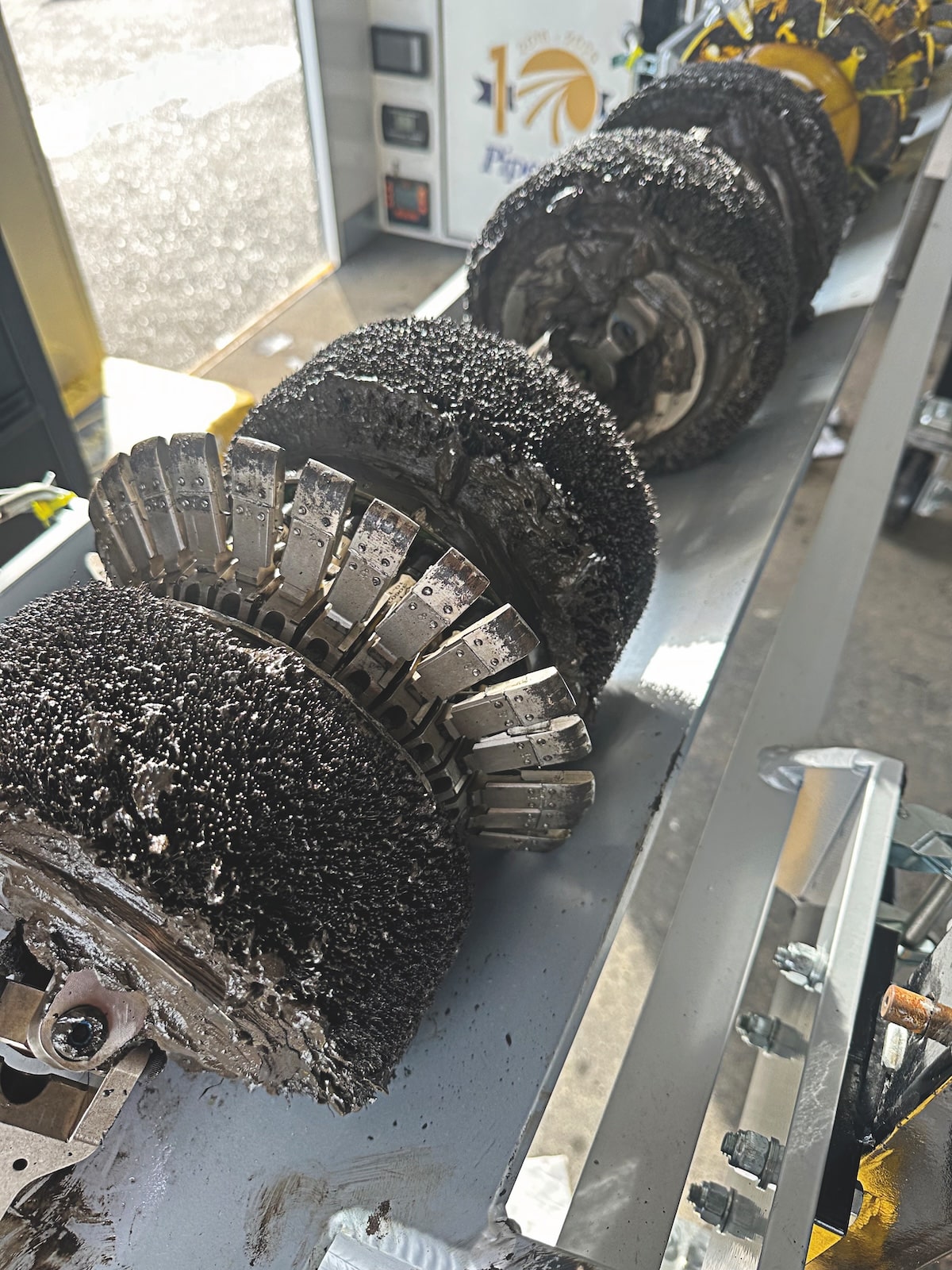
Pipeline inspection specialists warn that improper cleaning and debris left from pigging lead to poor inline inspection (ILI) results and likely reruns. The critical operational point is that inspection tools must operate within defined speed ranges and excessive debris can invalidate a run. Watch whether contractors start providing pigging logs and formal debris metrics as standard handover evidence
Buyer takeaway
Treat inspection readiness as a contract gate: require pigging logs and debris metrics in RFQs so suppliers bear the cost of failed runs
Cost / money
Reruns and re-clean work lead to material change orders and contingency spend if not controlled contractually
Supplier / commercial
Inspection and cleaning service providers can charge premium mobilization fees when readiness is unclear; clear acceptance gates reduce that leverage
Safety / operations
Proper cleaning reduces the risk of tool stalls and missed defects that can create integrity and safety remediation work later
What to watch
Watch for suppliers claiming readiness without logs; require objective evidence before tool runs are accepted
Key facts
- Inline inspection quality depends on defined tool speed ranges
- Debris volume returned during pigging is a primary readiness indicator
- Pipe Tek combines turnkey cleaning and advanced ILI tech to improve outcomes
Source excerpts
“If cleaning pigs can’t travel smoothly, an ILI tool is unlikely to perform optimally,” said Brannelly
“Consistent speed during preparation runs is one of the strongest indicators of inspection readiness. ” Pressure fluctuations during pigging are often a result of partial blockages or debris in front of the tool
When speaking with asset owners, or even when brought in to clean up after an inspection has failed, the first thing we look at is the cleaning schedule