Projects (EPC/EPCM & Construction) · Australia (Perth)

Secure Lifecycle Contracts for Dust Control and Energy Storage FEED

Published Apr 29, 2026, 6:03 AM AWSTAPACFull category signal
Ask AI
Engineering reliability into dust control

In 60 seconds

Top move

Nederman MikroPul’s Australia footprint is a real operational demand signal: engineered baghouse systems are sold with long-life maintenance and spare‑parts programmes, so treat dust control as lifecycle procurement not a one-off equipment buy

Key takeaways

  • Nederman MikroPul’s Australia footprint is a real operational demand signal: engineered baghouse systems are sold with long-life maintenance and spare‑parts programmes, so treat dust control as lifecycle procurement not a one-off equipment buy.
  • Because these dust-collection systems are commonly designed for continuous-process sites with 20–30 year lifespans, expect suppliers to push bundled service, spare‑parts and mobilisation terms that can constrain future sourcing flexibility.
  • EnergyPathways launching FEED for offshore compressed-air energy storage creates a FEED-to-EPC contracting lane for long-lead turbomachinery and subsea works; evidence is early and largely UK/Europe‑focused so treat APAC relevance as watchable rather than immediate.[1]
  • Practically, specifying performance for continuous operations reduces downtime risk but raises upfront capex and recurring managed‑service fees; budgets and sourcing strategies should reflect that shift.
  • For FEED-stage projects like offshore CAES, lockable engineering scopes and early equipment reservations are likely—watch FEED contract language that transfers long‑lead and interface risk to buyers as the project moves to EPC.[1]

What changed since last run

  • Shift from prior brief’s drilling and mobilisation focus in Australia to site-level engineering and long-life equipment procurement (dust control) and an emerging FEED programme in offshore energy storage; fewer fresh...

Key facts

  • Local operations in Australia since 1972
  • Equipment lifespans commonly 20–30 years
  • Company-reported order intake exceeding $800 million in 2025
  • FEED funded with GBP 15 million financing agreement
  • Planned power capacity of 300 MW and energy storage of 55.2 GWh
  • Final Investment Decision planned for 2028 (FEED-to-FID pathway)

Why it matters

Nederman MikroPul’s Australia footprint is a real operational demand signal: engineered baghouse systems are sold with long-life maintenance and spare‑parts programmes, so treat dust control as lifecycle procurement not a one-off equipment buy. Because these dust-collection systems are commonly designed for continuous-process sites with 20–30 year lifespans, expect suppliers to push bundled service, spare‑parts and mobilisation terms that can constrain future sourcing flexibility. EnergyPathways launching FEED for offshore compressed-air energy storage creates a FEED-to-EPC contracting lane for long-lead turbomachinery and subsea works; evidence is early and largely UK/Europe‑focused so treat APAC relevance as watchable rather than immediate. Practically, specifying performance for continuous operations reduces downtime risk but raises upfront capex and recurring managed‑service fees; budgets and sourcing strategies should reflect that shift

Cost / money

  • Specifying engineered baghouse systems and wrapping them with multi‑year maintenance moves spend from discrete capex replacement cycles into larger upfront capex plus predictable OPEX managed by suppliers.
  • FEED work for offshore CAES locks professional-services spend in the near term and creates staged procurement spend for later EPC and long‑lead equipment (compressors, turbomachinery), which can concentrate supplier pricing power ahead of construction phases.[1]

Supplier / commercial

  • Local vendors with Australian engineering and service footprints (e.g., Nederman MikroPul) can commercialise by offering bundled supply+service contracts and may shorten quote validity for mobilisation-critical spares and maintenance.
  • FEED contractors and specialist equipment suppliers for CAES will seek staged commercial positions (FEED-to-EPC options); preserve competitive tension through staged awards or multiple prequalified vendors.[1]

Safety / operations

  • Properly engineered dust-control reduces regulatory exposure and process interruptions on continuous‑process sites; poor selection or service gaps can materially raise HSE and downtime risk.
  • Long-lived filtration assets require formal supplier training handovers, documented maintenance regimes and spare‑parts provisioning to sustain HSE readiness over decades.
  • Offshore CAES integration introduces new HSE and emergency-response interfaces between wind farm operators and subsea storage systems; FEED must document HSE responsibility boundaries even where APAC deployment remains uncertain.[1]

What to watch

  • Early-signal: vendors may bundle long warranties and service commitments to lock buyers into single-supplier ecosystems with premium spare‑parts pricing—verify modularity, right-to-source spares, and exit mechanics before signing multi‑year deals.

Top stories

Story 1Australian MiningApr 28, 2026

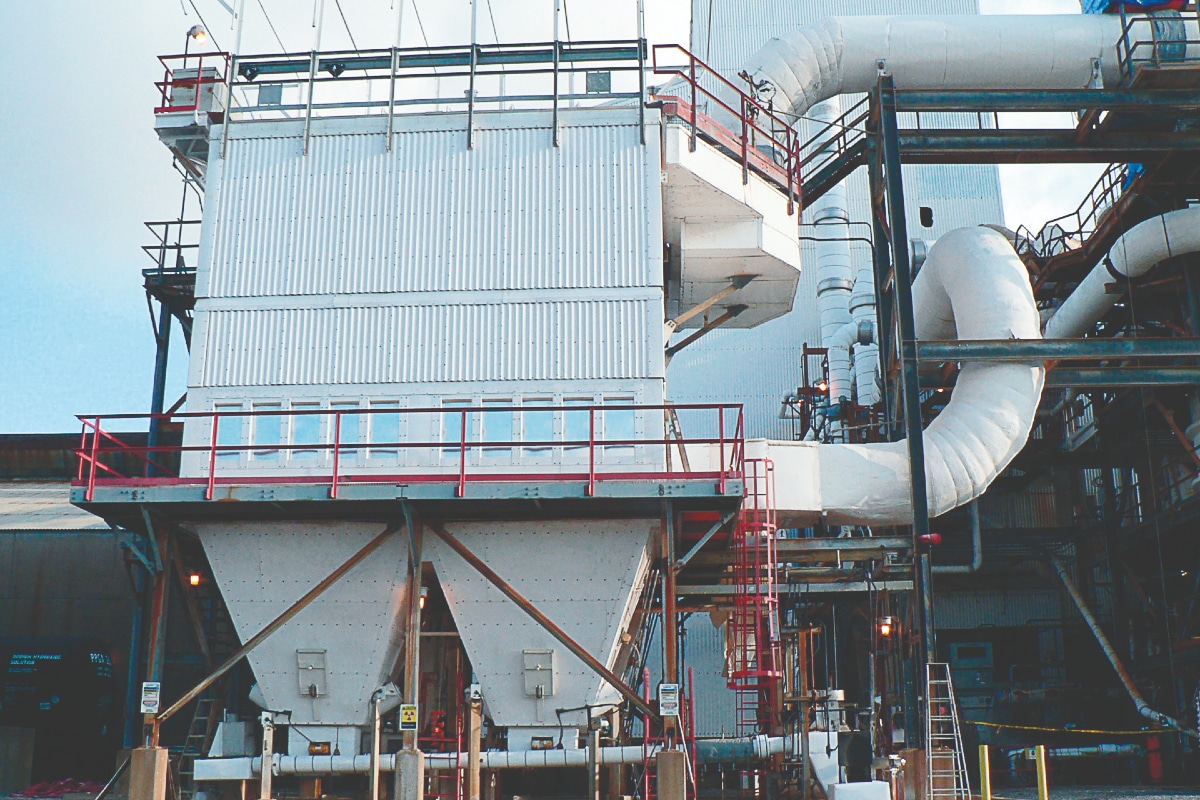
Engineering reliability into dust control

Signal strongSource-grounded

What happened

Nederman MikroPul highlighted engineered baghouse dust collectors and emphasised decades of local operations in Australia. The article notes these systems are built for continuous‑process environments with common lifespans of 20–30 years and are sold with maintenance and spare‑parts programmes. Watch whether suppliers begin packaging supply, installation and long‑term servicing into single bundled offers that constrain buyer sourcing options

Buyer takeaway

Treat dust-control purchases as long‑life asset programmes with attached service and spare‑parts obligations; early contracting choices will drive decades of availability and cost

Cost / money

Directional: engineered systems increase upfront capex and shift recurring costs into supplier-managed service contracts rather than frequent replacement cycles

Supplier / commercial

Vendors with local engineering and service footprints can press bundled terms and shorten quote validity for mobilisation-critical items; insist on modular scopes and spare‑parts access

Safety / operations

Designed for continuous operations, correctly specified systems lower downtime and regulatory risk; maintenance and training handovers are operationally critical

What to watch

Watch for bundled lifecycle offers that limit buyer rights to source spares or require long notice periods for service — validate modularity before award

Key facts

  • Local operations in Australia since 1972
  • Equipment lifespans commonly 20–30 years
  • Company-reported order intake exceeding $800 million in 2025

Source excerpts

This model is complemented by ongoing maintenance, spare parts and service contracts, ensuring systems continue to perform over the long term
Nederman MikroPul’s offering extends beyond equipment supply to include engineering, installation, commissioning and after-market support
” This reliability is particularly valued in mining, where dust collection systems often operate in continuous process applications
Story 2Offshore EnergyApr 28, 2026

EnergyPathways launches offshore wind-linked compressed air energy storage project

Signal moderateSource-grounded

What happened

EnergyPathways has launched FEED for an offshore compressed-air energy storage (CAES) project linked to offshore wind and funded the FEED phase with a GBP 15 million agreement. The project targets a power capacity of 300 MW with about 55.2 GWh of storage and plans FID in 2028; this makes FEED commercialisation meaningful for long‑lead equipment and interface engineering. Watch FEED contract language for how risk on long‑lead turbomachinery and subsea integration will be allocated between FEED, EPC and equipment suppliers

Buyer takeaway

FEED participation and contract terms define early access to long‑lead equipment and interface scope; decide whether to secure options or remain purely advisory

Cost / money

FEED-based commitments concentrate professional fees and create the potential need to reserve long‑lead equipment early, which can shift pricing and availability risk onto buyers

Supplier / commercial

FEED contractors and equipment vendors may package options for future EPC work; use staged award strategies to maintain competition for major long‑lead items

Safety / operations

Offshore CAES introduces subsea storage and turbine interfaces that require FEED-level HSE integration with wind operators and emergency-response planning

What to watch

Moderate relevance to APAC today: project is UK/Irish Sea focused, but FEED contractual patterns (long‑lead reservations, staged awards) are transportable lessons for future APAC projects

Key facts

  • FEED funded with GBP 15 million financing agreement
  • Planned power capacity of 300 MW and energy storage of 55.2 GWh
  • Final Investment Decision planned for 2028 (FEED-to-FID pathway)

Source excerpts

The FEED phase of the project follows pre-FEED studies carried out with Siemens Energy, which have confirmed the project’s economic viability, EnergyPathways said. The FEED phase is being funded through a GBP 15 million (around €17 million) financing agreement with a global institutional investor
Home Wind Farms EnergyPathways launches offshore wind-linked compressed air energy storage project April 28, 2026, by EnergyPathways has launched front end engineering and design (FEED) for its compressed air energy storage (CAES) project in the East Irish Sea, part of the wider MESH energy development, with the facility designed to store surplus electricity from offshore wind farms and the UK grid
The FEED phase of the project follows pre-FEED studies carried out with Siemens Energy, which have confirmed the project’s economic viability, EnergyPathways said

VP Snapshot

Executive Risk & Action View

Nederman MikroPul’s Australia footprint is a real operational demand signal: engineered baghouse systems are sold with long-life maintenance and spare‑parts programmes, so treat dust control as lifecycle procurement not a one-off equipment buy.

Overall
69
Cost
61
Supply
43
Schedule
20
Compliance
15

Top signals

30-180dcost

Signal 1: Cost / money

Specifying engineered baghouse systems and wrapping them with multi‑year maintenance moves spend from discrete capex replacement cycles into larger upfront capex plus predictable OPEX managed by suppliers.

Signal 2: Cost / money

FEED work for offshore CAES locks professional-services spend in the near term and creates staged procurement spend for later EPC and long‑lead equipment (compressors, turbomachinery), which can concentrate supplier pricing power ahead of construction phases.

30-180dsupply

Signal 3: Supplier / commercial

Local vendors with Australian engineering and service footprints (e.g., Nederman MikroPul) can commercialise by offering bundled supply+service contracts and may shorten quote validity for mobilisation-critical spares and maintenance.

30-180dcommercial

Signal 4: Supplier / commercial

FEED contractors and specialist equipment suppliers for CAES will seek staged commercial positions (FEED-to-EPC options); preserve competitive tension through staged awards or multiple prequalified vendors.

30-180dsupplier

Signal 5: Safety / operations

Properly engineered dust-control reduces regulatory exposure and process interruptions on continuous‑process sites; poor selection or service gaps can materially raise HSE and downtime risk.

Signal 6: Safety / operations

Long-lived filtration assets require formal supplier training handovers, documented maintenance regimes and spare‑parts provisioning to sustain HSE readiness over decades.

Recommended actions

CategoryDue 3d

Map active sites where engineered dust-control scopes intersect with existing supplier commitments and identify single‑source spare‑parts dependencies.

Site-level register of dust-control equipment, incumbent suppliers, and single‑source spare dependencies to inform sourcing strategy

ContractsDue 21d

Update RFQ and SOW templates to split supply, installation and multi‑year service (including spares and maintenance) so bids can be assessed modularly.

Procurement templates that accept separate bids for equipment, installation and ongoing services, enabling modular award options

CategoryDue 21d

Run a prequalification sweep of dust-control OEMs, maintenance providers and specialist service partners to capture lead times, local spare stocks and service SLAs.

Shortlist of prequalified vendors with documented lead times, spare availability and escalation contacts for mobilisation planning

ContractsDue 60d

Negotiate framework agreements that define uptime SLAs, spare‑parts pricing mechanics, and liability for monitoring or connected systems.

Framework agreements with clear SLA triggers, spare‑parts price mechanisms and vendor responsibilities for monitoring platforms

CategoryDue 60d

Assess opportunities to engage on FEED packages for offshore energy storage (e.g., turbomachinery, subsea interfaces) and define participation criteria for APAC suppliers.

Decision memo outlining which FEED packages to pursue, with preferred local supplier candidates and gating criteria for participation

Risk register

RiskTriggerMitigation
Early-signal: vendors may bundle long warranties and service commitments to lock buyers into single-supplier ecosystems with premium spare‑parts pricing—verify modularity, right-to-source spares, and exit mechanics before signing multi‑year deals.Early-signal: vendors may bundle long warranties and service commitments to lock buyers into single-supplier ecosystems with premium spare‑parts pricing—verify modularity, right-to-source spares, and exit mechanics before signing multi‑year deals.Confirm exposure with category, contracts, and operations before the next supplier commitment.

CM Snapshot

Category Manager Decision Detail

Today's priorities

Map active sites where engineered dust-control scopes intersect with existing supplier commitments and identify single‑source spare‑parts dependencies.

because Nederman’s long‑life equipment and bundled service offers create lifecycle exposures that should be documented before new procurements proceed.

Due 3d

high

CM move

Use this as the immediate supplier or contract action to move before the next sourcing gate.

Update RFQ and SOW templates to split supply, installation and multi‑year service (including spares and maintenance) so bids can be assessed modularly.

because suppliers are packaging lifecycle services and splitting scopes preserves buyer leverage on pricing, SLAs and spare‑parts rights.

Due 21d

high

CM move

Use this as the immediate supplier or contract action to move before the next sourcing gate.

Run a prequalification sweep of dust-control OEMs, maintenance providers and specialist service partners to capture lead times, local spare stocks and service SLAs.

because local engineering and maintenance capacity determines mobilisation speed and ongoing operational availability for continuous‑process sites.

Due 21d

high

CM move

Use this as the immediate supplier or contract action to move before the next sourcing gate.

Negotiate framework agreements that define uptime SLAs, spare‑parts pricing mechanics, and liability for monitoring or connected systems.

because long‑lived assets and any connected monitoring introduce uptime and cyber responsibilities that are best codified before multi‑year service spend accrues.

Due 60d

high

CM move

Use this as the immediate supplier or contract action to move before the next sourcing gate.

Supplier radar

Australian Mining

high

Observed supplier signal

Local vendors with Australian engineering and service footprints (e.g., Nederman MikroPul) can commercialise by offering bundled supply+service contracts and may shorten quote validity for mobilisation-critical spares and maintenance.

Commercial implication

Local vendors with Australian engineering and service footprints (e.g., Nederman MikroPul) can commercialise by offering bundled supply+service contracts and may shorten quote validity for mobilisation-critical spares and maintenance.

Next step: Validate the source-backed signal with incumbents and alternates before the next award or pricing decision.

Offshore Energy

high

Observed supplier signal

FEED contractors and specialist equipment suppliers for CAES will seek staged commercial positions (FEED-to-EPC options); preserve competitive tension through staged awards or multiple prequalified vendors.

Commercial implication

FEED contractors and specialist equipment suppliers for CAES will seek staged commercial positions (FEED-to-EPC options); preserve competitive tension through staged awards or multiple prequalified vendors.

Next step: Validate the source-backed signal with incumbents and alternates before the next award or pricing decision.

Negotiation levers

Map active sites where engineered dust-control scopes intersect with existing supplier commitments and identify single‑source spare‑parts dependencies.

When to use: because Nederman’s long‑life equipment and bundled service offers create lifecycle exposures that should be documented before new procurements proceed.

Expected outcome: Site-level register of dust-control equipment, incumbent suppliers, and single‑source spare dependencies to inform sourcing strategy

Commercial mechanism to carry into the next supplier conversation

Update RFQ and SOW templates to split supply, installation and multi‑year service (including spares and maintenance) so bids can be assessed modularly.

When to use: because suppliers are packaging lifecycle services and splitting scopes preserves buyer leverage on pricing, SLAs and spare‑parts rights.

Expected outcome: Procurement templates that accept separate bids for equipment, installation and ongoing services, enabling modular award options

Commercial mechanism to carry into the next supplier conversation

Run a prequalification sweep of dust-control OEMs, maintenance providers and specialist service partners to capture lead times, local spare stocks and service SLAs.

When to use: because local engineering and maintenance capacity determines mobilisation speed and ongoing operational availability for continuous‑process sites.

Expected outcome: Shortlist of prequalified vendors with documented lead times, spare availability and escalation contacts for mobilisation planning

Commercial mechanism to carry into the next supplier conversation

Negotiate framework agreements that define uptime SLAs, spare‑parts pricing mechanics, and liability for monitoring or connected systems.

When to use: because long‑lived assets and any connected monitoring introduce uptime and cyber responsibilities that are best codified before multi‑year service spend accrues.

Expected outcome: Framework agreements with clear SLA triggers, spare‑parts price mechanisms and vendor responsibilities for monitoring platforms

Commercial mechanism to carry into the next supplier conversation

Talking points

Nederman MikroPul’s Australia footprint is a real operational demand signal: engineered baghouse systems are sold with long-life maintenance and spare‑parts programmes, so treat dust control as lifecycle procurement not a one-off equipment buy.
Because these dust-collection systems are commonly designed for continuous-process sites with 20–30 year lifespans, expect suppliers to push bundled service, spare‑parts and mobilisation terms that can constrain future sourcing flexibility.
EnergyPathways launching FEED for offshore compressed-air energy storage creates a FEED-to-EPC contracting lane for long-lead turbomachinery and subsea works; evidence is early and largely UK/Europe‑focused so treat APAC relevance as watchable rather than immediate.
Practically, specifying performance for continuous operations reduces downtime risk but raises upfront capex and recurring managed‑service fees; budgets and sourcing strategies should reflect that shift.

Supplier radar

SupplierSignalImplicationNext stepConfidence
Australian MiningLocal vendors with Australian engineering and service footprints (e.g., Nederman MikroPul) can commercialise by offering bundled supply+service contracts and may shorten quote validity for mobilisation-critical spares and maintenance.Local vendors with Australian engineering and service footprints (e.g., Nederman MikroPul) can commercialise by offering bundled supply+service contracts and may shorten quote validity for mobilisation-critical spares and maintenance.Validate the source-backed signal with incumbents and alternates before the next award or pricing decision.high
Offshore EnergyFEED contractors and specialist equipment suppliers for CAES will seek staged commercial positions (FEED-to-EPC options); preserve competitive tension through staged awards or multiple prequalified vendors.FEED contractors and specialist equipment suppliers for CAES will seek staged commercial positions (FEED-to-EPC options); preserve competitive tension through staged awards or multiple prequalified vendors.Validate the source-backed signal with incumbents and alternates before the next award or pricing decision.high

Negotiation levers

  • Map active sites where engineered dust-control scopes intersect with existing supplier commitments and identify single‑source spare‑parts dependencies.because Nederman’s long‑life equipment and bundled service offers create lifecycle exposures that should be documented before new procurements proceed.Site-level register of dust-control equipment, incumbent suppliers, and single‑source spare dependencies to inform sourcing strategy

    high confidence

  • Update RFQ and SOW templates to split supply, installation and multi‑year service (including spares and maintenance) so bids can be assessed modularly.because suppliers are packaging lifecycle services and splitting scopes preserves buyer leverage on pricing, SLAs and spare‑parts rights.Procurement templates that accept separate bids for equipment, installation and ongoing services, enabling modular award options

    high confidence

  • Run a prequalification sweep of dust-control OEMs, maintenance providers and specialist service partners to capture lead times, local spare stocks and service SLAs.because local engineering and maintenance capacity determines mobilisation speed and ongoing operational availability for continuous‑process sites.Shortlist of prequalified vendors with documented lead times, spare availability and escalation contacts for mobilisation planning

    high confidence

  • Negotiate framework agreements that define uptime SLAs, spare‑parts pricing mechanics, and liability for monitoring or connected systems.because long‑lived assets and any connected monitoring introduce uptime and cyber responsibilities that are best codified before multi‑year service spend accrues.Framework agreements with clear SLA triggers, spare‑parts price mechanisms and vendor responsibilities for monitoring platforms

    high confidence

What to do / What to watch

What to do now

  • Map active sites where engineered dust-control scopes intersect with existing supplier commitments and identify single‑source spare‑parts dependencies.

    Why: because Nederman’s long‑life equipment and bundled service offers create lifecycle exposures that should be documented before new procurements proceed.

    Owner: Category

    Expected outcome: Site-level register of dust-control equipment, incumbent suppliers, and single‑source spare dependencies to inform sourcing strategy

Next few weeks

  • Update RFQ and SOW templates to split supply, installation and multi‑year service (including spares and maintenance) so bids can be assessed modularly.

    Why: because suppliers are packaging lifecycle services and splitting scopes preserves buyer leverage on pricing, SLAs and spare‑parts rights.

    Owner: Contracts

    Expected outcome: Procurement templates that accept separate bids for equipment, installation and ongoing services, enabling modular award options

  • Run a prequalification sweep of dust-control OEMs, maintenance providers and specialist service partners to capture lead times, local spare stocks and service SLAs.

    Why: because local engineering and maintenance capacity determines mobilisation speed and ongoing operational availability for continuous‑process sites.

    Owner: Category

    Expected outcome: Shortlist of prequalified vendors with documented lead times, spare availability and escalation contacts for mobilisation planning

Longer view

  • Negotiate framework agreements that define uptime SLAs, spare‑parts pricing mechanics, and liability for monitoring or connected systems.

    Why: because long‑lived assets and any connected monitoring introduce uptime and cyber responsibilities that are best codified before multi‑year service spend accrues.

    Owner: Contracts

    Expected outcome: Framework agreements with clear SLA triggers, spare‑parts price mechanisms and vendor responsibilities for monitoring platforms

  • Assess opportunities to engage on FEED packages for offshore energy storage (e.g., turbomachinery, subsea interfaces) and define participation criteria for APAC suppliers.

    Why: because FEED-stage engagement can secure early supplier access to long‑lead items and preserve options for regional contractors as projects progress to EPC.

    Owner: Category

    Expected outcome: Decision memo outlining which FEED packages to pursue, with preferred local supplier candidates and gating criteria for participation

    [1]

What to watch

  • Early-signal: vendors may bundle long warranties and service commitments to lock buyers into single-supplier ecosystems with premium spare‑parts pricing—verify modularity, right-to-source spares, and exit mechanics before signing multi‑year deals
  • Early-signal: vendors may bundle long warranties and service commitments to lock buyers into single-supplier ecosystems with premium spare‑parts pricing—verify modularity, right-to-source spares, and exit mechanics before signing multi‑year deals.: Early-signal: vendors may bundle long warranties and service commitments to lock buyers into single-supplier ecosystems with premium spare‑parts pricing—verify modularity, right-to-source spares, and exit mechanics before signing multi‑year deals
  • Nederman MikroPul’s Australia footprint is a real operational demand signal: engineered baghouse systems are sold with long-life maintenance and spare‑parts programmes, so treat dust control as lifecycle procurement not a one-off equipment buy
  • Because these dust-collection systems are commonly designed for continuous-process sites with 20–30 year lifespans, expect suppliers to push bundled service, spare‑parts and mobilisation terms that can constrain future sourcing flexibility
  • EnergyPathways launching FEED for offshore compressed-air energy storage creates a FEED-to-EPC contracting lane for long-lead turbomachinery and subsea works; evidence is early and largely UK/Europe‑focused so treat APAC relevance as watchable rather than immediate
  • Practically, specifying performance for continuous operations reduces downtime risk but raises upfront capex and recurring managed‑service fees; budgets and sourcing strategies should reflect that shift

Market pulse

IndexLatestChangeAs of
Henry Hub Gas (NG)3.12 /MMBtu+0.00 (+0.00%)Apr 28, 2026, 10:08 PM
Cheniere (LNG) (LNG)185 +0.00 (+0.00%)Apr 28, 2026, 10:08 PM
Brent Crude (BRENT)74.89 /bbl+0.00 (+0.00%)Apr 28, 2026, 10:08 PM
Fluor Corp (FLR)42 +0.00 (+0.00%)Apr 28, 2026, 10:08 PM
KBR Inc (KBR)58 +0.00 (+0.00%)Apr 28, 2026, 10:08 PM
  • Fluor Corp: Engineering contractor capacity and margins affect availability and pricing for integrated dust-control and multi‑year service arrangements
  • KBR Inc: Specialist EPC firms’ bid pipelines and lead times influence the ability to absorb FEED-to-EPC workloads for energy storage and associated offshore interfaces

Sources

Inline citations jump here. Expand a source to read the excerpt, the AI interpretation, and the original link.

[1] EnergyPathways launches offshore wind-linked compressed air energy storage project

offshore-energy.biz · Apr 28, 2026

Expand

AI reading

EnergyPathways has launched FEED for an offshore compressed-air energy storage (CAES) project linked to offshore wind and funded the FEED phase with a GBP 15 million agreement. The project targets a power capacity of 300 MW with about 55.2 GWh of storage and plans FID in 2028; this makes FEED commercialisation meaningful for long‑lead equipment and interface engineering. Watch FEED contract language for how risk on long‑lead turbomachinery and subsea integration will be allocated between FEED, EPC and equipment suppliers

Buyer takeaway

FEED participation and contract terms define early access to long‑lead equipment and interface scope; decide whether to secure options or remain purely advisory

Cost / money

FEED-based commitments concentrate professional fees and create the potential need to reserve long‑lead equipment early, which can shift pricing and availability risk onto buyers

Supplier / commercial

FEED contractors and equipment vendors may package options for future EPC work; use staged award strategies to maintain competition for major long‑lead items

Safety / operations

Offshore CAES introduces subsea storage and turbine interfaces that require FEED-level HSE integration with wind operators and emergency-response planning

What to watch

Moderate relevance to APAC today: project is UK/Irish Sea focused, but FEED contractual patterns (long‑lead reservations, staged awards) are transportable lessons for future APAC projects

Key facts

  • FEED funded with GBP 15 million financing agreement
  • Planned power capacity of 300 MW and energy storage of 55.2 GWh
  • Final Investment Decision planned for 2028 (FEED-to-FID pathway)

Source excerpts

The FEED phase of the project follows pre-FEED studies carried out with Siemens Energy, which have confirmed the project’s economic viability, EnergyPathways said. The FEED phase is being funded through a GBP 15 million (around €17 million) financing agreement with a global institutional investor
Home Wind Farms EnergyPathways launches offshore wind-linked compressed air energy storage project April 28, 2026, by EnergyPathways has launched front end engineering and design (FEED) for its compressed air energy storage (CAES) project in the East Irish Sea, part of the wider MESH energy development, with the facility designed to store surplus electricity from offshore wind farms and the UK grid
The FEED phase of the project follows pre-FEED studies carried out with Siemens Energy, which have confirmed the project’s economic viability, EnergyPathways said

Used in this brief

  • Next quarter — Assess opportunities to engage on FEED packages for offshore energy storage (e.g., turbomachinery, subsea interfaces) and define participation criteria for APAC suppliers.. Rationale: because FEED-stage engagement can secure early supplier access to long‑lead items and preserve options for regional contractors as projects progress to EPC.. Owner: Category. KPI: Decision memo outlining which FEED packages to pursue, with preferred local supplier candidates and gating criteria for participation
  • Shift from prior brief’s drilling and mobilisation focus in Australia to site-level engineering and long-life equipment procurement (dust control) and an emerging FEED programme in offshore energy storage; fewer fresh
  • EnergyPathways has launched FEED for an offshore compressed-air energy storage (CAES) project linked to offshore wind and funded the FEED phase with a GBP 15 million agreement. The project targets a power capacity of 300 MW with about 55.2 GWh of storage and plans FID in 2028; this makes FEED commercialisation meaningful for long‑lead equipment and interface engineering. Watch FEED contract language for how risk on long‑lead turbomachinery and subsea integration will be allocated between FEED, EPC and equipment suppliers
Open original source

[2] Engineering reliability into dust control

australianmining.com.au · Apr 28, 2026

Expand

AI reading

Nederman MikroPul highlighted engineered baghouse dust collectors and emphasised decades of local operations in Australia. The article notes these systems are built for continuous‑process environments with common lifespans of 20–30 years and are sold with maintenance and spare‑parts programmes. Watch whether suppliers begin packaging supply, installation and long‑term servicing into single bundled offers that constrain buyer sourcing options

Buyer takeaway

Treat dust-control purchases as long‑life asset programmes with attached service and spare‑parts obligations; early contracting choices will drive decades of availability and cost

Cost / money

Directional: engineered systems increase upfront capex and shift recurring costs into supplier-managed service contracts rather than frequent replacement cycles

Supplier / commercial

Vendors with local engineering and service footprints can press bundled terms and shorten quote validity for mobilisation-critical items; insist on modular scopes and spare‑parts access

Safety / operations

Designed for continuous operations, correctly specified systems lower downtime and regulatory risk; maintenance and training handovers are operationally critical

What to watch

Watch for bundled lifecycle offers that limit buyer rights to source spares or require long notice periods for service — validate modularity before award

Key facts

  • Local operations in Australia since 1972
  • Equipment lifespans commonly 20–30 years
  • Company-reported order intake exceeding $800 million in 2025

Source excerpts

This model is complemented by ongoing maintenance, spare parts and service contracts, ensuring systems continue to perform over the long term
Nederman MikroPul’s offering extends beyond equipment supply to include engineering, installation, commissioning and after-market support
” This reliability is particularly valued in mining, where dust collection systems often operate in continuous process applications

Used in this brief

  • Nederman MikroPul’s Australia footprint is a real operational demand signal: engineered baghouse systems are sold with long-life maintenance and spare‑parts programmes, so treat dust control as lifecycle procurement not a one-off equipment buy. Because these dust-collection systems are commonly designed for continuous-process sites with 20–30 year lifespans, expect suppliers to push bundled service, spare‑parts and mobilisation terms that can constrain future sourcing flexibility. EnergyPathways launching FEED for offshore compressed-air energy storage creates a FEED-to-EPC contracting lane for long-lead turbomachinery and subsea works; evidence is early and largely UK/Europe‑focused so treat APAC relevance as watchable rather than immediate. Practically, specifying performance for continuous operations reduces downtime risk but raises upfront capex and recurring managed‑service fees; budgets and sourcing strategies should reflect that shift
  • Supplier / commercial: Local vendors with Australian engineering and service footprints (e.g., Nederman MikroPul) can commercialise by offering bundled supply+service contracts and may shorten quote validity for mobilisation-critical spares and maintenance
  • Safety / operations: Properly engineered dust-control reduces regulatory exposure and process interruptions on continuous‑process sites; poor selection or service gaps can materially raise HSE and downtime risk
Open original source

[3] Fluor Corp

finance.yahoo.com · n.d.

Expand

[4] KBR Inc

finance.yahoo.com · n.d.

Expand