Subsea, SURF & Offshore · Australia (Perth)

Reassess APAC SURF Supply Chains for Drilling, Cable, Bunkering Activity

Published Apr 29, 2026, 6:06 AM AWSTAPACFull category signal
Ask AI
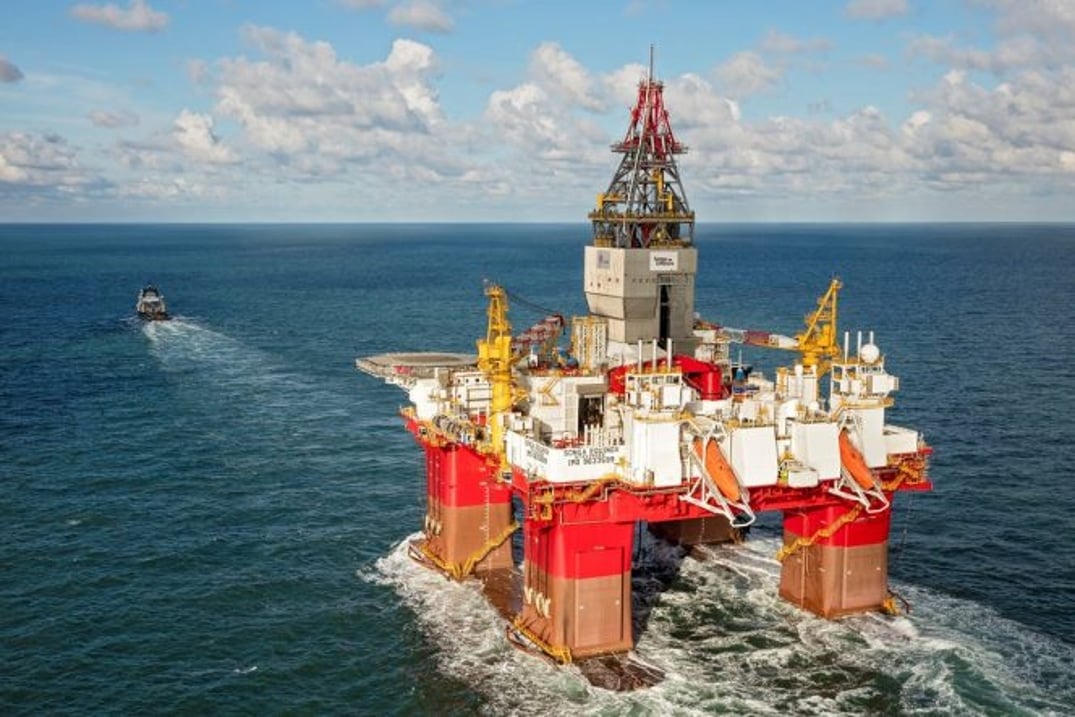
Transocean rig hard at work on Beach Energy’s second stage of Australian drilling campaign

In 60 seconds

Top move

Australian drilling campaign resumed with Transocean Equinox, creating real near-term demand for rig services, well‑intervention crews and supporting SURF logistics in Australian waters

Key takeaways

  • Australian drilling campaign resumed with Transocean Equinox, creating real near-term demand for rig services, well‑intervention crews and supporting SURF logistics in Australian waters.[1]
  • Taihan won a manufacture-and-install contract for high-voltage submarine cables and is reviewing additional cable-laying vessel capacity, which strengthens regional subsea cable supply but shifts installation scheduling dependencies to a single supplier.[2]
  • Watch whether the cited signal starts changing supplier availability, pricing posture, or execution timing.[3]
  • Beach Energy’s phase‑two program includes active well intervention work and planned plug-and-abandonment activity, which ties rig uptime to coordinated vessel, ROV and subsea support scopes.[1]
  • Taihan’s work is supported by local manufacturing and an acquired installation subsidiary, so buyers should expect shorter lead times for manufacture but stronger single‑supplier exposure on installation capacity.[2]

What changed since last run

  • Added: Ulsan Port completed a port-to-ship ammonia bunkering demo in Korea — a separate regional ammonia milestone beyond earlier Singapore trials.
  • Added: Beach Energy resumed its Australian phase-two drilling program with Transocean Equinox, increasing domestic rig and SURF support demand.
  • Added: Taihan awarded submarine cable manufacture and installation for a South Korean solar export project and is reviewing an additional cable-laying vessel, which changes local CLV capacity assumptions.

Key facts

  • Phase-two program in the Otway Basin
  • Three-week well intervention at Thylacine West
  • Includes plug-and-abandonment of Trefoil 1 and Yolla 1
  • Supply of 154 kV submarine cables and joints
  • Manufacturing at Dangjin Submarine Cable Plant 1
  • Subsidiary Taihan Ocean Works handling transport and installation; second plant and CLV plans

Why it matters

Australian drilling campaign resumed with Transocean Equinox, creating real near-term demand for rig services, well‑intervention crews and supporting SURF logistics in Australian waters. Taihan won a manufacture-and-install contract for high-voltage submarine cables and is reviewing additional cable-laying vessel capacity, which strengthens regional subsea cable supply but shifts installation scheduling dependencies to a single supplier. Watch whether the cited signal starts changing supplier availability, pricing posture, or execution timing. Beach Energy’s phase‑two program includes active well intervention work and planned plug-and-abandonment activity, which ties rig uptime to coordinated vessel, ROV and subsea support scopes

Cost / money

  • Drilling restart increases mobilization and vessel-support exposure in Australia; buyers may see shorter negotiation windows for mobilization services and chartering as schedules firm up.[1]
  • Taihan’s end-to-end supply (manufacture plus installation via its subsidiary) reduces import logistics cost risk but concentrates pricing leverage with one supplier for subsea cable delivery and installation.[2]

Supplier / commercial

  • Single-supplier installation risk for HV subsea cables shifts leverage toward Taihan on contract scope, lead times, and change-order terms during installation planning.[2]
  • Ammonia bunkering demonstrations create a new supplier category for alternative marine fuels; commercial terms will need explicit liability, certification and insurance pass-through between fuel supplier and vessel owners.[3]

Safety / operations

  • Ammonia port-to-ship bunkering requires robust emergency response, port coordination and HSE audits before accepting vessels for alternative-fuel operations; operational readiness will gate sailor and contractor access.[3]
  • Well interventions and plug-and-abandonment work increase uptime dependency on ROVs, dive teams and support vessels — any slippage in those scopes could cascade into rig standby costs and schedule compression.[1]

What to watch

  • Watch for single‑vendor chokepoints on cable installation capacity as Taihan scales production; limited CLV availability could move installation schedules and increase charter premiums.[2]
  • Monitor how local regulators and port authorities translate ammonia demo lessons into permit conditions and insurance requirements — new operational controls could increase prequalification hurdles for vessels.[3]

Top stories

Story 1Offshore EnergyApr 28, 2026

Transocean rig hard at work on Beach Energy’s second stage of Australian drilling campaign

Signal strongSource-grounded

What happened

Beach Energy restarted the second stage of its Australian drilling campaign using the Transocean Equinox rig, including a three-week well intervention at Thylacine West and planned plug-and-abandonment of legacy wells. The program links rig uptime to coordinated ROV, vessel and onshore logistics, making supplier mobilisation and shore-access constraints operationally material. Watch whether weather-related delays or local supply shortfalls force schedule changes that increase support‑vessel standby time

Buyer takeaway

Treat the campaign as a binding schedule: rig work compresses the timeline for contracting ROV, diving and PSV support, so prequalified providers and mobilisation terms matter now

Cost / money

Directionally increases short-term mobilization and potential standby costs if supporting scopes aren't pre-contracted or if weather forces delays

Supplier / commercial

Suppliers with available ROV/diving teams and PSVs gain leverage; buyers should lock SLAs and mobilisation windows to avoid premium change orders

Safety / operations

Interventions and P&A work raise HSE oversight needs and require verified permit and exclusion-zone procedures before mobilisation to avoid regulatory hold-ups

What to watch

Watch for local weather or road-access impacts that previously delayed some Australian campaigns; these can cascade into higher standby exposure

Key facts

  • Phase-two program in the Otway Basin
  • Three-week well intervention at Thylacine West
  • Includes plug-and-abandonment of Trefoil 1 and Yolla 1

Source excerpts

Home Fossil Energy Transocean rig hard at work on Beach Energy’s second stage of Australian drilling campaign April 28, 2026, by Australia’s oil and gas player Beach Energy has embarked on the next phase of its drilling program in Australian waters, which is being conducted by a rig owned by Transocean, an offshore drilling giant. Transocean Equinox, formerly Songa Equinox; Credit: ALP Maritime Months after wrapping up the first phase of its drilling campaign in the offshore Otway Basin with the Transocean Equi
However, drilling activities were delayed as of mid-February with severe rainfall impacting road access, impeding drilling activities for the remainder of the quarter
Fortunately, access has now been restored, and the campaign is once again underway
Story 2Offshore EnergyApr 28, 2026

Taihan to make and install submarine cables for South Korean solar power plants

Signal moderateDirectional

What happened

Taihan Cable & Solution won the contract to manufacture and install 154 kV submarine cables for a South Korean solar export project and will produce cables at its Dangjin plant while its installed subsidiary handles laying. The company is also expanding production capability and reviewing plans to secure an additional cable-laying vessel, which concentrates installation control with one supplier and affects scheduling choices. Buyers should watch CLV availability and staged delivery commitments as procurement levers

Buyer takeaway

Expect shorter lead times for cable manufacture but plan for concentrated installation risk; insert milestone payments and mobilisation SLAs into agreements

Cost / money

May lower import and logistics costs for cable supply but risks higher installation premiums if CLV availability becomes constrained

Supplier / commercial

Taihan’s integrated scope strengthens its negotiating position on installation terms and change orders during offshore operations

Safety / operations

Installation is an uptime dependency — delays in CLV scheduling or weather can force contingency charters and extend project windows

What to watch

Limited independent installation alternatives in-region could push buyers into longer-term framework agreements or contingent charter commitments

Key facts

  • Supply of 154 kV submarine cables and joints
  • Manufacturing at Dangjin Submarine Cable Plant 1
  • Subsidiary Taihan Ocean Works handling transport and installation; second plant and CLV plans

Source excerpts

Source: Taihan Taihan will supply the 154 kV cables, joints, and all related materials, as well as provide the installation to EPC contractor Topsolar Group for a project in Sinan County, designed to transmit electricity generated by the Bigeum solar power plant and the Dogo floating solar power plant to the Anjwa substation. The cables will be manufactured at the firm’s Submarine Cable Plant 1 in Dangjin, while its specialized submarine cable installation subsidiary, Taihan Ocean Works, acquired in July 2025
The cables will be manufactured at the firm’s Submarine Cable Plant 1 in Dangjin, while its specialized submarine cable installation subsidiary, Taihan Ocean Works, acquired in July 2025, is in charge of the transportation and cable laying
Based on our proven technological expertise and installation capabilities, we will continue to strengthen our position in the global submarine cable market as a total solution provider,” Taihan said. Related Article In addition to the current construction of its second submarine cable plant, which will be capable of producing 640 kV HVDC submarine cables, Taihan revealed it was also reviewing plans to secure an additional cable-laying vessel (CLV)
Story 3Offshore EnergyApr 28, 2026

World’s first ammonia port-to-ship bunkering for dual-fuel gas carrier wraps up in Korea

Signal strongSource-grounded

What happened

Ammonia port-to-ship bunkering ops; Courtesy of Ulsan Port Authority This achievement was accomplished at Ulsan Port on April 23, 2026, adding to earlier milestones, including the world’s first methanol bunkering demonstration (2023–2026) and simultaneous LNG bunkering operations for car carriers. With this latest development, Ulsan Port is said to have demonstrated ammonia bunkering for a commercial vessel via port-to-ship (PTS) operations for the first time in the world, reinforcing its position as a green marine

Buyer takeaway

Treat ammonia as an emerging procurement consideration: suppliers will request explicit fuel-handling, certification and liability terms before accepting project scopes

Cost / money

Introduces potential incremental costs for specialised bunkering, safety equipment, training and insurance pass-throughs

Supplier / commercial

Fuel suppliers and ports that demonstrate safe operations gain early commercial advantage and may require tighter payment and liability terms

Safety / operations

Ammonia handling raises HSE and emergency-response dependencies; operations must validate port firefighting, gas-detection and crew training before acceptance

What to watch

Regulatory and insurer acceptance remains a gating factor — commercial bunkering scale-up is not guaranteed and may stay demonstration-driven in the near term

Key facts

  • Port-to-ship ammonia bunkering demonstration at Ulsan Port
  • Operation carried out with port and emergency services coordination

Source excerpts

With this latest development, Ulsan Port is said to have demonstrated ammonia bunkering for a commercial vessel via port-to-ship (PTS) operations for the first time in the world, reinforcing its position as a green marine fuel supply hub
Ammonia port-to-ship bunkering ops; Courtesy of Ulsan Port Authority This achievement was accomplished at Ulsan Port on April 23, 2026, adding to earlier milestones, including the world’s first methanol bunkering demonstration (2023–2026) and simultaneous LNG bunkering operations for car carriers. With this latest development, Ulsan Port is said to have demonstrated ammonia bunkering for a commercial vessel via port-to-ship (PTS) operations for the first time in the world, reinforcing its position as a green m
We are committed to spearheading sustainable marine fuel bunkering and strengthening Ulsan Port’s position as a trusted global hub. ” Ammonia port-to-ship bunkering ops; Courtesy of Ulsan Port Authority After UPA signed a memorandum of understanding (MoU) in January 2024 to promote the ammonia bunkering industry, it worked closely with key stakeholders across the ammonia value chain, including Korean Register (KR), Lotte Fine Chemical, HD Hyundai Heavy Industries, and HMM, covering policy and regulation, port i

VP Snapshot

Executive Risk & Action View

Australian drilling campaign resumed with Transocean Equinox, creating real near-term demand for rig services, well‑intervention crews and supporting SURF logistics in Australian waters.

Overall
60
Cost
61
Supply
43
Schedule
38
Compliance
35

Top signals

30-180dcost

Signal 1: Cost / money

Drilling restart increases mobilization and vessel-support exposure in Australia; buyers may see shorter negotiation windows for mobilization services and chartering as schedules firm up.

Signal 2: Cost / money

Taihan’s end-to-end supply (manufacture plus installation via its subsidiary) reduces import logistics cost risk but concentrates pricing leverage with one supplier for subsea cable delivery and installation.

30-180dcommercial

Signal 3: Supplier / commercial

Single-supplier installation risk for HV subsea cables shifts leverage toward Taihan on contract scope, lead times, and change-order terms during installation planning.

Signal 4: Supplier / commercial

Ammonia bunkering demonstrations create a new supplier category for alternative marine fuels; commercial terms will need explicit liability, certification and insurance pass-through between fuel supplier and vessel owners.

30-180dsupplier

Signal 5: Safety / operations

Ammonia port-to-ship bunkering requires robust emergency response, port coordination and HSE audits before accepting vessels for alternative-fuel operations; operational readiness will gate sailor and contractor access.

30-180dschedule

Signal 6: Safety / operations

Well interventions and plug-and-abandonment work increase uptime dependency on ROVs, dive teams and support vessels — any slippage in those scopes could cascade into rig standby costs and schedule compression.

Recommended actions

CategoryDue 3d

Map current internal project packages that will touch the Transocean Equinox program and flag dependencies on ROV, diving and PSV support.

Shortlist of projects with support dependencies and an immediate mobilisation readiness note for upstream planners.

ContractsDue 21d

Ask Contracts to draft cable-installation framework terms that include staged milestones, mobilisation SLAs, and change-order pricing triggers for the Taihan scope.

Framework terms ready to propose that constrain single-supplier schedule risk and define commercial remedies for delays.

OpsDue 21d

Work with Ops to update bunkering prequalification requirements to include ammonia-specific HSE audits, port coordination checks and insurance confirmation for vessels identifie...

Updated vessel prequalification checklist and a list of required HSE evidence to accept ammonia-capable vessels on projects.

CategoryDue 60d

Run a supplier-capacity review for CLV and heavy‑lift installation vessels in APAC, and develop a contingency shortlist for third‑party charters or staged installation windows.

Capacity map and contingency shortlist to support negotiation and scheduling decisions for subsea cable installs.

LegalDue 60d

Engage Legal to draft fuel-supply and liability clauses for alternative-fuel bunkering that specify certification, emergency response responsibilities and insurance pass-through.

Contract clause bank for alternative fuels that can be inserted into RFQs and charter agreements.

Risk register

RiskTriggerMitigation
Watch for single‑vendor chokepoints on cable installation capacity as Taihan scales production; limited CLV availability could move installation schedules and increase charter premiums.Watch for single‑vendor chokepoints on cable installation capacity as Taihan scales production; limited CLV availability could move installation schedules and increase charter premiums.Confirm exposure with category, contracts, and operations before the next supplier commitment.
Monitor how local regulators and port authorities translate ammonia demo lessons into permit conditions and insurance requirements — new operational controls could increase prequalification hurdles for vessels.Monitor how local regulators and port authorities translate ammonia demo lessons into permit conditions and insurance requirements — new operational controls could increase prequalification hurdles for vessels.Confirm exposure with category, contracts, and operations before the next supplier commitment.

CM Snapshot

Category Manager Decision Detail

Today's priorities

Map current internal project packages that will touch the Transocean Equinox program and flag dependencies on ROV, diving and PSV support.

Do this because the resumed Australian drilling campaign creates near-term mobilization windows and downtime risk if supporting scopes are not pre-aligned.

Due 3d

high

CM move

Use this as the immediate supplier or contract action to move before the next sourcing gate.

Ask Contracts to draft cable-installation framework terms that include staged milestones, mobilisation SLAs, and change-order pricing triggers for the Taihan scope.

Do this because Taihan’s manufacture-plus-install model centralises installation risk and buyers need contract levers to manage timing and cost pass-through.

Due 21d

high

CM move

Use this as the immediate supplier or contract action to move before the next sourcing gate.

Work with Ops to update bunkering prequalification requirements to include ammonia-specific HSE audits, port coordination checks and insurance confirmation for vessels identifie...

Do this because Ulsan’s PTS ammonia demo signals regional readiness and operators will increasingly ask vendors to meet new fuel-handling and safety standards.

Due 21d

high

CM move

Use this as the immediate supplier or contract action to move before the next sourcing gate.

Run a supplier-capacity review for CLV and heavy‑lift installation vessels in APAC, and develop a contingency shortlist for third‑party charters or staged installation windows.

Do this because Taihan’s expanded manufacturing and potential CLV acquisition could tighten installation windows and create charter premiums if demand clusters.

Due 60d

high

CM move

Use this as the immediate supplier or contract action to move before the next sourcing gate.

Supplier radar

Offshore Energy

high

Observed supplier signal

Single-supplier installation risk for HV subsea cables shifts leverage toward Taihan on contract scope, lead times, and change-order terms during installation planning.

Commercial implication

Single-supplier installation risk for HV subsea cables shifts leverage toward Taihan on contract scope, lead times, and change-order terms during installation planning.

Next step: Validate the source-backed signal with incumbents and alternates before the next award or pricing decision.

Offshore Energy

high

Observed supplier signal

Ammonia bunkering demonstrations create a new supplier category for alternative marine fuels; commercial terms will need explicit liability, certification and insurance pass-through between fuel supplier and vessel owners.

Commercial implication

Ammonia bunkering demonstrations create a new supplier category for alternative marine fuels; commercial terms will need explicit liability, certification and insurance pass-through between fuel supplier and vessel owners.

Next step: Validate the source-backed signal with incumbents and alternates before the next award or pricing decision.

Negotiation levers

Map current internal project packages that will touch the Transocean Equinox program and flag dependencies on ROV, diving and PSV support.

When to use: Do this because the resumed Australian drilling campaign creates near-term mobilization windows and downtime risk if supporting scopes are not pre-aligned.

Expected outcome: Shortlist of projects with support dependencies and an immediate mobilisation readiness note for upstream planners.

Commercial mechanism to carry into the next supplier conversation

Ask Contracts to draft cable-installation framework terms that include staged milestones, mobilisation SLAs, and change-order pricing triggers for the Taihan scope.

When to use: Do this because Taihan’s manufacture-plus-install model centralises installation risk and buyers need contract levers to manage timing and cost pass-through.

Expected outcome: Framework terms ready to propose that constrain single-supplier schedule risk and define commercial remedies for delays.

Commercial mechanism to carry into the next supplier conversation

Work with Ops to update bunkering prequalification requirements to include ammonia-specific HSE audits, port coordination checks and insurance confirmation for vessels identifie...

When to use: Do this because Ulsan’s PTS ammonia demo signals regional readiness and operators will increasingly ask vendors to meet new fuel-handling and safety standards.

Expected outcome: Updated vessel prequalification checklist and a list of required HSE evidence to accept ammonia-capable vessels on projects.

Commercial mechanism to carry into the next supplier conversation

Run a supplier-capacity review for CLV and heavy‑lift installation vessels in APAC, and develop a contingency shortlist for third‑party charters or staged installation windows.

When to use: Do this because Taihan’s expanded manufacturing and potential CLV acquisition could tighten installation windows and create charter premiums if demand clusters.

Expected outcome: Capacity map and contingency shortlist to support negotiation and scheduling decisions for subsea cable installs.

Commercial mechanism to carry into the next supplier conversation

Talking points

Australian drilling campaign resumed with Transocean Equinox, creating real near-term demand for rig services, well‑intervention crews and supporting SURF logistics in Australian waters.
Taihan won a manufacture-and-install contract for high-voltage submarine cables and is reviewing additional cable-laying vessel capacity, which strengthens regional subsea cable supply but shifts installation scheduling dependencies to a single supplier.
Watch whether the cited signal starts changing supplier availability, pricing posture, or execution timing.
Beach Energy’s phase‑two program includes active well intervention work and planned plug-and-abandonment activity, which ties rig uptime to coordinated vessel, ROV and subsea support scopes.

Supplier radar

SupplierSignalImplicationNext stepConfidence
Offshore EnergySingle-supplier installation risk for HV subsea cables shifts leverage toward Taihan on contract scope, lead times, and change-order terms during installation planning.Single-supplier installation risk for HV subsea cables shifts leverage toward Taihan on contract scope, lead times, and change-order terms during installation planning.Validate the source-backed signal with incumbents and alternates before the next award or pricing decision.high
Offshore EnergyAmmonia bunkering demonstrations create a new supplier category for alternative marine fuels; commercial terms will need explicit liability, certification and insurance pass-through between fuel supplier and vessel owners.Ammonia bunkering demonstrations create a new supplier category for alternative marine fuels; commercial terms will need explicit liability, certification and insurance pass-through between fuel supplier and vessel owners.Validate the source-backed signal with incumbents and alternates before the next award or pricing decision.high

Negotiation levers

  • Map current internal project packages that will touch the Transocean Equinox program and flag dependencies on ROV, diving and PSV support.Do this because the resumed Australian drilling campaign creates near-term mobilization windows and downtime risk if supporting scopes are not pre-aligned.Shortlist of projects with support dependencies and an immediate mobilisation readiness note for upstream planners.

    high confidence

  • Ask Contracts to draft cable-installation framework terms that include staged milestones, mobilisation SLAs, and change-order pricing triggers for the Taihan scope.Do this because Taihan’s manufacture-plus-install model centralises installation risk and buyers need contract levers to manage timing and cost pass-through.Framework terms ready to propose that constrain single-supplier schedule risk and define commercial remedies for delays.

    high confidence

  • Work with Ops to update bunkering prequalification requirements to include ammonia-specific HSE audits, port coordination checks and insurance confirmation for vessels identifie...Do this because Ulsan’s PTS ammonia demo signals regional readiness and operators will increasingly ask vendors to meet new fuel-handling and safety standards.Updated vessel prequalification checklist and a list of required HSE evidence to accept ammonia-capable vessels on projects.

    high confidence

  • Run a supplier-capacity review for CLV and heavy‑lift installation vessels in APAC, and develop a contingency shortlist for third‑party charters or staged installation windows.Do this because Taihan’s expanded manufacturing and potential CLV acquisition could tighten installation windows and create charter premiums if demand clusters.Capacity map and contingency shortlist to support negotiation and scheduling decisions for subsea cable installs.

    high confidence

What to do / What to watch

What to do now

  • Map current internal project packages that will touch the Transocean Equinox program and flag dependencies on ROV, diving and PSV support.

    Why: Do this because the resumed Australian drilling campaign creates near-term mobilization windows and downtime risk if supporting scopes are not pre-aligned.

    Owner: Category

    Expected outcome: Shortlist of projects with support dependencies and an immediate mobilisation readiness note for upstream planners.

    [1]

Next few weeks

  • Ask Contracts to draft cable-installation framework terms that include staged milestones, mobilisation SLAs, and change-order pricing triggers for the Taihan scope.

    Why: Do this because Taihan’s manufacture-plus-install model centralises installation risk and buyers need contract levers to manage timing and cost pass-through.

    Owner: Contracts

    Expected outcome: Framework terms ready to propose that constrain single-supplier schedule risk and define commercial remedies for delays.

    [2]
  • Work with Ops to update bunkering prequalification requirements to include ammonia-specific HSE audits, port coordination checks and insurance confirmation for vessels identifie...

    Why: Do this because Ulsan’s PTS ammonia demo signals regional readiness and operators will increasingly ask vendors to meet new fuel-handling and safety standards.

    Owner: Ops

    Expected outcome: Updated vessel prequalification checklist and a list of required HSE evidence to accept ammonia-capable vessels on projects.

    [3]

Longer view

  • Run a supplier-capacity review for CLV and heavy‑lift installation vessels in APAC, and develop a contingency shortlist for third‑party charters or staged installation windows.

    Why: Do this because Taihan’s expanded manufacturing and potential CLV acquisition could tighten installation windows and create charter premiums if demand clusters.

    Owner: Category

    Expected outcome: Capacity map and contingency shortlist to support negotiation and scheduling decisions for subsea cable installs.

    [2]
  • Engage Legal to draft fuel-supply and liability clauses for alternative-fuel bunkering that specify certification, emergency response responsibilities and insurance pass-through.

    Why: Do this because ammonia bunkering introduces new hazards and commercial liabilities that must be explicitly allocated before contracting vessel or bunkering services.

    Owner: Legal

    Expected outcome: Contract clause bank for alternative fuels that can be inserted into RFQs and charter agreements.

    [3]

What to watch

  • Watch for single‑vendor chokepoints on cable installation capacity as Taihan scales production; limited CLV availability could move installation schedules and increase charter premiums
  • Monitor how local regulators and port authorities translate ammonia demo lessons into permit conditions and insurance requirements — new operational controls could increase prequalification hurdles for vessels
  • Watch for single‑vendor chokepoints on cable installation capacity as Taihan scales production; limited CLV availability could move installation schedules and increase charter premiums.: Watch for single‑vendor chokepoints on cable installation capacity as Taihan scales production; limited CLV availability could move installation schedules and increase charter premiums
  • Monitor how local regulators and port authorities translate ammonia demo lessons into permit conditions and insurance requirements — new operational controls could increase prequalification hurdles for vessels.: Monitor how local regulators and port authorities translate ammonia demo lessons into permit conditions and insurance requirements — new operational controls could increase prequalification hurdles for vessels
  • Australian drilling campaign resumed with Transocean Equinox, creating real near-term demand for rig services, well‑intervention crews and supporting SURF logistics in Australian waters
  • Taihan won a manufacture-and-install contract for high-voltage submarine cables and is reviewing additional cable-laying vessel capacity, which strengthens regional subsea cable supply but shifts installation scheduling dependencies to a single supplier
  • Watch whether the cited signal starts changing supplier availability, pricing posture, or execution timing
  • Beach Energy’s phase‑two program includes active well intervention work and planned plug-and-abandonment activity, which ties rig uptime to coordinated vessel, ROV and subsea support scopes

Market pulse

IndexLatestChangeAs of
WTI Crude (WTI)71.23 /bbl+0.00 (+0.00%)Apr 28, 2026, 10:09 PM
Brent Crude (BRENT)74.89 /bbl+0.00 (+0.00%)Apr 28, 2026, 10:09 PM
Natural Gas (NG)3.12 /MMBtu+0.00 (+0.00%)Apr 28, 2026, 10:09 PM
Dry Bulk Shipping (BDRY) (BDRY)0 +0.00 (+0.00%)Apr 28, 2026, 10:09 PM
WTI (Fuel) (WTI)71.23 /bbl+0.00 (+0.00%)Apr 28, 2026, 10:09 PM
TechnipFMC (FTI)22 +0.00 (+0.00%)Apr 28, 2026, 10:09 PM
  • Dry Bulk Shipping (BDRY): Dry-bulk and heavy-lift charter availability will influence CLV and cable-installation scheduling and charter premiums
  • WTI Crude: Fuel price movements affect standby and mobilization costs for rigs and support vessels, increasing the value of firm mobilisation SLAs

Sources

Inline citations jump here. Expand a source to read the excerpt, the AI interpretation, and the original link.

[1] Transocean rig hard at work on Beach Energy’s second stage of Australian drilling campaign

offshore-energy.biz · Apr 28, 2026

Expand

AI reading

Beach Energy restarted the second stage of its Australian drilling campaign using the Transocean Equinox rig, including a three-week well intervention at Thylacine West and planned plug-and-abandonment of legacy wells. The program links rig uptime to coordinated ROV, vessel and onshore logistics, making supplier mobilisation and shore-access constraints operationally material. Watch whether weather-related delays or local supply shortfalls force schedule changes that increase support‑vessel standby time

Buyer takeaway

Treat the campaign as a binding schedule: rig work compresses the timeline for contracting ROV, diving and PSV support, so prequalified providers and mobilisation terms matter now

Cost / money

Directionally increases short-term mobilization and potential standby costs if supporting scopes aren't pre-contracted or if weather forces delays

Supplier / commercial

Suppliers with available ROV/diving teams and PSVs gain leverage; buyers should lock SLAs and mobilisation windows to avoid premium change orders

Safety / operations

Interventions and P&A work raise HSE oversight needs and require verified permit and exclusion-zone procedures before mobilisation to avoid regulatory hold-ups

What to watch

Watch for local weather or road-access impacts that previously delayed some Australian campaigns; these can cascade into higher standby exposure

Key facts

  • Phase-two program in the Otway Basin
  • Three-week well intervention at Thylacine West
  • Includes plug-and-abandonment of Trefoil 1 and Yolla 1

Source excerpts

Home Fossil Energy Transocean rig hard at work on Beach Energy’s second stage of Australian drilling campaign April 28, 2026, by Australia’s oil and gas player Beach Energy has embarked on the next phase of its drilling program in Australian waters, which is being conducted by a rig owned by Transocean, an offshore drilling giant. Transocean Equinox, formerly Songa Equinox; Credit: ALP Maritime Months after wrapping up the first phase of its drilling campaign in the offshore Otway Basin with the Transocean Equi
However, drilling activities were delayed as of mid-February with severe rainfall impacting road access, impeding drilling activities for the remainder of the quarter
Fortunately, access has now been restored, and the campaign is once again underway

Used in this brief

  • Australian drilling campaign resumed with Transocean Equinox, creating real near-term demand for rig services, well‑intervention crews and supporting SURF logistics in Australian waters. Taihan won a manufacture-and-install contract for high-voltage submarine cables and is reviewing additional cable-laying vessel capacity, which strengthens regional subsea cable supply but shifts installation scheduling dependencies to a single supplier. Watch whether the cited signal starts changing supplier availability, pricing posture, or execution timing. Beach Energy’s phase‑two program includes active well intervention work and planned plug-and-abandonment activity, which ties rig uptime to coordinated vessel, ROV and subsea support scopes
  • Next 72 hours — Map current internal project packages that will touch the Transocean Equinox program and flag dependencies on ROV, diving and PSV support.. Rationale: Do this because the resumed Australian drilling campaign creates near-term mobilization windows and downtime risk if supporting scopes are not pre-aligned.. Owner: Category. KPI: Shortlist of projects with support dependencies and an immediate mobilisation readiness note for upstream planners
  • Added: Beach Energy resumed its Australian phase-two drilling program with Transocean Equinox, increasing domestic rig and SURF support demand
Open original source

[2] Taihan to make and install submarine cables for South Korean solar power plants

offshore-energy.biz · Apr 28, 2026

Expand

AI reading

Taihan Cable & Solution won the contract to manufacture and install 154 kV submarine cables for a South Korean solar export project and will produce cables at its Dangjin plant while its installed subsidiary handles laying. The company is also expanding production capability and reviewing plans to secure an additional cable-laying vessel, which concentrates installation control with one supplier and affects scheduling choices. Buyers should watch CLV availability and staged delivery commitments as procurement levers

Buyer takeaway

Expect shorter lead times for cable manufacture but plan for concentrated installation risk; insert milestone payments and mobilisation SLAs into agreements

Cost / money

May lower import and logistics costs for cable supply but risks higher installation premiums if CLV availability becomes constrained

Supplier / commercial

Taihan’s integrated scope strengthens its negotiating position on installation terms and change orders during offshore operations

Safety / operations

Installation is an uptime dependency — delays in CLV scheduling or weather can force contingency charters and extend project windows

What to watch

Limited independent installation alternatives in-region could push buyers into longer-term framework agreements or contingent charter commitments

Key facts

  • Supply of 154 kV submarine cables and joints
  • Manufacturing at Dangjin Submarine Cable Plant 1
  • Subsidiary Taihan Ocean Works handling transport and installation; second plant and CLV plans

Source excerpts

Source: Taihan Taihan will supply the 154 kV cables, joints, and all related materials, as well as provide the installation to EPC contractor Topsolar Group for a project in Sinan County, designed to transmit electricity generated by the Bigeum solar power plant and the Dogo floating solar power plant to the Anjwa substation. The cables will be manufactured at the firm’s Submarine Cable Plant 1 in Dangjin, while its specialized submarine cable installation subsidiary, Taihan Ocean Works, acquired in July 2025
The cables will be manufactured at the firm’s Submarine Cable Plant 1 in Dangjin, while its specialized submarine cable installation subsidiary, Taihan Ocean Works, acquired in July 2025, is in charge of the transportation and cable laying
Based on our proven technological expertise and installation capabilities, we will continue to strengthen our position in the global submarine cable market as a total solution provider,” Taihan said. Related Article In addition to the current construction of its second submarine cable plant, which will be capable of producing 640 kV HVDC submarine cables, Taihan revealed it was also reviewing plans to secure an additional cable-laying vessel (CLV)

Used in this brief

  • Cost / money: Taihan’s end-to-end supply (manufacture plus installation via its subsidiary) reduces import logistics cost risk but concentrates pricing leverage with one supplier for subsea cable delivery and installation
  • What to watch: Watch for single‑vendor chokepoints on cable installation capacity as Taihan scales production; limited CLV availability could move installation schedules and increase charter premiums
  • Next 2-4 weeks — Ask Contracts to draft cable-installation framework terms that include staged milestones, mobilisation SLAs, and change-order pricing triggers for the Taihan scope.. Rationale: Do this because Taihan’s manufacture-plus-install model centralises installation risk and buyers need contract levers to manage timing and cost pass-through.. Owner: Contracts. KPI: Framework terms ready to propose that constrain single-supplier schedule risk and define commercial remedies for delays
Open original source

[3] World’s first ammonia port-to-ship bunkering for dual-fuel gas carrier wraps up in Korea

offshore-energy.biz · Apr 28, 2026

Expand

AI reading

Ammonia port-to-ship bunkering ops; Courtesy of Ulsan Port Authority This achievement was accomplished at Ulsan Port on April 23, 2026, adding to earlier milestones, including the world’s first methanol bunkering demonstration (2023–2026) and simultaneous LNG bunkering operations for car carriers. With this latest development, Ulsan Port is said to have demonstrated ammonia bunkering for a commercial vessel via port-to-ship (PTS) operations for the first time in the world, reinforcing its position as a green marine

Buyer takeaway

Treat ammonia as an emerging procurement consideration: suppliers will request explicit fuel-handling, certification and liability terms before accepting project scopes

Cost / money

Introduces potential incremental costs for specialised bunkering, safety equipment, training and insurance pass-throughs

Supplier / commercial

Fuel suppliers and ports that demonstrate safe operations gain early commercial advantage and may require tighter payment and liability terms

Safety / operations

Ammonia handling raises HSE and emergency-response dependencies; operations must validate port firefighting, gas-detection and crew training before acceptance

What to watch

Regulatory and insurer acceptance remains a gating factor — commercial bunkering scale-up is not guaranteed and may stay demonstration-driven in the near term

Key facts

  • Port-to-ship ammonia bunkering demonstration at Ulsan Port
  • Operation carried out with port and emergency services coordination

Source excerpts

With this latest development, Ulsan Port is said to have demonstrated ammonia bunkering for a commercial vessel via port-to-ship (PTS) operations for the first time in the world, reinforcing its position as a green marine fuel supply hub
Ammonia port-to-ship bunkering ops; Courtesy of Ulsan Port Authority This achievement was accomplished at Ulsan Port on April 23, 2026, adding to earlier milestones, including the world’s first methanol bunkering demonstration (2023–2026) and simultaneous LNG bunkering operations for car carriers. With this latest development, Ulsan Port is said to have demonstrated ammonia bunkering for a commercial vessel via port-to-ship (PTS) operations for the first time in the world, reinforcing its position as a green m
We are committed to spearheading sustainable marine fuel bunkering and strengthening Ulsan Port’s position as a trusted global hub. ” Ammonia port-to-ship bunkering ops; Courtesy of Ulsan Port Authority After UPA signed a memorandum of understanding (MoU) in January 2024 to promote the ammonia bunkering industry, it worked closely with key stakeholders across the ammonia value chain, including Korean Register (KR), Lotte Fine Chemical, HD Hyundai Heavy Industries, and HMM, covering policy and regulation, port i

Used in this brief

  • Supplier / commercial: Ammonia bunkering demonstrations create a new supplier category for alternative marine fuels; commercial terms will need explicit liability, certification and insurance pass-through between fuel supplier and vessel owners
  • Safety / operations: Ammonia port-to-ship bunkering requires robust emergency response, port coordination and HSE audits before accepting vessels for alternative-fuel operations; operational readiness will gate sailor and contractor access
  • Next 2-4 weeks — Work with Ops to update bunkering prequalification requirements to include ammonia-specific HSE audits, port coordination checks and insurance confirmation for vessels identifie.... Rationale: Do this because Ulsan’s PTS ammonia demo signals regional readiness and operators will increasingly ask vendors to meet new fuel-handling and safety standards.. Owner: Ops. KPI: Updated vessel prequalification checklist and a list of required HSE evidence to accept ammonia-capable vessels on projects
Open original source

[4] Dry Bulk Shipping (BDRY)

finance.yahoo.com · n.d.

Expand

[5] WTI Crude

finance.yahoo.com · n.d.

Expand