Bringing pipelines into the future
What happened
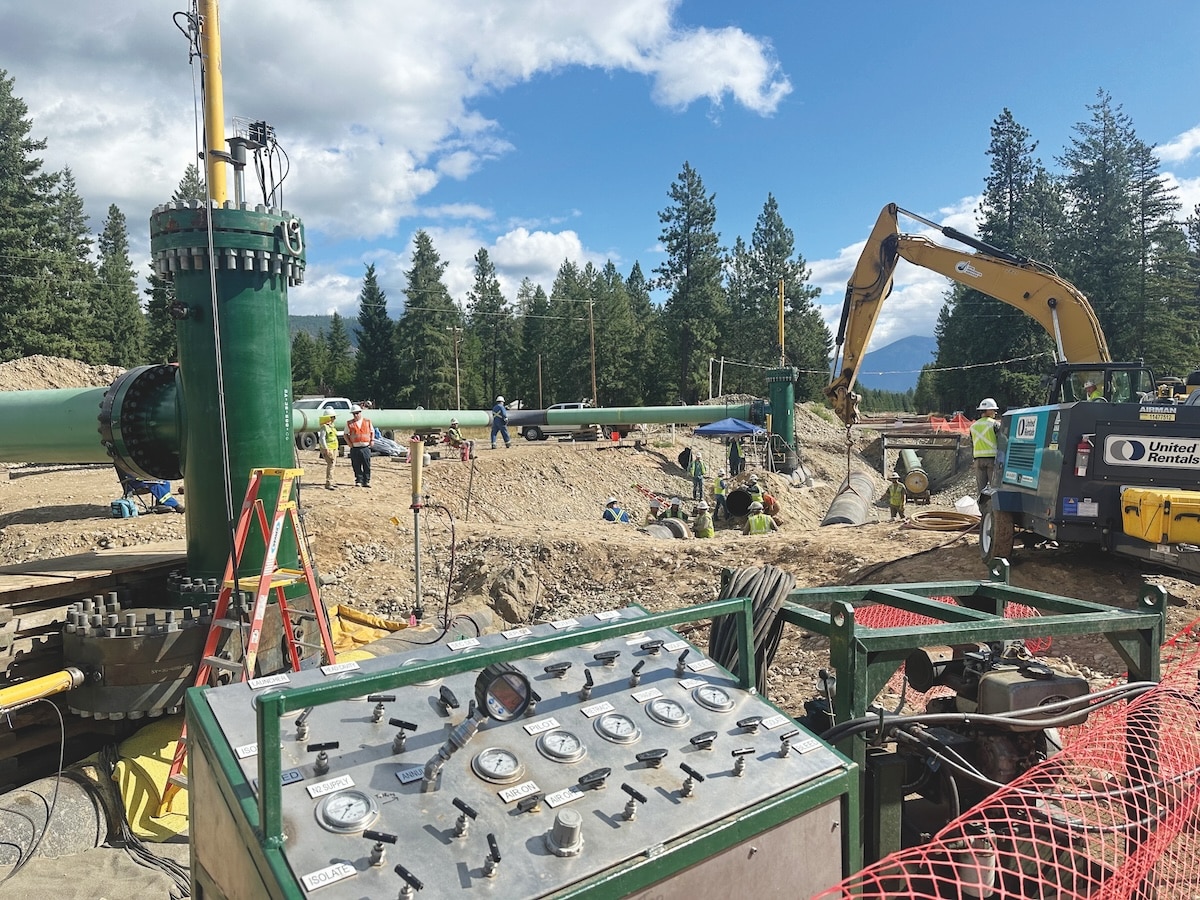
The article describes a North American pipeline operator responding to class-location changes by replacing a 36-inch segment and performing a MAOP (maximum allowable operating pressure) hydrotest. The operator used line-isolation tools and temporary bypasses to avoid supply disruption while meeting tighter integrity and material-traceability rules. For procurement, watch whether Australian operators echo these traceability and hydrotest acceptance gates; if they do, require provenance evidence in OCTG deliveries
Buyer takeaway
Treat regulatory-driven traceability and hydrotest evidence as an operational acceptance gate to be specified in contracts, not an optional supplier promise
Cost / money
Expect acceptance-related overhead and potential supplier pass-throughs for proving provenance and hydrotest scope if not contractually contained
Supplier / commercial
Suppliers may add conditional pricing or limit quote validity when buyers require detailed traceability and hydrotest support
Safety / operations
Enforced traceability and hydrotesting reduce latent integrity risk but add planning and on-site execution complexity that affects mobilization sequencing
What to watch
Watch for suppliers offering conditional acceptance or shortened quote windows tied to traceability readiness
Key facts
- Two parallel 36-inch transmission lines involved
- Replacement and MAOP hydrotest used to meet revised integrity rules
- Project executed without supply disruption using line-stop tools and bypasses
Source excerpts
A recent example of this comes from the US, where updated federal regulation imposed tighter integrity management measures, including stricter requirements for material traceability, periodic reassessment and the reconfirmation of maximum allowable operating pressure (MAOP) on older, previously untested pipelines
The second phase of the project was to isolate a large section of pipeline A to enable a MAOP hydrotest to be conducted
Works at the North American project