Major Equipment OEM & LTSA · International (Houston)

Reposition Spares and Contracts for Modular LNG and Compressors

Published Apr 29, 2026, 5:08 AM CSTINTERNATIONALFull category signal
Ask AI
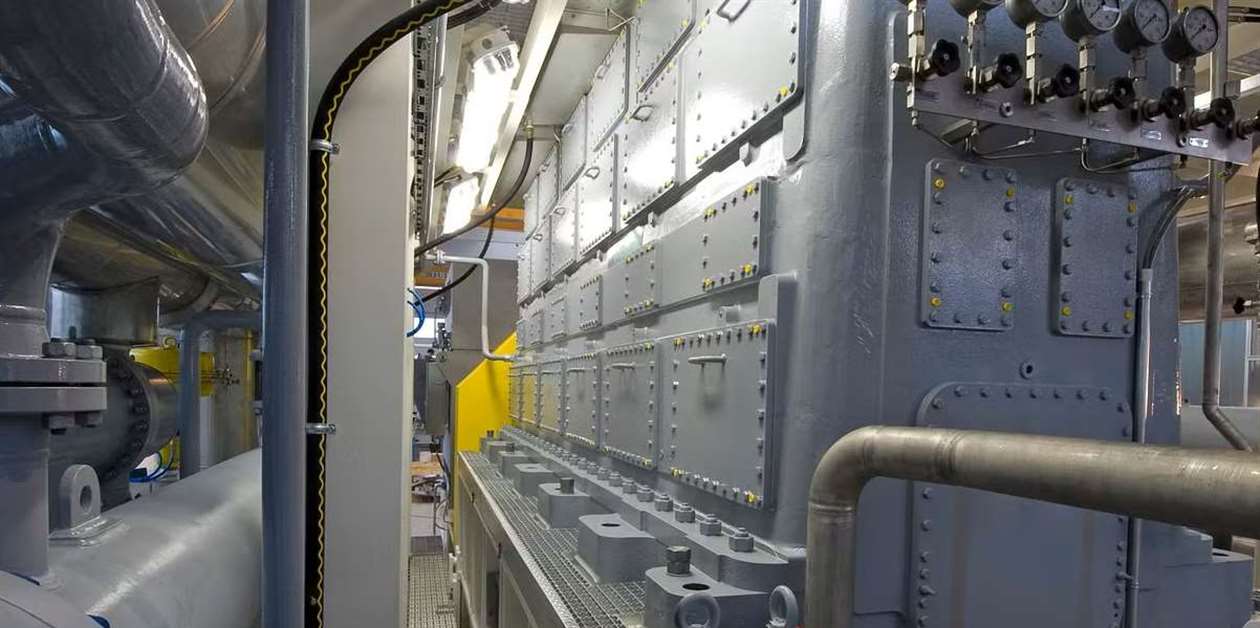
Burckhardt secures LNG compressor orders in Thailand, Taiwan

In 60 seconds

Top move

Confirmed APAC compressor awards create immediate regional demand for boil‑off‑gas compressors, commissioning, and short‑term service capacity — buyers should expect narrower local fabrication and service windows

Key takeaways

  • Confirmed APAC compressor awards create immediate regional demand for boil‑off‑gas compressors, commissioning, and short‑term service capacity — buyers should expect narrower local fabrication and service windows.[2]
  • Vendor push toward modular, mid‑scale LNG trains and integrated electrification shifts procurement from stick‑built site scope to offsite modules and electrical interface contracts, changing acceptance and payment risk.[5]
  • A U.S. export train has moved into commercial shipments, which converts forecasted spare and LTSA demand into immediate operational needs during ramp and early operations.[1]
  • Compressor platform engineering (fewer cylinders, mixed‑driver compatibility) changes spare interchangeability and concentrates lead‑time risk on specific high‑strength components and tooling.[3]
  • Service model capacity and technician continuity remain key gating factors for LTSA value; predictive maintenance capability is a differentiation but adoption and field evidence vary by supplier.[4]

What changed since last run

  • Burckhardt’s confirmed orders in Thailand and Taiwan convert near‑term APAC equipment demand from forecast to contracted work, shifting short‑term supplier focus to those terminals.
  • Golden Pass progressed from initial production to first commercial cargo, turning projected spare/service needs into active operational exposure.
  • Baker Hughes’ public positioning of modular, electrified LNG modules has become a visible procurement option rather than a niche concept, altering scope conversations with module suppliers.

Key facts

  • Vendor emphasis on mid‑scale modular trains and electrification
  • Integrated modules include cold box, surge vessel and compression train systems
  • Vendor promotes AI and digital tools for ongoing performance optimization
  • Wide operating speed range to support mixed drivers
  • Design goal: fewer throws to minimize installed wear components
  • Targeted for storage and midstream duty with high‑load capability

Why it matters

Confirmed APAC compressor awards create immediate regional demand for boil‑off‑gas compressors, commissioning, and short‑term service capacity — buyers should expect narrower local fabrication and service windows. Vendor push toward modular, mid‑scale LNG trains and integrated electrification shifts procurement from stick‑built site scope to offsite modules and electrical interface contracts, changing acceptance and payment risk. A U.S. export train has moved into commercial shipments, which converts forecasted spare and LTSA demand into immediate operational needs during ramp and early operations. Compressor platform engineering (fewer cylinders, mixed‑driver compatibility) changes spare interchangeability and concentrates lead‑time risk on specific high‑strength components and tooling

Cost / money

  • Modular offsite fabrication shifts cost mix toward module procurement, transport, and factory acceptance testing, creating new pass‑through and milestone payment clauses buyers must manage.[5]
  • Confirmed APAC units and nearby terminal construction will absorb regional fabrication and service slots, increasing the probability of expedite premiums or local price pressure for late procurements.[2]

Supplier / commercial

  • Integrated module suppliers can capture expanded commercial scope (compression, cold‑box, electrification, controls), increasing their negotiation leverage unless buyers split scopes or require strict acceptance tests.[5]
  • OEMs that won early APAC orders will be positioned to secure follow‑on installation and LTSA work, raising the bar for competing suppliers and requiring buyers to prequalify alternates.[2]
  • A started export train converts pipeline LTSA demand forecasts into immediate procurement opportunities; suppliers with available technicians and shipping capacity will secure ramp‑phase work.[1]

Safety / operations

  • BOG compressor installs and LNG commissioning require tight leak‑tight and commissioning protocols; unclear vendor scope on testing or electrical handoffs increases safety and restart risk.[2]
  • Compressor designs that concentrate loads and reduce cylinder counts increase reliance on specific bolting, lifting, and commissioning procedures; improper interchangeability checks can create operational hazards.[3]

What to watch

  • Watch suppliers shortening quote validity and mobilization windows as modular schedules compress — buyers may face short‑validity offers and higher expedite costs if they wait to award.[5]
  • Watch regional capacity shortages in APAC where confirmed orders could absorb local workshops and service teams, forcing buyers to accept longer lead times or higher local rates.[2]
  • Watch LTSA proposals that promise predictive‑maintenance outcomes without field proof or technician retention plans; these overpromises can leave buyers exposed to downtime and unknown pass‑throughs.[4]

Top stories

Story 1CompressorTECH²Apr 13, 2026

The next wave of LNG project efficiency

Signal strongSource-grounded

What happened

Baker Hughes is promoting modular, mid‑scale LNG trains (NMBL) with integrated process modules, electrification options, and AI performance tools. The vendor argues splitting capacity into multiple offsite modules shortens schedules and shifts scope to factory acceptance and electrical integration. Watch whether developers adopt modular splits for major projects and how contracts allocate electrical and integration responsibilities

Buyer takeaway

Treat modular trains as a distinct procurement product: require factory acceptance tests and clear electrical handover to avoid hidden integration costs

Cost / money

Spending shifts toward prefabricated modules, transport, and factory testing; budget categories and milestone payments will differ from stick‑built projects

Supplier / commercial

Integrated modules let suppliers capture broader scope and leverage unless buyers split scopes or mandate acceptance evidence

Safety / operations

Offsite fabrication can reduce on‑site hazards but increases the need for verified electrical safety and factory QA before offload

What to watch

Watch contract wording on who owns wiring, motor drives, and acceptance testing — vague handoffs will create disputes

Key facts

  • Vendor emphasis on mid‑scale modular trains and electrification
  • Integrated modules include cold box, surge vessel and compression train systems
  • Vendor promotes AI and digital tools for ongoing performance optimization

Source excerpts

He pointed to projects in Canada using hydropower and developments in the Middle East using nuclear-powered grids as examples where electric-drive LNG trains can materially lower carbon intensity. Electrification also influenced Baker Hughes’ acquisition of electric motor and generator capabilities in recent years, with BRUSH Power Generation, enabling closer integration between rotating equipment and electrical systems
8 to 2 MTPA each, to reduce risk and compress schedules
Baker Hughes’ modular LNG solution, called NMBL
Story 2CompressorTECH²Apr 19, 2026

NEA’s 560hs compressor targets midstream efficiency gains

Signal moderateSource-grounded

What happened

Neuman & Esser’s 560hs compressor emphasizes fewer throws, mixed‑driver compatibility, and a wide operating speed range to support electric motors and gas engines. The design reduces the number of cylinders in maintenance cycles, concentrating demand on higher‑strength components and specialized tooling. Buyers should verify spare lists and interchangeability before acceptance to avoid unexpected part shortages

Buyer takeaway

Verify part numbers and interchangeability when evaluating compressors that use fewer cylinders and mixed drivers to avoid spare shortages

Cost / money

Fewer cylinders can reduce routine OPEX but concentrate cost and lead‑time risk on specific high‑strength parts and tooling

Supplier / commercial

OEMs can price around reduced maintenance cycles; buyers should demand lifecycle spares pricing and lead‑time guarantees

Safety / operations

Concentrated loads and customized components increase importance of correct bolting, lifting, and commissioning procedures

What to watch

Watch differences in bolting, piston rod stroke, and coupling technologies that may invalidate existing spare pools

Key facts

  • Wide operating speed range to support mixed drivers
  • Design goal: fewer throws to minimize installed wear components
  • Targeted for storage and midstream duty with high‑load capability

Source excerpts

From a lifecycle standpoint, fewer cylinders translate directly into fewer valves, packing elements and associated maintenance activities. While individual valve life remains comparable, the total number of valves in service is reduced, lowering spare parts inventory and labor requirements during overhauls
“Its wide operating speed range, from 600 to 1,200 rpm, makes it an excellent fit for both electric motors and natural gas engines,” Heine said
“The enhancements allow the frame to deliver more horsepower and capacity per throw, improving runtime and reducing spare parts consumption,” Lesak said
Story 3CompressorTECH²Apr 21, 2026

Burckhardt secures LNG compressor orders in Thailand, Taiwan

Signal strongSource-grounded

What happened

Burckhardt Compression won multiple orders for LNG terminals in Thailand and Taiwan, including units for boil‑off gas and minimum send‑out duties. The orders cover several Laby compressor systems and are confirmed awards, making them a near‑term regional demand signal for equipment, commissioning, and service. Watch whether local projects schedule installation and LTSA packages that will absorb regional fabrication and service capacity

Buyer takeaway

Treat confirmed APAC awards as a near‑term demand signal for spares, field service, and commissioning in the region

Cost / money

Regional orders can tighten supplier capacity and raise near‑term pricing or expedite costs for delayed buyers

Supplier / commercial

Early OEM awardees gain leverage for follow‑on installation and LTSA terms; buyers should secure alternates

Safety / operations

BOG handling requires tight leak‑tight assemblies and explicit commissioning procedures

What to watch

Watch vendor capacity constraints in APAC that could push buyers to pay expedite premiums or accept longer lead times

Key facts

  • Orders include multiple Laby units for boil‑off gas and at least one send‑out unit
  • Equipment targeted at LNG terminal vapor handling with oil‑free, gas‑tight design
  • Awards indicate continuing APAC investment in import terminal infrastructure

Source excerpts

Burckhardt said the new orders reinforce its position in the Asia-Pacific LNG market, where countries such as Thailand and Taiwan continue expanding import capacity to support energy security and fuel diversification strategies
Burckhardt said the new orders reinforce its position in the Asia-Pacific LNG market, where countries such as Thailand and Taiwan continue expanding import capacity to support energy security and fuel diversification strategies. The orders center on the company’s Laby compressor technology, which is designed for oil-free and gas-tight operation
Laby units for boil-off gas and send-out services highlight ongoing Asia-Pacific terminal investment Burckhardt Compression wins several orders for LNG terminals in Thailand and Taiwan. Burckhardt Compression has secured multiple orders to supply reciprocating compressor systems for liquefied natural gas terminals in Thailand and Taiwan, underscoring continued investment in LNG import infrastructure across Asia
Story 4CompressorTECH²Apr 19, 2026

The future of LNG compressor service

Signal moderateDirectional

What happened

An industry piece highlights that compressor service reliability hinges on technician continuity, digital records, and predictive maintenance to reduce unplanned downtime. The article cites measurable benefits from predictive programs but notes workforce turnover and uneven adoption across providers. Buyers should press suppliers for field evidence of predictive outcomes and technician retention plans when evaluating LTSA proposals

Buyer takeaway

Ask LTSA bidders to demonstrate digital condition‑monitoring capability and technician continuity plans as part of commercial scoring

Cost / money

Investing in predictive capability shifts some spend to services but reduces unplanned OPEX and expedite spend if implemented correctly

Supplier / commercial

Service providers with proven digital platforms can command premium contract terms or per‑asset fees

Safety / operations

Better diagnostics reduce sudden failure risks but create dependencies on secure connectivity and trained responders

What to watch

Watch for suppliers promising predictive outcomes without field test data or retained technician pipelines

Key facts

  • Article cites measurable downtime reductions from predictive maintenance where implemented
  • Emphasis on digital records and training programs to preserve institutional knowledge
  • Rising service demand tied to new LNG facilities and carrier construction

Source excerpts

LNG applications have emerged as one of the most dynamic areas of compressor service. New LNG facilities, expanding export capacity, and increased construction of LNG carriers have all contributed to higher service demand
If safety requirements aren’t met before starting maintenance on a compressor, technicians are not allowed on site, which furthers Burckhardt Compression’s commitment to maintaining the highest safety standards for its employees. A strong safety culture means approaching each step methodically and stopping work immediately if conditions become uncertain
When a compressor stops, downstream operations can halt immediately, creating financial losses, potential safety risks, and widespread operational disruption
Story 5CompressorTECH²Apr 25, 2026

Golden Pass LNG ships first cargo from Train 1

Signal strongSource-grounded

What happened

Golden Pass LNG shipped its first commercial cargo from Train 1, moving the project into export operations and converting forecast demand into live operational workloads. The startup followed contractor replacement during construction and now creates immediate spare, service, and logistics needs as the train ramps. Monitor spare consumption and ramp profile to understand when LTSA support will be required

Buyer takeaway

Treat a started train as operational reality: spares and service commitments become immediate procurement priorities

Cost / money

Startup and early ramp phases typically trigger expedite spend and short‑notice service calls if LTSA scopes are incomplete

Supplier / commercial

Suppliers with available technicians and shipping capacity will capture high‑value ramp work

Safety / operations

Operational trains demand strict commissioning and spare availability to avoid cascading shutdowns

What to watch

Watch spare depletion and charter availability during early ramp when failures are more likely

Key facts

  • Train 1 has moved to commercial shipments following first LNG production
  • Project startup followed a contractor replacement during construction
  • Operational train creates immediate spare and service demand during ramp

Source excerpts

S. supply to the global market at a time of heightened concern over energy security and shipping risk, according to the U
S. LNG export volumes of 2026 as global markets navigate supply risk Golden Pass LNG shipped its first cargo from Train 1 on April 22, marking the start of commercial exports from the ninth U
S. export market

VP Snapshot

Executive Risk & Action View

Confirmed APAC compressor awards create immediate regional demand for boil‑off‑gas compressors, commissioning, and short‑term service capacity — buyers should expect narrower local fabrication and service windows.

Overall
52
Cost
61
Supply
61
Schedule
74
Compliance
15

Top signals

30-180dcost

Signal 1: Cost / money

Modular offsite fabrication shifts cost mix toward module procurement, transport, and factory acceptance testing, creating new pass‑through and milestone payment clauses buyers must manage.

Signal 2: Cost / money

Confirmed APAC units and nearby terminal construction will absorb regional fabrication and service slots, increasing the probability of expedite premiums or local price pressure for late procurements.

30-180dcommercial

Signal 3: Supplier / commercial

Integrated module suppliers can capture expanded commercial scope (compression, cold‑box, electrification, controls), increasing their negotiation leverage unless buyers split scopes or require strict acceptance tests.

Signal 4: Supplier / commercial

OEMs that won early APAC orders will be positioned to secure follow‑on installation and LTSA work, raising the bar for competing suppliers and requiring buyers to prequalify alternates.

0-30dsupply

Signal 5: Supplier / commercial

A started export train converts pipeline LTSA demand forecasts into immediate procurement opportunities; suppliers with available technicians and shipping capacity will secure ramp‑phase work.

30-180dschedule

Signal 6: Safety / operations

BOG compressor installs and LNG commissioning require tight leak‑tight and commissioning protocols; unclear vendor scope on testing or electrical handoffs increases safety and restart risk.

Recommended actions

CategoryDue 3d

Verify critical‑spare interchangeability for incoming compressor frames before acceptance

Updated critical‑spare register and identified gaps to prevent emergency procurements

ContractsDue 3d

Ask shortlisted module vendors for written electrical interface specs, factory acceptance test plans, and liability for integration defects

Contract checklist of interface requirements and acceptance milestones to reduce downstream disputes

CategoryDue 21d

Run an APAC supplier capacity and service‑slot scan focused on BOG compressors and local installers

Prequalified alternate supplier list and capacity notes to shorten procurement lead times

OpsDue 21d

Pilot a condition‑monitoring feed on a live compressor to validate predictive alerts and field‑response workflows

Validated alert‑to‑response workflow and evidence to include digital services in LTSA scoring

ContractsDue 60d

Revise LTSA and EPC interface templates to require factory acceptance tests, offload acceptance, and explicit electrical handover responsibilities

Contract clauses that reduce buyer exposure to integration defects and clarify pass‑through obligations

ContractsDue 60d

Negotiate stock or guaranteed‑supply commitments for the most constrained compressor components with OEMs and service partners

Supply commitments or buffer stock terms that lower expedite spend and lead‑time volatility

Risk register

RiskTriggerMitigation
Watch suppliers shortening quote validity and mobilization windows as modular schedules compress — buyers may face short‑validity offers and higher expedite costs if they wait to award.Watch suppliers shortening quote validity and mobilization windows as modular schedules compress — buyers may face short‑validity offers and higher expedite costs if they wait to award.Confirm exposure with category, contracts, and operations before the next supplier commitment.
Watch regional capacity shortages in APAC where confirmed orders could absorb local workshops and service teams, forcing buyers to accept longer lead times or higher local rates.Watch regional capacity shortages in APAC where confirmed orders could absorb local workshops and service teams, forcing buyers to accept longer lead times or higher local rates.Confirm exposure with category, contracts, and operations before the next supplier commitment.
Watch LTSA proposals that promise predictive‑maintenance outcomes without field proof or technician retention plans; these overpromises can leave buyers exposed to downtime and unknown pass‑throughs.Watch LTSA proposals that promise predictive‑maintenance outcomes without field proof or technician retention plans; these overpromises can leave buyers exposed to downtime and unknown pass‑throughs.Confirm exposure with category, contracts, and operations before the next supplier commitment.

CM Snapshot

Category Manager Decision Detail

Today's priorities

Verify critical‑spare interchangeability for incoming compressor frames before acceptance

because platform changes (fewer cylinders, mixed drivers) can invalidate existing spare pools and create expedite exposure if differences are discovered after handover.

Due 3d

high

CM move

Use this as the immediate supplier or contract action to move before the next sourcing gate.

Ask shortlisted module vendors for written electrical interface specs, factory acceptance test plans, and liability for integration defects

because modular trains transfer electrical and testing responsibilities offsite and unclear handoffs can produce cost pass‑throughs and commissioning delays.

Due 3d

high

CM move

Use this as the immediate supplier or contract action to move before the next sourcing gate.

Run an APAC supplier capacity and service‑slot scan focused on BOG compressors and local installers

because confirmed Burckhardt orders indicate near‑term regional demand that could consume local fabrication and service capacity, so alternates should be prequalified now.

Due 21d

high

CM move

Use this as the immediate supplier or contract action to move before the next sourcing gate.

Pilot a condition‑monitoring feed on a live compressor to validate predictive alerts and field‑response workflows

because predictive maintenance shows operational downtime reductions only when integrated with trained technicians and data workflows, and pilots reveal supplier capability gaps.

Due 21d

high

CM move

Use this as the immediate supplier or contract action to move before the next sourcing gate.

Supplier radar

CompressorTECH²

high

Observed supplier signal

Integrated module suppliers can capture expanded commercial scope (compression, cold‑box, electrification, controls), increasing their negotiation leverage unless buyers split scopes or require strict acceptance tests.

Commercial implication

Integrated module suppliers can capture expanded commercial scope (compression, cold‑box, electrification, controls), increasing their negotiation leverage unless buyers split scopes or require strict acceptance tests.

Next step: Validate the source-backed signal with incumbents and alternates before the next award or pricing decision.

CompressorTECH²

high

Observed supplier signal

OEMs that won early APAC orders will be positioned to secure follow‑on installation and LTSA work, raising the bar for competing suppliers and requiring buyers to prequalify alternates.

Commercial implication

OEMs that won early APAC orders will be positioned to secure follow‑on installation and LTSA work, raising the bar for competing suppliers and requiring buyers to prequalify alternates.

Next step: Validate the source-backed signal with incumbents and alternates before the next award or pricing decision.

CompressorTECH²

high

Observed supplier signal

A started export train converts pipeline LTSA demand forecasts into immediate procurement opportunities; suppliers with available technicians and shipping capacity will secure ramp‑phase work.

Commercial implication

A started export train converts pipeline LTSA demand forecasts into immediate procurement opportunities; suppliers with available technicians and shipping capacity will secure ramp‑phase work.

Next step: Validate the source-backed signal with incumbents and alternates before the next award or pricing decision.

Negotiation levers

Verify critical‑spare interchangeability for incoming compressor frames before acceptance

When to use: because platform changes (fewer cylinders, mixed drivers) can invalidate existing spare pools and create expedite exposure if differences are discovered after handover.

Expected outcome: Updated critical‑spare register and identified gaps to prevent emergency procurements

Commercial mechanism to carry into the next supplier conversation

Ask shortlisted module vendors for written electrical interface specs, factory acceptance test plans, and liability for integration defects

When to use: because modular trains transfer electrical and testing responsibilities offsite and unclear handoffs can produce cost pass‑throughs and commissioning delays.

Expected outcome: Contract checklist of interface requirements and acceptance milestones to reduce downstream disputes

Commercial mechanism to carry into the next supplier conversation

Run an APAC supplier capacity and service‑slot scan focused on BOG compressors and local installers

When to use: because confirmed Burckhardt orders indicate near‑term regional demand that could consume local fabrication and service capacity, so alternates should be prequalified now.

Expected outcome: Prequalified alternate supplier list and capacity notes to shorten procurement lead times

Commercial mechanism to carry into the next supplier conversation

Pilot a condition‑monitoring feed on a live compressor to validate predictive alerts and field‑response workflows

When to use: because predictive maintenance shows operational downtime reductions only when integrated with trained technicians and data workflows, and pilots reveal supplier capability gaps.

Expected outcome: Validated alert‑to‑response workflow and evidence to include digital services in LTSA scoring

Commercial mechanism to carry into the next supplier conversation

Talking points

Confirmed APAC compressor awards create immediate regional demand for boil‑off‑gas compressors, commissioning, and short‑term service capacity — buyers should expect narrower local fabrication and service windows.
Vendor push toward modular, mid‑scale LNG trains and integrated electrification shifts procurement from stick‑built site scope to offsite modules and electrical interface contracts, changing acceptance and payment risk.
A U.S. export train has moved into commercial shipments, which converts forecasted spare and LTSA demand into immediate operational needs during ramp and early operations.
Compressor platform engineering (fewer cylinders, mixed‑driver compatibility) changes spare interchangeability and concentrates lead‑time risk on specific high‑strength components and tooling.

Supplier radar

SupplierSignalImplicationNext stepConfidence
CompressorTECH²Integrated module suppliers can capture expanded commercial scope (compression, cold‑box, electrification, controls), increasing their negotiation leverage unless buyers split scopes or require strict acceptance tests.Integrated module suppliers can capture expanded commercial scope (compression, cold‑box, electrification, controls), increasing their negotiation leverage unless buyers split scopes or require strict acceptance tests.Validate the source-backed signal with incumbents and alternates before the next award or pricing decision.high
CompressorTECH²OEMs that won early APAC orders will be positioned to secure follow‑on installation and LTSA work, raising the bar for competing suppliers and requiring buyers to prequalify alternates.OEMs that won early APAC orders will be positioned to secure follow‑on installation and LTSA work, raising the bar for competing suppliers and requiring buyers to prequalify alternates.Validate the source-backed signal with incumbents and alternates before the next award or pricing decision.high
CompressorTECH²A started export train converts pipeline LTSA demand forecasts into immediate procurement opportunities; suppliers with available technicians and shipping capacity will secure ramp‑phase work.A started export train converts pipeline LTSA demand forecasts into immediate procurement opportunities; suppliers with available technicians and shipping capacity will secure ramp‑phase work.Validate the source-backed signal with incumbents and alternates before the next award or pricing decision.high

Negotiation levers

  • Verify critical‑spare interchangeability for incoming compressor frames before acceptancebecause platform changes (fewer cylinders, mixed drivers) can invalidate existing spare pools and create expedite exposure if differences are discovered after handover.Updated critical‑spare register and identified gaps to prevent emergency procurements

    high confidence

  • Ask shortlisted module vendors for written electrical interface specs, factory acceptance test plans, and liability for integration defectsbecause modular trains transfer electrical and testing responsibilities offsite and unclear handoffs can produce cost pass‑throughs and commissioning delays.Contract checklist of interface requirements and acceptance milestones to reduce downstream disputes

    high confidence

  • Run an APAC supplier capacity and service‑slot scan focused on BOG compressors and local installersbecause confirmed Burckhardt orders indicate near‑term regional demand that could consume local fabrication and service capacity, so alternates should be prequalified now.Prequalified alternate supplier list and capacity notes to shorten procurement lead times

    high confidence

  • Pilot a condition‑monitoring feed on a live compressor to validate predictive alerts and field‑response workflowsbecause predictive maintenance shows operational downtime reductions only when integrated with trained technicians and data workflows, and pilots reveal supplier capability gaps.Validated alert‑to‑response workflow and evidence to include digital services in LTSA scoring

    high confidence

What to do / What to watch

What to do now

  • Verify critical‑spare interchangeability for incoming compressor frames before acceptance

    Why: because platform changes (fewer cylinders, mixed drivers) can invalidate existing spare pools and create expedite exposure if differences are discovered after handover.

    Owner: Category

    Expected outcome: Updated critical‑spare register and identified gaps to prevent emergency procurements

    [3]
  • Ask shortlisted module vendors for written electrical interface specs, factory acceptance test plans, and liability for integration defects

    Why: because modular trains transfer electrical and testing responsibilities offsite and unclear handoffs can produce cost pass‑throughs and commissioning delays.

    Owner: Contracts

    Expected outcome: Contract checklist of interface requirements and acceptance milestones to reduce downstream disputes

    [5]

Next few weeks

  • Run an APAC supplier capacity and service‑slot scan focused on BOG compressors and local installers

    Why: because confirmed Burckhardt orders indicate near‑term regional demand that could consume local fabrication and service capacity, so alternates should be prequalified now.

    Owner: Category

    Expected outcome: Prequalified alternate supplier list and capacity notes to shorten procurement lead times

    [2]
  • Pilot a condition‑monitoring feed on a live compressor to validate predictive alerts and field‑response workflows

    Why: because predictive maintenance shows operational downtime reductions only when integrated with trained technicians and data workflows, and pilots reveal supplier capability gaps.

    Owner: Ops

    Expected outcome: Validated alert‑to‑response workflow and evidence to include digital services in LTSA scoring

    [4]

Longer view

  • Revise LTSA and EPC interface templates to require factory acceptance tests, offload acceptance, and explicit electrical handover responsibilities

    Why: because modular, electrified modules change where risk transfers occur and contracts must be clear on who pays for rectification and rework after offload.

    Owner: Contracts

    Expected outcome: Contract clauses that reduce buyer exposure to integration defects and clarify pass‑through obligations

    [5]
  • Negotiate stock or guaranteed‑supply commitments for the most constrained compressor components with OEMs and service partners

    Why: because a live train and confirmed regional orders increase near‑term spare consumption and securing supply reduces expedite and demurrage risk during ramp.

    Owner: Contracts

    Expected outcome: Supply commitments or buffer stock terms that lower expedite spend and lead‑time volatility

    [1]

What to watch

  • Watch suppliers shortening quote validity and mobilization windows as modular schedules compress — buyers may face short‑validity offers and higher expedite costs if they wait to award
  • Watch regional capacity shortages in APAC where confirmed orders could absorb local workshops and service teams, forcing buyers to accept longer lead times or higher local rates
  • Watch LTSA proposals that promise predictive‑maintenance outcomes without field proof or technician retention plans; these overpromises can leave buyers exposed to downtime and unknown pass‑throughs
  • Watch suppliers shortening quote validity and mobilization windows as modular schedules compress — buyers may face short‑validity offers and higher expedite costs if they wait to award.: Watch suppliers shortening quote validity and mobilization windows as modular schedules compress — buyers may face short‑validity offers and higher expedite costs if they wait to award
  • Watch regional capacity shortages in APAC where confirmed orders could absorb local workshops and service teams, forcing buyers to accept longer lead times or higher local rates.: Watch regional capacity shortages in APAC where confirmed orders could absorb local workshops and service teams, forcing buyers to accept longer lead times or higher local rates
  • Watch LTSA proposals that promise predictive‑maintenance outcomes without field proof or technician retention plans; these overpromises can leave buyers exposed to downtime and unknown pass‑throughs.: Watch LTSA proposals that promise predictive‑maintenance outcomes without field proof or technician retention plans; these overpromises can leave buyers exposed to downtime and unknown pass‑throughs
  • Confirmed APAC compressor awards create immediate regional demand for boil‑off‑gas compressors, commissioning, and short‑term service capacity — buyers should expect narrower local fabrication and service windows
  • Vendor push toward modular, mid‑scale LNG trains and integrated electrification shifts procurement from stick‑built site scope to offsite modules and electrical interface contracts, changing acceptance and payment risk

Market pulse

IndexLatestChangeAs of
WTI Crude (WTI)71.23 /bbl+0.00 (+0.00%)Apr 29, 2026, 10:12 AM
Brent Crude (BRENT)74.89 /bbl+0.00 (+0.00%)Apr 29, 2026, 10:12 AM
Natural Gas (NG)3.12 /MMBtu+0.00 (+0.00%)Apr 29, 2026, 10:12 AM
Baker Hughes (BKR)32 +0.00 (+0.00%)Apr 29, 2026, 10:12 AM
GE Vernova (GEV)175 +0.00 (+0.00%)Apr 29, 2026, 10:12 AM
  • Natural Gas: U.S. LNG export growth and new trains are a proxy for utilization‑driven spare and service demand; track natural gas flows as a leading operational pressure indicator
  • Baker Hughes: Oilfield and turbomachinery OEM activity (Baker Hughes) signals supplier product and modular technology direction that affects procurement scope and supplier leverage

Sources

Inline citations jump here. Expand a source to read the excerpt, the AI interpretation, and the original link.

[1] Golden Pass LNG ships first cargo from Train 1

compressortech2.com · Apr 25, 2026

Expand

AI reading

Golden Pass LNG shipped its first commercial cargo from Train 1, moving the project into export operations and converting forecast demand into live operational workloads. The startup followed contractor replacement during construction and now creates immediate spare, service, and logistics needs as the train ramps. Monitor spare consumption and ramp profile to understand when LTSA support will be required

Buyer takeaway

Treat a started train as operational reality: spares and service commitments become immediate procurement priorities

Cost / money

Startup and early ramp phases typically trigger expedite spend and short‑notice service calls if LTSA scopes are incomplete

Supplier / commercial

Suppliers with available technicians and shipping capacity will capture high‑value ramp work

Safety / operations

Operational trains demand strict commissioning and spare availability to avoid cascading shutdowns

What to watch

Watch spare depletion and charter availability during early ramp when failures are more likely

Key facts

  • Train 1 has moved to commercial shipments following first LNG production
  • Project startup followed a contractor replacement during construction
  • Operational train creates immediate spare and service demand during ramp

Source excerpts

S. supply to the global market at a time of heightened concern over energy security and shipping risk, according to the U
S. LNG export volumes of 2026 as global markets navigate supply risk Golden Pass LNG shipped its first cargo from Train 1 on April 22, marking the start of commercial exports from the ninth U
S. export market

Used in this brief

  • Next quarter — Negotiate stock or guaranteed‑supply commitments for the most constrained compressor components with OEMs and service partners. Rationale: because a live train and confirmed regional orders increase near‑term spare consumption and securing supply reduces expedite and demurrage risk during ramp.. Owner: Contracts. KPI: Supply commitments or buffer stock terms that lower expedite spend and lead‑time volatility
  • Golden Pass progressed from initial production to first commercial cargo, turning projected spare/service needs into active operational exposure
  • Golden Pass LNG shipped its first commercial cargo from Train 1, moving the project into export operations and converting forecast demand into live operational workloads. The startup followed contractor replacement during construction and now creates immediate spare, service, and logistics needs as the train ramps. Monitor spare consumption and ramp profile to understand when LTSA support will be required
Open original source

[2] Burckhardt secures LNG compressor orders in Thailand, Taiwan

compressortech2.com · Apr 21, 2026

Expand

AI reading

Burckhardt Compression won multiple orders for LNG terminals in Thailand and Taiwan, including units for boil‑off gas and minimum send‑out duties. The orders cover several Laby compressor systems and are confirmed awards, making them a near‑term regional demand signal for equipment, commissioning, and service. Watch whether local projects schedule installation and LTSA packages that will absorb regional fabrication and service capacity

Buyer takeaway

Treat confirmed APAC awards as a near‑term demand signal for spares, field service, and commissioning in the region

Cost / money

Regional orders can tighten supplier capacity and raise near‑term pricing or expedite costs for delayed buyers

Supplier / commercial

Early OEM awardees gain leverage for follow‑on installation and LTSA terms; buyers should secure alternates

Safety / operations

BOG handling requires tight leak‑tight assemblies and explicit commissioning procedures

What to watch

Watch vendor capacity constraints in APAC that could push buyers to pay expedite premiums or accept longer lead times

Key facts

  • Orders include multiple Laby units for boil‑off gas and at least one send‑out unit
  • Equipment targeted at LNG terminal vapor handling with oil‑free, gas‑tight design
  • Awards indicate continuing APAC investment in import terminal infrastructure

Source excerpts

Burckhardt said the new orders reinforce its position in the Asia-Pacific LNG market, where countries such as Thailand and Taiwan continue expanding import capacity to support energy security and fuel diversification strategies
Burckhardt said the new orders reinforce its position in the Asia-Pacific LNG market, where countries such as Thailand and Taiwan continue expanding import capacity to support energy security and fuel diversification strategies. The orders center on the company’s Laby compressor technology, which is designed for oil-free and gas-tight operation
Laby units for boil-off gas and send-out services highlight ongoing Asia-Pacific terminal investment Burckhardt Compression wins several orders for LNG terminals in Thailand and Taiwan. Burckhardt Compression has secured multiple orders to supply reciprocating compressor systems for liquefied natural gas terminals in Thailand and Taiwan, underscoring continued investment in LNG import infrastructure across Asia

Used in this brief

  • Next 2-4 weeks — Run an APAC supplier capacity and service‑slot scan focused on BOG compressors and local installers. Rationale: because confirmed Burckhardt orders indicate near‑term regional demand that could consume local fabrication and service capacity, so alternates should be prequalified now.. Owner: Category. KPI: Prequalified alternate supplier list and capacity notes to shorten procurement lead times
  • Watch regional capacity shortages in APAC where confirmed orders could absorb local workshops and service teams, forcing buyers to accept longer lead times or higher local rates
  • Burckhardt’s confirmed orders in Thailand and Taiwan convert near‑term APAC equipment demand from forecast to contracted work, shifting short‑term supplier focus to those terminals
Open original source

[3] NEA’s 560hs compressor targets midstream efficiency gains

compressortech2.com · Apr 19, 2026

Expand

AI reading

Neuman & Esser’s 560hs compressor emphasizes fewer throws, mixed‑driver compatibility, and a wide operating speed range to support electric motors and gas engines. The design reduces the number of cylinders in maintenance cycles, concentrating demand on higher‑strength components and specialized tooling. Buyers should verify spare lists and interchangeability before acceptance to avoid unexpected part shortages

Buyer takeaway

Verify part numbers and interchangeability when evaluating compressors that use fewer cylinders and mixed drivers to avoid spare shortages

Cost / money

Fewer cylinders can reduce routine OPEX but concentrate cost and lead‑time risk on specific high‑strength parts and tooling

Supplier / commercial

OEMs can price around reduced maintenance cycles; buyers should demand lifecycle spares pricing and lead‑time guarantees

Safety / operations

Concentrated loads and customized components increase importance of correct bolting, lifting, and commissioning procedures

What to watch

Watch differences in bolting, piston rod stroke, and coupling technologies that may invalidate existing spare pools

Key facts

  • Wide operating speed range to support mixed drivers
  • Design goal: fewer throws to minimize installed wear components
  • Targeted for storage and midstream duty with high‑load capability

Source excerpts

From a lifecycle standpoint, fewer cylinders translate directly into fewer valves, packing elements and associated maintenance activities. While individual valve life remains comparable, the total number of valves in service is reduced, lowering spare parts inventory and labor requirements during overhauls
“Its wide operating speed range, from 600 to 1,200 rpm, makes it an excellent fit for both electric motors and natural gas engines,” Heine said
“The enhancements allow the frame to deliver more horsepower and capacity per throw, improving runtime and reducing spare parts consumption,” Lesak said

Used in this brief

  • Next 72 hours — Verify critical‑spare interchangeability for incoming compressor frames before acceptance. Rationale: because platform changes (fewer cylinders, mixed drivers) can invalidate existing spare pools and create expedite exposure if differences are discovered after handover.. Owner: Category. KPI: Updated critical‑spare register and identified gaps to prevent emergency procurements
  • Neuman & Esser’s 560hs compressor emphasizes fewer throws, mixed‑driver compatibility, and a wide operating speed range to support electric motors and gas engines. The design reduces the number of cylinders in maintenance cycles, concentrating demand on higher‑strength components and specialized tooling. Buyers should verify spare lists and interchangeability before acceptance to avoid unexpected part shortages
  • Buyer bottom line: compressor frame changes materially alter spare profiles and maintenance planning; do not assume parts interchangeability across frames
Open original source

[4] The future of LNG compressor service

compressortech2.com · Apr 19, 2026

Expand

AI reading

An industry piece highlights that compressor service reliability hinges on technician continuity, digital records, and predictive maintenance to reduce unplanned downtime. The article cites measurable benefits from predictive programs but notes workforce turnover and uneven adoption across providers. Buyers should press suppliers for field evidence of predictive outcomes and technician retention plans when evaluating LTSA proposals

Buyer takeaway

Ask LTSA bidders to demonstrate digital condition‑monitoring capability and technician continuity plans as part of commercial scoring

Cost / money

Investing in predictive capability shifts some spend to services but reduces unplanned OPEX and expedite spend if implemented correctly

Supplier / commercial

Service providers with proven digital platforms can command premium contract terms or per‑asset fees

Safety / operations

Better diagnostics reduce sudden failure risks but create dependencies on secure connectivity and trained responders

What to watch

Watch for suppliers promising predictive outcomes without field test data or retained technician pipelines

Key facts

  • Article cites measurable downtime reductions from predictive maintenance where implemented
  • Emphasis on digital records and training programs to preserve institutional knowledge
  • Rising service demand tied to new LNG facilities and carrier construction

Source excerpts

LNG applications have emerged as one of the most dynamic areas of compressor service. New LNG facilities, expanding export capacity, and increased construction of LNG carriers have all contributed to higher service demand
If safety requirements aren’t met before starting maintenance on a compressor, technicians are not allowed on site, which furthers Burckhardt Compression’s commitment to maintaining the highest safety standards for its employees. A strong safety culture means approaching each step methodically and stopping work immediately if conditions become uncertain
When a compressor stops, downstream operations can halt immediately, creating financial losses, potential safety risks, and widespread operational disruption

Used in this brief

  • Confirmed APAC compressor awards create immediate regional demand for boil‑off‑gas compressors, commissioning, and short‑term service capacity — buyers should expect narrower local fabrication and service windows. Vendor push toward modular, mid‑scale LNG trains and integrated electrification shifts procurement from stick‑built site scope to offsite modules and electrical interface contracts, changing acceptance and payment risk. A U.S. export train has moved into commercial shipments, which converts forecasted spare and LTSA demand into immediate operational needs during ramp and early operations. Compressor platform engineering (fewer cylinders, mixed‑driver compatibility) changes spare interchangeability and concentrates lead‑time risk on specific high‑strength components and tooling
  • Safety / operations: BOG compressor installs and LNG commissioning require tight leak‑tight and commissioning protocols; unclear vendor scope on testing or electrical handoffs increases safety and restart risk
  • Safety / operations: Compressor designs that concentrate loads and reduce cylinder counts increase reliance on specific bolting, lifting, and commissioning procedures; improper interchangeability checks can create operational hazards
Open original source

[5] The next wave of LNG project efficiency

compressortech2.com · Apr 13, 2026

Expand

AI reading

Baker Hughes is promoting modular, mid‑scale LNG trains (NMBL) with integrated process modules, electrification options, and AI performance tools. The vendor argues splitting capacity into multiple offsite modules shortens schedules and shifts scope to factory acceptance and electrical integration. Watch whether developers adopt modular splits for major projects and how contracts allocate electrical and integration responsibilities

Buyer takeaway

Treat modular trains as a distinct procurement product: require factory acceptance tests and clear electrical handover to avoid hidden integration costs

Cost / money

Spending shifts toward prefabricated modules, transport, and factory testing; budget categories and milestone payments will differ from stick‑built projects

Supplier / commercial

Integrated modules let suppliers capture broader scope and leverage unless buyers split scopes or mandate acceptance evidence

Safety / operations

Offsite fabrication can reduce on‑site hazards but increases the need for verified electrical safety and factory QA before offload

What to watch

Watch contract wording on who owns wiring, motor drives, and acceptance testing — vague handoffs will create disputes

Key facts

  • Vendor emphasis on mid‑scale modular trains and electrification
  • Integrated modules include cold box, surge vessel and compression train systems
  • Vendor promotes AI and digital tools for ongoing performance optimization

Source excerpts

He pointed to projects in Canada using hydropower and developments in the Middle East using nuclear-powered grids as examples where electric-drive LNG trains can materially lower carbon intensity. Electrification also influenced Baker Hughes’ acquisition of electric motor and generator capabilities in recent years, with BRUSH Power Generation, enabling closer integration between rotating equipment and electrical systems
8 to 2 MTPA each, to reduce risk and compress schedules
Baker Hughes’ modular LNG solution, called NMBL

Used in this brief

  • Next 72 hours — Ask shortlisted module vendors for written electrical interface specs, factory acceptance test plans, and liability for integration defects. Rationale: because modular trains transfer electrical and testing responsibilities offsite and unclear handoffs can produce cost pass‑throughs and commissioning delays.. Owner: Contracts. KPI: Contract checklist of interface requirements and acceptance milestones to reduce downstream disputes
  • Next quarter — Revise LTSA and EPC interface templates to require factory acceptance tests, offload acceptance, and explicit electrical handover responsibilities. Rationale: because modular, electrified modules change where risk transfers occur and contracts must be clear on who pays for rectification and rework after offload.. Owner: Contracts. KPI: Contract clauses that reduce buyer exposure to integration defects and clarify pass‑through obligations
  • Watch suppliers shortening quote validity and mobilization windows as modular schedules compress — buyers may face short‑validity offers and higher expedite costs if they wait to award
Open original source

[6] Natural Gas

finance.yahoo.com · n.d.

Expand

[7] Baker Hughes

finance.yahoo.com · n.d.

Expand