Plug & Abandonment / Decommissioning · International (Houston)

Secure Mobilization Value from New Heavy‑Lift and P&A Signals

Published Apr 29, 2026, 5:06 AM CSTINTERNATIONALFull category signal
Ask AI
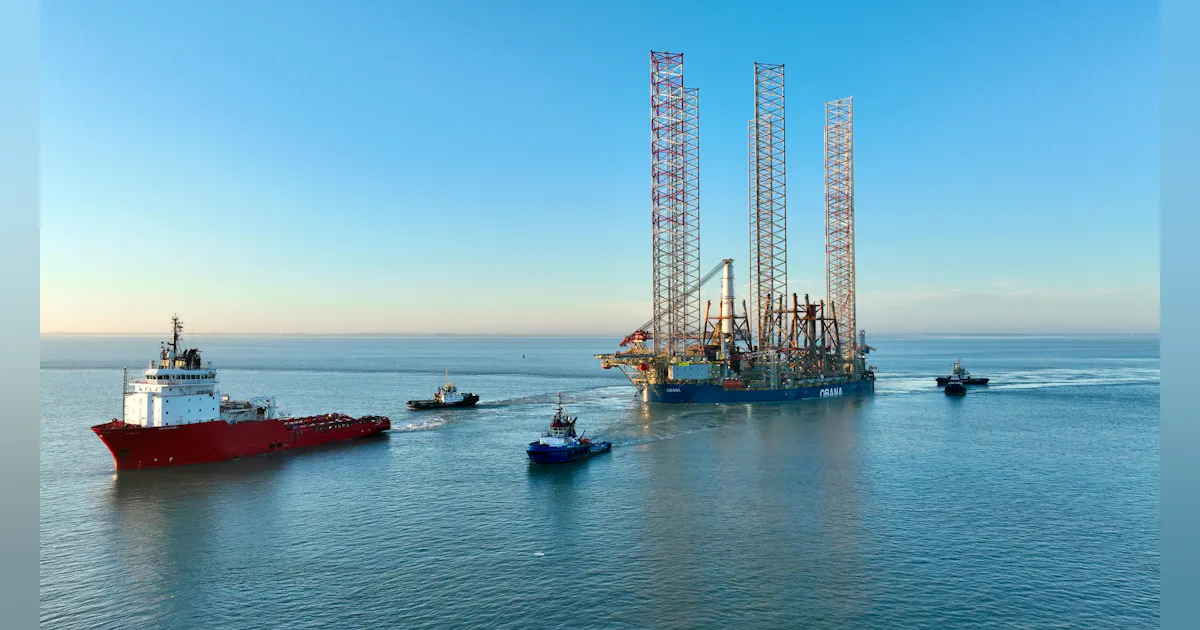
OBANA vessel on location at North Sea Pickerill field for jacket removals

In 60 seconds

Top move

A new multi‑task heavy‑lift jackup (OBANA) is on location in the North Sea doing jacket removals; this creates a real single‑campaign removal capacity buyers can consolidate to reduce repeat mobilizations

Key takeaways

  • A new multi‑task heavy‑lift jackup (OBANA) is on location in the North Sea doing jacket removals; this creates a real single‑campaign removal capacity buyers can consolidate to reduce repeat mobilizations.[1]
  • A timeshare semisubmersible (Transocean Equinox) is executing an intervention that concludes with plug‑and‑abandonment work, meaning P&A slot consumption is happening inside shared campaign windows not dedicated P&A stands.[2]
  • Field trials of automated tubular running systems in the Gulf of Mexico show material execution and safety gains that can change staffing needs and create options to price automation as a service or uptime dependency.[3]
  • Offshore magazine’s decommissioning feed aggregates multi‑year P&A notices, repurposed vessels and compliance items; it’s useful market color but lacks operational granularity so follow‑up verification is required.[4]
  • Regional supply‑side pacing in the US Gulf shows project delays that have eased immediate capacity crunches, which can temper short‑term upward pricing pressure for P&A assets in that basin.[5]

What changed since last run

  • New on‑station evidence: OBANA heavy‑lift jackup is executing multi‑module jacket removals in the North Sea, providing an immediate bundling opportunity that was not present in the prior brief (article 2).
  • Confirmed on‑the‑ground P&A consumption: Transocean Equinox is occupying a timeshare campaign that includes P&A work, reinforcing the earlier directional note about rigs being reallocated away from dedicated P&A slots...
  • Operational tech signal: Automated tubular running system trials reported measurable connection‑time and safety gains in the GoM, elevating automation from concept to a contractable execution lever (article 7).

Key facts

  • Equipped with a 2,000‑mt crane and lateral skidding capacity
  • Designed for operations in water depths up to 65 m
  • Up to 12,000 mt of variable deck capacity enabling multi‑module removals
  • Rig is performing a well intervention expected to take about three weeks
  • Campaign will conclude with P&A of Trefoil 1 and Yolla 1 wells
  • Rig contracted on a timeshare basis by multiple operators

Why it matters

A new multi‑task heavy‑lift jackup (OBANA) is on location in the North Sea doing jacket removals; this creates a real single‑campaign removal capacity buyers can consolidate to reduce repeat mobilizations. A timeshare semisubmersible (Transocean Equinox) is executing an intervention that concludes with plug‑and‑abandonment work, meaning P&A slot consumption is happening inside shared campaign windows not dedicated P&A stands. Field trials of automated tubular running systems in the Gulf of Mexico show material execution and safety gains that can change staffing needs and create options to price automation as a service or uptime dependency. Offshore magazine’s decommissioning feed aggregates multi‑year P&A notices, repurposed vessels and compliance items; it’s useful market color but lacks operational granularity so follow‑up verification is required

Cost / money

  • Bundling multi‑module jacket removals onto a single heavy‑lift campaign can reduce cumulative mobilization pass‑throughs and day‑rate exposure if contract scope is consolidated.[1]
  • Timeshare rig usage reallocates day‑rate exposure and can create idle‑time and pass‑through complexity unless mobilization and standby responsibilities are contractually clarified.[2]
  • Automation that shortens connection and intervention time reduces vessel/rig exposure days and shifts the unit of purchase from pure day‑rates toward productivity‑oriented pricing.[3]

Supplier / commercial

  • Owners of multi‑task heavy‑lift vessels will push for consolidated, longer scopes and may shorten quote validity once on station to lock campaigns in before yard windows are set.[1]
  • Suppliers using a timeshare model may prioritize higher‑value work within the same campaign and shorten commitment windows for P&A, increasing negotiation leverage unless contracts allocate priority.[2]
  • Suppliers could bundle automation as a premium service or propose uptime‑linked models, shifting pricing posture from day‑rates to service/outcome contracts.[3]

Safety / operations

  • Single‑campaign multi‑module removals reduce repeated heavy‑lift cycles but increase the operational consequence of planning errors—require strengthened lift sequencing, third‑party verification, and yard coordination.[1][4]
  • Automation integrates with rig safety systems to reduce personnel exposure in red zones and standardize make‑up processes, improving predictability during interventions and P&A.[3]
  • Timeshare handovers increase handover complexity and permit coordination needs; incomplete readiness checks raise the chance of rushed deployments or missed compliance steps.[2]

What to watch

  • Watch for shortened quote validity, compressed mobilization windows, and supplier attempts to push mobilization pass‑throughs once heavy‑lift or timeshare campaigns are announced; verify availability claims with incumbents.[1]
  • Confirm yard offload and dismantle sequencing before awarding bundled campaigns—yard capacity can become a secondary bottleneck that shifts cost and schedule risk downstream.[1]
  • Treat aggregated decommissioning feeds as directional: items like fines or multi‑year awards require direct confirmation before being used to reprice tenders or change supplier selections.[4]

Top stories

Story 1Offshore-mag

OBANA vessel on location at North Sea Pickerill field for jacket removals

Signal strongSource-grounded

What happened

The OBANA heavy‑lift jackup is on location at the North Sea Pickerill field to remove the Pickerill A and B jackets and will then move to remove the Amethyst A1D jacket. It was built by merging two repurposed rigs and features a 2,000‑mt crane, large variable deck and multi‑module skidding to remove multiple modules in a single campaign. Watch whether operators consolidate nearby removals into the same campaign and how yard offload sequencing is scheduled

Buyer takeaway

Operational capacity increase in the North Sea that can be captured via consolidated scopes and RFPs tied to yard windows

Cost / money

Bundling modules into single campaigns lowers cumulative mobilization pass‑throughs; failing to consolidate risks multiple mobilizations and higher cumulative cost

Supplier / commercial

Owners will seek longer consolidated scopes and may shorten quote validity once on station; negotiate explicit mobilization and yard sequencing terms

Safety / operations

Single‑campaign lifts reduce repetitive lifts but raise single‑campaign consequence; require detailed lift sequencing, third‑party checks and yard confirmation

What to watch

Confirm yard offload/dismantle availability before award; yard bottlenecks can shift cost and schedule risk downstream

Key facts

  • Equipped with a 2,000‑mt crane and lateral skidding capacity
  • Designed for operations in water depths up to 65 m
  • Up to 12,000 mt of variable deck capacity enabling multi‑module removals

Source excerpts

OBANA, designed to tackle multi-task and heavy decommissioning offshore work, in water depths of up to 65 m, is equipped with a 2,000-mt crane with a lateral skidding capacity on beams up to 8,000 mt for heavy modules. It also features up to 12,000 mt of variable deck capacity with roller systems said to be capable of rearranging components on deck so multiple modules of a platform and jacket can be removed in a single campaign
The self-elevating, heavy-lift six-legged jackup vessel had sailed from its dedicated yard at Vlissingen-Oost in the southern Netherlands
Petrodec expects the program to be completed by the end of June, following which the OBANA will head back to the yard for offloading and dismantling work
Story 2Offshore-mag

Transocean rig on location at Thylacine West offshore Australia

Signal strongSource-grounded

What happened

Transocean’s Equinox semisubmersible is on location in the Otway Basin performing a well intervention and is scheduled to finish with P&A of Trefoil 1 and Yolla 1 wells. The rig is contracted on a timeshare basis across operators, meaning P&A work is being executed inside a shared campaign window rather than on a dedicated P&A stand. Watch for tight handover windows and any reassignments that could compress P&A readiness

Buyer takeaway

P&A slots are being consumed within multi‑use campaigns; align readiness and contract terms to timeshare models to avoid unexpected costs

Cost / money

Timeshare usage changes day‑rate and idle‑time allocation; without clear contractual rules, buyers may incur pass‑through charges

Supplier / commercial

Suppliers may prioritize higher‑value work in the campaign and shorten commitment windows for P&A; require clarity on priority and mobilization

Safety / operations

Timeshare handovers increase permit and handover complexity—enforce readiness checklists and HSE confirmations

What to watch

Verify mobilization/standby responsibilities and acceptance criteria in any timeshare scenario to avoid pay‑for‑idle disputes

Key facts

  • Rig is performing a well intervention expected to take about three weeks
  • Campaign will conclude with P&A of Trefoil 1 and Yolla 1 wells
  • Rig contracted on a timeshare basis by multiple operators

Source excerpts

The present campaign will then conclude with P&A of the Trefoil 1 and Yolla 1 wells in the Bass Basin. Various offshore operators active in the region contracted the rig on a timeshare basis
Various offshore operators active in the region contracted the rig on a timeshare basis
Beach Energy has taken delivery of the Transocean Equinox semisubmersible rig for a second campaign of work offshore southeastern Australia
Story 3Offshore-mag

Case study: Automated tubular running system demonstrates operational gains in the GoM

Signal moderateSource-grounded

What happened

A field trial of an automated tubular running system in the Gulf of Mexico demonstrated faster connection times and integrated safety controls for casing operations. The trial reported significant reductions in make‑up and breakout times and remote operation capability, showing the tech can reduce personnel exposure and standardize processes. Watch whether suppliers begin packaging this automation into intervention and P&A service offers

Buyer takeaway

Automation is proven in the GoM and can be used to reduce exposure and shorten intervention windows if integrated into contracts

Cost / money

Lower connection times reduce exposure days and can reduce total field time costs if contracts capture productivity gains

Supplier / commercial

Suppliers may bundle automation as premium offers or uptime models; test discrete pricing to avoid hidden pass‑throughs

Safety / operations

Automation reduces manual exposure and integrates with safety zone management to reinforce no‑red‑zone objectives

What to watch

Validate integration with your safety architecture and ensure contracts capture uptime obligations and data ownership

Key facts

  • Field trials report a 40–50% reduction in connection make‑up and breakout times
  • System supports remote operation from the driller’s chair or tablet
  • Technology has been applied across regions since 2021

Source excerpts

Safety integration reinforces 'no red zone exposure' objectivesThe TRS package has been integrated into the rig’s zone management, pipe interlock and anti-collision systems, allowing it to operate as part of the rig’s safety architecture. This helps reduce the risk of equipment clashes and supports a “no red zone exposure” approach during connection activities
At the same time, minimizing non-productive time and improving connection performance has become increasingly important as operators seek to optimize well delivery. Field trial introduces digitally integrated tubular running approach An automated tubular running system incorporating digital control, real-time data monitoring and machine learning capabilities has recently been introduced to the GoM
As further runs are completed, more region-specific data will enable a clearer assessment of performance in deepwater conditions. As offshore operations become more complex, particularly in mature basins such as the GoM, the ability to integrate automation, equipment and data into a more cohesive operating model is becoming increasingly important
Story 4Offshore-mag

Decommissioning

Signal limitedDirectional

What happened

Offshore magazine’s decommissioning section aggregates multiple short updates including multi‑year P&A contracts, fines for non‑compliance and vessel repurposing notices. The feed is useful as a market pulse highlighting themes but is an aggregated stream and lacks execution‑level detail; verify specific items before acting. Use it to identify targets for direct supplier confirmation rather than as award‑level evidence

Buyer takeaway

Treat the feed as directional market color to identify where to probe for concrete availability or regulatory risk

Cost / money

Aggregated campaign notices indicate directional demand; confirm availability before adjusting award strategies

Supplier / commercial

Expect suppliers to reference these notices when tightening quote validity or pushing pass‑throughs; verify claims directly

Safety / operations

Regulatory fines and compliance items highlight the need for strict P&A process adherence and permit checks in contracts

What to watch

Because this is an aggregation, follow up on specific campaign claims before acting; some items may be high level or outdated

Key facts

  • Feed includes multi‑year P&A campaign notices and compliance fines
  • Mentions of vessel repurposings and announced P&A management contracts

Source excerpts

April 24, 2026Courtesy Well-Safe SolutionsDecommissioning Apache contracts Well-Safe for multi-year P&A campaign at North Sea Forties field complexApril 23, 2026Courtesy EnQuestDecommissioning NSTA fines EnQuest for non-compliance with North Sea P&A obligationsApril 11, 2026Courtesy ABLDecommissioning ABL oversees delivery of Northern Endeavour FPSO to MARS recycling centerApril 8, 2026Courtesy WoodsideDecommissioning P&A, subsea structure retrieval concludes at three Woodside fields offshore northwest Australi
WhitepapersEvents Contact About UsSubscribeNewslettersAdvertiseContact UsPrivacy PolicyTerms & Conditions Affiliated Brands OIL & GAS JOURNALENERGYTECHMAPSEARCHSUBSEA TIEBACK FORUM & EXHIBITIONDEEPWATER OPERATIONS CONFERENCE & EXHIBITION Follow us on https://www
Offshore energy industry news, trends, insights and outlooksGeosciencesDrilling & CompletionField DevelopmentSubseaProduction Sections GeosciencesDrilling & CompletionField DevelopmentSubseaProductionPipelinesVesselsRenewable EnergyRegional Reports Special Exclusive ContentVideosMagazineWebcastsMaps & PostersWhat Is...?
Story 5Offshore-mag

The US Gulf's latest production gains face a tougher test beyond 2030

Signal moderateSource-grounded

What happened

Rystad Energy analysis shows a strong recent production year in the US Gulf but notes project delays and fewer floaters that reshape near‑term supply chain breathing room. The analysis implies that recent project pacing and delays have eased capacity constraints, moderating short‑term cost inflation—watch whether commissioning schedules pick up again and reverse this effect

Buyer takeaway

Near‑term easing of demand in the GoM opens a tactical window to secure mobilization slots or test alternative suppliers

Cost / money

Moderated basin demand can temper immediate upward pricing pressure for P&A assets if availability is confirmed

Supplier / commercial

Suppliers may be more willing to commit availability at standard terms while capacity breathing room lasts; verify before award

Safety / operations

Breathing room from project delays reduces pressure on readiness and handover cycles, lowering the chance of rushed deployments

What to watch

Monitor schedule restarts and FID cadence—if commissioning resumes, the temporary easing could quickly reverse

Key facts

  • Recent project delays have provided breathing room to the supply chain
  • Fewer new floater projects are reshaping the Gulf’s longer‑term capacity outlook
  • Short‑term demand easing could moderate near‑term cost pressure in the basin

Source excerpts

Courtesy Allison Smith / ShellProject delays in 2024 and 2025 have tempered optimism but also provided breathing room for the supply chain, easing capacity constraints and moderating cost inflation
In this respect, the spread of ocean-bottom node (OBN) seismic across the region has been nothing short of miraculous, with multi-client surveys ballooning from less than 1 million acres covered annually from 2019 to 2022 to more than 6 million acres in 2025
If all tiebacks with higher assessed near-term potential received a positive FID today with development schedules following the latest median FID-to-startup cycle times, Rystad Energy estimates that associated upside would likely emerge from the second half of 2027

VP Snapshot

Executive Risk & Action View

A new multi‑task heavy‑lift jackup (OBANA) is on location in the North Sea doing jacket removals; this creates a real single‑campaign removal capacity buyers can consolidate to reduce repeat mobilizations.

Overall
56
Cost
97
Supply
43
Schedule
20
Compliance
35

Top signals

30-180dcost

Signal 1: Cost / money

Bundling multi‑module jacket removals onto a single heavy‑lift campaign can reduce cumulative mobilization pass‑throughs and day‑rate exposure if contract scope is consolidated.

Signal 2: Cost / money

Timeshare rig usage reallocates day‑rate exposure and can create idle‑time and pass‑through complexity unless mobilization and standby responsibilities are contractually clarified.

Signal 3: Cost / money

Automation that shortens connection and intervention time reduces vessel/rig exposure days and shifts the unit of purchase from pure day‑rates toward productivity‑oriented pricing.

180d+commercial

Signal 4: Supplier / commercial

Owners of multi‑task heavy‑lift vessels will push for consolidated, longer scopes and may shorten quote validity once on station to lock campaigns in before yard windows are set.

30-180dcommercial

Signal 5: Supplier / commercial

Suppliers using a timeshare model may prioritize higher‑value work within the same campaign and shorten commitment windows for P&A, increasing negotiation leverage unless contracts allocate priority.

Signal 6: Supplier / commercial

Suppliers could bundle automation as a premium service or propose uptime‑linked models, shifting pricing posture from day‑rates to service/outcome contracts.

Recommended actions

CategoryDue 3d

Map active P&A and jacket removal projects against vessel/rig on‑station dates and yard offload windows in target basins.

Clear overlap map identifying high‑risk scheduling conflicts and candidate scopes for consolidation to reduce mobilizations.

ContractsDue 3d

Send targeted supplier queries to incumbent heavy‑lift, timeshare rig and automation providers requesting current availability, mobilization assumptions, and quote validity.

Supplier‑confirmed availability windows and mobilization terms to inform award timing and contract clauses.

OpsDue 21d

Pilot a discrete trial to specify automated tubular running as a priced line item in an upcoming intervention or short P&A scope.

Operational validation of productivity and safety benefits and a negotiated pricing baseline for automation‑enabled interventions.

LegalDue 21d

Update tender templates to require explicit mobilization pass‑through rules, minimum quote validity and priority‑of‑use terms for timeshare rigs and heavy‑lift campaigns.

Tender language that clarifies cost pass‑throughs, quote validity and priority allocation to reduce downstream disputes.

CategoryDue 60d

Develop a phased bundled RFP strategy for multi‑module jacket removals tied to confirmed yard slots to capture single‑campaign efficiencies.

Competitive bids priced for consolidated campaigns with clearer mobilization exposure and liability allocation.

ContractsDue 60d

Incorporate automation performance and uptime obligations into long‑form supplier agreements to enable outcome pricing and define data/ownership responsibilities.

Contract appendices that permit outcome‑based pricing while assigning uptime, data ownership and remediation responsibilities.

Risk register

RiskTriggerMitigation
Watch for shortened quote validity, compressed mobilization windows, and supplier attempts to push mobilization pass‑throughs once heavy‑lift or timeshare campaigns are announced; verify availability claims with incumbents.Watch for shortened quote validity, compressed mobilization windows, and supplier attempts to push mobilization pass‑throughs once heavy‑lift or timeshare campaigns are announced; verify availability claims with incumbents.Confirm exposure with category, contracts, and operations before the next supplier commitment.
Confirm yard offload and dismantle sequencing before awarding bundled campaigns—yard capacity can become a secondary bottleneck that shifts cost and schedule risk downstream.Confirm yard offload and dismantle sequencing before awarding bundled campaigns—yard capacity can become a secondary bottleneck that shifts cost and schedule risk downstream.Confirm exposure with category, contracts, and operations before the next supplier commitment.
Treat aggregated decommissioning feeds as directional: items like fines or multi‑year awards require direct confirmation before being used to reprice tenders or change supplier selections.Treat aggregated decommissioning feeds as directional: items like fines or multi‑year awards require direct confirmation before being used to reprice tenders or change supplier selections.Confirm exposure with category, contracts, and operations before the next supplier commitment.

CM Snapshot

Category Manager Decision Detail

Today's priorities

Map active P&A and jacket removal projects against vessel/rig on‑station dates and yard offload windows in target basins.

because OBANA is on location and heavy‑lift sequencing plus yard availability drive mobilization pass‑throughs and award timing.

Due 3d

high

CM move

Use this as the immediate supplier or contract action to move before the next sourcing gate.

Send targeted supplier queries to incumbent heavy‑lift, timeshare rig and automation providers requesting current availability, mobilization assumptions, and quote validity.

because suppliers are likely to shorten quote validity and assert pass‑throughs once on station or during campaign planning, and confirmed assumptions reduce contract surprises.

Due 3d

high

CM move

Use this as the immediate supplier or contract action to move before the next sourcing gate.

Pilot a discrete trial to specify automated tubular running as a priced line item in an upcoming intervention or short P&A scope.

because field trials show measurable reductions in connection time and crew exposure, validating automation in your operating context will inform staffing and commercial models.

Due 21d

high

CM move

Use this as the immediate supplier or contract action to move before the next sourcing gate.

Update tender templates to require explicit mobilization pass‑through rules, minimum quote validity and priority‑of‑use terms for timeshare rigs and heavy‑lift campaigns.

because timeshare models and on‑station heavy‑lift campaigns create allocation and pass‑through risk that must be captured in contract scope and remedies.

Due 21d

high

CM move

Use this as the immediate supplier or contract action to move before the next sourcing gate.

Supplier radar

Offshore-mag

high

Observed supplier signal

Owners of multi‑task heavy‑lift vessels will push for consolidated, longer scopes and may shorten quote validity once on station to lock campaigns in before yard windows are set.

Commercial implication

Owners of multi‑task heavy‑lift vessels will push for consolidated, longer scopes and may shorten quote validity once on station to lock campaigns in before yard windows are set.

Next step: Validate the source-backed signal with incumbents and alternates before the next award or pricing decision.

Offshore-mag

high

Observed supplier signal

Suppliers using a timeshare model may prioritize higher‑value work within the same campaign and shorten commitment windows for P&A, increasing negotiation leverage unless contracts allocate priority.

Commercial implication

Suppliers using a timeshare model may prioritize higher‑value work within the same campaign and shorten commitment windows for P&A, increasing negotiation leverage unless contracts allocate priority.

Next step: Validate the source-backed signal with incumbents and alternates before the next award or pricing decision.

Offshore-mag

high

Observed supplier signal

Suppliers could bundle automation as a premium service or propose uptime‑linked models, shifting pricing posture from day‑rates to service/outcome contracts.

Commercial implication

Suppliers could bundle automation as a premium service or propose uptime‑linked models, shifting pricing posture from day‑rates to service/outcome contracts.

Next step: Validate the source-backed signal with incumbents and alternates before the next award or pricing decision.

Negotiation levers

Map active P&A and jacket removal projects against vessel/rig on‑station dates and yard offload windows in target basins.

When to use: because OBANA is on location and heavy‑lift sequencing plus yard availability drive mobilization pass‑throughs and award timing.

Expected outcome: Clear overlap map identifying high‑risk scheduling conflicts and candidate scopes for consolidation to reduce mobilizations.

Commercial mechanism to carry into the next supplier conversation

Send targeted supplier queries to incumbent heavy‑lift, timeshare rig and automation providers requesting current availability, mobilization assumptions, and quote validity.

When to use: because suppliers are likely to shorten quote validity and assert pass‑throughs once on station or during campaign planning, and confirmed assumptions reduce contract surprises.

Expected outcome: Supplier‑confirmed availability windows and mobilization terms to inform award timing and contract clauses.

Commercial mechanism to carry into the next supplier conversation

Pilot a discrete trial to specify automated tubular running as a priced line item in an upcoming intervention or short P&A scope.

When to use: because field trials show measurable reductions in connection time and crew exposure, validating automation in your operating context will inform staffing and commercial models.

Expected outcome: Operational validation of productivity and safety benefits and a negotiated pricing baseline for automation‑enabled interventions.

Commercial mechanism to carry into the next supplier conversation

Update tender templates to require explicit mobilization pass‑through rules, minimum quote validity and priority‑of‑use terms for timeshare rigs and heavy‑lift campaigns.

When to use: because timeshare models and on‑station heavy‑lift campaigns create allocation and pass‑through risk that must be captured in contract scope and remedies.

Expected outcome: Tender language that clarifies cost pass‑throughs, quote validity and priority allocation to reduce downstream disputes.

Commercial mechanism to carry into the next supplier conversation

Talking points

A new multi‑task heavy‑lift jackup (OBANA) is on location in the North Sea doing jacket removals; this creates a real single‑campaign removal capacity buyers can consolidate to reduce repeat mobilizations.
A timeshare semisubmersible (Transocean Equinox) is executing an intervention that concludes with plug‑and‑abandonment work, meaning P&A slot consumption is happening inside shared campaign windows not dedicated P&A stands.
Field trials of automated tubular running systems in the Gulf of Mexico show material execution and safety gains that can change staffing needs and create options to price automation as a service or uptime dependency.
Offshore magazine’s decommissioning feed aggregates multi‑year P&A notices, repurposed vessels and compliance items; it’s useful market color but lacks operational granularity so follow‑up verification is required.

Supplier radar

SupplierSignalImplicationNext stepConfidence
Offshore-magOwners of multi‑task heavy‑lift vessels will push for consolidated, longer scopes and may shorten quote validity once on station to lock campaigns in before yard windows are set.Owners of multi‑task heavy‑lift vessels will push for consolidated, longer scopes and may shorten quote validity once on station to lock campaigns in before yard windows are set.Validate the source-backed signal with incumbents and alternates before the next award or pricing decision.high
Offshore-magSuppliers using a timeshare model may prioritize higher‑value work within the same campaign and shorten commitment windows for P&A, increasing negotiation leverage unless contracts allocate priority.Suppliers using a timeshare model may prioritize higher‑value work within the same campaign and shorten commitment windows for P&A, increasing negotiation leverage unless contracts allocate priority.Validate the source-backed signal with incumbents and alternates before the next award or pricing decision.high
Offshore-magSuppliers could bundle automation as a premium service or propose uptime‑linked models, shifting pricing posture from day‑rates to service/outcome contracts.Suppliers could bundle automation as a premium service or propose uptime‑linked models, shifting pricing posture from day‑rates to service/outcome contracts.Validate the source-backed signal with incumbents and alternates before the next award or pricing decision.high

Negotiation levers

  • Map active P&A and jacket removal projects against vessel/rig on‑station dates and yard offload windows in target basins.because OBANA is on location and heavy‑lift sequencing plus yard availability drive mobilization pass‑throughs and award timing.Clear overlap map identifying high‑risk scheduling conflicts and candidate scopes for consolidation to reduce mobilizations.

    high confidence

  • Send targeted supplier queries to incumbent heavy‑lift, timeshare rig and automation providers requesting current availability, mobilization assumptions, and quote validity.because suppliers are likely to shorten quote validity and assert pass‑throughs once on station or during campaign planning, and confirmed assumptions reduce contract surprises.Supplier‑confirmed availability windows and mobilization terms to inform award timing and contract clauses.

    high confidence

  • Pilot a discrete trial to specify automated tubular running as a priced line item in an upcoming intervention or short P&A scope.because field trials show measurable reductions in connection time and crew exposure, validating automation in your operating context will inform staffing and commercial models.Operational validation of productivity and safety benefits and a negotiated pricing baseline for automation‑enabled interventions.

    high confidence

  • Update tender templates to require explicit mobilization pass‑through rules, minimum quote validity and priority‑of‑use terms for timeshare rigs and heavy‑lift campaigns.because timeshare models and on‑station heavy‑lift campaigns create allocation and pass‑through risk that must be captured in contract scope and remedies.Tender language that clarifies cost pass‑throughs, quote validity and priority allocation to reduce downstream disputes.

    high confidence

What to do / What to watch

What to do now

  • Map active P&A and jacket removal projects against vessel/rig on‑station dates and yard offload windows in target basins.

    Why: because OBANA is on location and heavy‑lift sequencing plus yard availability drive mobilization pass‑throughs and award timing.

    Owner: Category

    Expected outcome: Clear overlap map identifying high‑risk scheduling conflicts and candidate scopes for consolidation to reduce mobilizations.

    [1]
  • Send targeted supplier queries to incumbent heavy‑lift, timeshare rig and automation providers requesting current availability, mobilization assumptions, and quote validity.

    Why: because suppliers are likely to shorten quote validity and assert pass‑throughs once on station or during campaign planning, and confirmed assumptions reduce contract surprises.

    Owner: Contracts

    Expected outcome: Supplier‑confirmed availability windows and mobilization terms to inform award timing and contract clauses.

    [2]

Next few weeks

  • Pilot a discrete trial to specify automated tubular running as a priced line item in an upcoming intervention or short P&A scope.

    Why: because field trials show measurable reductions in connection time and crew exposure, validating automation in your operating context will inform staffing and commercial models.

    Owner: Ops

    Expected outcome: Operational validation of productivity and safety benefits and a negotiated pricing baseline for automation‑enabled interventions.

    [3]
  • Update tender templates to require explicit mobilization pass‑through rules, minimum quote validity and priority‑of‑use terms for timeshare rigs and heavy‑lift campaigns.

    Why: because timeshare models and on‑station heavy‑lift campaigns create allocation and pass‑through risk that must be captured in contract scope and remedies.

    Owner: Legal

    Expected outcome: Tender language that clarifies cost pass‑throughs, quote validity and priority allocation to reduce downstream disputes.

    [2]

Longer view

  • Develop a phased bundled RFP strategy for multi‑module jacket removals tied to confirmed yard slots to capture single‑campaign efficiencies.

    Why: because heavy‑lift assets capable of multi‑module removals can reduce total mobilizations and supplier pass‑throughs only if offload sequencing is locked before award.

    Owner: Category

    Expected outcome: Competitive bids priced for consolidated campaigns with clearer mobilization exposure and liability allocation.

    [1]
  • Incorporate automation performance and uptime obligations into long‑form supplier agreements to enable outcome pricing and define data/ownership responsibilities.

    Why: because suppliers may bundle automation as premium service or uptime model; defining responsibilities prevents hidden pass‑throughs and clarifies who owns equipment‑generated data.

    Owner: Contracts

    Expected outcome: Contract appendices that permit outcome‑based pricing while assigning uptime, data ownership and remediation responsibilities.

    [3]

What to watch

  • Watch for shortened quote validity, compressed mobilization windows, and supplier attempts to push mobilization pass‑throughs once heavy‑lift or timeshare campaigns are announced; verify availability claims with incumbents
  • Confirm yard offload and dismantle sequencing before awarding bundled campaigns—yard capacity can become a secondary bottleneck that shifts cost and schedule risk downstream
  • Treat aggregated decommissioning feeds as directional: items like fines or multi‑year awards require direct confirmation before being used to reprice tenders or change supplier selections
  • Watch for shortened quote validity, compressed mobilization windows, and supplier attempts to push mobilization pass‑throughs once heavy‑lift or timeshare campaigns are announced; verify availability claims with incumbents.: Watch for shortened quote validity, compressed mobilization windows, and supplier attempts to push mobilization pass‑throughs once heavy‑lift or timeshare campaigns are announced; verify availability claims with incumbents
  • Confirm yard offload and dismantle sequencing before awarding bundled campaigns—yard capacity can become a secondary bottleneck that shifts cost and schedule risk downstream.: Confirm yard offload and dismantle sequencing before awarding bundled campaigns—yard capacity can become a secondary bottleneck that shifts cost and schedule risk downstream
  • Treat aggregated decommissioning feeds as directional: items like fines or multi‑year awards require direct confirmation before being used to reprice tenders or change supplier selections.: Treat aggregated decommissioning feeds as directional: items like fines or multi‑year awards require direct confirmation before being used to reprice tenders or change supplier selections
  • A new multi‑task heavy‑lift jackup (OBANA) is on location in the North Sea doing jacket removals; this creates a real single‑campaign removal capacity buyers can consolidate to reduce repeat mobilizations
  • A timeshare semisubmersible (Transocean Equinox) is executing an intervention that concludes with plug‑and‑abandonment work, meaning P&A slot consumption is happening inside shared campaign windows not dedicated P&A stands

Market pulse

IndexLatestChangeAs of
WTI Crude (WTI)71.23 /bbl+0.00 (+0.00%)Apr 29, 2026, 10:10 AM
Brent Crude (BRENT)74.89 /bbl+0.00 (+0.00%)Apr 29, 2026, 10:10 AM
Natural Gas (NG)3.12 /MMBtu+0.00 (+0.00%)Apr 29, 2026, 10:10 AM
Baltic Dry (BDI)1,245 pts+0.00 (+0.00%)Apr 29, 2026, 10:10 AM
  • Baltic Dry: Baltic Dry shipping rates affect heavy‑lift mobilization and tow costs; rising rates increase pass‑through exposure for vessel mobilizations
  • WTI Crude: Crude price direction influences operator prioritization between production projects and decommissioning spend, affecting supplier availability in certain basins

Sources

Inline citations jump here. Expand a source to read the excerpt, the AI interpretation, and the original link.

[1] OBANA vessel on location at North Sea Pickerill field for jacket removals

offshore-mag.com · n.d.

Expand

AI reading

The OBANA heavy‑lift jackup is on location at the North Sea Pickerill field to remove the Pickerill A and B jackets and will then move to remove the Amethyst A1D jacket. It was built by merging two repurposed rigs and features a 2,000‑mt crane, large variable deck and multi‑module skidding to remove multiple modules in a single campaign. Watch whether operators consolidate nearby removals into the same campaign and how yard offload sequencing is scheduled

Buyer takeaway

Operational capacity increase in the North Sea that can be captured via consolidated scopes and RFPs tied to yard windows

Cost / money

Bundling modules into single campaigns lowers cumulative mobilization pass‑throughs; failing to consolidate risks multiple mobilizations and higher cumulative cost

Supplier / commercial

Owners will seek longer consolidated scopes and may shorten quote validity once on station; negotiate explicit mobilization and yard sequencing terms

Safety / operations

Single‑campaign lifts reduce repetitive lifts but raise single‑campaign consequence; require detailed lift sequencing, third‑party checks and yard confirmation

What to watch

Confirm yard offload/dismantle availability before award; yard bottlenecks can shift cost and schedule risk downstream

Key facts

  • Equipped with a 2,000‑mt crane and lateral skidding capacity
  • Designed for operations in water depths up to 65 m
  • Up to 12,000 mt of variable deck capacity enabling multi‑module removals

Source excerpts

OBANA, designed to tackle multi-task and heavy decommissioning offshore work, in water depths of up to 65 m, is equipped with a 2,000-mt crane with a lateral skidding capacity on beams up to 8,000 mt for heavy modules. It also features up to 12,000 mt of variable deck capacity with roller systems said to be capable of rearranging components on deck so multiple modules of a platform and jacket can be removed in a single campaign
The self-elevating, heavy-lift six-legged jackup vessel had sailed from its dedicated yard at Vlissingen-Oost in the southern Netherlands
Petrodec expects the program to be completed by the end of June, following which the OBANA will head back to the yard for offloading and dismantling work

Used in this brief

  • A new multi‑task heavy‑lift jackup (OBANA) is on location in the North Sea doing jacket removals; this creates a real single‑campaign removal capacity buyers can consolidate to reduce repeat mobilizations. A timeshare semisubmersible (Transocean Equinox) is executing an intervention that concludes with plug‑and‑abandonment work, meaning P&A slot consumption is happening inside shared campaign windows not dedicated P&A stands. Field trials of automated tubular running systems in the Gulf of Mexico show material execution and safety gains that can change staffing needs and create options to price automation as a service or uptime dependency. Offshore magazine’s decommissioning feed aggregates multi‑year P&A notices, repurposed vessels and compliance items; it’s useful market color but lacks operational granularity so follow‑up verification is required
  • Next 72 hours — Map active P&A and jacket removal projects against vessel/rig on‑station dates and yard offload windows in target basins.. Rationale: because OBANA is on location and heavy‑lift sequencing plus yard availability drive mobilization pass‑throughs and award timing.. Owner: Category. KPI: Clear overlap map identifying high‑risk scheduling conflicts and candidate scopes for consolidation to reduce mobilizations
  • Next quarter — Develop a phased bundled RFP strategy for multi‑module jacket removals tied to confirmed yard slots to capture single‑campaign efficiencies.. Rationale: because heavy‑lift assets capable of multi‑module removals can reduce total mobilizations and supplier pass‑throughs only if offload sequencing is locked before award.. Owner: Category. KPI: Competitive bids priced for consolidated campaigns with clearer mobilization exposure and liability allocation
Open original source

[2] Transocean rig on location at Thylacine West offshore Australia

offshore-mag.com · n.d.

Expand

AI reading

Transocean’s Equinox semisubmersible is on location in the Otway Basin performing a well intervention and is scheduled to finish with P&A of Trefoil 1 and Yolla 1 wells. The rig is contracted on a timeshare basis across operators, meaning P&A work is being executed inside a shared campaign window rather than on a dedicated P&A stand. Watch for tight handover windows and any reassignments that could compress P&A readiness

Buyer takeaway

P&A slots are being consumed within multi‑use campaigns; align readiness and contract terms to timeshare models to avoid unexpected costs

Cost / money

Timeshare usage changes day‑rate and idle‑time allocation; without clear contractual rules, buyers may incur pass‑through charges

Supplier / commercial

Suppliers may prioritize higher‑value work in the campaign and shorten commitment windows for P&A; require clarity on priority and mobilization

Safety / operations

Timeshare handovers increase permit and handover complexity—enforce readiness checklists and HSE confirmations

What to watch

Verify mobilization/standby responsibilities and acceptance criteria in any timeshare scenario to avoid pay‑for‑idle disputes

Key facts

  • Rig is performing a well intervention expected to take about three weeks
  • Campaign will conclude with P&A of Trefoil 1 and Yolla 1 wells
  • Rig contracted on a timeshare basis by multiple operators

Source excerpts

The present campaign will then conclude with P&A of the Trefoil 1 and Yolla 1 wells in the Bass Basin. Various offshore operators active in the region contracted the rig on a timeshare basis
Various offshore operators active in the region contracted the rig on a timeshare basis
Beach Energy has taken delivery of the Transocean Equinox semisubmersible rig for a second campaign of work offshore southeastern Australia

Used in this brief

  • Next 72 hours — Send targeted supplier queries to incumbent heavy‑lift, timeshare rig and automation providers requesting current availability, mobilization assumptions, and quote validity.. Rationale: because suppliers are likely to shorten quote validity and assert pass‑throughs once on station or during campaign planning, and confirmed assumptions reduce contract surprises.. Owner: Contracts. KPI: Supplier‑confirmed availability windows and mobilization terms to inform award timing and contract clauses
  • Next 2-4 weeks — Update tender templates to require explicit mobilization pass‑through rules, minimum quote validity and priority‑of‑use terms for timeshare rigs and heavy‑lift campaigns.. Rationale: because timeshare models and on‑station heavy‑lift campaigns create allocation and pass‑through risk that must be captured in contract scope and remedies.. Owner: Legal. KPI: Tender language that clarifies cost pass‑throughs, quote validity and priority allocation to reduce downstream disputes
  • Confirmed on‑the‑ground P&A consumption: Transocean Equinox is occupying a timeshare campaign that includes P&A work, reinforcing the earlier directional note about rigs being reallocated away from dedicated P&A slots
Open original source

[3] Case study: Automated tubular running system demonstrates operational gains in the GoM

offshore-mag.com · n.d.

Expand

AI reading

A field trial of an automated tubular running system in the Gulf of Mexico demonstrated faster connection times and integrated safety controls for casing operations. The trial reported significant reductions in make‑up and breakout times and remote operation capability, showing the tech can reduce personnel exposure and standardize processes. Watch whether suppliers begin packaging this automation into intervention and P&A service offers

Buyer takeaway

Automation is proven in the GoM and can be used to reduce exposure and shorten intervention windows if integrated into contracts

Cost / money

Lower connection times reduce exposure days and can reduce total field time costs if contracts capture productivity gains

Supplier / commercial

Suppliers may bundle automation as premium offers or uptime models; test discrete pricing to avoid hidden pass‑throughs

Safety / operations

Automation reduces manual exposure and integrates with safety zone management to reinforce no‑red‑zone objectives

What to watch

Validate integration with your safety architecture and ensure contracts capture uptime obligations and data ownership

Key facts

  • Field trials report a 40–50% reduction in connection make‑up and breakout times
  • System supports remote operation from the driller’s chair or tablet
  • Technology has been applied across regions since 2021

Source excerpts

Safety integration reinforces 'no red zone exposure' objectivesThe TRS package has been integrated into the rig’s zone management, pipe interlock and anti-collision systems, allowing it to operate as part of the rig’s safety architecture. This helps reduce the risk of equipment clashes and supports a “no red zone exposure” approach during connection activities
At the same time, minimizing non-productive time and improving connection performance has become increasingly important as operators seek to optimize well delivery. Field trial introduces digitally integrated tubular running approach An automated tubular running system incorporating digital control, real-time data monitoring and machine learning capabilities has recently been introduced to the GoM
As further runs are completed, more region-specific data will enable a clearer assessment of performance in deepwater conditions. As offshore operations become more complex, particularly in mature basins such as the GoM, the ability to integrate automation, equipment and data into a more cohesive operating model is becoming increasingly important

Used in this brief

  • Safety / operations: Automation integrates with rig safety systems to reduce personnel exposure in red zones and standardize make‑up processes, improving predictability during interventions and P&A
  • Next 2-4 weeks — Pilot a discrete trial to specify automated tubular running as a priced line item in an upcoming intervention or short P&A scope.. Rationale: because field trials show measurable reductions in connection time and crew exposure, validating automation in your operating context will inform staffing and commercial models.. Owner: Ops. KPI: Operational validation of productivity and safety benefits and a negotiated pricing baseline for automation‑enabled interventions
  • Next quarter — Incorporate automation performance and uptime obligations into long‑form supplier agreements to enable outcome pricing and define data/ownership responsibilities.. Rationale: because suppliers may bundle automation as premium service or uptime model; defining responsibilities prevents hidden pass‑throughs and clarifies who owns equipment‑generated data.. Owner: Contracts. KPI: Contract appendices that permit outcome‑based pricing while assigning uptime, data ownership and remediation responsibilities
Open original source

[4] Decommissioning

offshore-mag.com · n.d.

Expand

AI reading

Offshore magazine’s decommissioning section aggregates multiple short updates including multi‑year P&A contracts, fines for non‑compliance and vessel repurposing notices. The feed is useful as a market pulse highlighting themes but is an aggregated stream and lacks execution‑level detail; verify specific items before acting. Use it to identify targets for direct supplier confirmation rather than as award‑level evidence

Buyer takeaway

Treat the feed as directional market color to identify where to probe for concrete availability or regulatory risk

Cost / money

Aggregated campaign notices indicate directional demand; confirm availability before adjusting award strategies

Supplier / commercial

Expect suppliers to reference these notices when tightening quote validity or pushing pass‑throughs; verify claims directly

Safety / operations

Regulatory fines and compliance items highlight the need for strict P&A process adherence and permit checks in contracts

What to watch

Because this is an aggregation, follow up on specific campaign claims before acting; some items may be high level or outdated

Key facts

  • Feed includes multi‑year P&A campaign notices and compliance fines
  • Mentions of vessel repurposings and announced P&A management contracts

Source excerpts

April 24, 2026Courtesy Well-Safe SolutionsDecommissioning Apache contracts Well-Safe for multi-year P&A campaign at North Sea Forties field complexApril 23, 2026Courtesy EnQuestDecommissioning NSTA fines EnQuest for non-compliance with North Sea P&A obligationsApril 11, 2026Courtesy ABLDecommissioning ABL oversees delivery of Northern Endeavour FPSO to MARS recycling centerApril 8, 2026Courtesy WoodsideDecommissioning P&A, subsea structure retrieval concludes at three Woodside fields offshore northwest Australi
WhitepapersEvents Contact About UsSubscribeNewslettersAdvertiseContact UsPrivacy PolicyTerms & Conditions Affiliated Brands OIL & GAS JOURNALENERGYTECHMAPSEARCHSUBSEA TIEBACK FORUM & EXHIBITIONDEEPWATER OPERATIONS CONFERENCE & EXHIBITION Follow us on https://www
Offshore energy industry news, trends, insights and outlooksGeosciencesDrilling & CompletionField DevelopmentSubseaProduction Sections GeosciencesDrilling & CompletionField DevelopmentSubseaProductionPipelinesVesselsRenewable EnergyRegional Reports Special Exclusive ContentVideosMagazineWebcastsMaps & PostersWhat Is...?

Used in this brief

  • Treat aggregated decommissioning feeds as directional: items like fines or multi‑year awards require direct confirmation before being used to reprice tenders or change supplier selections
  • New on‑station evidence: OBANA heavy‑lift jackup is executing multi‑module jacket removals in the North Sea, providing an immediate bundling opportunity that was not present in the prior brief (article 2)
  • Offshore magazine’s decommissioning section aggregates multiple short updates including multi‑year P&A contracts, fines for non‑compliance and vessel repurposing notices. The feed is useful as a market pulse highlighting themes but is an aggregated stream and lacks execution‑level detail; verify specific items before acting. Use it to identify targets for direct supplier confirmation rather than as award‑level evidence
Open original source

[5] The US Gulf's latest production gains face a tougher test beyond 2030

offshore-mag.com · n.d.

Expand

AI reading

Rystad Energy analysis shows a strong recent production year in the US Gulf but notes project delays and fewer floaters that reshape near‑term supply chain breathing room. The analysis implies that recent project pacing and delays have eased capacity constraints, moderating short‑term cost inflation—watch whether commissioning schedules pick up again and reverse this effect

Buyer takeaway

Near‑term easing of demand in the GoM opens a tactical window to secure mobilization slots or test alternative suppliers

Cost / money

Moderated basin demand can temper immediate upward pricing pressure for P&A assets if availability is confirmed

Supplier / commercial

Suppliers may be more willing to commit availability at standard terms while capacity breathing room lasts; verify before award

Safety / operations

Breathing room from project delays reduces pressure on readiness and handover cycles, lowering the chance of rushed deployments

What to watch

Monitor schedule restarts and FID cadence—if commissioning resumes, the temporary easing could quickly reverse

Key facts

  • Recent project delays have provided breathing room to the supply chain
  • Fewer new floater projects are reshaping the Gulf’s longer‑term capacity outlook
  • Short‑term demand easing could moderate near‑term cost pressure in the basin

Source excerpts

Courtesy Allison Smith / ShellProject delays in 2024 and 2025 have tempered optimism but also provided breathing room for the supply chain, easing capacity constraints and moderating cost inflation
In this respect, the spread of ocean-bottom node (OBN) seismic across the region has been nothing short of miraculous, with multi-client surveys ballooning from less than 1 million acres covered annually from 2019 to 2022 to more than 6 million acres in 2025
If all tiebacks with higher assessed near-term potential received a positive FID today with development schedules following the latest median FID-to-startup cycle times, Rystad Energy estimates that associated upside would likely emerge from the second half of 2027

Used in this brief

  • Rystad Energy analysis shows a strong recent production year in the US Gulf but notes project delays and fewer floaters that reshape near‑term supply chain breathing room. The analysis implies that recent project pacing and delays have eased capacity constraints, moderating short‑term cost inflation—watch whether commissioning schedules pick up again and reverse this effect
  • Buyer bottom line: Eased basin pacing reduces immediate supplier leverage for specialized P&A assets, offering a short window to lock favorable terms if validated locally
  • Near‑term easing of demand in the GoM opens a tactical window to secure mobilization slots or test alternative suppliers
Open original source

[6] Baltic Dry

finance.yahoo.com · n.d.

Expand

[7] WTI Crude

finance.yahoo.com · n.d.

Expand