The US Gulf's latest production gains face a tougher test beyond 2030
What happened
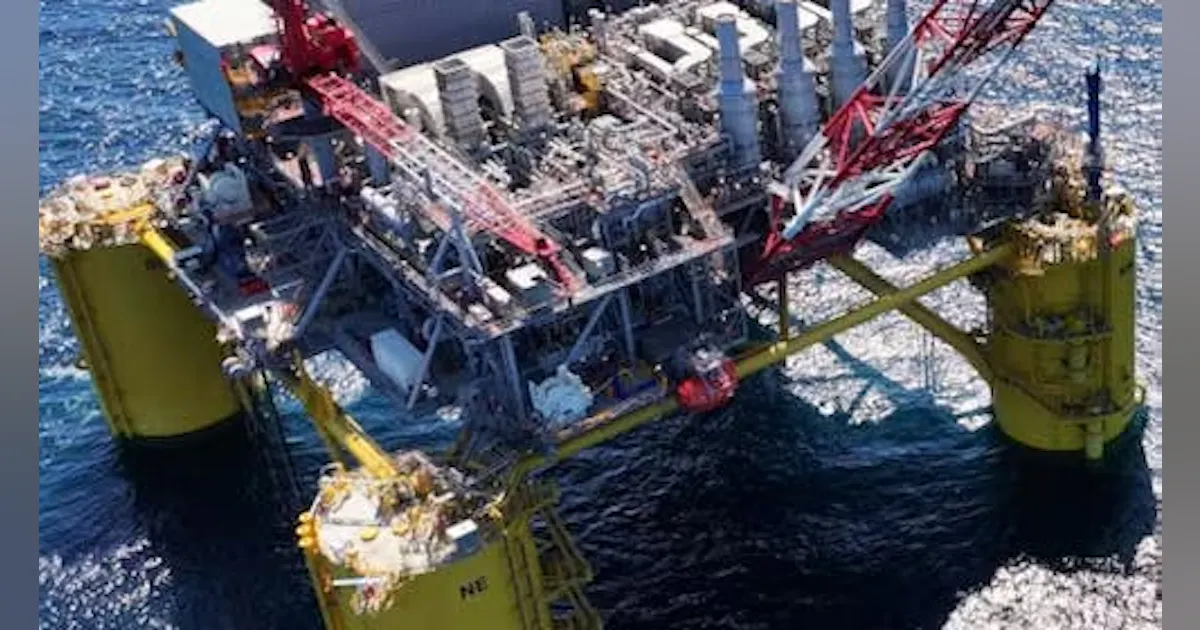
Rystad Energy reports a strong 2025 production year in the US Gulf driven by a few new floaters and subsea tiebacks. The floater FID pipeline ahead is small, so upcoming floater commissioning will focus on decline mitigation rather than large growth — that makes mobilization and slot commitments a real procurement lever to watch next
Buyer takeaway
Treat the reported floater pipeline constraint as a supplier leverage point: secure firm availability or priced options early, because late-stage asset shortages raise mobilization premiums
Cost / money
Directional upward pressure on mobilization and slot-hold costs as floater supply tightens; verify cancellation penalties and short-notice premiums before contracting
Supplier / commercial
Expect suppliers to request slot commitments, non‑refundable hold fees or accelerated payment terms to protect scarce floaters
Safety / operations
Compressed commissioning windows increase dependency on tested spares, crew availability and integration readiness; gaps translate to execution delays
What to watch
Watch whether suppliers start offering shorter-validity quotes or require staged awards to lock slots; this would force earlier commercial commitments
Key facts
- 2025 production surge supported by three new floater projects and multiple subsea tiebacks
- Future floater FID pipeline described as thin; commissioning geared toward decline mitigation
Source excerpts
Source: Rystad Energy UCubeWith conflict raging in the Middle East, it is worth considering the contours of a hypothetical accelerated FID outlook for tieback projects. If all tiebacks with higher assessed near-term potential received a positive FID today with development schedules following the latest median FID-to-startup cycle times, Rystad Energy estimates that associated upside would likely emerge from the second half of 2027
Source: Rystad Energy UCubeExploration results improve, but discovery trends remain weakMeanwhile, the lack of new discoveries and the timing of investment cycles have led to a limited pipeline of new capacity additions. In terms of floater projects, the GoA is coming off an eight-year investment run that saw positive final investment decisions (FIDs) for seven floating production units (FPUs) with combined nameplate capacity of nearly 800,000 boe/d
There are few pre-FID FPU opportunities remaining after bp’s sanctioning of Tiber-Guadalupe in September 2025. The Blacktip Field in Alaminos Canyon has been considered as a potential FPU development since its discovery by Shell in 2019, although there is some uncertainty around the project’s resources potential