Projects (EPC/EPCM & Construction) · Australia (Perth)

Secure Mobilisation and Logistics for APAC Subsea and Gas Projects

Published May 1, 2026, 6:00 AM AWSTAPACFull category signal
Ask AI
Southeast Asian field on track for first gas in 2027

In 60 seconds

Top move

The Mako gas project in Indonesia moved from planning to executed awards: letters of award and milestone payments convert pipeline intent into real EPC/EPCI mobilisation requirements for drilling, SURF and long‑lead items

Key takeaways

  • The Mako gas project in Indonesia moved from planning to executed awards: letters of award and milestone payments convert pipeline intent into real EPC/EPCI mobilisation requirements for drilling, SURF and long‑lead items.[3]
  • An Australian East Coast project has contracted UK‑made subsea umbilicals with options tied to drilling success, creating a cross‑border long‑lead import, drum‑handling and onshore storage dependency that must be contracted now.[2]
  • Regional LNG benchmark divergence (Asia/Europe higher vs US Henry Hub) raises the chance contractors push for fuel or energy indexation and pass‑throughs on gas‑linked scopes and logistics.[1]
  • New global subsea manufacturing and high‑pressure testing capacity (Baker Hughes, Norway) expands future supplier options for production trees and testing, but geographic mismatch means relief for APAC lead‑times is medium‑term, not immediate.[4]
  • Timeline overlap between Mako scope awards and Australian umbilical manufacture creates clustered demand for vessels, yards and specialist crews during the execution window—map shared resources now to avoid avoidable demurrage or schedule clashes.[3][2]

What changed since last run

  • Mako project progressed to FID‑to‑execution: letters of award and milestone payments were issued, converting more than $280 million of capital contracts into committed scopes (Article 1).
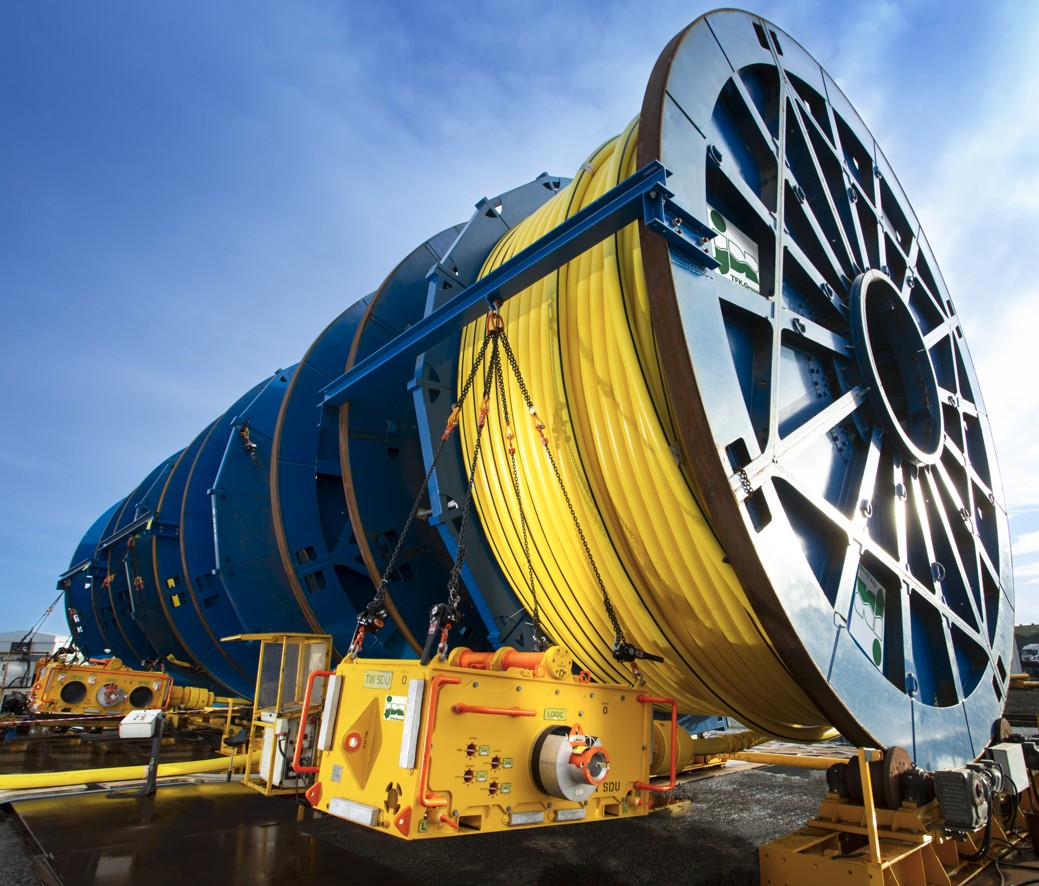
  • JDR secured a contract to supply ~18 km of umbilicals to an Australian project with manufacture in the UK and options for additional length, creating a concrete long‑lead import chain to track (Article 7).

Key facts

  • Letters of award cover more than $280 million of capital contracts (reported)
  • Project scope includes drilling, SURF, umbilicals and EPCI long‑lead items
  • Sales gas tied via ~59 km pipeline into adjacent infrastructure
  • Scope: ~18 km of umbilicals with options for ~13 km additional
  • Manufacturing location: JDR Hartlepool facility (UK); delivery on drums
  • Timing: offshore installation scheduled in the latter part of 2027

Why it matters

The Mako gas project in Indonesia moved from planning to executed awards: letters of award and milestone payments convert pipeline intent into real EPC/EPCI mobilisation requirements for drilling, SURF and long‑lead items. An Australian East Coast project has contracted UK‑made subsea umbilicals with options tied to drilling success, creating a cross‑border long‑lead import, drum‑handling and onshore storage dependency that must be contracted now. Regional LNG benchmark divergence (Asia/Europe higher vs US Henry Hub) raises the chance contractors push for fuel or energy indexation and pass‑throughs on gas‑linked scopes and logistics. New global subsea manufacturing and high‑pressure testing capacity (Baker Hughes, Norway) expands future supplier options for production trees and testing, but geographic mismatch means relief for APAC lead‑times is medium‑term, not immediate

Cost / money

  • LOAs and milestone payments on Mako reduce buyer room to renegotiate mobilisation timing and increase likelihood of expedited‑mobilisation premiums or pass‑throughs from contractors.[3]
  • Importing UK‑manufactured umbilicals raises landed cost exposure via special freight, customs handling and onshore storage; unclear responsibility across incoterms can shift costs back to the buyer unless clarified.[2]
  • Regional LNG price divergence increases the bargaining pressure for contractors to include energy‑linked uplift clauses on gas‑sensitive scopes, pushing potential variable cost exposure into contracts.[1]

Supplier / commercial

  • Issuing LOAs across drilling, SURF, EPCI and long‑lead items concentrates scope with incumbents and narrows windows to re‑tender, strengthening supplier negotiating posture on timing and premium pricing.[3]
  • JDR’s contract with optioned additional umbilicals creates conditional supplier leverage: successful drilling will shorten exercise windows and may tighten pricing and delivery negotiations.[2]
  • Baker Hughes’ new Norway facility increases medium‑term supplier depth and creates a benchmarking alternative for subsea hardware and testing, which buyers can use in future negotiations to push lead‑time and quality commitments.[4]

Safety / operations

  • Compressed mobilisation schedules around drilling and SURF work raise HSE readiness risk—late inductions, missing camp capacity or incomplete permits could block offshore mobilisation and trigger claims.[3]
  • Umbilical deliveries on drums and long transit require validated vessel compatibility, certified lifting plans and shore‑handling procedures to avoid handling damage and personnel safety exposures during termination activities.[2]

What to watch

  • Watch for contractors inserting short‑validity quotes, conditional mobilisation triggers, or fuel‑index pass‑through wording now that LOAs and milestone payments exist; contract mechanics can quickly erode buyer leverage.[3][1]
  • Watch option exercise clauses on the umbilicals (timing and price rehearse): narrow exercise windows or late acceptance criteria can be used to extend lead‑times or reprice scopes.[2]

Top stories

Story 1Offshore EnergyApr 30, 2026

Southeast Asian field on track for first gas in 2027

Signal strongSource-grounded

What happened

Following a March FID, West Natuna Exploration and partners issued letters of award covering drilling, subsea, SURF, EPCI and long‑lead items for the Mako gas project in Indonesia. The awards and milestone payments cover the majority of capital contracts and keep the project on track for first gas under the current timeline. Watch supplier mobilisation clauses, milestone payment sequencing and local logistics readiness as the next operational signs

Buyer takeaway

Treat this as an operational mobilisation signal that will pull fabrication, SURF and drilling resources—prepare mobilisation and supplier‑leverage strategies now

Cost / money

Milestone payments and concentrated LOAs reduce the buyer’s ability to negotiate mobilisation timing and increase exposure to expedited mobilisation premiums unless contract controls are applied

Supplier / commercial

Concentrated scope awards strengthen incumbents’ negotiating posture and shorten windows to re‑tender, increasing the chance of conditional timing clauses and narrow quote validity

Safety / operations

Compressed execution timelines raise HSE readiness risk—ensure early inductions, camp logistics and permit alignment to avoid execution blockers during mobilisation

What to watch

Monitor contract wording for short quote validity, conditional mobilisation triggers and fuel or expedite pass‑through mechanisms that shift cost risk to the buyer

Key facts

  • Letters of award cover more than $280 million of capital contracts (reported)
  • Project scope includes drilling, SURF, umbilicals and EPCI long‑lead items
  • Sales gas tied via ~59 km pipeline into adjacent infrastructure

Source excerpts

5%) and Coro Energy (15%), set the Mako gas project development activities in motion with letters of award covering more than $280 million of capital contracts, constituting over 80% of the total capital costs. As a result, letters of award have been issued for the drilling rig, subsea, umbilicals, risers, flowlines (SURF), engineering, procurement, construction, and installation (EPCI), conductor support frame (CSF), EPCT, and all long lead items
As a result, letters of award have been issued for the drilling rig, subsea, umbilicals, risers, flowlines (SURF), engineering, procurement, construction, and installation (EPCI), conductor support frame (CSF), EPCT, and all long lead items
As a result, letters of award have been issued for the drilling rig, subsea, umbilicals, risers, flowlines (SURF), engineering, procurement, construction, and installation (EPCI), conductor support frame (CSF), EPCT, and all long lead items. The operator has confirmed that several milestone payments have already been made to the contractors, with costs remaining in line with previous guidance
Story 2Offshore EnergyApr 30, 2026

JDR's umbilicals to travel from UK to Australian gas project

Signal moderateSource-grounded

What happened

JDR Cable Systems won a contract to supply approximately 18 kilometers of thermoplastic electro‑hydraulic umbilicals for an Australian East Coast Supply Project, with options for additional length linked to drilling success. Manufacture will occur at JDR’s Hartlepool facility in the UK and equipment will be delivered to Australia on drums; offshore installation is expected in the latter part of 2027. Operationally this is a clear long‑lead import exposure—verify freight, customs and drum‑handling arrangements now

Buyer takeaway

This is a long‑lead, cross‑border item—confirm logistics, insurance and handover points now to avoid demurrage and acceptance disputes on arrival

Cost / money

Long transit, special handling and onshore storage elevate landed cost exposure; clarify incoterms and insurance to prevent unexpected buyer charges

Supplier / commercial

Option clauses tied to drilling success give the supplier conditional leverage; buyers should seek fixed price and exercise windows where possible

Safety / operations

Drum handling and offshore termination present LIFT and HSE risks—validate vessel compatibility, lifting plans and certified procedures prior to mobilisation

What to watch

Watch for narrow option exercise windows or late acceptance criteria that could be used to extend lead‑times or reprice the option length

Key facts

  • Scope: ~18 km of umbilicals with options for ~13 km additional
  • Manufacturing location: JDR Hartlepool facility (UK); delivery on drums
  • Timing: offshore installation scheduled in the latter part of 2027

Source excerpts

The offshore installation campaign is expected in the latter part of 2027
Related Article The UK firm’s scope includes thermoplastic electro-hydraulic production control umbilicals and associated distribution equipment such as umbilical termination assemblies, umbilical termination heads, electrical flying leads and hydraulic flying leads. Manufacturing will take place at JDR’s Hartlepool facility in the UK, with the equipment to be delivered to Australia on drums
Home Subsea JDR’s umbilicals to travel from UK to Australian gas project April 30, 2026, by UK-based JDR Cable Systems, part of TFKable Group, has secured a contract with Australian independent operator Amplitude Energy for the supply of subsea control umbilicals
Story 3Offshore EnergyApr 30, 2026

Baker Hughes opens renewable energy-powered subsea manufacturing hub in Norway

Signal moderateDirectional

What happened

Baker Hughes opened a renewable‑powered subsea manufacturing and services hub in Norway with large workshops, multiple testing bays and high‑pressure testing capability. The facility supports manufacturing of subsea production trees and wellheads and can simulate deep‑water pressures, offering a new qualification and benchmarking route for buyers. This expands medium‑term supplier depth but will not immediately resolve APAC fabrication bottlenecks

Buyer takeaway

Use this facility as a benchmarking route to challenge incumbent suppliers on lead‑time and test standards during future RFQs

Cost / money

Additional manufacturing depth can reduce premium pricing from scarce local yards over time but immediate APAC lead‑time relief is limited

Supplier / commercial

Early engagement can secure qualification status and create future competition; treat as a strategic alternate supplier channel

Safety / operations

High‑pressure test capability supports stronger FAT scope and reduces rework risk when integrated into procurement validation

What to watch

Geographic distance and capacity ramp mean this is a medium‑term lever, not a short‑term fix for APAC schedule pressure

Key facts

  • 49,000 m² facility with 12,000 m² workshop and multiple testing bays
  • Testing capability up to 22,500 psi for deep‑water simulation
  • Facility fully powered by renewable energy

Source excerpts

Home Subsea Baker Hughes opens renewable energy-powered subsea manufacturing hub in Norway April 30, 2026, by Energy technology company Baker Hughes has opened a new subsea services center and manufacturing plant in Norway as part of its ambition to strengthen its North Sea capabilities. Source: Baker Hughes Located in Dusavik near Stavanger, the 49,000-square-meter facility features a 12,000-square-meter workshop, multiple testing bays, and the capability to recreate pressures up to 22,500 psi, allowing the tes
Home Subsea Baker Hughes opens renewable energy-powered subsea manufacturing hub in Norway April 30, 2026, by Energy technology company Baker Hughes has opened a new subsea services center and manufacturing plant in Norway as part of its ambition to strengthen its North Sea capabilities
With the opening of this facility, Baker Hughes is helping to bolster the resilience of the North Sea energy sector today and into the future
Story 4Hydrocarbon EngineeringApr 30, 2026

EIA: International LNG prices rise amid Strait of Hormuz closure

Signal strongSource-grounded

What happened

The EIA reports that LNG benchmark prices in Europe and East Asia rose following closure of the Strait of Hormuz, while US Henry Hub prices declined, creating regional price divergence and volatility. The disruption removed a material portion of global LNG flows and prompted additional US export authorisations, increasing the risk of energy‑linked cost pass‑throughs for gas‑sensitive project scopes. Procurement should expect suppliers to press for indexation or capped pass‑through clauses

Buyer takeaway

Anticipate suppliers adding fuel or LNG indexation protections; insist on capped pass‑throughs or fixed uplift rules in contracts

Cost / money

Higher regional LNG benchmarks increase the likely cost base for gas‑linked CAPEX and logistics where fuel exposure exists

Supplier / commercial

Contractors may seek to reprice bids or insert adjustment clauses; challenge any market‑linked uplifts and negotiate caps

Safety / operations

Price volatility can alter operational choices (steaming speeds, vessel selection) which affect schedule and HSE risk—require alternative plans

What to watch

Monitor changes to export authorisations and vessel routing through chokepoints as these will materially affect fuel and charter markets

Key facts

  • Reported rise in European and Asian LNG front‑month futures following Strait of Hormuz closure
  • Reported decline in US Henry Hub prices in the same period
  • Reported meaningful portion of global LNG flows affected by the chokepoint disruption

Source excerpts

Operators already run US LNG terminals at high utilisation rates, limiting additional natural gas export growth, which in turn limits the potential for significant price increases in the US domestic market
Prices for natural gas in Europe and Asia have diverged from those in the US since the 28 February closure of the Strait of Hormuz, the US Energy Information Administration (EIA) has reported. Futures prices for LNG delivery to the Title Transfer Facility (TTF), the European benchmark price, increased to US$14
In contrast, natural gas prices at the US benchmark Henry Hub have decreased 9% since 28 February due to limited opportunities for increasing LNG exports in the near term and ample domestic seasonal natural gas storage and supply

VP Snapshot

Executive Risk & Action View

The Mako gas project in Indonesia moved from planning to executed awards: letters of award and milestone payments convert pipeline intent into real EPC/EPCI mobilisation requirements for drilling, SURF and long‑lead items.

Overall
53
Cost
100
Supply
43
Schedule
38
Compliance
15

Top signals

30-180dcost

Signal 1: Cost / money

LOAs and milestone payments on Mako reduce buyer room to renegotiate mobilisation timing and increase likelihood of expedited‑mobilisation premiums or pass‑throughs from contractors.

Signal 2: Cost / money

Importing UK‑manufactured umbilicals raises landed cost exposure via special freight, customs handling and onshore storage; unclear responsibility across incoterms can shift costs back to the buyer unless clarified.

Signal 3: Cost / money

Regional LNG price divergence increases the bargaining pressure for contractors to include energy‑linked uplift clauses on gas‑sensitive scopes, pushing potential variable cost exposure into contracts.

30-180dcommercial

Signal 4: Supplier / commercial

Issuing LOAs across drilling, SURF, EPCI and long‑lead items concentrates scope with incumbents and narrows windows to re‑tender, strengthening supplier negotiating posture on timing and premium pricing.

Signal 6: Supplier / commercial

Baker Hughes’ new Norway facility increases medium‑term supplier depth and creates a benchmarking alternative for subsea hardware and testing, which buyers can use in future negotiations to push lead‑time and quality commitments.

30-180dschedule

Signal 5: Supplier / commercial

JDR’s contract with optioned additional umbilicals creates conditional supplier leverage: successful drilling will shorten exercise windows and may tighten pricing and delivery negotiations.

Recommended actions

CategoryDue 3d

Create a mobilisation register that lists awarded scopes, milestone payment dates, incumbent suppliers, long‑lead items and cross‑project resource overlaps.

Single‑page register that surfaces single‑source exposures, likely mobilisation windows and candidate choke points for immediate contingency planning.

OpsDue 3d

Ask the umbilical supplier and shortlisted logistics partners to confirm drum‑handling procedures, customs lead times and nominated onshore storage arrangements.

Verified logistics capability statements and recommended handlers to reduce arrival delays, damage risk and demurrage disputes.

ContractsDue 21d

Update draft EPC and specialist‑services frameworks to include explicit mobilisation triggers, capped pass‑through mechanics, and fuel/indexation controls for gas‑linked scopes.

Framework clauses and SOW templates that limit variable cost pass‑throughs and clarify mobilisation payment triggers to reduce claims and margin erosion.

CategoryDue 21d

Run a focused logistics risk exercise for the umbilical import chain covering ports of entry, bonded storage options, drum‑handling equipment and insurance terms.

Risk register with nominated mitigation actions (preferred ports, handlers, insurance recommendations) to reduce arrival‑to‑installation uncertainty.

CategoryDue 60d

Engage and pre‑qualify alternative subsea hardware and test providers (including Baker Hughes’ Norway hub) to build competitive depth for future RFQs and reduce single‑source de...

Supplier shortlist and qualification plan usable in future tenders to lower single‑vendor risk and tighten delivery commitments.

ContractsDue 60d

Prepare a mobilisation annex for EPC contracts that ties milestone payments to verified HSE, camp and logistics readiness and includes clear demurrage and demobilisation charge...

Standard annex template that reduces disputes by linking payments to verifiable readiness and limiting contractor claim scope during mobilisation.

Risk register

RiskTriggerMitigation
Watch for contractors inserting short‑validity quotes, conditional mobilisation triggers, or fuel‑index pass‑through wording now that LOAs and milestone payments exist; contract mechanics can quickly erode buyer leverage.Watch for contractors inserting short‑validity quotes, conditional mobilisation triggers, or fuel‑index pass‑through wording now that LOAs and milestone payments exist; contract mechanics can quickly erode buyer leverage.Confirm exposure with category, contracts, and operations before the next supplier commitment.
Watch option exercise clauses on the umbilicals (timing and price rehearse): narrow exercise windows or late acceptance criteria can be used to extend lead‑times or reprice scopes.Watch option exercise clauses on the umbilicals (timing and price rehearse): narrow exercise windows or late acceptance criteria can be used to extend lead‑times or reprice scopes.Confirm exposure with category, contracts, and operations before the next supplier commitment.

CM Snapshot

Category Manager Decision Detail

Today's priorities

Create a mobilisation register that lists awarded scopes, milestone payment dates, incumbent suppliers, long‑lead items and cross‑project resource overlaps.

Do this because issued LOAs and milestone payments convert planned work into committed mobilisation dependencies and overlapping demand can create avoidable demurrage and premiu...

Due 3d

high

CM move

Use this as the immediate supplier or contract action to move before the next sourcing gate.

Ask the umbilical supplier and shortlisted logistics partners to confirm drum‑handling procedures, customs lead times and nominated onshore storage arrangements.

Do this because UK manufacture and sea transit create multiple handoffs where unclear responsibilities drive cost and schedule risk during receipt and pre‑installation handling.

Due 3d

high

CM move

Use this as the immediate supplier or contract action to move before the next sourcing gate.

Update draft EPC and specialist‑services frameworks to include explicit mobilisation triggers, capped pass‑through mechanics, and fuel/indexation controls for gas‑linked scopes.

Do this because regional LNG benchmark divergence and LOAs increase the likelihood suppliers will seek energy‑linked uplifts unless contract language constrains them.

Due 21d

high

CM move

Use this as the immediate supplier or contract action to move before the next sourcing gate.

Run a focused logistics risk exercise for the umbilical import chain covering ports of entry, bonded storage options, drum‑handling equipment and insurance terms.

Do this because long transit and special handling raise on‑shore cost and schedule exposure that is controllable through contractual clarity and operational planning.

Due 21d

high

CM move

Use this as the immediate supplier or contract action to move before the next sourcing gate.

Supplier radar

Offshore Energy

high

Observed supplier signal

Issuing LOAs across drilling, SURF, EPCI and long‑lead items concentrates scope with incumbents and narrows windows to re‑tender, strengthening supplier negotiating posture on timing and premium pricing.

Commercial implication

Issuing LOAs across drilling, SURF, EPCI and long‑lead items concentrates scope with incumbents and narrows windows to re‑tender, strengthening supplier negotiating posture on timing and premium pricing.

Next step: Validate the source-backed signal with incumbents and alternates before the next award or pricing decision.

Offshore Energy

high

Observed supplier signal

JDR’s contract with optioned additional umbilicals creates conditional supplier leverage: successful drilling will shorten exercise windows and may tighten pricing and delivery negotiations.

Commercial implication

JDR’s contract with optioned additional umbilicals creates conditional supplier leverage: successful drilling will shorten exercise windows and may tighten pricing and delivery negotiations.

Next step: Validate the source-backed signal with incumbents and alternates before the next award or pricing decision.

Offshore Energy

high

Observed supplier signal

Baker Hughes’ new Norway facility increases medium‑term supplier depth and creates a benchmarking alternative for subsea hardware and testing, which buyers can use in future negotiations to push lead‑time and quality commitments.

Commercial implication

Baker Hughes’ new Norway facility increases medium‑term supplier depth and creates a benchmarking alternative for subsea hardware and testing, which buyers can use in future negotiations to push lead‑time and quality commitments.

Next step: Validate the source-backed signal with incumbents and alternates before the next award or pricing decision.

Negotiation levers

Create a mobilisation register that lists awarded scopes, milestone payment dates, incumbent suppliers, long‑lead items and cross‑project resource overlaps.

When to use: Do this because issued LOAs and milestone payments convert planned work into committed mobilisation dependencies and overlapping demand can create avoidable demurrage and premiu...

Expected outcome: Single‑page register that surfaces single‑source exposures, likely mobilisation windows and candidate choke points for immediate contingency planning.

Commercial mechanism to carry into the next supplier conversation

Ask the umbilical supplier and shortlisted logistics partners to confirm drum‑handling procedures, customs lead times and nominated onshore storage arrangements.

When to use: Do this because UK manufacture and sea transit create multiple handoffs where unclear responsibilities drive cost and schedule risk during receipt and pre‑installation handling.

Expected outcome: Verified logistics capability statements and recommended handlers to reduce arrival delays, damage risk and demurrage disputes.

Commercial mechanism to carry into the next supplier conversation

Update draft EPC and specialist‑services frameworks to include explicit mobilisation triggers, capped pass‑through mechanics, and fuel/indexation controls for gas‑linked scopes.

When to use: Do this because regional LNG benchmark divergence and LOAs increase the likelihood suppliers will seek energy‑linked uplifts unless contract language constrains them.

Expected outcome: Framework clauses and SOW templates that limit variable cost pass‑throughs and clarify mobilisation payment triggers to reduce claims and margin erosion.

Commercial mechanism to carry into the next supplier conversation

Run a focused logistics risk exercise for the umbilical import chain covering ports of entry, bonded storage options, drum‑handling equipment and insurance terms.

When to use: Do this because long transit and special handling raise on‑shore cost and schedule exposure that is controllable through contractual clarity and operational planning.

Expected outcome: Risk register with nominated mitigation actions (preferred ports, handlers, insurance recommendations) to reduce arrival‑to‑installation uncertainty.

Commercial mechanism to carry into the next supplier conversation

Talking points

The Mako gas project in Indonesia moved from planning to executed awards: letters of award and milestone payments convert pipeline intent into real EPC/EPCI mobilisation requirements for drilling, SURF and long‑lead items.
An Australian East Coast project has contracted UK‑made subsea umbilicals with options tied to drilling success, creating a cross‑border long‑lead import, drum‑handling and onshore storage dependency that must be contracted now.
Regional LNG benchmark divergence (Asia/Europe higher vs US Henry Hub) raises the chance contractors push for fuel or energy indexation and pass‑throughs on gas‑linked scopes and logistics.
New global subsea manufacturing and high‑pressure testing capacity (Baker Hughes, Norway) expands future supplier options for production trees and testing, but geographic mismatch means relief for APAC lead‑times is medium‑term, not immediate.

Supplier radar

SupplierSignalImplicationNext stepConfidence
Offshore EnergyIssuing LOAs across drilling, SURF, EPCI and long‑lead items concentrates scope with incumbents and narrows windows to re‑tender, strengthening supplier negotiating posture on timing and premium pricing.Issuing LOAs across drilling, SURF, EPCI and long‑lead items concentrates scope with incumbents and narrows windows to re‑tender, strengthening supplier negotiating posture on timing and premium pricing.Validate the source-backed signal with incumbents and alternates before the next award or pricing decision.high
Offshore EnergyJDR’s contract with optioned additional umbilicals creates conditional supplier leverage: successful drilling will shorten exercise windows and may tighten pricing and delivery negotiations.JDR’s contract with optioned additional umbilicals creates conditional supplier leverage: successful drilling will shorten exercise windows and may tighten pricing and delivery negotiations.Validate the source-backed signal with incumbents and alternates before the next award or pricing decision.high
Offshore EnergyBaker Hughes’ new Norway facility increases medium‑term supplier depth and creates a benchmarking alternative for subsea hardware and testing, which buyers can use in future negotiations to push lead‑time and quality commitments.Baker Hughes’ new Norway facility increases medium‑term supplier depth and creates a benchmarking alternative for subsea hardware and testing, which buyers can use in future negotiations to push lead‑time and quality commitments.Validate the source-backed signal with incumbents and alternates before the next award or pricing decision.high

Negotiation levers

  • Create a mobilisation register that lists awarded scopes, milestone payment dates, incumbent suppliers, long‑lead items and cross‑project resource overlaps.Do this because issued LOAs and milestone payments convert planned work into committed mobilisation dependencies and overlapping demand can create avoidable demurrage and premiu...Single‑page register that surfaces single‑source exposures, likely mobilisation windows and candidate choke points for immediate contingency planning.

    high confidence

  • Ask the umbilical supplier and shortlisted logistics partners to confirm drum‑handling procedures, customs lead times and nominated onshore storage arrangements.Do this because UK manufacture and sea transit create multiple handoffs where unclear responsibilities drive cost and schedule risk during receipt and pre‑installation handling.Verified logistics capability statements and recommended handlers to reduce arrival delays, damage risk and demurrage disputes.

    high confidence

  • Update draft EPC and specialist‑services frameworks to include explicit mobilisation triggers, capped pass‑through mechanics, and fuel/indexation controls for gas‑linked scopes.Do this because regional LNG benchmark divergence and LOAs increase the likelihood suppliers will seek energy‑linked uplifts unless contract language constrains them.Framework clauses and SOW templates that limit variable cost pass‑throughs and clarify mobilisation payment triggers to reduce claims and margin erosion.

    high confidence

  • Run a focused logistics risk exercise for the umbilical import chain covering ports of entry, bonded storage options, drum‑handling equipment and insurance terms.Do this because long transit and special handling raise on‑shore cost and schedule exposure that is controllable through contractual clarity and operational planning.Risk register with nominated mitigation actions (preferred ports, handlers, insurance recommendations) to reduce arrival‑to‑installation uncertainty.

    high confidence

What to do / What to watch

What to do now

  • Create a mobilisation register that lists awarded scopes, milestone payment dates, incumbent suppliers, long‑lead items and cross‑project resource overlaps.

    Why: Do this because issued LOAs and milestone payments convert planned work into committed mobilisation dependencies and overlapping demand can create avoidable demurrage and premiu...

    Owner: Category

    Expected outcome: Single‑page register that surfaces single‑source exposures, likely mobilisation windows and candidate choke points for immediate contingency planning.

    [3][2]
  • Ask the umbilical supplier and shortlisted logistics partners to confirm drum‑handling procedures, customs lead times and nominated onshore storage arrangements.

    Why: Do this because UK manufacture and sea transit create multiple handoffs where unclear responsibilities drive cost and schedule risk during receipt and pre‑installation handling.

    Owner: Ops

    Expected outcome: Verified logistics capability statements and recommended handlers to reduce arrival delays, damage risk and demurrage disputes.

    [2]

Next few weeks

  • Update draft EPC and specialist‑services frameworks to include explicit mobilisation triggers, capped pass‑through mechanics, and fuel/indexation controls for gas‑linked scopes.

    Why: Do this because regional LNG benchmark divergence and LOAs increase the likelihood suppliers will seek energy‑linked uplifts unless contract language constrains them.

    Owner: Contracts

    Expected outcome: Framework clauses and SOW templates that limit variable cost pass‑throughs and clarify mobilisation payment triggers to reduce claims and margin erosion.

    [3][1]
  • Run a focused logistics risk exercise for the umbilical import chain covering ports of entry, bonded storage options, drum‑handling equipment and insurance terms.

    Why: Do this because long transit and special handling raise on‑shore cost and schedule exposure that is controllable through contractual clarity and operational planning.

    Owner: Category

    Expected outcome: Risk register with nominated mitigation actions (preferred ports, handlers, insurance recommendations) to reduce arrival‑to‑installation uncertainty.

    [2]

Longer view

  • Engage and pre‑qualify alternative subsea hardware and test providers (including Baker Hughes’ Norway hub) to build competitive depth for future RFQs and reduce single‑source de...

    Why: Do this because added manufacturing and high‑pressure test capacity provides a credible alternative supplier pathway that can improve lead‑time options and negotiation leverage.

    Owner: Category

    Expected outcome: Supplier shortlist and qualification plan usable in future tenders to lower single‑vendor risk and tighten delivery commitments.

    [4]
  • Prepare a mobilisation annex for EPC contracts that ties milestone payments to verified HSE, camp and logistics readiness and includes clear demurrage and demobilisation charge...

    Why: Do this because accelerated project sequences and milestone payments increase execution risk if HSE and logistics readiness are not contractually linked to payment triggers.

    Owner: Contracts

    Expected outcome: Standard annex template that reduces disputes by linking payments to verifiable readiness and limiting contractor claim scope during mobilisation.

    [3][2]

What to watch

  • Watch for contractors inserting short‑validity quotes, conditional mobilisation triggers, or fuel‑index pass‑through wording now that LOAs and milestone payments exist; contract mechanics can quickly erode buyer leverage
  • Watch option exercise clauses on the umbilicals (timing and price rehearse): narrow exercise windows or late acceptance criteria can be used to extend lead‑times or reprice scopes
  • Watch for contractors inserting short‑validity quotes, conditional mobilisation triggers, or fuel‑index pass‑through wording now that LOAs and milestone payments exist; contract mechanics can quickly erode buyer leverage.: Watch for contractors inserting short‑validity quotes, conditional mobilisation triggers, or fuel‑index pass‑through wording now that LOAs and milestone payments exist; contract mechanics can quickly erode buyer leverage
  • Watch option exercise clauses on the umbilicals (timing and price rehearse): narrow exercise windows or late acceptance criteria can be used to extend lead‑times or reprice scopes.: Watch option exercise clauses on the umbilicals (timing and price rehearse): narrow exercise windows or late acceptance criteria can be used to extend lead‑times or reprice scopes
  • The Mako gas project in Indonesia moved from planning to executed awards: letters of award and milestone payments convert pipeline intent into real EPC/EPCI mobilisation requirements for drilling, SURF and long‑lead items
  • An Australian East Coast project has contracted UK‑made subsea umbilicals with options tied to drilling success, creating a cross‑border long‑lead import, drum‑handling and onshore storage dependency that must be contracted now
  • Regional LNG benchmark divergence (Asia/Europe higher vs US Henry Hub) raises the chance contractors push for fuel or energy indexation and pass‑throughs on gas‑linked scopes and logistics
  • New global subsea manufacturing and high‑pressure testing capacity (Baker Hughes, Norway) expands future supplier options for production trees and testing, but geographic mismatch means relief for APAC lead‑times is medium‑term, not immediate

Market pulse

IndexLatestChangeAs of
Henry Hub Gas (NG)3.12 /MMBtu+0.00 (+0.00%)Apr 30, 2026, 10:05 PM
Cheniere (LNG) (LNG)185 +0.00 (+0.00%)Apr 30, 2026, 10:05 PM
Brent Crude (BRENT)74.89 /bbl+0.00 (+0.00%)Apr 30, 2026, 10:05 PM
Fluor Corp (FLR)42 +0.00 (+0.00%)Apr 30, 2026, 10:05 PM
KBR Inc (KBR)58 +0.00 (+0.00%)Apr 30, 2026, 10:05 PM
  • Cheniere (LNG): Stronger Asian/European LNG benchmarks increase pass‑through and indexation pressure on gas‑linked CAPEX and logistics; require capped uplift clauses in EPCs
  • Fluor Corp: Large EPC contractors' share‑price movements can indicate market sentiment on project awards and execution risk—monitor for shifts that affect contractor liquidity and mobilisation posture

Sources

Inline citations jump here. Expand a source to read the excerpt, the AI interpretation, and the original link.

[1] EIA: International LNG prices rise amid Strait of Hormuz closure

hydrocarbonengineering.com · Apr 30, 2026

Expand

AI reading

The EIA reports that LNG benchmark prices in Europe and East Asia rose following closure of the Strait of Hormuz, while US Henry Hub prices declined, creating regional price divergence and volatility. The disruption removed a material portion of global LNG flows and prompted additional US export authorisations, increasing the risk of energy‑linked cost pass‑throughs for gas‑sensitive project scopes. Procurement should expect suppliers to press for indexation or capped pass‑through clauses

Buyer takeaway

Anticipate suppliers adding fuel or LNG indexation protections; insist on capped pass‑throughs or fixed uplift rules in contracts

Cost / money

Higher regional LNG benchmarks increase the likely cost base for gas‑linked CAPEX and logistics where fuel exposure exists

Supplier / commercial

Contractors may seek to reprice bids or insert adjustment clauses; challenge any market‑linked uplifts and negotiate caps

Safety / operations

Price volatility can alter operational choices (steaming speeds, vessel selection) which affect schedule and HSE risk—require alternative plans

What to watch

Monitor changes to export authorisations and vessel routing through chokepoints as these will materially affect fuel and charter markets

Key facts

  • Reported rise in European and Asian LNG front‑month futures following Strait of Hormuz closure
  • Reported decline in US Henry Hub prices in the same period
  • Reported meaningful portion of global LNG flows affected by the chokepoint disruption

Source excerpts

Operators already run US LNG terminals at high utilisation rates, limiting additional natural gas export growth, which in turn limits the potential for significant price increases in the US domestic market
Prices for natural gas in Europe and Asia have diverged from those in the US since the 28 February closure of the Strait of Hormuz, the US Energy Information Administration (EIA) has reported. Futures prices for LNG delivery to the Title Transfer Facility (TTF), the European benchmark price, increased to US$14
In contrast, natural gas prices at the US benchmark Henry Hub have decreased 9% since 28 February due to limited opportunities for increasing LNG exports in the near term and ample domestic seasonal natural gas storage and supply

Used in this brief

  • Cost / money: Regional LNG price divergence increases the bargaining pressure for contractors to include energy‑linked uplift clauses on gas‑sensitive scopes, pushing potential variable cost exposure into contracts
  • The EIA reports that LNG benchmark prices in Europe and East Asia rose following closure of the Strait of Hormuz, while US Henry Hub prices declined, creating regional price divergence and volatility. The disruption removed a material portion of global LNG flows and prompted additional US export authorisations, increasing the risk of energy‑linked cost pass‑throughs for gas‑sensitive project scopes. Procurement should expect suppliers to press for indexation or capped pass‑through clauses
  • Buyer bottom line: benchmark divergence increases the risk contractors will seek energy‑linked uplifts—procurement must cap or control pass‑throughs in gas‑linked contracts
Open original source

[2] JDR's umbilicals to travel from UK to Australian gas project

offshore-energy.biz · Apr 30, 2026

Expand

AI reading

JDR Cable Systems won a contract to supply approximately 18 kilometers of thermoplastic electro‑hydraulic umbilicals for an Australian East Coast Supply Project, with options for additional length linked to drilling success. Manufacture will occur at JDR’s Hartlepool facility in the UK and equipment will be delivered to Australia on drums; offshore installation is expected in the latter part of 2027. Operationally this is a clear long‑lead import exposure—verify freight, customs and drum‑handling arrangements now

Buyer takeaway

This is a long‑lead, cross‑border item—confirm logistics, insurance and handover points now to avoid demurrage and acceptance disputes on arrival

Cost / money

Long transit, special handling and onshore storage elevate landed cost exposure; clarify incoterms and insurance to prevent unexpected buyer charges

Supplier / commercial

Option clauses tied to drilling success give the supplier conditional leverage; buyers should seek fixed price and exercise windows where possible

Safety / operations

Drum handling and offshore termination present LIFT and HSE risks—validate vessel compatibility, lifting plans and certified procedures prior to mobilisation

What to watch

Watch for narrow option exercise windows or late acceptance criteria that could be used to extend lead‑times or reprice the option length

Key facts

  • Scope: ~18 km of umbilicals with options for ~13 km additional
  • Manufacturing location: JDR Hartlepool facility (UK); delivery on drums
  • Timing: offshore installation scheduled in the latter part of 2027

Source excerpts

The offshore installation campaign is expected in the latter part of 2027
Related Article The UK firm’s scope includes thermoplastic electro-hydraulic production control umbilicals and associated distribution equipment such as umbilical termination assemblies, umbilical termination heads, electrical flying leads and hydraulic flying leads. Manufacturing will take place at JDR’s Hartlepool facility in the UK, with the equipment to be delivered to Australia on drums
Home Subsea JDR’s umbilicals to travel from UK to Australian gas project April 30, 2026, by UK-based JDR Cable Systems, part of TFKable Group, has secured a contract with Australian independent operator Amplitude Energy for the supply of subsea control umbilicals

Used in this brief

  • Next 72 hours — Ask the umbilical supplier and shortlisted logistics partners to confirm drum‑handling procedures, customs lead times and nominated onshore storage arrangements.. Rationale: Do this because UK manufacture and sea transit create multiple handoffs where unclear responsibilities drive cost and schedule risk during receipt and pre‑installation handling.. Owner: Ops. KPI: Verified logistics capability statements and recommended handlers to reduce arrival delays, damage risk and demurrage disputes
  • Next 2-4 weeks — Run a focused logistics risk exercise for the umbilical import chain covering ports of entry, bonded storage options, drum‑handling equipment and insurance terms.. Rationale: Do this because long transit and special handling raise on‑shore cost and schedule exposure that is controllable through contractual clarity and operational planning.. Owner: Category. KPI: Risk register with nominated mitigation actions (preferred ports, handlers, insurance recommendations) to reduce arrival‑to‑installation uncertainty
  • Watch option exercise clauses on the umbilicals (timing and price rehearse): narrow exercise windows or late acceptance criteria can be used to extend lead‑times or reprice scopes
Open original source

[3] Southeast Asian field on track for first gas in 2027

offshore-energy.biz · Apr 30, 2026

Expand

AI reading

Following a March FID, West Natuna Exploration and partners issued letters of award covering drilling, subsea, SURF, EPCI and long‑lead items for the Mako gas project in Indonesia. The awards and milestone payments cover the majority of capital contracts and keep the project on track for first gas under the current timeline. Watch supplier mobilisation clauses, milestone payment sequencing and local logistics readiness as the next operational signs

Buyer takeaway

Treat this as an operational mobilisation signal that will pull fabrication, SURF and drilling resources—prepare mobilisation and supplier‑leverage strategies now

Cost / money

Milestone payments and concentrated LOAs reduce the buyer’s ability to negotiate mobilisation timing and increase exposure to expedited mobilisation premiums unless contract controls are applied

Supplier / commercial

Concentrated scope awards strengthen incumbents’ negotiating posture and shorten windows to re‑tender, increasing the chance of conditional timing clauses and narrow quote validity

Safety / operations

Compressed execution timelines raise HSE readiness risk—ensure early inductions, camp logistics and permit alignment to avoid execution blockers during mobilisation

What to watch

Monitor contract wording for short quote validity, conditional mobilisation triggers and fuel or expedite pass‑through mechanisms that shift cost risk to the buyer

Key facts

  • Letters of award cover more than $280 million of capital contracts (reported)
  • Project scope includes drilling, SURF, umbilicals and EPCI long‑lead items
  • Sales gas tied via ~59 km pipeline into adjacent infrastructure

Source excerpts

5%) and Coro Energy (15%), set the Mako gas project development activities in motion with letters of award covering more than $280 million of capital contracts, constituting over 80% of the total capital costs. As a result, letters of award have been issued for the drilling rig, subsea, umbilicals, risers, flowlines (SURF), engineering, procurement, construction, and installation (EPCI), conductor support frame (CSF), EPCT, and all long lead items
As a result, letters of award have been issued for the drilling rig, subsea, umbilicals, risers, flowlines (SURF), engineering, procurement, construction, and installation (EPCI), conductor support frame (CSF), EPCT, and all long lead items
As a result, letters of award have been issued for the drilling rig, subsea, umbilicals, risers, flowlines (SURF), engineering, procurement, construction, and installation (EPCI), conductor support frame (CSF), EPCT, and all long lead items. The operator has confirmed that several milestone payments have already been made to the contractors, with costs remaining in line with previous guidance

Used in this brief

  • The Mako gas project in Indonesia moved from planning to executed awards: letters of award and milestone payments convert pipeline intent into real EPC/EPCI mobilisation requirements for drilling, SURF and long‑lead items. An Australian East Coast project has contracted UK‑made subsea umbilicals with options tied to drilling success, creating a cross‑border long‑lead import, drum‑handling and onshore storage dependency that must be contracted now. Regional LNG benchmark divergence (Asia/Europe higher vs US Henry Hub) raises the chance contractors push for fuel or energy indexation and pass‑throughs on gas‑linked scopes and logistics. New global subsea manufacturing and high‑pressure testing capacity (Baker Hughes, Norway) expands future supplier options for production trees and testing, but geographic mismatch means relief for APAC lead‑times is medium‑term, not immediate
  • Supplier / commercial: Issuing LOAs across drilling, SURF, EPCI and long‑lead items concentrates scope with incumbents and narrows windows to re‑tender, strengthening supplier negotiating posture on timing and premium pricing
  • Next 72 hours — Create a mobilisation register that lists awarded scopes, milestone payment dates, incumbent suppliers, long‑lead items and cross‑project resource overlaps.. Rationale: Do this because issued LOAs and milestone payments convert planned work into committed mobilisation dependencies and overlapping demand can create avoidable demurrage and premiu.... Owner: Category. KPI: Single‑page register that surfaces single‑source exposures, likely mobilisation windows and candidate choke points for immediate contingency planning
Open original source

[4] Baker Hughes opens renewable energy-powered subsea manufacturing hub in Norway

offshore-energy.biz · Apr 30, 2026

Expand

AI reading

Baker Hughes opened a renewable‑powered subsea manufacturing and services hub in Norway with large workshops, multiple testing bays and high‑pressure testing capability. The facility supports manufacturing of subsea production trees and wellheads and can simulate deep‑water pressures, offering a new qualification and benchmarking route for buyers. This expands medium‑term supplier depth but will not immediately resolve APAC fabrication bottlenecks

Buyer takeaway

Use this facility as a benchmarking route to challenge incumbent suppliers on lead‑time and test standards during future RFQs

Cost / money

Additional manufacturing depth can reduce premium pricing from scarce local yards over time but immediate APAC lead‑time relief is limited

Supplier / commercial

Early engagement can secure qualification status and create future competition; treat as a strategic alternate supplier channel

Safety / operations

High‑pressure test capability supports stronger FAT scope and reduces rework risk when integrated into procurement validation

What to watch

Geographic distance and capacity ramp mean this is a medium‑term lever, not a short‑term fix for APAC schedule pressure

Key facts

  • 49,000 m² facility with 12,000 m² workshop and multiple testing bays
  • Testing capability up to 22,500 psi for deep‑water simulation
  • Facility fully powered by renewable energy

Source excerpts

Home Subsea Baker Hughes opens renewable energy-powered subsea manufacturing hub in Norway April 30, 2026, by Energy technology company Baker Hughes has opened a new subsea services center and manufacturing plant in Norway as part of its ambition to strengthen its North Sea capabilities. Source: Baker Hughes Located in Dusavik near Stavanger, the 49,000-square-meter facility features a 12,000-square-meter workshop, multiple testing bays, and the capability to recreate pressures up to 22,500 psi, allowing the tes
Home Subsea Baker Hughes opens renewable energy-powered subsea manufacturing hub in Norway April 30, 2026, by Energy technology company Baker Hughes has opened a new subsea services center and manufacturing plant in Norway as part of its ambition to strengthen its North Sea capabilities
With the opening of this facility, Baker Hughes is helping to bolster the resilience of the North Sea energy sector today and into the future

Used in this brief

  • Supplier / commercial: Baker Hughes’ new Norway facility increases medium‑term supplier depth and creates a benchmarking alternative for subsea hardware and testing, which buyers can use in future negotiations to push lead‑time and quality commitments
  • Next quarter — Engage and pre‑qualify alternative subsea hardware and test providers (including Baker Hughes’ Norway hub) to build competitive depth for future RFQs and reduce single‑source de.... Rationale: Do this because added manufacturing and high‑pressure test capacity provides a credible alternative supplier pathway that can improve lead‑time options and negotiation leverage.. Owner: Category. KPI: Supplier shortlist and qualification plan usable in future tenders to lower single‑vendor risk and tighten delivery commitments
  • Baker Hughes opened a renewable‑powered subsea manufacturing and services hub in Norway with large workshops, multiple testing bays and high‑pressure testing capability. The facility supports manufacturing of subsea production trees and wellheads and can simulate deep‑water pressures, offering a new qualification and benchmarking route for buyers. This expands medium‑term supplier depth but will not immediately resolve APAC fabrication bottlenecks
Open original source

[5] Cheniere (LNG)

finance.yahoo.com · n.d.

Expand

[6] Fluor Corp

finance.yahoo.com · n.d.

Expand