Drilling Services · Australia (Perth)

Secure Subsea Capacity and Transport for Australian Tiebacks

Published May 3, 2026, 6:02 AM AWSTAPACFull category signal
Ask AI
JDR wins umbilicals contract for East Coast Supply Project

In 60 seconds

Top move

JDR’s umbilicals award for the East Coast Supply Project creates a clear upcoming demand window for subsea control umbilicals and associated transport/mobilisation in Australia; buyers should verify supplier lead times and drum-transport constraints now

Key takeaways

  • JDR’s umbilicals award for the East Coast Supply Project creates a clear upcoming demand window for subsea control umbilicals and associated transport/mobilisation in Australia; buyers should verify supplier lead times and drum-transport constraints now.[2]
  • Recent heavy cable-laying activity in the region shows cable-laying vessels and trenching assets are being scheduled across APAC, which can compete with vessel and ROV availability needed by drilling and subsea campaigns.[1]
  • Macro supply-chain themes — including shipping disruptions tied to Middle East tensions — remain a directional risk to mobilisation and cross-border transport for long-lead drilling and subsea equipment; treat as early operational risk to plan around.[3]
  • The ECSP timeline (installation targeted in the second half of 2027) gives buyers planning time but also exposes long-lead items (umbilical manufacture, drums, transport windows) to scheduling shifts that should be captured in RFPs.[2]
  • The GlobalData thematic piece is broad; its implications for APAC drilling operations are directional rather than immediate — monitor shipping lanes and insurance/premia changes rather than treating it as a contract-level trigger today.[3]

What changed since last run

  • New confirmed local contract: JDR awarded umbilicals for a Victoria, Australia tieback—introduces a direct subsea umbilical procurement demand not present in the prior brief (previous brief focused on Montara mobilisa...
  • Regional asset usage note: Jan De Nul’s cable installs in Taiwan underline continued high utilisation of cable-laying and trenching vessels in APAC, increasing potential vessel scheduling competition with drilling/sub...
  • No change to prior run’s mobilisation and disposal pass-through risk for Australian wellhead/decommissioning work; prior commercial exposures remain relevant.

Key facts

  • Approximately 18km of hydraulic control umbilicals
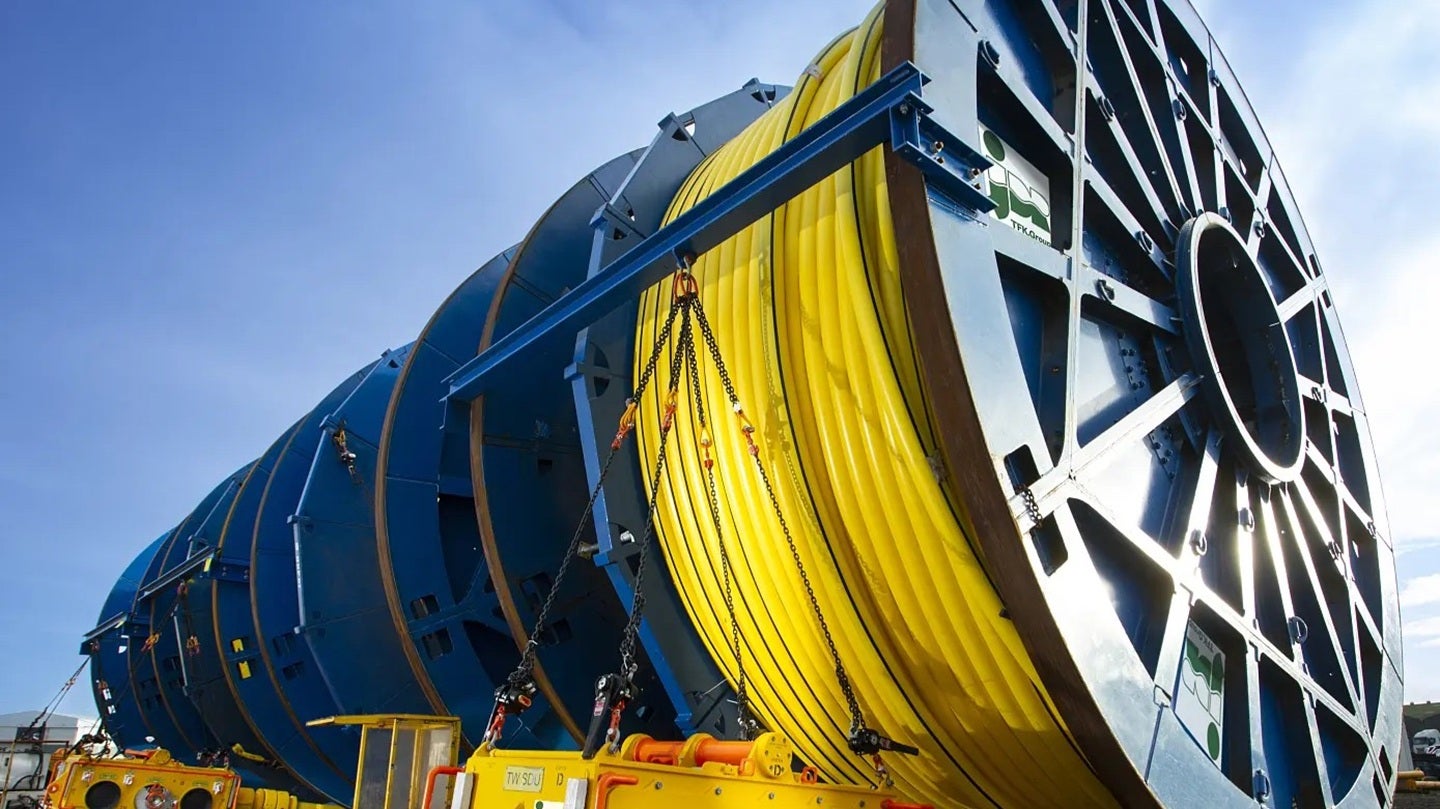
  • Delivery on drums to Australia
  • Installation targeted for the second half of 2027
  • Highlights shipping disruptions through the Strait of Hormuz
  • Flags oil and gas supply-chain impacts that can change freight and insurance dynamics
  • Two high-voltage subsea export cables installed and wet stored offshore

Why it matters

JDR’s umbilicals award for the East Coast Supply Project creates a clear upcoming demand window for subsea control umbilicals and associated transport/mobilisation in Australia; buyers should verify supplier lead times and drum-transport constraints now. Recent heavy cable-laying activity in the region shows cable-laying vessels and trenching assets are being scheduled across APAC, which can compete with vessel and ROV availability needed by drilling and subsea campaigns. Macro supply-chain themes — including shipping disruptions tied to Middle East tensions — remain a directional risk to mobilisation and cross-border transport for long-lead drilling and subsea equipment; treat as early operational risk to plan around. The ECSP timeline (installation targeted in the second half of 2027) gives buyers planning time but also exposes long-lead items (umbilical manufacture, drums, transport windows) to scheduling shifts that should be captured in RFPs

Cost / money

  • Long-lead manufacturing and drum transport for umbilicals can create pass-through and logistics cost risk if contracts don’t allocate transport and storage responsibility.[2]
  • Competition for cable-laying and heavy subsea vessels in APAC can push spot vessel rates and mobilisation premiums higher for concurrent programmes.[1]
  • Broader shipping disruptions (Strait of Hormuz) are a directional upward pressure on freight and insurance costs for equipment moved into APAC; impacts are indirect but material for cross-border shipments.[3]

Supplier / commercial

  • Umbilical suppliers with confirmed fabrication slots and drum-handling capability gain leverage on delivery windows and quote-validity terms for tieback projects in Australia.[2]
  • Cable-laying contractors that own CLVs and trenchers may prioritise wind-grid or telecom work over drilling-related subsea tasks, narrowing buyer negotiating room for vessel availability.[1]
  • If shipping lanes or insurance premiums shift, suppliers may pass through surcharges or shorten bid validity; include conditional pricing and pass-through clauses where possible.[3]

Safety / operations

  • Delivering long umbilicals on drums and storing them offshore increases handling risk during mobilisations; verify vendor drum-lifting procedures, sea fastening, and local port handling plans.[2][1]
  • High utilisation of vessels and tight schedules compresses time for pre-mobilisation inspections, ROV readiness and crew cert checks — increasing the chance of delays or safety non-conformances if not validated.[1][2]

What to watch

  • Watch supplier quote-validity windows and mobilisation deposit requests as subsea and cable campaigns increase vessel demand in APAC; early signs include shorter bid validity or conditional availability notes in quotes.[2][1]

Top stories

Story 1Offshore TechnologyMay 1, 2026

JDR wins umbilicals contract for East Coast Supply Project

Signal strongSource-grounded

What happened

JDR won a contract to deliver about 18km of hydraulic control umbilicals for the East Coast Supply Project off Victoria, Australia. The umbilicals will be shipped on drums to Australia with installation targeted for the second half of 2027, creating a tangible mobilisation and transport requirement on local ports and vessel schedules. Buyers should watch drum-handling, transport responsibility and whether the additional option length is exercised, since those items directly affect logistics and cost pass-through

Buyer takeaway

Treat this as a concrete local procurement demand signal that requires early alignment on fabrication lead times, drum transport and port-handling responsibilities

Cost / money

Long-lead manufacturing and drum transport create logistics cost and potential pass-through exposure that should be allocated contractually

Supplier / commercial

Suppliers with fabrication slots, drum capacity and proven transport plans can tighten quote validity and request mobilisation deposits

Safety / operations

Delivering long umbilicals on drums raises lifting, sea-fastening and storage risks during mobilisations that Ops must validate with suppliers

What to watch

Watch for exercised options that extend scope and for shortened quote-validity or mobilisation deposit requests from suppliers

Key facts

  • Approximately 18km of hydraulic control umbilicals
  • Delivery on drums to Australia
  • Installation targeted for the second half of 2027

Source excerpts

The company will deliver the umbilicals on drums for transport to Australia, with installation targeted for the second half of 2027 (H2 2027)
JDR Cable Systems has secured a contract from Amplitude Energy (formerly Cooper Energy) to supply subsea control umbilicals for the East Coast Supply Project (ECSP) offshore Victoria, Australia
The company will deliver the umbilicals on drums for transport to Australia, with installation targeted for the second half of 2027 (H2 2027). JDR regional sales manager JK Lim said: “This contract reflects JDR’s proven capability in delivering high-quality subsea control umbilicals for complex offshore developments
Story 2Offshore TechnologyApr 30, 2026

Top 20 themes shaping the oil and gas industry in 2026 - Offshore Technology

Signal moderateDirectional

What happened

An industry analyst list of 2026 themes highlights shipping route disruptions and higher price volatility tied to Middle East conflict as material risks for the oil and gas sector. The piece is thematic and broad, so its operational relevance for APAC drilling is directional — it signals potential freight, insurance and scheduling pressure rather than an immediate contract-level event. Procurement should monitor shipping lane notices and insurer guidance as an operational watch

Buyer takeaway

Use this as a prompt to stress-test logistics and insurance assumptions in upcoming procurements rather than a direct trigger to change supplier awards

Cost / money

Indirect upward pressure on freight and insurance costs may occur; plan for conditional pass-through or contingency funds

Supplier / commercial

Suppliers may seek to pass through higher insurance or fuel surcharges; contract terms should define pass-through mechanics

Safety / operations

Longer transit times or re-routed shipping can affect mobilisation schedules and on-site readiness

What to watch

Limited immediate operational evidence in APAC; treat as an early-signal to monitor carrier notices and insurer bulletins

Key facts

  • Highlights shipping disruptions through the Strait of Hormuz
  • Flags oil and gas supply-chain impacts that can change freight and insurance dynamics

Source excerpts

Further assessment of our top 20 themes in the oil and gas industry can be found in GlobalData’s new report, ‘Top 20 Oil & Gas Themes – 2025’
The biggest themes influencing the oil and gas industry in 2026 Source: GlobalData Strategic Intelligence. The Iran conflict and the resultant supply chain disruptions arising from the Strait of Hormuz blockade are expected to be the key themes impacting the oil and gas industry in 2026
Our research shows that companies who invest in the right themes become success stories; those who miss the big themes ultimately fail. Given that so many themes are disruptive, it is very easy to be blindsided by industry outsiders invading your sector
Story 3Offshore EnergyMay 1, 2026

Jan De Nul installs export cables for Taiwan’s Fengmiao 1 offshore wind farm

Signal moderateSource-grounded

What happened

Jan De Nul completed installation of two export cables for a Taiwanese offshore wind project and is moving into burial and protection phases offshore. The project used a dedicated cable-laying vessel and will continue with trenching and platform tie-in work, illustrating sustained demand for CLVs and trenching assets in the region. Buyers should watch vessel deployment windows and potential scheduling overlap with drilling-related subsea campaigns

Buyer takeaway

Expect increased competition for CLVs and trenching services in APAC; secure provisional holds or framework access where project timing overlaps with drilling needs

Cost / money

High utilisation of CLVs and trenchers can elevate spot mobilisation rates and potential premium scheduling charges

Supplier / commercial

Vessel-owning suppliers can prioritise higher-margin grid or wind work; buyers may need conditional hold fees or retainers to secure capacity

Safety / operations

Tighter schedules reduce margin for pre-mobilisation checks; ensure ROV and crew certifications are confirmed earlier in the mobilisation chain

What to watch

Regional CLV and trenching activity is an operational competitor for drilling subsea assets and may shorten supplier quote windows

Key facts

  • Two high-voltage subsea export cables installed and wet stored offshore
  • Project moving to burial/trenching and platform pull-in phases

Source excerpts

The cables were installed using the cable-laying vessel (CLV) Willem de Vlamingh, which is also being deployed for transport, trenching and protection activities
Home Grid Jan De Nul installs export cables for Taiwan’s Fengmiao 1 offshore wind farm May 1, 2026, by Jan De Nul has completed the installation of two export cables for the Fengmiao 1 offshore wind farm, being built by Copenhagen Infrastructure Partners (CIP) 35 kilometers off the coast of Taichung, Taiwan. CLV Willem de Vlamingh at Fengmiao 1 offshore wind farm; Photo: Jan De Nul The two high-voltage subsea cables, measuring 45 kilometers and 44 kilometers, have been installed and are currently wet stored off
CLV Willem de Vlamingh at Fengmiao 1 offshore wind farm; Photo: Jan De Nul The two high-voltage subsea cables, measuring 45 kilometers and 44 kilometers, have been installed and are currently wet stored offshore, awaiting installation of the offshore substation jacket, Jan De Nul said on April 20

VP Snapshot

Executive Risk & Action View

JDR’s umbilicals award for the East Coast Supply Project creates a clear upcoming demand window for subsea control umbilicals and associated transport/mobilisation in Australia; buyers should verify supplier lead times and drum-transport constraints now.

Overall
51
Cost
79
Supply
79
Schedule
38
Compliance
15

Top signals

30-180dcost

Signal 1: Cost / money

Long-lead manufacturing and drum transport for umbilicals can create pass-through and logistics cost risk if contracts don’t allocate transport and storage responsibility.

Signal 2: Cost / money

Competition for cable-laying and heavy subsea vessels in APAC can push spot vessel rates and mobilisation premiums higher for concurrent programmes.

Signal 3: Cost / money

Broader shipping disruptions (Strait of Hormuz) are a directional upward pressure on freight and insurance costs for equipment moved into APAC; impacts are indirect but material for cross-border shipments.

30-180dschedule

Signal 4: Supplier / commercial

Umbilical suppliers with confirmed fabrication slots and drum-handling capability gain leverage on delivery windows and quote-validity terms for tieback projects in Australia.

0-30dsupply

Signal 5: Supplier / commercial

Cable-laying contractors that own CLVs and trenchers may prioritise wind-grid or telecom work over drilling-related subsea tasks, narrowing buyer negotiating room for vessel availability.

30-180dcommercial

Signal 6: Supplier / commercial

If shipping lanes or insurance premiums shift, suppliers may pass through surcharges or shorten bid validity; include conditional pricing and pass-through clauses where possible.

Recommended actions

CategoryDue 3d

Run an APAC vessel and ROV availability check against upcoming umbilical and cable programmes.

Annotated asset availability register (vessels/ROVs) flagged for potential conflicts with ECSP and regional cable campaigns.

OpsDue 3d

Verify transport and drum-handling responsibilities with logistics and nominated ports for upcoming subsea deliveries.

Confirmed transport/stowage owner and handling plan per candidate port for umbilical deliveries.

ContractsDue 21d

Update RFP and contract templates to require explicit allocation of drum transport, storage, and mobilisation responsibilities plus conditional pricing for vessel re-scheduling.

All new subsea and tieback RFPs include drum-transport, storage and mobilisation clauses with conditional pricing language.

CategoryDue 21d

Engage shortlisted umbilical and CLV/ROV suppliers to get conditional availability windows or binding provisional hold options.

Supplier-confirmed provisional availability windows or conditional hold agreements for critical assets supporting ECSP.

ContractsDue 60d

Map long-lead items and procurement triggers for subsea tiebacks across APAC and assess whether a framework or retainer for CLV/ROV capacity is warranted.

Decision memo with recommended framework/retainer approach and candidate suppliers for CLV/ROV coverage.

LegalDue 60d

Add a logistics contingency clause to major tieback awards that allows schedule flexibility or alternative ports when shipping lanes or insurance conditions change.

Contract clause template available for APAC subsea awards to manage transport disruption and insurance cost pass-through.

Risk register

RiskTriggerMitigation
Watch supplier quote-validity windows and mobilisation deposit requests as subsea and cable campaigns increase vessel demand in APAC; early signs include shorter bid validity or conditional availability notes in quotes.Watch supplier quote-validity windows and mobilisation deposit requests as subsea and cable campaigns increase vessel demand in APAC; early signs include shorter bid validity or conditional availability notes in quotes.Confirm exposure with category, contracts, and operations before the next supplier commitment.

CM Snapshot

Category Manager Decision Detail

Today's priorities

Run an APAC vessel and ROV availability check against upcoming umbilical and cable programmes.

Act because JDR’s ECSP umbilical installation and recent cable-lay campaigns both draw on the same pool of cable-laying, trenching and ROV assets, and knowing competing bookings...

Due 3d

high

CM move

Use this as the immediate supplier or contract action to move before the next sourcing gate.

Verify transport and drum-handling responsibilities with logistics and nominated ports for upcoming subsea deliveries.

Act because umbilicals will be delivered on drums to Australia and misaligned port-handling responsibilities create pass-through cost and schedule risk during mobilisation.

Due 3d

high

CM move

Use this as the immediate supplier or contract action to move before the next sourcing gate.

Update RFP and contract templates to require explicit allocation of drum transport, storage, and mobilisation responsibilities plus conditional pricing for vessel re-scheduling.

Act because long-lead fabrications and transport exposures for umbilicals (and competing CLV demand) create cost pass-through and scheduling risk unless contracts assign respons...

Due 21d

high

CM move

Use this as the immediate supplier or contract action to move before the next sourcing gate.

Engage shortlisted umbilical and CLV/ROV suppliers to get conditional availability windows or binding provisional hold options.

Act because suppliers with confirmed fabrication slots or vessel bookings can demand tighter terms; securing conditional holds reduces mobilisation and scheduling risk.

Due 21d

high

CM move

Use this as the immediate supplier or contract action to move before the next sourcing gate.

Supplier radar

Offshore Technology

high

Observed supplier signal

Umbilical suppliers with confirmed fabrication slots and drum-handling capability gain leverage on delivery windows and quote-validity terms for tieback projects in Australia.

Commercial implication

Umbilical suppliers with confirmed fabrication slots and drum-handling capability gain leverage on delivery windows and quote-validity terms for tieback projects in Australia.

Next step: Validate the source-backed signal with incumbents and alternates before the next award or pricing decision.

Offshore Energy

high

Observed supplier signal

Cable-laying contractors that own CLVs and trenchers may prioritise wind-grid or telecom work over drilling-related subsea tasks, narrowing buyer negotiating room for vessel availability.

Commercial implication

Cable-laying contractors that own CLVs and trenchers may prioritise wind-grid or telecom work over drilling-related subsea tasks, narrowing buyer negotiating room for vessel availability.

Next step: Validate the source-backed signal with incumbents and alternates before the next award or pricing decision.

Offshore Technology

high

Observed supplier signal

If shipping lanes or insurance premiums shift, suppliers may pass through surcharges or shorten bid validity; include conditional pricing and pass-through clauses where possible.

Commercial implication

If shipping lanes or insurance premiums shift, suppliers may pass through surcharges or shorten bid validity; include conditional pricing and pass-through clauses where possible.

Next step: Validate the source-backed signal with incumbents and alternates before the next award or pricing decision.

Negotiation levers

Run an APAC vessel and ROV availability check against upcoming umbilical and cable programmes.

When to use: Act because JDR’s ECSP umbilical installation and recent cable-lay campaigns both draw on the same pool of cable-laying, trenching and ROV assets, and knowing competing bookings...

Expected outcome: Annotated asset availability register (vessels/ROVs) flagged for potential conflicts with ECSP and regional cable campaigns.

Commercial mechanism to carry into the next supplier conversation

Verify transport and drum-handling responsibilities with logistics and nominated ports for upcoming subsea deliveries.

When to use: Act because umbilicals will be delivered on drums to Australia and misaligned port-handling responsibilities create pass-through cost and schedule risk during mobilisation.

Expected outcome: Confirmed transport/stowage owner and handling plan per candidate port for umbilical deliveries.

Commercial mechanism to carry into the next supplier conversation

Update RFP and contract templates to require explicit allocation of drum transport, storage, and mobilisation responsibilities plus conditional pricing for vessel re-scheduling.

When to use: Act because long-lead fabrications and transport exposures for umbilicals (and competing CLV demand) create cost pass-through and scheduling risk unless contracts assign respons...

Expected outcome: All new subsea and tieback RFPs include drum-transport, storage and mobilisation clauses with conditional pricing language.

Commercial mechanism to carry into the next supplier conversation

Engage shortlisted umbilical and CLV/ROV suppliers to get conditional availability windows or binding provisional hold options.

When to use: Act because suppliers with confirmed fabrication slots or vessel bookings can demand tighter terms; securing conditional holds reduces mobilisation and scheduling risk.

Expected outcome: Supplier-confirmed provisional availability windows or conditional hold agreements for critical assets supporting ECSP.

Commercial mechanism to carry into the next supplier conversation

Talking points

JDR’s umbilicals award for the East Coast Supply Project creates a clear upcoming demand window for subsea control umbilicals and associated transport/mobilisation in Australia; buyers should verify supplier lead times and drum-transport constraints now.
Recent heavy cable-laying activity in the region shows cable-laying vessels and trenching assets are being scheduled across APAC, which can compete with vessel and ROV availability needed by drilling and subsea campaigns.
Macro supply-chain themes — including shipping disruptions tied to Middle East tensions — remain a directional risk to mobilisation and cross-border transport for long-lead drilling and subsea equipment; treat as early operational risk to plan around.
The ECSP timeline (installation targeted in the second half of 2027) gives buyers planning time but also exposes long-lead items (umbilical manufacture, drums, transport windows) to scheduling shifts that should be captured in RFPs.

Supplier radar

SupplierSignalImplicationNext stepConfidence
Offshore TechnologyUmbilical suppliers with confirmed fabrication slots and drum-handling capability gain leverage on delivery windows and quote-validity terms for tieback projects in Australia.Umbilical suppliers with confirmed fabrication slots and drum-handling capability gain leverage on delivery windows and quote-validity terms for tieback projects in Australia.Validate the source-backed signal with incumbents and alternates before the next award or pricing decision.high
Offshore EnergyCable-laying contractors that own CLVs and trenchers may prioritise wind-grid or telecom work over drilling-related subsea tasks, narrowing buyer negotiating room for vessel availability.Cable-laying contractors that own CLVs and trenchers may prioritise wind-grid or telecom work over drilling-related subsea tasks, narrowing buyer negotiating room for vessel availability.Validate the source-backed signal with incumbents and alternates before the next award or pricing decision.high
Offshore TechnologyIf shipping lanes or insurance premiums shift, suppliers may pass through surcharges or shorten bid validity; include conditional pricing and pass-through clauses where possible.If shipping lanes or insurance premiums shift, suppliers may pass through surcharges or shorten bid validity; include conditional pricing and pass-through clauses where possible.Validate the source-backed signal with incumbents and alternates before the next award or pricing decision.high

Negotiation levers

  • Run an APAC vessel and ROV availability check against upcoming umbilical and cable programmes.Act because JDR’s ECSP umbilical installation and recent cable-lay campaigns both draw on the same pool of cable-laying, trenching and ROV assets, and knowing competing bookings...Annotated asset availability register (vessels/ROVs) flagged for potential conflicts with ECSP and regional cable campaigns.

    high confidence

  • Verify transport and drum-handling responsibilities with logistics and nominated ports for upcoming subsea deliveries.Act because umbilicals will be delivered on drums to Australia and misaligned port-handling responsibilities create pass-through cost and schedule risk during mobilisation.Confirmed transport/stowage owner and handling plan per candidate port for umbilical deliveries.

    high confidence

  • Update RFP and contract templates to require explicit allocation of drum transport, storage, and mobilisation responsibilities plus conditional pricing for vessel re-scheduling.Act because long-lead fabrications and transport exposures for umbilicals (and competing CLV demand) create cost pass-through and scheduling risk unless contracts assign respons...All new subsea and tieback RFPs include drum-transport, storage and mobilisation clauses with conditional pricing language.

    high confidence

  • Engage shortlisted umbilical and CLV/ROV suppliers to get conditional availability windows or binding provisional hold options.Act because suppliers with confirmed fabrication slots or vessel bookings can demand tighter terms; securing conditional holds reduces mobilisation and scheduling risk.Supplier-confirmed provisional availability windows or conditional hold agreements for critical assets supporting ECSP.

    high confidence

What to do / What to watch

What to do now

  • Run an APAC vessel and ROV availability check against upcoming umbilical and cable programmes.

    Why: Act because JDR’s ECSP umbilical installation and recent cable-lay campaigns both draw on the same pool of cable-laying, trenching and ROV assets, and knowing competing bookings...

    Owner: Category

    Expected outcome: Annotated asset availability register (vessels/ROVs) flagged for potential conflicts with ECSP and regional cable campaigns.

    [2][1]
  • Verify transport and drum-handling responsibilities with logistics and nominated ports for upcoming subsea deliveries.

    Why: Act because umbilicals will be delivered on drums to Australia and misaligned port-handling responsibilities create pass-through cost and schedule risk during mobilisation.

    Owner: Ops

    Expected outcome: Confirmed transport/stowage owner and handling plan per candidate port for umbilical deliveries.

    [2]

Next few weeks

  • Update RFP and contract templates to require explicit allocation of drum transport, storage, and mobilisation responsibilities plus conditional pricing for vessel re-scheduling.

    Why: Act because long-lead fabrications and transport exposures for umbilicals (and competing CLV demand) create cost pass-through and scheduling risk unless contracts assign respons...

    Owner: Contracts

    Expected outcome: All new subsea and tieback RFPs include drum-transport, storage and mobilisation clauses with conditional pricing language.

    [2][1]
  • Engage shortlisted umbilical and CLV/ROV suppliers to get conditional availability windows or binding provisional hold options.

    Why: Act because suppliers with confirmed fabrication slots or vessel bookings can demand tighter terms; securing conditional holds reduces mobilisation and scheduling risk.

    Owner: Category

    Expected outcome: Supplier-confirmed provisional availability windows or conditional hold agreements for critical assets supporting ECSP.

    [2][1]

Longer view

  • Map long-lead items and procurement triggers for subsea tiebacks across APAC and assess whether a framework or retainer for CLV/ROV capacity is warranted.

    Why: Act because repeated or overlapping subsea programmes increase vessel and equipment competition; a framework or retainer can secure capacity and reduce spot-rate exposure.

    Owner: Contracts

    Expected outcome: Decision memo with recommended framework/retainer approach and candidate suppliers for CLV/ROV coverage.

    [2][1]
  • Add a logistics contingency clause to major tieback awards that allows schedule flexibility or alternative ports when shipping lanes or insurance conditions change.

    Why: Act because directional shipping and insurance pressures tied to geopolitical themes can affect cross-border equipment movements and freight windows.

    Owner: Legal

    Expected outcome: Contract clause template available for APAC subsea awards to manage transport disruption and insurance cost pass-through.

    [3]

What to watch

  • Watch supplier quote-validity windows and mobilisation deposit requests as subsea and cable campaigns increase vessel demand in APAC; early signs include shorter bid validity or conditional availability notes in quotes
  • Watch supplier quote-validity windows and mobilisation deposit requests as subsea and cable campaigns increase vessel demand in APAC; early signs include shorter bid validity or conditional availability notes in quotes.: Watch supplier quote-validity windows and mobilisation deposit requests as subsea and cable campaigns increase vessel demand in APAC; early signs include shorter bid validity or conditional availability notes in quotes
  • JDR’s umbilicals award for the East Coast Supply Project creates a clear upcoming demand window for subsea control umbilicals and associated transport/mobilisation in Australia; buyers should verify supplier lead times and drum-transport constraints now
  • Recent heavy cable-laying activity in the region shows cable-laying vessels and trenching assets are being scheduled across APAC, which can compete with vessel and ROV availability needed by drilling and subsea campaigns
  • Macro supply-chain themes — including shipping disruptions tied to Middle East tensions — remain a directional risk to mobilisation and cross-border transport for long-lead drilling and subsea equipment; treat as early operational risk to plan around
  • The ECSP timeline (installation targeted in the second half of 2027) gives buyers planning time but also exposes long-lead items (umbilical manufacture, drums, transport windows) to scheduling shifts that should be captured in RFPs

Market pulse

IndexLatestChangeAs of
WTI Crude (WTI)71.23 /bbl+0.00 (+0.00%)May 2, 2026, 10:04 PM
Brent Crude (BRENT)74.89 /bbl+0.00 (+0.00%)May 2, 2026, 10:04 PM
Natural Gas (NG)3.12 /MMBtu+0.00 (+0.00%)May 2, 2026, 10:04 PM
Schlumberger (SLB)48 +0.00 (+0.00%)May 2, 2026, 10:04 PM
Halliburton (HAL)35 +0.00 (+0.00%)May 2, 2026, 10:04 PM
Baker Hughes (BKR)32 +0.00 (+0.00%)May 2, 2026, 10:04 PM
  • Brent Crude: Brent price moves affect exploration and drilling demand; monitor for indirect impacts on supplier capacity and project cadence
  • Schlumberger: Major service provider stock/sector movement can signal tighter execution or capacity shifts among large integrated suppliers

Sources

Inline citations jump here. Expand a source to read the excerpt, the AI interpretation, and the original link.

[1] Jan De Nul installs export cables for Taiwan’s Fengmiao 1 offshore wind farm

offshore-energy.biz · May 1, 2026

Expand

AI reading

Jan De Nul completed installation of two export cables for a Taiwanese offshore wind project and is moving into burial and protection phases offshore. The project used a dedicated cable-laying vessel and will continue with trenching and platform tie-in work, illustrating sustained demand for CLVs and trenching assets in the region. Buyers should watch vessel deployment windows and potential scheduling overlap with drilling-related subsea campaigns

Buyer takeaway

Expect increased competition for CLVs and trenching services in APAC; secure provisional holds or framework access where project timing overlaps with drilling needs

Cost / money

High utilisation of CLVs and trenchers can elevate spot mobilisation rates and potential premium scheduling charges

Supplier / commercial

Vessel-owning suppliers can prioritise higher-margin grid or wind work; buyers may need conditional hold fees or retainers to secure capacity

Safety / operations

Tighter schedules reduce margin for pre-mobilisation checks; ensure ROV and crew certifications are confirmed earlier in the mobilisation chain

What to watch

Regional CLV and trenching activity is an operational competitor for drilling subsea assets and may shorten supplier quote windows

Key facts

  • Two high-voltage subsea export cables installed and wet stored offshore
  • Project moving to burial/trenching and platform pull-in phases

Source excerpts

The cables were installed using the cable-laying vessel (CLV) Willem de Vlamingh, which is also being deployed for transport, trenching and protection activities
Home Grid Jan De Nul installs export cables for Taiwan’s Fengmiao 1 offshore wind farm May 1, 2026, by Jan De Nul has completed the installation of two export cables for the Fengmiao 1 offshore wind farm, being built by Copenhagen Infrastructure Partners (CIP) 35 kilometers off the coast of Taichung, Taiwan. CLV Willem de Vlamingh at Fengmiao 1 offshore wind farm; Photo: Jan De Nul The two high-voltage subsea cables, measuring 45 kilometers and 44 kilometers, have been installed and are currently wet stored off
CLV Willem de Vlamingh at Fengmiao 1 offshore wind farm; Photo: Jan De Nul The two high-voltage subsea cables, measuring 45 kilometers and 44 kilometers, have been installed and are currently wet stored offshore, awaiting installation of the offshore substation jacket, Jan De Nul said on April 20

Used in this brief

  • Regional asset usage note: Jan De Nul’s cable installs in Taiwan underline continued high utilisation of cable-laying and trenching vessels in APAC, increasing potential vessel scheduling competition with drilling/sub
  • Jan De Nul completed installation of two export cables for a Taiwanese offshore wind project and is moving into burial and protection phases offshore. The project used a dedicated cable-laying vessel and will continue with trenching and platform tie-in work, illustrating sustained demand for CLVs and trenching assets in the region. Buyers should watch vessel deployment windows and potential scheduling overlap with drilling-related subsea campaigns
  • Buyer bottom line: active large-scale cable-lay projects in APAC are competing users of CLVs, trenchers and ROVs — this affects vessel scheduling and negotiating leverage for drilling subsea works
Open original source

[2] JDR wins umbilicals contract for East Coast Supply Project

offshore-technology.com · May 1, 2026

Expand

AI reading

JDR won a contract to deliver about 18km of hydraulic control umbilicals for the East Coast Supply Project off Victoria, Australia. The umbilicals will be shipped on drums to Australia with installation targeted for the second half of 2027, creating a tangible mobilisation and transport requirement on local ports and vessel schedules. Buyers should watch drum-handling, transport responsibility and whether the additional option length is exercised, since those items directly affect logistics and cost pass-through

Buyer takeaway

Treat this as a concrete local procurement demand signal that requires early alignment on fabrication lead times, drum transport and port-handling responsibilities

Cost / money

Long-lead manufacturing and drum transport create logistics cost and potential pass-through exposure that should be allocated contractually

Supplier / commercial

Suppliers with fabrication slots, drum capacity and proven transport plans can tighten quote validity and request mobilisation deposits

Safety / operations

Delivering long umbilicals on drums raises lifting, sea-fastening and storage risks during mobilisations that Ops must validate with suppliers

What to watch

Watch for exercised options that extend scope and for shortened quote-validity or mobilisation deposit requests from suppliers

Key facts

  • Approximately 18km of hydraulic control umbilicals
  • Delivery on drums to Australia
  • Installation targeted for the second half of 2027

Source excerpts

The company will deliver the umbilicals on drums for transport to Australia, with installation targeted for the second half of 2027 (H2 2027)
JDR Cable Systems has secured a contract from Amplitude Energy (formerly Cooper Energy) to supply subsea control umbilicals for the East Coast Supply Project (ECSP) offshore Victoria, Australia
The company will deliver the umbilicals on drums for transport to Australia, with installation targeted for the second half of 2027 (H2 2027). JDR regional sales manager JK Lim said: “This contract reflects JDR’s proven capability in delivering high-quality subsea control umbilicals for complex offshore developments

Used in this brief

  • JDR’s umbilicals award for the East Coast Supply Project creates a clear upcoming demand window for subsea control umbilicals and associated transport/mobilisation in Australia; buyers should verify supplier lead times and drum-transport constraints now. Recent heavy cable-laying activity in the region shows cable-laying vessels and trenching assets are being scheduled across APAC, which can compete with vessel and ROV availability needed by drilling and subsea campaigns. Macro supply-chain themes — including shipping disruptions tied to Middle East tensions — remain a directional risk to mobilisation and cross-border transport for long-lead drilling and subsea equipment; treat as early operational risk to plan around. The ECSP timeline (installation targeted in the second half of 2027) gives buyers planning time but also exposes long-lead items (umbilical manufacture, drums, transport windows) to scheduling shifts that should be captured in RFPs
  • Next 72 hours — Run an APAC vessel and ROV availability check against upcoming umbilical and cable programmes.. Rationale: Act because JDR’s ECSP umbilical installation and recent cable-lay campaigns both draw on the same pool of cable-laying, trenching and ROV assets, and knowing competing bookings.... Owner: Category. KPI: Annotated asset availability register (vessels/ROVs) flagged for potential conflicts with ECSP and regional cable campaigns
  • Next 72 hours — Verify transport and drum-handling responsibilities with logistics and nominated ports for upcoming subsea deliveries.. Rationale: Act because umbilicals will be delivered on drums to Australia and misaligned port-handling responsibilities create pass-through cost and schedule risk during mobilisation.. Owner: Ops. KPI: Confirmed transport/stowage owner and handling plan per candidate port for umbilical deliveries
Open original source

[3] Top 20 themes shaping the oil and gas industry in 2026 - Offshore Technology

offshore-technology.com · Apr 30, 2026

Expand

AI reading

An industry analyst list of 2026 themes highlights shipping route disruptions and higher price volatility tied to Middle East conflict as material risks for the oil and gas sector. The piece is thematic and broad, so its operational relevance for APAC drilling is directional — it signals potential freight, insurance and scheduling pressure rather than an immediate contract-level event. Procurement should monitor shipping lane notices and insurer guidance as an operational watch

Buyer takeaway

Use this as a prompt to stress-test logistics and insurance assumptions in upcoming procurements rather than a direct trigger to change supplier awards

Cost / money

Indirect upward pressure on freight and insurance costs may occur; plan for conditional pass-through or contingency funds

Supplier / commercial

Suppliers may seek to pass through higher insurance or fuel surcharges; contract terms should define pass-through mechanics

Safety / operations

Longer transit times or re-routed shipping can affect mobilisation schedules and on-site readiness

What to watch

Limited immediate operational evidence in APAC; treat as an early-signal to monitor carrier notices and insurer bulletins

Key facts

  • Highlights shipping disruptions through the Strait of Hormuz
  • Flags oil and gas supply-chain impacts that can change freight and insurance dynamics

Source excerpts

Further assessment of our top 20 themes in the oil and gas industry can be found in GlobalData’s new report, ‘Top 20 Oil & Gas Themes – 2025’
The biggest themes influencing the oil and gas industry in 2026 Source: GlobalData Strategic Intelligence. The Iran conflict and the resultant supply chain disruptions arising from the Strait of Hormuz blockade are expected to be the key themes impacting the oil and gas industry in 2026
Our research shows that companies who invest in the right themes become success stories; those who miss the big themes ultimately fail. Given that so many themes are disruptive, it is very easy to be blindsided by industry outsiders invading your sector

Used in this brief

  • Next quarter — Add a logistics contingency clause to major tieback awards that allows schedule flexibility or alternative ports when shipping lanes or insurance conditions change.. Rationale: Act because directional shipping and insurance pressures tied to geopolitical themes can affect cross-border equipment movements and freight windows.. Owner: Legal. KPI: Contract clause template available for APAC subsea awards to manage transport disruption and insurance cost pass-through
  • An industry analyst list of 2026 themes highlights shipping route disruptions and higher price volatility tied to Middle East conflict as material risks for the oil and gas sector. The piece is thematic and broad, so its operational relevance for APAC drilling is directional — it signals potential freight, insurance and scheduling pressure rather than an immediate contract-level event. Procurement should monitor shipping lane notices and insurer guidance as an operational watch
  • Buyer bottom line: macro shipping and geopolitical themes increase the need for logistics contingency and insurance-aware contract language for APAC drilling campaigns
Open original source

[4] Brent Crude

finance.yahoo.com · n.d.

Expand

[5] Schlumberger

finance.yahoo.com · n.d.

Expand