Operations & Maintenance Services · Australia (Perth)

Secure supply and contract levers for maintenance and pipeline works

Published May 4, 2026, 6:04 AM AWSTAPACFull category signal
Ask AI
Build it right with Pack Tuff

In 60 seconds

Top move

Local Australian suppliers of reusable pipe-bedding (Pack Tuff) offer lower transport exposure and potential lifecycle cost reduction for pipeline O&M and builds; treat freight-packaging and reuse claims as procurement levers when planning tenders

Key takeaways

  • Local Australian suppliers of reusable pipe-bedding (Pack Tuff) offer lower transport exposure and potential lifecycle cost reduction for pipeline O&M and builds; treat freight-packaging and reuse claims as procurement levers when planning tenders.[3]
  • Asset‑health integrations (condition monitoring feeding CMMS) are moving from concept to field deployments, enabling automated work‑order creation that can shorten reactive fixes and change O&M headcount and contractor scheduling needs.[4]
  • Specialist offshore services (fluid treatment) are winning multi-site contracts, which signals buyer windows may shorten and niche suppliers can command firmer commercial terms during busy mobilisation periods.[1]
  • Regulator-driven independent certification roles (example: DNV on UK CCS) are expanding the market for third‑party inspection and verification work; APAC projects with transport or storage scopes could adopt similar certification requirements — monitor local regulatory signals.[2]
  • Practical logistics details (packaging with pipe deliveries, reusability) matter: they reduce handling, freight pass‑throughs and waste, and so should be captured explicitly in SOWs and tender scoring for large pipeline jobs.[3]

What changed since last run

  • Added concrete Australian supplier example (Pack Tuff) demonstrating reuse and bundled freight options not present in the prior brief.
  • Noted a practical CMMS–condition monitoring integration (Limble/VibeCloud) showing available off‑the‑shelf automation paths since the last run.
  • Observed specialist service commercial behaviour (Soiltech multi‑award pattern) that reinforces earlier mobilisation pressure guidance with fresh supplier wins.

Key facts

  • Used on major Australian desalination and inter‑regional pipeline projects
  • Supplier can ship bedding packaged with pipe to reduce freight handling
  • Supplier claims multiple reuses under field conditions
  • Integration links condition monitoring alerts directly to CMMS work orders
  • Aim: automate work‑order generation and closure based on asset condition
  • Applies to predictive maintenance and condition‑based workflows

Why it matters

Local Australian suppliers of reusable pipe-bedding (Pack Tuff) offer lower transport exposure and potential lifecycle cost reduction for pipeline O&M and builds; treat freight-packaging and reuse claims as procurement levers when planning tenders. Asset‑health integrations (condition monitoring feeding CMMS) are moving from concept to field deployments, enabling automated work‑order creation that can shorten reactive fixes and change O&M headcount and contractor scheduling needs. Specialist offshore services (fluid treatment) are winning multi-site contracts, which signals buyer windows may shorten and niche suppliers can command firmer commercial terms during busy mobilisation periods. Regulator-driven independent certification roles (example: DNV on UK CCS) are expanding the market for third‑party inspection and verification work; APAC projects with transport or storage scopes could adopt similar certification requirements — monitor local regulatory signals

Cost / money

  • Reusable bedding supplied with packaged freight can lower transport pass-throughs and onsite handling costs; include logistics options in cost comparisons rather than treating freight as an unknown.[3]
  • Integrating condition monitoring into maintenance workflows reduces reactive repair spend over time but requires upfront integration, licence or implementation costs to capture automated work‑order benefits.[4]
  • Niche specialist providers winning multiple contracts can push spot premiums during busy windows; expect firmness in pricing if capacity is allocated across regions.[1]

Supplier / commercial

  • Local suppliers able to package bedding with pipe deliveries create options for bundled supply‑and‑install proposals—use as leverage to negotiate lower pass-throughs or integrated pricing.[3]
  • Specialist service firms are demonstrating cross‑region deployment capability; require firm availability commitments, quote validity periods, or conditional‑hold language to avoid last‑minute rate spikes.[1]
  • Independent certifier demand (DNV on NEP) creates a buyer negotiation point: shift certification deliverables and evidence obligations into supplier scopes or require supplier-sourced certifier engagement to control cost and schedule.[2]

Safety / operations

  • Durable pipe‑bedding that resists crushing reduces installation rework and associated site safety exposures—specify material performance and reuse guidance in installation SOWs.[3]
  • Automated condition‑monitoring to CMMS workflows improves preventive maintenance coverage and reduces unexpected failures that lead to safety incidents and higher mobilisation needs.[4]

What to watch

  • Specialist suppliers may shorten quote validity or use conditional holds when they scale across assignments; that behaviour will reduce buyer negotiation windows — watch for shortened validity in supplier responses.[1]
  • Regulatory models that require independent certification for CO2 transport/storage in other markets could be adopted in APAC CCS projects, changing tender requirements and adding third‑party costs.[2]
  • Pack Tuff promotional claims on reuse and low freight may not reflect all soil types or site conditions; verify reuse rates and installation performance before assuming lifecycle savings.[3]

Top stories

Story 1The Australian PipelinerApr 27, 2026

Build it right with Pack Tuff

Signal strongSource-grounded

What happened

Pack Tuff — a local Australian supplier of polywoven pipe‑bedding bags — is being used on multiple large Australian pipeline projects and offers packaged shipments with pipe in some cases. The product is promoted as reusable and robust enough to withstand heavy pipeline sections, which makes it an operationally practical option for long, remote installations. Verify reuse claims and transport packaging options during vendor selection to lock expected logistics and handling benefits

Buyer takeaway

Treat packaged delivery and documented reuse as negotiation levers—require evidence in bids so freight and handling become competitive variables

Cost / money

Directional reduction in transport and handling pass‑throughs if suppliers can freight‑package bedding with pipe; capture in tender scoring rather than assume zero cost

Supplier / commercial

Local supplier presence plus packaging options enables bundled supply+install proposals; buyers can use frameworks to secure unit pricing and logistics commitments

Safety / operations

Durable bedding reduces the risk of bedding failure and rework during installation, lowering exposure to lifting/handling incidents

What to watch

Promotional reuse claims should be validated on-site and via references; performance varies by soil and handling

Key facts

  • Used on major Australian desalination and inter‑regional pipeline projects
  • Supplier can ship bedding packaged with pipe to reduce freight handling
  • Supplier claims multiple reuses under field conditions

Source excerpts

It also means the cost of transportation remains low. In some cases, Pollards can even freight its Pack Tuff bags packaged with manufactured pipe, eliminating transport costs altogether
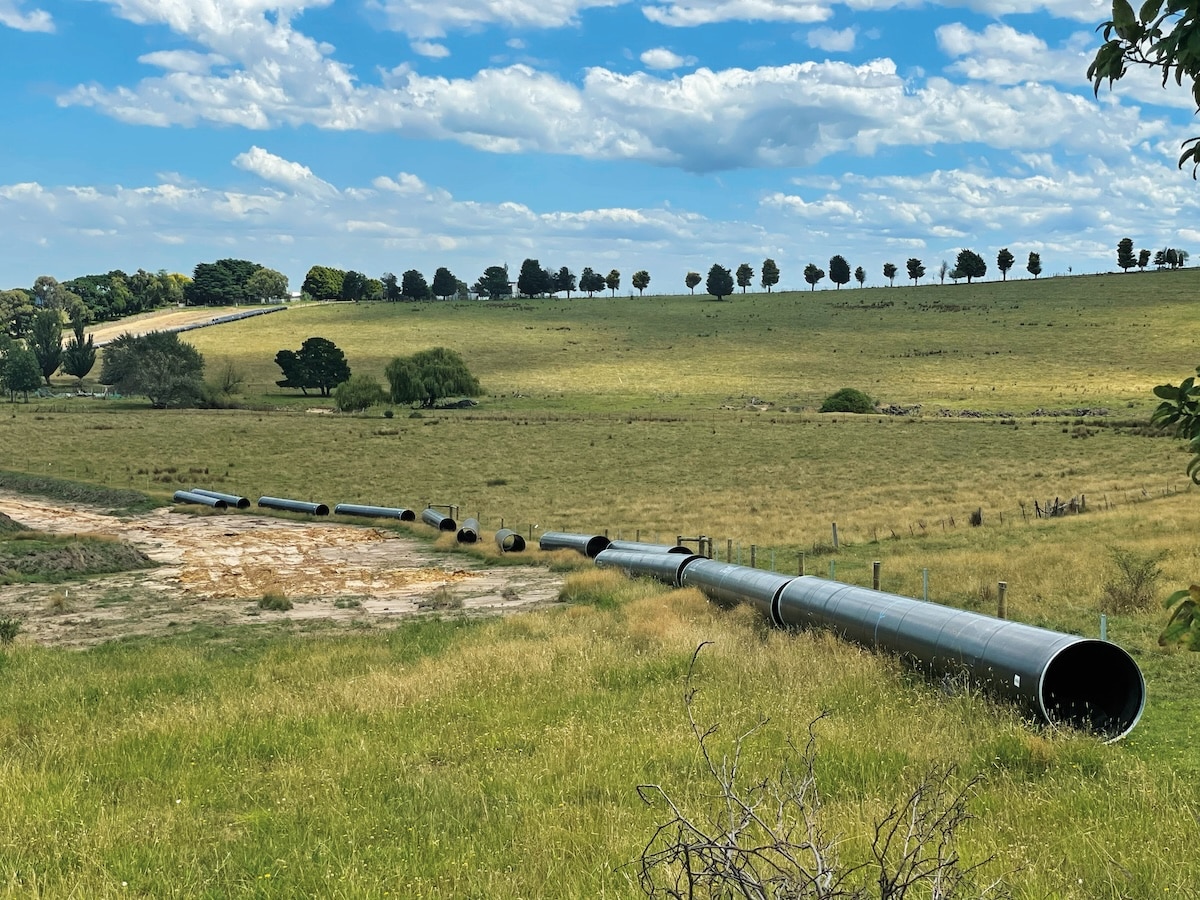
Pipe lengths resting on Pack Tuff bags before installation
Image: PSS Pack Tuff bags are leaving their mark on Australia’s most significant water pipeline projects
Story 2Reliabilityweb

Home featured on Reliabilityweb's site

Signal moderateSource-grounded

What happened

Reliabilityweb notes an integration between Limble (CMMS) and VibeCloud (condition monitoring) that automatically generates and closes work orders based on asset condition data. That shift is operationally meaningful because it removes manual triage steps and can change contractor scheduling and internal maintenance headcount needs. Monitor pilot outcomes and implementation costs to determine whether to scale integration across asset classes

Buyer takeaway

Use pilot projects to validate expected uptime and contractor demand reductions before committing to enterprise licences or rollouts

Cost / money

Upfront integration and licensing costs vs. reduced emergency repairs and manual scheduling; model capex vs. opex trade-offs in pilots

Supplier / commercial

Vendors offering integrated stacks can price bundled subscription+implementation; consider breaking out implementation from licence fees in contracts

Safety / operations

Better condition visibility reduces unplanned failures and associated safety incidents when automated into maintenance processes

What to watch

Integration success depends on data quality and process change; do not assume out‑of‑the‑box automation yields instant benefits

Key facts

  • Integration links condition monitoring alerts directly to CMMS work orders
  • Aim: automate work‑order generation and closure based on asset condition
  • Applies to predictive maintenance and condition‑based workflows

Source excerpts

a leader in predictive maintenance and condition monitoring. The new integration connects VibeCloud’s condition monitoring insights directly with Limble, automatically generating and closing work orders based on asset condition data
a leader in predictive maintenance and condition monitoring
Sign Up Please use your business email address if applicable Syensqo and Shell Chemicals Europe B
Story 3Offshore EnergyMay 1, 2026

Norwegian firm pulls off hat trick for rigs working in Europe

Signal strongSource-grounded

What happened

Soiltech secured three assignments for its fluid‑treatment services across rigs in multiple European regions, showing commercial traction for niche treatment services. Contracts are scheduled for execution in the near term and demonstrate suppliers can deploy teams across locations, making their availability a practical concern for buyers. Watch whether this pattern—multiple synchronized assignments—spreads to other specialist service providers, which would compress buyer negotiating windows

Buyer takeaway

Expect specialist suppliers to offer short‑validity quotes and conditional holds when they deploy across multiple sites; lock availability in contracts where possible

Cost / money

Tighter supplier capacity can push spot or short‑term premiums for specialist services during overlapping schedules

Supplier / commercial

Suppliers with repeat wins can demand firmer commercial terms and may prioritise returning customers; pre‑engagement and framework lanes help secure capacity

Safety / operations

Consistent supplier methods across rigs can improve quality and safety due to repeatability, but cross‑region variation still requires strong work‑method alignment

What to watch

This pattern is currently regional and specific to the supplier; monitor for replication among other niche vendors

Key facts

  • Three assignments covering Black Sea, Netherlands and Norway rig work
  • Contracts scheduled for execution in the near term
  • Combined contract value disclosed as a mid‑range commercial award

Source excerpts

Illustration; Source: Soiltech Soiltech has won three contracts to deliver fluid treatment (STT) services on rigs in the Black Sea, the Netherlands, and Norway, which are owned by undisclosed offshore drilling players
Home Fossil Energy Norwegian firm pulls off hat trick for rigs working in Europe May 1, 2026, by Norway-based cleantech service provider Soiltech has secured three new assignments for rigs deployed in the Black Sea, the Netherlands, and Norway
Jan Erik Tveteraas, CEO of Soiltech, commented: “One of these contracts is with a new client for Soiltech, while the other two are with returning customers. These contracts once again demonstrate strong market acceptance of our solutions, as well as the expertise of our field operations and onshore support teams
Story 4Offshore EnergyMay 1, 2026

DNV's scope at UK's first offshore CCS project expands with independent certifier role

Signal strongDirectional

What happened

DNV was appointed as independent certifier for the UK Northern Endurance Partnership CCS project, adding an independent verification layer across CO2 receipt, conditioning, pipeline and tie‑in interfaces. The certifier role is now a regulatory expectation in that jurisdiction and is tied to commissioning readiness before CO2 flows; if APAC projects adopt similar rules, third‑party QA scopes will become mandatory and contractually material. Track APAC regulatory updates and major CCS project scoping to assess local adoption risk

Buyer takeaway

Prepare optional contract language and pre‑qualified certifier lists now so certification requirements can be inserted without delaying award

Cost / money

Independent certification adds a defined third‑party cost line and may change supplier pricing if suppliers must deliver certifiable evidence

Supplier / commercial

Suppliers may shift documentation and QA responsibilities to subcontracts or require pass‑throughs; clarify who pays and owns certification deliverables

Safety / operations

Independent verification improves evidence of design, construction and commissioning readiness, reducing latent operational risk when service begins

What to watch

APAC adoption is not certain; treat this as an early regulatory signal and avoid assuming identical rules will apply locally

Key facts

  • DNV covers full transport chain from compression facility to offshore pipeline
  • Certification is linked to commissioning readiness before first CO2 flow
  • Appointment follows regulator approval and sits alongside site inspection contracts

Source excerpts

The independent certifier function is a new regulatory requirement for the UK’s CCS sector, providing objective, evidence‑based assurance that nationally significant CO2 transport and storage infrastructure meets its license obligations before entering operation, DNV said
Home Subsea DNV’s scope at UK’s first offshore CCS project expands with independent certifier role May 1, 2026, by DNV has been selected as the independent certifier for Northern Endurance Partnership (NEP), the UK’s first offshore carbon capture and storage (CCS) project, and will verify that the project’s construction and operation comply with the carbon dioxide transport and storage licence (CO2 T&S license) granted by the UK’s Secretary of State for Energy Security and Net Zero
The certification process will establish the documented evidence required to demonstrate compliance and support a safe transition from construction to operation, the company said. “Independent certification provides regulators and project partners with confidence that complex CO2 transport infrastructure has been delivered in accordance with its licence requirements,” said Hari Vamadevan, Senior Vice President and Regional Director for the UK & Ireland, Energy Systems at DNV

VP Snapshot

Executive Risk & Action View

Local Australian suppliers of reusable pipe-bedding (Pack Tuff) offer lower transport exposure and potential lifecycle cost reduction for pipeline O&M and builds; treat freight-packaging and reuse claims as procurement levers when planning tenders.

Overall
57
Cost
100
Supply
43
Schedule
20
Compliance
15

Top signals

30-180dcost

Signal 1: Cost / money

Reusable bedding supplied with packaged freight can lower transport pass-throughs and onsite handling costs; include logistics options in cost comparisons rather than treating freight as an unknown.

Signal 2: Cost / money

Integrating condition monitoring into maintenance workflows reduces reactive repair spend over time but requires upfront integration, licence or implementation costs to capture automated work‑order benefits.

Signal 3: Cost / money

Niche specialist providers winning multiple contracts can push spot premiums during busy windows; expect firmness in pricing if capacity is allocated across regions.

Signal 6: Supplier / commercial

Independent certifier demand (DNV on NEP) creates a buyer negotiation point: shift certification deliverables and evidence obligations into supplier scopes or require supplier-sourced certifier engagement to control cost and schedule.

30-180dsupply

Signal 4: Supplier / commercial

Local suppliers able to package bedding with pipe deliveries create options for bundled supply‑and‑install proposals—use as leverage to negotiate lower pass-throughs or integrated pricing.

0-30dcost

Signal 5: Supplier / commercial

Specialist service firms are demonstrating cross‑region deployment capability; require firm availability commitments, quote validity periods, or conditional‑hold language to avoid last‑minute rate spikes.

Recommended actions

CategoryDue 3d

Add local reusable bedding suppliers and packaging options to the regional supplier/material register and tag potential pipeline projects for which they apply.

Supplier register updated with delivery/packaging options and reuse notes to inform upcoming RFx and shortlist decisions.

ContractsDue 21d

Draft tender annex language requiring supplier evidence on packaging, reuse history, and installation methods for bedding materials and include logistics scoring in evaluations.

Tender annex completed with mandatory logistics and reuse evidence requirements for bedding materials.

OpsDue 21d

Run a small pilot to connect a condition‑monitoring feed into the CMMS for a selected asset class and measure automated work‑order creation and closure.

Pilot live with defined SLA for automated work‑order generation and initial metrics on reduced manual triggers.

ContractsDue 60d

Update framework contract templates to include optional third‑party independent certification clauses for transport/storage scopes and pre‑qualify a shortlist of certifiers.

Framework updated and shortlist of pre‑qualified independent certifiers available for inclusion in large scopes.

CategoryDue 60d

Negotiate conditional‑hold or availability options with specialist service providers (fluid treatment, STT) for critical mobilisation windows in major tenders.

Documented conditional‑hold or availability commitments captured in supplier engagement notes and RFx terms.

Risk register

RiskTriggerMitigation
Specialist suppliers may shorten quote validity or use conditional holds when they scale across assignments; that behaviour will reduce buyer negotiation windows — watch for shortened validity in supplier responses.Specialist suppliers may shorten quote validity or use conditional holds when they scale across assignments; that behaviour will reduce buyer negotiation windows — watch for shortened validity in supplier responses.Confirm exposure with category, contracts, and operations before the next supplier commitment.
Regulatory models that require independent certification for CO2 transport/storage in other markets could be adopted in APAC CCS projects, changing tender requirements and adding third‑party costs.Regulatory models that require independent certification for CO2 transport/storage in other markets could be adopted in APAC CCS projects, changing tender requirements and adding third‑party costs.Confirm exposure with category, contracts, and operations before the next supplier commitment.
Pack Tuff promotional claims on reuse and low freight may not reflect all soil types or site conditions; verify reuse rates and installation performance before assuming lifecycle savings.Pack Tuff promotional claims on reuse and low freight may not reflect all soil types or site conditions; verify reuse rates and installation performance before assuming lifecycle savings.Confirm exposure with category, contracts, and operations before the next supplier commitment.

CM Snapshot

Category Manager Decision Detail

Today's priorities

Add local reusable bedding suppliers and packaging options to the regional supplier/material register and tag potential pipeline projects for which they apply.

because Pack Tuff examples show packaged deliveries and reuse can reduce freight exposure and staging risk on Australian pipeline projects, and the register will help inform ten...

Due 3d

high

CM move

Use this as the immediate supplier or contract action to move before the next sourcing gate.

Draft tender annex language requiring supplier evidence on packaging, reuse history, and installation methods for bedding materials and include logistics scoring in evaluations.

because explicit contract requirements prevent bidders from treating freight and reuse as optional and allow buyer to compare true landed costs across suppliers.

Due 21d

high

CM move

Use this as the immediate supplier or contract action to move before the next sourcing gate.

Run a small pilot to connect a condition‑monitoring feed into the CMMS for a selected asset class and measure automated work‑order creation and closure.

because the Limble–VibeCloud integration shows the technical path to automate maintenance triggers and the pilot will quantify implementation effort and operational benefit.

Due 21d

high

CM move

Use this as the immediate supplier or contract action to move before the next sourcing gate.

Update framework contract templates to include optional third‑party independent certification clauses for transport/storage scopes and pre‑qualify a shortlist of certifiers.

because DNV’s expanded independent certifier role shows regulators may require formal third‑party assurance; pre‑qualifying avoids last‑minute scope additions and stabilises pri...

Due 60d

high

CM move

Use this as the immediate supplier or contract action to move before the next sourcing gate.

Supplier radar

The Australian Pipeliner

high

Observed supplier signal

Local suppliers able to package bedding with pipe deliveries create options for bundled supply‑and‑install proposals—use as leverage to negotiate lower pass-throughs or integrated pricing.

Commercial implication

Local suppliers able to package bedding with pipe deliveries create options for bundled supply‑and‑install proposals—use as leverage to negotiate lower pass-throughs or integrated pricing.

Next step: Validate the source-backed signal with incumbents and alternates before the next award or pricing decision.

Offshore Energy

high

Observed supplier signal

Specialist service firms are demonstrating cross‑region deployment capability; require firm availability commitments, quote validity periods, or conditional‑hold language to avoid last‑minute rate spikes.

Commercial implication

Specialist service firms are demonstrating cross‑region deployment capability; require firm availability commitments, quote validity periods, or conditional‑hold language to avoid last‑minute rate spikes.

Next step: Validate the source-backed signal with incumbents and alternates before the next award or pricing decision.

Offshore Energy

high

Observed supplier signal

Independent certifier demand (DNV on NEP) creates a buyer negotiation point: shift certification deliverables and evidence obligations into supplier scopes or require supplier-sourced certifier engagement to control cost and schedule.

Commercial implication

Independent certifier demand (DNV on NEP) creates a buyer negotiation point: shift certification deliverables and evidence obligations into supplier scopes or require supplier-sourced certifier engagement to control cost and schedule.

Next step: Validate the source-backed signal with incumbents and alternates before the next award or pricing decision.

Negotiation levers

Add local reusable bedding suppliers and packaging options to the regional supplier/material register and tag potential pipeline projects for which they apply.

When to use: because Pack Tuff examples show packaged deliveries and reuse can reduce freight exposure and staging risk on Australian pipeline projects, and the register will help inform ten...

Expected outcome: Supplier register updated with delivery/packaging options and reuse notes to inform upcoming RFx and shortlist decisions.

Commercial mechanism to carry into the next supplier conversation

Draft tender annex language requiring supplier evidence on packaging, reuse history, and installation methods for bedding materials and include logistics scoring in evaluations.

When to use: because explicit contract requirements prevent bidders from treating freight and reuse as optional and allow buyer to compare true landed costs across suppliers.

Expected outcome: Tender annex completed with mandatory logistics and reuse evidence requirements for bedding materials.

Commercial mechanism to carry into the next supplier conversation

Run a small pilot to connect a condition‑monitoring feed into the CMMS for a selected asset class and measure automated work‑order creation and closure.

When to use: because the Limble–VibeCloud integration shows the technical path to automate maintenance triggers and the pilot will quantify implementation effort and operational benefit.

Expected outcome: Pilot live with defined SLA for automated work‑order generation and initial metrics on reduced manual triggers.

Commercial mechanism to carry into the next supplier conversation

Update framework contract templates to include optional third‑party independent certification clauses for transport/storage scopes and pre‑qualify a shortlist of certifiers.

When to use: because DNV’s expanded independent certifier role shows regulators may require formal third‑party assurance; pre‑qualifying avoids last‑minute scope additions and stabilises pri...

Expected outcome: Framework updated and shortlist of pre‑qualified independent certifiers available for inclusion in large scopes.

Commercial mechanism to carry into the next supplier conversation

Talking points

Local Australian suppliers of reusable pipe-bedding (Pack Tuff) offer lower transport exposure and potential lifecycle cost reduction for pipeline O&M and builds; treat freight-packaging and reuse claims as procurement levers when planning tenders.
Asset‑health integrations (condition monitoring feeding CMMS) are moving from concept to field deployments, enabling automated work‑order creation that can shorten reactive fixes and change O&M headcount and contractor scheduling needs.
Specialist offshore services (fluid treatment) are winning multi-site contracts, which signals buyer windows may shorten and niche suppliers can command firmer commercial terms during busy mobilisation periods.
Regulator-driven independent certification roles (example: DNV on UK CCS) are expanding the market for third‑party inspection and verification work; APAC projects with transport or storage scopes could adopt similar certification requirements — monitor local regulatory signals.

Supplier radar

SupplierSignalImplicationNext stepConfidence
The Australian PipelinerLocal suppliers able to package bedding with pipe deliveries create options for bundled supply‑and‑install proposals—use as leverage to negotiate lower pass-throughs or integrated pricing.Local suppliers able to package bedding with pipe deliveries create options for bundled supply‑and‑install proposals—use as leverage to negotiate lower pass-throughs or integrated pricing.Validate the source-backed signal with incumbents and alternates before the next award or pricing decision.high
Offshore EnergySpecialist service firms are demonstrating cross‑region deployment capability; require firm availability commitments, quote validity periods, or conditional‑hold language to avoid last‑minute rate spikes.Specialist service firms are demonstrating cross‑region deployment capability; require firm availability commitments, quote validity periods, or conditional‑hold language to avoid last‑minute rate spikes.Validate the source-backed signal with incumbents and alternates before the next award or pricing decision.high
Offshore EnergyIndependent certifier demand (DNV on NEP) creates a buyer negotiation point: shift certification deliverables and evidence obligations into supplier scopes or require supplier-sourced certifier engagement to control cost and schedule.Independent certifier demand (DNV on NEP) creates a buyer negotiation point: shift certification deliverables and evidence obligations into supplier scopes or require supplier-sourced certifier engagement to control cost and schedule.Validate the source-backed signal with incumbents and alternates before the next award or pricing decision.high

Negotiation levers

  • Add local reusable bedding suppliers and packaging options to the regional supplier/material register and tag potential pipeline projects for which they apply.because Pack Tuff examples show packaged deliveries and reuse can reduce freight exposure and staging risk on Australian pipeline projects, and the register will help inform ten...Supplier register updated with delivery/packaging options and reuse notes to inform upcoming RFx and shortlist decisions.

    high confidence

  • Draft tender annex language requiring supplier evidence on packaging, reuse history, and installation methods for bedding materials and include logistics scoring in evaluations.because explicit contract requirements prevent bidders from treating freight and reuse as optional and allow buyer to compare true landed costs across suppliers.Tender annex completed with mandatory logistics and reuse evidence requirements for bedding materials.

    high confidence

  • Run a small pilot to connect a condition‑monitoring feed into the CMMS for a selected asset class and measure automated work‑order creation and closure.because the Limble–VibeCloud integration shows the technical path to automate maintenance triggers and the pilot will quantify implementation effort and operational benefit.Pilot live with defined SLA for automated work‑order generation and initial metrics on reduced manual triggers.

    high confidence

  • Update framework contract templates to include optional third‑party independent certification clauses for transport/storage scopes and pre‑qualify a shortlist of certifiers.because DNV’s expanded independent certifier role shows regulators may require formal third‑party assurance; pre‑qualifying avoids last‑minute scope additions and stabilises pri...Framework updated and shortlist of pre‑qualified independent certifiers available for inclusion in large scopes.

    high confidence

What to do / What to watch

What to do now

  • Add local reusable bedding suppliers and packaging options to the regional supplier/material register and tag potential pipeline projects for which they apply.

    Why: because Pack Tuff examples show packaged deliveries and reuse can reduce freight exposure and staging risk on Australian pipeline projects, and the register will help inform ten...

    Owner: Category

    Expected outcome: Supplier register updated with delivery/packaging options and reuse notes to inform upcoming RFx and shortlist decisions.

    [3]

Next few weeks

  • Draft tender annex language requiring supplier evidence on packaging, reuse history, and installation methods for bedding materials and include logistics scoring in evaluations.

    Why: because explicit contract requirements prevent bidders from treating freight and reuse as optional and allow buyer to compare true landed costs across suppliers.

    Owner: Contracts

    Expected outcome: Tender annex completed with mandatory logistics and reuse evidence requirements for bedding materials.

    [3]
  • Run a small pilot to connect a condition‑monitoring feed into the CMMS for a selected asset class and measure automated work‑order creation and closure.

    Why: because the Limble–VibeCloud integration shows the technical path to automate maintenance triggers and the pilot will quantify implementation effort and operational benefit.

    Owner: Ops

    Expected outcome: Pilot live with defined SLA for automated work‑order generation and initial metrics on reduced manual triggers.

    [4]

Longer view

  • Update framework contract templates to include optional third‑party independent certification clauses for transport/storage scopes and pre‑qualify a shortlist of certifiers.

    Why: because DNV’s expanded independent certifier role shows regulators may require formal third‑party assurance; pre‑qualifying avoids last‑minute scope additions and stabilises pri...

    Owner: Contracts

    Expected outcome: Framework updated and shortlist of pre‑qualified independent certifiers available for inclusion in large scopes.

    [2]
  • Negotiate conditional‑hold or availability options with specialist service providers (fluid treatment, STT) for critical mobilisation windows in major tenders.

    Why: because specialist suppliers that win multiple, region‑spanning contracts can shorten quote windows; securing conditional holds reduces mobilisation premium and preserves schedu...

    Owner: Category

    Expected outcome: Documented conditional‑hold or availability commitments captured in supplier engagement notes and RFx terms.

    [1]

What to watch

  • Specialist suppliers may shorten quote validity or use conditional holds when they scale across assignments; that behaviour will reduce buyer negotiation windows — watch for shortened validity in supplier responses
  • Regulatory models that require independent certification for CO2 transport/storage in other markets could be adopted in APAC CCS projects, changing tender requirements and adding third‑party costs
  • Pack Tuff promotional claims on reuse and low freight may not reflect all soil types or site conditions; verify reuse rates and installation performance before assuming lifecycle savings
  • Specialist suppliers may shorten quote validity or use conditional holds when they scale across assignments; that behaviour will reduce buyer negotiation windows — watch for shortened validity in supplier responses.: Specialist suppliers may shorten quote validity or use conditional holds when they scale across assignments; that behaviour will reduce buyer negotiation windows — watch for shortened validity in supplier responses
  • Regulatory models that require independent certification for CO2 transport/storage in other markets could be adopted in APAC CCS projects, changing tender requirements and adding third‑party costs.: Regulatory models that require independent certification for CO2 transport/storage in other markets could be adopted in APAC CCS projects, changing tender requirements and adding third‑party costs
  • Pack Tuff promotional claims on reuse and low freight may not reflect all soil types or site conditions; verify reuse rates and installation performance before assuming lifecycle savings.: Pack Tuff promotional claims on reuse and low freight may not reflect all soil types or site conditions; verify reuse rates and installation performance before assuming lifecycle savings
  • Local Australian suppliers of reusable pipe-bedding (Pack Tuff) offer lower transport exposure and potential lifecycle cost reduction for pipeline O&M and builds; treat freight-packaging and reuse claims as procurement levers when planning tenders
  • Asset‑health integrations (condition monitoring feeding CMMS) are moving from concept to field deployments, enabling automated work‑order creation that can shorten reactive fixes and change O&M headcount and contractor scheduling needs

Market pulse

IndexLatestChangeAs of
WTI Crude (WTI)71.23 /bbl+0.00 (+0.00%)May 3, 2026, 10:07 PM
Brent Crude (BRENT)74.89 /bbl+0.00 (+0.00%)May 3, 2026, 10:07 PM
Natural Gas (NG)3.12 /MMBtu+0.00 (+0.00%)May 3, 2026, 10:07 PM
Johnson Controls (JCI)65 +0.00 (+0.00%)May 3, 2026, 10:07 PM
  • WTI Crude: Monitor crude‑price direction for fuel pass‑through exposure on vessel or heavy equipment mobilisation
  • Johnson Controls: Use building/asset vendor index as a proxy for market appetite and investment in digital maintenance platforms

Sources

Inline citations jump here. Expand a source to read the excerpt, the AI interpretation, and the original link.

[1] Norwegian firm pulls off hat trick for rigs working in Europe

offshore-energy.biz · May 1, 2026

Expand

AI reading

Soiltech secured three assignments for its fluid‑treatment services across rigs in multiple European regions, showing commercial traction for niche treatment services. Contracts are scheduled for execution in the near term and demonstrate suppliers can deploy teams across locations, making their availability a practical concern for buyers. Watch whether this pattern—multiple synchronized assignments—spreads to other specialist service providers, which would compress buyer negotiating windows

Buyer takeaway

Expect specialist suppliers to offer short‑validity quotes and conditional holds when they deploy across multiple sites; lock availability in contracts where possible

Cost / money

Tighter supplier capacity can push spot or short‑term premiums for specialist services during overlapping schedules

Supplier / commercial

Suppliers with repeat wins can demand firmer commercial terms and may prioritise returning customers; pre‑engagement and framework lanes help secure capacity

Safety / operations

Consistent supplier methods across rigs can improve quality and safety due to repeatability, but cross‑region variation still requires strong work‑method alignment

What to watch

This pattern is currently regional and specific to the supplier; monitor for replication among other niche vendors

Key facts

  • Three assignments covering Black Sea, Netherlands and Norway rig work
  • Contracts scheduled for execution in the near term
  • Combined contract value disclosed as a mid‑range commercial award

Source excerpts

Illustration; Source: Soiltech Soiltech has won three contracts to deliver fluid treatment (STT) services on rigs in the Black Sea, the Netherlands, and Norway, which are owned by undisclosed offshore drilling players
Home Fossil Energy Norwegian firm pulls off hat trick for rigs working in Europe May 1, 2026, by Norway-based cleantech service provider Soiltech has secured three new assignments for rigs deployed in the Black Sea, the Netherlands, and Norway
Jan Erik Tveteraas, CEO of Soiltech, commented: “One of these contracts is with a new client for Soiltech, while the other two are with returning customers. These contracts once again demonstrate strong market acceptance of our solutions, as well as the expertise of our field operations and onshore support teams

Used in this brief

  • Next quarter — Negotiate conditional‑hold or availability options with specialist service providers (fluid treatment, STT) for critical mobilisation windows in major tenders.. Rationale: because specialist suppliers that win multiple, region‑spanning contracts can shorten quote windows; securing conditional holds reduces mobilisation premium and preserves schedu.... Owner: Category. KPI: Documented conditional‑hold or availability commitments captured in supplier engagement notes and RFx terms
  • Specialist suppliers may shorten quote validity or use conditional holds when they scale across assignments; that behaviour will reduce buyer negotiation windows — watch for shortened validity in supplier responses
  • Soiltech secured three assignments for its fluid‑treatment services across rigs in multiple European regions, showing commercial traction for niche treatment services. Contracts are scheduled for execution in the near term and demonstrate suppliers can deploy teams across locations, making their availability a practical concern for buyers. Watch whether this pattern—multiple synchronized assignments—spreads to other specialist service providers, which would compress buyer negotiating windows
Open original source

[2] DNV's scope at UK's first offshore CCS project expands with independent certifier role

offshore-energy.biz · May 1, 2026

Expand

AI reading

DNV was appointed as independent certifier for the UK Northern Endurance Partnership CCS project, adding an independent verification layer across CO2 receipt, conditioning, pipeline and tie‑in interfaces. The certifier role is now a regulatory expectation in that jurisdiction and is tied to commissioning readiness before CO2 flows; if APAC projects adopt similar rules, third‑party QA scopes will become mandatory and contractually material. Track APAC regulatory updates and major CCS project scoping to assess local adoption risk

Buyer takeaway

Prepare optional contract language and pre‑qualified certifier lists now so certification requirements can be inserted without delaying award

Cost / money

Independent certification adds a defined third‑party cost line and may change supplier pricing if suppliers must deliver certifiable evidence

Supplier / commercial

Suppliers may shift documentation and QA responsibilities to subcontracts or require pass‑throughs; clarify who pays and owns certification deliverables

Safety / operations

Independent verification improves evidence of design, construction and commissioning readiness, reducing latent operational risk when service begins

What to watch

APAC adoption is not certain; treat this as an early regulatory signal and avoid assuming identical rules will apply locally

Key facts

  • DNV covers full transport chain from compression facility to offshore pipeline
  • Certification is linked to commissioning readiness before first CO2 flow
  • Appointment follows regulator approval and sits alongside site inspection contracts

Source excerpts

The independent certifier function is a new regulatory requirement for the UK’s CCS sector, providing objective, evidence‑based assurance that nationally significant CO2 transport and storage infrastructure meets its license obligations before entering operation, DNV said
Home Subsea DNV’s scope at UK’s first offshore CCS project expands with independent certifier role May 1, 2026, by DNV has been selected as the independent certifier for Northern Endurance Partnership (NEP), the UK’s first offshore carbon capture and storage (CCS) project, and will verify that the project’s construction and operation comply with the carbon dioxide transport and storage licence (CO2 T&S license) granted by the UK’s Secretary of State for Energy Security and Net Zero
The certification process will establish the documented evidence required to demonstrate compliance and support a safe transition from construction to operation, the company said. “Independent certification provides regulators and project partners with confidence that complex CO2 transport infrastructure has been delivered in accordance with its licence requirements,” said Hari Vamadevan, Senior Vice President and Regional Director for the UK & Ireland, Energy Systems at DNV

Used in this brief

  • What to watch: Regulatory models that require independent certification for CO2 transport/storage in other markets could be adopted in APAC CCS projects, changing tender requirements and adding third‑party costs
  • Next quarter — Update framework contract templates to include optional third‑party independent certification clauses for transport/storage scopes and pre‑qualify a shortlist of certifiers.. Rationale: because DNV’s expanded independent certifier role shows regulators may require formal third‑party assurance; pre‑qualifying avoids last‑minute scope additions and stabilises pri.... Owner: Contracts. KPI: Framework updated and shortlist of pre‑qualified independent certifiers available for inclusion in large scopes
  • Regulatory models that require independent certification for CO2 transport/storage in other markets could be adopted in APAC CCS projects, changing tender requirements and adding third‑party costs
Open original source

[3] Build it right with Pack Tuff

pipeliner.com.au · Apr 27, 2026

Expand

AI reading

Pack Tuff — a local Australian supplier of polywoven pipe‑bedding bags — is being used on multiple large Australian pipeline projects and offers packaged shipments with pipe in some cases. The product is promoted as reusable and robust enough to withstand heavy pipeline sections, which makes it an operationally practical option for long, remote installations. Verify reuse claims and transport packaging options during vendor selection to lock expected logistics and handling benefits

Buyer takeaway

Treat packaged delivery and documented reuse as negotiation levers—require evidence in bids so freight and handling become competitive variables

Cost / money

Directional reduction in transport and handling pass‑throughs if suppliers can freight‑package bedding with pipe; capture in tender scoring rather than assume zero cost

Supplier / commercial

Local supplier presence plus packaging options enables bundled supply+install proposals; buyers can use frameworks to secure unit pricing and logistics commitments

Safety / operations

Durable bedding reduces the risk of bedding failure and rework during installation, lowering exposure to lifting/handling incidents

What to watch

Promotional reuse claims should be validated on-site and via references; performance varies by soil and handling

Key facts

  • Used on major Australian desalination and inter‑regional pipeline projects
  • Supplier can ship bedding packaged with pipe to reduce freight handling
  • Supplier claims multiple reuses under field conditions

Source excerpts

It also means the cost of transportation remains low. In some cases, Pollards can even freight its Pack Tuff bags packaged with manufactured pipe, eliminating transport costs altogether
Pipe lengths resting on Pack Tuff bags before installation
Image: PSS Pack Tuff bags are leaving their mark on Australia’s most significant water pipeline projects

Used in this brief

  • Cost / money: Reusable bedding supplied with packaged freight can lower transport pass-throughs and onsite handling costs; include logistics options in cost comparisons rather than treating freight as an unknown
  • Safety / operations: Durable pipe‑bedding that resists crushing reduces installation rework and associated site safety exposures—specify material performance and reuse guidance in installation SOWs
  • What to watch: Pack Tuff promotional claims on reuse and low freight may not reflect all soil types or site conditions; verify reuse rates and installation performance before assuming lifecycle savings
Open original source

[4] Home featured on Reliabilityweb's site

reliabilityweb.com · n.d.

Expand

AI reading

Reliabilityweb notes an integration between Limble (CMMS) and VibeCloud (condition monitoring) that automatically generates and closes work orders based on asset condition data. That shift is operationally meaningful because it removes manual triage steps and can change contractor scheduling and internal maintenance headcount needs. Monitor pilot outcomes and implementation costs to determine whether to scale integration across asset classes

Buyer takeaway

Use pilot projects to validate expected uptime and contractor demand reductions before committing to enterprise licences or rollouts

Cost / money

Upfront integration and licensing costs vs. reduced emergency repairs and manual scheduling; model capex vs. opex trade-offs in pilots

Supplier / commercial

Vendors offering integrated stacks can price bundled subscription+implementation; consider breaking out implementation from licence fees in contracts

Safety / operations

Better condition visibility reduces unplanned failures and associated safety incidents when automated into maintenance processes

What to watch

Integration success depends on data quality and process change; do not assume out‑of‑the‑box automation yields instant benefits

Key facts

  • Integration links condition monitoring alerts directly to CMMS work orders
  • Aim: automate work‑order generation and closure based on asset condition
  • Applies to predictive maintenance and condition‑based workflows

Source excerpts

a leader in predictive maintenance and condition monitoring. The new integration connects VibeCloud’s condition monitoring insights directly with Limble, automatically generating and closing work orders based on asset condition data
a leader in predictive maintenance and condition monitoring
Sign Up Please use your business email address if applicable Syensqo and Shell Chemicals Europe B

Used in this brief

  • Cost / money: Integrating condition monitoring into maintenance workflows reduces reactive repair spend over time but requires upfront integration, licence or implementation costs to capture automated work‑order benefits
  • Safety / operations: Automated condition‑monitoring to CMMS workflows improves preventive maintenance coverage and reduces unexpected failures that lead to safety incidents and higher mobilisation needs
  • Next 2-4 weeks — Run a small pilot to connect a condition‑monitoring feed into the CMMS for a selected asset class and measure automated work‑order creation and closure.. Rationale: because the Limble–VibeCloud integration shows the technical path to automate maintenance triggers and the pilot will quantify implementation effort and operational benefit.. Owner: Ops. KPI: Pilot live with defined SLA for automated work‑order generation and initial metrics on reduced manual triggers
Open original source

[5] WTI Crude

finance.yahoo.com · n.d.

Expand

[6] Johnson Controls

finance.yahoo.com · n.d.

Expand