Projects (EPC/EPCM & Construction) · Australia (Perth)

Tighten EPC Contracts for Certification, Integrated Tech, and OT Risk

Published May 4, 2026, 6:00 AM AWSTAPACFull category signal
Ask AI
DNV's scope at UK's first offshore CCS project expands with independent certifier role

In 60 seconds

Top move

Independent certifier roles (third‑party certification) are becoming a hard commissioning gate for major transport infrastructure; treat certification deliverables as scheduled, billable scope that can delay handover if missing

Key takeaways

  • Independent certifier roles (third‑party certification) are becoming a hard commissioning gate for major transport infrastructure; treat certification deliverables as scheduled, billable scope that can delay handover if missing.[3]
  • Long‑running inspection frameworks that include ROVs and vessel logistics shift mobilisation and demurrage exposure toward contractors—buyers must confirm which mobilisation costs are included versus passed through.[1]
  • Owners are selecting single, end‑to‑end technology suppliers for LNG process and automation, which concentrates lifecycle liability and reduces interface negotiation leverage unless contracts explicitly protect spares, SLAs and diagnostics access.[2]
  • Rapid AI and automation adoption in Australian mining is eroding IT/OT boundaries and creating new operational dependencies that procurement must convert into contracted OT/cyber resilience and acceptance tests.[5]
  • Low‑tech compliance items (for example, AS 3780 spill containment) remain operationally material: missing or non‑compliant kit forces reactive local sourcing, regulatory risk and insurance exposure during mobilisation.[4]

What changed since last run

  • Added UK offshore CCS independent certifier (DNV) as a concrete example of a regulatory certification gate that must be modelled into EPC schedules and SOWs, which was not in the prior offshore‑focused brief.
  • Captured an EU framework inspection award (EnBW → RS Diving) that illustrates contractors taking vessel and ROV provisioning responsibility under multi‑year frameworks; prior run noted inspection needs but lacked a li...
  • Included APAC operational risk from rapid AI adoption in Australian mining, making OT/cyber contract clauses a practical procurement item beyond the previous emphasis on mobilisation and equipment pass‑throughs.

Key facts

  • Covers the full CO2 transport chain from compression to 145km offshore pipeline
  • Appointed to verify design integrity, construction quality and commissioning readiness
  • Certification acts as the formal gate before CO2 storage operations begin
  • Framework covers inspections across multiple Baltic and North Sea wind farms
  • Contractor responsible for vessel provision, ROV deployment and reporting
  • Framework term extends into a multi‑year period with seasonal campaign schedules

Why it matters

Independent certifier roles (third‑party certification) are becoming a hard commissioning gate for major transport infrastructure; treat certification deliverables as scheduled, billable scope that can delay handover if missing. Long‑running inspection frameworks that include ROVs and vessel logistics shift mobilisation and demurrage exposure toward contractors—buyers must confirm which mobilisation costs are included versus passed through. Owners are selecting single, end‑to‑end technology suppliers for LNG process and automation, which concentrates lifecycle liability and reduces interface negotiation leverage unless contracts explicitly protect spares, SLAs and diagnostics access. Rapid AI and automation adoption in Australian mining is eroding IT/OT boundaries and creating new operational dependencies that procurement must convert into contracted OT/cyber resilience and acceptance tests

Cost / money

  • Certification as a mandated third‑party gate will add verifiable QA/QC and inspection costs into project baselines and can create rework-driven change notices if evidence is incomplete.[3]
  • Frameworks that require contractors to supply vessels and ROVs can embed mobilisation and logistics premiums into supplier pricing, reducing buyer flexibility to shift costs to spot markets.[1]

Supplier / commercial

  • Integrated technology vendors will push for bundled lifecycle contracts with longer terms and limited liability windows; this concentrates commercial leverage with suppliers unless buyers secure spares access and diagnostic rights.[2]
  • Inspection and subsea contractors under framework agreements are likely to include narrow mobilisation windows and short quote validity for campaign work—expect negotiation points on demurrage caps and pass‑through triggers.[1]

Safety / operations

  • Independent certifiers link construction quality directly to commissioning safety; missing traceable test records or QA evidence can create stop‑work triggers at handover unless suppliers are contractually obliged to deliver them.[3][2]
  • AI/OT convergence increases the risk that cyber or connectivity failures translate into physical safety incidents; procurement must require validated fail‑safe behaviour and OT segmentation tests from automation suppliers.[5]

What to watch

  • Watch suppliers offering 'single‑point accountability' while limiting buyer access to diagnostics, spare parts or remote data—this reduces buyers’ ability to recover performance without vendor cooperation.[2]
  • Watch framework inspection contractors assuming vessel/logistics responsibility without clear demurrage or mobilisation caps; ambiguity here shifts short‑term premium risk to owners during campaign changes.[1]

Top stories

Story 1Offshore EnergyMay 1, 2026

DNV's scope at UK's first offshore CCS project expands with independent certifier role

Signal strongSource-grounded

What happened

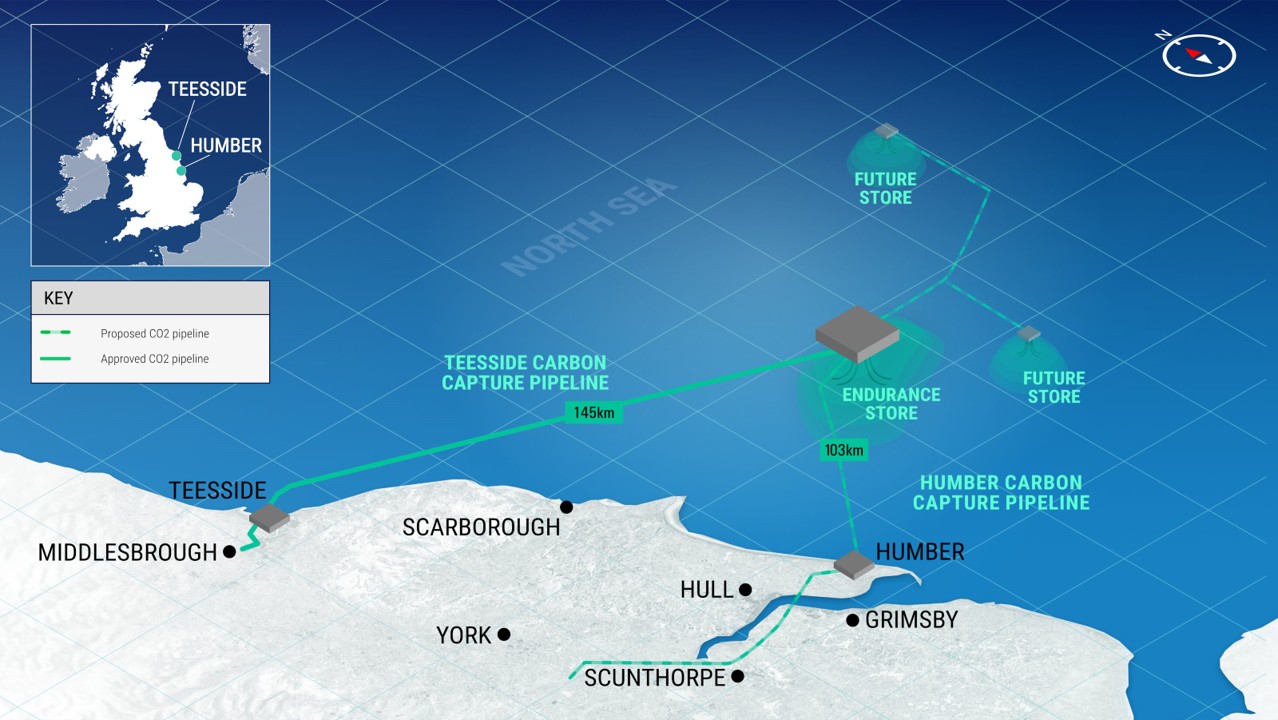
DNV was selected as the independent certifier for the Northern Endurance Partnership (NEP) UK carbon‑capture and storage project, covering the full CO2 transport chain from compression through the offshore pipeline. The role is now a regulatory expectation and will require documented QA/QC, inspection records and commissioning evidence ahead of the handover gate. Buyers should watch how certifier timelines are scheduled into payment and acceptance milestones

Buyer takeaway

Treat independent certification as scheduled, billable scope and include certifier milestones and evidence responsibilities in supplier SOWs

Cost / money

Certification will add QA/QC and inspection cost lines and can create rework budgets if suppliers fail initial evidence checks

Supplier / commercial

Suppliers will need to produce traceable test evidence and may price subcontracted inspection services; expect negotiation over who bears certifier‑driven rework costs

Safety / operations

Independent certifier status raises the likelihood that missing records will trigger stop‑work or remedial scopes during commissioning

What to watch

Watch whether owners place certifier deliverables into payment milestones or allow suppliers to invoice for certifier‑mandated testing and rework

Key facts

  • Covers the full CO2 transport chain from compression to 145km offshore pipeline
  • Appointed to verify design integrity, construction quality and commissioning readiness
  • Certification acts as the formal gate before CO2 storage operations begin

Source excerpts

The independent certifier function is a new regulatory requirement for the UK’s CCS sector, providing objective, evidence‑based assurance that nationally significant CO2 transport and storage infrastructure meets its license obligations before entering operation, DNV said
The certification process will establish the documented evidence required to demonstrate compliance and support a safe transition from construction to operation, the company said. “Independent certification provides regulators and project partners with confidence that complex CO2 transport infrastructure has been delivered in accordance with its licence requirements,” said Hari Vamadevan, Senior Vice President and Regional Director for the UK & Ireland, Energy Systems at DNV
Home Subsea DNV’s scope at UK’s first offshore CCS project expands with independent certifier role May 1, 2026, by DNV has been selected as the independent certifier for Northern Endurance Partnership (NEP), the UK’s first offshore carbon capture and storage (CCS) project, and will verify that the project’s construction and operation comply with the carbon dioxide transport and storage licence (CO2 T&S license) granted by the UK’s Secretary of State for Energy Security and Net Zero
Story 2Offshore EnergyMay 1, 2026

EnBW awards offshore wind subsea inspection contracts to RS Diving

Signal moderateSource-grounded

What happened

EnBW awarded multi‑year framework agreements for subsea inspection work across its Baltic and North Sea wind farms to RS Diving, covering ROV inspections, vessel logistics and reporting. The frameworks run to a multi‑year term and assign the contractor responsibility for vessel provision and campaign logistics during seasonal campaign windows. Procurement should clarify mobilisation, demurrage and pass‑through responsibilities under these long frameworks

Buyer takeaway

Confirm who owns vessel provision and mobilisation costs under framework awards and require clear demurrage caps where applicable

Cost / money

Including vessels and logistics in supplier scope can embed mobilisation premiums and reduce ability to re‑auction spot campaigns cheaply

Supplier / commercial

Contractors may price tight mobilisation windows and short quote validity; negotiate demurrage, mobilisation caps and clear pass‑through triggers

Safety / operations

Long frameworks should include defined inspection protocols and reporting requirements to avoid scope ambiguity during campaign work

What to watch

Watch for frameworks that leave demurrage and short‑notice mobilisation fees ambiguous; these often surface as change claims during campaigns

Key facts

  • Framework covers inspections across multiple Baltic and North Sea wind farms
  • Contractor responsible for vessel provision, ROV deployment and reporting
  • Framework term extends into a multi‑year period with seasonal campaign schedules

Source excerpts

Offshore campaigns are scheduled to take place between April and September each year, with the contractor responsible for vessel provision, logistics, and deployment of ROV systems, as well as reporting and documentation. The framework agreements run until March 31, 2031, with options to extend by up to three additional one-year periods
At He Dreiht, currently under construction, 16 turbines are planned for annual inspection on the same 25% basis. Offshore campaigns are scheduled to take place between April and September each year, with the contractor responsible for vessel provision, logistics, and deployment of ROV systems, as well as reporting and documentation
Home Wind Farms EnBW awards offshore wind subsea inspection contracts to RS Diving May 1, 2026, by EnBW has awarded framework agreements for subsea inspection services across its offshore wind fleet in the Baltic Sea and North Sea, with RS Diving Contractor selected for both of the two lots covering the company’s assets in the Baltic Sea and the North Sea
Story 3Hydrocarbon EngineeringMay 1, 2026

Lantern LNG selects Honeywell to drive Matagorda Bay facility

Signal moderateDirectional

What happened

Lantern LNG selected Honeywell as its end‑to‑end technology and automation provider for the Matagorda Bay nearshore LNG project, covering pretreatment, liquefaction and controls. The selection emphasises bundled lifecycle responsibility and banking certainty for investors, which changes negotiation dynamics for spares, SLAs and diagnostics access. Procurement should model how a single supplier affects long‑term service commitments and spare parts rights

Buyer takeaway

Push for contractual rights to spares, remote diagnostics and defined SLA remedies when accepting bundled technology offers

Cost / money

Bundled offers can reduce capex interface risk but move more lifecycle spend into vendor pricing and long‑term service commitments

Supplier / commercial

Vendors will seek longer terms and conditional liability limits; buyers should lock critical spares and diagnostics access in contract

Safety / operations

End‑to‑end vendors can simplify safety validation if they accept responsibility for integrated testing and safety cases

What to watch

Watch for clauses that limit buyer diagnostics or parts access, and for requests to widen liability caps in exchange for end‑to‑end accountability

Key facts

  • Honeywell contracted to supply end‑to‑end LNG process and automation solutions
  • Scope includes pretreatment, liquefaction and controls with digital integration
  • Owner cites single‑point accountability to improve project certainty for investors

Source excerpts

Honeywell’s end-to-end process technology and digital solutions can enable efficient overall process optimisation with single point accountability, and can integrate real-time data across assets, personnel, and processes to boost productivity, reduce risk, and drive growth through actionable insights. “Honeywell’s end-to-end approach gives us certainty on design, execution, and long-term operations, which is critical for both bankability and performance,” said David Chung, CEO of Lantern LNG
Honeywell’s end-to-end process technology and digital solutions can enable efficient overall process optimisation with single point accountability, and can integrate real-time data across assets, personnel, and processes to boost productivity, reduce risk, and drive growth through actionable insights
Lantern LNG Holding Company, LLC, a development company focused on building nearshore LNG liquefaction facilities on fixed platforms, has announced its intention to use Honeywell as the end-to-end LNG technology and automation solutions provider for its planned offshore LNG development located off the coast of Texas in Matagorda Bay. Lantern LNG plans to use Honeywell’s full-service LNG technology portfolio, including natural gas pretreatment, advanced liquefaction and coil-wound heat exchangers, coupled with H
Story 4Australian MiningMay 1, 2026

Australia’s AI mining boom raises the bar for performance and risk

Signal strongSource-grounded

What happened

Australian mining companies are rapidly adopting AI across operations—autonomous haulage, predictive maintenance and AI geological tools—creating tighter IT/OT integration than governance frameworks currently handle. That convergence increases potential for OT exposure where networked control logic and IoT devices bridge IT and OT systems, making resilience a procurement and contract issue. Buyers should treat AI/automation suppliers as safety‑critical vendors and require OT segmentation and fail‑safe validation tests

Buyer takeaway

Require proofs of OT governance, segmentation, firmware management and tested fail‑safe behaviour from AI/automation suppliers

Cost / money

Unprotected OT integrations can trigger expensive remediation and outage recovery obligations; transfer resilience responsibilities contractually where possible

Supplier / commercial

Vendors will push for fast deployment and recurring support fees; negotiate clear deliverables, update cadences and access to telemetry for diagnostics

Safety / operations

Blending IT and OT without controls can degrade safety barriers; procurement must require validation of safe fail‑states

What to watch

Watch vendor claims about easy retrofit—retrofitting OT resilience is often costlier than designing it in and vendors may understate that effort

Key facts

  • Wide adoption of AI for autonomous haulage, predictive maintenance and geological modelling
  • Local investment in AI outpacing governance frameworks
  • IT/OT convergence increases exposure of control systems and connected devices

Source excerpts

In an industry where operational failures carry physical, financial, and safety consequences, that gap matters
Decisions made during design and commissioning therefore carry long-term implications for resilience. Building Resilience from the Start The organisations managing these risks most effectively treat resilience as a design requirement, not an afterthought
When IT and OT Converge The most significant and least visible risk stemming from AI adoption in mining is the erosion of the boundary between information technology (IT) and operational technology (OT)
Story 5Australian MiningMay 1, 2026

Keeping mining operations safe and compliant with spill bunded pallets

Signal limitedSource-grounded

What happened

A supplier highlights bunded spill pallets as a practical, standards‑based containment option for fuels and lubricants on mining sites, designed to meet Australian Standard AS 3780 requirements. These are straightforward to buy and install, but missing or incorrect capacity can breach regulatory requirements and trigger stop‑work or fines. Buyers should include containment specs in SOWs and pre‑mobilisation checklists to avoid reactive purchases

Buyer takeaway

Include containment standards and verification in pre‑mobilisation checklists and site SOWs

Cost / money

Low unit cost but non‑compliance forces remedial spend and potential fines; verify before mobilisation

Supplier / commercial

Local suppliers can reduce lead time; require certificates and maintenance terms in purchase orders

Safety / operations

Proper bunding is a basic safety control—ensure installation and cleaning regimes are defined in supplier deliverables

What to watch

Watch small local vendors for convenience offers without documented compliance evidence; insist on certificates and test reports

Key facts

  • Bunded pallets available from drum to IBC capacity for hazardous liquids
  • Designed for forklift access and reduced freight volume
  • Must meet AS 3780 containment capacity criteria for compliance

Source excerpts

By containing spills at the source, improving site safety, and supporting regulatory compliance, they deliver measurable benefits across mining operations
Sites must also adhere to Australian Standard AS 3780, which outlines minimum spill containment capacity requirements
Spill containment designed for the industry Eco Pallets has a wide variety of bunded pallets, from compact drum-sized containment pallets to large-capacity IBC bunds. These pallets are engineered with built-in spill containment bunds that capture leaks or spills at the source before they can reach the environment or site drainage

VP Snapshot

Executive Risk & Action View

Independent certifier roles (third‑party certification) are becoming a hard commissioning gate for major transport infrastructure; treat certification deliverables as scheduled, billable scope that can delay handover if missing.

Overall
70
Cost
61
Supply
25
Schedule
38
Compliance
15

Top signals

30-180dcost

Signal 1: Cost / money

Certification as a mandated third‑party gate will add verifiable QA/QC and inspection costs into project baselines and can create rework-driven change notices if evidence is incomplete.

Signal 2: Cost / money

Frameworks that require contractors to supply vessels and ROVs can embed mobilisation and logistics premiums into supplier pricing, reducing buyer flexibility to shift costs to spot markets.

180d+commercial

Signal 3: Supplier / commercial

Integrated technology vendors will push for bundled lifecycle contracts with longer terms and limited liability windows; this concentrates commercial leverage with suppliers unless buyers secure spares access and diagnostic rights.

Signal 4: Supplier / commercial

Inspection and subsea contractors under framework agreements are likely to include narrow mobilisation windows and short quote validity for campaign work—expect negotiation points on demurrage caps and pass‑through triggers.

30-180dschedule

Signal 5: Safety / operations

Independent certifiers link construction quality directly to commissioning safety; missing traceable test records or QA evidence can create stop‑work triggers at handover unless suppliers are contractually obliged to deliver them.

30-180dsupplier

Signal 6: Safety / operations

AI/OT convergence increases the risk that cyber or connectivity failures translate into physical safety incidents; procurement must require validated fail‑safe behaviour and OT segmentation tests from automation suppliers.

Recommended actions

CategoryDue 3d

Map active and planned projects that will hit independent certification or third‑party QA gates during mobilisation or commissioning.

A prioritized register of projects with certification gates and current evidence gaps to inform immediate supplier queries.

OpsDue 3d

Ask on‑site teams for current spill containment (AS 3780) compliance evidence for any site storing hazardous liquids.

Receipt of compliance certificates or a corrective action list that removes an easy regulatory trigger before mobilisation.

ContractsDue 21d

Draft contract clause options for integrated technology suppliers that mandate spare parts access, remote diagnostics, SLA remedies and defined warranty windows.

Negotiation‑ready clause set to insert into technology and EPC SOWs to limit long‑term commercial exposure.

CategoryDue 21d

Engage shortlisted ROV/inspection vendors to clarify who owns vessel provision, mobilisation costs, and demurrage exposure under framework campaigns.

Documented responsibility matrix and supplier positions on mobilisation and demurrage for upcoming campaign windows.

CategoryDue 60d

Pre‑qualify independent certifiers and require certification milestones and evidence delivery schedules in project SOWs and acceptance gates.

List of pre‑approved certifiers and integrated certification milestones in project SOWs to avoid handover delays.

LegalDue 60d

Update procurement templates to include OT/cyber resilience acceptance tests, firmware management obligations, and evidence of OT segmentation for AI/automation suppliers.

Revised procurement baseline with OT/cyber clauses and acceptance test checklists for automation deliveries.

Risk register

RiskTriggerMitigation
Watch suppliers offering 'single‑point accountability' while limiting buyer access to diagnostics, spare parts or remote data—this reduces buyers’ ability to recover performance without vendor cooperation.Watch suppliers offering 'single‑point accountability' while limiting buyer access to diagnostics, spare parts or remote data—this reduces buyers’ ability to recover performance without vendor cooperation.Confirm exposure with category, contracts, and operations before the next supplier commitment.
Watch framework inspection contractors assuming vessel/logistics responsibility without clear demurrage or mobilisation caps; ambiguity here shifts short‑term premium risk to owners during campaign changes.Watch framework inspection contractors assuming vessel/logistics responsibility without clear demurrage or mobilisation caps; ambiguity here shifts short‑term premium risk to owners during campaign changes.Confirm exposure with category, contracts, and operations before the next supplier commitment.

CM Snapshot

Category Manager Decision Detail

Today's priorities

Map active and planned projects that will hit independent certification or third‑party QA gates during mobilisation or commissioning.

Do this because certifier appointments convert QA deliverables into schedule gates and you need to know which projects require explicit certifier milestones before negotiating s...

Due 3d

high

CM move

Use this as the immediate supplier or contract action to move before the next sourcing gate.

Ask on‑site teams for current spill containment (AS 3780) compliance evidence for any site storing hazardous liquids.

Do this because non‑compliant containment is an easy regulatory stop and forces last‑minute local sourcing at a premium if discovered at mobilisation.

Due 3d

high

CM move

Use this as the immediate supplier or contract action to move before the next sourcing gate.

Draft contract clause options for integrated technology suppliers that mandate spare parts access, remote diagnostics, SLA remedies and defined warranty windows.

Do this because single‑vendor, end‑to‑end selections shift lifecycle risk to suppliers and clauses are needed to preserve buyer rights on spares and performance recovery.

Due 21d

high

CM move

Use this as the immediate supplier or contract action to move before the next sourcing gate.

Engage shortlisted ROV/inspection vendors to clarify who owns vessel provision, mobilisation costs, and demurrage exposure under framework campaigns.

Do this because recent framework awards show contractors may assume logistics responsibility and buyers must know whether mobilisation premiums will be included or passed through.

Due 21d

high

CM move

Use this as the immediate supplier or contract action to move before the next sourcing gate.

Supplier radar

Hydrocarbon Engineering

high

Observed supplier signal

Integrated technology vendors will push for bundled lifecycle contracts with longer terms and limited liability windows; this concentrates commercial leverage with suppliers unless buyers secure spares access and diagnostic rights.

Commercial implication

Integrated technology vendors will push for bundled lifecycle contracts with longer terms and limited liability windows; this concentrates commercial leverage with suppliers unless buyers secure spares access and diagnostic rights.

Next step: Validate the source-backed signal with incumbents and alternates before the next award or pricing decision.

Offshore Energy

high

Observed supplier signal

Inspection and subsea contractors under framework agreements are likely to include narrow mobilisation windows and short quote validity for campaign work—expect negotiation points on demurrage caps and pass‑through triggers.

Commercial implication

Inspection and subsea contractors under framework agreements are likely to include narrow mobilisation windows and short quote validity for campaign work—expect negotiation points on demurrage caps and pass‑through triggers.

Next step: Validate the source-backed signal with incumbents and alternates before the next award or pricing decision.

Negotiation levers

Map active and planned projects that will hit independent certification or third‑party QA gates during mobilisation or commissioning.

When to use: Do this because certifier appointments convert QA deliverables into schedule gates and you need to know which projects require explicit certifier milestones before negotiating s...

Expected outcome: A prioritized register of projects with certification gates and current evidence gaps to inform immediate supplier queries.

Commercial mechanism to carry into the next supplier conversation

Ask on‑site teams for current spill containment (AS 3780) compliance evidence for any site storing hazardous liquids.

When to use: Do this because non‑compliant containment is an easy regulatory stop and forces last‑minute local sourcing at a premium if discovered at mobilisation.

Expected outcome: Receipt of compliance certificates or a corrective action list that removes an easy regulatory trigger before mobilisation.

Commercial mechanism to carry into the next supplier conversation

Draft contract clause options for integrated technology suppliers that mandate spare parts access, remote diagnostics, SLA remedies and defined warranty windows.

When to use: Do this because single‑vendor, end‑to‑end selections shift lifecycle risk to suppliers and clauses are needed to preserve buyer rights on spares and performance recovery.

Expected outcome: Negotiation‑ready clause set to insert into technology and EPC SOWs to limit long‑term commercial exposure.

Commercial mechanism to carry into the next supplier conversation

Engage shortlisted ROV/inspection vendors to clarify who owns vessel provision, mobilisation costs, and demurrage exposure under framework campaigns.

When to use: Do this because recent framework awards show contractors may assume logistics responsibility and buyers must know whether mobilisation premiums will be included or passed through.

Expected outcome: Documented responsibility matrix and supplier positions on mobilisation and demurrage for upcoming campaign windows.

Commercial mechanism to carry into the next supplier conversation

Talking points

Independent certifier roles (third‑party certification) are becoming a hard commissioning gate for major transport infrastructure; treat certification deliverables as scheduled, billable scope that can delay handover if missing.
Long‑running inspection frameworks that include ROVs and vessel logistics shift mobilisation and demurrage exposure toward contractors—buyers must confirm which mobilisation costs are included versus passed through.
Owners are selecting single, end‑to‑end technology suppliers for LNG process and automation, which concentrates lifecycle liability and reduces interface negotiation leverage unless contracts explicitly protect spares, SLAs and diagnostics access.
Rapid AI and automation adoption in Australian mining is eroding IT/OT boundaries and creating new operational dependencies that procurement must convert into contracted OT/cyber resilience and acceptance tests.

Supplier radar

SupplierSignalImplicationNext stepConfidence
Hydrocarbon EngineeringIntegrated technology vendors will push for bundled lifecycle contracts with longer terms and limited liability windows; this concentrates commercial leverage with suppliers unless buyers secure spares access and diagnostic rights.Integrated technology vendors will push for bundled lifecycle contracts with longer terms and limited liability windows; this concentrates commercial leverage with suppliers unless buyers secure spares access and diagnostic rights.Validate the source-backed signal with incumbents and alternates before the next award or pricing decision.high
Offshore EnergyInspection and subsea contractors under framework agreements are likely to include narrow mobilisation windows and short quote validity for campaign work—expect negotiation points on demurrage caps and pass‑through triggers.Inspection and subsea contractors under framework agreements are likely to include narrow mobilisation windows and short quote validity for campaign work—expect negotiation points on demurrage caps and pass‑through triggers.Validate the source-backed signal with incumbents and alternates before the next award or pricing decision.high

Negotiation levers

  • Map active and planned projects that will hit independent certification or third‑party QA gates during mobilisation or commissioning.Do this because certifier appointments convert QA deliverables into schedule gates and you need to know which projects require explicit certifier milestones before negotiating s...A prioritized register of projects with certification gates and current evidence gaps to inform immediate supplier queries.

    high confidence

  • Ask on‑site teams for current spill containment (AS 3780) compliance evidence for any site storing hazardous liquids.Do this because non‑compliant containment is an easy regulatory stop and forces last‑minute local sourcing at a premium if discovered at mobilisation.Receipt of compliance certificates or a corrective action list that removes an easy regulatory trigger before mobilisation.

    high confidence

  • Draft contract clause options for integrated technology suppliers that mandate spare parts access, remote diagnostics, SLA remedies and defined warranty windows.Do this because single‑vendor, end‑to‑end selections shift lifecycle risk to suppliers and clauses are needed to preserve buyer rights on spares and performance recovery.Negotiation‑ready clause set to insert into technology and EPC SOWs to limit long‑term commercial exposure.

    high confidence

  • Engage shortlisted ROV/inspection vendors to clarify who owns vessel provision, mobilisation costs, and demurrage exposure under framework campaigns.Do this because recent framework awards show contractors may assume logistics responsibility and buyers must know whether mobilisation premiums will be included or passed through.Documented responsibility matrix and supplier positions on mobilisation and demurrage for upcoming campaign windows.

    high confidence

What to do / What to watch

What to do now

  • Map active and planned projects that will hit independent certification or third‑party QA gates during mobilisation or commissioning.

    Why: Do this because certifier appointments convert QA deliverables into schedule gates and you need to know which projects require explicit certifier milestones before negotiating s...

    Owner: Category

    Expected outcome: A prioritized register of projects with certification gates and current evidence gaps to inform immediate supplier queries.

    [3]
  • Ask on‑site teams for current spill containment (AS 3780) compliance evidence for any site storing hazardous liquids.

    Why: Do this because non‑compliant containment is an easy regulatory stop and forces last‑minute local sourcing at a premium if discovered at mobilisation.

    Owner: Ops

    Expected outcome: Receipt of compliance certificates or a corrective action list that removes an easy regulatory trigger before mobilisation.

    [4]

Next few weeks

  • Draft contract clause options for integrated technology suppliers that mandate spare parts access, remote diagnostics, SLA remedies and defined warranty windows.

    Why: Do this because single‑vendor, end‑to‑end selections shift lifecycle risk to suppliers and clauses are needed to preserve buyer rights on spares and performance recovery.

    Owner: Contracts

    Expected outcome: Negotiation‑ready clause set to insert into technology and EPC SOWs to limit long‑term commercial exposure.

    [2]
  • Engage shortlisted ROV/inspection vendors to clarify who owns vessel provision, mobilisation costs, and demurrage exposure under framework campaigns.

    Why: Do this because recent framework awards show contractors may assume logistics responsibility and buyers must know whether mobilisation premiums will be included or passed through.

    Owner: Category

    Expected outcome: Documented responsibility matrix and supplier positions on mobilisation and demurrage for upcoming campaign windows.

    [1]

Longer view

  • Pre‑qualify independent certifiers and require certification milestones and evidence delivery schedules in project SOWs and acceptance gates.

    Why: Do this because independent certifier roles are being formalised and certification evidence will be a hard commissioning gate unless planned into contracts and schedules.

    Owner: Category

    Expected outcome: List of pre‑approved certifiers and integrated certification milestones in project SOWs to avoid handover delays.

    [3]
  • Update procurement templates to include OT/cyber resilience acceptance tests, firmware management obligations, and evidence of OT segmentation for AI/automation suppliers.

    Why: Do this because rapid AI adoption is eroding IT/OT boundaries and contractual language is needed to transfer OT resilience responsibilities and test them before acceptance.

    Owner: Legal

    Expected outcome: Revised procurement baseline with OT/cyber clauses and acceptance test checklists for automation deliveries.

    [5]

What to watch

  • Watch suppliers offering 'single‑point accountability' while limiting buyer access to diagnostics, spare parts or remote data—this reduces buyers’ ability to recover performance without vendor cooperation
  • Watch framework inspection contractors assuming vessel/logistics responsibility without clear demurrage or mobilisation caps; ambiguity here shifts short‑term premium risk to owners during campaign changes
  • Watch suppliers offering 'single‑point accountability' while limiting buyer access to diagnostics, spare parts or remote data—this reduces buyers’ ability to recover performance without vendor cooperation.: Watch suppliers offering 'single‑point accountability' while limiting buyer access to diagnostics, spare parts or remote data—this reduces buyers’ ability to recover performance without vendor cooperation
  • Watch framework inspection contractors assuming vessel/logistics responsibility without clear demurrage or mobilisation caps; ambiguity here shifts short‑term premium risk to owners during campaign changes.: Watch framework inspection contractors assuming vessel/logistics responsibility without clear demurrage or mobilisation caps; ambiguity here shifts short‑term premium risk to owners during campaign changes
  • Independent certifier roles (third‑party certification) are becoming a hard commissioning gate for major transport infrastructure; treat certification deliverables as scheduled, billable scope that can delay handover if missing
  • Long‑running inspection frameworks that include ROVs and vessel logistics shift mobilisation and demurrage exposure toward contractors—buyers must confirm which mobilisation costs are included versus passed through
  • Owners are selecting single, end‑to‑end technology suppliers for LNG process and automation, which concentrates lifecycle liability and reduces interface negotiation leverage unless contracts explicitly protect spares, SLAs and diagnostics access
  • Rapid AI and automation adoption in Australian mining is eroding IT/OT boundaries and creating new operational dependencies that procurement must convert into contracted OT/cyber resilience and acceptance tests

Market pulse

IndexLatestChangeAs of
Henry Hub Gas (NG)3.12 /MMBtu+0.00 (+0.00%)May 3, 2026, 10:06 PM
Cheniere (LNG) (LNG)185 +0.00 (+0.00%)May 3, 2026, 10:06 PM
Brent Crude (BRENT)74.89 /bbl+0.00 (+0.00%)May 3, 2026, 10:06 PM
Fluor Corp (FLR)42 +0.00 (+0.00%)May 3, 2026, 10:06 PM
KBR Inc (KBR)58 +0.00 (+0.00%)May 3, 2026, 10:06 PM
  • Fluor Corp: EPC contractor market signals can change supplier pricing posture for large integrated technology awards
  • Brent Crude: Energy commodity direction affects fuel and vessel mobilisation pass‑through exposure for marine and construction logistics

Sources

Inline citations jump here. Expand a source to read the excerpt, the AI interpretation, and the original link.

[1] EnBW awards offshore wind subsea inspection contracts to RS Diving

offshore-energy.biz · May 1, 2026

Expand

AI reading

EnBW awarded multi‑year framework agreements for subsea inspection work across its Baltic and North Sea wind farms to RS Diving, covering ROV inspections, vessel logistics and reporting. The frameworks run to a multi‑year term and assign the contractor responsibility for vessel provision and campaign logistics during seasonal campaign windows. Procurement should clarify mobilisation, demurrage and pass‑through responsibilities under these long frameworks

Buyer takeaway

Confirm who owns vessel provision and mobilisation costs under framework awards and require clear demurrage caps where applicable

Cost / money

Including vessels and logistics in supplier scope can embed mobilisation premiums and reduce ability to re‑auction spot campaigns cheaply

Supplier / commercial

Contractors may price tight mobilisation windows and short quote validity; negotiate demurrage, mobilisation caps and clear pass‑through triggers

Safety / operations

Long frameworks should include defined inspection protocols and reporting requirements to avoid scope ambiguity during campaign work

What to watch

Watch for frameworks that leave demurrage and short‑notice mobilisation fees ambiguous; these often surface as change claims during campaigns

Key facts

  • Framework covers inspections across multiple Baltic and North Sea wind farms
  • Contractor responsible for vessel provision, ROV deployment and reporting
  • Framework term extends into a multi‑year period with seasonal campaign schedules

Source excerpts

Offshore campaigns are scheduled to take place between April and September each year, with the contractor responsible for vessel provision, logistics, and deployment of ROV systems, as well as reporting and documentation. The framework agreements run until March 31, 2031, with options to extend by up to three additional one-year periods
At He Dreiht, currently under construction, 16 turbines are planned for annual inspection on the same 25% basis. Offshore campaigns are scheduled to take place between April and September each year, with the contractor responsible for vessel provision, logistics, and deployment of ROV systems, as well as reporting and documentation
Home Wind Farms EnBW awards offshore wind subsea inspection contracts to RS Diving May 1, 2026, by EnBW has awarded framework agreements for subsea inspection services across its offshore wind fleet in the Baltic Sea and North Sea, with RS Diving Contractor selected for both of the two lots covering the company’s assets in the Baltic Sea and the North Sea

Used in this brief

  • Next 2-4 weeks — Engage shortlisted ROV/inspection vendors to clarify who owns vessel provision, mobilisation costs, and demurrage exposure under framework campaigns.. Rationale: Do this because recent framework awards show contractors may assume logistics responsibility and buyers must know whether mobilisation premiums will be included or passed through.. Owner: Category. KPI: Documented responsibility matrix and supplier positions on mobilisation and demurrage for upcoming campaign windows
  • Watch framework inspection contractors assuming vessel/logistics responsibility without clear demurrage or mobilisation caps; ambiguity here shifts short‑term premium risk to owners during campaign changes
  • Captured an EU framework inspection award (EnBW → RS Diving) that illustrates contractors taking vessel and ROV provisioning responsibility under multi‑year frameworks; prior run noted inspection needs but lacked a li
Open original source

[2] Lantern LNG selects Honeywell to drive Matagorda Bay facility

hydrocarbonengineering.com · May 1, 2026

Expand

AI reading

Lantern LNG selected Honeywell as its end‑to‑end technology and automation provider for the Matagorda Bay nearshore LNG project, covering pretreatment, liquefaction and controls. The selection emphasises bundled lifecycle responsibility and banking certainty for investors, which changes negotiation dynamics for spares, SLAs and diagnostics access. Procurement should model how a single supplier affects long‑term service commitments and spare parts rights

Buyer takeaway

Push for contractual rights to spares, remote diagnostics and defined SLA remedies when accepting bundled technology offers

Cost / money

Bundled offers can reduce capex interface risk but move more lifecycle spend into vendor pricing and long‑term service commitments

Supplier / commercial

Vendors will seek longer terms and conditional liability limits; buyers should lock critical spares and diagnostics access in contract

Safety / operations

End‑to‑end vendors can simplify safety validation if they accept responsibility for integrated testing and safety cases

What to watch

Watch for clauses that limit buyer diagnostics or parts access, and for requests to widen liability caps in exchange for end‑to‑end accountability

Key facts

  • Honeywell contracted to supply end‑to‑end LNG process and automation solutions
  • Scope includes pretreatment, liquefaction and controls with digital integration
  • Owner cites single‑point accountability to improve project certainty for investors

Source excerpts

Honeywell’s end-to-end process technology and digital solutions can enable efficient overall process optimisation with single point accountability, and can integrate real-time data across assets, personnel, and processes to boost productivity, reduce risk, and drive growth through actionable insights. “Honeywell’s end-to-end approach gives us certainty on design, execution, and long-term operations, which is critical for both bankability and performance,” said David Chung, CEO of Lantern LNG
Honeywell’s end-to-end process technology and digital solutions can enable efficient overall process optimisation with single point accountability, and can integrate real-time data across assets, personnel, and processes to boost productivity, reduce risk, and drive growth through actionable insights
Lantern LNG Holding Company, LLC, a development company focused on building nearshore LNG liquefaction facilities on fixed platforms, has announced its intention to use Honeywell as the end-to-end LNG technology and automation solutions provider for its planned offshore LNG development located off the coast of Texas in Matagorda Bay. Lantern LNG plans to use Honeywell’s full-service LNG technology portfolio, including natural gas pretreatment, advanced liquefaction and coil-wound heat exchangers, coupled with H

Used in this brief

  • Next 2-4 weeks — Draft contract clause options for integrated technology suppliers that mandate spare parts access, remote diagnostics, SLA remedies and defined warranty windows.. Rationale: Do this because single‑vendor, end‑to‑end selections shift lifecycle risk to suppliers and clauses are needed to preserve buyer rights on spares and performance recovery.. Owner: Contracts. KPI: Negotiation‑ready clause set to insert into technology and EPC SOWs to limit long‑term commercial exposure
  • Watch suppliers offering 'single‑point accountability' while limiting buyer access to diagnostics, spare parts or remote data—this reduces buyers’ ability to recover performance without vendor cooperation
  • Lantern LNG selected Honeywell as its end‑to‑end technology and automation provider for the Matagorda Bay nearshore LNG project, covering pretreatment, liquefaction and controls. The selection emphasises bundled lifecycle responsibility and banking certainty for investors, which changes negotiation dynamics for spares, SLAs and diagnostics access. Procurement should model how a single supplier affects long‑term service commitments and spare parts rights
Open original source

[3] DNV's scope at UK's first offshore CCS project expands with independent certifier role

offshore-energy.biz · May 1, 2026

Expand

AI reading

DNV was selected as the independent certifier for the Northern Endurance Partnership (NEP) UK carbon‑capture and storage project, covering the full CO2 transport chain from compression through the offshore pipeline. The role is now a regulatory expectation and will require documented QA/QC, inspection records and commissioning evidence ahead of the handover gate. Buyers should watch how certifier timelines are scheduled into payment and acceptance milestones

Buyer takeaway

Treat independent certification as scheduled, billable scope and include certifier milestones and evidence responsibilities in supplier SOWs

Cost / money

Certification will add QA/QC and inspection cost lines and can create rework budgets if suppliers fail initial evidence checks

Supplier / commercial

Suppliers will need to produce traceable test evidence and may price subcontracted inspection services; expect negotiation over who bears certifier‑driven rework costs

Safety / operations

Independent certifier status raises the likelihood that missing records will trigger stop‑work or remedial scopes during commissioning

What to watch

Watch whether owners place certifier deliverables into payment milestones or allow suppliers to invoice for certifier‑mandated testing and rework

Key facts

  • Covers the full CO2 transport chain from compression to 145km offshore pipeline
  • Appointed to verify design integrity, construction quality and commissioning readiness
  • Certification acts as the formal gate before CO2 storage operations begin

Source excerpts

The independent certifier function is a new regulatory requirement for the UK’s CCS sector, providing objective, evidence‑based assurance that nationally significant CO2 transport and storage infrastructure meets its license obligations before entering operation, DNV said
The certification process will establish the documented evidence required to demonstrate compliance and support a safe transition from construction to operation, the company said. “Independent certification provides regulators and project partners with confidence that complex CO2 transport infrastructure has been delivered in accordance with its licence requirements,” said Hari Vamadevan, Senior Vice President and Regional Director for the UK & Ireland, Energy Systems at DNV
Home Subsea DNV’s scope at UK’s first offshore CCS project expands with independent certifier role May 1, 2026, by DNV has been selected as the independent certifier for Northern Endurance Partnership (NEP), the UK’s first offshore carbon capture and storage (CCS) project, and will verify that the project’s construction and operation comply with the carbon dioxide transport and storage licence (CO2 T&S license) granted by the UK’s Secretary of State for Energy Security and Net Zero

Used in this brief

  • Next 72 hours — Map active and planned projects that will hit independent certification or third‑party QA gates during mobilisation or commissioning.. Rationale: Do this because certifier appointments convert QA deliverables into schedule gates and you need to know which projects require explicit certifier milestones before negotiating s.... Owner: Category. KPI: A prioritized register of projects with certification gates and current evidence gaps to inform immediate supplier queries
  • Next quarter — Pre‑qualify independent certifiers and require certification milestones and evidence delivery schedules in project SOWs and acceptance gates.. Rationale: Do this because independent certifier roles are being formalised and certification evidence will be a hard commissioning gate unless planned into contracts and schedules.. Owner: Category. KPI: List of pre‑approved certifiers and integrated certification milestones in project SOWs to avoid handover delays
  • Added UK offshore CCS independent certifier (DNV) as a concrete example of a regulatory certification gate that must be modelled into EPC schedules and SOWs, which was not in the prior offshore‑focused brief
Open original source

[4] Keeping mining operations safe and compliant with spill bunded pallets

australianmining.com.au · May 1, 2026

Expand

AI reading

A supplier highlights bunded spill pallets as a practical, standards‑based containment option for fuels and lubricants on mining sites, designed to meet Australian Standard AS 3780 requirements. These are straightforward to buy and install, but missing or incorrect capacity can breach regulatory requirements and trigger stop‑work or fines. Buyers should include containment specs in SOWs and pre‑mobilisation checklists to avoid reactive purchases

Buyer takeaway

Include containment standards and verification in pre‑mobilisation checklists and site SOWs

Cost / money

Low unit cost but non‑compliance forces remedial spend and potential fines; verify before mobilisation

Supplier / commercial

Local suppliers can reduce lead time; require certificates and maintenance terms in purchase orders

Safety / operations

Proper bunding is a basic safety control—ensure installation and cleaning regimes are defined in supplier deliverables

What to watch

Watch small local vendors for convenience offers without documented compliance evidence; insist on certificates and test reports

Key facts

  • Bunded pallets available from drum to IBC capacity for hazardous liquids
  • Designed for forklift access and reduced freight volume
  • Must meet AS 3780 containment capacity criteria for compliance

Source excerpts

By containing spills at the source, improving site safety, and supporting regulatory compliance, they deliver measurable benefits across mining operations
Sites must also adhere to Australian Standard AS 3780, which outlines minimum spill containment capacity requirements
Spill containment designed for the industry Eco Pallets has a wide variety of bunded pallets, from compact drum-sized containment pallets to large-capacity IBC bunds. These pallets are engineered with built-in spill containment bunds that capture leaks or spills at the source before they can reach the environment or site drainage

Used in this brief

  • Next 72 hours — Ask on‑site teams for current spill containment (AS 3780) compliance evidence for any site storing hazardous liquids.. Rationale: Do this because non‑compliant containment is an easy regulatory stop and forces last‑minute local sourcing at a premium if discovered at mobilisation.. Owner: Ops. KPI: Receipt of compliance certificates or a corrective action list that removes an easy regulatory trigger before mobilisation
  • A supplier highlights bunded spill pallets as a practical, standards‑based containment option for fuels and lubricants on mining sites, designed to meet Australian Standard AS 3780 requirements. These are straightforward to buy and install, but missing or incorrect capacity can breach regulatory requirements and trigger stop‑work or fines. Buyers should include containment specs in SOWs and pre‑mobilisation checklists to avoid reactive purchases
  • Buyer bottom line: mandate compliant spill containment in site SOWs to avoid regulatory stoppages and avoid premium local sourcing during mobilisation
Open original source

[5] Australia’s AI mining boom raises the bar for performance and risk

australianmining.com.au · May 1, 2026

Expand

AI reading

Australian mining companies are rapidly adopting AI across operations—autonomous haulage, predictive maintenance and AI geological tools—creating tighter IT/OT integration than governance frameworks currently handle. That convergence increases potential for OT exposure where networked control logic and IoT devices bridge IT and OT systems, making resilience a procurement and contract issue. Buyers should treat AI/automation suppliers as safety‑critical vendors and require OT segmentation and fail‑safe validation tests

Buyer takeaway

Require proofs of OT governance, segmentation, firmware management and tested fail‑safe behaviour from AI/automation suppliers

Cost / money

Unprotected OT integrations can trigger expensive remediation and outage recovery obligations; transfer resilience responsibilities contractually where possible

Supplier / commercial

Vendors will push for fast deployment and recurring support fees; negotiate clear deliverables, update cadences and access to telemetry for diagnostics

Safety / operations

Blending IT and OT without controls can degrade safety barriers; procurement must require validation of safe fail‑states

What to watch

Watch vendor claims about easy retrofit—retrofitting OT resilience is often costlier than designing it in and vendors may understate that effort

Key facts

  • Wide adoption of AI for autonomous haulage, predictive maintenance and geological modelling
  • Local investment in AI outpacing governance frameworks
  • IT/OT convergence increases exposure of control systems and connected devices

Source excerpts

In an industry where operational failures carry physical, financial, and safety consequences, that gap matters
Decisions made during design and commissioning therefore carry long-term implications for resilience. Building Resilience from the Start The organisations managing these risks most effectively treat resilience as a design requirement, not an afterthought
When IT and OT Converge The most significant and least visible risk stemming from AI adoption in mining is the erosion of the boundary between information technology (IT) and operational technology (OT)

Used in this brief

  • Safety / operations: AI/OT convergence increases the risk that cyber or connectivity failures translate into physical safety incidents; procurement must require validated fail‑safe behaviour and OT segmentation tests from automation suppliers
  • Next quarter — Update procurement templates to include OT/cyber resilience acceptance tests, firmware management obligations, and evidence of OT segmentation for AI/automation suppliers.. Rationale: Do this because rapid AI adoption is eroding IT/OT boundaries and contractual language is needed to transfer OT resilience responsibilities and test them before acceptance.. Owner: Legal. KPI: Revised procurement baseline with OT/cyber clauses and acceptance test checklists for automation deliveries
  • Included APAC operational risk from rapid AI adoption in Australian mining, making OT/cyber contract clauses a practical procurement item beyond the previous emphasis on mobilisation and equipment pass‑throughs
Open original source

[6] Fluor Corp

finance.yahoo.com · n.d.

Expand

[7] Brent Crude

finance.yahoo.com · n.d.

Expand