Major Equipment OEM & LTSA · International (Houston)

Reassess LTSA Exposure and Logistics After Hormuz Disruption

Published May 4, 2026, 5:08 AM CSTINTERNATIONALFull category signal
Ask AI
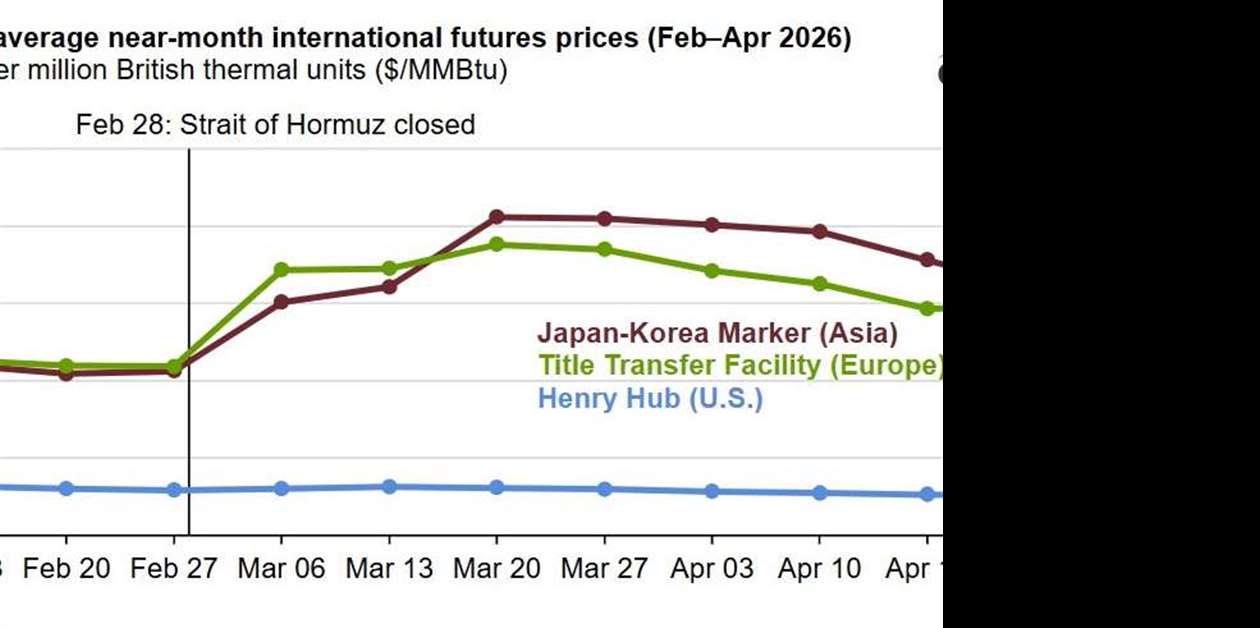
Europe, Asia LNG prices climb on Hormuz closure

In 60 seconds

Top move

The Strait-of-Hormuz closure and QatarEnergy's force majeure have concretely removed a material share of Qatari LNG flows, creating immediate spot-price divergence and raising buyer exposure where LTSAs or service fees reference fuel or spot indices

Key takeaways

  • The Strait-of-Hormuz closure and QatarEnergy's force majeure have concretely removed a material share of Qatari LNG flows, creating immediate spot-price divergence and raising buyer exposure where LTSAs or service fees reference fuel or spot indices.[1]
  • ADNOC’s completion of a six‑vessel, next‑generation LNG carrier program shifts available lift capacity toward longer-term, contracted shipping and gives counterparties with carrier access more leverage in bundled equipment+logistics deals.[2]
  • Industry long‑reads flag a possible later wave of LNG supply that could ease OEM factory‑slot pressure in time, but this remains thematic background rather than an operational trigger for near-term contracting.[3]
  • Procurement priority: review contract pass-through and force majeure language, mobilization window commitments, and quote-validity terms for active LTSA and equipment awards to limit immediate re-pricing and delivery risk.[1]
  • Operational priority: validate critical spare‑part SKUs, confirm actual shipment routes/ETAs with carriers, and prepare vendor‑managed inventory or alternate staging options to reduce outage duration risk.[2]

What changed since last run

  • The Hormuz disruption moved from a watchlist item into confirmed operational impact: reports show no laden LNG tankers crossing the strait between March 1 and April 24 and QatarEnergy declared force majeure (Article 4).
  • ADNOC finalized delivery of its sixth 175,000 m³ LNG carrier, completing the six‑vessel newbuild program and locking additional lift capacity into long‑term charters (Article 5).

Key facts

  • No laden LNG tankers crossed the strait between March 1 and April 24
  • Disruption estimated at roughly 10 Bcf/d of traded LNG tied to Ras Laffan
  • European and Asian front‑month futures moved sharply higher through late April
  • 175,000 m³ cargo capacity per newbuild
  • Six‑vessel construction program completed with the delivery of the sixth ship
  • Editorial outlook referencing a potential LNG supply surge across premium content

Why it matters

The Strait-of-Hormuz closure and QatarEnergy's force majeure have concretely removed a material share of Qatari LNG flows, creating immediate spot-price divergence and raising buyer exposure where LTSAs or service fees reference fuel or spot indices. ADNOC’s completion of a six‑vessel, next‑generation LNG carrier program shifts available lift capacity toward longer-term, contracted shipping and gives counterparties with carrier access more leverage in bundled equipment+logistics deals. Industry long‑reads flag a possible later wave of LNG supply that could ease OEM factory‑slot pressure in time, but this remains thematic background rather than an operational trigger for near-term contracting. Procurement priority: review contract pass-through and force majeure language, mobilization window commitments, and quote-validity terms for active LTSA and equipment awards to limit immediate re-pricing and delivery risk

Cost / money

  • Any LTSA or service fee that passes through fuel or spot-indexed inputs is more likely to increase operating expense while the regional price split persists.[1]
  • Completion of ADNOC’s contracted shipping reduces some spot freight volatility but raises the floor on contracted logistics costs and makes ad‑hoc lift moves more expensive or harder to source.[2]
  • The longer-reads supply narrative could reduce upward OEM pricing pressure in the medium term if it materializes, but that is a directional planning input rather than a near-term cost driver.[3]

Supplier / commercial

  • Suppliers are likely to shorten quote validity windows and include premium scheduling or fuel‑pass‑through clauses while spot volatility and force majeure remain active.[1]
  • Vendors with owned or contracted carriers can bundle freight into equipment and service proposals, shifting negotiation leverage toward integrated providers.[2]
  • Expect tighter mobilization and factory‑slot commitments from OEMs and packagers—award timing and commercial flow‑downs will need to reflect realistic carrier availability.[2]

Safety / operations

  • Rerouted cargoes and constrained lanes increase the likelihood of delayed spare deliveries, which raises outage duration and integration risk during commissioning.[1]
  • Newer dual‑fuel, larger carriers reduce emissions and fuel‑flexibility risk on transport legs, lowering some compliance and routing constraints for mobilizations.[2]
  • Compressed mobilization windows without enforced OEM start‑up staffing or digital handover increase the chance of commissioning hold points and start‑up delays.[2]

What to watch

  • Monitor the duration of Qatar’s force majeure and whether suppliers begin invoking logistics clauses to reallocate cost or delay commitments — this is an early‑signal for contract exposure.[1]
  • Watch how much of ADNOC’s new capacity stays with parent‑group flows versus third‑party lift availability; concentrated charters can raise single‑supplier logistics exposure.[2]

Top stories

Story 1CompressorTECH²Apr 28, 2026

Europe, Asia LNG prices climb on Hormuz closure

Signal strongSource-grounded

What happened

Closure of the Strait of Hormuz disrupted a substantial share of Qatari LNG flows and led QatarEnergy to declare force majeure, driving a sharp divergence in Europe/Asia spot gas pricing versus the U.S. market. The article cites no laden LNG tankers crossing the strait between March 1 and April 24 and shows TTF and JKM front‑month futures moving materially higher. Watch whether force majeure is lifted and how quickly cargoes are rerouted or replaced, because that timing determines short‑term pass‑through and mobilization pressure for service contracts

Buyer takeaway

Treat this as an operationally real driver of spot‑price volatility and logistics risk for LTSA and spare deliveries; act on contract language and carrier contingencies

Cost / money

Direct upward pressure on any LTSA or service fees that include fuel or spot‑indexed pass‑throughs; buyers without caps or hedges face increased operating expense risk

Supplier / commercial

Suppliers may shorten quote validity and press for pass‑throughs or premium scheduling charges; some may invoke force majeure on logistics‑dependent obligations

Safety / operations

Rerouted cargoes and constrained lifts increase the chance of delayed spares and compressed commissioning windows, elevating outage and integration risk

What to watch

Monitor duration of declared force majeure, storage fill levels in Europe/Asia, and supplier invocation of logistics clauses

Key facts

  • No laden LNG tankers crossed the strait between March 1 and April 24
  • Disruption estimated at roughly 10 Bcf/d of traded LNG tied to Ras Laffan
  • European and Asian front‑month futures moved sharply higher through late April

Source excerpts

The resulting supply shock has forced buyers in Asia and Europe to compete more aggressively for available spot cargoes. QatarEnergy declared force majeure on March 4, leaving Asian importers — which typically take more than 80% of Qatari LNG volumes — scrambling to replace contracted deliveries
S. prices relatively insulated due to limited near-term export flexibility and ample domestic supply
QatarEnergy declared force majeure on March 4, leaving Asian importers — which typically take more than 80% of Qatari LNG volumes — scrambling to replace contracted deliveries
Story 2CompressorTECH²Apr 27, 2026

ADNOC completes six-vessel LNG carrier program

Signal strongSource-grounded

What happened

ADNOC Logistics & Services completed delivery of its sixth 175,000 m³ LNG carrier, closing a six‑vessel newbuild program and expanding contracted shipping capacity. The ships are dual‑fuel and more efficient; ADNOC says most of the additional capacity is already committed under long‑term contracts, shifting freight availability toward contracted carriers rather than spot markets. Watch how much of the new tonnage remains third‑party available, because concentrated chartering changes negotiation leverage for logistics in equipment mobilizations

Buyer takeaway

Treat new contracted carrier capacity as both a stabilizer (less spot volatility) and a commercial constraint (fewer ad‑hoc carriers available); prioritize carriers' charter exposure in sourcing

Cost / money

Larger, dual‑fuel ships can moderate freight spikes but may raise the floor on contracted logistics costs when ad‑hoc lifts are needed

Supplier / commercial

Integrated suppliers will offer bundled equipment plus freight proposals; expect negotiation to include logistics scope and charter commitments

Safety / operations

New tonnage and dual‑fuel designs reduce emissions and fuel‑flexibility risk for long‑haul transport legs, easing some compliance burdens

What to watch

Watch the split between parent‑group and third‑party commitments for the new capacity; concentrated charters affect short‑term availability

Key facts

  • 175,000 m³ cargo capacity per newbuild
  • Six‑vessel construction program completed with the delivery of the sixth ship

Source excerpts

Al Taweelah is part of ADNOC L&S’ next-generation LNG carrier class, each designed with a 175,000-cubic-meter cargo capacity and equipped with dual-fuel propulsion and other efficiency technologies aimed at lowering fuel consumption and emissions. ADNOC L&S said the vessels are designed to reduce methane emissions by as much as 50 percent compared with older-generation LNG carriers
The company said the additional capacity will support both third-party customers and ADNOC Group operations, while reinforcing the UAE’s role in global energy trade
The LNG carrier delivery is part of a broader fleet expansion strategy underway at ADNOC L&S and AW Shipping, its joint venture with Wanhua Chemical Group. In 2024, AW Shipping placed a $1
Story 3CompressorTECH²

Longer Reads

Signal limitedDirectional

What happened

A set of longer‑read pieces offers a thematic outlook that a large new wave of LNG supply could arrive and alter market balance, but recent growth has trailed earlier 'super‑cycle' predictions. This is useful for medium‑term scenario planning around factory slots and headcount but does not provide an operational trigger for immediate contract edits. Watch supplier order books and factory‑slot confirmations for concrete evidence before changing procurement posture

Buyer takeaway

Use these thematic signals to stress‑test medium‑term scenarios (factory‑slot slack, headcount planning), but rely on confirmed operational signals for contract edits

Cost / money

If a large supply wave materializes later, it could reduce upward pressure on OEM lead times and mobilization premiums, but today this is speculative

Supplier / commercial

OEMs may pace capacity expansions if demand softens; monitor supplier CAPEX and orderbook signals for firm indications

Safety / operations

Limited immediate operational impact; mainly relevant to long‑range spare strategy and modernization timelines

What to watch

Flag as limited‑strength: watch supplier orderbooks and factory‑slot confirmations for concrete evidence

Key facts

  • Editorial outlook referencing a potential LNG supply surge across premium content
  • Noted divergence between prior 'super cycle' predictions and recent market outcomes
  • Series context: multiple long‑form pieces on compressor and project trends

Source excerpts

A massive new wave of LNG supply is poised to crash the market in 2026, creating a major inflection point for global gas market
This liquefaction surge will ignite global gas demand, especially in Asia’s price-sensitive regions
These can be complex applications and because of that, some users are willing to operate outside of the typical hydrogen operational limits that have been used for years in the refinery and petrochemical industries

VP Snapshot

Executive Risk & Action View

The Strait-of-Hormuz closure and QatarEnergy's force majeure have concretely removed a material share of Qatari LNG flows, creating immediate spot-price divergence and raising buyer exposure where LTSAs or service fees reference fuel or spot indices.

Overall
43
Cost
97
Supply
61
Schedule
56
Compliance
35

Top signals

30-180dcost

Signal 1: Cost / money

Any LTSA or service fee that passes through fuel or spot-indexed inputs is more likely to increase operating expense while the regional price split persists.

Signal 2: Cost / money

Completion of ADNOC’s contracted shipping reduces some spot freight volatility but raises the floor on contracted logistics costs and makes ad‑hoc lift moves more expensive or harder to source.

0-30dcost

Signal 3: Cost / money

The longer-reads supply narrative could reduce upward OEM pricing pressure in the medium term if it materializes, but that is a directional planning input rather than a near-term cost driver.

30-180dcommercial

Signal 4: Supplier / commercial

Suppliers are likely to shorten quote validity windows and include premium scheduling or fuel‑pass‑through clauses while spot volatility and force majeure remain active.

Signal 5: Supplier / commercial

Vendors with owned or contracted carriers can bundle freight into equipment and service proposals, shifting negotiation leverage toward integrated providers.

0-30dsupply

Signal 6: Supplier / commercial

Expect tighter mobilization and factory‑slot commitments from OEMs and packagers—award timing and commercial flow‑downs will need to reflect realistic carrier availability.

Recommended actions

ContractsDue 3d

Tag upcoming LTSA renewals and live service procurements for clause review focused on fuel pass‑throughs, force majeure, mobilization windows, and quote validity.

Annotated contract register highlighting agreements at risk and recommended clause edits ready for negotiation.

CategoryDue 3d

Validate inventory and lead‑times for critical spare SKUs and confirm current shipment routes and ETAs with logistics partners for high‑dependency assets.

Prioritized critical‑spare list with confirmed shipment status and recommended alternate staging or supplier options.

CategoryDue 21d

Open focused supplier and carrier dialogues to confirm factory‑slot availability, committed shipping lifts, and willingness to accept alternate routing or interim storage.

Supplier capacity notes and realistic delivery windows to inform RFQ timing and award criteria.

ContractsDue 21d

Draft LTSA addenda that limit buyer exposure to fuel‑indexed pass‑throughs and explicitly define force‑majeure handling for logistics and service‑delivery obligations.

LTSA addendum draft ready for legal review with clear pass‑through caps and logistics force‑majeure flow‑downs.

CategoryDue 60d

Pilot a vendor‑managed inventory (VMI) or onsite critical‑spare program for compressor families most exposed to export‑train uptime dependency.

VMI pilot plan with prioritized SKUs, proposed staging sites, and supplier partners identified for execution.

OpsDue 60d

Update commissioning and FAT templates to require OEM start‑up staffing windows, digital handover of asset records, and explicit logistics escalation flow‑downs.

Revised commissioning checklist and contract flow‑downs that reduce start‑up ambiguity and logistics‑related hold points.

Risk register

RiskTriggerMitigation
Monitor the duration of Qatar’s force majeure and whether suppliers begin invoking logistics clauses to reallocate cost or delay commitments — this is an early‑signal for contract exposure.Monitor the duration of Qatar’s force majeure and whether suppliers begin invoking logistics clauses to reallocate cost or delay commitments — this is an early‑signal for contract exposure.Confirm exposure with category, contracts, and operations before the next supplier commitment.
Watch how much of ADNOC’s new capacity stays with parent‑group flows versus third‑party lift availability; concentrated charters can raise single‑supplier logistics exposure.Watch how much of ADNOC’s new capacity stays with parent‑group flows versus third‑party lift availability; concentrated charters can raise single‑supplier logistics exposure.Confirm exposure with category, contracts, and operations before the next supplier commitment.

CM Snapshot

Category Manager Decision Detail

Today's priorities

Tag upcoming LTSA renewals and live service procurements for clause review focused on fuel pass‑throughs, force majeure, mobilization windows, and quote validity.

because the Hormuz closure and declared force majeure have created immediate spot‑price divergence and suppliers may seek to pass costs through or shorten commitments.

Due 3d

high

CM move

Use this as the immediate supplier or contract action to move before the next sourcing gate.

Validate inventory and lead‑times for critical spare SKUs and confirm current shipment routes and ETAs with logistics partners for high‑dependency assets.

because rerouted cargoes and concentrated chartering increase the chance of delayed spares that lengthen outages if not pre‑identified.

Due 3d

high

CM move

Use this as the immediate supplier or contract action to move before the next sourcing gate.

Open focused supplier and carrier dialogues to confirm factory‑slot availability, committed shipping lifts, and willingness to accept alternate routing or interim storage.

because ADNOC’s expanding contracted shipping and current LNG routing friction change carrier availability and practical mobilization windows that affect delivery commitments.

Due 21d

high

CM move

Use this as the immediate supplier or contract action to move before the next sourcing gate.

Draft LTSA addenda that limit buyer exposure to fuel‑indexed pass‑throughs and explicitly define force‑majeure handling for logistics and service‑delivery obligations.

because regional spot‑price divergence and declared force majeure on exports create direct re‑pricing and delivery risk for long‑term service fees.

Due 21d

high

CM move

Use this as the immediate supplier or contract action to move before the next sourcing gate.

Supplier radar

CompressorTECH²

high

Observed supplier signal

Suppliers are likely to shorten quote validity windows and include premium scheduling or fuel‑pass‑through clauses while spot volatility and force majeure remain active.

Commercial implication

Suppliers are likely to shorten quote validity windows and include premium scheduling or fuel‑pass‑through clauses while spot volatility and force majeure remain active.

Next step: Validate the source-backed signal with incumbents and alternates before the next award or pricing decision.

CompressorTECH²

high

Observed supplier signal

Vendors with owned or contracted carriers can bundle freight into equipment and service proposals, shifting negotiation leverage toward integrated providers.

Commercial implication

Vendors with owned or contracted carriers can bundle freight into equipment and service proposals, shifting negotiation leverage toward integrated providers.

Next step: Validate the source-backed signal with incumbents and alternates before the next award or pricing decision.

CompressorTECH²

high

Observed supplier signal

Expect tighter mobilization and factory‑slot commitments from OEMs and packagers—award timing and commercial flow‑downs will need to reflect realistic carrier availability.

Commercial implication

Expect tighter mobilization and factory‑slot commitments from OEMs and packagers—award timing and commercial flow‑downs will need to reflect realistic carrier availability.

Next step: Validate the source-backed signal with incumbents and alternates before the next award or pricing decision.

Negotiation levers

Tag upcoming LTSA renewals and live service procurements for clause review focused on fuel pass‑throughs, force majeure, mobilization windows, and quote validity.

When to use: because the Hormuz closure and declared force majeure have created immediate spot‑price divergence and suppliers may seek to pass costs through or shorten commitments.

Expected outcome: Annotated contract register highlighting agreements at risk and recommended clause edits ready for negotiation.

Commercial mechanism to carry into the next supplier conversation

Validate inventory and lead‑times for critical spare SKUs and confirm current shipment routes and ETAs with logistics partners for high‑dependency assets.

When to use: because rerouted cargoes and concentrated chartering increase the chance of delayed spares that lengthen outages if not pre‑identified.

Expected outcome: Prioritized critical‑spare list with confirmed shipment status and recommended alternate staging or supplier options.

Commercial mechanism to carry into the next supplier conversation

Open focused supplier and carrier dialogues to confirm factory‑slot availability, committed shipping lifts, and willingness to accept alternate routing or interim storage.

When to use: because ADNOC’s expanding contracted shipping and current LNG routing friction change carrier availability and practical mobilization windows that affect delivery commitments.

Expected outcome: Supplier capacity notes and realistic delivery windows to inform RFQ timing and award criteria.

Commercial mechanism to carry into the next supplier conversation

Draft LTSA addenda that limit buyer exposure to fuel‑indexed pass‑throughs and explicitly define force‑majeure handling for logistics and service‑delivery obligations.

When to use: because regional spot‑price divergence and declared force majeure on exports create direct re‑pricing and delivery risk for long‑term service fees.

Expected outcome: LTSA addendum draft ready for legal review with clear pass‑through caps and logistics force‑majeure flow‑downs.

Commercial mechanism to carry into the next supplier conversation

Talking points

The Strait-of-Hormuz closure and QatarEnergy's force majeure have concretely removed a material share of Qatari LNG flows, creating immediate spot-price divergence and raising buyer exposure where LTSAs or service fees reference fuel or spot indices.
ADNOC’s completion of a six‑vessel, next‑generation LNG carrier program shifts available lift capacity toward longer-term, contracted shipping and gives counterparties with carrier access more leverage in bundled equipment+logistics deals.
Industry long‑reads flag a possible later wave of LNG supply that could ease OEM factory‑slot pressure in time, but this remains thematic background rather than an operational trigger for near-term contracting.
Procurement priority: review contract pass-through and force majeure language, mobilization window commitments, and quote-validity terms for active LTSA and equipment awards to limit immediate re-pricing and delivery risk.

Supplier radar

SupplierSignalImplicationNext stepConfidence
CompressorTECH²Suppliers are likely to shorten quote validity windows and include premium scheduling or fuel‑pass‑through clauses while spot volatility and force majeure remain active.Suppliers are likely to shorten quote validity windows and include premium scheduling or fuel‑pass‑through clauses while spot volatility and force majeure remain active.Validate the source-backed signal with incumbents and alternates before the next award or pricing decision.high
CompressorTECH²Vendors with owned or contracted carriers can bundle freight into equipment and service proposals, shifting negotiation leverage toward integrated providers.Vendors with owned or contracted carriers can bundle freight into equipment and service proposals, shifting negotiation leverage toward integrated providers.Validate the source-backed signal with incumbents and alternates before the next award or pricing decision.high
CompressorTECH²Expect tighter mobilization and factory‑slot commitments from OEMs and packagers—award timing and commercial flow‑downs will need to reflect realistic carrier availability.Expect tighter mobilization and factory‑slot commitments from OEMs and packagers—award timing and commercial flow‑downs will need to reflect realistic carrier availability.Validate the source-backed signal with incumbents and alternates before the next award or pricing decision.high

Negotiation levers

  • Tag upcoming LTSA renewals and live service procurements for clause review focused on fuel pass‑throughs, force majeure, mobilization windows, and quote validity.because the Hormuz closure and declared force majeure have created immediate spot‑price divergence and suppliers may seek to pass costs through or shorten commitments.Annotated contract register highlighting agreements at risk and recommended clause edits ready for negotiation.

    high confidence

  • Validate inventory and lead‑times for critical spare SKUs and confirm current shipment routes and ETAs with logistics partners for high‑dependency assets.because rerouted cargoes and concentrated chartering increase the chance of delayed spares that lengthen outages if not pre‑identified.Prioritized critical‑spare list with confirmed shipment status and recommended alternate staging or supplier options.

    high confidence

  • Open focused supplier and carrier dialogues to confirm factory‑slot availability, committed shipping lifts, and willingness to accept alternate routing or interim storage.because ADNOC’s expanding contracted shipping and current LNG routing friction change carrier availability and practical mobilization windows that affect delivery commitments.Supplier capacity notes and realistic delivery windows to inform RFQ timing and award criteria.

    high confidence

  • Draft LTSA addenda that limit buyer exposure to fuel‑indexed pass‑throughs and explicitly define force‑majeure handling for logistics and service‑delivery obligations.because regional spot‑price divergence and declared force majeure on exports create direct re‑pricing and delivery risk for long‑term service fees.LTSA addendum draft ready for legal review with clear pass‑through caps and logistics force‑majeure flow‑downs.

    high confidence

What to do / What to watch

What to do now

  • Tag upcoming LTSA renewals and live service procurements for clause review focused on fuel pass‑throughs, force majeure, mobilization windows, and quote validity.

    Why: because the Hormuz closure and declared force majeure have created immediate spot‑price divergence and suppliers may seek to pass costs through or shorten commitments.

    Owner: Contracts

    Expected outcome: Annotated contract register highlighting agreements at risk and recommended clause edits ready for negotiation.

    [1]
  • Validate inventory and lead‑times for critical spare SKUs and confirm current shipment routes and ETAs with logistics partners for high‑dependency assets.

    Why: because rerouted cargoes and concentrated chartering increase the chance of delayed spares that lengthen outages if not pre‑identified.

    Owner: Category

    Expected outcome: Prioritized critical‑spare list with confirmed shipment status and recommended alternate staging or supplier options.

    [1]

Next few weeks

  • Open focused supplier and carrier dialogues to confirm factory‑slot availability, committed shipping lifts, and willingness to accept alternate routing or interim storage.

    Why: because ADNOC’s expanding contracted shipping and current LNG routing friction change carrier availability and practical mobilization windows that affect delivery commitments.

    Owner: Category

    Expected outcome: Supplier capacity notes and realistic delivery windows to inform RFQ timing and award criteria.

    [2]
  • Draft LTSA addenda that limit buyer exposure to fuel‑indexed pass‑throughs and explicitly define force‑majeure handling for logistics and service‑delivery obligations.

    Why: because regional spot‑price divergence and declared force majeure on exports create direct re‑pricing and delivery risk for long‑term service fees.

    Owner: Contracts

    Expected outcome: LTSA addendum draft ready for legal review with clear pass‑through caps and logistics force‑majeure flow‑downs.

    [1]

Longer view

  • Pilot a vendor‑managed inventory (VMI) or onsite critical‑spare program for compressor families most exposed to export‑train uptime dependency.

    Why: because sustained shipping friction and concentrated carrier capacity increase downtime cost and VMI reduces time‑to‑repair and logistics reliance.

    Owner: Category

    Expected outcome: VMI pilot plan with prioritized SKUs, proposed staging sites, and supplier partners identified for execution.

    [2]
  • Update commissioning and FAT templates to require OEM start‑up staffing windows, digital handover of asset records, and explicit logistics escalation flow‑downs.

    Why: because compressed mobilization windows and rerouted deliveries heighten start‑up and integration risk unless supplier obligations are explicitly defined.

    Owner: Ops

    Expected outcome: Revised commissioning checklist and contract flow‑downs that reduce start‑up ambiguity and logistics‑related hold points.

    [2]

What to watch

  • Monitor the duration of Qatar’s force majeure and whether suppliers begin invoking logistics clauses to reallocate cost or delay commitments — this is an early‑signal for contract exposure
  • Watch how much of ADNOC’s new capacity stays with parent‑group flows versus third‑party lift availability; concentrated charters can raise single‑supplier logistics exposure
  • Monitor the duration of Qatar’s force majeure and whether suppliers begin invoking logistics clauses to reallocate cost or delay commitments — this is an early‑signal for contract exposure.: Monitor the duration of Qatar’s force majeure and whether suppliers begin invoking logistics clauses to reallocate cost or delay commitments — this is an early‑signal for contract exposure
  • Watch how much of ADNOC’s new capacity stays with parent‑group flows versus third‑party lift availability; concentrated charters can raise single‑supplier logistics exposure.: Watch how much of ADNOC’s new capacity stays with parent‑group flows versus third‑party lift availability; concentrated charters can raise single‑supplier logistics exposure
  • The Strait-of-Hormuz closure and QatarEnergy's force majeure have concretely removed a material share of Qatari LNG flows, creating immediate spot-price divergence and raising buyer exposure where LTSAs or service fees reference fuel or spot indices
  • ADNOC’s completion of a six‑vessel, next‑generation LNG carrier program shifts available lift capacity toward longer-term, contracted shipping and gives counterparties with carrier access more leverage in bundled equipment+logistics deals
  • Industry long‑reads flag a possible later wave of LNG supply that could ease OEM factory‑slot pressure in time, but this remains thematic background rather than an operational trigger for near-term contracting
  • Procurement priority: review contract pass-through and force majeure language, mobilization window commitments, and quote-validity terms for active LTSA and equipment awards to limit immediate re-pricing and delivery risk

Market pulse

IndexLatestChangeAs of
WTI Crude (WTI)71.23 /bbl+0.00 (+0.00%)May 4, 2026, 10:11 AM
Brent Crude (BRENT)74.89 /bbl+0.00 (+0.00%)May 4, 2026, 10:11 AM
Natural Gas (NG)3.12 /MMBtu+0.00 (+0.00%)May 4, 2026, 10:11 AM
Baker Hughes (BKR)32 +0.00 (+0.00%)May 4, 2026, 10:11 AM
GE Vernova (GEV)175 +0.00 (+0.00%)May 4, 2026, 10:11 AM
  • Natural Gas: Natural gas price divergence increases LTSA fuel pass‑through risk; review indexing exposure
  • Baker Hughes: Oilfield services index is a proxy for turbomachinery and rig demand sensitivity; use as a secondary signal for factory‑slot pressure

Sources

Inline citations jump here. Expand a source to read the excerpt, the AI interpretation, and the original link.

[1] Europe, Asia LNG prices climb on Hormuz closure

compressortech2.com · Apr 28, 2026

Expand

AI reading

Closure of the Strait of Hormuz disrupted a substantial share of Qatari LNG flows and led QatarEnergy to declare force majeure, driving a sharp divergence in Europe/Asia spot gas pricing versus the U.S. market. The article cites no laden LNG tankers crossing the strait between March 1 and April 24 and shows TTF and JKM front‑month futures moving materially higher. Watch whether force majeure is lifted and how quickly cargoes are rerouted or replaced, because that timing determines short‑term pass‑through and mobilization pressure for service contracts

Buyer takeaway

Treat this as an operationally real driver of spot‑price volatility and logistics risk for LTSA and spare deliveries; act on contract language and carrier contingencies

Cost / money

Direct upward pressure on any LTSA or service fees that include fuel or spot‑indexed pass‑throughs; buyers without caps or hedges face increased operating expense risk

Supplier / commercial

Suppliers may shorten quote validity and press for pass‑throughs or premium scheduling charges; some may invoke force majeure on logistics‑dependent obligations

Safety / operations

Rerouted cargoes and constrained lifts increase the chance of delayed spares and compressed commissioning windows, elevating outage and integration risk

What to watch

Monitor duration of declared force majeure, storage fill levels in Europe/Asia, and supplier invocation of logistics clauses

Key facts

  • No laden LNG tankers crossed the strait between March 1 and April 24
  • Disruption estimated at roughly 10 Bcf/d of traded LNG tied to Ras Laffan
  • European and Asian front‑month futures moved sharply higher through late April

Source excerpts

The resulting supply shock has forced buyers in Asia and Europe to compete more aggressively for available spot cargoes. QatarEnergy declared force majeure on March 4, leaving Asian importers — which typically take more than 80% of Qatari LNG volumes — scrambling to replace contracted deliveries
S. prices relatively insulated due to limited near-term export flexibility and ample domestic supply
QatarEnergy declared force majeure on March 4, leaving Asian importers — which typically take more than 80% of Qatari LNG volumes — scrambling to replace contracted deliveries

Used in this brief

  • The Strait-of-Hormuz closure and QatarEnergy's force majeure have concretely removed a material share of Qatari LNG flows, creating immediate spot-price divergence and raising buyer exposure where LTSAs or service fees reference fuel or spot indices. ADNOC’s completion of a six‑vessel, next‑generation LNG carrier program shifts available lift capacity toward longer-term, contracted shipping and gives counterparties with carrier access more leverage in bundled equipment+logistics deals. Industry long‑reads flag a possible later wave of LNG supply that could ease OEM factory‑slot pressure in time, but this remains thematic background rather than an operational trigger for near-term contracting. Procurement priority: review contract pass-through and force majeure language, mobilization window commitments, and quote-validity terms for active LTSA and equipment awards to limit immediate re-pricing and delivery risk
  • Cost / money: The longer-reads supply narrative could reduce upward OEM pricing pressure in the medium term if it materializes, but that is a directional planning input rather than a near-term cost driver
  • Next 72 hours — Tag upcoming LTSA renewals and live service procurements for clause review focused on fuel pass‑throughs, force majeure, mobilization windows, and quote validity.. Rationale: because the Hormuz closure and declared force majeure have created immediate spot‑price divergence and suppliers may seek to pass costs through or shorten commitments.. Owner: Contracts. KPI: Annotated contract register highlighting agreements at risk and recommended clause edits ready for negotiation
Open original source

[2] ADNOC completes six-vessel LNG carrier program

compressortech2.com · Apr 27, 2026

Expand

AI reading

ADNOC Logistics & Services completed delivery of its sixth 175,000 m³ LNG carrier, closing a six‑vessel newbuild program and expanding contracted shipping capacity. The ships are dual‑fuel and more efficient; ADNOC says most of the additional capacity is already committed under long‑term contracts, shifting freight availability toward contracted carriers rather than spot markets. Watch how much of the new tonnage remains third‑party available, because concentrated chartering changes negotiation leverage for logistics in equipment mobilizations

Buyer takeaway

Treat new contracted carrier capacity as both a stabilizer (less spot volatility) and a commercial constraint (fewer ad‑hoc carriers available); prioritize carriers' charter exposure in sourcing

Cost / money

Larger, dual‑fuel ships can moderate freight spikes but may raise the floor on contracted logistics costs when ad‑hoc lifts are needed

Supplier / commercial

Integrated suppliers will offer bundled equipment plus freight proposals; expect negotiation to include logistics scope and charter commitments

Safety / operations

New tonnage and dual‑fuel designs reduce emissions and fuel‑flexibility risk for long‑haul transport legs, easing some compliance burdens

What to watch

Watch the split between parent‑group and third‑party commitments for the new capacity; concentrated charters affect short‑term availability

Key facts

  • 175,000 m³ cargo capacity per newbuild
  • Six‑vessel construction program completed with the delivery of the sixth ship

Source excerpts

Al Taweelah is part of ADNOC L&S’ next-generation LNG carrier class, each designed with a 175,000-cubic-meter cargo capacity and equipped with dual-fuel propulsion and other efficiency technologies aimed at lowering fuel consumption and emissions. ADNOC L&S said the vessels are designed to reduce methane emissions by as much as 50 percent compared with older-generation LNG carriers
The company said the additional capacity will support both third-party customers and ADNOC Group operations, while reinforcing the UAE’s role in global energy trade
The LNG carrier delivery is part of a broader fleet expansion strategy underway at ADNOC L&S and AW Shipping, its joint venture with Wanhua Chemical Group. In 2024, AW Shipping placed a $1

Used in this brief

  • Safety / operations: Newer dual‑fuel, larger carriers reduce emissions and fuel‑flexibility risk on transport legs, lowering some compliance and routing constraints for mobilizations
  • What to watch: Watch how much of ADNOC’s new capacity stays with parent‑group flows versus third‑party lift availability; concentrated charters can raise single‑supplier logistics exposure
  • Next 2-4 weeks — Open focused supplier and carrier dialogues to confirm factory‑slot availability, committed shipping lifts, and willingness to accept alternate routing or interim storage.. Rationale: because ADNOC’s expanding contracted shipping and current LNG routing friction change carrier availability and practical mobilization windows that affect delivery commitments.. Owner: Category. KPI: Supplier capacity notes and realistic delivery windows to inform RFQ timing and award criteria
Open original source

[3] Longer Reads

compressortech2.com · n.d.

Expand

AI reading

A set of longer‑read pieces offers a thematic outlook that a large new wave of LNG supply could arrive and alter market balance, but recent growth has trailed earlier 'super‑cycle' predictions. This is useful for medium‑term scenario planning around factory slots and headcount but does not provide an operational trigger for immediate contract edits. Watch supplier order books and factory‑slot confirmations for concrete evidence before changing procurement posture

Buyer takeaway

Use these thematic signals to stress‑test medium‑term scenarios (factory‑slot slack, headcount planning), but rely on confirmed operational signals for contract edits

Cost / money

If a large supply wave materializes later, it could reduce upward pressure on OEM lead times and mobilization premiums, but today this is speculative

Supplier / commercial

OEMs may pace capacity expansions if demand softens; monitor supplier CAPEX and orderbook signals for firm indications

Safety / operations

Limited immediate operational impact; mainly relevant to long‑range spare strategy and modernization timelines

What to watch

Flag as limited‑strength: watch supplier orderbooks and factory‑slot confirmations for concrete evidence

Key facts

  • Editorial outlook referencing a potential LNG supply surge across premium content
  • Noted divergence between prior 'super cycle' predictions and recent market outcomes
  • Series context: multiple long‑form pieces on compressor and project trends

Source excerpts

A massive new wave of LNG supply is poised to crash the market in 2026, creating a major inflection point for global gas market
This liquefaction surge will ignite global gas demand, especially in Asia’s price-sensitive regions
These can be complex applications and because of that, some users are willing to operate outside of the typical hydrogen operational limits that have been used for years in the refinery and petrochemical industries

Used in this brief

  • A set of longer‑read pieces offers a thematic outlook that a large new wave of LNG supply could arrive and alter market balance, but recent growth has trailed earlier 'super‑cycle' predictions. This is useful for medium‑term scenario planning around factory slots and headcount but does not provide an operational trigger for immediate contract edits. Watch supplier order books and factory‑slot confirmations for concrete evidence before changing procurement posture
  • Buyer bottom line: use this thematic signal to stress‑test medium‑term procurement scenarios but prioritize confirmed shipping and price signals for current contract actions
  • Use these thematic signals to stress‑test medium‑term scenarios (factory‑slot slack, headcount planning), but rely on confirmed operational signals for contract edits
Open original source

[4] Natural Gas

finance.yahoo.com · n.d.

Expand

[5] Baker Hughes

finance.yahoo.com · n.d.

Expand