Bringing pipelines into the future
What happened
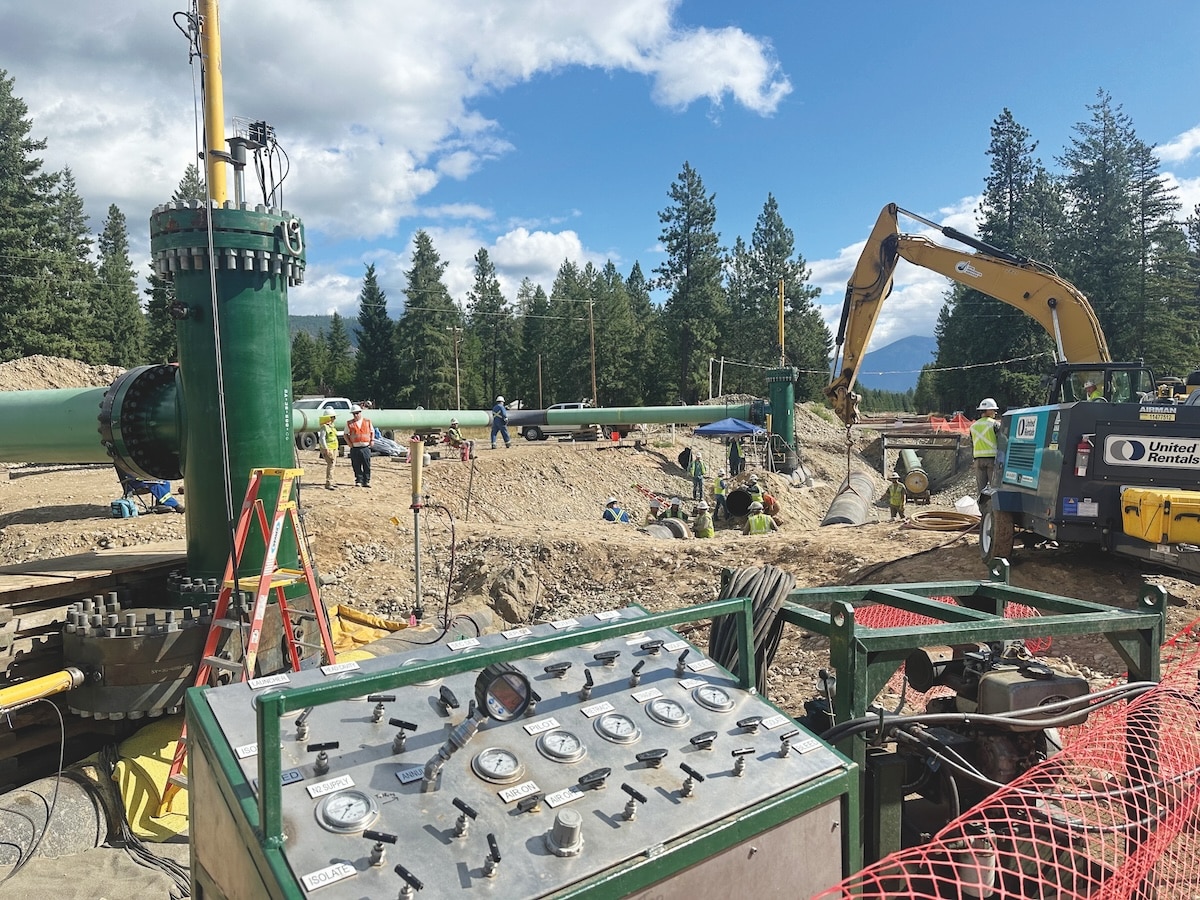
A North American operator used BISEP double block‑and‑bleed isolation tools with temporary 30‑inch bypass lines and welded hot‑tap fittings to replace a pipeline segment while avoiding customer supply disruption. The work included disciplined excavation, welding and bypass connections at paired north/south tie‑in points, making the sequence an operational template buyers can reuse. Watch whether vendors start to standardise mobilisation and surcharge terms around this model as regional integrity work firms up
Buyer takeaway
Treat this as a reusable execution template to capture scope, equipment and bypass needs in RFQs because it defines the exact tools and sequence required for compliance‑driven replacement
Cost / money
Mobilisation and bypass pipe are material cost drivers for this method and should be priced separately or covered by pre‑agreed surcharge rules
Supplier / commercial
Suppliers of BISEP, bypass pipe and hot‑tap crews can gain leverage; lock quote validity, depot access and surcharge mechanics into contracts
Safety / operations
When executed to the template, the method maintains supply but requires competent welding and excavation teams to avoid rework or unsafe interventions
What to watch
Watch for suppliers to shorten quote validity or insert mobilisation surcharges as similar projects are scheduled regionally
Key facts
- BISEP double block‑and‑bleed isolation deployed
- Temporary 30‑inch bypass lines used to maintain supply
- Welded hot‑tap fittings prepared at both tie‑in locations
Source excerpts
Temporary 30-inch bypass lines were then connected between the BISEPs on Line A and those on the original Line B
STATS Group deployed two 36-inch BISEP double block and bleed line stop tools at each site, each incorporating a 30-inch integral bypass. This arrangement enabled product flow to continue during the remediation process
36-inch hot tap fittings were welded onto Line A at the same North and South locations