Major Equipment OEM & LTSA · International (Houston)

Prioritize LTSA and Spare Strategy Around Compressor Demand Shifts

Published May 5, 2026, 5:08 AM CSTINTERNATIONALFull category signal
Ask AI
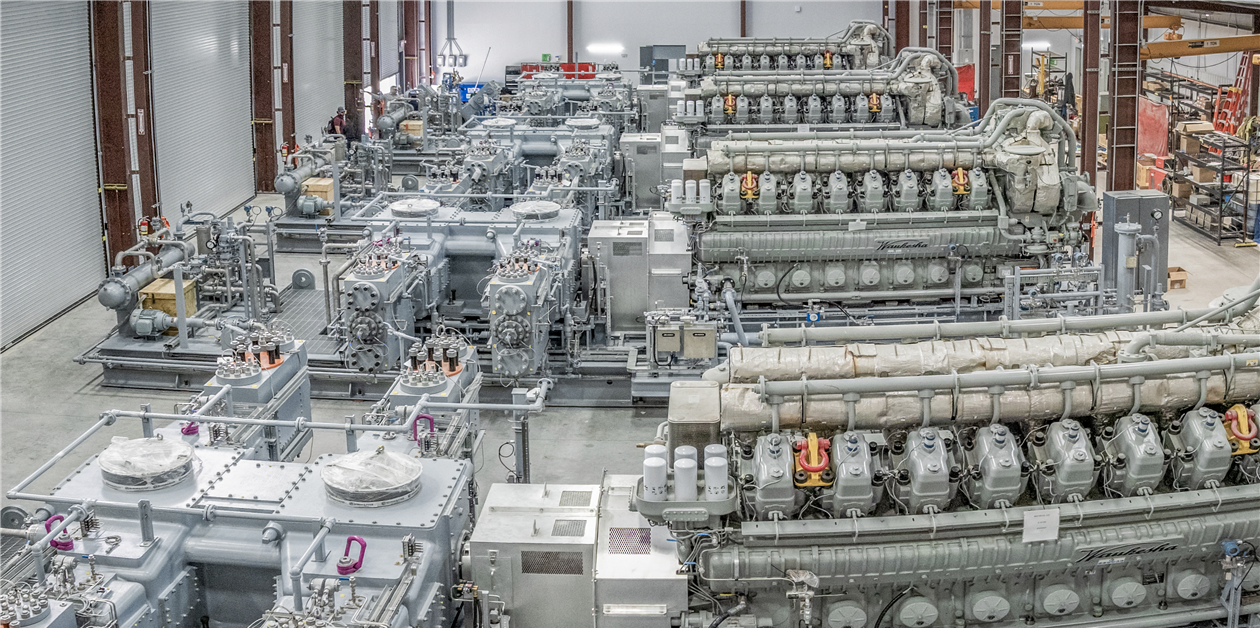
NEA’s 560hs compressor targets midstream efficiency gains

In 60 seconds

Top move

OEM design choices (fewer cylinders, higher rod-load frames) are already shifting maintenance demand and can reduce routine service intervals for midstream storage and similar duties

Key takeaways

  • OEM design choices (fewer cylinders, higher rod-load frames) are already shifting maintenance demand and can reduce routine service intervals for midstream storage and similar duties.[2]
  • New LNG terminal equipment awards in Asia (orders for multiple boil-off and send-out compressor units) are a clear near‑term demand signal for OEM delivery slots and long‑term service exposure for LTSA buyers.[1]
  • Service-side risk centers on technician continuity and predictive-maintenance adoption — gaps here will increase outage risk and LTSA execution cost more than headline equipment prices.[3]
  • For category managers this means focusing procurement levers that affect uptime dependency (spare staging, contract scope for start‑up staffing) rather than only chasing equipment unit price.[2]
  • Evidence is operational and specific (product specs and firm orders), but some downstream commercial effects (pricing leverage, slot congestion) are directional and should be watched rather than assumed.[1]

What changed since last run

  • Added equipment-level product signals: NEA's 560hs platform explicitly reduces cylinder count and maintenance scope, altering expected OPEX drivers (article 2).
  • Added order-flow evidence from Asia: Burckhardt's multi-unit LNG terminal awards create concrete upcoming demand for BOG and send-out packages (article 4).
  • Elevated service workforce and predictive-maintenance implications as a procurement priority, beyond the logistics/force-majeure focus in the prior brief (article 5).

Key facts

  • Wide operating range: 600–1,200 rpm
  • Discharge capability cited to 10,000 psig
  • Eliminates 12 compressor cylinders from typical maintenance cycle
  • Orders include nine compressor units total
  • Eight Laby units specified for boil‑off gas service
  • Orders target LNG terminals in Thailand and Taiwan

Why it matters

OEM design choices (fewer cylinders, higher rod-load frames) are already shifting maintenance demand and can reduce routine service intervals for midstream storage and similar duties. New LNG terminal equipment awards in Asia (orders for multiple boil-off and send-out compressor units) are a clear near‑term demand signal for OEM delivery slots and long‑term service exposure for LTSA buyers. Service-side risk centers on technician continuity and predictive-maintenance adoption — gaps here will increase outage risk and LTSA execution cost more than headline equipment prices. For category managers this means focusing procurement levers that affect uptime dependency (spare staging, contract scope for start‑up staffing) rather than only chasing equipment unit price

Cost / money

  • Lower-maintenance compressor frames (fewer cylinders) point to reduced recurring service cost per unit but may shift spend toward higher-capability components and aftermarket parts with different replacement cadences.[2]
  • Confirmed LNG terminal orders create upward pressure on delivery slots and fabrication capacity, which can raise short-term lead-time premium and pass-through premium clauses in supplier quotes.[1]
  • Investment in predictive-maintenance tools and training is likely to increase near-term OPEX budgeting but can reduce unplanned outage cost exposure under LTSAs over the contract term.[3]

Supplier / commercial

  • Suppliers offering high-capacity frames that reduce cylinder count may ask for premium on unit price or shorter quote validity because these platforms change buyer maintenance profiles and supplier margins.[2]
  • Winners on recent LNG terminal awards will gain leverage on follow‑on spares and service negotiations at those sites; LTSA buyers connected to those terminals should expect narrower supplier flexibility.[1]
  • Service providers with proven predictive-maintenance capability can negotiate stronger scope and term commitments in LTSAs, shifting risk toward buyers unless contract flow‑downs are explicit.[3]

Safety / operations

  • Higher-capacity, fewer‑cylinder designs reduce maintenance touchpoints but concentrate failure modes into heavier-load components — inspect whether LTSAs and spare kits cover those heavier subsystems.[2]
  • BOG compressors at LNG terminals are safety‑critical for vapor control; new installations increase site dependences on timely commissioning and certified service technicians during bring‑up.[1]
  • Technician turnover and skill gaps are an operational risk: without continuity and digital records, faster or different equipment designs raise the chance of start‑up hold points and extended outages.[3]

What to watch

  • Watch supplier delivery windows and whether vendors narrow mobilization or quote validity as factories fill with LNG-terminal equipment orders — this is an early-signal for award-timing and clause needs.[1]
  • Watch whether OEMs push LTSAs toward capacity- or service-level pricing tied to predictive-maintenance commitments; these commercial shifts alter buyer leverage in renewals.[3]
  • Watch spare-part form-factor and critical‑subsystem availability for high-rod-load frames (e.g., elastomeric couplings, hydraulic bolting parts) because reduced cylinder counts change SKU criticality.[2]

Top stories

Story 1CompressorTECH²Apr 19, 2026

NEA’s 560hs compressor targets midstream efficiency gains

Signal strongSource-grounded

What happened

NEA's 560hs compressor platform emphasizes fewer throws and higher rod/gas-load capacity to serve storage and midstream duties. The frame supports wide driver flexibility (600–1,200 rpm) and claims elimination of a dozen cylinders from maintenance cycles, making maintenance scope materially different. Watch whether buyers and OEMs start specifying fewer‑cylinder frames to lock in lower routine OPEX and how that changes spare part profiles

Buyer takeaway

Treat the 560hs as a real product-level change: it reduces recurring maintenance touchpoints but concentrates criticality into higher-capacity parts

Cost / money

Directionally lowers routine service OPEX but can raise unit and replacement part costs for higher-capacity components (evidence from design and supplier claims)

Supplier / commercial

Suppliers that own this platform can push shorter quote windows and premium pricing tied to specialized parts and tooling

Safety / operations

Fewer cylinders reduce maintenance frequency but increase the impact of a single component failure—ensure LTSAs cover heavier subsystems and test procedures

What to watch

Watch for shifts in spare-SKU criticality and whether suppliers re-price service by focusing on larger, heavier-load parts

Key facts

  • Wide operating range: 600–1,200 rpm
  • Discharge capability cited to 10,000 psig
  • Eliminates 12 compressor cylinders from typical maintenance cycle

Source excerpts

By focusing on fewer throws, higher per-unit capability and tailored cylinder design, NEA is aiming to address a core challenge in midstream compression: delivering higher performance without increasing maintenance burden
” The frame is rated for a combined rod load of 125,000 lbs per the API 618 definition. This capacity is enabled by the use of high-strength steel materials in the running gear and piston rod, along with hydraulic bolting for critical joints
“Utilizing API 618 running gear allowed for the higher rod load capacity that made this possible
Story 2CompressorTECH²Apr 21, 2026

Burckhardt secures LNG compressor orders in Thailand, Taiwan

Signal strongSource-grounded

What happened

Burckhardt won multiple orders for LNG terminal reciprocating compressors in Thailand and Taiwan, including several Laby units for boil‑off gas and one for minimum send‑out duty. The awards cover nine units that will be integrated into terminal BOG handling and show continued Asia‑Pacific investment in import infrastructure. Watch supplier delivery windows and whether these orders crowd fabrication capacity or affect spare availability for similar projects

Buyer takeaway

Treat these awards as concrete demand that can impact delivery and service windows in the region where you operate or source equipment

Cost / money

Firm orders imply fabrication demand that can increase premiums on lead-time or mobilization and potentially force pass-throughs in supplier quotes

Supplier / commercial

Winning suppliers may bundle spares and commissioning services or shorten quote validity while factory schedules are busy

Safety / operations

BOG compressors are safety-critical; ensure commissioning and certified staffing are contractually required to avoid bring‑up delays and safety hold points

What to watch

Watch for supplier requests to alter lead times, mobilization clauses, or spare delivery terms as factory schedules firm up

Key facts

  • Orders include nine compressor units total
  • Eight Laby units specified for boil‑off gas service
  • Orders target LNG terminals in Thailand and Taiwan

Source excerpts

The company said the awards cover a total of nine compressor units, including eight Laby compressor systems for boil-off gas (BOG) service and one unit for minimum send-out duty. The equipment will support LNG terminal operations by enabling safe, efficient handling of vaporized gas generated during storage
In a statement, Andreas Brautsch, president of the Systems Division at Burckhardt Compression, said the orders reflect ongoing demand for dependable LNG terminal equipment. “These orders demonstrate the continued demand for reliable, efficient LNG terminal infrastructure in Asia-Pacific,” Brautsch said
The equipment will support LNG terminal operations by enabling safe, efficient handling of vaporized gas generated during storage
Story 3CompressorTECH²Apr 19, 2026

The future of LNG compressor service

Signal moderateDirectional

What happened

An industry view on LNG compressor service highlights rising demand for service capacity, technician continuity problems, and gains from predictive maintenance. The article stresses that workforce turnover and weak digital records materially increase outage risk and that predictive tools can reduce unplanned downtime when implemented properly. Watch whether service suppliers adopt stronger digital records and certified‑technician programs that buyers can require in LTSAs

Buyer takeaway

Prioritize service continuity and digital asset transfer in procurement to reduce outage exposure under LTSA arrangements

Cost / money

Upfront investment in predictive tools and training raises near‑term spend but reduces unplanned outage exposure that LTSA fees might otherwise cover

Supplier / commercial

Vendors that can demonstrate predictive capabilities can command stronger contractual scopes and longer commitments

Safety / operations

Better-trained, documented technicians reduce start‑up hold points and improve safe commissioning outcomes

What to watch

Watch for suppliers to market predictive tools without clear integration or SLAs; verify operational readiness and data‑handover mechanisms

Key facts

  • Predictive maintenance studies cited with notable reductions in unplanned downtime
  • Service models emphasize digital records, knowledge bases, and certified technician programs

Source excerpts

Predictive maintenance technologies, in particular, are becoming central to modern service strategies. Research indicates that properly implemented predictive maintenance can reduce unplanned downtime by 30-50%, with additional studies reporting 15% lower downtime and up to a 10% improvement in operating efficiency when predictive tools are in place
If safety requirements aren’t met before starting maintenance on a compressor, technicians are not allowed on site, which furthers Burckhardt Compression’s commitment to maintaining the highest safety standards for its employees
Predictive maintenance technologies, in particular, are becoming central to modern service strategies

VP Snapshot

Executive Risk & Action View

OEM design choices (fewer cylinders, higher rod-load frames) are already shifting maintenance demand and can reduce routine service intervals for midstream storage and similar duties.

Overall
43
Cost
97
Supply
79
Schedule
56
Compliance
15

Top signals

30-180dcost

Signal 1: Cost / money

Lower-maintenance compressor frames (fewer cylinders) point to reduced recurring service cost per unit but may shift spend toward higher-capability components and aftermarket parts with different replacement cadences.

Signal 2: Cost / money

Confirmed LNG terminal orders create upward pressure on delivery slots and fabrication capacity, which can raise short-term lead-time premium and pass-through premium clauses in supplier quotes.

Signal 4: Supplier / commercial

Suppliers offering high-capacity frames that reduce cylinder count may ask for premium on unit price or shorter quote validity because these platforms change buyer maintenance profiles and supplier margins.

0-30dcost

Signal 3: Cost / money

Investment in predictive-maintenance tools and training is likely to increase near-term OPEX budgeting but can reduce unplanned outage cost exposure under LTSAs over the contract term.

30-180dcommercial

Signal 5: Supplier / commercial

Winners on recent LNG terminal awards will gain leverage on follow‑on spares and service negotiations at those sites; LTSA buyers connected to those terminals should expect narrower supplier flexibility.

Signal 6: Supplier / commercial

Service providers with proven predictive-maintenance capability can negotiate stronger scope and term commitments in LTSAs, shifting risk toward buyers unless contract flow‑downs are explicit.

Recommended actions

ContractsDue 3d

Tag active LTSA renewals, OEM service agreements, and upcoming RFQs that cover LNG terminals or storage assets for clause review and priority handling.

Prioritized contract list annotated with recommended clause edits for mobilization, start‑up staffing, spare delivery, and quote validity.

CategoryDue 3d

Confirm on‑hand spares and alternate sourcing for heavy‑load running gear and coupling families tied to fewer‑cylinder high‑rod‑load frames.

Inventory check with prioritized critical‑SKU list and recommended reorder or alternate‑supplier actions.

CategoryDue 21d

Open targeted supplier discussions with OEMs and service providers to confirm factory slot lead times, spare‑kit delivery commitments, and willingness to include start‑up staffi...

Supplier capacity notes, realistic delivery windows, and candidate contract language to secure start‑up staffing or spare-kit guarantees.

ContractsDue 21d

Draft LTSA addendum language that requires supplier-provided digital asset records, certified technician staffing for commissioning, and explicit spare‑part handover obligations.

LTSA addendum draft ready for legal review that reduces start‑up ambiguity and links service deliverables to penalties or remediation.

CategoryDue 60d

Pilot a vendor‑managed inventory (VMI) or onsite critical‑spare program for compressor families most affected by high‑rod‑load frames and LNG BOG duty.

VMI pilot plan with prioritized SKUs, proposed staging locations, and supplier partners to shorten time-to-repair and lower logistics dependency.

OpsDue 60d

Develop a service‑continuity program that combines predictive‑maintenance tool adoption, digital handover standards, and a certified‑technician retention/training plan.

Program scope and pilot sites identified, with training and digital-record milestones to improve mean-time-to-repair under LTSAs.

Risk register

RiskTriggerMitigation
Watch supplier delivery windows and whether vendors narrow mobilization or quote validity as factories fill with LNG-terminal equipment orders — this is an early-signal for award-timing and clause needs.Watch supplier delivery windows and whether vendors narrow mobilization or quote validity as factories fill with LNG-terminal equipment orders — this is an early-signal for award-timing and clause needs.Confirm exposure with category, contracts, and operations before the next supplier commitment.
Watch whether OEMs push LTSAs toward capacity- or service-level pricing tied to predictive-maintenance commitments; these commercial shifts alter buyer leverage in renewals.Watch whether OEMs push LTSAs toward capacity- or service-level pricing tied to predictive-maintenance commitments; these commercial shifts alter buyer leverage in renewals.Confirm exposure with category, contracts, and operations before the next supplier commitment.
Watch spare-part form-factor and critical‑subsystem availability for high-rod-load frames (e.g., elastomeric couplings, hydraulic bolting parts) because reduced cylinder counts change SKU criticality.Watch spare-part form-factor and critical‑subsystem availability for high-rod-load frames (e.g., elastomeric couplings, hydraulic bolting parts) because reduced cylinder counts change SKU criticality.Confirm exposure with category, contracts, and operations before the next supplier commitment.

CM Snapshot

Category Manager Decision Detail

Today's priorities

Tag active LTSA renewals, OEM service agreements, and upcoming RFQs that cover LNG terminals or storage assets for clause review and priority handling.

Act because the cited source changes the timing, capacity, or commercial assumptions behind the next sourcing decision.

Due 3d

high

CM move

Use this as the immediate supplier or contract action to move before the next sourcing gate.

Confirm on‑hand spares and alternate sourcing for heavy‑load running gear and coupling families tied to fewer‑cylinder high‑rod‑load frames.

because NEA's 560hs design shifts failure exposure to higher-capacity components and may change critical‑SKU priorities during maintenance (article 2).

Due 3d

high

CM move

Use this as the immediate supplier or contract action to move before the next sourcing gate.

Open targeted supplier discussions with OEMs and service providers to confirm factory slot lead times, spare‑kit delivery commitments, and willingness to include start‑up staffi...

Act because the cited source changes the timing, capacity, or commercial assumptions behind the next sourcing decision.

Due 21d

high

CM move

Use this as the immediate supplier or contract action to move before the next sourcing gate.

Draft LTSA addendum language that requires supplier-provided digital asset records, certified technician staffing for commissioning, and explicit spare‑part handover obligations.

Act because the cited source changes the timing, capacity, or commercial assumptions behind the next sourcing decision.

Due 21d

high

CM move

Use this as the immediate supplier or contract action to move before the next sourcing gate.

Supplier radar

CompressorTECH²

high

Observed supplier signal

Suppliers offering high-capacity frames that reduce cylinder count may ask for premium on unit price or shorter quote validity because these platforms change buyer maintenance profiles and supplier margins.

Commercial implication

Suppliers offering high-capacity frames that reduce cylinder count may ask for premium on unit price or shorter quote validity because these platforms change buyer maintenance profiles and supplier margins.

Next step: Validate the source-backed signal with incumbents and alternates before the next award or pricing decision.

CompressorTECH²

high

Observed supplier signal

Winners on recent LNG terminal awards will gain leverage on follow‑on spares and service negotiations at those sites; LTSA buyers connected to those terminals should expect narrower supplier flexibility.

Commercial implication

Winners on recent LNG terminal awards will gain leverage on follow‑on spares and service negotiations at those sites; LTSA buyers connected to those terminals should expect narrower supplier flexibility.

Next step: Validate the source-backed signal with incumbents and alternates before the next award or pricing decision.

CompressorTECH²

high

Observed supplier signal

Service providers with proven predictive-maintenance capability can negotiate stronger scope and term commitments in LTSAs, shifting risk toward buyers unless contract flow‑downs are explicit.

Commercial implication

Service providers with proven predictive-maintenance capability can negotiate stronger scope and term commitments in LTSAs, shifting risk toward buyers unless contract flow‑downs are explicit.

Next step: Validate the source-backed signal with incumbents and alternates before the next award or pricing decision.

Negotiation levers

Tag active LTSA renewals, OEM service agreements, and upcoming RFQs that cover LNG terminals or storage assets for clause review and priority handling.

When to use: Act because the cited source changes the timing, capacity, or commercial assumptions behind the next sourcing decision.

Expected outcome: Prioritized contract list annotated with recommended clause edits for mobilization, start‑up staffing, spare delivery, and quote validity.

Commercial mechanism to carry into the next supplier conversation

Confirm on‑hand spares and alternate sourcing for heavy‑load running gear and coupling families tied to fewer‑cylinder high‑rod‑load frames.

When to use: because NEA's 560hs design shifts failure exposure to higher-capacity components and may change critical‑SKU priorities during maintenance (article 2).

Expected outcome: Inventory check with prioritized critical‑SKU list and recommended reorder or alternate‑supplier actions.

Commercial mechanism to carry into the next supplier conversation

Open targeted supplier discussions with OEMs and service providers to confirm factory slot lead times, spare‑kit delivery commitments, and willingness to include start‑up staffi...

When to use: Act because the cited source changes the timing, capacity, or commercial assumptions behind the next sourcing decision.

Expected outcome: Supplier capacity notes, realistic delivery windows, and candidate contract language to secure start‑up staffing or spare-kit guarantees.

Commercial mechanism to carry into the next supplier conversation

Draft LTSA addendum language that requires supplier-provided digital asset records, certified technician staffing for commissioning, and explicit spare‑part handover obligations.

When to use: Act because the cited source changes the timing, capacity, or commercial assumptions behind the next sourcing decision.

Expected outcome: LTSA addendum draft ready for legal review that reduces start‑up ambiguity and links service deliverables to penalties or remediation.

Commercial mechanism to carry into the next supplier conversation

Talking points

OEM design choices (fewer cylinders, higher rod-load frames) are already shifting maintenance demand and can reduce routine service intervals for midstream storage and similar duties.
New LNG terminal equipment awards in Asia (orders for multiple boil-off and send-out compressor units) are a clear near‑term demand signal for OEM delivery slots and long‑term service exposure for LTSA buyers.
Service-side risk centers on technician continuity and predictive-maintenance adoption — gaps here will increase outage risk and LTSA execution cost more than headline equipment prices.
For category managers this means focusing procurement levers that affect uptime dependency (spare staging, contract scope for start‑up staffing) rather than only chasing equipment unit price.

Supplier radar

SupplierSignalImplicationNext stepConfidence
CompressorTECH²Suppliers offering high-capacity frames that reduce cylinder count may ask for premium on unit price or shorter quote validity because these platforms change buyer maintenance profiles and supplier margins.Suppliers offering high-capacity frames that reduce cylinder count may ask for premium on unit price or shorter quote validity because these platforms change buyer maintenance profiles and supplier margins.Validate the source-backed signal with incumbents and alternates before the next award or pricing decision.high
CompressorTECH²Winners on recent LNG terminal awards will gain leverage on follow‑on spares and service negotiations at those sites; LTSA buyers connected to those terminals should expect narrower supplier flexibility.Winners on recent LNG terminal awards will gain leverage on follow‑on spares and service negotiations at those sites; LTSA buyers connected to those terminals should expect narrower supplier flexibility.Validate the source-backed signal with incumbents and alternates before the next award or pricing decision.high
CompressorTECH²Service providers with proven predictive-maintenance capability can negotiate stronger scope and term commitments in LTSAs, shifting risk toward buyers unless contract flow‑downs are explicit.Service providers with proven predictive-maintenance capability can negotiate stronger scope and term commitments in LTSAs, shifting risk toward buyers unless contract flow‑downs are explicit.Validate the source-backed signal with incumbents and alternates before the next award or pricing decision.high

Negotiation levers

  • Tag active LTSA renewals, OEM service agreements, and upcoming RFQs that cover LNG terminals or storage assets for clause review and priority handling.Act because the cited source changes the timing, capacity, or commercial assumptions behind the next sourcing decision.Prioritized contract list annotated with recommended clause edits for mobilization, start‑up staffing, spare delivery, and quote validity.

    high confidence

  • Confirm on‑hand spares and alternate sourcing for heavy‑load running gear and coupling families tied to fewer‑cylinder high‑rod‑load frames.because NEA's 560hs design shifts failure exposure to higher-capacity components and may change critical‑SKU priorities during maintenance (article 2).Inventory check with prioritized critical‑SKU list and recommended reorder or alternate‑supplier actions.

    high confidence

  • Open targeted supplier discussions with OEMs and service providers to confirm factory slot lead times, spare‑kit delivery commitments, and willingness to include start‑up staffi...Act because the cited source changes the timing, capacity, or commercial assumptions behind the next sourcing decision.Supplier capacity notes, realistic delivery windows, and candidate contract language to secure start‑up staffing or spare-kit guarantees.

    high confidence

  • Draft LTSA addendum language that requires supplier-provided digital asset records, certified technician staffing for commissioning, and explicit spare‑part handover obligations.Act because the cited source changes the timing, capacity, or commercial assumptions behind the next sourcing decision.LTSA addendum draft ready for legal review that reduces start‑up ambiguity and links service deliverables to penalties or remediation.

    high confidence

What to do / What to watch

What to do now

  • Tag active LTSA renewals, OEM service agreements, and upcoming RFQs that cover LNG terminals or storage assets for clause review and priority handling.

    Why: Act because the cited source changes the timing, capacity, or commercial assumptions behind the next sourcing decision.

    Owner: Contracts

    Expected outcome: Prioritized contract list annotated with recommended clause edits for mobilization, start‑up staffing, spare delivery, and quote validity.

    [1]
  • Confirm on‑hand spares and alternate sourcing for heavy‑load running gear and coupling families tied to fewer‑cylinder high‑rod‑load frames.

    Why: because NEA's 560hs design shifts failure exposure to higher-capacity components and may change critical‑SKU priorities during maintenance (article 2).

    Owner: Category

    Expected outcome: Inventory check with prioritized critical‑SKU list and recommended reorder or alternate‑supplier actions.

    [2]

Next few weeks

  • Open targeted supplier discussions with OEMs and service providers to confirm factory slot lead times, spare‑kit delivery commitments, and willingness to include start‑up staffi...

    Why: Act because the cited source changes the timing, capacity, or commercial assumptions behind the next sourcing decision.

    Owner: Category

    Expected outcome: Supplier capacity notes, realistic delivery windows, and candidate contract language to secure start‑up staffing or spare-kit guarantees.

    [1]
  • Draft LTSA addendum language that requires supplier-provided digital asset records, certified technician staffing for commissioning, and explicit spare‑part handover obligations.

    Why: Act because the cited source changes the timing, capacity, or commercial assumptions behind the next sourcing decision.

    Owner: Contracts

    Expected outcome: LTSA addendum draft ready for legal review that reduces start‑up ambiguity and links service deliverables to penalties or remediation.

    [3]

Longer view

  • Pilot a vendor‑managed inventory (VMI) or onsite critical‑spare program for compressor families most affected by high‑rod‑load frames and LNG BOG duty.

    Why: Act because the cited source changes the timing, capacity, or commercial assumptions behind the next sourcing decision.

    Owner: Category

    Expected outcome: VMI pilot plan with prioritized SKUs, proposed staging locations, and supplier partners to shorten time-to-repair and lower logistics dependency.

    [2][1]
  • Develop a service‑continuity program that combines predictive‑maintenance tool adoption, digital handover standards, and a certified‑technician retention/training plan.

    Why: Act because the cited source changes the timing, capacity, or commercial assumptions behind the next sourcing decision.

    Owner: Ops

    Expected outcome: Program scope and pilot sites identified, with training and digital-record milestones to improve mean-time-to-repair under LTSAs.

    [3]

What to watch

  • Watch supplier delivery windows and whether vendors narrow mobilization or quote validity as factories fill with LNG-terminal equipment orders — this is an early-signal for award-timing and clause needs
  • Watch whether OEMs push LTSAs toward capacity- or service-level pricing tied to predictive-maintenance commitments; these commercial shifts alter buyer leverage in renewals
  • Watch spare-part form-factor and critical‑subsystem availability for high-rod-load frames (e.g., elastomeric couplings, hydraulic bolting parts) because reduced cylinder counts change SKU criticality
  • Watch supplier delivery windows and whether vendors narrow mobilization or quote validity as factories fill with LNG-terminal equipment orders — this is an early-signal for award-timing and clause needs.: Watch supplier delivery windows and whether vendors narrow mobilization or quote validity as factories fill with LNG-terminal equipment orders — this is an early-signal for award-timing and clause needs
  • Watch whether OEMs push LTSAs toward capacity- or service-level pricing tied to predictive-maintenance commitments; these commercial shifts alter buyer leverage in renewals.: Watch whether OEMs push LTSAs toward capacity- or service-level pricing tied to predictive-maintenance commitments; these commercial shifts alter buyer leverage in renewals
  • Watch spare-part form-factor and critical‑subsystem availability for high-rod-load frames (e.g., elastomeric couplings, hydraulic bolting parts) because reduced cylinder counts change SKU criticality.: Watch spare-part form-factor and critical‑subsystem availability for high-rod-load frames (e.g., elastomeric couplings, hydraulic bolting parts) because reduced cylinder counts change SKU criticality
  • OEM design choices (fewer cylinders, higher rod-load frames) are already shifting maintenance demand and can reduce routine service intervals for midstream storage and similar duties
  • New LNG terminal equipment awards in Asia (orders for multiple boil-off and send-out compressor units) are a clear near‑term demand signal for OEM delivery slots and long‑term service exposure for LTSA buyers

Market pulse

IndexLatestChangeAs of
WTI Crude (WTI)71.23 /bbl+0.00 (+0.00%)May 5, 2026, 10:09 AM
Brent Crude (BRENT)74.89 /bbl+0.00 (+0.00%)May 5, 2026, 10:09 AM
Natural Gas (NG)3.12 /MMBtu+0.00 (+0.00%)May 5, 2026, 10:09 AM
Baker Hughes (BKR)32 +0.00 (+0.00%)May 5, 2026, 10:09 AM
GE Vernova (GEV)175 +0.00 (+0.00%)May 5, 2026, 10:09 AM
  • Natural Gas: Natural gas market movements can change storage duty profiles and compressor utilization, affecting spares and service demand
  • Baker Hughes: Service OEM activity and capex signals (Baker Hughes proxy) indicate broader lifecycle support capacity trends relevant to LTSA planning

Sources

Inline citations jump here. Expand a source to read the excerpt, the AI interpretation, and the original link.

[1] Burckhardt secures LNG compressor orders in Thailand, Taiwan

compressortech2.com · Apr 21, 2026

Expand

AI reading

Burckhardt won multiple orders for LNG terminal reciprocating compressors in Thailand and Taiwan, including several Laby units for boil‑off gas and one for minimum send‑out duty. The awards cover nine units that will be integrated into terminal BOG handling and show continued Asia‑Pacific investment in import infrastructure. Watch supplier delivery windows and whether these orders crowd fabrication capacity or affect spare availability for similar projects

Buyer takeaway

Treat these awards as concrete demand that can impact delivery and service windows in the region where you operate or source equipment

Cost / money

Firm orders imply fabrication demand that can increase premiums on lead-time or mobilization and potentially force pass-throughs in supplier quotes

Supplier / commercial

Winning suppliers may bundle spares and commissioning services or shorten quote validity while factory schedules are busy

Safety / operations

BOG compressors are safety-critical; ensure commissioning and certified staffing are contractually required to avoid bring‑up delays and safety hold points

What to watch

Watch for supplier requests to alter lead times, mobilization clauses, or spare delivery terms as factory schedules firm up

Key facts

  • Orders include nine compressor units total
  • Eight Laby units specified for boil‑off gas service
  • Orders target LNG terminals in Thailand and Taiwan

Source excerpts

The company said the awards cover a total of nine compressor units, including eight Laby compressor systems for boil-off gas (BOG) service and one unit for minimum send-out duty. The equipment will support LNG terminal operations by enabling safe, efficient handling of vaporized gas generated during storage
In a statement, Andreas Brautsch, president of the Systems Division at Burckhardt Compression, said the orders reflect ongoing demand for dependable LNG terminal equipment. “These orders demonstrate the continued demand for reliable, efficient LNG terminal infrastructure in Asia-Pacific,” Brautsch said
The equipment will support LNG terminal operations by enabling safe, efficient handling of vaporized gas generated during storage

Used in this brief

  • OEM design choices (fewer cylinders, higher rod-load frames) are already shifting maintenance demand and can reduce routine service intervals for midstream storage and similar duties. New LNG terminal equipment awards in Asia (orders for multiple boil-off and send-out compressor units) are a clear near‑term demand signal for OEM delivery slots and long‑term service exposure for LTSA buyers. Service-side risk centers on technician continuity and predictive-maintenance adoption — gaps here will increase outage risk and LTSA execution cost more than headline equipment prices. For category managers this means focusing procurement levers that affect uptime dependency (spare staging, contract scope for start‑up staffing) rather than only chasing equipment unit price
  • What to watch: Watch supplier delivery windows and whether vendors narrow mobilization or quote validity as factories fill with LNG-terminal equipment orders — this is an early-signal for award-timing and clause needs
  • Next 72 hours — Tag active LTSA renewals, OEM service agreements, and upcoming RFQs that cover LNG terminals or storage assets for clause review and priority handling.. Rationale: Act because the cited source changes the timing, capacity, or commercial assumptions behind the next sourcing decision.. Owner: Contracts. KPI: Prioritized contract list annotated with recommended clause edits for mobilization, start‑up staffing, spare delivery, and quote validity
Open original source

[2] NEA’s 560hs compressor targets midstream efficiency gains

compressortech2.com · Apr 19, 2026

Expand

AI reading

NEA's 560hs compressor platform emphasizes fewer throws and higher rod/gas-load capacity to serve storage and midstream duties. The frame supports wide driver flexibility (600–1,200 rpm) and claims elimination of a dozen cylinders from maintenance cycles, making maintenance scope materially different. Watch whether buyers and OEMs start specifying fewer‑cylinder frames to lock in lower routine OPEX and how that changes spare part profiles

Buyer takeaway

Treat the 560hs as a real product-level change: it reduces recurring maintenance touchpoints but concentrates criticality into higher-capacity parts

Cost / money

Directionally lowers routine service OPEX but can raise unit and replacement part costs for higher-capacity components (evidence from design and supplier claims)

Supplier / commercial

Suppliers that own this platform can push shorter quote windows and premium pricing tied to specialized parts and tooling

Safety / operations

Fewer cylinders reduce maintenance frequency but increase the impact of a single component failure—ensure LTSAs cover heavier subsystems and test procedures

What to watch

Watch for shifts in spare-SKU criticality and whether suppliers re-price service by focusing on larger, heavier-load parts

Key facts

  • Wide operating range: 600–1,200 rpm
  • Discharge capability cited to 10,000 psig
  • Eliminates 12 compressor cylinders from typical maintenance cycle

Source excerpts

By focusing on fewer throws, higher per-unit capability and tailored cylinder design, NEA is aiming to address a core challenge in midstream compression: delivering higher performance without increasing maintenance burden
” The frame is rated for a combined rod load of 125,000 lbs per the API 618 definition. This capacity is enabled by the use of high-strength steel materials in the running gear and piston rod, along with hydraulic bolting for critical joints
“Utilizing API 618 running gear allowed for the higher rod load capacity that made this possible

Used in this brief

  • Cost / money: Lower-maintenance compressor frames (fewer cylinders) point to reduced recurring service cost per unit but may shift spend toward higher-capability components and aftermarket parts with different replacement cadences
  • What to watch: Watch spare-part form-factor and critical‑subsystem availability for high-rod-load frames (e.g., elastomeric couplings, hydraulic bolting parts) because reduced cylinder counts change SKU criticality
  • Next 72 hours — Confirm on‑hand spares and alternate sourcing for heavy‑load running gear and coupling families tied to fewer‑cylinder high‑rod‑load frames.. Rationale: because NEA's 560hs design shifts failure exposure to higher-capacity components and may change critical‑SKU priorities during maintenance (article 2).. Owner: Category. KPI: Inventory check with prioritized critical‑SKU list and recommended reorder or alternate‑supplier actions
Open original source

[3] The future of LNG compressor service

compressortech2.com · Apr 19, 2026

Expand

AI reading

An industry view on LNG compressor service highlights rising demand for service capacity, technician continuity problems, and gains from predictive maintenance. The article stresses that workforce turnover and weak digital records materially increase outage risk and that predictive tools can reduce unplanned downtime when implemented properly. Watch whether service suppliers adopt stronger digital records and certified‑technician programs that buyers can require in LTSAs

Buyer takeaway

Prioritize service continuity and digital asset transfer in procurement to reduce outage exposure under LTSA arrangements

Cost / money

Upfront investment in predictive tools and training raises near‑term spend but reduces unplanned outage exposure that LTSA fees might otherwise cover

Supplier / commercial

Vendors that can demonstrate predictive capabilities can command stronger contractual scopes and longer commitments

Safety / operations

Better-trained, documented technicians reduce start‑up hold points and improve safe commissioning outcomes

What to watch

Watch for suppliers to market predictive tools without clear integration or SLAs; verify operational readiness and data‑handover mechanisms

Key facts

  • Predictive maintenance studies cited with notable reductions in unplanned downtime
  • Service models emphasize digital records, knowledge bases, and certified technician programs

Source excerpts

Predictive maintenance technologies, in particular, are becoming central to modern service strategies. Research indicates that properly implemented predictive maintenance can reduce unplanned downtime by 30-50%, with additional studies reporting 15% lower downtime and up to a 10% improvement in operating efficiency when predictive tools are in place
If safety requirements aren’t met before starting maintenance on a compressor, technicians are not allowed on site, which furthers Burckhardt Compression’s commitment to maintaining the highest safety standards for its employees
Predictive maintenance technologies, in particular, are becoming central to modern service strategies

Used in this brief

  • Cost / money: Investment in predictive-maintenance tools and training is likely to increase near-term OPEX budgeting but can reduce unplanned outage cost exposure under LTSAs over the contract term
  • Supplier / commercial: Service providers with proven predictive-maintenance capability can negotiate stronger scope and term commitments in LTSAs, shifting risk toward buyers unless contract flow‑downs are explicit
  • Safety / operations: BOG compressors at LNG terminals are safety‑critical for vapor control; new installations increase site dependences on timely commissioning and certified service technicians during bring‑up
Open original source

[4] Natural Gas

finance.yahoo.com · n.d.

Expand

[5] Baker Hughes

finance.yahoo.com · n.d.

Expand