Subsea, SURF & Offshore · International (Houston)

Prioritize Tiebacks, ROV Endurance, and Service Contracts Now

Published May 5, 2026, 5:06 AM CSTINTERNATIONALFull category signal
Ask AI
OTC 2026: Panel delivers insights on subsea tiebacks

In 60 seconds

Top move

Subsea tiebacks are rising as a lower‑capex, faster sanction route and will increase demand for subsea trees and installation services; treat tiebacks as a real sourcing driver for SURF scopes

Key takeaways

  • Subsea tiebacks are rising as a lower‑capex, faster sanction route and will increase demand for subsea trees and installation services; treat tiebacks as a real sourcing driver for SURF scopes.[1]
  • New electric work‑class ROVs designed for extended subsea residency reduce vessel transit frequency but shift uptime and spare‑parts dependency onto longer‑duration seabed assets.[2]
  • Suppliers are packaging digital and servitization offers (digital twins, service lifecycle management) that change how you buy — from one‑off hardware to ongoing service obligations and possible subscription/OPEX exposure.[3]
  • Industry geoscience discussion is moving toward integrated modeling and AI for subsurface decisions; this is directional for procurement — it could change data delivery and validation requirements if adopted widely.[4]
  • Net: expect lower headline capex for field developments but more recurring commercial complexity (service contracts, mobilization terms, spare provisioning) that procurement must capture in scope and contract language.[1]

What changed since last run

  • Added OTC panel evidence that tiebacks will materially increase subsea tree and installation demand, reinforcing mobilization and supplier availability risk (article 1).
  • Flagged operational shift from new electric ROVs designed for extended subsea residency, which changes spare, uptime and vessel‑use assumptions (article 2).
  • Included a servitization/digital twin case study that makes subscription and service‑level contract language a more immediate procurement priority (article 7).

Key facts

  • Panel focus: tiebacks to increase production while reducing capex and emissions
  • Examples cited: short-distance well tiebacks to existing hosts
  • Panel inference: tiebacks drive subsea tree and installation demand
  • Electric work‑class ROV designed for extended subsea residency
  • Manufacturer claims subsea operation support for up to 30 days
  • Case study: Optime Subsea implements Siemens PLM/SLM to enable servitization

Why it matters

Subsea tiebacks are rising as a lower‑capex, faster sanction route and will increase demand for subsea trees and installation services; treat tiebacks as a real sourcing driver for SURF scopes. New electric work‑class ROVs designed for extended subsea residency reduce vessel transit frequency but shift uptime and spare‑parts dependency onto longer‑duration seabed assets. Suppliers are packaging digital and servitization offers (digital twins, service lifecycle management) that change how you buy — from one‑off hardware to ongoing service obligations and possible subscription/OPEX exposure. Industry geoscience discussion is moving toward integrated modeling and AI for subsurface decisions; this is directional for procurement — it could change data delivery and validation requirements if adopted widely

Cost / money

  • Tiebacks lower total project capex versus standalone platforms but concentrate spend into SURF, subsea trees and installation windows—expect spend to shift from platform fabrication lines to SURF procurement and installation premiums.[1]
  • Longer‑residency electric ROVs can reduce vessel mobilization cost drivers but raise lifecycle OPEX and spare parts provisioning needs for long‑duration seabed assets.[2]

Supplier / commercial

  • Increased tieback activity tightens demand for subsea trees and heavy‑lift/installation vessels, giving suppliers leverage to shorten quote validity and push slot‑hold or deposit requirements.[1]
  • Case studies on servitization show suppliers will offer integrated SLM/CRM service bundles that can lock buyers into subscription or outcome contracts unless contracts explicitly preserve transfer rights and service exit terms.[3]

Safety / operations

  • Extended ROV subsea residency lowers surface crew exposure but increases dependency on equipment reliability, inspection cadence, and remote intervention readiness.[2]
  • Tiebacks shorten project timelines and reduce fabrication work but can compress readiness windows for QA/QC, spares, and crew certification—raising operational risk if logistics are not aligned pre‑mobilization.[1]

What to watch

  • Watch suppliers packaging digital/subscription services that include data hosting or limited export rights; this shifts ongoing cost and control to vendors unless contracts require deliverables and transferability.[3]
  • Watch whether tieback-driven tree demand actually converts into awards in your target basins; pipeline of announcements can be directional but execution timing will determine mobilization exposure.[1]

Top stories

Story 1Offshore-mag

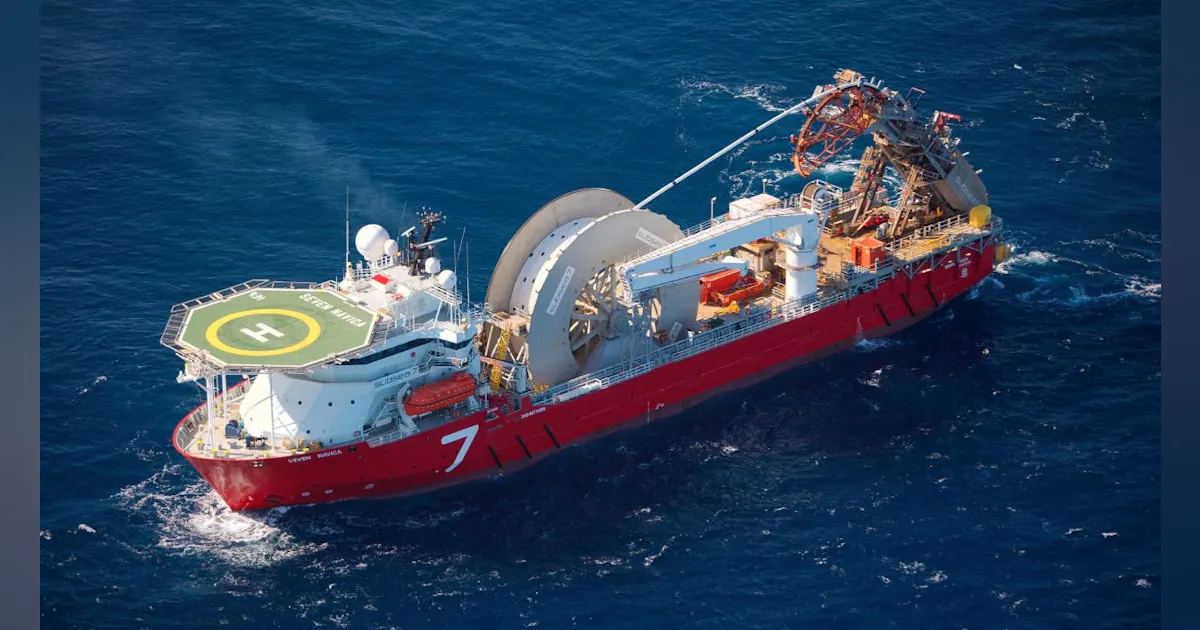
OTC 2026: Panel delivers insights on subsea tiebacks

Signal strongSource-grounded

What happened

At OTC 2026 a panel highlighted subsea tiebacks as a preferred development route because they raise production while cutting capex and emissions. The panel cited real projects (for example small well tiebacks to existing hosts) and linked the tieback trend to rising demand for subsea trees and installation services. Procurement should watch whether pipeline awards translate into shorter supplier windows for subsea tree delivery and installation slots

Buyer takeaway

Treat tiebacks as an active sourcing driver for SURF and subsea trees because they concentrate demand into installation windows and supplier lines

Cost / money

Directionally reduces total capex but reallocates spend toward SURF execution and subsea hardware, raising near‑term mobilization and vessel cost exposure

Supplier / commercial

Suppliers for trees and installation can shorten quote validity and require deposits or slot‑hold fees where backlog grows

Safety / operations

Tiebacks reduce fabrication and offshore construction exposure but compress readiness windows; misaligned QA/QC or spares increase schedule and safety risk

What to watch

Watch whether announced tieback pipelines convert to firm awards—execution timing determines supplier leverage and mobilization exposure

Key facts

  • Panel focus: tiebacks to increase production while reducing capex and emissions
  • Examples cited: short-distance well tiebacks to existing hosts
  • Panel inference: tiebacks drive subsea tree and installation demand

Source excerpts

By maximizing existing hosts, tiebacks avoid the steel tonnage, fabrication emissions, and installation impacts of new platforms
Pelliccio stressed that tiebacks lower development costs, accelerate timelines, and reduce the overall project and production footprint
“Subsea tiebacks are easier to sanction in our current uncertain price environment. ” He added that “Subsea tieback awards will keep growing out to 2030, and this will also drive subsea tree demand,” although North America is expected to see a slight decline in 2029–2030
Story 2Offshore-mag

com channel UCy4hHphyg7qfjoI9EaEiOFACourtesy OceaneeringSubseaOTC 2026 Electric work class R

Signal moderateSource-grounded

What happened

Offshore reporting noted a new electric work‑class ROV designed to support extended subsea residency (up to 30 days). Extended residency makes ROVs less dependent on frequent vessel mobilization but raises continuous operational load on seabed systems and spare provisioning. Procurement should verify long‑residency maintenance, spares, and on‑site support options with ROV providers

Buyer takeaway

Validate vendor claims for extended residency and contractually require spares, reliability guarantees, and response profiles for long runs

Cost / money

May lower vessel dayrate and transit costs but raises spare parts inventory and onshore support costs over campaign duration

Supplier / commercial

Vendors may price extended‑residency packages differently (service rates, remote support, replacement policies); require line‑item pricing

Safety / operations

Longer continuous subsea operations lower personnel exposure but increase the need for robust remote diagnostics and planned spare swaps

What to watch

Confirm warranty boundaries and who covers failed long‑run assets offshore; ambiguous coverage shifts cost and schedule risk to the buyer

Key facts

  • Electric work‑class ROV designed for extended subsea residency
  • Manufacturer claims subsea operation support for up to 30 days

Source excerpts

com/channel/UCy4hHphyg7qfjoI9EaEiOFACourtesy OceaneeringSubseaOTC 2026: Electric work class ROV targets extended subsea residencyOceaneering’s new Momentum electric work class ROV is designed to support up to 30 days of continuous subsea operation
com/channel/UCy4hHphyg7qfjoI9EaEiOFACourtesy OceaneeringSubseaOTC 2026: Electric work class ROV targets extended subsea residencyOceaneering’s new Momentum electric work class ROV is designed to support up to 30 days of continuous subsea operation. May 5, 2026Courtesy Subsea7US & Gulf of MexicoOTC 2026: Panel delivers insights on subsea tiebacks May 5, 2026Courtesy Subsea7SubseaExxonMobil contracts the Subsea Integration Alliance for Likembe subsea tieback offshore AngolaMay 1, 2026Courtesy ExxonMobilSubseaSaipe
com/company/offshore-magazinehttps://twitter
Story 3Offshore-mag

Case Study: Optime Subsea Innovates 3km Underwater with Siemens PLM & SLM

Signal moderateSource-grounded

What happened

A case study shows Optime Subsea using Siemens PLM and service lifecycle tools to build a servitization model and digital twin for deep‑sea operations. The work turned product sales into recurring service opportunities, changing how value is delivered and contracted. Procurement should treat these service bundles as commercial offers that require clear data, performance and exit clauses

Buyer takeaway

Don't accept bundled service/digital offers without explicit delivery, transfer, and termination rights for data and performance obligations

Cost / money

Servitization can move spend from CAPEX to OPEX and create recurring fees if contracts lack clear handover and termination terms

Supplier / commercial

Vendors offering SLM/CRM bundles may push multi‑year service agreements and subscription pricing; seek line‑item options for software, hosting, and services

Safety / operations

Integrated digital twins can improve maintenance planning and reduce unplanned offshore exposure if data is timely and permissioned correctly

What to watch

Watch for limited export rights or hosted‑only delivery that prevent internal analysis or migration to another vendor

Key facts

  • Case study: Optime Subsea implements Siemens PLM/SLM to enable servitization
  • Outcome: servitization model aims to accelerate time‑to‑market and enable service revenue

Source excerpts

This case study reveals how they transformed a risk-averse industry by establishing a profitable servitization business model, achieving faster time-to-market, and turning challenges into opportunities with a robust digital twin and Service Lifecycle Management (SLM) process. Read the Full Story: Discover How Optime Subsea Achieved Subsea Excellence!
This case study reveals how they transformed a risk-averse industry by establishing a profitable servitization business model, achieving faster time-to-market, and turning challenges into opportunities with a robust digital twin and Service Lifecycle Management (SLM) process
April 23, 2026Explore how Optime Subsea, a leader in subsea oil and gas solutions, leverages Siemens Teamcenter and NX to standardize innovation and deliver fail-proof product quality in extreme deep-sea environments. This case study reveals how they transformed a risk-averse industry by establishing a profitable servitization business model, achieving faster time-to-market, and turning challenges into opportunities with a robust digital twin and Service Lifecycle Management (SLM) process
Story 4Offshore-mag

OTC 2026: Offshore geoscience shifts toward integrated modeling, AI and subsurface stewardship

Signal limitedDirectional

What happened

Conference coverage flagged a shift in offshore geoscience toward integrated subsurface modeling, AI, and stewardship practices. The piece is more thematic than programmatic—adoption details and timelines are not explicit. Procurement should monitor vendor roadmaps and data formats to avoid being surprised if integrated modeling becomes a procurement requirement

Buyer takeaway

Monitor vendor commitments to integrated modeling and insist on open, exportable data formats before accepting hosted-only models

Cost / money

If hosted AI/modeling pushes subscription pricing, buyers may face new OPEX lines for subsurface analytics

Supplier / commercial

Vendors might bundle analytics with data hosting; require modular pricing to compare capex vs opex tradeoffs

Safety / operations

Better integrated subsurface models can improve planning and reduce risky interventions if data is timely and transferable

What to watch

Current coverage is thematic; verify vendor product roadmaps before changing procurement specs

Key facts

  • Editorial focus: move toward integrated modeling and AI in geoscience
  • Implication: potential changes in data delivery, validation, and stewardship practices

Source excerpts

She currently serves as editor-in-chief of Offshore, overseeing the editorial team, its content and the brand's growth from a digital perspective. Utilizing her editorial expertise, she manages digital media for the Offshore team
Prior to her current role, she served as Offshore's editor and director of special reports from April 2022 to December 2024
Before joining Offshore, she served as senior managing editor of publications with Hart Energy

VP Snapshot

Executive Risk & Action View

Subsea tiebacks are rising as a lower‑capex, faster sanction route and will increase demand for subsea trees and installation services; treat tiebacks as a real sourcing driver for SURF scopes.

Overall
51
Cost
79
Supply
79
Schedule
38
Compliance
15

Top signals

30-180dcost

Signal 1: Cost / money

Tiebacks lower total project capex versus standalone platforms but concentrate spend into SURF, subsea trees and installation windows—expect spend to shift from platform fabrication lines to SURF procurement and installation premiums.

180d+cost

Signal 2: Cost / money

Longer‑residency electric ROVs can reduce vessel mobilization cost drivers but raise lifecycle OPEX and spare parts provisioning needs for long‑duration seabed assets.

30-180dsupply

Signal 3: Supplier / commercial

Increased tieback activity tightens demand for subsea trees and heavy‑lift/installation vessels, giving suppliers leverage to shorten quote validity and push slot‑hold or deposit requirements.

Signal 5: Safety / operations

Extended ROV subsea residency lowers surface crew exposure but increases dependency on equipment reliability, inspection cadence, and remote intervention readiness.

Signal 6: Safety / operations

Tiebacks shorten project timelines and reduce fabrication work but can compress readiness windows for QA/QC, spares, and crew certification—raising operational risk if logistics are not aligned pre‑mobilization.

30-180dcommercial

Signal 4: Supplier / commercial

Case studies on servitization show suppliers will offer integrated SLM/CRM service bundles that can lock buyers into subscription or outcome contracts unless contracts explicitly preserve transfer rights and service exit terms.

Recommended actions

CategoryDue 3d

Query primary subsea tree and installation suppliers for current lead times, quote validity, mobilization terms, and any slot‑hold fee practices.

Consolidated supplier lead‑time and mobilization exposure matrix to inform upcoming awards and contingency planning.

ContractsDue 3d

Ask digital‑service and SLM vendors to confirm delivery formats, export/transfer rights, and any subscription pricing or ongoing support commitments in writing.

Vendor matrix showing delivery format, transfer rights, and subscription vs deliverable pricing to support contract scoping.

OpsDue 21d

Audit spares, long‑duration equipment provisioning, and ROV service coverage; pre‑position critical spares and discuss extended‑residency support profiles with preferred vendors.

Risk‑ranked spares list and supplier support profiles that reduce single‑point failure exposure for long‑residency seabed assets.

LegalDue 60d

Update master contract templates to include explicit clauses for data ownership/transfer, subscription termination, mobilization/cancellation liabilities, and short quote validi...

Revised contract clauses that protect buyer data rights, limit inadvertent OPEX lock‑in, and reduce mobilization/cancellation cost exposure.

Risk register

RiskTriggerMitigation
Watch suppliers packaging digital/subscription services that include data hosting or limited export rights; this shifts ongoing cost and control to vendors unless contracts require deliverables and transferability.Watch suppliers packaging digital/subscription services that include data hosting or limited export rights; this shifts ongoing cost and control to vendors unless contracts require deliverables and transferability.Confirm exposure with category, contracts, and operations before the next supplier commitment.
Watch whether tieback-driven tree demand actually converts into awards in your target basins; pipeline of announcements can be directional but execution timing will determine mobilization exposure.Watch whether tieback-driven tree demand actually converts into awards in your target basins; pipeline of announcements can be directional but execution timing will determine mobilization exposure.Confirm exposure with category, contracts, and operations before the next supplier commitment.

CM Snapshot

Category Manager Decision Detail

Today's priorities

Query primary subsea tree and installation suppliers for current lead times, quote validity, mobilization terms, and any slot‑hold fee practices.

because OTC feedback shows tiebacks are increasing demand for subsea trees and installation windows and suppliers may already be tightening commercial terms.

Due 3d

high

CM move

Use this as the immediate supplier or contract action to move before the next sourcing gate.

Ask digital‑service and SLM vendors to confirm delivery formats, export/transfer rights, and any subscription pricing or ongoing support commitments in writing.

because servitization and digital twin offers can create ongoing OPEX and data control issues unless contractual deliverables and transfer rights are explicit.

Due 3d

high

CM move

Use this as the immediate supplier or contract action to move before the next sourcing gate.

Audit spares, long‑duration equipment provisioning, and ROV service coverage; pre‑position critical spares and discuss extended‑residency support profiles with preferred vendors.

because extended‑residency ROVs reduce vessel shuttling but increase on‑seabed equipment uptime dependency and spare consumption risk.

Due 21d

high

CM move

Use this as the immediate supplier or contract action to move before the next sourcing gate.

Update master contract templates to include explicit clauses for data ownership/transfer, subscription termination, mobilization/cancellation liabilities, and short quote validi...

because the market is shifting toward tieback projects and servitized digital offerings that increase the chance of subscription lock‑in and supplier-enforced mobilization terms.

Due 60d

high

CM move

Use this as the immediate supplier or contract action to move before the next sourcing gate.

Supplier radar

Offshore-mag

high

Observed supplier signal

Increased tieback activity tightens demand for subsea trees and heavy‑lift/installation vessels, giving suppliers leverage to shorten quote validity and push slot‑hold or deposit requirements.

Commercial implication

Increased tieback activity tightens demand for subsea trees and heavy‑lift/installation vessels, giving suppliers leverage to shorten quote validity and push slot‑hold or deposit requirements.

Next step: Validate the source-backed signal with incumbents and alternates before the next award or pricing decision.

Offshore-mag

high

Observed supplier signal

Case studies on servitization show suppliers will offer integrated SLM/CRM service bundles that can lock buyers into subscription or outcome contracts unless contracts explicitly preserve transfer rights and service exit terms.

Commercial implication

Case studies on servitization show suppliers will offer integrated SLM/CRM service bundles that can lock buyers into subscription or outcome contracts unless contracts explicitly preserve transfer rights and service exit terms.

Next step: Validate the source-backed signal with incumbents and alternates before the next award or pricing decision.

Negotiation levers

Query primary subsea tree and installation suppliers for current lead times, quote validity, mobilization terms, and any slot‑hold fee practices.

When to use: because OTC feedback shows tiebacks are increasing demand for subsea trees and installation windows and suppliers may already be tightening commercial terms.

Expected outcome: Consolidated supplier lead‑time and mobilization exposure matrix to inform upcoming awards and contingency planning.

Commercial mechanism to carry into the next supplier conversation

Ask digital‑service and SLM vendors to confirm delivery formats, export/transfer rights, and any subscription pricing or ongoing support commitments in writing.

When to use: because servitization and digital twin offers can create ongoing OPEX and data control issues unless contractual deliverables and transfer rights are explicit.

Expected outcome: Vendor matrix showing delivery format, transfer rights, and subscription vs deliverable pricing to support contract scoping.

Commercial mechanism to carry into the next supplier conversation

Audit spares, long‑duration equipment provisioning, and ROV service coverage; pre‑position critical spares and discuss extended‑residency support profiles with preferred vendors.

When to use: because extended‑residency ROVs reduce vessel shuttling but increase on‑seabed equipment uptime dependency and spare consumption risk.

Expected outcome: Risk‑ranked spares list and supplier support profiles that reduce single‑point failure exposure for long‑residency seabed assets.

Commercial mechanism to carry into the next supplier conversation

Update master contract templates to include explicit clauses for data ownership/transfer, subscription termination, mobilization/cancellation liabilities, and short quote validi...

When to use: because the market is shifting toward tieback projects and servitized digital offerings that increase the chance of subscription lock‑in and supplier-enforced mobilization terms.

Expected outcome: Revised contract clauses that protect buyer data rights, limit inadvertent OPEX lock‑in, and reduce mobilization/cancellation cost exposure.

Commercial mechanism to carry into the next supplier conversation

Talking points

Subsea tiebacks are rising as a lower‑capex, faster sanction route and will increase demand for subsea trees and installation services; treat tiebacks as a real sourcing driver for SURF scopes.
New electric work‑class ROVs designed for extended subsea residency reduce vessel transit frequency but shift uptime and spare‑parts dependency onto longer‑duration seabed assets.
Suppliers are packaging digital and servitization offers (digital twins, service lifecycle management) that change how you buy — from one‑off hardware to ongoing service obligations and possible subscription/OPEX exposure.
Industry geoscience discussion is moving toward integrated modeling and AI for subsurface decisions; this is directional for procurement — it could change data delivery and validation requirements if adopted widely.

Supplier radar

SupplierSignalImplicationNext stepConfidence
Offshore-magIncreased tieback activity tightens demand for subsea trees and heavy‑lift/installation vessels, giving suppliers leverage to shorten quote validity and push slot‑hold or deposit requirements.Increased tieback activity tightens demand for subsea trees and heavy‑lift/installation vessels, giving suppliers leverage to shorten quote validity and push slot‑hold or deposit requirements.Validate the source-backed signal with incumbents and alternates before the next award or pricing decision.high
Offshore-magCase studies on servitization show suppliers will offer integrated SLM/CRM service bundles that can lock buyers into subscription or outcome contracts unless contracts explicitly preserve transfer rights and service exit terms.Case studies on servitization show suppliers will offer integrated SLM/CRM service bundles that can lock buyers into subscription or outcome contracts unless contracts explicitly preserve transfer rights and service exit terms.Validate the source-backed signal with incumbents and alternates before the next award or pricing decision.high

Negotiation levers

  • Query primary subsea tree and installation suppliers for current lead times, quote validity, mobilization terms, and any slot‑hold fee practices.because OTC feedback shows tiebacks are increasing demand for subsea trees and installation windows and suppliers may already be tightening commercial terms.Consolidated supplier lead‑time and mobilization exposure matrix to inform upcoming awards and contingency planning.

    high confidence

  • Ask digital‑service and SLM vendors to confirm delivery formats, export/transfer rights, and any subscription pricing or ongoing support commitments in writing.because servitization and digital twin offers can create ongoing OPEX and data control issues unless contractual deliverables and transfer rights are explicit.Vendor matrix showing delivery format, transfer rights, and subscription vs deliverable pricing to support contract scoping.

    high confidence

  • Audit spares, long‑duration equipment provisioning, and ROV service coverage; pre‑position critical spares and discuss extended‑residency support profiles with preferred vendors.because extended‑residency ROVs reduce vessel shuttling but increase on‑seabed equipment uptime dependency and spare consumption risk.Risk‑ranked spares list and supplier support profiles that reduce single‑point failure exposure for long‑residency seabed assets.

    high confidence

  • Update master contract templates to include explicit clauses for data ownership/transfer, subscription termination, mobilization/cancellation liabilities, and short quote validi...because the market is shifting toward tieback projects and servitized digital offerings that increase the chance of subscription lock‑in and supplier-enforced mobilization terms.Revised contract clauses that protect buyer data rights, limit inadvertent OPEX lock‑in, and reduce mobilization/cancellation cost exposure.

    high confidence

What to do / What to watch

What to do now

  • Query primary subsea tree and installation suppliers for current lead times, quote validity, mobilization terms, and any slot‑hold fee practices.

    Why: because OTC feedback shows tiebacks are increasing demand for subsea trees and installation windows and suppliers may already be tightening commercial terms.

    Owner: Category

    Expected outcome: Consolidated supplier lead‑time and mobilization exposure matrix to inform upcoming awards and contingency planning.

    [1]
  • Ask digital‑service and SLM vendors to confirm delivery formats, export/transfer rights, and any subscription pricing or ongoing support commitments in writing.

    Why: because servitization and digital twin offers can create ongoing OPEX and data control issues unless contractual deliverables and transfer rights are explicit.

    Owner: Contracts

    Expected outcome: Vendor matrix showing delivery format, transfer rights, and subscription vs deliverable pricing to support contract scoping.

    [3]

Next few weeks

  • Audit spares, long‑duration equipment provisioning, and ROV service coverage; pre‑position critical spares and discuss extended‑residency support profiles with preferred vendors.

    Why: because extended‑residency ROVs reduce vessel shuttling but increase on‑seabed equipment uptime dependency and spare consumption risk.

    Owner: Ops

    Expected outcome: Risk‑ranked spares list and supplier support profiles that reduce single‑point failure exposure for long‑residency seabed assets.

    [2]

Longer view

  • Update master contract templates to include explicit clauses for data ownership/transfer, subscription termination, mobilization/cancellation liabilities, and short quote validi...

    Why: because the market is shifting toward tieback projects and servitized digital offerings that increase the chance of subscription lock‑in and supplier-enforced mobilization terms.

    Owner: Legal

    Expected outcome: Revised contract clauses that protect buyer data rights, limit inadvertent OPEX lock‑in, and reduce mobilization/cancellation cost exposure.

    [3]

What to watch

  • Watch suppliers packaging digital/subscription services that include data hosting or limited export rights; this shifts ongoing cost and control to vendors unless contracts require deliverables and transferability
  • Watch whether tieback-driven tree demand actually converts into awards in your target basins; pipeline of announcements can be directional but execution timing will determine mobilization exposure
  • Watch suppliers packaging digital/subscription services that include data hosting or limited export rights; this shifts ongoing cost and control to vendors unless contracts require deliverables and transferability.: Watch suppliers packaging digital/subscription services that include data hosting or limited export rights; this shifts ongoing cost and control to vendors unless contracts require deliverables and transferability
  • Watch whether tieback-driven tree demand actually converts into awards in your target basins; pipeline of announcements can be directional but execution timing will determine mobilization exposure.: Watch whether tieback-driven tree demand actually converts into awards in your target basins; pipeline of announcements can be directional but execution timing will determine mobilization exposure
  • Subsea tiebacks are rising as a lower‑capex, faster sanction route and will increase demand for subsea trees and installation services; treat tiebacks as a real sourcing driver for SURF scopes
  • New electric work‑class ROVs designed for extended subsea residency reduce vessel transit frequency but shift uptime and spare‑parts dependency onto longer‑duration seabed assets
  • Suppliers are packaging digital and servitization offers (digital twins, service lifecycle management) that change how you buy — from one‑off hardware to ongoing service obligations and possible subscription/OPEX exposure
  • Industry geoscience discussion is moving toward integrated modeling and AI for subsurface decisions; this is directional for procurement — it could change data delivery and validation requirements if adopted widely

Market pulse

IndexLatestChangeAs of
WTI Crude (WTI)71.23 /bbl+0.00 (+0.00%)May 5, 2026, 10:08 AM
Brent Crude (BRENT)74.89 /bbl+0.00 (+0.00%)May 5, 2026, 10:08 AM
Natural Gas (NG)3.12 /MMBtu+0.00 (+0.00%)May 5, 2026, 10:08 AM
Dry Bulk Shipping (BDRY) (BDRY)0 +0.00 (+0.00%)May 5, 2026, 10:08 AM
WTI (Fuel) (WTI)71.23 /bbl+0.00 (+0.00%)May 5, 2026, 10:08 AM
TechnipFMC (FTI)22 +0.00 (+0.00%)May 5, 2026, 10:08 AM
  • WTI Crude: Fuel price movement affects vessel dayrates and mobilization cost; tieback-driven installation scheduling increases sensitivity to fuel and logistics costs
  • TechnipFMC: Supplier stock/index posture signals contractor market confidence and can hint at willingness to accept fixed scopes versus subscription-based service offers

Sources

Inline citations jump here. Expand a source to read the excerpt, the AI interpretation, and the original link.

[1] OTC 2026: Panel delivers insights on subsea tiebacks

offshore-mag.com · n.d.

Expand

AI reading

At OTC 2026 a panel highlighted subsea tiebacks as a preferred development route because they raise production while cutting capex and emissions. The panel cited real projects (for example small well tiebacks to existing hosts) and linked the tieback trend to rising demand for subsea trees and installation services. Procurement should watch whether pipeline awards translate into shorter supplier windows for subsea tree delivery and installation slots

Buyer takeaway

Treat tiebacks as an active sourcing driver for SURF and subsea trees because they concentrate demand into installation windows and supplier lines

Cost / money

Directionally reduces total capex but reallocates spend toward SURF execution and subsea hardware, raising near‑term mobilization and vessel cost exposure

Supplier / commercial

Suppliers for trees and installation can shorten quote validity and require deposits or slot‑hold fees where backlog grows

Safety / operations

Tiebacks reduce fabrication and offshore construction exposure but compress readiness windows; misaligned QA/QC or spares increase schedule and safety risk

What to watch

Watch whether announced tieback pipelines convert to firm awards—execution timing determines supplier leverage and mobilization exposure

Key facts

  • Panel focus: tiebacks to increase production while reducing capex and emissions
  • Examples cited: short-distance well tiebacks to existing hosts
  • Panel inference: tiebacks drive subsea tree and installation demand

Source excerpts

By maximizing existing hosts, tiebacks avoid the steel tonnage, fabrication emissions, and installation impacts of new platforms
Pelliccio stressed that tiebacks lower development costs, accelerate timelines, and reduce the overall project and production footprint
“Subsea tiebacks are easier to sanction in our current uncertain price environment. ” He added that “Subsea tieback awards will keep growing out to 2030, and this will also drive subsea tree demand,” although North America is expected to see a slight decline in 2029–2030

Used in this brief

  • Cost / money: Tiebacks lower total project capex versus standalone platforms but concentrate spend into SURF, subsea trees and installation windows—expect spend to shift from platform fabrication lines to SURF procurement and installation premiums
  • Safety / operations: Tiebacks shorten project timelines and reduce fabrication work but can compress readiness windows for QA/QC, spares, and crew certification—raising operational risk if logistics are not aligned pre‑mobilization
  • Next 72 hours — Query primary subsea tree and installation suppliers for current lead times, quote validity, mobilization terms, and any slot‑hold fee practices.. Rationale: because OTC feedback shows tiebacks are increasing demand for subsea trees and installation windows and suppliers may already be tightening commercial terms.. Owner: Category. KPI: Consolidated supplier lead‑time and mobilization exposure matrix to inform upcoming awards and contingency planning
Open original source

[2] com channel UCy4hHphyg7qfjoI9EaEiOFACourtesy OceaneeringSubseaOTC 2026 Electric work class R

offshore-mag.com · n.d.

Expand

AI reading

Offshore reporting noted a new electric work‑class ROV designed to support extended subsea residency (up to 30 days). Extended residency makes ROVs less dependent on frequent vessel mobilization but raises continuous operational load on seabed systems and spare provisioning. Procurement should verify long‑residency maintenance, spares, and on‑site support options with ROV providers

Buyer takeaway

Validate vendor claims for extended residency and contractually require spares, reliability guarantees, and response profiles for long runs

Cost / money

May lower vessel dayrate and transit costs but raises spare parts inventory and onshore support costs over campaign duration

Supplier / commercial

Vendors may price extended‑residency packages differently (service rates, remote support, replacement policies); require line‑item pricing

Safety / operations

Longer continuous subsea operations lower personnel exposure but increase the need for robust remote diagnostics and planned spare swaps

What to watch

Confirm warranty boundaries and who covers failed long‑run assets offshore; ambiguous coverage shifts cost and schedule risk to the buyer

Key facts

  • Electric work‑class ROV designed for extended subsea residency
  • Manufacturer claims subsea operation support for up to 30 days

Source excerpts

com/channel/UCy4hHphyg7qfjoI9EaEiOFACourtesy OceaneeringSubseaOTC 2026: Electric work class ROV targets extended subsea residencyOceaneering’s new Momentum electric work class ROV is designed to support up to 30 days of continuous subsea operation
com/channel/UCy4hHphyg7qfjoI9EaEiOFACourtesy OceaneeringSubseaOTC 2026: Electric work class ROV targets extended subsea residencyOceaneering’s new Momentum electric work class ROV is designed to support up to 30 days of continuous subsea operation. May 5, 2026Courtesy Subsea7US & Gulf of MexicoOTC 2026: Panel delivers insights on subsea tiebacks May 5, 2026Courtesy Subsea7SubseaExxonMobil contracts the Subsea Integration Alliance for Likembe subsea tieback offshore AngolaMay 1, 2026Courtesy ExxonMobilSubseaSaipe
com/company/offshore-magazinehttps://twitter

Used in this brief

  • Next 2-4 weeks — Audit spares, long‑duration equipment provisioning, and ROV service coverage; pre‑position critical spares and discuss extended‑residency support profiles with preferred vendors.. Rationale: because extended‑residency ROVs reduce vessel shuttling but increase on‑seabed equipment uptime dependency and spare consumption risk.. Owner: Ops. KPI: Risk‑ranked spares list and supplier support profiles that reduce single‑point failure exposure for long‑residency seabed assets
  • Flagged operational shift from new electric ROVs designed for extended subsea residency, which changes spare, uptime and vessel‑use assumptions (article 2)
  • Offshore reporting noted a new electric work‑class ROV designed to support extended subsea residency (up to 30 days). Extended residency makes ROVs less dependent on frequent vessel mobilization but raises continuous operational load on seabed systems and spare provisioning. Procurement should verify long‑residency maintenance, spares, and on‑site support options with ROV providers
Open original source

[3] Case Study: Optime Subsea Innovates 3km Underwater with Siemens PLM & SLM

offshore-mag.com · n.d.

Expand

AI reading

A case study shows Optime Subsea using Siemens PLM and service lifecycle tools to build a servitization model and digital twin for deep‑sea operations. The work turned product sales into recurring service opportunities, changing how value is delivered and contracted. Procurement should treat these service bundles as commercial offers that require clear data, performance and exit clauses

Buyer takeaway

Don't accept bundled service/digital offers without explicit delivery, transfer, and termination rights for data and performance obligations

Cost / money

Servitization can move spend from CAPEX to OPEX and create recurring fees if contracts lack clear handover and termination terms

Supplier / commercial

Vendors offering SLM/CRM bundles may push multi‑year service agreements and subscription pricing; seek line‑item options for software, hosting, and services

Safety / operations

Integrated digital twins can improve maintenance planning and reduce unplanned offshore exposure if data is timely and permissioned correctly

What to watch

Watch for limited export rights or hosted‑only delivery that prevent internal analysis or migration to another vendor

Key facts

  • Case study: Optime Subsea implements Siemens PLM/SLM to enable servitization
  • Outcome: servitization model aims to accelerate time‑to‑market and enable service revenue

Source excerpts

This case study reveals how they transformed a risk-averse industry by establishing a profitable servitization business model, achieving faster time-to-market, and turning challenges into opportunities with a robust digital twin and Service Lifecycle Management (SLM) process. Read the Full Story: Discover How Optime Subsea Achieved Subsea Excellence!
This case study reveals how they transformed a risk-averse industry by establishing a profitable servitization business model, achieving faster time-to-market, and turning challenges into opportunities with a robust digital twin and Service Lifecycle Management (SLM) process
April 23, 2026Explore how Optime Subsea, a leader in subsea oil and gas solutions, leverages Siemens Teamcenter and NX to standardize innovation and deliver fail-proof product quality in extreme deep-sea environments. This case study reveals how they transformed a risk-averse industry by establishing a profitable servitization business model, achieving faster time-to-market, and turning challenges into opportunities with a robust digital twin and Service Lifecycle Management (SLM) process

Used in this brief

  • Subsea tiebacks are rising as a lower‑capex, faster sanction route and will increase demand for subsea trees and installation services; treat tiebacks as a real sourcing driver for SURF scopes. New electric work‑class ROVs designed for extended subsea residency reduce vessel transit frequency but shift uptime and spare‑parts dependency onto longer‑duration seabed assets. Suppliers are packaging digital and servitization offers (digital twins, service lifecycle management) that change how you buy — from one‑off hardware to ongoing service obligations and possible subscription/OPEX exposure. Industry geoscience discussion is moving toward integrated modeling and AI for subsurface decisions; this is directional for procurement — it could change data delivery and validation requirements if adopted widely
  • Next 72 hours — Ask digital‑service and SLM vendors to confirm delivery formats, export/transfer rights, and any subscription pricing or ongoing support commitments in writing.. Rationale: because servitization and digital twin offers can create ongoing OPEX and data control issues unless contractual deliverables and transfer rights are explicit.. Owner: Contracts. KPI: Vendor matrix showing delivery format, transfer rights, and subscription vs deliverable pricing to support contract scoping
  • Next quarter — Update master contract templates to include explicit clauses for data ownership/transfer, subscription termination, mobilization/cancellation liabilities, and short quote validi.... Rationale: because the market is shifting toward tieback projects and servitized digital offerings that increase the chance of subscription lock‑in and supplier-enforced mobilization terms.. Owner: Legal. KPI: Revised contract clauses that protect buyer data rights, limit inadvertent OPEX lock‑in, and reduce mobilization/cancellation cost exposure
Open original source

[4] OTC 2026: Offshore geoscience shifts toward integrated modeling, AI and subsurface stewardship

offshore-mag.com · n.d.

Expand

AI reading

Conference coverage flagged a shift in offshore geoscience toward integrated subsurface modeling, AI, and stewardship practices. The piece is more thematic than programmatic—adoption details and timelines are not explicit. Procurement should monitor vendor roadmaps and data formats to avoid being surprised if integrated modeling becomes a procurement requirement

Buyer takeaway

Monitor vendor commitments to integrated modeling and insist on open, exportable data formats before accepting hosted-only models

Cost / money

If hosted AI/modeling pushes subscription pricing, buyers may face new OPEX lines for subsurface analytics

Supplier / commercial

Vendors might bundle analytics with data hosting; require modular pricing to compare capex vs opex tradeoffs

Safety / operations

Better integrated subsurface models can improve planning and reduce risky interventions if data is timely and transferable

What to watch

Current coverage is thematic; verify vendor product roadmaps before changing procurement specs

Key facts

  • Editorial focus: move toward integrated modeling and AI in geoscience
  • Implication: potential changes in data delivery, validation, and stewardship practices

Source excerpts

She currently serves as editor-in-chief of Offshore, overseeing the editorial team, its content and the brand's growth from a digital perspective. Utilizing her editorial expertise, she manages digital media for the Offshore team
Prior to her current role, she served as Offshore's editor and director of special reports from April 2022 to December 2024
Before joining Offshore, she served as senior managing editor of publications with Hart Energy

Used in this brief

  • Conference coverage flagged a shift in offshore geoscience toward integrated subsurface modeling, AI, and stewardship practices. The piece is more thematic than programmatic—adoption details and timelines are not explicit. Procurement should monitor vendor roadmaps and data formats to avoid being surprised if integrated modeling becomes a procurement requirement
  • Buyer bottom line: integrated modeling and AI could alter seabed data requirements and vendor deliverables, but current evidence is thematic and should be treated as early directional change
  • Monitor vendor commitments to integrated modeling and insist on open, exportable data formats before accepting hosted-only models
Open original source

[5] WTI Crude

finance.yahoo.com · n.d.

Expand

[6] TechnipFMC

finance.yahoo.com · n.d.

Expand