Major Equipment OEM & LTSA · International (Houston)

Recalibrate LTSA and Spare Strategy for Rising LNG Demand

Published May 6, 2026, 5:08 AM CSTINTERNATIONALFull category signal
Ask AI
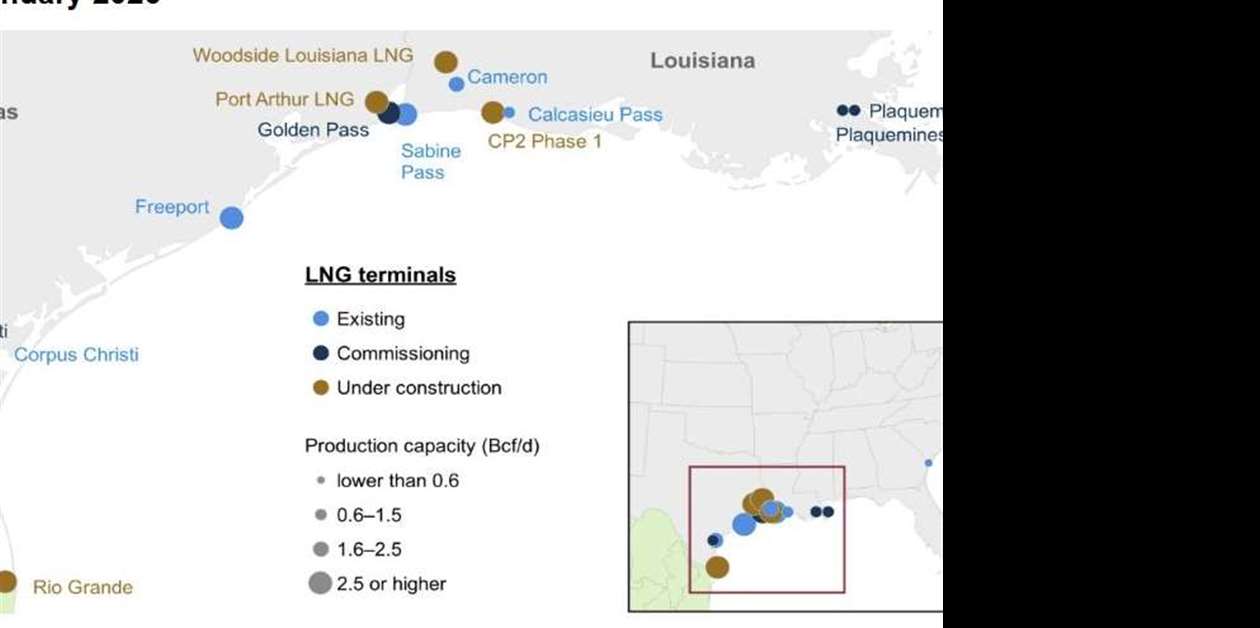
Golden Pass LNG ships first cargo from Train 1

In 60 seconds

Top move

Market statements from a major producer point to tighter LNG balances and stronger buyer interest in long‑term contracts, which raises the chance suppliers push capacity‑reservation terms and shorter quote validity in LTSAs and RFQs

Key takeaways

  • Market statements from a major producer point to tighter LNG balances and stronger buyer interest in long‑term contracts, which raises the chance suppliers push capacity‑reservation terms and shorter quote validity in LTSAs and RFQs.[2]
  • Official forecasts show U.S. export capacity growth that will translate into sustained demand for compressors, drivers, and aftermarket support — plan for higher baseline service consumption rather than a short blip.[5]
  • A large U.S. liquefaction project moved into commercial shipments, converting construction-phase activity into immediate needs for spares, commissioning follow‑up, and certified maintenance frames.[4]
  • A major OEM opened a high‑pressure subsea services and manufacturing hub that shortens repair cycles for specialized equipment but also creates potential single‑site dependence for critical repairs.[1]
  • A regulator approved a pipeline and compression expansion that creates a concrete regional demand corridor for compressors and looping work — expect local contractor dayrates and mobilization terms to tighten where activity concentrates.[3]

What changed since last run

  • Golden Pass Train 1 moved from commissioning into first commercial shipment, creating immediate aftermarket and commissioning demand (article 6).
  • Canada approved Enbridge’s Sunrise pipeline and compression expansion, adding concrete regional build and future operations demand in B.C. (article 7).
  • Baker Hughes opened the Dusavik subsea services and manufacturing hub, expanding regional high‑pressure repair and testing capacity (article 5).

Key facts

  • Company reports tighter global LNG balances and firmer gas pricing
  • Management cites delayed restarts and shipping disruption as key drivers
  • EIA forecasts marked growth in U.S. net natural gas exports driven by liquefaction and pipelines
  • Growth is linked to several new liquefaction projects entering service
  • 49,000 sq‑m facility with a 12,000 sq‑m workshop
  • Testing capability up to 22,500 psi for high‑pressure subsea equipment

Why it matters

Market statements from a major producer point to tighter LNG balances and stronger buyer interest in long‑term contracts, which raises the chance suppliers push capacity‑reservation terms and shorter quote validity in LTSAs and RFQs. Official forecasts show U.S. export capacity growth that will translate into sustained demand for compressors, drivers, and aftermarket support — plan for higher baseline service consumption rather than a short blip. A large U.S. liquefaction project moved into commercial shipments, converting construction-phase activity into immediate needs for spares, commissioning follow‑up, and certified maintenance frames. A major OEM opened a high‑pressure subsea services and manufacturing hub that shortens repair cycles for specialized equipment but also creates potential single‑site dependence for critical repairs

Cost / money

  • Directional upward pressure on supplier pricing and a higher probability of lead‑time premiums or expedited fees as suppliers face constrained cargo, yard, and workshop capacity.[2]
  • New train start‑up and export flows shift demand from one‑off project spend into recurring aftermarket consumption, increasing short‑term spend volatility around mobilization and expedited spares.[4]

Supplier / commercial

  • Regional lifecycle hubs give operators with local footprints commercial leverage to negotiate longer‑term service commitments or premium per‑call rates.[1]
  • OEMs and service providers are likely to shorten quote validity and include capacity‑reservation language as buyers move toward long‑term LNG contracting, reducing buyer negotiation room on timing and price.[2]

Safety / operations

  • Early operations and train ramping increase demand for certified technicians and staged spares; insufficient staffing or parts can cause start‑up hold points and delayed throughput.[4]
  • New compression installs and pipeline looping create localized operational constraints that must be reflected in LTSA scopes, spare lists, and safety‑critical maintenance plans to avoid unexpected outages.[3]

What to watch

  • Geopolitical shipping chokepoints and delayed restarts cited by industry can prolong market tightness even after new capacity comes online; don’t assume quick normalization.[2]
  • New single‑site hubs may prioritize the hub operator’s project pipeline first; monitor third‑party availability and commercial carve‑outs to avoid execution bottlenecks.[1]

Top stories

Story 1CompressorTECH²Apr 29, 2026

TotalEnergies sees tighter LNG markets, firmer gas pricing through 2026

Signal strongSource-grounded

What happened

TotalEnergies says the Strait of Hormuz closure tightened LNG balances and lifted near‑term price expectations, increasing buyer interest in longer contracts. The company highlights delayed Qatari restarts and shipping disruption as drivers that will support firmer prices and demand for contract reliability. Watch whether buyers accelerate long‑term contracting and whether suppliers start conditioning pricing on capacity reservations

Buyer takeaway

Treat the statement as a directional tightening that raises the commercial value of capacity reservations and demand for firm delivery commitments

Cost / money

Directional upward pressure on pricing and a higher chance of pass‑throughs when suppliers face constrained cargo and fabrication capacity

Supplier / commercial

OEMs and service providers may push for longer commitment windows and capacity‑reservation clauses in LTSAs and RFQs

Safety / operations

Market stress can compress commissioning schedules; ensure LTSAs define certified staffing and spare handover to avoid hold points

What to watch

Watch for supplier language that ties pricing to market indices or that shortens quote validity, which reduces buyer flexibility

Key facts

  • Company reports tighter global LNG balances and firmer gas pricing
  • Management cites delayed restarts and shipping disruption as key drivers

Source excerpts

Executives said the market disruption is already strengthening buyer interest in long-term, oil-linked LNG contracts, particularly in Asia, where affordability and supply security have become top priorities. Pouyanné said the latest disruption could accelerate support for long-term LNG contracting while also improving the commercial outlook for new export projects such as Papua LNG, which TotalEnergies is targeting for sanction before year-end
Pouyanné said LNG markets could remain tight even if the regional conflict eases soon because liquefaction plants cannot be turned on and off quickly and shipping delays will extend the market impact. For TotalEnergies, however, the tighter market is expected to improve LNG realizations
Executives said the market disruption is already strengthening buyer interest in long-term, oil-linked LNG contracts, particularly in Asia, where affordability and supply security have become top priorities
Story 2CompressorTECH²Apr 16, 2026

EIA: U.S. natural gas exports to surge through 2027 on LNG growth

Signal strongSource-grounded

What happened

The EIA projects a significant increase in U.S. natural gas exports driven by new liquefaction capacity and pipeline flows, indicating a sustained lift in export‑driven demand. That ramp will put predictable, multi‑year pressure on compressors, drivers, and aftermarket support capacity. Watch scheduled plant ramp dates and pipeline buildouts to align spare inventories and service capacity with actual flow increases

Buyer takeaway

Treat the EIA outlook as a confirmed baseline demand increase for multi‑year LTSA capacity planning

Cost / money

Higher sustained demand increases likelihood of persistent lead‑time premiums on spares and fabrication unless capacity is secured

Supplier / commercial

Suppliers will price to secured pipeline and train schedules; buyers should seek clearer lead‑time commitments in contracts

Safety / operations

More trains and higher throughput raise the criticality of spares uptime and certified maintenance during peak seasons

What to watch

Watch for fabrication yard and maintenance capacity bottlenecks as export flows ramp and multiple projects compete for the same resources

Key facts

  • EIA forecasts marked growth in U.S. net natural gas exports driven by liquefaction and pipelines
  • Growth is linked to several new liquefaction projects entering service

Source excerpts

liquefaction capacity. Current peak LNG export capacity stands at 18
0 Bcf/d by 2027 as new Canadian LNG export capacity comes online and Appalachian production increasingly meets demand in the U
4 Bcf/d), and the final Golden Pass train (0
Story 3CompressorTECH²May 4, 2026

Baker Hughes opens subsea services hub in Norway

Signal strongSource-grounded

What happened

Baker Hughes opened a large Dusavik subsea services and manufacturing hub in Norway to support subsea production systems, including high‑pressure testing and repairs. The facility expands regional repair/testing capacity and will serve installation, intervention, and decommissioning needs. Watch whether the hub prioritizes the operator’s projects and how it affects third‑party repair availability and commercial terms

Buyer takeaway

Consider the hub for VMI or consigned stock partnerships while assessing the risk of single‑site dependency

Cost / money

Local repair capability can reduce logistics costs and downtime but may raise commercial leverage for the hub operator

Supplier / commercial

Operators with hub capacity can push for preferred supplier status or longer service terms tied to exclusive repair rights

Safety / operations

High‑pressure testing and local manufacturing reduce offshore exposure and speed recovery for critical subsea components

What to watch

Monitor whether repair capacity is reserved for the supplier’s own project pipeline, which could limit third‑party access during peaks

Key facts

  • 49,000 sq‑m facility with a 12,000 sq‑m workshop
  • Testing capability up to 22,500 psi for high‑pressure subsea equipment

Source excerpts

The company said the facility will be powered entirely by renewable energy, reducing the carbon footprint of its operations. Amerino Gatti, executive vice president of oilfield services and equipment at Baker Hughes, said the new facility reinforces the company’s commitment to the North Sea, which remains a critical supply source for Europe amid continued geopolitical uncertainty
The 49,000-sq-m facility is designed to support the full lifecycle of subsea developments, from manufacturing subsea production trees and wellheads to repair, maintenance and upgrades of subsea equipment and control systems. The site will also serve as a hub for offshore production services, supporting installation, intervention and decommissioning work
The site will also serve as a hub for offshore production services, supporting installation, intervention and decommissioning work
Story 4CompressorTECH²Apr 25, 2026

Golden Pass LNG ships first cargo from Train 1

Signal strongSource-grounded

What happened

Golden Pass LNG shipped its first commercial cargo from Train 1, confirming the project has entered commercial operation after a delayed contractor replacement during construction. The start of shipments converts near‑term commissioning and spares needs into real operational demand for trained technicians and aftermarket parts. Watch whether the remaining trains follow the same ramp cadence and how vendors respond on spare‑kit delivery and mobilization windows

Buyer takeaway

Treat the first cargo as a real operational trigger for spares, commissioning services, and LTSA staffing commitments

Cost / money

Early operations often create urgent spare demand and may attract premium pricing for expedited delivery or mobilization

Supplier / commercial

Suppliers can convert project margins into aftermarket scopes and may shorten quote validity to capture near‑term demand

Safety / operations

Certified technicians and careful spares staging are essential during early operations to avoid hold points

What to watch

Confirm supplier mobilization commitments after start‑up; some vendors may prioritize project‑owner needs over third‑party LTSA work

Key facts

  • First commercial cargo shipped shortly after first LNG production
  • Project is a multi‑train facility with additional trains planned to enter service

Source excerpts

Startup marks first new U
export market. Golden Pass LNG is designed with three liquefaction trains, each with nominal capacity of 0
S. LNG export volumes of 2026 as global markets navigate supply risk Golden Pass LNG shipped its first cargo from Train 1 on April 22, marking the start of commercial exports from the ninth U
Story 5CompressorTECH²Apr 27, 2026

Canada approves Enbridge’s $4 billion Sunrise expansion to boost B.C. gas capacity

Signal strongSource-grounded

What happened

Canada approved Enbridge’s Sunrise Expansion to add pipeline looping and compression in British Columbia, clearing a major pipeline and compression program to support domestic demand and future LNG exports. The approval includes binding regulatory conditions and Indigenous consultation obligations that will shape contracting windows and supplier eligibility. Watch contracting windows, Indigenous partnership requirements, and the project’s specific scope conditions that affect supplier selection and mobilization timelines

Buyer takeaway

Factor approved regional projects into near‑term sourcing and contractor capacity planning for compression and looping work

Cost / money

Local construction and compression installs raise demand for nearby fabrication and service resources, which can increase dayrates and logistics pass‑throughs

Supplier / commercial

Suppliers with local presence or Indigenous partnerships will be advantaged in bidding and mobilization terms

Safety / operations

New compression installs require updated safety and commissioning protocols that must be captured in LTSAs and handover checklists

What to watch

Track the project’s binding regulatory conditions and Indigenous contracting requirements that can affect supplier eligibility and schedule

Key facts

  • Sunrise Expansion includes pipeline looping and new compression segments
  • Regulatory approval is subject to binding environmental and consultation conditions

Source excerpts

Westcoast pipeline project adds compression and looping to support domestic demand and LNG growth The Canadian government has approved Enbridge’s $4 billion Sunrise Expansion Program in British Columbia, clearing the way for a major natural gas infrastructure buildout designed to increase supply across the province and support rising LNG export demand from Canada’s West Coast
The Sunrise Expansion Program will add roughly 139 kilometers of new pipeline through 11 looping segments installed parallel to the existing Westcoast system. The project also includes additional natural gas compression and modifications to existing facilities, making it one of the most significant recent expansions of pipeline and compression infrastructure in western Canada
5% owned by the Stonlasec8 Indigenous Alliance Limited Partnership, which represents 38 Indigenous groups in British Columbia

VP Snapshot

Executive Risk & Action View

Market statements from a major producer point to tighter LNG balances and stronger buyer interest in long‑term contracts, which raises the chance suppliers push capacity‑reservation terms and shorter quote validity in LTSAs and RFQs.

Overall
60
Cost
79
Supply
61
Schedule
20
Compliance
15

Top signals

30-180dcost

Signal 1: Cost / money

Directional upward pressure on supplier pricing and a higher probability of lead‑time premiums or expedited fees as suppliers face constrained cargo, yard, and workshop capacity.

Signal 2: Cost / money

New train start‑up and export flows shift demand from one‑off project spend into recurring aftermarket consumption, increasing short‑term spend volatility around mobilization and expedited spares.

Signal 4: Supplier / commercial

OEMs and service providers are likely to shorten quote validity and include capacity‑reservation language as buyers move toward long‑term LNG contracting, reducing buyer negotiation room on timing and price.

180d+commercial

Signal 3: Supplier / commercial

Regional lifecycle hubs give operators with local footprints commercial leverage to negotiate longer‑term service commitments or premium per‑call rates.

30-180dsupplier

Signal 5: Safety / operations

Early operations and train ramping increase demand for certified technicians and staged spares; insufficient staffing or parts can cause start‑up hold points and delayed throughput.

Signal 6: Safety / operations

New compression installs and pipeline looping create localized operational constraints that must be reflected in LTSA scopes, spare lists, and safety‑critical maintenance plans to avoid unexpected outages.

Recommended actions

ContractsDue 3d

Tag active LTSA renewals and open RFQs that cover LNG export trains, pipeline compression, or recent start‑ups for contract clause review.

Prioritized contract list with recommended clause edits for mobilization windows, quote validity, capacity reservations, and certified‑staffing obligations.

CategoryDue 3d

Run a rapid critical‑SKU and spare‑on‑hand check focused on commissioning and long‑lead items tied to new trains and compression builds.

Annotated critical‑SKU list with immediate reorder or consignment recommendations to reduce time‑to‑repair for commissioning events.

CategoryDue 21d

Hold supplier capacity and lead‑time workshops with OEMs and top service providers to document realistic factory slots and explore firm reservation language for critical scopes.

Supplier capacity matrix, realistic delivery commitments for prioritized scopes, and draft reservation language to include in upcoming sourcing events.

ContractsDue 21d

Draft LTSA addenda that require certified‑technician minimums for commissioning, explicit spare‑handover acceptance criteria, and remedial obligations for missed mobilizations.

LTSA addendum draft ready for legal review that links staffing, spares handover, and mobilization obligations to remedies or escalation paths.

OpsDue 60d

Pilot vendor‑managed inventory (VMI) or consigned spares staging near major export sites or regional service hubs to shorten logistics and repair lead times.

VMI pilot plan with prioritized SKUs, proposed staging locations, and candidate suppliers to shorten time‑to‑repair for critical failures.

CategoryDue 60d

Reassess sourcing for high‑pressure and subsea repair scopes to add geographic and supplier redundancy beyond any single regional hub.

List of alternate suppliers and multi‑site delivery options for critical repair scopes to reduce single‑site exposure.

Risk register

RiskTriggerMitigation
Geopolitical shipping chokepoints and delayed restarts cited by industry can prolong market tightness even after new capacity comes online; don’t assume quick normalization.Geopolitical shipping chokepoints and delayed restarts cited by industry can prolong market tightness even after new capacity comes online; don’t assume quick normalization.Confirm exposure with category, contracts, and operations before the next supplier commitment.
New single‑site hubs may prioritize the hub operator’s project pipeline first; monitor third‑party availability and commercial carve‑outs to avoid execution bottlenecks.New single‑site hubs may prioritize the hub operator’s project pipeline first; monitor third‑party availability and commercial carve‑outs to avoid execution bottlenecks.Confirm exposure with category, contracts, and operations before the next supplier commitment.

CM Snapshot

Category Manager Decision Detail

Today's priorities

Tag active LTSA renewals and open RFQs that cover LNG export trains, pipeline compression, or recent start‑ups for contract clause review.

because Golden Pass entered commercial service and suppliers may already be tightening quote validity and mobilization clauses to capture near‑term aftermarket demand.

Due 3d

high

CM move

Use this as the immediate supplier or contract action to move before the next sourcing gate.

Run a rapid critical‑SKU and spare‑on‑hand check focused on commissioning and long‑lead items tied to new trains and compression builds.

because first‑of‑train commissioning typically produces urgent spare needs and long lead times can convert into operational risk if not pre‑staged.

Due 3d

high

CM move

Use this as the immediate supplier or contract action to move before the next sourcing gate.

Hold supplier capacity and lead‑time workshops with OEMs and top service providers to document realistic factory slots and explore firm reservation language for critical scopes.

because export growth forecasts and tighter market commentary increase the value of confirmed delivery windows and capacity reservations in RFQs and LTSAs.

Due 21d

high

CM move

Use this as the immediate supplier or contract action to move before the next sourcing gate.

Draft LTSA addenda that require certified‑technician minimums for commissioning, explicit spare‑handover acceptance criteria, and remedial obligations for missed mobilizations.

because new train start‑ups and pipeline compression installs raise the operational cost of start‑up hold points unless staffing and handover are contractually clear.

Due 21d

high

CM move

Use this as the immediate supplier or contract action to move before the next sourcing gate.

Supplier radar

CompressorTECH²

high

Observed supplier signal

Regional lifecycle hubs give operators with local footprints commercial leverage to negotiate longer‑term service commitments or premium per‑call rates.

Commercial implication

Regional lifecycle hubs give operators with local footprints commercial leverage to negotiate longer‑term service commitments or premium per‑call rates.

Next step: Validate the source-backed signal with incumbents and alternates before the next award or pricing decision.

CompressorTECH²

high

Observed supplier signal

OEMs and service providers are likely to shorten quote validity and include capacity‑reservation language as buyers move toward long‑term LNG contracting, reducing buyer negotiation room on timing and price.

Commercial implication

OEMs and service providers are likely to shorten quote validity and include capacity‑reservation language as buyers move toward long‑term LNG contracting, reducing buyer negotiation room on timing and price.

Next step: Validate the source-backed signal with incumbents and alternates before the next award or pricing decision.

Negotiation levers

Tag active LTSA renewals and open RFQs that cover LNG export trains, pipeline compression, or recent start‑ups for contract clause review.

When to use: because Golden Pass entered commercial service and suppliers may already be tightening quote validity and mobilization clauses to capture near‑term aftermarket demand.

Expected outcome: Prioritized contract list with recommended clause edits for mobilization windows, quote validity, capacity reservations, and certified‑staffing obligations.

Commercial mechanism to carry into the next supplier conversation

Run a rapid critical‑SKU and spare‑on‑hand check focused on commissioning and long‑lead items tied to new trains and compression builds.

When to use: because first‑of‑train commissioning typically produces urgent spare needs and long lead times can convert into operational risk if not pre‑staged.

Expected outcome: Annotated critical‑SKU list with immediate reorder or consignment recommendations to reduce time‑to‑repair for commissioning events.

Commercial mechanism to carry into the next supplier conversation

Hold supplier capacity and lead‑time workshops with OEMs and top service providers to document realistic factory slots and explore firm reservation language for critical scopes.

When to use: because export growth forecasts and tighter market commentary increase the value of confirmed delivery windows and capacity reservations in RFQs and LTSAs.

Expected outcome: Supplier capacity matrix, realistic delivery commitments for prioritized scopes, and draft reservation language to include in upcoming sourcing events.

Commercial mechanism to carry into the next supplier conversation

Draft LTSA addenda that require certified‑technician minimums for commissioning, explicit spare‑handover acceptance criteria, and remedial obligations for missed mobilizations.

When to use: because new train start‑ups and pipeline compression installs raise the operational cost of start‑up hold points unless staffing and handover are contractually clear.

Expected outcome: LTSA addendum draft ready for legal review that links staffing, spares handover, and mobilization obligations to remedies or escalation paths.

Commercial mechanism to carry into the next supplier conversation

Talking points

Market statements from a major producer point to tighter LNG balances and stronger buyer interest in long‑term contracts, which raises the chance suppliers push capacity‑reservation terms and shorter quote validity in LTSAs and RFQs.
Official forecasts show U.S. export capacity growth that will translate into sustained demand for compressors, drivers, and aftermarket support — plan for higher baseline service consumption rather than a short blip.
A large U.S. liquefaction project moved into commercial shipments, converting construction-phase activity into immediate needs for spares, commissioning follow‑up, and certified maintenance frames.
A major OEM opened a high‑pressure subsea services and manufacturing hub that shortens repair cycles for specialized equipment but also creates potential single‑site dependence for critical repairs.

Supplier radar

SupplierSignalImplicationNext stepConfidence
CompressorTECH²Regional lifecycle hubs give operators with local footprints commercial leverage to negotiate longer‑term service commitments or premium per‑call rates.Regional lifecycle hubs give operators with local footprints commercial leverage to negotiate longer‑term service commitments or premium per‑call rates.Validate the source-backed signal with incumbents and alternates before the next award or pricing decision.high
CompressorTECH²OEMs and service providers are likely to shorten quote validity and include capacity‑reservation language as buyers move toward long‑term LNG contracting, reducing buyer negotiation room on timing and price.OEMs and service providers are likely to shorten quote validity and include capacity‑reservation language as buyers move toward long‑term LNG contracting, reducing buyer negotiation room on timing and price.Validate the source-backed signal with incumbents and alternates before the next award or pricing decision.high

Negotiation levers

  • Tag active LTSA renewals and open RFQs that cover LNG export trains, pipeline compression, or recent start‑ups for contract clause review.because Golden Pass entered commercial service and suppliers may already be tightening quote validity and mobilization clauses to capture near‑term aftermarket demand.Prioritized contract list with recommended clause edits for mobilization windows, quote validity, capacity reservations, and certified‑staffing obligations.

    high confidence

  • Run a rapid critical‑SKU and spare‑on‑hand check focused on commissioning and long‑lead items tied to new trains and compression builds.because first‑of‑train commissioning typically produces urgent spare needs and long lead times can convert into operational risk if not pre‑staged.Annotated critical‑SKU list with immediate reorder or consignment recommendations to reduce time‑to‑repair for commissioning events.

    high confidence

  • Hold supplier capacity and lead‑time workshops with OEMs and top service providers to document realistic factory slots and explore firm reservation language for critical scopes.because export growth forecasts and tighter market commentary increase the value of confirmed delivery windows and capacity reservations in RFQs and LTSAs.Supplier capacity matrix, realistic delivery commitments for prioritized scopes, and draft reservation language to include in upcoming sourcing events.

    high confidence

  • Draft LTSA addenda that require certified‑technician minimums for commissioning, explicit spare‑handover acceptance criteria, and remedial obligations for missed mobilizations.because new train start‑ups and pipeline compression installs raise the operational cost of start‑up hold points unless staffing and handover are contractually clear.LTSA addendum draft ready for legal review that links staffing, spares handover, and mobilization obligations to remedies or escalation paths.

    high confidence

What to do / What to watch

What to do now

  • Tag active LTSA renewals and open RFQs that cover LNG export trains, pipeline compression, or recent start‑ups for contract clause review.

    Why: because Golden Pass entered commercial service and suppliers may already be tightening quote validity and mobilization clauses to capture near‑term aftermarket demand.

    Owner: Contracts

    Expected outcome: Prioritized contract list with recommended clause edits for mobilization windows, quote validity, capacity reservations, and certified‑staffing obligations.

    [4]
  • Run a rapid critical‑SKU and spare‑on‑hand check focused on commissioning and long‑lead items tied to new trains and compression builds.

    Why: because first‑of‑train commissioning typically produces urgent spare needs and long lead times can convert into operational risk if not pre‑staged.

    Owner: Category

    Expected outcome: Annotated critical‑SKU list with immediate reorder or consignment recommendations to reduce time‑to‑repair for commissioning events.

    [4]

Next few weeks

  • Hold supplier capacity and lead‑time workshops with OEMs and top service providers to document realistic factory slots and explore firm reservation language for critical scopes.

    Why: because export growth forecasts and tighter market commentary increase the value of confirmed delivery windows and capacity reservations in RFQs and LTSAs.

    Owner: Category

    Expected outcome: Supplier capacity matrix, realistic delivery commitments for prioritized scopes, and draft reservation language to include in upcoming sourcing events.

    [5]
  • Draft LTSA addenda that require certified‑technician minimums for commissioning, explicit spare‑handover acceptance criteria, and remedial obligations for missed mobilizations.

    Why: because new train start‑ups and pipeline compression installs raise the operational cost of start‑up hold points unless staffing and handover are contractually clear.

    Owner: Contracts

    Expected outcome: LTSA addendum draft ready for legal review that links staffing, spares handover, and mobilization obligations to remedies or escalation paths.

    [4]

Longer view

  • Pilot vendor‑managed inventory (VMI) or consigned spares staging near major export sites or regional service hubs to shorten logistics and repair lead times.

    Why: because new export train demand combined with nearby high‑pressure service hubs creates an opportunity to lower downtime by localizing critical spares and reducing transport dep...

    Owner: Ops

    Expected outcome: VMI pilot plan with prioritized SKUs, proposed staging locations, and candidate suppliers to shorten time‑to‑repair for critical failures.

    [1]
  • Reassess sourcing for high‑pressure and subsea repair scopes to add geographic and supplier redundancy beyond any single regional hub.

    Why: because new centralized hubs can concentrate workload and create single‑site dependency that raises execution risk during peak demand.

    Owner: Category

    Expected outcome: List of alternate suppliers and multi‑site delivery options for critical repair scopes to reduce single‑site exposure.

    [1]

What to watch

  • Geopolitical shipping chokepoints and delayed restarts cited by industry can prolong market tightness even after new capacity comes online; don’t assume quick normalization
  • New single‑site hubs may prioritize the hub operator’s project pipeline first; monitor third‑party availability and commercial carve‑outs to avoid execution bottlenecks
  • Geopolitical shipping chokepoints and delayed restarts cited by industry can prolong market tightness even after new capacity comes online; don’t assume quick normalization.: Geopolitical shipping chokepoints and delayed restarts cited by industry can prolong market tightness even after new capacity comes online; don’t assume quick normalization
  • New single‑site hubs may prioritize the hub operator’s project pipeline first; monitor third‑party availability and commercial carve‑outs to avoid execution bottlenecks.: New single‑site hubs may prioritize the hub operator’s project pipeline first; monitor third‑party availability and commercial carve‑outs to avoid execution bottlenecks
  • Market statements from a major producer point to tighter LNG balances and stronger buyer interest in long‑term contracts, which raises the chance suppliers push capacity‑reservation terms and shorter quote validity in LTSAs and RFQs
  • Official forecasts show U.S. export capacity growth that will translate into sustained demand for compressors, drivers, and aftermarket support — plan for higher baseline service consumption rather than a short blip
  • A large U.S. liquefaction project moved into commercial shipments, converting construction-phase activity into immediate needs for spares, commissioning follow‑up, and certified maintenance frames
  • A major OEM opened a high‑pressure subsea services and manufacturing hub that shortens repair cycles for specialized equipment but also creates potential single‑site dependence for critical repairs

Market pulse

IndexLatestChangeAs of
WTI Crude (WTI)71.23 /bbl+0.00 (+0.00%)May 6, 2026, 10:11 AM
Brent Crude (BRENT)74.89 /bbl+0.00 (+0.00%)May 6, 2026, 10:11 AM
Natural Gas (NG)3.12 /MMBtu+0.00 (+0.00%)May 6, 2026, 10:11 AM
Baker Hughes (BKR)32 +0.00 (+0.00%)May 6, 2026, 10:11 AM
GE Vernova (GEV)175 +0.00 (+0.00%)May 6, 2026, 10:11 AM
  • Natural Gas: Natural gas market tightness reinforces supplier leverage on LTSA pricing and the need to secure lead‑time commitments
  • Baker Hughes: Baker Hughes’ regional investments may alter local supplier capacity and repair‑cost dynamics for subsea and high‑pressure equipment

Sources

Inline citations jump here. Expand a source to read the excerpt, the AI interpretation, and the original link.

[1] Baker Hughes opens subsea services hub in Norway

compressortech2.com · May 4, 2026

Expand

AI reading

Baker Hughes opened a large Dusavik subsea services and manufacturing hub in Norway to support subsea production systems, including high‑pressure testing and repairs. The facility expands regional repair/testing capacity and will serve installation, intervention, and decommissioning needs. Watch whether the hub prioritizes the operator’s projects and how it affects third‑party repair availability and commercial terms

Buyer takeaway

Consider the hub for VMI or consigned stock partnerships while assessing the risk of single‑site dependency

Cost / money

Local repair capability can reduce logistics costs and downtime but may raise commercial leverage for the hub operator

Supplier / commercial

Operators with hub capacity can push for preferred supplier status or longer service terms tied to exclusive repair rights

Safety / operations

High‑pressure testing and local manufacturing reduce offshore exposure and speed recovery for critical subsea components

What to watch

Monitor whether repair capacity is reserved for the supplier’s own project pipeline, which could limit third‑party access during peaks

Key facts

  • 49,000 sq‑m facility with a 12,000 sq‑m workshop
  • Testing capability up to 22,500 psi for high‑pressure subsea equipment

Source excerpts

The company said the facility will be powered entirely by renewable energy, reducing the carbon footprint of its operations. Amerino Gatti, executive vice president of oilfield services and equipment at Baker Hughes, said the new facility reinforces the company’s commitment to the North Sea, which remains a critical supply source for Europe amid continued geopolitical uncertainty
The 49,000-sq-m facility is designed to support the full lifecycle of subsea developments, from manufacturing subsea production trees and wellheads to repair, maintenance and upgrades of subsea equipment and control systems. The site will also serve as a hub for offshore production services, supporting installation, intervention and decommissioning work
The site will also serve as a hub for offshore production services, supporting installation, intervention and decommissioning work

Used in this brief

  • Next quarter — Pilot vendor‑managed inventory (VMI) or consigned spares staging near major export sites or regional service hubs to shorten logistics and repair lead times.. Rationale: because new export train demand combined with nearby high‑pressure service hubs creates an opportunity to lower downtime by localizing critical spares and reducing transport dep.... Owner: Ops. KPI: VMI pilot plan with prioritized SKUs, proposed staging locations, and candidate suppliers to shorten time‑to‑repair for critical failures
  • Next quarter — Reassess sourcing for high‑pressure and subsea repair scopes to add geographic and supplier redundancy beyond any single regional hub.. Rationale: because new centralized hubs can concentrate workload and create single‑site dependency that raises execution risk during peak demand.. Owner: Category. KPI: List of alternate suppliers and multi‑site delivery options for critical repair scopes to reduce single‑site exposure
  • New single‑site hubs may prioritize the hub operator’s project pipeline first; monitor third‑party availability and commercial carve‑outs to avoid execution bottlenecks
Open original source

[2] TotalEnergies sees tighter LNG markets, firmer gas pricing through 2026

compressortech2.com · Apr 29, 2026

Expand

AI reading

TotalEnergies says the Strait of Hormuz closure tightened LNG balances and lifted near‑term price expectations, increasing buyer interest in longer contracts. The company highlights delayed Qatari restarts and shipping disruption as drivers that will support firmer prices and demand for contract reliability. Watch whether buyers accelerate long‑term contracting and whether suppliers start conditioning pricing on capacity reservations

Buyer takeaway

Treat the statement as a directional tightening that raises the commercial value of capacity reservations and demand for firm delivery commitments

Cost / money

Directional upward pressure on pricing and a higher chance of pass‑throughs when suppliers face constrained cargo and fabrication capacity

Supplier / commercial

OEMs and service providers may push for longer commitment windows and capacity‑reservation clauses in LTSAs and RFQs

Safety / operations

Market stress can compress commissioning schedules; ensure LTSAs define certified staffing and spare handover to avoid hold points

What to watch

Watch for supplier language that ties pricing to market indices or that shortens quote validity, which reduces buyer flexibility

Key facts

  • Company reports tighter global LNG balances and firmer gas pricing
  • Management cites delayed restarts and shipping disruption as key drivers

Source excerpts

Executives said the market disruption is already strengthening buyer interest in long-term, oil-linked LNG contracts, particularly in Asia, where affordability and supply security have become top priorities. Pouyanné said the latest disruption could accelerate support for long-term LNG contracting while also improving the commercial outlook for new export projects such as Papua LNG, which TotalEnergies is targeting for sanction before year-end
Pouyanné said LNG markets could remain tight even if the regional conflict eases soon because liquefaction plants cannot be turned on and off quickly and shipping delays will extend the market impact. For TotalEnergies, however, the tighter market is expected to improve LNG realizations
Executives said the market disruption is already strengthening buyer interest in long-term, oil-linked LNG contracts, particularly in Asia, where affordability and supply security have become top priorities

Used in this brief

  • Supplier / commercial: OEMs and service providers are likely to shorten quote validity and include capacity‑reservation language as buyers move toward long‑term LNG contracting, reducing buyer negotiation room on timing and price
  • Geopolitical shipping chokepoints and delayed restarts cited by industry can prolong market tightness even after new capacity comes online; don’t assume quick normalization
  • TotalEnergies says the Strait of Hormuz closure tightened LNG balances and lifted near‑term price expectations, increasing buyer interest in longer contracts. The company highlights delayed Qatari restarts and shipping disruption as drivers that will support firmer prices and demand for contract reliability. Watch whether buyers accelerate long‑term contracting and whether suppliers start conditioning pricing on capacity reservations
Open original source

[3] Canada approves Enbridge’s $4 billion Sunrise expansion to boost B.C. gas capacity

compressortech2.com · Apr 27, 2026

Expand

AI reading

Canada approved Enbridge’s Sunrise Expansion to add pipeline looping and compression in British Columbia, clearing a major pipeline and compression program to support domestic demand and future LNG exports. The approval includes binding regulatory conditions and Indigenous consultation obligations that will shape contracting windows and supplier eligibility. Watch contracting windows, Indigenous partnership requirements, and the project’s specific scope conditions that affect supplier selection and mobilization timelines

Buyer takeaway

Factor approved regional projects into near‑term sourcing and contractor capacity planning for compression and looping work

Cost / money

Local construction and compression installs raise demand for nearby fabrication and service resources, which can increase dayrates and logistics pass‑throughs

Supplier / commercial

Suppliers with local presence or Indigenous partnerships will be advantaged in bidding and mobilization terms

Safety / operations

New compression installs require updated safety and commissioning protocols that must be captured in LTSAs and handover checklists

What to watch

Track the project’s binding regulatory conditions and Indigenous contracting requirements that can affect supplier eligibility and schedule

Key facts

  • Sunrise Expansion includes pipeline looping and new compression segments
  • Regulatory approval is subject to binding environmental and consultation conditions

Source excerpts

Westcoast pipeline project adds compression and looping to support domestic demand and LNG growth The Canadian government has approved Enbridge’s $4 billion Sunrise Expansion Program in British Columbia, clearing the way for a major natural gas infrastructure buildout designed to increase supply across the province and support rising LNG export demand from Canada’s West Coast
The Sunrise Expansion Program will add roughly 139 kilometers of new pipeline through 11 looping segments installed parallel to the existing Westcoast system. The project also includes additional natural gas compression and modifications to existing facilities, making it one of the most significant recent expansions of pipeline and compression infrastructure in western Canada
5% owned by the Stonlasec8 Indigenous Alliance Limited Partnership, which represents 38 Indigenous groups in British Columbia

Used in this brief

  • Canada approved Enbridge’s Sunrise pipeline and compression expansion, adding concrete regional build and future operations demand in B.C. (article 7)
  • Canada approved Enbridge’s Sunrise Expansion to add pipeline looping and compression in British Columbia, clearing a major pipeline and compression program to support domestic demand and future LNG exports. The approval includes binding regulatory conditions and Indigenous consultation obligations that will shape contracting windows and supplier eligibility. Watch contracting windows, Indigenous partnership requirements, and the project’s specific scope conditions that affect supplier selection and mobilization timelines
  • Buyer bottom line: approved regional pipeline and compression projects create predictable local demand for compressors and lifecycle services—fold these into sourcing calendars
Open original source

[4] Golden Pass LNG ships first cargo from Train 1

compressortech2.com · Apr 25, 2026

Expand

AI reading

Golden Pass LNG shipped its first commercial cargo from Train 1, confirming the project has entered commercial operation after a delayed contractor replacement during construction. The start of shipments converts near‑term commissioning and spares needs into real operational demand for trained technicians and aftermarket parts. Watch whether the remaining trains follow the same ramp cadence and how vendors respond on spare‑kit delivery and mobilization windows

Buyer takeaway

Treat the first cargo as a real operational trigger for spares, commissioning services, and LTSA staffing commitments

Cost / money

Early operations often create urgent spare demand and may attract premium pricing for expedited delivery or mobilization

Supplier / commercial

Suppliers can convert project margins into aftermarket scopes and may shorten quote validity to capture near‑term demand

Safety / operations

Certified technicians and careful spares staging are essential during early operations to avoid hold points

What to watch

Confirm supplier mobilization commitments after start‑up; some vendors may prioritize project‑owner needs over third‑party LTSA work

Key facts

  • First commercial cargo shipped shortly after first LNG production
  • Project is a multi‑train facility with additional trains planned to enter service

Source excerpts

Startup marks first new U
export market. Golden Pass LNG is designed with three liquefaction trains, each with nominal capacity of 0
S. LNG export volumes of 2026 as global markets navigate supply risk Golden Pass LNG shipped its first cargo from Train 1 on April 22, marking the start of commercial exports from the ninth U

Used in this brief

  • What to watch: New single‑site hubs may prioritize the hub operator’s project pipeline first; monitor third‑party availability and commercial carve‑outs to avoid execution bottlenecks
  • Next 72 hours — Tag active LTSA renewals and open RFQs that cover LNG export trains, pipeline compression, or recent start‑ups for contract clause review.. Rationale: because Golden Pass entered commercial service and suppliers may already be tightening quote validity and mobilization clauses to capture near‑term aftermarket demand.. Owner: Contracts. KPI: Prioritized contract list with recommended clause edits for mobilization windows, quote validity, capacity reservations, and certified‑staffing obligations
  • Next 72 hours — Run a rapid critical‑SKU and spare‑on‑hand check focused on commissioning and long‑lead items tied to new trains and compression builds.. Rationale: because first‑of‑train commissioning typically produces urgent spare needs and long lead times can convert into operational risk if not pre‑staged.. Owner: Category. KPI: Annotated critical‑SKU list with immediate reorder or consignment recommendations to reduce time‑to‑repair for commissioning events
Open original source

[5] EIA: U.S. natural gas exports to surge through 2027 on LNG growth

compressortech2.com · Apr 16, 2026

Expand

AI reading

The EIA projects a significant increase in U.S. natural gas exports driven by new liquefaction capacity and pipeline flows, indicating a sustained lift in export‑driven demand. That ramp will put predictable, multi‑year pressure on compressors, drivers, and aftermarket support capacity. Watch scheduled plant ramp dates and pipeline buildouts to align spare inventories and service capacity with actual flow increases

Buyer takeaway

Treat the EIA outlook as a confirmed baseline demand increase for multi‑year LTSA capacity planning

Cost / money

Higher sustained demand increases likelihood of persistent lead‑time premiums on spares and fabrication unless capacity is secured

Supplier / commercial

Suppliers will price to secured pipeline and train schedules; buyers should seek clearer lead‑time commitments in contracts

Safety / operations

More trains and higher throughput raise the criticality of spares uptime and certified maintenance during peak seasons

What to watch

Watch for fabrication yard and maintenance capacity bottlenecks as export flows ramp and multiple projects compete for the same resources

Key facts

  • EIA forecasts marked growth in U.S. net natural gas exports driven by liquefaction and pipelines
  • Growth is linked to several new liquefaction projects entering service

Source excerpts

liquefaction capacity. Current peak LNG export capacity stands at 18
0 Bcf/d by 2027 as new Canadian LNG export capacity comes online and Appalachian production increasingly meets demand in the U
4 Bcf/d), and the final Golden Pass train (0

Used in this brief

  • Market statements from a major producer point to tighter LNG balances and stronger buyer interest in long‑term contracts, which raises the chance suppliers push capacity‑reservation terms and shorter quote validity in LTSAs and RFQs. Official forecasts show U.S. export capacity growth that will translate into sustained demand for compressors, drivers, and aftermarket support — plan for higher baseline service consumption rather than a short blip. A large U.S. liquefaction project moved into commercial shipments, converting construction-phase activity into immediate needs for spares, commissioning follow‑up, and certified maintenance frames. A major OEM opened a high‑pressure subsea services and manufacturing hub that shortens repair cycles for specialized equipment but also creates potential single‑site dependence for critical repairs
  • What to watch: Geopolitical shipping chokepoints and delayed restarts cited by industry can prolong market tightness even after new capacity comes online; don’t assume quick normalization
  • Next 2-4 weeks — Hold supplier capacity and lead‑time workshops with OEMs and top service providers to document realistic factory slots and explore firm reservation language for critical scopes.. Rationale: because export growth forecasts and tighter market commentary increase the value of confirmed delivery windows and capacity reservations in RFQs and LTSAs.. Owner: Category. KPI: Supplier capacity matrix, realistic delivery commitments for prioritized scopes, and draft reservation language to include in upcoming sourcing events
Open original source

[6] Natural Gas

finance.yahoo.com · n.d.

Expand

[7] Baker Hughes

finance.yahoo.com · n.d.

Expand