Subsea, SURF & Offshore · International (Houston)

Adjust SURF Sourcing for ROV Residency and New OTC Tech

Published May 6, 2026, 5:06 AM CSTINTERNATIONALFull category signal
Ask AI
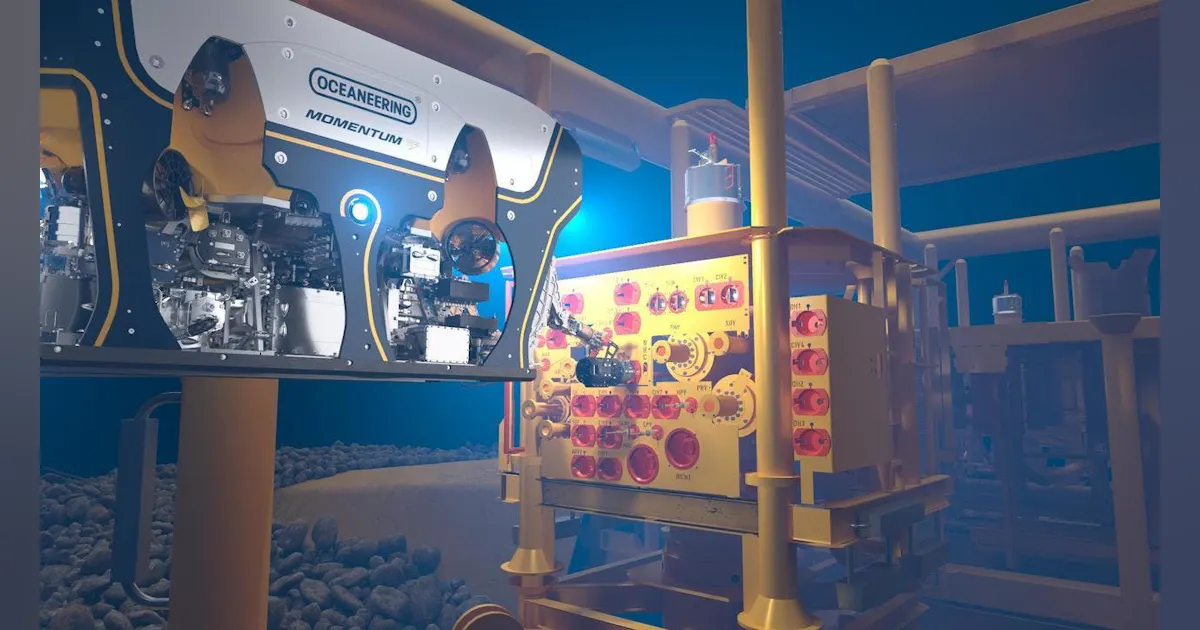
OTC 2026: Electric work class ROV targets extended subsea residency

In 60 seconds

Top move

Electric work-class ROV vendors are promoting extended subsea residency as a capability; this reinforces the need to revisit spares, service coverage, and long‑duration uptime dependencies for subsea assets

Key takeaways

  • Electric work-class ROV vendors are promoting extended subsea residency as a capability; this reinforces the need to revisit spares, service coverage, and long‑duration uptime dependencies for subsea assets.[2]
  • Two OTC announcements point to new hardware options for deepwater flowlines and subsea actuation (hybrid flexible pipe and new electric actuators), which can change supplier leverage and installation scope on future SURF awards.[1][3]
  • Operational assessments on idle-well restart risk underscore that integrity diagnostics can drive restart decisions and downstream intervention requirements, which affects stand-by scopes and integrity‑service contracting.[4]
  • A panel on CCUS policy highlighted that policy momentum has not yet fully translated into clear execution paths offshore; this is an early-signal for procurement to avoid assuming near-term CCUS project awards in sourcing plans.[5]
  • Overall signal today is normal: several technology and capability announcements at OTC broaden options but do not change immediate award pipelines—use this window to validate supplier readiness and contract terms rather than force awards.[1][2][3]

What changed since last run

  • OTC-related vendor announcements (hybrid flexible pipe and new subsea actuators) appeared after the prior brief, expanding hardware options beyond the tieback and servitization topics covered previously.
  • Vendor messaging on electric work-class ROV extended residency moved from concept to vendor capability promotion at OTC, making spares and on‑seabed uptime dependency more procurement‑actionable.

Key facts

  • Vendor collaboration announced at OTC for hybrid flexible pipe
  • Targeted use: ultradeepwater flowlines and risers
  • Implication: new hardware option for deepwater SURF
  • Vendor focus: electric work‑class ROVs targeting longer subsea residency
  • Operational shift: more on‑seabed uptime dependency and remote maintenance
  • Procurement impact: spares, SLAs, and contract model choices gain priority

Why it matters

Electric work-class ROV vendors are promoting extended subsea residency as a capability; this reinforces the need to revisit spares, service coverage, and long‑duration uptime dependencies for subsea assets. Two OTC announcements point to new hardware options for deepwater flowlines and subsea actuation (hybrid flexible pipe and new electric actuators), which can change supplier leverage and installation scope on future SURF awards. Operational assessments on idle-well restart risk underscore that integrity diagnostics can drive restart decisions and downstream intervention requirements, which affects stand-by scopes and integrity‑service contracting. A panel on CCUS policy highlighted that policy momentum has not yet fully translated into clear execution paths offshore; this is an early-signal for procurement to avoid assuming near-term CCUS project awards in sourcing plans

Cost / money

  • Extended‑residency electric ROVs shift cost profile from frequent vessel mobilization toward higher lifecycle OPEX and spare‑parts provisioning; buyers should expect higher recurring service spend if adoption grows.[2]
  • Hybrid flexible flowline technology and new electric actuators can change installation complexity and equipment pricing posture; switching to newer hardware may reduce some fabrication cost but raise integration and testing spend.[1][3]

Supplier / commercial

  • Vendors promoting extended ROV residency may ask for longer service contracts or subscription-style support to guarantee uptime and parts availability, increasing supplier leverage on ongoing spend.[2]
  • New flowline and actuator entrants expand the supplier set, creating short-term competition; however, qualification and integration demands can let established suppliers defend premium mobilization and testing terms.[1][3]

Safety / operations

  • Long‑residency ROV deployments lower surface crew exposure but increase dependency on remote equipment reliability and inspection cadence; operational risk shifts from personnel presence to equipment uptime and spare readiness.[2]
  • Idle-well restart guidance warns that deferred integrity issues (tubular damage, cement degradation) can force major intervention campaigns; readiness and integrity diagnostics should be part of contractor scopes for restart work.[4]

What to watch

  • Watch whether suppliers start packaging extended-residency ROV offers as subscription or bundled service contracts that include data hosting or limited transfer rights, which can lock buyers into ongoing OPEX.[2]
  • Watch acceptance and integration constraints for hybrid flexible pipe and electric actuators—qualification timelines and testing requirements can create hidden mobilization windows if treated as drop-in replacements.[1][3]

Top stories

Story 1Offshore-mag

OTC 2026: Baker Hughes, Strohm to develop hybrid flexible pipe for ultradeepwater flowlines and risers

Signal moderateDirectional

What happened

OTC coverage shows Baker Hughes and Strohm developing a hybrid flexible pipe for ultradeepwater flowlines and risers. The announcement signals a new hardware option aimed at deepwater installation constraints and materials integration. Buyers should watch qualification and testing progress to see if this becomes a practical alternative for SURF designs

Buyer takeaway

This expands supplier options for deepwater flowlines but creates new qualification and integration workstreams that buyers must control through contracts

Cost / money

Potential to shift cost from rigid fabrication to integration and testing; total installation cost profile will depend on qualification needs

Supplier / commercial

Early entrants may seek premium early‑adopter pricing and limited quote validity while they validate performance

Safety / operations

New materials and connection systems require specific testing and inspection scopes to ensure subsea integrity under deepwater loads

What to watch

Limited public detail; watch qualification timelines and whether suppliers require buyer-funded testing or earlier milestone payments

Key facts

  • Vendor collaboration announced at OTC for hybrid flexible pipe
  • Targeted use: ultradeepwater flowlines and risers
  • Implication: new hardware option for deepwater SURF

Source excerpts

She also helps create and oversee new special industry reports and revolutionizes existing supplements, while also contributing content to Offshore's magazine, newsletters and website as a copy editor and writer
Before joining Offshore, she served as senior managing editor of publications with Hart Energy
With more than a decade of copy editing, project management and journalism experience, Ariana Hurtado is a seasoned managing editor born and raised in the energy capital of the world—Houston, Texas
Story 2Offshore-mag

OTC 2026: Electric work class ROV targets extended subsea residency

Signal strongSource-grounded

What happened

At OTC, vendors showcased electric work‑class ROVs designed for extended subsea residency. The key operational detail is vendor roadmaps for long‑duration deployment and remote maintenance, which makes spare provisioning and uptime SLAs more important. Watch whether vendors specify contract models (time‑based rentals, subscriptions, or outcome SLAs) that change procurement obligations

Buyer takeaway

Treat vendor claims as actionable demand: verify spare lists, service windows, and remote support models before accepting extended‑residency pricing

Cost / money

Moves costs from vessel mobilization toward lifecycle OPEX, spare provisioning, and vendor support fees

Supplier / commercial

Suppliers can push subscription or long‑term support contracts to capture ongoing revenue tied to residency models

Safety / operations

Reduced surface exposure but higher dependency on equipment reliability and remote diagnostics; failure modes shift to prolonged seabed intervention risk

What to watch

Vendors may package services that include data hosting or limited transferability—clarify data, exit, and transfer rights in contracts

Key facts

  • Vendor focus: electric work‑class ROVs targeting longer subsea residency
  • Operational shift: more on‑seabed uptime dependency and remote maintenance
  • Procurement impact: spares, SLAs, and contract model choices gain priority

Source excerpts

Prior to her current role, she served as Offshore's editor and director of special reports from April 2022 to December 2024
With more than a decade of copy editing, project management and journalism experience, Ariana Hurtado is a seasoned managing editor born and raised in the energy capital of the world—Houston, Texas
Before joining Offshore, she served as senior managing editor of publications with Hart Energy
Story 3Offshore-mag

OTC 2026: Bosch Rexroth recognized for its electric drive and subsea actuator systems

Signal moderateDirectional

What happened

Bosch Rexroth was highlighted at OTC for new electric drive and subsea actuator systems receiving technology awards. The important operational detail is that electric actuation is progressing toward production‑grade options, which affects subsea tree and control‑system integration choices. Watch vendor qualification paths and compatibility with existing subsea control systems

Buyer takeaway

Electric subsea actuation is maturing—assess integration, control, and testing requirements before specifying in SURF scopes

Cost / money

May reduce hydraulic maintenance spend but could increase upfront integration and testing cost

Supplier / commercial

Suppliers may require collaboration on interface specs and joint testing; expect partnership‑style commercial models early on

Safety / operations

Electrical actuation changes failure modes and isolation strategies; update safety cases and maintenance plans accordingly

What to watch

Confirm compatibility with existing topside/subsea control interfaces and spares sourcing constraints

Key facts

  • Technology focus: electric drive and subsea actuator systems
  • Recognition: awarded visibility at OTC
  • Procurement implication: alternative to hydraulic actuation, needs control‑system integration

Source excerpts

She also helps create and oversee new special industry reports and revolutionizes existing supplements, while also contributing content to Offshore's magazine, newsletters and website as a copy editor and writer
With more than a decade of copy editing, project management and journalism experience, Ariana Hurtado is a seasoned managing editor born and raised in the energy capital of the world—Houston, Texas
Before joining Offshore, she served as senior managing editor of publications with Hart Energy
Story 4Offshore-mag

OTC 2026: When does an idle well become too risky to restart?

Signal moderateSource-grounded

What happened

An OTC discussion reviewed when an idle well is too risky to restart, focusing on common integrity issues like tubular damage, cement degradation, and wellbore debris. The practical detail is that static and dynamic diagnostics together are decisive for restart decisions, which can require contractor scopes for additional testing or interventions. Watch for diagnostic deliverables to become required pre‑award items in restart contracts

Buyer takeaway

Make diagnostic outputs contract deliverables so restart teams and suppliers share clear acceptance criteria

Cost / money

Upfront diagnostic and testing scopes can prevent larger intervention costs later by de‑risking restart decisions

Supplier / commercial

Service providers that bundle diagnostics with intervention capability may seek premium pricing for guaranteed outcomes

Safety / operations

Delaying a clear 'do not restart' decision can increase operational risk; diagnostics reduce that uncertainty

What to watch

Ensure diagnostics are independently verifiable and that contracts prevent scope creep if major interventions are identified

Key facts

  • Focus: tubular damage, cement integrity, and wellbore debris as restart risks
  • Decision drivers: static plus dynamic diagnostics
  • Procurement implication: diagnostic deliverables may be required pre‑mobilization

Source excerpts

Offshore: From an integrity standpoint, what should trigger a clear “do not restart” decision, and why can delaying that call ultimately increase risk or cost?
Borrel: The most common integrity issues we see include tubular damage, such as corrosion, collapse or mechanical wear, as well as wellbore debris, scale buildup and fluid leaks. These leaks can often result from damage to completion products (such as packers) or degradation in the cement sheaths responsible for providing zonal isolation
Offshore: From an integrity standpoint, what should trigger a clear “do not restart” decision, and why can delaying that call ultimately increase risk or cost? Borrel: There will be many triggers for a “do not restart” decision, some pertaining to safety and environmental concerns, others relating to economics
Story 5Offshore-mag

OTC 2026 panel probes whether CCUS policy momentum is translating into execution

Signal limitedDirectional

What happened

An OTC panel probed whether CCUS policy momentum is translating into actual offshore execution, finding gaps between policy and on‑the‑ground project readiness. The key detail is the panel's emphasis that policy does not yet equal execution certainty, so procurement should not assume imminent CCUS awards. Watch for firm project FIDs or vendor procurement notices before re‑allocating SURF capacity to CCUS

Buyer takeaway

Keep CCUS on the watchlist but require execution signals (FIDs, procurement notices) before shifting SURF capacity or vendor commitments

Cost / money

Avoid reallocating SURF spend to CCUS until execution signals exist; early commitments risk stranded supplier slots or premium cancellation costs

Supplier / commercial

Some suppliers may position capabilities for CCUS early and ask for pilot project terms; manage these as optional trials

Safety / operations

CCUS projects introduce CO2 handling and injection safety requirements that differ from hydrocarbon projects—qualification and training implications are real

What to watch

Policy headlines are not execution guarantees; verify project funding and procurement timelines before adjusting award plans

Key facts

  • Topic: CCUS policy versus execution at OTC panel
  • Finding: policy momentum not yet matched by clear execution timelines
  • Buyer implication: treat CCUS as contingent demand in procurement plans

Source excerpts

Before joining Offshore, she served as senior managing editor of publications with Hart Energy
With more than a decade of copy editing, project management and journalism experience, Ariana Hurtado is a seasoned managing editor born and raised in the energy capital of the world—Houston, Texas

VP Snapshot

Executive Risk & Action View

Electric work-class ROV vendors are promoting extended subsea residency as a capability; this reinforces the need to revisit spares, service coverage, and long‑duration uptime dependencies for subsea assets.

Overall
56
Cost
61
Supply
61
Schedule
56
Compliance
15

Top signals

30-180dcost

Signal 1: Cost / money

Extended‑residency electric ROVs shift cost profile from frequent vessel mobilization toward higher lifecycle OPEX and spare‑parts provisioning; buyers should expect higher recurring service spend if adoption grows.

Signal 2: Cost / money

Hybrid flexible flowline technology and new electric actuators can change installation complexity and equipment pricing posture; switching to newer hardware may reduce some fabrication cost but raise integration and testing spend.

0-30dsupply

Signal 3: Supplier / commercial

Vendors promoting extended ROV residency may ask for longer service contracts or subscription-style support to guarantee uptime and parts availability, increasing supplier leverage on ongoing spend.

30-180dschedule

Signal 4: Supplier / commercial

New flowline and actuator entrants expand the supplier set, creating short-term competition; however, qualification and integration demands can let established suppliers defend premium mobilization and testing terms.

30-180dsupply

Signal 5: Safety / operations

Long‑residency ROV deployments lower surface crew exposure but increase dependency on remote equipment reliability and inspection cadence; operational risk shifts from personnel presence to equipment uptime and spare readiness.

30-180dsupplier

Signal 6: Safety / operations

Idle-well restart guidance warns that deferred integrity issues (tubular damage, cement degradation) can force major intervention campaigns; readiness and integrity diagnostics should be part of contractor scopes for restart work.

Recommended actions

CategoryDue 3d

Ask preferred ROV service suppliers to confirm current spare parts lead times, recommended on‑site spare lists, and extended‑residency support profiles in writing.

Consolidated supplier spare list and lead‑time matrix to inform immediate sourcing and contingency needs.

ContractsDue 3d

Request qualification and integration roadmaps from potential hybrid flexible pipe and subsea actuator suppliers for your target basins.

Supplier roadmaps that show qualification milestones, required buyer commitments, and potential blockers for awards.

ContractsDue 21d

Update preferred‑vendor service contracts to include explicit spare provisioning, quote validity, and mobilization/cancellation liability terms for long‑residency ROV work.

Contract amendments that reduce single‑point supplier leverage and clarify mobilization/cancellation cost exposure.

OpsDue 21d

Add integrity diagnostic deliverables and acceptance gates into restart/ intervention scopes where idle wells are candidates for return to production.

Procurement scopes that require pre‑mobilization diagnostics and decision gates, reducing downstream intervention surprises.

CategoryDue 60d

Run a supplier qualification and total‑cost review for adopting hybrid flexible pipe or new electric actuators including integration, testing, and RI/QA requirements before addi...

Decision memo with supplier short‑list, qualification plan, and contract change recommendations to enable safe adoption.

OpsDue 60d

Prepare an ROV spares and long‑residency risk playbook (procurement, logistics, and service SLAs) to be used in future SURF and subsea awards.

Operational playbook that lowers single‑point failure exposure and standardizes SLA expectations for extended‑residency ROV contracts.

Risk register

RiskTriggerMitigation
Watch whether suppliers start packaging extended-residency ROV offers as subscription or bundled service contracts that include data hosting or limited transfer rights, which can lock buyers into ongoing OPEX.Watch whether suppliers start packaging extended-residency ROV offers as subscription or bundled service contracts that include data hosting or limited transfer rights, which can lock buyers into ongoing OPEX.Confirm exposure with category, contracts, and operations before the next supplier commitment.
Watch acceptance and integration constraints for hybrid flexible pipe and electric actuators—qualification timelines and testing requirements can create hidden mobilization windows if treated as drop-in replacements.Watch acceptance and integration constraints for hybrid flexible pipe and electric actuators—qualification timelines and testing requirements can create hidden mobilization windows if treated as drop-in replacements.Confirm exposure with category, contracts, and operations before the next supplier commitment.

CM Snapshot

Category Manager Decision Detail

Today's priorities

Ask preferred ROV service suppliers to confirm current spare parts lead times, recommended on‑site spare lists, and extended‑residency support profiles in writing.

because vendors pushing extended subsea‑residency ROVs shift cost and uptime dependency toward spares and service commitments and you need to know current provisioning risk.

Due 3d

high

CM move

Use this as the immediate supplier or contract action to move before the next sourcing gate.

Request qualification and integration roadmaps from potential hybrid flexible pipe and subsea actuator suppliers for your target basins.

because new hardware options at OTC may look attractive but require specific testing and qualification steps that affect mobilization timing and cost exposure.

Due 3d

high

CM move

Use this as the immediate supplier or contract action to move before the next sourcing gate.

Update preferred‑vendor service contracts to include explicit spare provisioning, quote validity, and mobilization/cancellation liability terms for long‑residency ROV work.

because extended‑residency operating models increase ongoing OPEX and raise the chance suppliers will insist on short quote validity or slot‑hold fees unless contract terms cont...

Due 21d

high

CM move

Use this as the immediate supplier or contract action to move before the next sourcing gate.

Add integrity diagnostic deliverables and acceptance gates into restart/ intervention scopes where idle wells are candidates for return to production.

because restart risk analysis shows diagnostic data (static and dynamic) drives safe restart decisions and can prevent costly late-stage intervention decisions.

Due 21d

high

CM move

Use this as the immediate supplier or contract action to move before the next sourcing gate.

Supplier radar

Offshore-mag

high

Observed supplier signal

Vendors promoting extended ROV residency may ask for longer service contracts or subscription-style support to guarantee uptime and parts availability, increasing supplier leverage on ongoing spend.

Commercial implication

Vendors promoting extended ROV residency may ask for longer service contracts or subscription-style support to guarantee uptime and parts availability, increasing supplier leverage on ongoing spend.

Next step: Validate the source-backed signal with incumbents and alternates before the next award or pricing decision.

Offshore-mag

high

Observed supplier signal

New flowline and actuator entrants expand the supplier set, creating short-term competition; however, qualification and integration demands can let established suppliers defend premium mobilization and testing terms.

Commercial implication

New flowline and actuator entrants expand the supplier set, creating short-term competition; however, qualification and integration demands can let established suppliers defend premium mobilization and testing terms.

Next step: Validate the source-backed signal with incumbents and alternates before the next award or pricing decision.

Negotiation levers

Ask preferred ROV service suppliers to confirm current spare parts lead times, recommended on‑site spare lists, and extended‑residency support profiles in writing.

When to use: because vendors pushing extended subsea‑residency ROVs shift cost and uptime dependency toward spares and service commitments and you need to know current provisioning risk.

Expected outcome: Consolidated supplier spare list and lead‑time matrix to inform immediate sourcing and contingency needs.

Commercial mechanism to carry into the next supplier conversation

Request qualification and integration roadmaps from potential hybrid flexible pipe and subsea actuator suppliers for your target basins.

When to use: because new hardware options at OTC may look attractive but require specific testing and qualification steps that affect mobilization timing and cost exposure.

Expected outcome: Supplier roadmaps that show qualification milestones, required buyer commitments, and potential blockers for awards.

Commercial mechanism to carry into the next supplier conversation

Update preferred‑vendor service contracts to include explicit spare provisioning, quote validity, and mobilization/cancellation liability terms for long‑residency ROV work.

When to use: because extended‑residency operating models increase ongoing OPEX and raise the chance suppliers will insist on short quote validity or slot‑hold fees unless contract terms cont...

Expected outcome: Contract amendments that reduce single‑point supplier leverage and clarify mobilization/cancellation cost exposure.

Commercial mechanism to carry into the next supplier conversation

Add integrity diagnostic deliverables and acceptance gates into restart/ intervention scopes where idle wells are candidates for return to production.

When to use: because restart risk analysis shows diagnostic data (static and dynamic) drives safe restart decisions and can prevent costly late-stage intervention decisions.

Expected outcome: Procurement scopes that require pre‑mobilization diagnostics and decision gates, reducing downstream intervention surprises.

Commercial mechanism to carry into the next supplier conversation

Talking points

Electric work-class ROV vendors are promoting extended subsea residency as a capability; this reinforces the need to revisit spares, service coverage, and long‑duration uptime dependencies for subsea assets.
Two OTC announcements point to new hardware options for deepwater flowlines and subsea actuation (hybrid flexible pipe and new electric actuators), which can change supplier leverage and installation scope on future SURF awards.
Operational assessments on idle-well restart risk underscore that integrity diagnostics can drive restart decisions and downstream intervention requirements, which affects stand-by scopes and integrity‑service contracting.
A panel on CCUS policy highlighted that policy momentum has not yet fully translated into clear execution paths offshore; this is an early-signal for procurement to avoid assuming near-term CCUS project awards in sourcing plans.

Supplier radar

SupplierSignalImplicationNext stepConfidence
Offshore-magVendors promoting extended ROV residency may ask for longer service contracts or subscription-style support to guarantee uptime and parts availability, increasing supplier leverage on ongoing spend.Vendors promoting extended ROV residency may ask for longer service contracts or subscription-style support to guarantee uptime and parts availability, increasing supplier leverage on ongoing spend.Validate the source-backed signal with incumbents and alternates before the next award or pricing decision.high
Offshore-magNew flowline and actuator entrants expand the supplier set, creating short-term competition; however, qualification and integration demands can let established suppliers defend premium mobilization and testing terms.New flowline and actuator entrants expand the supplier set, creating short-term competition; however, qualification and integration demands can let established suppliers defend premium mobilization and testing terms.Validate the source-backed signal with incumbents and alternates before the next award or pricing decision.high

Negotiation levers

  • Ask preferred ROV service suppliers to confirm current spare parts lead times, recommended on‑site spare lists, and extended‑residency support profiles in writing.because vendors pushing extended subsea‑residency ROVs shift cost and uptime dependency toward spares and service commitments and you need to know current provisioning risk.Consolidated supplier spare list and lead‑time matrix to inform immediate sourcing and contingency needs.

    high confidence

  • Request qualification and integration roadmaps from potential hybrid flexible pipe and subsea actuator suppliers for your target basins.because new hardware options at OTC may look attractive but require specific testing and qualification steps that affect mobilization timing and cost exposure.Supplier roadmaps that show qualification milestones, required buyer commitments, and potential blockers for awards.

    high confidence

  • Update preferred‑vendor service contracts to include explicit spare provisioning, quote validity, and mobilization/cancellation liability terms for long‑residency ROV work.because extended‑residency operating models increase ongoing OPEX and raise the chance suppliers will insist on short quote validity or slot‑hold fees unless contract terms cont...Contract amendments that reduce single‑point supplier leverage and clarify mobilization/cancellation cost exposure.

    high confidence

  • Add integrity diagnostic deliverables and acceptance gates into restart/ intervention scopes where idle wells are candidates for return to production.because restart risk analysis shows diagnostic data (static and dynamic) drives safe restart decisions and can prevent costly late-stage intervention decisions.Procurement scopes that require pre‑mobilization diagnostics and decision gates, reducing downstream intervention surprises.

    high confidence

What to do / What to watch

What to do now

  • Ask preferred ROV service suppliers to confirm current spare parts lead times, recommended on‑site spare lists, and extended‑residency support profiles in writing.

    Why: because vendors pushing extended subsea‑residency ROVs shift cost and uptime dependency toward spares and service commitments and you need to know current provisioning risk.

    Owner: Category

    Expected outcome: Consolidated supplier spare list and lead‑time matrix to inform immediate sourcing and contingency needs.

    [2]
  • Request qualification and integration roadmaps from potential hybrid flexible pipe and subsea actuator suppliers for your target basins.

    Why: because new hardware options at OTC may look attractive but require specific testing and qualification steps that affect mobilization timing and cost exposure.

    Owner: Contracts

    Expected outcome: Supplier roadmaps that show qualification milestones, required buyer commitments, and potential blockers for awards.

    [1][3]

Next few weeks

  • Update preferred‑vendor service contracts to include explicit spare provisioning, quote validity, and mobilization/cancellation liability terms for long‑residency ROV work.

    Why: because extended‑residency operating models increase ongoing OPEX and raise the chance suppliers will insist on short quote validity or slot‑hold fees unless contract terms cont...

    Owner: Contracts

    Expected outcome: Contract amendments that reduce single‑point supplier leverage and clarify mobilization/cancellation cost exposure.

    [2]
  • Add integrity diagnostic deliverables and acceptance gates into restart/ intervention scopes where idle wells are candidates for return to production.

    Why: because restart risk analysis shows diagnostic data (static and dynamic) drives safe restart decisions and can prevent costly late-stage intervention decisions.

    Owner: Ops

    Expected outcome: Procurement scopes that require pre‑mobilization diagnostics and decision gates, reducing downstream intervention surprises.

    [4]

Longer view

  • Run a supplier qualification and total‑cost review for adopting hybrid flexible pipe or new electric actuators including integration, testing, and RI/QA requirements before addi...

    Why: because product announcements expand options but integration and qualification requirements can materially change total installation cost and schedule risk.

    Owner: Category

    Expected outcome: Decision memo with supplier short‑list, qualification plan, and contract change recommendations to enable safe adoption.

    [1][3]
  • Prepare an ROV spares and long‑residency risk playbook (procurement, logistics, and service SLAs) to be used in future SURF and subsea awards.

    Why: because increasing vendor focus on extended subsea residency shifts execution risk to equipment uptime and spare logistics and requires a standard procurement response.

    Owner: Ops

    Expected outcome: Operational playbook that lowers single‑point failure exposure and standardizes SLA expectations for extended‑residency ROV contracts.

    [2]

What to watch

  • Watch whether suppliers start packaging extended-residency ROV offers as subscription or bundled service contracts that include data hosting or limited transfer rights, which can lock buyers into ongoing OPEX
  • Watch acceptance and integration constraints for hybrid flexible pipe and electric actuators—qualification timelines and testing requirements can create hidden mobilization windows if treated as drop-in replacements
  • Watch whether suppliers start packaging extended-residency ROV offers as subscription or bundled service contracts that include data hosting or limited transfer rights, which can lock buyers into ongoing OPEX.: Watch whether suppliers start packaging extended-residency ROV offers as subscription or bundled service contracts that include data hosting or limited transfer rights, which can lock buyers into ongoing OPEX
  • Watch acceptance and integration constraints for hybrid flexible pipe and electric actuators—qualification timelines and testing requirements can create hidden mobilization windows if treated as drop-in replacements.: Watch acceptance and integration constraints for hybrid flexible pipe and electric actuators—qualification timelines and testing requirements can create hidden mobilization windows if treated as drop-in replacements
  • Electric work-class ROV vendors are promoting extended subsea residency as a capability; this reinforces the need to revisit spares, service coverage, and long‑duration uptime dependencies for subsea assets
  • Two OTC announcements point to new hardware options for deepwater flowlines and subsea actuation (hybrid flexible pipe and new electric actuators), which can change supplier leverage and installation scope on future SURF awards
  • Operational assessments on idle-well restart risk underscore that integrity diagnostics can drive restart decisions and downstream intervention requirements, which affects stand-by scopes and integrity‑service contracting
  • A panel on CCUS policy highlighted that policy momentum has not yet fully translated into clear execution paths offshore; this is an early-signal for procurement to avoid assuming near-term CCUS project awards in sourcing plans

Market pulse

IndexLatestChangeAs of
WTI Crude (WTI)71.23 /bbl+0.00 (+0.00%)May 6, 2026, 10:07 AM
Brent Crude (BRENT)74.89 /bbl+0.00 (+0.00%)May 6, 2026, 10:07 AM
Natural Gas (NG)3.12 /MMBtu+0.00 (+0.00%)May 6, 2026, 10:07 AM
Dry Bulk Shipping (BDRY) (BDRY)0 +0.00 (+0.00%)May 6, 2026, 10:07 AM
WTI (Fuel) (WTI)71.23 /bbl+0.00 (+0.00%)May 6, 2026, 10:07 AM
TechnipFMC (FTI)22 +0.00 (+0.00%)May 6, 2026, 10:07 AM
  • WTI Crude: Fuel-price movement affects vessel day rates and mobilization cost exposure for SURF and ROV operations
  • Dry Bulk Shipping (BDRY): Dry bulk shipping and heavy‑lift availability influence logistics cost and schedule risk for subsea installation campaigns

Sources

Inline citations jump here. Expand a source to read the excerpt, the AI interpretation, and the original link.

[1] OTC 2026: Baker Hughes, Strohm to develop hybrid flexible pipe for ultradeepwater flowlines and risers

offshore-mag.com · n.d.

Expand

AI reading

OTC coverage shows Baker Hughes and Strohm developing a hybrid flexible pipe for ultradeepwater flowlines and risers. The announcement signals a new hardware option aimed at deepwater installation constraints and materials integration. Buyers should watch qualification and testing progress to see if this becomes a practical alternative for SURF designs

Buyer takeaway

This expands supplier options for deepwater flowlines but creates new qualification and integration workstreams that buyers must control through contracts

Cost / money

Potential to shift cost from rigid fabrication to integration and testing; total installation cost profile will depend on qualification needs

Supplier / commercial

Early entrants may seek premium early‑adopter pricing and limited quote validity while they validate performance

Safety / operations

New materials and connection systems require specific testing and inspection scopes to ensure subsea integrity under deepwater loads

What to watch

Limited public detail; watch qualification timelines and whether suppliers require buyer-funded testing or earlier milestone payments

Key facts

  • Vendor collaboration announced at OTC for hybrid flexible pipe
  • Targeted use: ultradeepwater flowlines and risers
  • Implication: new hardware option for deepwater SURF

Source excerpts

She also helps create and oversee new special industry reports and revolutionizes existing supplements, while also contributing content to Offshore's magazine, newsletters and website as a copy editor and writer
Before joining Offshore, she served as senior managing editor of publications with Hart Energy
With more than a decade of copy editing, project management and journalism experience, Ariana Hurtado is a seasoned managing editor born and raised in the energy capital of the world—Houston, Texas

Used in this brief

  • Next 72 hours — Request qualification and integration roadmaps from potential hybrid flexible pipe and subsea actuator suppliers for your target basins.. Rationale: because new hardware options at OTC may look attractive but require specific testing and qualification steps that affect mobilization timing and cost exposure.. Owner: Contracts. KPI: Supplier roadmaps that show qualification milestones, required buyer commitments, and potential blockers for awards
  • Next quarter — Run a supplier qualification and total‑cost review for adopting hybrid flexible pipe or new electric actuators including integration, testing, and RI/QA requirements before addi.... Rationale: because product announcements expand options but integration and qualification requirements can materially change total installation cost and schedule risk.. Owner: Category. KPI: Decision memo with supplier short‑list, qualification plan, and contract change recommendations to enable safe adoption
  • Watch acceptance and integration constraints for hybrid flexible pipe and electric actuators—qualification timelines and testing requirements can create hidden mobilization windows if treated as drop-in replacements
Open original source

[2] OTC 2026: Electric work class ROV targets extended subsea residency

offshore-mag.com · n.d.

Expand

AI reading

At OTC, vendors showcased electric work‑class ROVs designed for extended subsea residency. The key operational detail is vendor roadmaps for long‑duration deployment and remote maintenance, which makes spare provisioning and uptime SLAs more important. Watch whether vendors specify contract models (time‑based rentals, subscriptions, or outcome SLAs) that change procurement obligations

Buyer takeaway

Treat vendor claims as actionable demand: verify spare lists, service windows, and remote support models before accepting extended‑residency pricing

Cost / money

Moves costs from vessel mobilization toward lifecycle OPEX, spare provisioning, and vendor support fees

Supplier / commercial

Suppliers can push subscription or long‑term support contracts to capture ongoing revenue tied to residency models

Safety / operations

Reduced surface exposure but higher dependency on equipment reliability and remote diagnostics; failure modes shift to prolonged seabed intervention risk

What to watch

Vendors may package services that include data hosting or limited transferability—clarify data, exit, and transfer rights in contracts

Key facts

  • Vendor focus: electric work‑class ROVs targeting longer subsea residency
  • Operational shift: more on‑seabed uptime dependency and remote maintenance
  • Procurement impact: spares, SLAs, and contract model choices gain priority

Source excerpts

Prior to her current role, she served as Offshore's editor and director of special reports from April 2022 to December 2024
With more than a decade of copy editing, project management and journalism experience, Ariana Hurtado is a seasoned managing editor born and raised in the energy capital of the world—Houston, Texas
Before joining Offshore, she served as senior managing editor of publications with Hart Energy

Used in this brief

  • Next 72 hours — Ask preferred ROV service suppliers to confirm current spare parts lead times, recommended on‑site spare lists, and extended‑residency support profiles in writing.. Rationale: because vendors pushing extended subsea‑residency ROVs shift cost and uptime dependency toward spares and service commitments and you need to know current provisioning risk.. Owner: Category. KPI: Consolidated supplier spare list and lead‑time matrix to inform immediate sourcing and contingency needs
  • Next 2-4 weeks — Update preferred‑vendor service contracts to include explicit spare provisioning, quote validity, and mobilization/cancellation liability terms for long‑residency ROV work.. Rationale: because extended‑residency operating models increase ongoing OPEX and raise the chance suppliers will insist on short quote validity or slot‑hold fees unless contract terms cont.... Owner: Contracts. KPI: Contract amendments that reduce single‑point supplier leverage and clarify mobilization/cancellation cost exposure
  • Next quarter — Prepare an ROV spares and long‑residency risk playbook (procurement, logistics, and service SLAs) to be used in future SURF and subsea awards.. Rationale: because increasing vendor focus on extended subsea residency shifts execution risk to equipment uptime and spare logistics and requires a standard procurement response.. Owner: Ops. KPI: Operational playbook that lowers single‑point failure exposure and standardizes SLA expectations for extended‑residency ROV contracts
Open original source

[3] OTC 2026: Bosch Rexroth recognized for its electric drive and subsea actuator systems

offshore-mag.com · n.d.

Expand

AI reading

Bosch Rexroth was highlighted at OTC for new electric drive and subsea actuator systems receiving technology awards. The important operational detail is that electric actuation is progressing toward production‑grade options, which affects subsea tree and control‑system integration choices. Watch vendor qualification paths and compatibility with existing subsea control systems

Buyer takeaway

Electric subsea actuation is maturing—assess integration, control, and testing requirements before specifying in SURF scopes

Cost / money

May reduce hydraulic maintenance spend but could increase upfront integration and testing cost

Supplier / commercial

Suppliers may require collaboration on interface specs and joint testing; expect partnership‑style commercial models early on

Safety / operations

Electrical actuation changes failure modes and isolation strategies; update safety cases and maintenance plans accordingly

What to watch

Confirm compatibility with existing topside/subsea control interfaces and spares sourcing constraints

Key facts

  • Technology focus: electric drive and subsea actuator systems
  • Recognition: awarded visibility at OTC
  • Procurement implication: alternative to hydraulic actuation, needs control‑system integration

Source excerpts

She also helps create and oversee new special industry reports and revolutionizes existing supplements, while also contributing content to Offshore's magazine, newsletters and website as a copy editor and writer
With more than a decade of copy editing, project management and journalism experience, Ariana Hurtado is a seasoned managing editor born and raised in the energy capital of the world—Houston, Texas
Before joining Offshore, she served as senior managing editor of publications with Hart Energy

Used in this brief

  • Bosch Rexroth was highlighted at OTC for new electric drive and subsea actuator systems receiving technology awards. The important operational detail is that electric actuation is progressing toward production‑grade options, which affects subsea tree and control‑system integration choices. Watch vendor qualification paths and compatibility with existing subsea control systems
  • Buyer bottom line: electric actuators add a vendor and technology path that can reduce hydraulic system complexity but require controls and qualification work
  • Electric subsea actuation is maturing—assess integration, control, and testing requirements before specifying in SURF scopes
Open original source

[4] OTC 2026: When does an idle well become too risky to restart?

offshore-mag.com · n.d.

Expand

AI reading

An OTC discussion reviewed when an idle well is too risky to restart, focusing on common integrity issues like tubular damage, cement degradation, and wellbore debris. The practical detail is that static and dynamic diagnostics together are decisive for restart decisions, which can require contractor scopes for additional testing or interventions. Watch for diagnostic deliverables to become required pre‑award items in restart contracts

Buyer takeaway

Make diagnostic outputs contract deliverables so restart teams and suppliers share clear acceptance criteria

Cost / money

Upfront diagnostic and testing scopes can prevent larger intervention costs later by de‑risking restart decisions

Supplier / commercial

Service providers that bundle diagnostics with intervention capability may seek premium pricing for guaranteed outcomes

Safety / operations

Delaying a clear 'do not restart' decision can increase operational risk; diagnostics reduce that uncertainty

What to watch

Ensure diagnostics are independently verifiable and that contracts prevent scope creep if major interventions are identified

Key facts

  • Focus: tubular damage, cement integrity, and wellbore debris as restart risks
  • Decision drivers: static plus dynamic diagnostics
  • Procurement implication: diagnostic deliverables may be required pre‑mobilization

Source excerpts

Offshore: From an integrity standpoint, what should trigger a clear “do not restart” decision, and why can delaying that call ultimately increase risk or cost?
Borrel: The most common integrity issues we see include tubular damage, such as corrosion, collapse or mechanical wear, as well as wellbore debris, scale buildup and fluid leaks. These leaks can often result from damage to completion products (such as packers) or degradation in the cement sheaths responsible for providing zonal isolation
Offshore: From an integrity standpoint, what should trigger a clear “do not restart” decision, and why can delaying that call ultimately increase risk or cost? Borrel: There will be many triggers for a “do not restart” decision, some pertaining to safety and environmental concerns, others relating to economics

Used in this brief

  • Electric work-class ROV vendors are promoting extended subsea residency as a capability; this reinforces the need to revisit spares, service coverage, and long‑duration uptime dependencies for subsea assets. Two OTC announcements point to new hardware options for deepwater flowlines and subsea actuation (hybrid flexible pipe and new electric actuators), which can change supplier leverage and installation scope on future SURF awards. Operational assessments on idle-well restart risk underscore that integrity diagnostics can drive restart decisions and downstream intervention requirements, which affects stand-by scopes and integrity‑service contracting. A panel on CCUS policy highlighted that policy momentum has not yet fully translated into clear execution paths offshore; this is an early-signal for procurement to avoid assuming near-term CCUS project awards in sourcing plans
  • Safety / operations: Idle-well restart guidance warns that deferred integrity issues (tubular damage, cement degradation) can force major intervention campaigns; readiness and integrity diagnostics should be part of contractor scopes for restart work
  • Next 2-4 weeks — Add integrity diagnostic deliverables and acceptance gates into restart/ intervention scopes where idle wells are candidates for return to production.. Rationale: because restart risk analysis shows diagnostic data (static and dynamic) drives safe restart decisions and can prevent costly late-stage intervention decisions.. Owner: Ops. KPI: Procurement scopes that require pre‑mobilization diagnostics and decision gates, reducing downstream intervention surprises
Open original source

[5] OTC 2026 panel probes whether CCUS policy momentum is translating into execution

offshore-mag.com · n.d.

Expand

AI reading

An OTC panel probed whether CCUS policy momentum is translating into actual offshore execution, finding gaps between policy and on‑the‑ground project readiness. The key detail is the panel's emphasis that policy does not yet equal execution certainty, so procurement should not assume imminent CCUS awards. Watch for firm project FIDs or vendor procurement notices before re‑allocating SURF capacity to CCUS

Buyer takeaway

Keep CCUS on the watchlist but require execution signals (FIDs, procurement notices) before shifting SURF capacity or vendor commitments

Cost / money

Avoid reallocating SURF spend to CCUS until execution signals exist; early commitments risk stranded supplier slots or premium cancellation costs

Supplier / commercial

Some suppliers may position capabilities for CCUS early and ask for pilot project terms; manage these as optional trials

Safety / operations

CCUS projects introduce CO2 handling and injection safety requirements that differ from hydrocarbon projects—qualification and training implications are real

What to watch

Policy headlines are not execution guarantees; verify project funding and procurement timelines before adjusting award plans

Key facts

  • Topic: CCUS policy versus execution at OTC panel
  • Finding: policy momentum not yet matched by clear execution timelines
  • Buyer implication: treat CCUS as contingent demand in procurement plans

Source excerpts

Before joining Offshore, she served as senior managing editor of publications with Hart Energy
With more than a decade of copy editing, project management and journalism experience, Ariana Hurtado is a seasoned managing editor born and raised in the energy capital of the world—Houston, Texas

Used in this brief

  • An OTC panel probed whether CCUS policy momentum is translating into actual offshore execution, finding gaps between policy and on‑the‑ground project readiness. The key detail is the panel's emphasis that policy does not yet equal execution certainty, so procurement should not assume imminent CCUS awards. Watch for firm project FIDs or vendor procurement notices before re‑allocating SURF capacity to CCUS
  • Buyer bottom line: view CCUS projects as contingent until you see execution commitments; do not reassign critical SURF slots on policy statements alone
  • Keep CCUS on the watchlist but require execution signals (FIDs, procurement notices) before shifting SURF capacity or vendor commitments
Open original source

[6] WTI Crude

finance.yahoo.com · n.d.

Expand

[7] Dry Bulk Shipping (BDRY)

finance.yahoo.com · n.d.

Expand