Completions & Intervention · Australia (Perth)

Prioritise APAC subsea commissioning windows and remote‑intervention readiness

Published May 7, 2026, 6:00 AM AWSTAPACFull category signal
Ask AI
First gas on track before 2026 ends with Southeast Asian project’s subsea ops in full swing

In 60 seconds

Top move

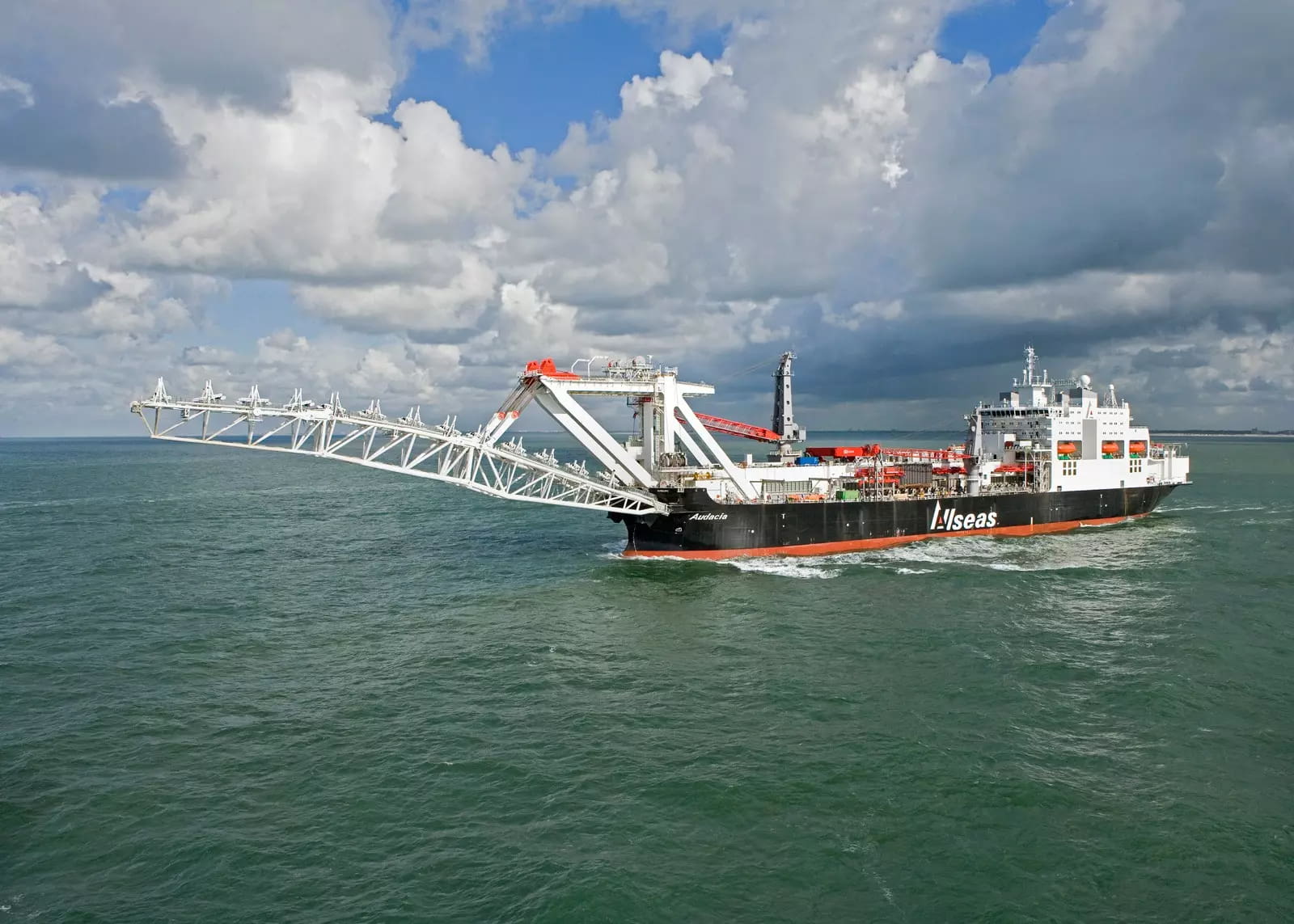
Malampaya’s move from drilling to active subsea pipelay and flowline installation creates immediate demand for pipelay vessels, umbilical installers and commissioning crews in the Philippines region

Key takeaways

  • Malampaya’s move from drilling to active subsea pipelay and flowline installation creates immediate demand for pipelay vessels, umbilical installers and commissioning crews in the Philippines region.
  • Subsea integration work (pressure testing, nitrogen drying, jumper hookups) shortens mobilisation lead times and increases the chance suppliers push for mobilisation fees, shorter bid-validity or explicit pass-through mechanics.
  • DeepOcean’s shore-managed subsea intervention proves the remote model works operationally and offers a trade-off: lower offshore headcount and travel but higher connectivity, ROC maturity and cyber-resilience requirements.[2]
  • Together these developments let buyers trade offshore day-rate exposure for stricter uptime/connectivity obligations or require mobilisation guarantees to keep supplier pricing competitive during APAC campaigns.
  • APAC adoption of shore-managed interventions is still limited outside Europe; verify supplier ROC maturity and cyber testing before changing regional contract models.[2]

What changed since last run

  • Added: Malampaya Phase 4 has advanced into subsea pipelay and flowline installation, moving the program into commissioning/hook-up demand that affects APAC mobilisation planning (article 3).
  • Added: Documented proof of concept for shore-managed subsea intervention (DeepOcean) introduces a new supplier delivery model buyers should evaluate for APAC scopes (article 4).

Key facts

  • Subsea pipelay and flowline installations underway offshore Palawan
  • 30‑metre piles driven at roughly 1,100m water depth
  • Next phase: commissioning and hook-up with flowline pressure testing and jumper installation
  • First shore-managed subsea intervention performed at Idun Nord
  • Operation completed during a 12-hour shore shift versus a potential 14-day offshore superviso
  • Scope included work-class ROV operations, subsea crane tasks and close-proximity vessel posit

Why it matters

Malampaya’s move from drilling to active subsea pipelay and flowline installation creates immediate demand for pipelay vessels, umbilical installers and commissioning crews in the Philippines region. Subsea integration work (pressure testing, nitrogen drying, jumper hookups) shortens mobilisation lead times and increases the chance suppliers push for mobilisation fees, shorter bid-validity or explicit pass-through mechanics. DeepOcean’s shore-managed subsea intervention proves the remote model works operationally and offers a trade-off: lower offshore headcount and travel but higher connectivity, ROC maturity and cyber-resilience requirements. Together these developments let buyers trade offshore day-rate exposure for stricter uptime/connectivity obligations or require mobilisation guarantees to keep supplier pricing competitive during APAC campaigns

Cost / money

  • Commissioning steps increase short-term demand for specialist vessels and crews, creating a higher probability of mobilisation premiums or tighter pass-through clauses in awards.
  • Shifting roles onshore can lower offshore travel and accommodation spend but will add budget lines for secure connectivity, ROC staffing and remote-tool licensing if adopted.[2]

Supplier / commercial

  • Pipelay and heavy‑lift vessel owners can demand firmer mobilisation dates and shorten bid-validity as on-water sequencing becomes critical, improving their pricing posture.
  • Suppliers offering remote-ops may price alternative models (reduced offshore day-rates plus fixed remote-support fees) and seek uptime or connectivity pass-through clauses.[2]
  • Buyers with standard mobilisation SLAs and re-mobilisation mechanics in tenders are better positioned to push back on conditional pricing during negotiation.

Safety / operations

  • Commissioning and hook-up raise critical HSE gates: confirm vendor procedures for close-proximity pipelay, J-lay/FLET operations, subsea jumper hookups and pressure testing before mobilisation.
  • Moving safety-critical oversight onshore requires tested ROC procedures, defined emergency escalation paths and verified redundancy to avoid degraded response times offshore.[2]

What to watch

  • Watch for localised competition for pipelay, umbilical installers and specialist contractors in the Palawan campaign area — asset congestion would tighten windows and raise mobilisation premiums.
  • Watch suppliers proposing reduced offshore headcount while shifting risk onshore: this increases connectivity and cyber dependencies that must be contractually addressed (uptime, SLAs, incident response).[2]

Top stories

Story 1Offshore EnergyMay 6, 2026

First gas on track before 2026 ends with Southeast Asian project’s subsea ops in full swing

Signal strongSource-grounded

What happened

Prime Energy’s Malampaya Phase 4 has moved from drilling into active subsea pipelay and offshore construction, with flowlines and umbilicals being installed to tie new wells into the existing system. The project is progressing to commissioning and hook-up work, making flowline pressure testing, nitrogen drying and subsea jumper hookups immediate operational priorities. Watch whether umbilical installation cadence and commissioning windows tighten vessel and specialist availability in the region

Buyer takeaway

Treat Malampaya’s move into subsea integration as a genuine near-term demand signal for pipelay, umbilical and commissioning services that will compress APAC vessel and specialist availability

Cost / money

Directional upward pressure on mobilisation-related costs is likely as on-water sequencing becomes critical; expect suppliers to clarify mobilisation fees and bid-validity

Supplier / commercial

Vessel and subsea contractors can demand firmer mobilisation dates and limited bid validity; clear pass-through and re-mobilisation mechanics will ease award negotiations

Safety / operations

Commissioning and hook-up increase HSE verification needs—buyers should require vendor procedures for pressure testing, jumper hookups and nitrogen drying before mobilisation

What to watch

Watch whether suppliers start locking mobilisation windows and shortening bid-validity as subsea installation progresses; that behaviour is the trigger for enforcement of mobilisation clauses

Key facts

  • Subsea pipelay and flowline installations underway offshore Palawan
  • 30‑metre piles driven at roughly 1,100m water depth
  • Next phase: commissioning and hook-up with flowline pressure testing and jumper installation

Source excerpts

38 (SC 38), which delivered two confirmed new gas resources to support the Philippines’ energy security
Courtesy of Prime Energy View post tag: Allseas View post tag: Audacia View post tag: Fortitude View post tag: gas View post tag: Malampaya View post tag: Phillipines View post tag: Prime Energy
The next major stage under MP4 is commissioning and hook-up, which will involve flowline pressure testing, nitrogen drying, and the installation of subsea jumpers to connect the Christmas trees on each well to the flowlines and these to the Malampaya main manifold. “MP4 remains on track and on schedule to deliver first gas by the fourth quarter of the year
Story 2Offshore EnergyMay 6, 2026

DeepOcean performs first subsea intervention managed from shore

Signal moderateSource-grounded

What happened

DeepOcean completed a subsea intervention managed from a shore-based remote operating centre, using a work-class ROV and shore supervision for subsea crane operations and vessel positioning. The scope was closed during a single 12‑hour shore shift instead of requiring a full offshore supervisory rotation, showing a practical route to reduce offshore personnel and related trip costs. Watch for suppliers to offer hybrid onshore/offshore models and for buyers to require ROC evidence and connectivity SLAs when those options appear in bids

Buyer takeaway

Remote-managed interventions are operationally viable and may appear as supplier options in APAC bids; buyers should demand ROC proof-of-capability and defined connectivity resilience

Cost / money

Potential reduction in offshore travel and accommodation costs, offset by new costs for ROC staffing, secure connectivity and remote-tool support agreements

Supplier / commercial

Suppliers may propose lower offshore staffing with alternative pricing (lower offshore day-rates and fixed remote-support fees); contracts should clarify responsibility for connectivity and incident response

Safety / operations

Transferring safety-critical oversight onshore requires tested ROC procedures, defined emergency escalation paths and verified redundancy to avoid slower offshore responses

What to watch

Limited APAC evidence so far — treat regional rollout as directional until suppliers provide ROC maturity evidence and cyber/resilience testing results

Key facts

  • First shore-managed subsea intervention performed at Idun Nord
  • Operation completed during a 12-hour shore shift versus a potential 14-day offshore superviso
  • Scope included work-class ROV operations, subsea crane tasks and close-proximity vessel posit

Source excerpts

Home Subsea DeepOcean performs first subsea intervention managed from shore May 6, 2026, by As part of its development of remote subsea capabilities, ocean services provider DeepOcean has performed its first subsea intervention project with offshore management based onshore
“By moving key operational roles onshore, we can reduce offshore personnel requirements, with its inherent cost savings and emissions reductions, while maintaining safe and efficient execution
DeepOcean reported that the scope saw subsea crane operations and close-proximity vessel positioning, which normally would require a shift supervisor and an engineer on board, potentially for a full 14-day offshore trip

VP Snapshot

Executive Risk & Action View

Malampaya’s move from drilling to active subsea pipelay and flowline installation creates immediate demand for pipelay vessels, umbilical installers and commissioning crews in the Philippines region.

Overall
66
Cost
79
Supply
25
Schedule
38
Compliance
15

Top signals

30-180dcost

Signal 1: Cost / money

Commissioning steps increase short-term demand for specialist vessels and crews, creating a higher probability of mobilisation premiums or tighter pass-through clauses in awards.

Signal 2: Cost / money

Shifting roles onshore can lower offshore travel and accommodation spend but will add budget lines for secure connectivity, ROC staffing and remote-tool licensing if adopted.

Signal 4: Supplier / commercial

Suppliers offering remote-ops may price alternative models (reduced offshore day-rates plus fixed remote-support fees) and seek uptime or connectivity pass-through clauses.

30-180dcommercial

Signal 3: Supplier / commercial

Pipelay and heavy‑lift vessel owners can demand firmer mobilisation dates and shorten bid-validity as on-water sequencing becomes critical, improving their pricing posture.

Signal 5: Supplier / commercial

Buyers with standard mobilisation SLAs and re-mobilisation mechanics in tenders are better positioned to push back on conditional pricing during negotiation.

30-180dschedule

Signal 6: Safety / operations

Commissioning and hook-up raise critical HSE gates: confirm vendor procedures for close-proximity pipelay, J-lay/FLET operations, subsea jumper hookups and pressure testing before mobilisation.

Recommended actions

CategoryDue 3d

Run a focused supplier availability check for pipelay vessels, umbilical installers, commissioning crews and ROV-support teams with windows into the Philippines campaign areas.

Updated supplier availability log identifying confirmed mobilisation windows and any pre-booked blackout dates to inform shortlists

ContractsDue 21d

Amend tender SOWs and pre-qualification to require explicit mobilisation SLAs, stated bid-validity, re-mobilisation cost mechanics and basic ROC/connectivity commitments where r...

Tender templates and PQQs that force bidders to declare mobilisation dates, bid-validity and ROC/connectivity commitments to reduce post-award disputes

OpsDue 21d

Issue a capability questionnaire for any supplier proposing shore-managed intervention, requiring ROC architecture, redundancy, cyber controls and emergency escalation evidence.

Pre-award ROC checklist and supplier evidence package added to procurement dossiers to verify remote-ops maturity

ContractsDue 60d

Draft a contract addendum standardising mobilisation fees, minimum bid-validity, re-mobilisation pass-throughs and uptime/connectivity obligations for any award that includes re...

Reusable contract addendum that reduces negotiation cycles and clarifies mobilisation and remote-ops risk allocation

Risk register

RiskTriggerMitigation
Watch for localised competition for pipelay, umbilical installers and specialist contractors in the Palawan campaign area — asset congestion would tighten windows and raise mobilisation premiums.Watch for localised competition for pipelay, umbilical installers and specialist contractors in the Palawan campaign area — asset congestion would tighten windows and raise mobilisation premiums.Confirm exposure with category, contracts, and operations before the next supplier commitment.
Watch suppliers proposing reduced offshore headcount while shifting risk onshore: this increases connectivity and cyber dependencies that must be contractually addressed (uptime, SLAs, incident response).Watch suppliers proposing reduced offshore headcount while shifting risk onshore: this increases connectivity and cyber dependencies that must be contractually addressed (uptime, SLAs, incident response).Confirm exposure with category, contracts, and operations before the next supplier commitment.

CM Snapshot

Category Manager Decision Detail

Today's priorities

Run a focused supplier availability check for pipelay vessels, umbilical installers, commissioning crews and ROV-support teams with windows into the Philippines campaign areas.

because Malampaya has progressed into subsea pipelay and flowline integration and this compresses vessel and specialist availability, so confirmed windows are needed to size mob...

Due 3d

high

CM move

Use this as the immediate supplier or contract action to move before the next sourcing gate.

Amend tender SOWs and pre-qualification to require explicit mobilisation SLAs, stated bid-validity, re-mobilisation cost mechanics and basic ROC/connectivity commitments where r...

because active commissioning work and the emergence of shore-managed options change supplier leverage and introduce uptime/connectivity dependencies that must be contractually c...

Due 21d

high

CM move

Use this as the immediate supplier or contract action to move before the next sourcing gate.

Issue a capability questionnaire for any supplier proposing shore-managed intervention, requiring ROC architecture, redundancy, cyber controls and emergency escalation evidence.

because DeepOcean’s shore-managed intervention shows the model is feasible but APAC rollout is limited, so buyers need supplier proof-of-capability before accepting reduced offs...

Due 21d

high

CM move

Use this as the immediate supplier or contract action to move before the next sourcing gate.

Draft a contract addendum standardising mobilisation fees, minimum bid-validity, re-mobilisation pass-throughs and uptime/connectivity obligations for any award that includes re...

because combined trends (tight APAC commissioning windows and viable shore-managed interventions) change cost exposure and delivery risk and a reusable addendum will speed negot...

Due 60d

high

CM move

Use this as the immediate supplier or contract action to move before the next sourcing gate.

Supplier radar

Offshore Energy

high

Observed supplier signal

Pipelay and heavy‑lift vessel owners can demand firmer mobilisation dates and shorten bid-validity as on-water sequencing becomes critical, improving their pricing posture.

Commercial implication

Pipelay and heavy‑lift vessel owners can demand firmer mobilisation dates and shorten bid-validity as on-water sequencing becomes critical, improving their pricing posture.

Next step: Validate the source-backed signal with incumbents and alternates before the next award or pricing decision.

Offshore Energy

high

Observed supplier signal

Suppliers offering remote-ops may price alternative models (reduced offshore day-rates plus fixed remote-support fees) and seek uptime or connectivity pass-through clauses.

Commercial implication

Suppliers offering remote-ops may price alternative models (reduced offshore day-rates plus fixed remote-support fees) and seek uptime or connectivity pass-through clauses.

Next step: Validate the source-backed signal with incumbents and alternates before the next award or pricing decision.

Offshore Energy

high

Observed supplier signal

Buyers with standard mobilisation SLAs and re-mobilisation mechanics in tenders are better positioned to push back on conditional pricing during negotiation.

Commercial implication

Buyers with standard mobilisation SLAs and re-mobilisation mechanics in tenders are better positioned to push back on conditional pricing during negotiation.

Next step: Validate the source-backed signal with incumbents and alternates before the next award or pricing decision.

Negotiation levers

Run a focused supplier availability check for pipelay vessels, umbilical installers, commissioning crews and ROV-support teams with windows into the Philippines campaign areas.

When to use: because Malampaya has progressed into subsea pipelay and flowline integration and this compresses vessel and specialist availability, so confirmed windows are needed to size mob...

Expected outcome: Updated supplier availability log identifying confirmed mobilisation windows and any pre-booked blackout dates to inform shortlists

Commercial mechanism to carry into the next supplier conversation

Amend tender SOWs and pre-qualification to require explicit mobilisation SLAs, stated bid-validity, re-mobilisation cost mechanics and basic ROC/connectivity commitments where r...

When to use: because active commissioning work and the emergence of shore-managed options change supplier leverage and introduce uptime/connectivity dependencies that must be contractually c...

Expected outcome: Tender templates and PQQs that force bidders to declare mobilisation dates, bid-validity and ROC/connectivity commitments to reduce post-award disputes

Commercial mechanism to carry into the next supplier conversation

Issue a capability questionnaire for any supplier proposing shore-managed intervention, requiring ROC architecture, redundancy, cyber controls and emergency escalation evidence.

When to use: because DeepOcean’s shore-managed intervention shows the model is feasible but APAC rollout is limited, so buyers need supplier proof-of-capability before accepting reduced offs...

Expected outcome: Pre-award ROC checklist and supplier evidence package added to procurement dossiers to verify remote-ops maturity

Commercial mechanism to carry into the next supplier conversation

Draft a contract addendum standardising mobilisation fees, minimum bid-validity, re-mobilisation pass-throughs and uptime/connectivity obligations for any award that includes re...

When to use: because combined trends (tight APAC commissioning windows and viable shore-managed interventions) change cost exposure and delivery risk and a reusable addendum will speed negot...

Expected outcome: Reusable contract addendum that reduces negotiation cycles and clarifies mobilisation and remote-ops risk allocation

Commercial mechanism to carry into the next supplier conversation

Talking points

Malampaya’s move from drilling to active subsea pipelay and flowline installation creates immediate demand for pipelay vessels, umbilical installers and commissioning crews in the Philippines region.
Subsea integration work (pressure testing, nitrogen drying, jumper hookups) shortens mobilisation lead times and increases the chance suppliers push for mobilisation fees, shorter bid-validity or explicit pass-through mechanics.
DeepOcean’s shore-managed subsea intervention proves the remote model works operationally and offers a trade-off: lower offshore headcount and travel but higher connectivity, ROC maturity and cyber-resilience requirements.
Together these developments let buyers trade offshore day-rate exposure for stricter uptime/connectivity obligations or require mobilisation guarantees to keep supplier pricing competitive during APAC campaigns.

Supplier radar

SupplierSignalImplicationNext stepConfidence
Offshore EnergyPipelay and heavy‑lift vessel owners can demand firmer mobilisation dates and shorten bid-validity as on-water sequencing becomes critical, improving their pricing posture.Pipelay and heavy‑lift vessel owners can demand firmer mobilisation dates and shorten bid-validity as on-water sequencing becomes critical, improving their pricing posture.Validate the source-backed signal with incumbents and alternates before the next award or pricing decision.high
Offshore EnergySuppliers offering remote-ops may price alternative models (reduced offshore day-rates plus fixed remote-support fees) and seek uptime or connectivity pass-through clauses.Suppliers offering remote-ops may price alternative models (reduced offshore day-rates plus fixed remote-support fees) and seek uptime or connectivity pass-through clauses.Validate the source-backed signal with incumbents and alternates before the next award or pricing decision.high
Offshore EnergyBuyers with standard mobilisation SLAs and re-mobilisation mechanics in tenders are better positioned to push back on conditional pricing during negotiation.Buyers with standard mobilisation SLAs and re-mobilisation mechanics in tenders are better positioned to push back on conditional pricing during negotiation.Validate the source-backed signal with incumbents and alternates before the next award or pricing decision.high

Negotiation levers

  • Run a focused supplier availability check for pipelay vessels, umbilical installers, commissioning crews and ROV-support teams with windows into the Philippines campaign areas.because Malampaya has progressed into subsea pipelay and flowline integration and this compresses vessel and specialist availability, so confirmed windows are needed to size mob...Updated supplier availability log identifying confirmed mobilisation windows and any pre-booked blackout dates to inform shortlists

    high confidence

  • Amend tender SOWs and pre-qualification to require explicit mobilisation SLAs, stated bid-validity, re-mobilisation cost mechanics and basic ROC/connectivity commitments where r...because active commissioning work and the emergence of shore-managed options change supplier leverage and introduce uptime/connectivity dependencies that must be contractually c...Tender templates and PQQs that force bidders to declare mobilisation dates, bid-validity and ROC/connectivity commitments to reduce post-award disputes

    high confidence

  • Issue a capability questionnaire for any supplier proposing shore-managed intervention, requiring ROC architecture, redundancy, cyber controls and emergency escalation evidence.because DeepOcean’s shore-managed intervention shows the model is feasible but APAC rollout is limited, so buyers need supplier proof-of-capability before accepting reduced offs...Pre-award ROC checklist and supplier evidence package added to procurement dossiers to verify remote-ops maturity

    high confidence

  • Draft a contract addendum standardising mobilisation fees, minimum bid-validity, re-mobilisation pass-throughs and uptime/connectivity obligations for any award that includes re...because combined trends (tight APAC commissioning windows and viable shore-managed interventions) change cost exposure and delivery risk and a reusable addendum will speed negot...Reusable contract addendum that reduces negotiation cycles and clarifies mobilisation and remote-ops risk allocation

    high confidence

What to do / What to watch

What to do now

  • Run a focused supplier availability check for pipelay vessels, umbilical installers, commissioning crews and ROV-support teams with windows into the Philippines campaign areas.

    Why: because Malampaya has progressed into subsea pipelay and flowline integration and this compresses vessel and specialist availability, so confirmed windows are needed to size mob...

    Owner: Category

    Expected outcome: Updated supplier availability log identifying confirmed mobilisation windows and any pre-booked blackout dates to inform shortlists

Next few weeks

  • Amend tender SOWs and pre-qualification to require explicit mobilisation SLAs, stated bid-validity, re-mobilisation cost mechanics and basic ROC/connectivity commitments where r...

    Why: because active commissioning work and the emergence of shore-managed options change supplier leverage and introduce uptime/connectivity dependencies that must be contractually c...

    Owner: Contracts

    Expected outcome: Tender templates and PQQs that force bidders to declare mobilisation dates, bid-validity and ROC/connectivity commitments to reduce post-award disputes

  • Issue a capability questionnaire for any supplier proposing shore-managed intervention, requiring ROC architecture, redundancy, cyber controls and emergency escalation evidence.

    Why: because DeepOcean’s shore-managed intervention shows the model is feasible but APAC rollout is limited, so buyers need supplier proof-of-capability before accepting reduced offs...

    Owner: Ops

    Expected outcome: Pre-award ROC checklist and supplier evidence package added to procurement dossiers to verify remote-ops maturity

    [2]

Longer view

  • Draft a contract addendum standardising mobilisation fees, minimum bid-validity, re-mobilisation pass-throughs and uptime/connectivity obligations for any award that includes re...

    Why: because combined trends (tight APAC commissioning windows and viable shore-managed interventions) change cost exposure and delivery risk and a reusable addendum will speed negot...

    Owner: Contracts

    Expected outcome: Reusable contract addendum that reduces negotiation cycles and clarifies mobilisation and remote-ops risk allocation

What to watch

  • Watch for localised competition for pipelay, umbilical installers and specialist contractors in the Palawan campaign area — asset congestion would tighten windows and raise mobilisation premiums
  • Watch suppliers proposing reduced offshore headcount while shifting risk onshore: this increases connectivity and cyber dependencies that must be contractually addressed (uptime, SLAs, incident response)
  • Watch for localised competition for pipelay, umbilical installers and specialist contractors in the Palawan campaign area — asset congestion would tighten windows and raise mobilisation premiums.: Watch for localised competition for pipelay, umbilical installers and specialist contractors in the Palawan campaign area — asset congestion would tighten windows and raise mobilisation premiums
  • Watch suppliers proposing reduced offshore headcount while shifting risk onshore: this increases connectivity and cyber dependencies that must be contractually addressed (uptime, SLAs, incident response).: Watch suppliers proposing reduced offshore headcount while shifting risk onshore: this increases connectivity and cyber dependencies that must be contractually addressed (uptime, SLAs, incident response)
  • Malampaya’s move from drilling to active subsea pipelay and flowline installation creates immediate demand for pipelay vessels, umbilical installers and commissioning crews in the Philippines region
  • Subsea integration work (pressure testing, nitrogen drying, jumper hookups) shortens mobilisation lead times and increases the chance suppliers push for mobilisation fees, shorter bid-validity or explicit pass-through mechanics
  • DeepOcean’s shore-managed subsea intervention proves the remote model works operationally and offers a trade-off: lower offshore headcount and travel but higher connectivity, ROC maturity and cyber-resilience requirements
  • Together these developments let buyers trade offshore day-rate exposure for stricter uptime/connectivity obligations or require mobilisation guarantees to keep supplier pricing competitive during APAC campaigns

Market pulse

IndexLatestChangeAs of
WTI Crude (WTI)71.23 /bbl+0.00 (+0.00%)May 6, 2026, 10:04 PM
Brent Crude (BRENT)74.89 /bbl+0.00 (+0.00%)May 6, 2026, 10:04 PM
Natural Gas (NG)3.12 /MMBtu+0.00 (+0.00%)May 6, 2026, 10:04 PM
Schlumberger (SLB)48 +0.00 (+0.00%)May 6, 2026, 10:04 PM
Halliburton (HAL)35 +0.00 (+0.00%)May 6, 2026, 10:04 PM
  • Natural Gas: Progress on gas projects (Malampaya) increases demand for subsea completion services and may tighten local contracting posture for gas-related completions
  • Brent Crude: Sustained deepwater project activity supports demand for offshore construction and completions service providers, impacting mobilisation and vessel supply dynamics

Sources

Inline citations jump here. Expand a source to read the excerpt, the AI interpretation, and the original link.

[1] First gas on track before 2026 ends with Southeast Asian project’s subsea ops in full swing

offshore-energy.biz · May 6, 2026

Expand

AI reading

Prime Energy’s Malampaya Phase 4 has moved from drilling into active subsea pipelay and offshore construction, with flowlines and umbilicals being installed to tie new wells into the existing system. The project is progressing to commissioning and hook-up work, making flowline pressure testing, nitrogen drying and subsea jumper hookups immediate operational priorities. Watch whether umbilical installation cadence and commissioning windows tighten vessel and specialist availability in the region

Buyer takeaway

Treat Malampaya’s move into subsea integration as a genuine near-term demand signal for pipelay, umbilical and commissioning services that will compress APAC vessel and specialist availability

Cost / money

Directional upward pressure on mobilisation-related costs is likely as on-water sequencing becomes critical; expect suppliers to clarify mobilisation fees and bid-validity

Supplier / commercial

Vessel and subsea contractors can demand firmer mobilisation dates and limited bid validity; clear pass-through and re-mobilisation mechanics will ease award negotiations

Safety / operations

Commissioning and hook-up increase HSE verification needs—buyers should require vendor procedures for pressure testing, jumper hookups and nitrogen drying before mobilisation

What to watch

Watch whether suppliers start locking mobilisation windows and shortening bid-validity as subsea installation progresses; that behaviour is the trigger for enforcement of mobilisation clauses

Key facts

  • Subsea pipelay and flowline installations underway offshore Palawan
  • 30‑metre piles driven at roughly 1,100m water depth
  • Next phase: commissioning and hook-up with flowline pressure testing and jumper installation

Source excerpts

38 (SC 38), which delivered two confirmed new gas resources to support the Philippines’ energy security
Courtesy of Prime Energy View post tag: Allseas View post tag: Audacia View post tag: Fortitude View post tag: gas View post tag: Malampaya View post tag: Phillipines View post tag: Prime Energy
The next major stage under MP4 is commissioning and hook-up, which will involve flowline pressure testing, nitrogen drying, and the installation of subsea jumpers to connect the Christmas trees on each well to the flowlines and these to the Malampaya main manifold. “MP4 remains on track and on schedule to deliver first gas by the fourth quarter of the year

Used in this brief

  • Next 72 hours — Run a focused supplier availability check for pipelay vessels, umbilical installers, commissioning crews and ROV-support teams with windows into the Philippines campaign areas.. Rationale: because Malampaya has progressed into subsea pipelay and flowline integration and this compresses vessel and specialist availability, so confirmed windows are needed to size mob.... Owner: Category. KPI: Updated supplier availability log identifying confirmed mobilisation windows and any pre-booked blackout dates to inform shortlists
  • Next 2-4 weeks — Amend tender SOWs and pre-qualification to require explicit mobilisation SLAs, stated bid-validity, re-mobilisation cost mechanics and basic ROC/connectivity commitments where r.... Rationale: because active commissioning work and the emergence of shore-managed options change supplier leverage and introduce uptime/connectivity dependencies that must be contractually c.... Owner: Contracts. KPI: Tender templates and PQQs that force bidders to declare mobilisation dates, bid-validity and ROC/connectivity commitments to reduce post-award disputes
  • Next quarter — Draft a contract addendum standardising mobilisation fees, minimum bid-validity, re-mobilisation pass-throughs and uptime/connectivity obligations for any award that includes re.... Rationale: because combined trends (tight APAC commissioning windows and viable shore-managed interventions) change cost exposure and delivery risk and a reusable addendum will speed negot.... Owner: Contracts. KPI: Reusable contract addendum that reduces negotiation cycles and clarifies mobilisation and remote-ops risk allocation
Open original source

[2] DeepOcean performs first subsea intervention managed from shore

offshore-energy.biz · May 6, 2026

Expand

AI reading

DeepOcean completed a subsea intervention managed from a shore-based remote operating centre, using a work-class ROV and shore supervision for subsea crane operations and vessel positioning. The scope was closed during a single 12‑hour shore shift instead of requiring a full offshore supervisory rotation, showing a practical route to reduce offshore personnel and related trip costs. Watch for suppliers to offer hybrid onshore/offshore models and for buyers to require ROC evidence and connectivity SLAs when those options appear in bids

Buyer takeaway

Remote-managed interventions are operationally viable and may appear as supplier options in APAC bids; buyers should demand ROC proof-of-capability and defined connectivity resilience

Cost / money

Potential reduction in offshore travel and accommodation costs, offset by new costs for ROC staffing, secure connectivity and remote-tool support agreements

Supplier / commercial

Suppliers may propose lower offshore staffing with alternative pricing (lower offshore day-rates and fixed remote-support fees); contracts should clarify responsibility for connectivity and incident response

Safety / operations

Transferring safety-critical oversight onshore requires tested ROC procedures, defined emergency escalation paths and verified redundancy to avoid slower offshore responses

What to watch

Limited APAC evidence so far — treat regional rollout as directional until suppliers provide ROC maturity evidence and cyber/resilience testing results

Key facts

  • First shore-managed subsea intervention performed at Idun Nord
  • Operation completed during a 12-hour shore shift versus a potential 14-day offshore superviso
  • Scope included work-class ROV operations, subsea crane tasks and close-proximity vessel posit

Source excerpts

Home Subsea DeepOcean performs first subsea intervention managed from shore May 6, 2026, by As part of its development of remote subsea capabilities, ocean services provider DeepOcean has performed its first subsea intervention project with offshore management based onshore
“By moving key operational roles onshore, we can reduce offshore personnel requirements, with its inherent cost savings and emissions reductions, while maintaining safe and efficient execution
DeepOcean reported that the scope saw subsea crane operations and close-proximity vessel positioning, which normally would require a shift supervisor and an engineer on board, potentially for a full 14-day offshore trip

Used in this brief

  • Malampaya’s move from drilling to active subsea pipelay and flowline installation creates immediate demand for pipelay vessels, umbilical installers and commissioning crews in the Philippines region. Subsea integration work (pressure testing, nitrogen drying, jumper hookups) shortens mobilisation lead times and increases the chance suppliers push for mobilisation fees, shorter bid-validity or explicit pass-through mechanics. DeepOcean’s shore-managed subsea intervention proves the remote model works operationally and offers a trade-off: lower offshore headcount and travel but higher connectivity, ROC maturity and cyber-resilience requirements. Together these developments let buyers trade offshore day-rate exposure for stricter uptime/connectivity obligations or require mobilisation guarantees to keep supplier pricing competitive during APAC campaigns
  • Cost / money: Shifting roles onshore can lower offshore travel and accommodation spend but will add budget lines for secure connectivity, ROC staffing and remote-tool licensing if adopted
  • Safety / operations: Commissioning and hook-up raise critical HSE gates: confirm vendor procedures for close-proximity pipelay, J-lay/FLET operations, subsea jumper hookups and pressure testing before mobilisation
Open original source

[3] Natural Gas

finance.yahoo.com · n.d.

Expand

[4] Brent Crude

finance.yahoo.com · n.d.

Expand