Operations & Maintenance Services · Australia (Perth)

Lock in mobilisation and remote‑ops terms for subsea campaigns

Published May 7, 2026, 6:04 AM AWSTAPACFull category signal
Ask AI
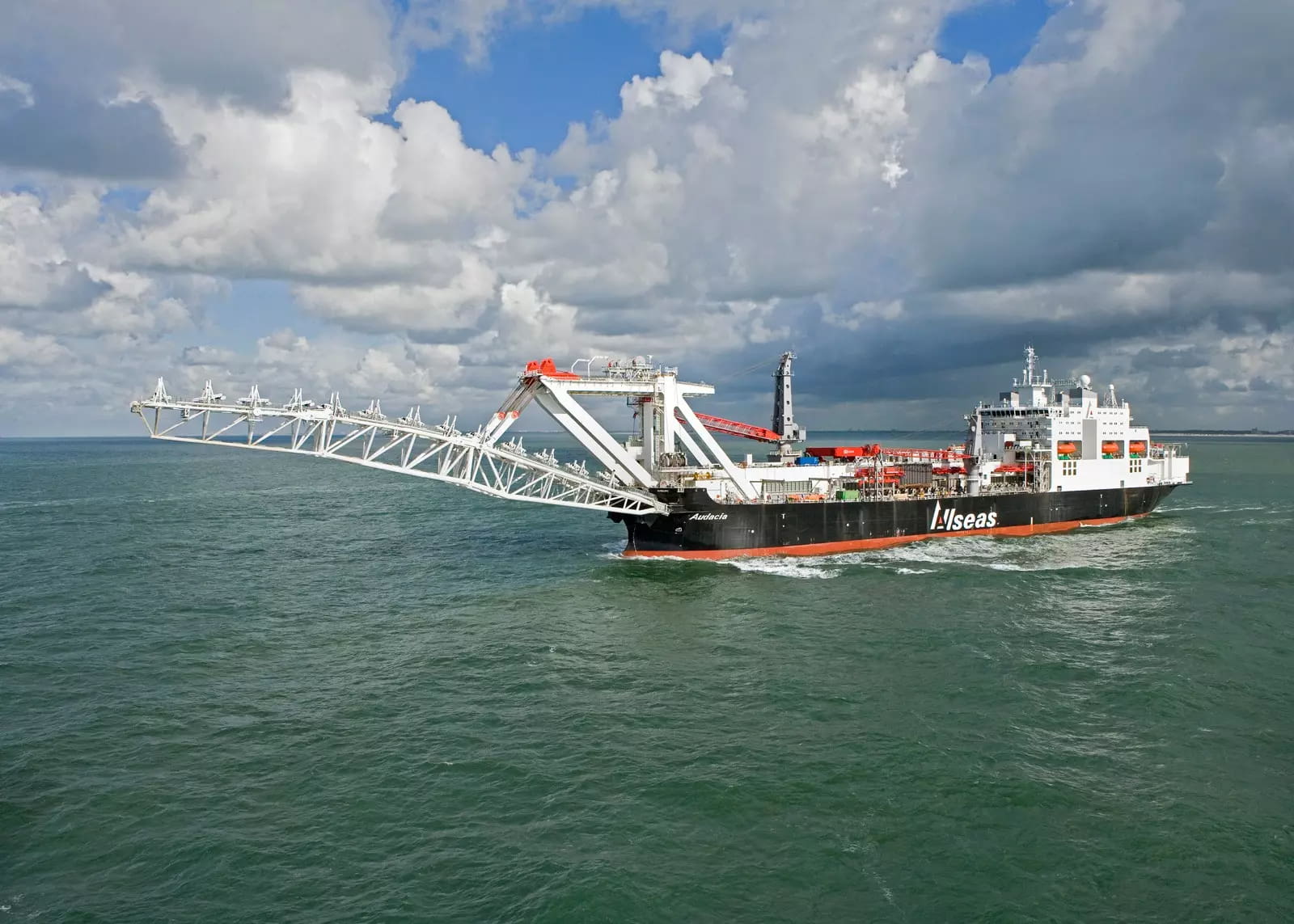
First gas on track before 2026 ends with Southeast Asian project’s subsea ops in full swing

In 60 seconds

Top move

Philippine Malampaya Phase 4 has moved into subsea pipelay and flowline integration, creating a real near‑term need for pipelay, umbilical and commissioning services in the region

Key takeaways

  • Philippine Malampaya Phase 4 has moved into subsea pipelay and flowline integration, creating a real near‑term need for pipelay, umbilical and commissioning services in the region.[1]
  • DeepOcean completed a subsea intervention managed from shore, proving onshore remote operating centres (ROCs) can replace some offshore supervisory roles and shift cost and connectivity requirements onshore.[4]
  • Rig and fleet market moves — notably the Transocean‑Valaris combination under antitrust review and recent newbuild vessel deliveries — change supplier leverage and availability dynamics that affect mobilisation windows and quote validity.[3]
  • For commissioning and hook‑up phases (pressure testing, nitrogen drying, subsea jumper installation) buyers should expect constrained windows for specialised vendors and should validate spares and test equipment logistics early.[1]
  • The onshore‑managed intervention is an operational precedent but regional adoption is not yet widespread; treat remote‑ops as a capability to verify before embedding into long‑term contracts.[4]

What changed since last run

  • Added Malampaya Phase 4 subsea pipelay and FLET installation as a new APAC execution milestone to track (not present in prior brief).
  • Added DeepOcean’s shore‑managed subsea intervention as an operational precedent to validate ROC requirements and contract scope changes.
  • Noted Transocean‑Valaris DOJ second request update as an incremental market availability signal beyond previous backlog observations.

Key facts

  • Subsea flowlines and umbilicals installation in progress offshore Palawan
  • 30‑meter piles driven at approximately 1,100 meters water depth
  • Next stage: commissioning and hook‑up including flowline pressure testing and nitrogen drying
  • Operator indicates first gas expected by the fourth quarter
  • First subsea intervention managed from shore at Aker BP’s Idun Nord field
  • Operation completed during a 12‑hour shift instead of a full offshore trip

Why it matters

Philippine Malampaya Phase 4 has moved into subsea pipelay and flowline integration, creating a real near‑term need for pipelay, umbilical and commissioning services in the region. DeepOcean completed a subsea intervention managed from shore, proving onshore remote operating centres (ROCs) can replace some offshore supervisory roles and shift cost and connectivity requirements onshore. Rig and fleet market moves — notably the Transocean‑Valaris combination under antitrust review and recent newbuild vessel deliveries — change supplier leverage and availability dynamics that affect mobilisation windows and quote validity. For commissioning and hook‑up phases (pressure testing, nitrogen drying, subsea jumper installation) buyers should expect constrained windows for specialised vendors and should validate spares and test equipment logistics early

Cost / money

  • Subsea pipelay and hook‑up demand in the Malampaya integration phase will push mobilisation pressure onto heavy‑lift and pipelay suppliers, reducing buyer room to negotiate mobilisation timing and premiums.[1]
  • Remote‑managed interventions can lower offshore accommodation and rotation costs but create new capital and recurring costs for onshore ROC infrastructure, secure connectivity and remote‑control SLAs.[4]
  • The Transocean‑Valaris combination under US antitrust scrutiny increases the risk that rig owners protect booked schedules with shortened quote validity and mobilisation deposits, shifting short‑term cost exposure to buyers.[3]

Supplier / commercial

  • Pipelay, umbilical and flowline contractors will likely shorten quote validity and prioritise projects with confirmed timelines during the subsea integration and commissioning window.[1]
  • New cable‑lay and construction vessels entering service increase global capacity on paper, but owners may allocate those assets by region or higher‑margin markets first, limiting immediate APAC availability.[2]
  • Providers offering remote‑ops packages can upsell integrated onshore supervision and monitoring services; consider contracting options that trade lower offshore dayrates for defined ROC performance guarantees.[4]

Safety / operations

  • Commissioning and hook‑up stages amplify simultaneous operations (SIMOPS) risk: require sequencing, flowline pressure testing procedures and nitrogen drying in the HSE scope to avoid schedule and safety slips.[1][4]
  • Shifting supervisory roles onshore adds connectivity and cyber dependencies; validate redundancy, secure remote‑control failovers and emergency escalation paths in supplier scopes to preserve safe execution.[4]

What to watch

  • Watch for shortened RFx validity, conditional holds and mobilisation deposit requests from rig owners while the Transocean‑Valaris deal remains under review; this behaviour is plausible as owners protect queues.[3]
  • Watch whether new vessel deliveries are deployed to European or nearby markets first — local APAC benefit may lag and not immediately relieve mobilisation pressure for pipelay or repair work.[2]

Top stories

Story 1Offshore EnergyMay 6, 2026

First gas on track before 2026 ends with Southeast Asian project’s subsea ops in full swing

Signal strongSource-grounded

What happened

Prime Energy’s Malampaya Phase 4 has moved into subsea pipelay and offshore construction with flowlines and umbilicals being installed and a FLET placed on the seabed. The operator says commissioning and hook‑up (pressure testing, nitrogen drying and subsea jumper installation) are next and remain on track toward first gas by the fourth quarter. Operationally this creates near‑term demand for pipelay, heavy‑lift and commissioning services—buyers should validate spares, pressure‑test equipment and contractor windows now

Buyer takeaway

Treat the subsea installation and immediate commissioning window as fixed demand: suppliers will prioritise confirmed schedules, so early availability checks and spares staging reduce mobilisation risk

Cost / money

Expect mobilisation pressure on pipelay and heavy‑lift dayrates and reduced negotiation room on short notice as integration work approaches

Supplier / commercial

Frame agreements should include fixed quote validity, explicit mobilisation pass‑throughs and spares obligations to avoid hold‑logic from contractors

Safety / operations

Commissioning and hook‑up raise SIMOPS and pressure‑test hazards; require sequencing plans, HSE interfaces and contractor competency evidence in scope

What to watch

Watch whether owners start requiring mobilisation deposits or conditional holds as pipelay schedules firm up; validate contractor timelines against your award plan

Key facts

  • Subsea flowlines and umbilicals installation in progress offshore Palawan
  • 30‑meter piles driven at approximately 1,100 meters water depth
  • Next stage: commissioning and hook‑up including flowline pressure testing and nitrogen drying
  • Operator indicates first gas expected by the fourth quarter

Source excerpts

The next major stage under MP4 is commissioning and hook-up, which will involve flowline pressure testing, nitrogen drying, and the installation of subsea jumpers to connect the Christmas trees on each well to the flowlines and these to the Malampaya main manifold
From installation to seabed placement: A J-lay flowline end terminal (FLET) is carefully lowered from the Audacia pipelay vessel and precisely installed on the seabed at a depth of 690 meters. The FLET serves as a critical connection point between subsea flowlines and production infrastructure, marking a key milestone in the integration of the Malampaya Phase 4 subsea system and enabling the safe and efficient transport of natural gas
The next major stage under MP4 is commissioning and hook-up, which will involve flowline pressure testing, nitrogen drying, and the installation of subsea jumpers to connect the Christmas trees on each well to the flowlines and these to the Malampaya main manifold. “MP4 remains on track and on schedule to deliver first gas by the fourth quarter of the year
Story 2Offshore EnergyMay 6, 2026

DeepOcean performs first subsea intervention managed from shore

Signal strongSource-grounded

What happened

DeepOcean completed a subsea intervention managed from shore at Aker BP’s Idun Nord field, using a work‑class ROV and offsite supervision from a remote operating centre. The scope included subsea crane operations and close‑proximity vessel positioning normally requiring multi‑week offshore supervisory teams, demonstrating a model that reduces offshore headcount and enables shorter offshore trips. Buyers should verify ROC providers’ connectivity redundancies and contractually define remote‑ops SLAs before relying on this approach

Buyer takeaway

Validate ROC providers as a distinct capability in tendering—onshore supervision lowers offshore costs only if connectivity and failover are contractually guaranteed

Cost / money

Potential to reduce offshore accommodation and rotation costs but expect upfront ROC integration and secure connectivity expenses

Supplier / commercial

Contractors offering remote supervision may propose blended pricing models; use uptime‑linked SLAs to align incentives

Safety / operations

Remote operations introduce cyber and control‑link failure modes; include failover, emergency mobilisation and clear escalate‑to‑offshore rules in scopes

What to watch

Regional uptake is still emerging—do not assume all incumbent suppliers can deliver ROC‑grade services without trialling them

Key facts

  • First subsea intervention managed from shore at Aker BP’s Idun Nord field
  • Operation completed during a 12‑hour shift instead of a full offshore trip
  • Included work‑class ROV operations and subsea crane positioning managed remotely

Source excerpts

Home Subsea DeepOcean performs first subsea intervention managed from shore May 6, 2026, by As part of its development of remote subsea capabilities, ocean services provider DeepOcean has performed its first subsea intervention project with offshore management based onshore
Home Subsea DeepOcean performs first subsea intervention managed from shore May 6, 2026, by As part of its development of remote subsea capabilities, ocean services provider DeepOcean has performed its first subsea intervention project with offshore management based onshore. Source: DeepOcean The operation was performed at Aker BP’s Idun Nord field in the Norwegian Sea and included a work-class remotely operated vehicle (ROV) managed by offshore leadership from an onshore remote operating centre (ROC) in Haugesu
Source: DeepOcean The operation was performed at Aker BP’s Idun Nord field in the Norwegian Sea and included a work-class remotely operated vehicle (ROV) managed by offshore leadership from an onshore remote operating centre (ROC) in Haugesund, with a second ROV operated from a vessel in the field. DeepOcean reported that the scope saw subsea crane operations and close-proximity vessel positioning, which normally would require a shift supervisor and an engineer on board, potentially for a full 14-day offshore t
Story 3Offshore EnergyMay 6, 2026

Transocean’s $5.8 billion merger with Valaris pending US antitrust clearance

Signal moderateSource-grounded

What happened

Transocean’s proposed combination with Valaris is facing extended US antitrust review, with the DOJ issuing a second request that extends the HSR waiting period. The deal would combine large offshore fleets and, while unresolved, creates market uncertainty that can prompt rig owners to protect schedules and shorten bid validity. Buyers should assume sellers may tighten mobilisation mechanics and consider contractual language that limits ad‑hoc supplier leverage while the transaction is unresolved

Buyer takeaway

Expect owners to protect booked windows during consolidation; lock mobilisation and validity terms early to avoid last‑minute premium requests

Cost / money

Potential upward pressure on mobilisation premiums and shorter commercial windows as owners prioritise existing programmes

Supplier / commercial

Suppliers may insert conditional holds, shortened validity and mobilisation deposits; RFx templates should standardise these fields

Safety / operations

Longer campaigns tied to fleet reallocation can compress maintenance calendars—confirm class surveys and planned downtime before award

What to watch

This is an active antitrust review; supplier behaviours may change rapidly as the review progresses

Key facts

  • Definitive agreement filed; US DOJ issued a second request for information
  • Combination would create a diversified offshore fleet and extend HSR waiting period

Source excerpts

8 billion merger with Valaris pending US antitrust clearance May 6, 2026, by Switzerland-based offshore drilling contractor Transocean’s business combination with the Bermuda-incorporated Valaris is facing extended antitrust scrutiny, as the offshore drilling giants’ merger request is under review with the Federal Trade Commission and the Antitrust Division of the United States Department of Justice (DOJ). Deepwater Atlas drillship (for illustration purposes); Source: Transocean The two rig owners signed a defi
Deepwater Atlas drillship (for illustration purposes); Source: Transocean The two rig owners signed a definitive agreement in February 2026 to allow Transocean to acquire Valaris in an all-stock transaction valued at approximately $5
Upon completion, the Swiss player will hold 53% of the shareholding on a fully diluted basis, and the Bermuda-based rig owner the remaining 47%
Story 4Offshore EnergyMay 6, 2026

Turkish shipyard delivers 100-meter cable lay vessel to Norway

Signal moderateDirectional

What happened

A Turkish shipyard delivered a 100‑metre cable‑lay and light construction vessel to a Norwegian owner; the vessel is dual‑fuel with an optimized battery package and designed for cable install, repair and light construction. While this adds global capacity for cable and light construction work, owners commonly allocate newbuilds by region and contract margins, so APAC availability may not improve immediately. Buyers should track newbuild deployment and avoid assuming immediate local capacity relief

Buyer takeaway

Track newbuild delivery versus deployment plans—capacity on paper becomes available to buyers only when owners choose region and contract types

Cost / money

Newbuilds can ease dayrate pressure over time but owners may prioritise higher‑margin markets, so near‑term cost relief is not guaranteed

Supplier / commercial

Owners of recent newbuilds can demand premium terms during early commercialisation; use framework clauses to secure priority or defined mobilisation windows

Safety / operations

Modern vessel designs lower emissions and may improve operability, but crew competency and class certifications still need verification

What to watch

APAC benefit from European deliveries may lag; verify geographic deployment schedules before assuming capacity relief

Key facts

  • 100‑metre cable‑lay and light construction vessel delivered to Norway
  • Dual‑fuel diesel/methanol electric design with optimized battery package and 2,800‑ton cable
  • Equipped with a 70‑ton 3D AHC crane and SPS accommodation for 100 people

Source excerpts

The vessel is a versatile work platform, capable of operating in other segments of the offshore industry when not installing cable, prepared for typical offshore wind services as well as light construction work and cable repair
Home Subsea Turkish shipyard delivers 100-meter cable lay vessel to Norway May 6, 2026, by Norwegian Agalas has taken delivery of a cable laying support (CLSV) and light construction vessel built in Türkiye that will operate with compatriot offshore contractor Cecon Contracting
The 100-meter-long vessel has a cable cargo hold capacity of 2,800 tons, an open deck of 1,020 m2, a 70-ton 3D AHC crane, and SPS accommodation for 100 persons

VP Snapshot

Executive Risk & Action View

Philippine Malampaya Phase 4 has moved into subsea pipelay and flowline integration, creating a real near‑term need for pipelay, umbilical and commissioning services in the region.

Overall
58
Cost
97
Supply
25
Schedule
56
Compliance
15

Top signals

30-180dcost

Signal 1: Cost / money

Subsea pipelay and hook‑up demand in the Malampaya integration phase will push mobilisation pressure onto heavy‑lift and pipelay suppliers, reducing buyer room to negotiate mobilisation timing and premiums.

Signal 2: Cost / money

Remote‑managed interventions can lower offshore accommodation and rotation costs but create new capital and recurring costs for onshore ROC infrastructure, secure connectivity and remote‑control SLAs.

Signal 3: Cost / money

The Transocean‑Valaris combination under US antitrust scrutiny increases the risk that rig owners protect booked schedules with shortened quote validity and mobilisation deposits, shifting short‑term cost exposure to buyers.

30-180dschedule

Signal 4: Supplier / commercial

Pipelay, umbilical and flowline contractors will likely shorten quote validity and prioritise projects with confirmed timelines during the subsea integration and commissioning window.

0-30dcost

Signal 5: Supplier / commercial

New cable‑lay and construction vessels entering service increase global capacity on paper, but owners may allocate those assets by region or higher‑margin markets first, limiting immediate APAC availability.

30-180dcommercial

Signal 6: Supplier / commercial

Providers offering remote‑ops packages can upsell integrated onshore supervision and monitoring services; consider contracting options that trade lower offshore dayrates for defined ROC performance guarantees.

Recommended actions

CategoryDue 3d

Update the regional mobilisation and capability register to flag pipelay, umbilical, heavy‑lift and ROC‑capable providers with current commitments and nearest‑term availability.

Supplier register reflects current commitment status and ROC capability to inform shortlist and award timing.

CategoryDue 21d

Issue a targeted RFI to APAC subsea contractors and ROC providers requesting standardised mobilisation quotes, explicit quote‑validity fields, and connectivity/SLAs for remote s...

Comparable mobilisation and ROC responses that allow apples‑to‑apples commercial evaluation during shortlist and award.

ContractsDue 21d

Work with Contracts to draft an RFx annex that standardises mobilisation windows, conditional‑hold mechanics, and defines remote‑ops responsibilities and connectivity SLAs.

Annex ready for inclusion in upcoming solicitations to reduce ambiguity on mobilisation and ROC obligations.

OpsDue 60d

Run a mobilisation and ROC failover exercise with shortlisted vessel, pipelay and remote‑ops providers to test logistics, spares staging, bandwidth failover and emergency escala...

Exercise report with identified gaps and mitigation actions to reduce SIMOPS and connectivity risks at mobilisation.

ContractsDue 60d

Negotiate a framework annex for heavy‑lift, pipelay and subsea services that fixes quote‑validity, mobilisation pass‑throughs and conditional‑hold rules for scheduled campaigns.

Framework annex template to protect buyers from ad‑hoc mobilisation surcharges and shortened validity tactics.

Risk register

RiskTriggerMitigation
Watch for shortened RFx validity, conditional holds and mobilisation deposit requests from rig owners while the Transocean‑Valaris deal remains under review; this behaviour is plausible as owners protect queues.Watch for shortened RFx validity, conditional holds and mobilisation deposit requests from rig owners while the Transocean‑Valaris deal remains under review; this behaviour is plausible as owners protect queues.Confirm exposure with category, contracts, and operations before the next supplier commitment.
Watch whether new vessel deliveries are deployed to European or nearby markets first — local APAC benefit may lag and not immediately relieve mobilisation pressure for pipelay or repair work.Watch whether new vessel deliveries are deployed to European or nearby markets first — local APAC benefit may lag and not immediately relieve mobilisation pressure for pipelay or repair work.Confirm exposure with category, contracts, and operations before the next supplier commitment.

CM Snapshot

Category Manager Decision Detail

Today's priorities

Update the regional mobilisation and capability register to flag pipelay, umbilical, heavy‑lift and ROC‑capable providers with current commitments and nearest‑term availability.

because Malampaya’s subsea flowline and commissioning work creates near‑term demand that tightens supplier windows and because the DeepOcean precedent requires identifying ROC p...

Due 3d

high

CM move

Use this as the immediate supplier or contract action to move before the next sourcing gate.

Issue a targeted RFI to APAC subsea contractors and ROC providers requesting standardised mobilisation quotes, explicit quote‑validity fields, and connectivity/SLAs for remote s...

because comparable mobilisation, validity and ROC capability responses are needed to compare supplier pass‑through risk during Malampaya commissioning and when remote supervisio...

Due 21d

high

CM move

Use this as the immediate supplier or contract action to move before the next sourcing gate.

Work with Contracts to draft an RFx annex that standardises mobilisation windows, conditional‑hold mechanics, and defines remote‑ops responsibilities and connectivity SLAs.

because the Transocean‑Valaris market move and tighter subsea schedules make mobilisation clauses and remote‑ops responsibilities material to cost and execution risk.

Due 21d

high

CM move

Use this as the immediate supplier or contract action to move before the next sourcing gate.

Run a mobilisation and ROC failover exercise with shortlisted vessel, pipelay and remote‑ops providers to test logistics, spares staging, bandwidth failover and emergency escala...

because Malampaya’s hook‑up and flowline pressure testing stages are high‑risk execution windows and because onshore supervision adds new cyber/connectivity failure modes to val...

Due 60d

high

CM move

Use this as the immediate supplier or contract action to move before the next sourcing gate.

Supplier radar

Offshore Energy

high

Observed supplier signal

Pipelay, umbilical and flowline contractors will likely shorten quote validity and prioritise projects with confirmed timelines during the subsea integration and commissioning window.

Commercial implication

Pipelay, umbilical and flowline contractors will likely shorten quote validity and prioritise projects with confirmed timelines during the subsea integration and commissioning window.

Next step: Validate the source-backed signal with incumbents and alternates before the next award or pricing decision.

Offshore Energy

high

Observed supplier signal

New cable‑lay and construction vessels entering service increase global capacity on paper, but owners may allocate those assets by region or higher‑margin markets first, limiting immediate APAC availability.

Commercial implication

New cable‑lay and construction vessels entering service increase global capacity on paper, but owners may allocate those assets by region or higher‑margin markets first, limiting immediate APAC availability.

Next step: Validate the source-backed signal with incumbents and alternates before the next award or pricing decision.

Offshore Energy

high

Observed supplier signal

Providers offering remote‑ops packages can upsell integrated onshore supervision and monitoring services; consider contracting options that trade lower offshore dayrates for defined ROC performance guarantees.

Commercial implication

Providers offering remote‑ops packages can upsell integrated onshore supervision and monitoring services; consider contracting options that trade lower offshore dayrates for defined ROC performance guarantees.

Next step: Validate the source-backed signal with incumbents and alternates before the next award or pricing decision.

Negotiation levers

Update the regional mobilisation and capability register to flag pipelay, umbilical, heavy‑lift and ROC‑capable providers with current commitments and nearest‑term availability.

When to use: because Malampaya’s subsea flowline and commissioning work creates near‑term demand that tightens supplier windows and because the DeepOcean precedent requires identifying ROC p...

Expected outcome: Supplier register reflects current commitment status and ROC capability to inform shortlist and award timing.

Commercial mechanism to carry into the next supplier conversation

Issue a targeted RFI to APAC subsea contractors and ROC providers requesting standardised mobilisation quotes, explicit quote‑validity fields, and connectivity/SLAs for remote s...

When to use: because comparable mobilisation, validity and ROC capability responses are needed to compare supplier pass‑through risk during Malampaya commissioning and when remote supervisio...

Expected outcome: Comparable mobilisation and ROC responses that allow apples‑to‑apples commercial evaluation during shortlist and award.

Commercial mechanism to carry into the next supplier conversation

Work with Contracts to draft an RFx annex that standardises mobilisation windows, conditional‑hold mechanics, and defines remote‑ops responsibilities and connectivity SLAs.

When to use: because the Transocean‑Valaris market move and tighter subsea schedules make mobilisation clauses and remote‑ops responsibilities material to cost and execution risk.

Expected outcome: Annex ready for inclusion in upcoming solicitations to reduce ambiguity on mobilisation and ROC obligations.

Commercial mechanism to carry into the next supplier conversation

Run a mobilisation and ROC failover exercise with shortlisted vessel, pipelay and remote‑ops providers to test logistics, spares staging, bandwidth failover and emergency escala...

When to use: because Malampaya’s hook‑up and flowline pressure testing stages are high‑risk execution windows and because onshore supervision adds new cyber/connectivity failure modes to val...

Expected outcome: Exercise report with identified gaps and mitigation actions to reduce SIMOPS and connectivity risks at mobilisation.

Commercial mechanism to carry into the next supplier conversation

Talking points

Philippine Malampaya Phase 4 has moved into subsea pipelay and flowline integration, creating a real near‑term need for pipelay, umbilical and commissioning services in the region.
DeepOcean completed a subsea intervention managed from shore, proving onshore remote operating centres (ROCs) can replace some offshore supervisory roles and shift cost and connectivity requirements onshore.
Rig and fleet market moves — notably the Transocean‑Valaris combination under antitrust review and recent newbuild vessel deliveries — change supplier leverage and availability dynamics that affect mobilisation windows and quote validity.
For commissioning and hook‑up phases (pressure testing, nitrogen drying, subsea jumper installation) buyers should expect constrained windows for specialised vendors and should validate spares and test equipment logistics early.

Supplier radar

SupplierSignalImplicationNext stepConfidence
Offshore EnergyPipelay, umbilical and flowline contractors will likely shorten quote validity and prioritise projects with confirmed timelines during the subsea integration and commissioning window.Pipelay, umbilical and flowline contractors will likely shorten quote validity and prioritise projects with confirmed timelines during the subsea integration and commissioning window.Validate the source-backed signal with incumbents and alternates before the next award or pricing decision.high
Offshore EnergyNew cable‑lay and construction vessels entering service increase global capacity on paper, but owners may allocate those assets by region or higher‑margin markets first, limiting immediate APAC availability.New cable‑lay and construction vessels entering service increase global capacity on paper, but owners may allocate those assets by region or higher‑margin markets first, limiting immediate APAC availability.Validate the source-backed signal with incumbents and alternates before the next award or pricing decision.high
Offshore EnergyProviders offering remote‑ops packages can upsell integrated onshore supervision and monitoring services; consider contracting options that trade lower offshore dayrates for defined ROC performance guarantees.Providers offering remote‑ops packages can upsell integrated onshore supervision and monitoring services; consider contracting options that trade lower offshore dayrates for defined ROC performance guarantees.Validate the source-backed signal with incumbents and alternates before the next award or pricing decision.high

Negotiation levers

  • Update the regional mobilisation and capability register to flag pipelay, umbilical, heavy‑lift and ROC‑capable providers with current commitments and nearest‑term availability.because Malampaya’s subsea flowline and commissioning work creates near‑term demand that tightens supplier windows and because the DeepOcean precedent requires identifying ROC p...Supplier register reflects current commitment status and ROC capability to inform shortlist and award timing.

    high confidence

  • Issue a targeted RFI to APAC subsea contractors and ROC providers requesting standardised mobilisation quotes, explicit quote‑validity fields, and connectivity/SLAs for remote s...because comparable mobilisation, validity and ROC capability responses are needed to compare supplier pass‑through risk during Malampaya commissioning and when remote supervisio...Comparable mobilisation and ROC responses that allow apples‑to‑apples commercial evaluation during shortlist and award.

    high confidence

  • Work with Contracts to draft an RFx annex that standardises mobilisation windows, conditional‑hold mechanics, and defines remote‑ops responsibilities and connectivity SLAs.because the Transocean‑Valaris market move and tighter subsea schedules make mobilisation clauses and remote‑ops responsibilities material to cost and execution risk.Annex ready for inclusion in upcoming solicitations to reduce ambiguity on mobilisation and ROC obligations.

    high confidence

  • Run a mobilisation and ROC failover exercise with shortlisted vessel, pipelay and remote‑ops providers to test logistics, spares staging, bandwidth failover and emergency escala...because Malampaya’s hook‑up and flowline pressure testing stages are high‑risk execution windows and because onshore supervision adds new cyber/connectivity failure modes to val...Exercise report with identified gaps and mitigation actions to reduce SIMOPS and connectivity risks at mobilisation.

    high confidence

What to do / What to watch

What to do now

  • Update the regional mobilisation and capability register to flag pipelay, umbilical, heavy‑lift and ROC‑capable providers with current commitments and nearest‑term availability.

    Why: because Malampaya’s subsea flowline and commissioning work creates near‑term demand that tightens supplier windows and because the DeepOcean precedent requires identifying ROC p...

    Owner: Category

    Expected outcome: Supplier register reflects current commitment status and ROC capability to inform shortlist and award timing.

    [1][4]

Next few weeks

  • Issue a targeted RFI to APAC subsea contractors and ROC providers requesting standardised mobilisation quotes, explicit quote‑validity fields, and connectivity/SLAs for remote s...

    Why: because comparable mobilisation, validity and ROC capability responses are needed to compare supplier pass‑through risk during Malampaya commissioning and when remote supervisio...

    Owner: Category

    Expected outcome: Comparable mobilisation and ROC responses that allow apples‑to‑apples commercial evaluation during shortlist and award.

    [1][4]
  • Work with Contracts to draft an RFx annex that standardises mobilisation windows, conditional‑hold mechanics, and defines remote‑ops responsibilities and connectivity SLAs.

    Why: because the Transocean‑Valaris market move and tighter subsea schedules make mobilisation clauses and remote‑ops responsibilities material to cost and execution risk.

    Owner: Contracts

    Expected outcome: Annex ready for inclusion in upcoming solicitations to reduce ambiguity on mobilisation and ROC obligations.

    [3][1]

Longer view

  • Run a mobilisation and ROC failover exercise with shortlisted vessel, pipelay and remote‑ops providers to test logistics, spares staging, bandwidth failover and emergency escala...

    Why: because Malampaya’s hook‑up and flowline pressure testing stages are high‑risk execution windows and because onshore supervision adds new cyber/connectivity failure modes to val...

    Owner: Ops

    Expected outcome: Exercise report with identified gaps and mitigation actions to reduce SIMOPS and connectivity risks at mobilisation.

    [1][4]
  • Negotiate a framework annex for heavy‑lift, pipelay and subsea services that fixes quote‑validity, mobilisation pass‑throughs and conditional‑hold rules for scheduled campaigns.

    Why: because fleet consolidation and selective newbuild deployment can shorten supplier quote windows and increase mobilisation pass‑through exposure at award‑to‑mobilisation.

    Owner: Contracts

    Expected outcome: Framework annex template to protect buyers from ad‑hoc mobilisation surcharges and shortened validity tactics.

    [3][2]

What to watch

  • Watch for shortened RFx validity, conditional holds and mobilisation deposit requests from rig owners while the Transocean‑Valaris deal remains under review; this behaviour is plausible as owners protect queues
  • Watch whether new vessel deliveries are deployed to European or nearby markets first — local APAC benefit may lag and not immediately relieve mobilisation pressure for pipelay or repair work
  • Watch for shortened RFx validity, conditional holds and mobilisation deposit requests from rig owners while the Transocean‑Valaris deal remains under review; this behaviour is plausible as owners protect queues.: Watch for shortened RFx validity, conditional holds and mobilisation deposit requests from rig owners while the Transocean‑Valaris deal remains under review; this behaviour is plausible as owners protect queues
  • Watch whether new vessel deliveries are deployed to European or nearby markets first — local APAC benefit may lag and not immediately relieve mobilisation pressure for pipelay or repair work.: Watch whether new vessel deliveries are deployed to European or nearby markets first — local APAC benefit may lag and not immediately relieve mobilisation pressure for pipelay or repair work
  • Philippine Malampaya Phase 4 has moved into subsea pipelay and flowline integration, creating a real near‑term need for pipelay, umbilical and commissioning services in the region
  • DeepOcean completed a subsea intervention managed from shore, proving onshore remote operating centres (ROCs) can replace some offshore supervisory roles and shift cost and connectivity requirements onshore
  • Rig and fleet market moves — notably the Transocean‑Valaris combination under antitrust review and recent newbuild vessel deliveries — change supplier leverage and availability dynamics that affect mobilisation windows and quote validity
  • For commissioning and hook‑up phases (pressure testing, nitrogen drying, subsea jumper installation) buyers should expect constrained windows for specialised vendors and should validate spares and test equipment logistics early

Market pulse

IndexLatestChangeAs of
WTI Crude (WTI)71.23 /bbl+0.00 (+0.00%)May 6, 2026, 10:07 PM
Brent Crude (BRENT)74.89 /bbl+0.00 (+0.00%)May 6, 2026, 10:07 PM
Natural Gas (NG)3.12 /MMBtu+0.00 (+0.00%)May 6, 2026, 10:07 PM
Johnson Controls (JCI)65 +0.00 (+0.00%)May 6, 2026, 10:07 PM
  • Brent Crude: Higher Brent supports stronger offshore campaign economics, which can tighten supplier schedules and mobilisation premiums relevant to subsea work
  • WTI Crude: WTI movements affect operator campaign decisions and dayrate appetite, indirectly influencing availability and mobilisation timing for APAC suppliers

Sources

Inline citations jump here. Expand a source to read the excerpt, the AI interpretation, and the original link.

[1] First gas on track before 2026 ends with Southeast Asian project’s subsea ops in full swing

offshore-energy.biz · May 6, 2026

Expand

AI reading

Prime Energy’s Malampaya Phase 4 has moved into subsea pipelay and offshore construction with flowlines and umbilicals being installed and a FLET placed on the seabed. The operator says commissioning and hook‑up (pressure testing, nitrogen drying and subsea jumper installation) are next and remain on track toward first gas by the fourth quarter. Operationally this creates near‑term demand for pipelay, heavy‑lift and commissioning services—buyers should validate spares, pressure‑test equipment and contractor windows now

Buyer takeaway

Treat the subsea installation and immediate commissioning window as fixed demand: suppliers will prioritise confirmed schedules, so early availability checks and spares staging reduce mobilisation risk

Cost / money

Expect mobilisation pressure on pipelay and heavy‑lift dayrates and reduced negotiation room on short notice as integration work approaches

Supplier / commercial

Frame agreements should include fixed quote validity, explicit mobilisation pass‑throughs and spares obligations to avoid hold‑logic from contractors

Safety / operations

Commissioning and hook‑up raise SIMOPS and pressure‑test hazards; require sequencing plans, HSE interfaces and contractor competency evidence in scope

What to watch

Watch whether owners start requiring mobilisation deposits or conditional holds as pipelay schedules firm up; validate contractor timelines against your award plan

Key facts

  • Subsea flowlines and umbilicals installation in progress offshore Palawan
  • 30‑meter piles driven at approximately 1,100 meters water depth
  • Next stage: commissioning and hook‑up including flowline pressure testing and nitrogen drying
  • Operator indicates first gas expected by the fourth quarter

Source excerpts

The next major stage under MP4 is commissioning and hook-up, which will involve flowline pressure testing, nitrogen drying, and the installation of subsea jumpers to connect the Christmas trees on each well to the flowlines and these to the Malampaya main manifold
From installation to seabed placement: A J-lay flowline end terminal (FLET) is carefully lowered from the Audacia pipelay vessel and precisely installed on the seabed at a depth of 690 meters. The FLET serves as a critical connection point between subsea flowlines and production infrastructure, marking a key milestone in the integration of the Malampaya Phase 4 subsea system and enabling the safe and efficient transport of natural gas
The next major stage under MP4 is commissioning and hook-up, which will involve flowline pressure testing, nitrogen drying, and the installation of subsea jumpers to connect the Christmas trees on each well to the flowlines and these to the Malampaya main manifold. “MP4 remains on track and on schedule to deliver first gas by the fourth quarter of the year

Used in this brief

  • Safety / operations: Commissioning and hook‑up stages amplify simultaneous operations (SIMOPS) risk: require sequencing, flowline pressure testing procedures and nitrogen drying in the HSE scope to avoid schedule and safety slips
  • Next 72 hours — Update the regional mobilisation and capability register to flag pipelay, umbilical, heavy‑lift and ROC‑capable providers with current commitments and nearest‑term availability.. Rationale: because Malampaya’s subsea flowline and commissioning work creates near‑term demand that tightens supplier windows and because the DeepOcean precedent requires identifying ROC p.... Owner: Category. KPI: Supplier register reflects current commitment status and ROC capability to inform shortlist and award timing
  • Next 2-4 weeks — Issue a targeted RFI to APAC subsea contractors and ROC providers requesting standardised mobilisation quotes, explicit quote‑validity fields, and connectivity/SLAs for remote s.... Rationale: because comparable mobilisation, validity and ROC capability responses are needed to compare supplier pass‑through risk during Malampaya commissioning and when remote supervisio.... Owner: Category. KPI: Comparable mobilisation and ROC responses that allow apples‑to‑apples commercial evaluation during shortlist and award
Open original source

[2] Turkish shipyard delivers 100-meter cable lay vessel to Norway

offshore-energy.biz · May 6, 2026

Expand

AI reading

A Turkish shipyard delivered a 100‑metre cable‑lay and light construction vessel to a Norwegian owner; the vessel is dual‑fuel with an optimized battery package and designed for cable install, repair and light construction. While this adds global capacity for cable and light construction work, owners commonly allocate newbuilds by region and contract margins, so APAC availability may not improve immediately. Buyers should track newbuild deployment and avoid assuming immediate local capacity relief

Buyer takeaway

Track newbuild delivery versus deployment plans—capacity on paper becomes available to buyers only when owners choose region and contract types

Cost / money

Newbuilds can ease dayrate pressure over time but owners may prioritise higher‑margin markets, so near‑term cost relief is not guaranteed

Supplier / commercial

Owners of recent newbuilds can demand premium terms during early commercialisation; use framework clauses to secure priority or defined mobilisation windows

Safety / operations

Modern vessel designs lower emissions and may improve operability, but crew competency and class certifications still need verification

What to watch

APAC benefit from European deliveries may lag; verify geographic deployment schedules before assuming capacity relief

Key facts

  • 100‑metre cable‑lay and light construction vessel delivered to Norway
  • Dual‑fuel diesel/methanol electric design with optimized battery package and 2,800‑ton cable
  • Equipped with a 70‑ton 3D AHC crane and SPS accommodation for 100 people

Source excerpts

The vessel is a versatile work platform, capable of operating in other segments of the offshore industry when not installing cable, prepared for typical offshore wind services as well as light construction work and cable repair
Home Subsea Turkish shipyard delivers 100-meter cable lay vessel to Norway May 6, 2026, by Norwegian Agalas has taken delivery of a cable laying support (CLSV) and light construction vessel built in Türkiye that will operate with compatriot offshore contractor Cecon Contracting
The 100-meter-long vessel has a cable cargo hold capacity of 2,800 tons, an open deck of 1,020 m2, a 70-ton 3D AHC crane, and SPS accommodation for 100 persons

Used in this brief

  • Watch whether new vessel deliveries are deployed to European or nearby markets first — local APAC benefit may lag and not immediately relieve mobilisation pressure for pipelay or repair work
  • A Turkish shipyard delivered a 100‑metre cable‑lay and light construction vessel to a Norwegian owner; the vessel is dual‑fuel with an optimized battery package and designed for cable install, repair and light construction. While this adds global capacity for cable and light construction work, owners commonly allocate newbuilds by region and contract margins, so APAC availability may not improve immediately. Buyers should track newbuild deployment and avoid assuming immediate local capacity relief
  • Buyer bottom line: new vessel deliveries increase theoretical capacity but do not automatically relieve regional mobilisation pressure—confirm deployment plans before relying on them
Open original source

[3] Transocean’s $5.8 billion merger with Valaris pending US antitrust clearance

offshore-energy.biz · May 6, 2026

Expand

AI reading

Transocean’s proposed combination with Valaris is facing extended US antitrust review, with the DOJ issuing a second request that extends the HSR waiting period. The deal would combine large offshore fleets and, while unresolved, creates market uncertainty that can prompt rig owners to protect schedules and shorten bid validity. Buyers should assume sellers may tighten mobilisation mechanics and consider contractual language that limits ad‑hoc supplier leverage while the transaction is unresolved

Buyer takeaway

Expect owners to protect booked windows during consolidation; lock mobilisation and validity terms early to avoid last‑minute premium requests

Cost / money

Potential upward pressure on mobilisation premiums and shorter commercial windows as owners prioritise existing programmes

Supplier / commercial

Suppliers may insert conditional holds, shortened validity and mobilisation deposits; RFx templates should standardise these fields

Safety / operations

Longer campaigns tied to fleet reallocation can compress maintenance calendars—confirm class surveys and planned downtime before award

What to watch

This is an active antitrust review; supplier behaviours may change rapidly as the review progresses

Key facts

  • Definitive agreement filed; US DOJ issued a second request for information
  • Combination would create a diversified offshore fleet and extend HSR waiting period

Source excerpts

8 billion merger with Valaris pending US antitrust clearance May 6, 2026, by Switzerland-based offshore drilling contractor Transocean’s business combination with the Bermuda-incorporated Valaris is facing extended antitrust scrutiny, as the offshore drilling giants’ merger request is under review with the Federal Trade Commission and the Antitrust Division of the United States Department of Justice (DOJ). Deepwater Atlas drillship (for illustration purposes); Source: Transocean The two rig owners signed a defi
Deepwater Atlas drillship (for illustration purposes); Source: Transocean The two rig owners signed a definitive agreement in February 2026 to allow Transocean to acquire Valaris in an all-stock transaction valued at approximately $5
Upon completion, the Swiss player will hold 53% of the shareholding on a fully diluted basis, and the Bermuda-based rig owner the remaining 47%

Used in this brief

  • Cost / money: The Transocean‑Valaris combination under US antitrust scrutiny increases the risk that rig owners protect booked schedules with shortened quote validity and mobilisation deposits, shifting short‑term cost exposure to buyers
  • What to watch: Watch for shortened RFx validity, conditional holds and mobilisation deposit requests from rig owners while the Transocean‑Valaris deal remains under review; this behaviour is plausible as owners protect queues
  • Next 2-4 weeks — Work with Contracts to draft an RFx annex that standardises mobilisation windows, conditional‑hold mechanics, and defines remote‑ops responsibilities and connectivity SLAs.. Rationale: because the Transocean‑Valaris market move and tighter subsea schedules make mobilisation clauses and remote‑ops responsibilities material to cost and execution risk.. Owner: Contracts. KPI: Annex ready for inclusion in upcoming solicitations to reduce ambiguity on mobilisation and ROC obligations
Open original source

[4] DeepOcean performs first subsea intervention managed from shore

offshore-energy.biz · May 6, 2026

Expand

AI reading

DeepOcean completed a subsea intervention managed from shore at Aker BP’s Idun Nord field, using a work‑class ROV and offsite supervision from a remote operating centre. The scope included subsea crane operations and close‑proximity vessel positioning normally requiring multi‑week offshore supervisory teams, demonstrating a model that reduces offshore headcount and enables shorter offshore trips. Buyers should verify ROC providers’ connectivity redundancies and contractually define remote‑ops SLAs before relying on this approach

Buyer takeaway

Validate ROC providers as a distinct capability in tendering—onshore supervision lowers offshore costs only if connectivity and failover are contractually guaranteed

Cost / money

Potential to reduce offshore accommodation and rotation costs but expect upfront ROC integration and secure connectivity expenses

Supplier / commercial

Contractors offering remote supervision may propose blended pricing models; use uptime‑linked SLAs to align incentives

Safety / operations

Remote operations introduce cyber and control‑link failure modes; include failover, emergency mobilisation and clear escalate‑to‑offshore rules in scopes

What to watch

Regional uptake is still emerging—do not assume all incumbent suppliers can deliver ROC‑grade services without trialling them

Key facts

  • First subsea intervention managed from shore at Aker BP’s Idun Nord field
  • Operation completed during a 12‑hour shift instead of a full offshore trip
  • Included work‑class ROV operations and subsea crane positioning managed remotely

Source excerpts

Home Subsea DeepOcean performs first subsea intervention managed from shore May 6, 2026, by As part of its development of remote subsea capabilities, ocean services provider DeepOcean has performed its first subsea intervention project with offshore management based onshore
Home Subsea DeepOcean performs first subsea intervention managed from shore May 6, 2026, by As part of its development of remote subsea capabilities, ocean services provider DeepOcean has performed its first subsea intervention project with offshore management based onshore. Source: DeepOcean The operation was performed at Aker BP’s Idun Nord field in the Norwegian Sea and included a work-class remotely operated vehicle (ROV) managed by offshore leadership from an onshore remote operating centre (ROC) in Haugesu
Source: DeepOcean The operation was performed at Aker BP’s Idun Nord field in the Norwegian Sea and included a work-class remotely operated vehicle (ROV) managed by offshore leadership from an onshore remote operating centre (ROC) in Haugesund, with a second ROV operated from a vessel in the field. DeepOcean reported that the scope saw subsea crane operations and close-proximity vessel positioning, which normally would require a shift supervisor and an engineer on board, potentially for a full 14-day offshore t

Used in this brief

  • Philippine Malampaya Phase 4 has moved into subsea pipelay and flowline integration, creating a real near‑term need for pipelay, umbilical and commissioning services in the region. DeepOcean completed a subsea intervention managed from shore, proving onshore remote operating centres (ROCs) can replace some offshore supervisory roles and shift cost and connectivity requirements onshore. Rig and fleet market moves — notably the Transocean‑Valaris combination under antitrust review and recent newbuild vessel deliveries — change supplier leverage and availability dynamics that affect mobilisation windows and quote validity. For commissioning and hook‑up phases (pressure testing, nitrogen drying, subsea jumper installation) buyers should expect constrained windows for specialised vendors and should validate spares and test equipment logistics early
  • Cost / money: Remote‑managed interventions can lower offshore accommodation and rotation costs but create new capital and recurring costs for onshore ROC infrastructure, secure connectivity and remote‑control SLAs
  • Added DeepOcean’s shore‑managed subsea intervention as an operational precedent to validate ROC requirements and contract scope changes
Open original source

[5] Brent Crude

finance.yahoo.com · n.d.

Expand

[6] WTI Crude

finance.yahoo.com · n.d.

Expand