Rigs & Integrated Drilling · Australia (Perth)

Reprioritize APAC Drilling Logistics After Malampaya Subsea Progress

Published May 7, 2026, 6:02 AM AWSTAPACFull category signal
Ask AI
First gas on track before 2026 ends with Southeast Asian project’s subsea ops in full swing

In 60 seconds

Top move

Malampaya Phase 4 has moved from drilling to active subsea installation and pipelay, which makes near‑term commissioning and hook‑up the critical procurement focus for subsea spread, umbilicals and onshore tie‑ins

Key takeaways

  • Malampaya Phase 4 has moved from drilling to active subsea installation and pipelay, which makes near‑term commissioning and hook‑up the critical procurement focus for subsea spread, umbilicals and onshore tie‑ins.
  • A demonstrated shift toward shore‑managed subsea intervention reduces offshore headcount exposure and changes supplier delivery models for ROV and vessel work, creating options to cut travel and day‑rate exposure if contracts support it.[2]
  • Together these developments tighten execution dependency on pipelay/installation vessels and specialist subsea crews, increasing the chance suppliers will require shorter quote validity or reservation mechanics for sequencing-critical scopes.[2]
  • Operational detail is concrete: flowlines and piles are installed and umbilicals are next; commissioning (pressure testing, nitrogen drying, subsea jumpers) is the next gate that creates firm mobilisation windows for hook‑up teams.
  • Remote subsea management is operationally real — a recent intervention was completed with shore control, cutting an expected multi‑day offshore personnel requirement down to a single shift — but broader roll‑out timing is still a supplier capability question to watch.[2]

What changed since last run

  • Added Malampaya Phase 4 subsea installation milestone coverage (Article 3) and a confirmed shore‑managed subsea intervention example (Article 11); hero article set to Article 3.

Key facts

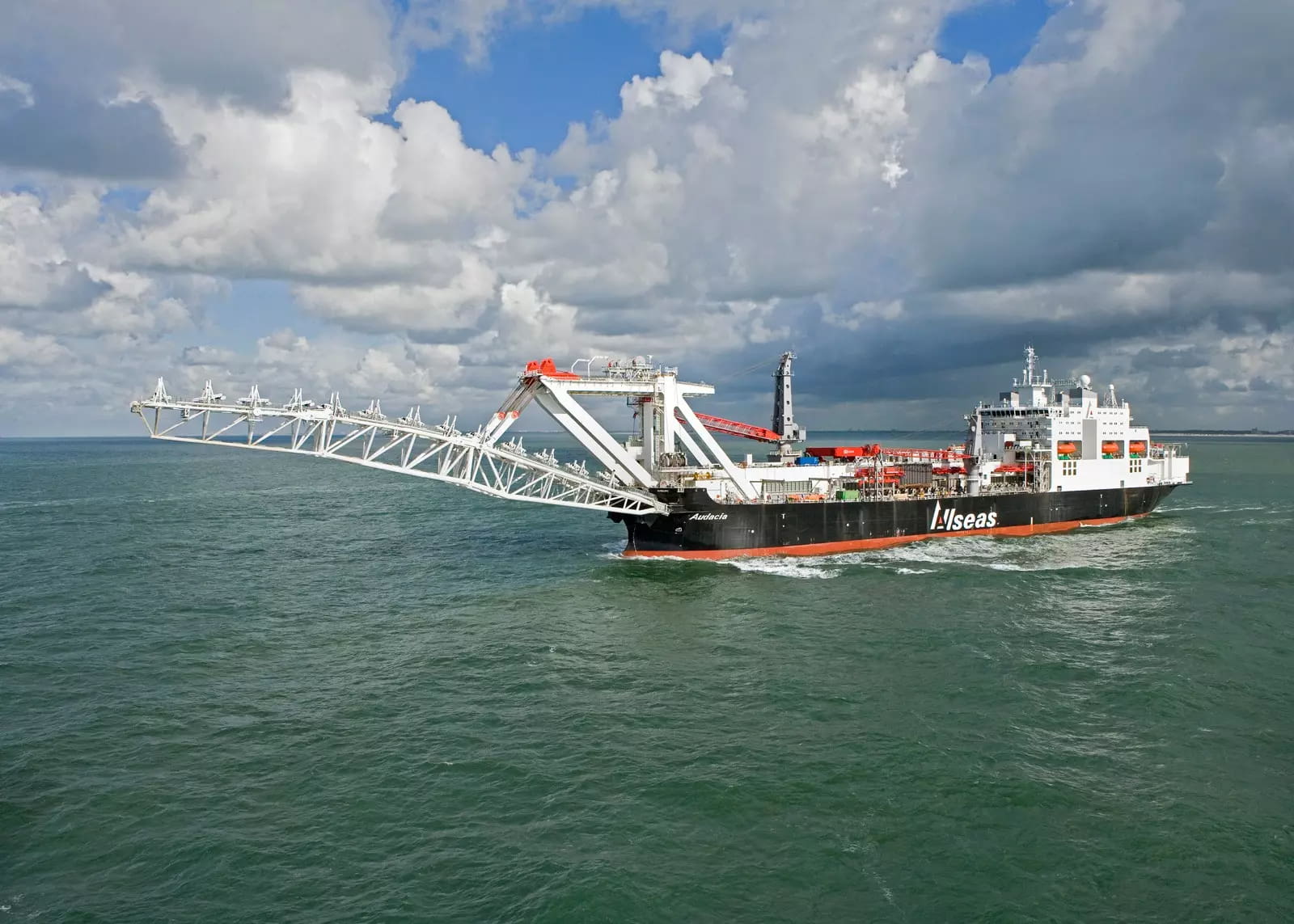
  • Subsea pipelay and flowline installation underway
  • 30‑meter piles driven at ~1,100m water depth
  • Commissioning/hook‑up (pressure testing, nitrogen drying, subsea jumpers) is the next executi
  • First shore‑managed subsea intervention completed in the Norwegian Sea
  • Scope handled in a 12‑hour shift instead of a full offshore trip
  • Included ROV work, subsea crane operations and close‑proximity vessel positioning

Why it matters

Malampaya Phase 4 has moved from drilling to active subsea installation and pipelay, which makes near‑term commissioning and hook‑up the critical procurement focus for subsea spread, umbilicals and onshore tie‑ins. A demonstrated shift toward shore‑managed subsea intervention reduces offshore headcount exposure and changes supplier delivery models for ROV and vessel work, creating options to cut travel and day‑rate exposure if contracts support it. Together these developments tighten execution dependency on pipelay/installation vessels and specialist subsea crews, increasing the chance suppliers will require shorter quote validity or reservation mechanics for sequencing-critical scopes. Operational detail is concrete: flowlines and piles are installed and umbilicals are next; commissioning (pressure testing, nitrogen drying, subsea jumpers) is the next gate that creates firm mobilisation windows for hook‑up teams

Cost / money

  • Near‑term commissioning and hook‑up windows concentrate demand for pipelay, umbilical, and hook‑up crew time, which can push mobilisation premiums and short‑validity quote costs in APAC tenders.
  • If buyers can adopt shore‑managed intervention models, there is potential to reduce offshore accommodation, travel and daily subsistence costs for certain scopes, shifting spend to remote‑ops and connectivity investments instead.[2]

Supplier / commercial

  • Vessel and specialist suppliers working on MP4 (pipelay, construction vessels, and drillship providers) gain leverage on timing and sequencing while commissioning is pending; buyers should expect tighter commitment windows.
  • Suppliers offering proven remote‑ROC execution can propose lower offshore headcount line items but may seek new contract terms around remote liability, cyber/connectivity responsibilities, and scope definitions.[2]

Safety / operations

  • Subsea hook‑up and pressure testing are the operational chokepoints: poor alignment on spares, jumpers or test equipment risks standby time that impacts uptime and project economics.
  • Shore‑managed interventions reduce offshore fatigue and exposure but increase reliance on shore ROC connectivity and remote procedures; validate communications redundancy and emergency escalation before shifting scope onshore.[2]

What to watch

  • Watch for suppliers shortening quote validity or adding reservation/cancellation fees on pipelay and hook‑up services as they prioritise vessel campaigns and tight integration tasks.
  • Watch whether suppliers begin to require clearer cyber/connectivity SLAs or transfer specific remote‑ops risks (e.g., telemetry failures) back to buyers in contract drafts.[2]

Top stories

Story 1Offshore EnergyMay 6, 2026

First gas on track before 2026 ends with Southeast Asian project’s subsea ops in full swing

Signal strongSource-grounded

What happened

Subsea installation and pipelay works for Malampaya Phase 4 are in active execution, with flowlines and piles installed and umbilicals scheduled next. The project now moves into commissioning and hook‑up activities (pressure testing, nitrogen drying, subsea jumpers) that create firm mobilisation windows and sequencing constraints buyers must manage. Watch whether onshore tie‑ins and hook‑up crews align to the operator’s commissioning schedule, which will determine if supplier reservation mechanics appear in RFQs

Buyer takeaway

Treat the project as an active sequencing constraint: commissioning is the near‑term gate that concentrates demand for specialized vessels, umbilicals and hook‑up crews

Cost / money

Expect mobilisation and reservation premiums for pipelay and hook‑up scopes unless contracts cap those mechanics—tight commissioning windows reduce buyer leverage

Supplier / commercial

Vessel and installation suppliers gain timing leverage during commissioning; include explicit availability windows, quote validity, and reservation fee language into RFQs

Safety / operations

Hook‑up and pressure testing are execution‑critical: missing jumpers or spares risks vessel standby and offshore standby exposure

What to watch

Watch for shortened validity and reservation mechanics in supplier responses as operators lock sequencing; verify onshore tie‑in readiness to avoid standby costs

Key facts

  • Subsea pipelay and flowline installation underway
  • 30‑meter piles driven at ~1,100m water depth
  • Commissioning/hook‑up (pressure testing, nitrogen drying, subsea jumpers) is the next executi

Source excerpts

” The company elaborates that umbilicals will be installed alongside the flowlines in the coming months. The next major stage under MP4 is commissioning and hook-up, which will involve flowline pressure testing, nitrogen drying, and the installation of subsea jumpers to connect the Christmas trees on each well to the flowlines and these to the Malampaya main manifold
The next major stage under MP4 is commissioning and hook-up, which will involve flowline pressure testing, nitrogen drying, and the installation of subsea jumpers to connect the Christmas trees on each well to the flowlines and these to the Malampaya main manifold
The next major stage under MP4 is commissioning and hook-up, which will involve flowline pressure testing, nitrogen drying, and the installation of subsea jumpers to connect the Christmas trees on each well to the flowlines and these to the Malampaya main manifold. “MP4 remains on track and on schedule to deliver first gas by the fourth quarter of the year
Story 2Offshore EnergyMay 6, 2026

DeepOcean performs first subsea intervention managed from shore

Signal moderateSource-grounded

What happened

DeepOcean completed its first subsea intervention managed from shore, using an ROV and shore‑based control centre, and reported that a scope which might have required multi‑day offshore presence was closed during a single 12‑hour shore shift. The operation shows a viable path to reduce offshore headcount and associated travel costs, but broader adoption depends on supplier ROC scale, connectivity resilience, and updated contract terms

Buyer takeaway

Remote subsea delivery is operationally proven in at least one case; buyers can pursue scope reductions in offshore personnel where supplier ROC maturity is proven

Cost / money

Shifting work onshore can reduce accommodation, travel and day‑rate exposure, but may require new spend on secure connectivity and ROC access fees

Supplier / commercial

Suppliers will seek new contract terms to allocate cyber/connectivity risk and may price remote‑ops differently from traditional offshore scopes

Safety / operations

Remote management reduces offshore exposure but raises dependence on communication redundancy and remote emergency procedures—validate failover processes

What to watch

Limited evidence of broader supplier rollout; verify supplier ROC scale and contingency procedures before shifting critical scopes onshore

Key facts

  • First shore‑managed subsea intervention completed in the Norwegian Sea
  • Scope handled in a 12‑hour shift instead of a full offshore trip
  • Included ROV work, subsea crane operations and close‑proximity vessel positioning

Source excerpts

Home Subsea DeepOcean performs first subsea intervention managed from shore May 6, 2026, by As part of its development of remote subsea capabilities, ocean services provider DeepOcean has performed its first subsea intervention project with offshore management based onshore. Source: DeepOcean The operation was performed at Aker BP’s Idun Nord field in the Norwegian Sea and included a work-class remotely operated vehicle (ROV) managed by offshore leadership from an onshore remote operating centre (ROC) in Haugesu
Source: DeepOcean The operation was performed at Aker BP’s Idun Nord field in the Norwegian Sea and included a work-class remotely operated vehicle (ROV) managed by offshore leadership from an onshore remote operating centre (ROC) in Haugesund, with a second ROV operated from a vessel in the field
Source: DeepOcean The operation was performed at Aker BP’s Idun Nord field in the Norwegian Sea and included a work-class remotely operated vehicle (ROV) managed by offshore leadership from an onshore remote operating centre (ROC) in Haugesund, with a second ROV operated from a vessel in the field. DeepOcean reported that the scope saw subsea crane operations and close-proximity vessel positioning, which normally would require a shift supervisor and an engineer on board, potentially for a full 14-day offshore t

VP Snapshot

Executive Risk & Action View

Malampaya Phase 4 has moved from drilling to active subsea installation and pipelay, which makes near‑term commissioning and hook‑up the critical procurement focus for subsea spread, umbilicals and onshore tie‑ins.

Overall
70
Cost
61
Supply
25
Schedule
38
Compliance
15

Top signals

30-180dcost

Signal 1: Cost / money

Near‑term commissioning and hook‑up windows concentrate demand for pipelay, umbilical, and hook‑up crew time, which can push mobilisation premiums and short‑validity quote costs in APAC tenders.

Signal 2: Cost / money

If buyers can adopt shore‑managed intervention models, there is potential to reduce offshore accommodation, travel and daily subsistence costs for certain scopes, shifting spend to remote‑ops and connectivity investments instead.

30-180dschedule

Signal 3: Supplier / commercial

Vessel and specialist suppliers working on MP4 (pipelay, construction vessels, and drillship providers) gain leverage on timing and sequencing while commissioning is pending; buyers should expect tighter commitment windows.

30-180dcommercial

Signal 4: Supplier / commercial

Suppliers offering proven remote‑ROC execution can propose lower offshore headcount line items but may seek new contract terms around remote liability, cyber/connectivity responsibilities, and scope definitions.

30-180dsupplier

Signal 5: Safety / operations

Subsea hook‑up and pressure testing are the operational chokepoints: poor alignment on spares, jumpers or test equipment risks standby time that impacts uptime and project economics.

Signal 6: Safety / operations

Shore‑managed interventions reduce offshore fatigue and exposure but increase reliance on shore ROC connectivity and remote procedures; validate communications redundancy and emergency escalation before shifting scope onshore.

Recommended actions

ContractsDue 3d

Reconfirm supplier availability and quote validity windows for pipelay, hook‑up crews, and umbilical installation.

Standardised supplier confirmations that record availability windows and reservation terms for comparison during award.

CategoryDue 3d

Ask preferred ROV and remote‑operations suppliers for ROC capability statements and connectivity redundancy plans.

Verified ROC capability statements that inform whether scopes can be shifted onshore without adding unacceptable connectivity risk.

ContractsDue 21d

Include explicit mobilisation/reservation caps and remote‑ops cyber/connectivity responsibilities in active RFQs and contract clarifications for subsea and hook‑up scopes.

RFQs and draft contracts that disclose mobilisation exposure and remote‑ops risk allocation for apples‑to‑apples comparison.

OpsDue 21d

Confirm spare parts, subsea jumper availability, and alternate‑port staging plans with preferred installation suppliers.

Documented spare and jumper staging plan that reduces expected standby risk during hook‑up windows.

CategoryDue 60d

Pilot a hybrid remote‑managed scope in a smaller APAC campaign and negotiate contract amendments that define remote‑ops SLAs, cyber liabilities, and price trade‑offs.

Pilot contract with clear remote‑ops SLAs and lessons learned to adjust mobilisation and pricing posture for future tenders.

LegalDue 60d

Work with legal and contracts to add mobilisation fee caps and defined reservation mechanics to master vessel and installation agreements.

Amended master agreements with capped reservation fees and clearer mobilisation pass‑through rules to protect project economics.

Risk register

RiskTriggerMitigation
Watch for suppliers shortening quote validity or adding reservation/cancellation fees on pipelay and hook‑up services as they prioritise vessel campaigns and tight integration tasks.Watch for suppliers shortening quote validity or adding reservation/cancellation fees on pipelay and hook‑up services as they prioritise vessel campaigns and tight integration tasks.Confirm exposure with category, contracts, and operations before the next supplier commitment.
Watch whether suppliers begin to require clearer cyber/connectivity SLAs or transfer specific remote‑ops risks (e.g., telemetry failures) back to buyers in contract drafts.Watch whether suppliers begin to require clearer cyber/connectivity SLAs or transfer specific remote‑ops risks (e.g., telemetry failures) back to buyers in contract drafts.Confirm exposure with category, contracts, and operations before the next supplier commitment.

CM Snapshot

Category Manager Decision Detail

Today's priorities

Reconfirm supplier availability and quote validity windows for pipelay, hook‑up crews, and umbilical installation.

because Malampaya’s subsea installations have created firm commissioning windows that compress mobilisation sequencing and suppliers may shorten validity or add reservation term...

Due 3d

high

CM move

Use this as the immediate supplier or contract action to move before the next sourcing gate.

Ask preferred ROV and remote‑operations suppliers for ROC capability statements and connectivity redundancy plans.

Act because the cited source changes the timing, capacity, or commercial assumptions behind the next sourcing decision.

Due 3d

high

CM move

Use this as the immediate supplier or contract action to move before the next sourcing gate.

Include explicit mobilisation/reservation caps and remote‑ops cyber/connectivity responsibilities in active RFQs and contract clarifications for subsea and hook‑up scopes.

because commissioning sequences and shore‑managed work change commercial leverage and risk allocation; buyers must surface total mobilisation exposure and remote‑ops liabilities...

Due 21d

high

CM move

Use this as the immediate supplier or contract action to move before the next sourcing gate.

Confirm spare parts, subsea jumper availability, and alternate‑port staging plans with preferred installation suppliers.

because pressure testing and hook‑up are execution dependencies where a missing jumper or spare can force vessel standby and cost escalation during critical commissioning gates...

Due 21d

high

CM move

Use this as the immediate supplier or contract action to move before the next sourcing gate.

Supplier radar

Offshore Energy

high

Observed supplier signal

Vessel and specialist suppliers working on MP4 (pipelay, construction vessels, and drillship providers) gain leverage on timing and sequencing while commissioning is pending; buyers should expect tighter commitment windows.

Commercial implication

Vessel and specialist suppliers working on MP4 (pipelay, construction vessels, and drillship providers) gain leverage on timing and sequencing while commissioning is pending; buyers should expect tighter commitment windows.

Next step: Validate the source-backed signal with incumbents and alternates before the next award or pricing decision.

Offshore Energy

high

Observed supplier signal

Suppliers offering proven remote‑ROC execution can propose lower offshore headcount line items but may seek new contract terms around remote liability, cyber/connectivity responsibilities, and scope definitions.

Commercial implication

Suppliers offering proven remote‑ROC execution can propose lower offshore headcount line items but may seek new contract terms around remote liability, cyber/connectivity responsibilities, and scope definitions.

Next step: Validate the source-backed signal with incumbents and alternates before the next award or pricing decision.

Negotiation levers

Reconfirm supplier availability and quote validity windows for pipelay, hook‑up crews, and umbilical installation.

When to use: because Malampaya’s subsea installations have created firm commissioning windows that compress mobilisation sequencing and suppliers may shorten validity or add reservation term...

Expected outcome: Standardised supplier confirmations that record availability windows and reservation terms for comparison during award.

Commercial mechanism to carry into the next supplier conversation

Ask preferred ROV and remote‑operations suppliers for ROC capability statements and connectivity redundancy plans.

When to use: Act because the cited source changes the timing, capacity, or commercial assumptions behind the next sourcing decision.

Expected outcome: Verified ROC capability statements that inform whether scopes can be shifted onshore without adding unacceptable connectivity risk.

Commercial mechanism to carry into the next supplier conversation

Include explicit mobilisation/reservation caps and remote‑ops cyber/connectivity responsibilities in active RFQs and contract clarifications for subsea and hook‑up scopes.

When to use: because commissioning sequences and shore‑managed work change commercial leverage and risk allocation; buyers must surface total mobilisation exposure and remote‑ops liabilities...

Expected outcome: RFQs and draft contracts that disclose mobilisation exposure and remote‑ops risk allocation for apples‑to‑apples comparison.

Commercial mechanism to carry into the next supplier conversation

Confirm spare parts, subsea jumper availability, and alternate‑port staging plans with preferred installation suppliers.

When to use: because pressure testing and hook‑up are execution dependencies where a missing jumper or spare can force vessel standby and cost escalation during critical commissioning gates...

Expected outcome: Documented spare and jumper staging plan that reduces expected standby risk during hook‑up windows.

Commercial mechanism to carry into the next supplier conversation

Talking points

Malampaya Phase 4 has moved from drilling to active subsea installation and pipelay, which makes near‑term commissioning and hook‑up the critical procurement focus for subsea spread, umbilicals and onshore tie‑ins.
A demonstrated shift toward shore‑managed subsea intervention reduces offshore headcount exposure and changes supplier delivery models for ROV and vessel work, creating options to cut travel and day‑rate exposure if contracts support it.
Together these developments tighten execution dependency on pipelay/installation vessels and specialist subsea crews, increasing the chance suppliers will require shorter quote validity or reservation mechanics for sequencing-critical scopes.
Operational detail is concrete: flowlines and piles are installed and umbilicals are next; commissioning (pressure testing, nitrogen drying, subsea jumpers) is the next gate that creates firm mobilisation windows for hook‑up teams.

Supplier radar

SupplierSignalImplicationNext stepConfidence
Offshore EnergyVessel and specialist suppliers working on MP4 (pipelay, construction vessels, and drillship providers) gain leverage on timing and sequencing while commissioning is pending; buyers should expect tighter commitment windows.Vessel and specialist suppliers working on MP4 (pipelay, construction vessels, and drillship providers) gain leverage on timing and sequencing while commissioning is pending; buyers should expect tighter commitment windows.Validate the source-backed signal with incumbents and alternates before the next award or pricing decision.high
Offshore EnergySuppliers offering proven remote‑ROC execution can propose lower offshore headcount line items but may seek new contract terms around remote liability, cyber/connectivity responsibilities, and scope definitions.Suppliers offering proven remote‑ROC execution can propose lower offshore headcount line items but may seek new contract terms around remote liability, cyber/connectivity responsibilities, and scope definitions.Validate the source-backed signal with incumbents and alternates before the next award or pricing decision.high

Negotiation levers

  • Reconfirm supplier availability and quote validity windows for pipelay, hook‑up crews, and umbilical installation.because Malampaya’s subsea installations have created firm commissioning windows that compress mobilisation sequencing and suppliers may shorten validity or add reservation term...Standardised supplier confirmations that record availability windows and reservation terms for comparison during award.

    high confidence

  • Ask preferred ROV and remote‑operations suppliers for ROC capability statements and connectivity redundancy plans.Act because the cited source changes the timing, capacity, or commercial assumptions behind the next sourcing decision.Verified ROC capability statements that inform whether scopes can be shifted onshore without adding unacceptable connectivity risk.

    high confidence

  • Include explicit mobilisation/reservation caps and remote‑ops cyber/connectivity responsibilities in active RFQs and contract clarifications for subsea and hook‑up scopes.because commissioning sequences and shore‑managed work change commercial leverage and risk allocation; buyers must surface total mobilisation exposure and remote‑ops liabilities...RFQs and draft contracts that disclose mobilisation exposure and remote‑ops risk allocation for apples‑to‑apples comparison.

    high confidence

  • Confirm spare parts, subsea jumper availability, and alternate‑port staging plans with preferred installation suppliers.because pressure testing and hook‑up are execution dependencies where a missing jumper or spare can force vessel standby and cost escalation during critical commissioning gates...Documented spare and jumper staging plan that reduces expected standby risk during hook‑up windows.

    high confidence

What to do / What to watch

What to do now

  • Reconfirm supplier availability and quote validity windows for pipelay, hook‑up crews, and umbilical installation.

    Why: because Malampaya’s subsea installations have created firm commissioning windows that compress mobilisation sequencing and suppliers may shorten validity or add reservation term...

    Owner: Contracts

    Expected outcome: Standardised supplier confirmations that record availability windows and reservation terms for comparison during award.

  • Ask preferred ROV and remote‑operations suppliers for ROC capability statements and connectivity redundancy plans.

    Why: Act because the cited source changes the timing, capacity, or commercial assumptions behind the next sourcing decision.

    Owner: Category

    Expected outcome: Verified ROC capability statements that inform whether scopes can be shifted onshore without adding unacceptable connectivity risk.

    [2]

Next few weeks

  • Include explicit mobilisation/reservation caps and remote‑ops cyber/connectivity responsibilities in active RFQs and contract clarifications for subsea and hook‑up scopes.

    Why: because commissioning sequences and shore‑managed work change commercial leverage and risk allocation; buyers must surface total mobilisation exposure and remote‑ops liabilities...

    Owner: Contracts

    Expected outcome: RFQs and draft contracts that disclose mobilisation exposure and remote‑ops risk allocation for apples‑to‑apples comparison.

    [2]
  • Confirm spare parts, subsea jumper availability, and alternate‑port staging plans with preferred installation suppliers.

    Why: because pressure testing and hook‑up are execution dependencies where a missing jumper or spare can force vessel standby and cost escalation during critical commissioning gates...

    Owner: Ops

    Expected outcome: Documented spare and jumper staging plan that reduces expected standby risk during hook‑up windows.

Longer view

  • Pilot a hybrid remote‑managed scope in a smaller APAC campaign and negotiate contract amendments that define remote‑ops SLAs, cyber liabilities, and price trade‑offs.

    Why: Act because the cited source changes the timing, capacity, or commercial assumptions behind the next sourcing decision.

    Owner: Category

    Expected outcome: Pilot contract with clear remote‑ops SLAs and lessons learned to adjust mobilisation and pricing posture for future tenders.

    [2]
  • Work with legal and contracts to add mobilisation fee caps and defined reservation mechanics to master vessel and installation agreements.

    Why: because concentrated commissioning windows (Article 3) increase supplier leverage and without contractual caps buyers face ad‑hoc mobilisation premiums and shortened quote windows.

    Owner: Legal

    Expected outcome: Amended master agreements with capped reservation fees and clearer mobilisation pass‑through rules to protect project economics.

What to watch

  • Watch for suppliers shortening quote validity or adding reservation/cancellation fees on pipelay and hook‑up services as they prioritise vessel campaigns and tight integration tasks
  • Watch whether suppliers begin to require clearer cyber/connectivity SLAs or transfer specific remote‑ops risks (e.g., telemetry failures) back to buyers in contract drafts
  • Watch for suppliers shortening quote validity or adding reservation/cancellation fees on pipelay and hook‑up services as they prioritise vessel campaigns and tight integration tasks.: Watch for suppliers shortening quote validity or adding reservation/cancellation fees on pipelay and hook‑up services as they prioritise vessel campaigns and tight integration tasks
  • Watch whether suppliers begin to require clearer cyber/connectivity SLAs or transfer specific remote‑ops risks (e.g., telemetry failures) back to buyers in contract drafts.: Watch whether suppliers begin to require clearer cyber/connectivity SLAs or transfer specific remote‑ops risks (e.g., telemetry failures) back to buyers in contract drafts
  • Malampaya Phase 4 has moved from drilling to active subsea installation and pipelay, which makes near‑term commissioning and hook‑up the critical procurement focus for subsea spread, umbilicals and onshore tie‑ins
  • A demonstrated shift toward shore‑managed subsea intervention reduces offshore headcount exposure and changes supplier delivery models for ROV and vessel work, creating options to cut travel and day‑rate exposure if contracts support it
  • Together these developments tighten execution dependency on pipelay/installation vessels and specialist subsea crews, increasing the chance suppliers will require shorter quote validity or reservation mechanics for sequencing-critical scopes
  • Operational detail is concrete: flowlines and piles are installed and umbilicals are next; commissioning (pressure testing, nitrogen drying, subsea jumpers) is the next gate that creates firm mobilisation windows for hook‑up teams

Market pulse

IndexLatestChangeAs of
WTI Crude (WTI)71.23 /bbl+0.00 (+0.00%)May 6, 2026, 10:04 PM
Brent Crude (BRENT)74.89 /bbl+0.00 (+0.00%)May 6, 2026, 10:04 PM
Natural Gas (NG)3.12 /MMBtu+0.00 (+0.00%)May 6, 2026, 10:04 PM
Transocean (RIG)4.5 +0.00 (+0.00%)May 6, 2026, 10:04 PM
Valaris (VAL)52 +0.00 (+0.00%)May 6, 2026, 10:04 PM
  • Transocean: Rig owner equity moves can affect counterparty credit and mobilisation funding available for long campaigns
  • Valaris: Valaris and peer rig market signals indicate regionally tightened rig/backlog dynamics that influence mobilisation negotiation leverage

Sources

Inline citations jump here. Expand a source to read the excerpt, the AI interpretation, and the original link.

[1] First gas on track before 2026 ends with Southeast Asian project’s subsea ops in full swing

offshore-energy.biz · May 6, 2026

Expand

AI reading

Subsea installation and pipelay works for Malampaya Phase 4 are in active execution, with flowlines and piles installed and umbilicals scheduled next. The project now moves into commissioning and hook‑up activities (pressure testing, nitrogen drying, subsea jumpers) that create firm mobilisation windows and sequencing constraints buyers must manage. Watch whether onshore tie‑ins and hook‑up crews align to the operator’s commissioning schedule, which will determine if supplier reservation mechanics appear in RFQs

Buyer takeaway

Treat the project as an active sequencing constraint: commissioning is the near‑term gate that concentrates demand for specialized vessels, umbilicals and hook‑up crews

Cost / money

Expect mobilisation and reservation premiums for pipelay and hook‑up scopes unless contracts cap those mechanics—tight commissioning windows reduce buyer leverage

Supplier / commercial

Vessel and installation suppliers gain timing leverage during commissioning; include explicit availability windows, quote validity, and reservation fee language into RFQs

Safety / operations

Hook‑up and pressure testing are execution‑critical: missing jumpers or spares risks vessel standby and offshore standby exposure

What to watch

Watch for shortened validity and reservation mechanics in supplier responses as operators lock sequencing; verify onshore tie‑in readiness to avoid standby costs

Key facts

  • Subsea pipelay and flowline installation underway
  • 30‑meter piles driven at ~1,100m water depth
  • Commissioning/hook‑up (pressure testing, nitrogen drying, subsea jumpers) is the next executi

Source excerpts

” The company elaborates that umbilicals will be installed alongside the flowlines in the coming months. The next major stage under MP4 is commissioning and hook-up, which will involve flowline pressure testing, nitrogen drying, and the installation of subsea jumpers to connect the Christmas trees on each well to the flowlines and these to the Malampaya main manifold
The next major stage under MP4 is commissioning and hook-up, which will involve flowline pressure testing, nitrogen drying, and the installation of subsea jumpers to connect the Christmas trees on each well to the flowlines and these to the Malampaya main manifold
The next major stage under MP4 is commissioning and hook-up, which will involve flowline pressure testing, nitrogen drying, and the installation of subsea jumpers to connect the Christmas trees on each well to the flowlines and these to the Malampaya main manifold. “MP4 remains on track and on schedule to deliver first gas by the fourth quarter of the year

Used in this brief

  • Malampaya Phase 4 has moved from drilling to active subsea installation and pipelay, which makes near‑term commissioning and hook‑up the critical procurement focus for subsea spread, umbilicals and onshore tie‑ins. A demonstrated shift toward shore‑managed subsea intervention reduces offshore headcount exposure and changes supplier delivery models for ROV and vessel work, creating options to cut travel and day‑rate exposure if contracts support it. Together these developments tighten execution dependency on pipelay/installation vessels and specialist subsea crews, increasing the chance suppliers will require shorter quote validity or reservation mechanics for sequencing-critical scopes. Operational detail is concrete: flowlines and piles are installed and umbilicals are next; commissioning (pressure testing, nitrogen drying, subsea jumpers) is the next gate that creates firm mobilisation windows for hook‑up teams
  • Safety / operations: Subsea hook‑up and pressure testing are the operational chokepoints: poor alignment on spares, jumpers or test equipment risks standby time that impacts uptime and project economics
  • Next 72 hours — Reconfirm supplier availability and quote validity windows for pipelay, hook‑up crews, and umbilical installation.. Rationale: because Malampaya’s subsea installations have created firm commissioning windows that compress mobilisation sequencing and suppliers may shorten validity or add reservation term.... Owner: Contracts. KPI: Standardised supplier confirmations that record availability windows and reservation terms for comparison during award
Open original source

[2] DeepOcean performs first subsea intervention managed from shore

offshore-energy.biz · May 6, 2026

Expand

AI reading

DeepOcean completed its first subsea intervention managed from shore, using an ROV and shore‑based control centre, and reported that a scope which might have required multi‑day offshore presence was closed during a single 12‑hour shore shift. The operation shows a viable path to reduce offshore headcount and associated travel costs, but broader adoption depends on supplier ROC scale, connectivity resilience, and updated contract terms

Buyer takeaway

Remote subsea delivery is operationally proven in at least one case; buyers can pursue scope reductions in offshore personnel where supplier ROC maturity is proven

Cost / money

Shifting work onshore can reduce accommodation, travel and day‑rate exposure, but may require new spend on secure connectivity and ROC access fees

Supplier / commercial

Suppliers will seek new contract terms to allocate cyber/connectivity risk and may price remote‑ops differently from traditional offshore scopes

Safety / operations

Remote management reduces offshore exposure but raises dependence on communication redundancy and remote emergency procedures—validate failover processes

What to watch

Limited evidence of broader supplier rollout; verify supplier ROC scale and contingency procedures before shifting critical scopes onshore

Key facts

  • First shore‑managed subsea intervention completed in the Norwegian Sea
  • Scope handled in a 12‑hour shift instead of a full offshore trip
  • Included ROV work, subsea crane operations and close‑proximity vessel positioning

Source excerpts

Home Subsea DeepOcean performs first subsea intervention managed from shore May 6, 2026, by As part of its development of remote subsea capabilities, ocean services provider DeepOcean has performed its first subsea intervention project with offshore management based onshore. Source: DeepOcean The operation was performed at Aker BP’s Idun Nord field in the Norwegian Sea and included a work-class remotely operated vehicle (ROV) managed by offshore leadership from an onshore remote operating centre (ROC) in Haugesu
Source: DeepOcean The operation was performed at Aker BP’s Idun Nord field in the Norwegian Sea and included a work-class remotely operated vehicle (ROV) managed by offshore leadership from an onshore remote operating centre (ROC) in Haugesund, with a second ROV operated from a vessel in the field
Source: DeepOcean The operation was performed at Aker BP’s Idun Nord field in the Norwegian Sea and included a work-class remotely operated vehicle (ROV) managed by offshore leadership from an onshore remote operating centre (ROC) in Haugesund, with a second ROV operated from a vessel in the field. DeepOcean reported that the scope saw subsea crane operations and close-proximity vessel positioning, which normally would require a shift supervisor and an engineer on board, potentially for a full 14-day offshore t

Used in this brief

  • Safety / operations: Shore‑managed interventions reduce offshore fatigue and exposure but increase reliance on shore ROC connectivity and remote procedures; validate communications redundancy and emergency escalation before shifting scope onshore
  • Next 72 hours — Ask preferred ROV and remote‑operations suppliers for ROC capability statements and connectivity redundancy plans.. Rationale: Act because the cited source changes the timing, capacity, or commercial assumptions behind the next sourcing decision.. Owner: Category. KPI: Verified ROC capability statements that inform whether scopes can be shifted onshore without adding unacceptable connectivity risk
  • Next quarter — Pilot a hybrid remote‑managed scope in a smaller APAC campaign and negotiate contract amendments that define remote‑ops SLAs, cyber liabilities, and price trade‑offs.. Rationale: Act because the cited source changes the timing, capacity, or commercial assumptions behind the next sourcing decision.. Owner: Category. KPI: Pilot contract with clear remote‑ops SLAs and lessons learned to adjust mobilisation and pricing posture for future tenders
Open original source

[3] Transocean

finance.yahoo.com · n.d.

Expand

[4] Valaris

finance.yahoo.com · n.d.

Expand