Major Equipment OEM & LTSA · International (Houston)

Reassess Shipping, LTSA Terms, and Spare Staging for LNG Flows

Published May 7, 2026, 5:08 AM CSTINTERNATIONALFull category signal
Ask AI
Europe, Asia LNG prices climb on Hormuz closure

In 60 seconds

Top move

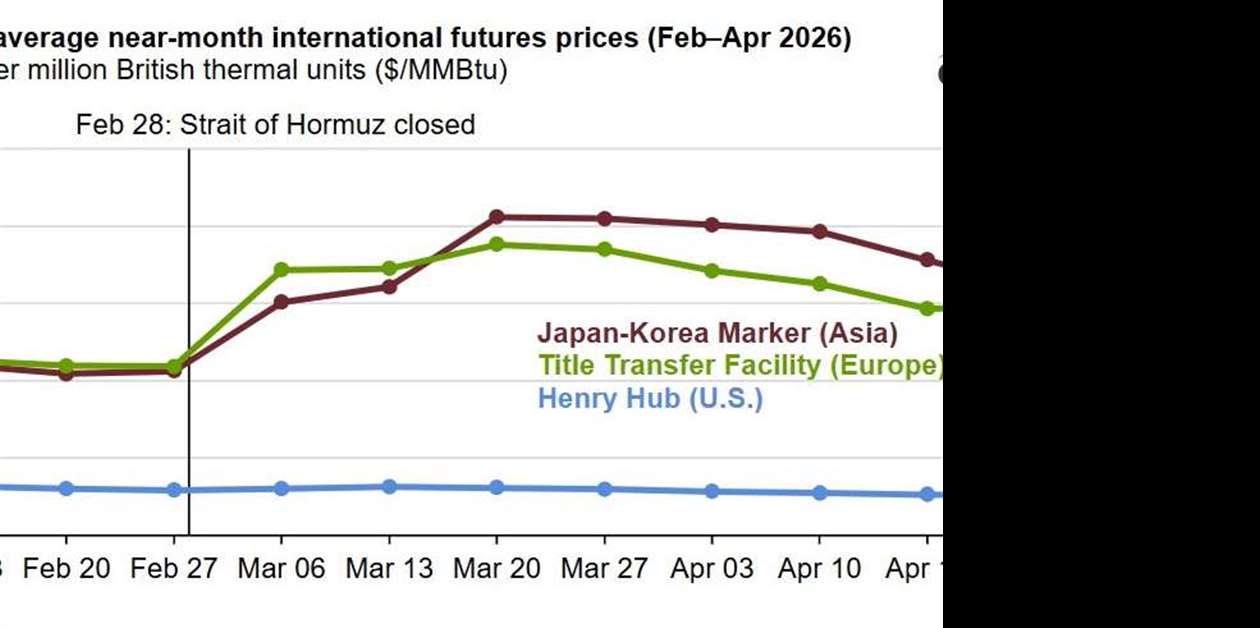
Qatar-related flow disruption via the Strait of Hormuz has sidelined large LNG volumes and pushed Europe/Asia spot prices higher, creating real near-term risk to cargo timing and ad-hoc freight costs for buyers reliant on open-market tonnage

Key takeaways

  • Qatar-related flow disruption via the Strait of Hormuz has sidelined large LNG volumes and pushed Europe/Asia spot prices higher, creating real near-term risk to cargo timing and ad-hoc freight costs for buyers reliant on open-market tonnage.[3]
  • ADNOC’s completion of its six-vessel LNG carrier program increases aggregate lift but keeps much tonnage tied to long-term charters, meaning available spot shipping capacity is reduced and buyers may face tighter booking windows.[4]
  • Australia’s LNG sector shows limited ability to add capacity quickly, so buyers should not rely on Australian supply to ease current tightness — logistics and contractual access to existing cargoes matter more than future projects.[1]
  • Large newbuilding orders for dual-fuel container and LNG-capable vessels are a structural, multi-year signal that shipyard capacity and financing will remain procurement variables; this helps long-range planning but offers limited short-term relief.[2]
  • A historical feature on large horizontal gas engine-compressors is useful technical background for legacy asset planning but has limited immediate procurement impact on LTSAs or spare strategies.[5]

What changed since last run

  • New, source-grounded supply shock: Strait of Hormuz closure and a Qatar force majeure materially reduced traded LNG flows, adding a near-term delivery uncertainty that complements earlier ramp risks flagged in the pre...
  • Shipping capacity update: ADNOC finished delivery of its six-vessel LNG carrier program and reports most capacity already committed under long-term contracts, changing open-market tonnage availability (added: Article 5).
  • Long-range shipbuilding signal: COSCO’s order for dual-fuel container vessels strengthens the multi-year demand picture for shipyards and dual-fuel logistics, affecting future charter and repair markets (added: Articl...

Key facts

  • Disruption sidelined more than 10 Bcf/d of traded LNG
  • Europe/Asia spot benchmarks rose materially while US prices were insulated
  • QatarEnergy declared force majeure in early March
  • Six-vessel LNG carrier program completed
  • Each ship has 175,000 m³ cargo capacity
  • Company reports a large share of revenue backed by long-term contracts

Why it matters

Qatar-related flow disruption via the Strait of Hormuz has sidelined large LNG volumes and pushed Europe/Asia spot prices higher, creating real near-term risk to cargo timing and ad-hoc freight costs for buyers reliant on open-market tonnage. ADNOC’s completion of its six-vessel LNG carrier program increases aggregate lift but keeps much tonnage tied to long-term charters, meaning available spot shipping capacity is reduced and buyers may face tighter booking windows. Australia’s LNG sector shows limited ability to add capacity quickly, so buyers should not rely on Australian supply to ease current tightness — logistics and contractual access to existing cargoes matter more than future projects. Large newbuilding orders for dual-fuel container and LNG-capable vessels are a structural, multi-year signal that shipyard capacity and financing will remain procurement variables; this helps long-range planning but offers limited short-term relief

Cost / money

  • Regional price divergence and sidelined Qatari exports increase the probability of spot cargo premiums and higher ad-hoc freight for buyers needing near-term deliveries, raising short-term procurement cost exposure.[3]
  • Long-term chartering and committed carrier revenue reduce open-market tonnage, which can push time‑charter and expedited voyage costs higher for buyers without reserved slots.[4]
  • Sustained newbuilding activity and dual-fuel orders signal continued shipyard utilization and financing pressure, which can increase future newbuild and repair pricing and lengthen negotiation cycles for vessel-related services.[2]

Supplier / commercial

  • Carriers and OEMs are likely to shorten quote validity and demand booking commitments or capacity-reservation language as they respond to constrained trade lanes and committed charters, reducing buyer flexibility during solicitations.[3]
  • Suppliers with long-term chartered tonnage (or shipowner-backed repair windows) can prioritize contracted customers and offer less favorable terms to spot buyers, shifting leverage toward suppliers for shipping and specialized marine services.[4]
  • Static or limited new liquefaction capacity (Australia) concentrates aftermarket and mobilization demand on incumbent OEMs and service providers, increasing the value of secured LTSA scopes and firmed mobilization commitments.[1]

Safety / operations

  • Cargo reroutes and extended transit times increase the risk of missed commissioning windows and technician mobilization delays — that can translate into start-up hold points if critical spares or certified crews arrive late.[3]
  • New dual-fuel vessel classes introduce different maintenance and shore-support needs, which impacts LTSA spare lists, technician certification requirements, and port support obligations.[4]

What to watch

  • Monitor whether Qatar’s force majeure extends or other chokepoints emerge; persistent disruption would sustain spot premium dynamics and keep pressure on expedited logistics and spare staging choices.[3]
  • Track shipyard financing and delivery schedules for large orders; slippage or financing strain would reduce forward capacity and shift more demand to the spot market for both cargo and repair slots.[2]

Top stories

Story 1CompressorTECH²Apr 28, 2026

Europe, Asia LNG prices climb on Hormuz closure

Signal strongSource-grounded

What happened

A closure of the Strait of Hormuz and a Qatar force majeure have sidelined a significant portion of traded LNG, lifting European and Asian spot benchmarks while US prices stayed relatively insulated. This is operationally real: the disruption removed a material share of cargoes and forced buyers to seek replacements and reroutes, affecting timing and freight. Watch force majeure extensions, cargo tracking, and storage refill dynamics that will directly affect shipping and spare logistics

Buyer takeaway

Treat this as a concrete supply shock that can trigger allocation and premium freight costs for buyers without reserved capacity

Cost / money

Directional increase in spot LNG and freight premiums is likely for buyers needing near-term cargoes or ad-hoc shipping

Supplier / commercial

Carriers and suppliers will have leverage to shorten quote validity and require reservation commitments while disruption persists

Safety / operations

Rerouted voyages and compressed transits raise scheduling risk for commissioning crews and spare delivery windows

What to watch

Monitor force majeure status and cargo tracking; extended disruptions justify moving toward secured bookings and staged spares

Key facts

  • Disruption sidelined more than 10 Bcf/d of traded LNG
  • Europe/Asia spot benchmarks rose materially while US prices were insulated
  • QatarEnergy declared force majeure in early March

Source excerpts

Export terminal utilization reached 94% of DOE-approved capacity in March, up from 91% in February, leaving little room for a material near-term increase in exports
QatarEnergy declared force majeure on March 4, leaving Asian importers — which typically take more than 80% of Qatari LNG volumes — scrambling to replace contracted deliveries
The resulting supply shock has forced buyers in Asia and Europe to compete more aggressively for available spot cargoes. QatarEnergy declared force majeure on March 4, leaving Asian importers — which typically take more than 80% of Qatari LNG volumes — scrambling to replace contracted deliveries
Story 2CompressorTECH²Apr 27, 2026

ADNOC completes six-vessel LNG carrier program

Signal strongSource-grounded

What happened

ADNOC Logistics & Services completed delivery of its sixth 175,000 m³ LNG carrier and says most additional capacity is committed under long-term contracts. Operationally this increases aggregate lift but removes a slice of flexible spot capacity, meaning buyers who rely on open-market tonnage may face tighter booking windows. Watch how charter commitments versus third-party availability affect regional routing and buyer access to flexible cargoes

Buyer takeaway

Expect fewer opportunistic spot slots as large producers lock in capacity; secure bookings earlier or accept premium terms

Cost / money

Committed charters lower some market risk for contract holders but can raise spot charter costs for other buyers

Supplier / commercial

Shipowners with long-term visibility can be selective about third-party bookings and offer less flexible terms

Safety / operations

Dual-fuel propulsion and newer vessel classes change maintenance scope and spare requirements under LTSAs and port support contracts

What to watch

Check logistics clauses for priority, reroute liability, and demurrage; dual-fuel configurations also affect spare lists and tech support

Key facts

  • Six-vessel LNG carrier program completed
  • Each ship has 175,000 m³ cargo capacity
  • Company reports a large share of revenue backed by long-term contracts

Source excerpts

Most of the additional LNG shipping capacity has already been committed under long-term contracts with third-party customers and ADNOC Group companies, according to the company. ADNOC L&S said about 60 percent of revenue generated by the company and its AW Shipping joint venture is backed by long-term contracts, supporting more predictable cash flow and earnings
Al Taweelah is part of ADNOC L&S’ next-generation LNG carrier class, each designed with a 175,000-cubic-meter cargo capacity and equipped with dual-fuel propulsion and other efficiency technologies aimed at lowering fuel consumption and emissions
Newbuild vessel expands LNG shipping capacity as ADNOC advances broader gas and maritime growth strategy ADNOC has taken delivery of its sixth 175,000 m³ new-build LNG carrier from Jiangnan Shipyard in China
Story 3CompressorTECH²May 6, 2026

Special Report: Australia’s LNG industry

Signal moderateSource-grounded

What happened

A special report on Australia’s LNG industry notes the country remains a major exporter but is not on a material growth path; existing plants underpin most capacity. Operationally this limits near-term supply additions, so buyers should focus on securing access to existing cargoes and strengthening logistics and spare strategies rather than expecting quick relief from new Australian projects. Watch any announced regasification or repurposing moves that could change domestic/export balances

Buyer takeaway

Don't assume new Australian capacity will ease market tightness — prioritize resilience via contracted access and spare staging

Cost / money

Static capacity implies continued upward pressure on logistics and expedited procurement costs where demand concentrates

Supplier / commercial

OEMs servicing existing Australian plants may selectively prioritize high‑value clients, affecting LTSA leverage

Safety / operations

Tighter regional supply increases the stakes of planned maintenance windows and spare provisioning to avoid hold points

What to watch

Monitor regasification projects or capacity repurposing that could shift domestic/export flows

Key facts

  • Australia’s export capacity is underpinned by existing major liquefaction facilities
  • Report signals limited material expansion in Australian LNG capacity
  • Domestic demand and logistics choices constrain export flexibility

Source excerpts

But by and large, these are not material expansions of Australian LNG capacity
Nonetheless, they constitute an important part of Australia’s longer-term energy picture, on the basis that it would be quicker and less complex to deploy FSRUs than to build new pipelines in the medium term. According to the latest gas adequacy outlook from the Australian Energy Market Operator’s (AEMO), released in March, near-term supply conditions have improved
But by and large, these are not material expansions of Australian LNG capacity. ” A similar picture is presented by EnergyQuest’s CEO, Rick Wilkinson, who told CT2 that Australia’s LNG industry was “not on a growth path” compared with other major LNG suppliers
Story 4CompressorTECH²Apr 30, 2026

12 LNG container vessels ordered

Signal moderateDirectional

What happened

COSCO ordered a fleet of dual-fuel container vessels in a multi-year program to modernize capacity and reduce emissions exposure. This is operationally meaningful for long-range fleet capacity and emissions planning but delivers limited near-term relief to current shipping tightness because deliveries are years out. Watch shipyard financing, delivery timing, and whether early slots or cancellations change short-run availability

Buyer takeaway

Treat this as a structural, long-range capacity signal rather than a short-term fix for freight tightness

Cost / money

Newbuilding demand points to sustained shipyard utilization and potential upward pressure on future newbuild and repair pricing

Supplier / commercial

Large orders can crowd shipyard schedules and tighten negotiation windows for buyers needing newbuild slots or accelerated repairs

Safety / operations

Dual-fuel designs increase the need for specific shore-side fuel handling and training under LTSAs

What to watch

Track financing and shipyard execution risk—delays would push pressure back onto the spot market

Key facts

  • Order for 12 LNG dual-fuel container vessels
  • Planned multi-year delivery window from shipyards
  • Financing mix leans on external debt and internal liquidity

Source excerpts

COSCO said the new vessels will also improve economies of scale by increasing average container capacity per ship and broadening the flexibility of its fleet across multiple trade routes and terminals. The vessels are designed with high reefer intake capacity, giving the company more flexibility to serve refrigerated and diversified cargo demand while reinforcing its position on core east-west and regional trade lanes
The vessels are designed with high reefer intake capacity, giving the company more flexibility to serve refrigerated and diversified cargo demand while reinforcing its position on core east-west and regional trade lanes
COSCO Shipping Holdings is investing $2. 22 billion to build 12 LNG dual-fuel container vessels, expanding its fleet with ships designed to improve fuel flexibility, lower emissions and strengthen its position on major global trade lanes
Story 5CompressorTECH²Mar 10, 2026

The Emergence of Large Horizontal Gas Engine-Compressors

Signal limitedDirectional

What happened

A historical overview traces the early development of large horizontal gas engine-compressors and how compressor design evolved into modern systems. This is operationally useful as background for legacy equipment obsolescence and aftermarket planning, but it is not a market signal for immediate LTSA or spare changes. Use it to inform technical teams on legacy part sourcing and refurbishment considerations

Buyer takeaway

Use the historical context to inform legacy spare provisioning and obsolescence planning, not as a trigger for near-term sourcing moves

Cost / money

Limited near-term cost implication; primarily relevant for long-tail spare budgeting and refurbishment planning

Supplier / commercial

Suppliers of legacy compressors may command premiums for scarce parts or specialized rebuild services

Safety / operations

Older designs can carry higher maintenance and certification needs; verify legacy scopes in LTSA renewals

What to watch

If your asset base includes legacy horizontal compressors, verify part sources and refurbishment lead times—this is contextual, not urgent

Key facts

  • Historical examples of steam-driven and early gas engine compressors
  • Discussion of how compressor engineering progressed into modern product lines

Source excerpts

A few other companies entered the gas pipeline market with large horizontal gas engine-compressors. One that had early success was Westinghouse, which introduced its first horizontal integral gas-engine compressors for natural gas compression in 1905
After a short time this natural “rock” pressure declined so it became necessary to use compressors to raise the gas pressure to a level that overcame line losses for delivery to the consumer. At first, these were relatively small compressors that were steam driven
2, was installed in 1899 near Mt

VP Snapshot

Executive Risk & Action View

Qatar-related flow disruption via the Strait of Hormuz has sidelined large LNG volumes and pushed Europe/Asia spot prices higher, creating real near-term risk to cargo timing and ad-hoc freight costs for buyers reliant on open-market tonnage.

Overall
51
Cost
79
Supply
79
Schedule
38
Compliance
15

Top signals

0-30dcost

Signal 1: Cost / money

Regional price divergence and sidelined Qatari exports increase the probability of spot cargo premiums and higher ad-hoc freight for buyers needing near-term deliveries, raising short-term procurement cost exposure.

30-180dcost

Signal 2: Cost / money

Long-term chartering and committed carrier revenue reduce open-market tonnage, which can push time‑charter and expedited voyage costs higher for buyers without reserved slots.

Signal 3: Cost / money

Sustained newbuilding activity and dual-fuel orders signal continued shipyard utilization and financing pressure, which can increase future newbuild and repair pricing and lengthen negotiation cycles for vessel-related services.

30-180dsupply

Signal 4: Supplier / commercial

Carriers and OEMs are likely to shorten quote validity and demand booking commitments or capacity-reservation language as they respond to constrained trade lanes and committed charters, reducing buyer flexibility during solicitations.

Signal 6: Supplier / commercial

Static or limited new liquefaction capacity (Australia) concentrates aftermarket and mobilization demand on incumbent OEMs and service providers, increasing the value of secured LTSA scopes and firmed mobilization commitments.

30-180dcommercial

Signal 5: Supplier / commercial

Suppliers with long-term chartered tonnage (or shipowner-backed repair windows) can prioritize contracted customers and offer less favorable terms to spot buyers, shifting leverage toward suppliers for shipping and specialized marine services.

Recommended actions

ContractsDue 3d

Tag active LTSAs and shipping agreements for force majeure, allocation, demurrage, and mobilization language and prioritize contracts needing clause review.

Prioritized contract list with clause flags and recommended immediate edits for mobilization, allocation, and demurrage risk.

CategoryDue 3d

Run a critical-SKU and spare-on-hand check focused on items needed for compressor modules and dual-fuel system support, then flag immediate replenishment or consignment candidates.

Annotated critical-SKU list and short list of SKUs for immediate reorder or consignment to reduce downtime exposure.

CategoryDue 21d

Hold supplier and carrier capacity workshops to document realistic booking horizons, firm-up reservation language, and surface repair/yard slot availability for prioritized routes.

Supplier capacity matrix and draft reservation/booking language to include in upcoming RFQs and LTSA renewals.

ContractsDue 21d

Draft LTSA addenda that define certified-technician minimums for specialized vessel or compressor support, explicit spare-handover acceptance criteria, and mobilization remedies.

LTSA addenda ready for legal review linking staffing, spares handover, and mobilization obligations to remedies or escalation paths.

OpsDue 60d

Pilot vendor-managed inventory (VMI) or consigned spares staging near priority export hubs to shorten logistics for compressor and dual‑fuel support items.

VMI pilot plan with prioritized SKUs, proposed staging locations, and candidate suppliers to shorten repair response time.

CategoryDue 60d

Reassess shipping sourcing to diversify logistics exposure — explore earlier time-charter locks, multi-party slot agreements, or brokered multi-origin options to secure flexibil...

Shortlist of alternative shipping strategies and recommended reservation approaches to reduce single-route and spot dependence.

Risk register

RiskTriggerMitigation
Monitor whether Qatar’s force majeure extends or other chokepoints emerge; persistent disruption would sustain spot premium dynamics and keep pressure on expedited logistics and spare staging choices.Monitor whether Qatar’s force majeure extends or other chokepoints emerge; persistent disruption would sustain spot premium dynamics and keep pressure on expedited logistics and spare staging choices.Confirm exposure with category, contracts, and operations before the next supplier commitment.
Track shipyard financing and delivery schedules for large orders; slippage or financing strain would reduce forward capacity and shift more demand to the spot market for both cargo and repair slots.Track shipyard financing and delivery schedules for large orders; slippage or financing strain would reduce forward capacity and shift more demand to the spot market for both cargo and repair slots.Confirm exposure with category, contracts, and operations before the next supplier commitment.

CM Snapshot

Category Manager Decision Detail

Today's priorities

Tag active LTSAs and shipping agreements for force majeure, allocation, demurrage, and mobilization language and prioritize contracts needing clause review.

because the Strait of Hormuz disruption and declared force majeure introduce delivery uncertainty that can trigger allocation or demurrage exposure under existing agreements.

Due 3d

high

CM move

Use this as the immediate supplier or contract action to move before the next sourcing gate.

Run a critical-SKU and spare-on-hand check focused on items needed for compressor modules and dual-fuel system support, then flag immediate replenishment or consignment candidates.

because rerouted cargoes and reduced spot shipping increase time-to-repair risk if critical spares are not pre-positioned near likely execution hubs.

Due 3d

high

CM move

Use this as the immediate supplier or contract action to move before the next sourcing gate.

Hold supplier and carrier capacity workshops to document realistic booking horizons, firm-up reservation language, and surface repair/yard slot availability for prioritized routes.

because ADNOC’s committed tonnage and large newbuilding programs are changing available capacity and buyers need validated delivery windows to build resilient sourcing and conti...

Due 21d

high

CM move

Use this as the immediate supplier or contract action to move before the next sourcing gate.

Draft LTSA addenda that define certified-technician minimums for specialized vessel or compressor support, explicit spare-handover acceptance criteria, and mobilization remedies.

because dual-fuel vessels and constrained export flows raise the operational cost of missed mobilizations and unclear handovers unless staffing and handover are contractually de...

Due 21d

high

CM move

Use this as the immediate supplier or contract action to move before the next sourcing gate.

Supplier radar

CompressorTECH²

high

Observed supplier signal

Carriers and OEMs are likely to shorten quote validity and demand booking commitments or capacity-reservation language as they respond to constrained trade lanes and committed charters, reducing buyer flexibility during solicitations.

Commercial implication

Carriers and OEMs are likely to shorten quote validity and demand booking commitments or capacity-reservation language as they respond to constrained trade lanes and committed charters, reducing buyer flexibility during solicitations.

Next step: Validate the source-backed signal with incumbents and alternates before the next award or pricing decision.

CompressorTECH²

high

Observed supplier signal

Suppliers with long-term chartered tonnage (or shipowner-backed repair windows) can prioritize contracted customers and offer less favorable terms to spot buyers, shifting leverage toward suppliers for shipping and specialized marine services.

Commercial implication

Suppliers with long-term chartered tonnage (or shipowner-backed repair windows) can prioritize contracted customers and offer less favorable terms to spot buyers, shifting leverage toward suppliers for shipping and specialized marine services.

Next step: Validate the source-backed signal with incumbents and alternates before the next award or pricing decision.

CompressorTECH²

high

Observed supplier signal

Static or limited new liquefaction capacity (Australia) concentrates aftermarket and mobilization demand on incumbent OEMs and service providers, increasing the value of secured LTSA scopes and firmed mobilization commitments.

Commercial implication

Static or limited new liquefaction capacity (Australia) concentrates aftermarket and mobilization demand on incumbent OEMs and service providers, increasing the value of secured LTSA scopes and firmed mobilization commitments.

Next step: Validate the source-backed signal with incumbents and alternates before the next award or pricing decision.

Negotiation levers

Tag active LTSAs and shipping agreements for force majeure, allocation, demurrage, and mobilization language and prioritize contracts needing clause review.

When to use: because the Strait of Hormuz disruption and declared force majeure introduce delivery uncertainty that can trigger allocation or demurrage exposure under existing agreements.

Expected outcome: Prioritized contract list with clause flags and recommended immediate edits for mobilization, allocation, and demurrage risk.

Commercial mechanism to carry into the next supplier conversation

Run a critical-SKU and spare-on-hand check focused on items needed for compressor modules and dual-fuel system support, then flag immediate replenishment or consignment candidates.

When to use: because rerouted cargoes and reduced spot shipping increase time-to-repair risk if critical spares are not pre-positioned near likely execution hubs.

Expected outcome: Annotated critical-SKU list and short list of SKUs for immediate reorder or consignment to reduce downtime exposure.

Commercial mechanism to carry into the next supplier conversation

Hold supplier and carrier capacity workshops to document realistic booking horizons, firm-up reservation language, and surface repair/yard slot availability for prioritized routes.

When to use: because ADNOC’s committed tonnage and large newbuilding programs are changing available capacity and buyers need validated delivery windows to build resilient sourcing and conti...

Expected outcome: Supplier capacity matrix and draft reservation/booking language to include in upcoming RFQs and LTSA renewals.

Commercial mechanism to carry into the next supplier conversation

Draft LTSA addenda that define certified-technician minimums for specialized vessel or compressor support, explicit spare-handover acceptance criteria, and mobilization remedies.

When to use: because dual-fuel vessels and constrained export flows raise the operational cost of missed mobilizations and unclear handovers unless staffing and handover are contractually de...

Expected outcome: LTSA addenda ready for legal review linking staffing, spares handover, and mobilization obligations to remedies or escalation paths.

Commercial mechanism to carry into the next supplier conversation

Talking points

Qatar-related flow disruption via the Strait of Hormuz has sidelined large LNG volumes and pushed Europe/Asia spot prices higher, creating real near-term risk to cargo timing and ad-hoc freight costs for buyers reliant on open-market tonnage.
ADNOC’s completion of its six-vessel LNG carrier program increases aggregate lift but keeps much tonnage tied to long-term charters, meaning available spot shipping capacity is reduced and buyers may face tighter booking windows.
Australia’s LNG sector shows limited ability to add capacity quickly, so buyers should not rely on Australian supply to ease current tightness — logistics and contractual access to existing cargoes matter more than future projects.
Large newbuilding orders for dual-fuel container and LNG-capable vessels are a structural, multi-year signal that shipyard capacity and financing will remain procurement variables; this helps long-range planning but offers limited short-term relief.

Supplier radar

SupplierSignalImplicationNext stepConfidence
CompressorTECH²Carriers and OEMs are likely to shorten quote validity and demand booking commitments or capacity-reservation language as they respond to constrained trade lanes and committed charters, reducing buyer flexibility during solicitations.Carriers and OEMs are likely to shorten quote validity and demand booking commitments or capacity-reservation language as they respond to constrained trade lanes and committed charters, reducing buyer flexibility during solicitations.Validate the source-backed signal with incumbents and alternates before the next award or pricing decision.high
CompressorTECH²Suppliers with long-term chartered tonnage (or shipowner-backed repair windows) can prioritize contracted customers and offer less favorable terms to spot buyers, shifting leverage toward suppliers for shipping and specialized marine services.Suppliers with long-term chartered tonnage (or shipowner-backed repair windows) can prioritize contracted customers and offer less favorable terms to spot buyers, shifting leverage toward suppliers for shipping and specialized marine services.Validate the source-backed signal with incumbents and alternates before the next award or pricing decision.high
CompressorTECH²Static or limited new liquefaction capacity (Australia) concentrates aftermarket and mobilization demand on incumbent OEMs and service providers, increasing the value of secured LTSA scopes and firmed mobilization commitments.Static or limited new liquefaction capacity (Australia) concentrates aftermarket and mobilization demand on incumbent OEMs and service providers, increasing the value of secured LTSA scopes and firmed mobilization commitments.Validate the source-backed signal with incumbents and alternates before the next award or pricing decision.high

Negotiation levers

  • Tag active LTSAs and shipping agreements for force majeure, allocation, demurrage, and mobilization language and prioritize contracts needing clause review.because the Strait of Hormuz disruption and declared force majeure introduce delivery uncertainty that can trigger allocation or demurrage exposure under existing agreements.Prioritized contract list with clause flags and recommended immediate edits for mobilization, allocation, and demurrage risk.

    high confidence

  • Run a critical-SKU and spare-on-hand check focused on items needed for compressor modules and dual-fuel system support, then flag immediate replenishment or consignment candidates.because rerouted cargoes and reduced spot shipping increase time-to-repair risk if critical spares are not pre-positioned near likely execution hubs.Annotated critical-SKU list and short list of SKUs for immediate reorder or consignment to reduce downtime exposure.

    high confidence

  • Hold supplier and carrier capacity workshops to document realistic booking horizons, firm-up reservation language, and surface repair/yard slot availability for prioritized routes.because ADNOC’s committed tonnage and large newbuilding programs are changing available capacity and buyers need validated delivery windows to build resilient sourcing and conti...Supplier capacity matrix and draft reservation/booking language to include in upcoming RFQs and LTSA renewals.

    high confidence

  • Draft LTSA addenda that define certified-technician minimums for specialized vessel or compressor support, explicit spare-handover acceptance criteria, and mobilization remedies.because dual-fuel vessels and constrained export flows raise the operational cost of missed mobilizations and unclear handovers unless staffing and handover are contractually de...LTSA addenda ready for legal review linking staffing, spares handover, and mobilization obligations to remedies or escalation paths.

    high confidence

What to do / What to watch

What to do now

  • Tag active LTSAs and shipping agreements for force majeure, allocation, demurrage, and mobilization language and prioritize contracts needing clause review.

    Why: because the Strait of Hormuz disruption and declared force majeure introduce delivery uncertainty that can trigger allocation or demurrage exposure under existing agreements.

    Owner: Contracts

    Expected outcome: Prioritized contract list with clause flags and recommended immediate edits for mobilization, allocation, and demurrage risk.

    [3]
  • Run a critical-SKU and spare-on-hand check focused on items needed for compressor modules and dual-fuel system support, then flag immediate replenishment or consignment candidates.

    Why: because rerouted cargoes and reduced spot shipping increase time-to-repair risk if critical spares are not pre-positioned near likely execution hubs.

    Owner: Category

    Expected outcome: Annotated critical-SKU list and short list of SKUs for immediate reorder or consignment to reduce downtime exposure.

    [4]

Next few weeks

  • Hold supplier and carrier capacity workshops to document realistic booking horizons, firm-up reservation language, and surface repair/yard slot availability for prioritized routes.

    Why: because ADNOC’s committed tonnage and large newbuilding programs are changing available capacity and buyers need validated delivery windows to build resilient sourcing and conti...

    Owner: Category

    Expected outcome: Supplier capacity matrix and draft reservation/booking language to include in upcoming RFQs and LTSA renewals.

    [4][2]
  • Draft LTSA addenda that define certified-technician minimums for specialized vessel or compressor support, explicit spare-handover acceptance criteria, and mobilization remedies.

    Why: because dual-fuel vessels and constrained export flows raise the operational cost of missed mobilizations and unclear handovers unless staffing and handover are contractually de...

    Owner: Contracts

    Expected outcome: LTSA addenda ready for legal review linking staffing, spares handover, and mobilization obligations to remedies or escalation paths.

    [4]

Longer view

  • Pilot vendor-managed inventory (VMI) or consigned spares staging near priority export hubs to shorten logistics for compressor and dual‑fuel support items.

    Why: because limited near-term liquefaction growth and disrupted trade lanes mean lead times and freight risk will stay elevated and local staging reduces time-to-repair.

    Owner: Ops

    Expected outcome: VMI pilot plan with prioritized SKUs, proposed staging locations, and candidate suppliers to shorten repair response time.

    [1]
  • Reassess shipping sourcing to diversify logistics exposure — explore earlier time-charter locks, multi-party slot agreements, or brokered multi-origin options to secure flexibil...

    Why: because completed long-term carrier charters and ongoing shipbuilding demand are removing open-market tonnage and increasing volatility for buyers who wait to secure capacity.

    Owner: Category

    Expected outcome: Shortlist of alternative shipping strategies and recommended reservation approaches to reduce single-route and spot dependence.

    [4]

What to watch

  • Monitor whether Qatar’s force majeure extends or other chokepoints emerge; persistent disruption would sustain spot premium dynamics and keep pressure on expedited logistics and spare staging choices
  • Track shipyard financing and delivery schedules for large orders; slippage or financing strain would reduce forward capacity and shift more demand to the spot market for both cargo and repair slots
  • Monitor whether Qatar’s force majeure extends or other chokepoints emerge; persistent disruption would sustain spot premium dynamics and keep pressure on expedited logistics and spare staging choices.: Monitor whether Qatar’s force majeure extends or other chokepoints emerge; persistent disruption would sustain spot premium dynamics and keep pressure on expedited logistics and spare staging choices
  • Track shipyard financing and delivery schedules for large orders; slippage or financing strain would reduce forward capacity and shift more demand to the spot market for both cargo and repair slots.: Track shipyard financing and delivery schedules for large orders; slippage or financing strain would reduce forward capacity and shift more demand to the spot market for both cargo and repair slots
  • Qatar-related flow disruption via the Strait of Hormuz has sidelined large LNG volumes and pushed Europe/Asia spot prices higher, creating real near-term risk to cargo timing and ad-hoc freight costs for buyers reliant on open-market tonnage
  • ADNOC’s completion of its six-vessel LNG carrier program increases aggregate lift but keeps much tonnage tied to long-term charters, meaning available spot shipping capacity is reduced and buyers may face tighter booking windows
  • Australia’s LNG sector shows limited ability to add capacity quickly, so buyers should not rely on Australian supply to ease current tightness — logistics and contractual access to existing cargoes matter more than future projects
  • Large newbuilding orders for dual-fuel container and LNG-capable vessels are a structural, multi-year signal that shipyard capacity and financing will remain procurement variables; this helps long-range planning but offers limited short-term relief

Market pulse

IndexLatestChangeAs of
WTI Crude (WTI)71.23 /bbl+0.00 (+0.00%)May 7, 2026, 10:12 AM
Brent Crude (BRENT)74.89 /bbl+0.00 (+0.00%)May 7, 2026, 10:12 AM
Natural Gas (NG)3.12 /MMBtu+0.00 (+0.00%)May 7, 2026, 10:12 AM
Baker Hughes (BKR)32 +0.00 (+0.00%)May 7, 2026, 10:12 AM
GE Vernova (GEV)175 +0.00 (+0.00%)May 7, 2026, 10:12 AM
  • Natural Gas: Elevated regional gas pricing supports near-term case for staged spares and stronger delivery clauses in LTSAs
  • Baker Hughes: Baker Hughes activity signals service and aftermarket bandwidth constraints that justify earlier supplier capacity validation and lead‑time workshops

Sources

Inline citations jump here. Expand a source to read the excerpt, the AI interpretation, and the original link.

[1] Special Report: Australia’s LNG industry

compressortech2.com · May 6, 2026

Expand

AI reading

A special report on Australia’s LNG industry notes the country remains a major exporter but is not on a material growth path; existing plants underpin most capacity. Operationally this limits near-term supply additions, so buyers should focus on securing access to existing cargoes and strengthening logistics and spare strategies rather than expecting quick relief from new Australian projects. Watch any announced regasification or repurposing moves that could change domestic/export balances

Buyer takeaway

Don't assume new Australian capacity will ease market tightness — prioritize resilience via contracted access and spare staging

Cost / money

Static capacity implies continued upward pressure on logistics and expedited procurement costs where demand concentrates

Supplier / commercial

OEMs servicing existing Australian plants may selectively prioritize high‑value clients, affecting LTSA leverage

Safety / operations

Tighter regional supply increases the stakes of planned maintenance windows and spare provisioning to avoid hold points

What to watch

Monitor regasification projects or capacity repurposing that could shift domestic/export flows

Key facts

  • Australia’s export capacity is underpinned by existing major liquefaction facilities
  • Report signals limited material expansion in Australian LNG capacity
  • Domestic demand and logistics choices constrain export flexibility

Source excerpts

But by and large, these are not material expansions of Australian LNG capacity
Nonetheless, they constitute an important part of Australia’s longer-term energy picture, on the basis that it would be quicker and less complex to deploy FSRUs than to build new pipelines in the medium term. According to the latest gas adequacy outlook from the Australian Energy Market Operator’s (AEMO), released in March, near-term supply conditions have improved
But by and large, these are not material expansions of Australian LNG capacity. ” A similar picture is presented by EnergyQuest’s CEO, Rick Wilkinson, who told CT2 that Australia’s LNG industry was “not on a growth path” compared with other major LNG suppliers

Used in this brief

  • Qatar-related flow disruption via the Strait of Hormuz has sidelined large LNG volumes and pushed Europe/Asia spot prices higher, creating real near-term risk to cargo timing and ad-hoc freight costs for buyers reliant on open-market tonnage. ADNOC’s completion of its six-vessel LNG carrier program increases aggregate lift but keeps much tonnage tied to long-term charters, meaning available spot shipping capacity is reduced and buyers may face tighter booking windows. Australia’s LNG sector shows limited ability to add capacity quickly, so buyers should not rely on Australian supply to ease current tightness — logistics and contractual access to existing cargoes matter more than future projects. Large newbuilding orders for dual-fuel container and LNG-capable vessels are a structural, multi-year signal that shipyard capacity and financing will remain procurement variables; this helps long-range planning but offers limited short-term relief
  • Next quarter — Pilot vendor-managed inventory (VMI) or consigned spares staging near priority export hubs to shorten logistics for compressor and dual‑fuel support items.. Rationale: because limited near-term liquefaction growth and disrupted trade lanes mean lead times and freight risk will stay elevated and local staging reduces time-to-repair.. Owner: Ops. KPI: VMI pilot plan with prioritized SKUs, proposed staging locations, and candidate suppliers to shorten repair response time
  • A special report on Australia’s LNG industry notes the country remains a major exporter but is not on a material growth path; existing plants underpin most capacity. Operationally this limits near-term supply additions, so buyers should focus on securing access to existing cargoes and strengthening logistics and spare strategies rather than expecting quick relief from new Australian projects. Watch any announced regasification or repurposing moves that could change domestic/export balances
Open original source

[2] 12 LNG container vessels ordered

compressortech2.com · Apr 30, 2026

Expand

AI reading

COSCO ordered a fleet of dual-fuel container vessels in a multi-year program to modernize capacity and reduce emissions exposure. This is operationally meaningful for long-range fleet capacity and emissions planning but delivers limited near-term relief to current shipping tightness because deliveries are years out. Watch shipyard financing, delivery timing, and whether early slots or cancellations change short-run availability

Buyer takeaway

Treat this as a structural, long-range capacity signal rather than a short-term fix for freight tightness

Cost / money

Newbuilding demand points to sustained shipyard utilization and potential upward pressure on future newbuild and repair pricing

Supplier / commercial

Large orders can crowd shipyard schedules and tighten negotiation windows for buyers needing newbuild slots or accelerated repairs

Safety / operations

Dual-fuel designs increase the need for specific shore-side fuel handling and training under LTSAs

What to watch

Track financing and shipyard execution risk—delays would push pressure back onto the spot market

Key facts

  • Order for 12 LNG dual-fuel container vessels
  • Planned multi-year delivery window from shipyards
  • Financing mix leans on external debt and internal liquidity

Source excerpts

COSCO said the new vessels will also improve economies of scale by increasing average container capacity per ship and broadening the flexibility of its fleet across multiple trade routes and terminals. The vessels are designed with high reefer intake capacity, giving the company more flexibility to serve refrigerated and diversified cargo demand while reinforcing its position on core east-west and regional trade lanes
The vessels are designed with high reefer intake capacity, giving the company more flexibility to serve refrigerated and diversified cargo demand while reinforcing its position on core east-west and regional trade lanes
COSCO Shipping Holdings is investing $2. 22 billion to build 12 LNG dual-fuel container vessels, expanding its fleet with ships designed to improve fuel flexibility, lower emissions and strengthen its position on major global trade lanes

Used in this brief

  • Supplier / commercial: Carriers and OEMs are likely to shorten quote validity and demand booking commitments or capacity-reservation language as they respond to constrained trade lanes and committed charters, reducing buyer flexibility during solicitations
  • Track shipyard financing and delivery schedules for large orders; slippage or financing strain would reduce forward capacity and shift more demand to the spot market for both cargo and repair slots
  • Long-range shipbuilding signal: COSCO’s order for dual-fuel container vessels strengthens the multi-year demand picture for shipyards and dual-fuel logistics, affecting future charter and repair markets (added: Articl
Open original source

[3] Europe, Asia LNG prices climb on Hormuz closure

compressortech2.com · Apr 28, 2026

Expand

AI reading

A closure of the Strait of Hormuz and a Qatar force majeure have sidelined a significant portion of traded LNG, lifting European and Asian spot benchmarks while US prices stayed relatively insulated. This is operationally real: the disruption removed a material share of cargoes and forced buyers to seek replacements and reroutes, affecting timing and freight. Watch force majeure extensions, cargo tracking, and storage refill dynamics that will directly affect shipping and spare logistics

Buyer takeaway

Treat this as a concrete supply shock that can trigger allocation and premium freight costs for buyers without reserved capacity

Cost / money

Directional increase in spot LNG and freight premiums is likely for buyers needing near-term cargoes or ad-hoc shipping

Supplier / commercial

Carriers and suppliers will have leverage to shorten quote validity and require reservation commitments while disruption persists

Safety / operations

Rerouted voyages and compressed transits raise scheduling risk for commissioning crews and spare delivery windows

What to watch

Monitor force majeure status and cargo tracking; extended disruptions justify moving toward secured bookings and staged spares

Key facts

  • Disruption sidelined more than 10 Bcf/d of traded LNG
  • Europe/Asia spot benchmarks rose materially while US prices were insulated
  • QatarEnergy declared force majeure in early March

Source excerpts

Export terminal utilization reached 94% of DOE-approved capacity in March, up from 91% in February, leaving little room for a material near-term increase in exports
QatarEnergy declared force majeure on March 4, leaving Asian importers — which typically take more than 80% of Qatari LNG volumes — scrambling to replace contracted deliveries
The resulting supply shock has forced buyers in Asia and Europe to compete more aggressively for available spot cargoes. QatarEnergy declared force majeure on March 4, leaving Asian importers — which typically take more than 80% of Qatari LNG volumes — scrambling to replace contracted deliveries

Used in this brief

  • Cost / money: Regional price divergence and sidelined Qatari exports increase the probability of spot cargo premiums and higher ad-hoc freight for buyers needing near-term deliveries, raising short-term procurement cost exposure
  • Next 72 hours — Tag active LTSAs and shipping agreements for force majeure, allocation, demurrage, and mobilization language and prioritize contracts needing clause review.. Rationale: because the Strait of Hormuz disruption and declared force majeure introduce delivery uncertainty that can trigger allocation or demurrage exposure under existing agreements.. Owner: Contracts. KPI: Prioritized contract list with clause flags and recommended immediate edits for mobilization, allocation, and demurrage risk
  • Monitor whether Qatar’s force majeure extends or other chokepoints emerge; persistent disruption would sustain spot premium dynamics and keep pressure on expedited logistics and spare staging choices
Open original source

[4] ADNOC completes six-vessel LNG carrier program

compressortech2.com · Apr 27, 2026

Expand

AI reading

ADNOC Logistics & Services completed delivery of its sixth 175,000 m³ LNG carrier and says most additional capacity is committed under long-term contracts. Operationally this increases aggregate lift but removes a slice of flexible spot capacity, meaning buyers who rely on open-market tonnage may face tighter booking windows. Watch how charter commitments versus third-party availability affect regional routing and buyer access to flexible cargoes

Buyer takeaway

Expect fewer opportunistic spot slots as large producers lock in capacity; secure bookings earlier or accept premium terms

Cost / money

Committed charters lower some market risk for contract holders but can raise spot charter costs for other buyers

Supplier / commercial

Shipowners with long-term visibility can be selective about third-party bookings and offer less flexible terms

Safety / operations

Dual-fuel propulsion and newer vessel classes change maintenance scope and spare requirements under LTSAs and port support contracts

What to watch

Check logistics clauses for priority, reroute liability, and demurrage; dual-fuel configurations also affect spare lists and tech support

Key facts

  • Six-vessel LNG carrier program completed
  • Each ship has 175,000 m³ cargo capacity
  • Company reports a large share of revenue backed by long-term contracts

Source excerpts

Most of the additional LNG shipping capacity has already been committed under long-term contracts with third-party customers and ADNOC Group companies, according to the company. ADNOC L&S said about 60 percent of revenue generated by the company and its AW Shipping joint venture is backed by long-term contracts, supporting more predictable cash flow and earnings
Al Taweelah is part of ADNOC L&S’ next-generation LNG carrier class, each designed with a 175,000-cubic-meter cargo capacity and equipped with dual-fuel propulsion and other efficiency technologies aimed at lowering fuel consumption and emissions
Newbuild vessel expands LNG shipping capacity as ADNOC advances broader gas and maritime growth strategy ADNOC has taken delivery of its sixth 175,000 m³ new-build LNG carrier from Jiangnan Shipyard in China

Used in this brief

  • Supplier / commercial: Suppliers with long-term chartered tonnage (or shipowner-backed repair windows) can prioritize contracted customers and offer less favorable terms to spot buyers, shifting leverage toward suppliers for shipping and specialized marine services
  • Next 72 hours — Run a critical-SKU and spare-on-hand check focused on items needed for compressor modules and dual-fuel system support, then flag immediate replenishment or consignment candidates.. Rationale: because rerouted cargoes and reduced spot shipping increase time-to-repair risk if critical spares are not pre-positioned near likely execution hubs.. Owner: Category. KPI: Annotated critical-SKU list and short list of SKUs for immediate reorder or consignment to reduce downtime exposure
  • Next 2-4 weeks — Hold supplier and carrier capacity workshops to document realistic booking horizons, firm-up reservation language, and surface repair/yard slot availability for prioritized routes.. Rationale: because ADNOC’s committed tonnage and large newbuilding programs are changing available capacity and buyers need validated delivery windows to build resilient sourcing and conti.... Owner: Category. KPI: Supplier capacity matrix and draft reservation/booking language to include in upcoming RFQs and LTSA renewals
Open original source

[5] The Emergence of Large Horizontal Gas Engine-Compressors

compressortech2.com · Mar 10, 2026

Expand

AI reading

A historical overview traces the early development of large horizontal gas engine-compressors and how compressor design evolved into modern systems. This is operationally useful as background for legacy equipment obsolescence and aftermarket planning, but it is not a market signal for immediate LTSA or spare changes. Use it to inform technical teams on legacy part sourcing and refurbishment considerations

Buyer takeaway

Use the historical context to inform legacy spare provisioning and obsolescence planning, not as a trigger for near-term sourcing moves

Cost / money

Limited near-term cost implication; primarily relevant for long-tail spare budgeting and refurbishment planning

Supplier / commercial

Suppliers of legacy compressors may command premiums for scarce parts or specialized rebuild services

Safety / operations

Older designs can carry higher maintenance and certification needs; verify legacy scopes in LTSA renewals

What to watch

If your asset base includes legacy horizontal compressors, verify part sources and refurbishment lead times—this is contextual, not urgent

Key facts

  • Historical examples of steam-driven and early gas engine compressors
  • Discussion of how compressor engineering progressed into modern product lines

Source excerpts

A few other companies entered the gas pipeline market with large horizontal gas engine-compressors. One that had early success was Westinghouse, which introduced its first horizontal integral gas-engine compressors for natural gas compression in 1905
After a short time this natural “rock” pressure declined so it became necessary to use compressors to raise the gas pressure to a level that overcame line losses for delivery to the consumer. At first, these were relatively small compressors that were steam driven
2, was installed in 1899 near Mt

Used in this brief

  • A historical overview traces the early development of large horizontal gas engine-compressors and how compressor design evolved into modern systems. This is operationally useful as background for legacy equipment obsolescence and aftermarket planning, but it is not a market signal for immediate LTSA or spare changes. Use it to inform technical teams on legacy part sourcing and refurbishment considerations
  • Buyer bottom line: useful engineering context for legacy compressors; review legacy spare sources and refurbishment routes but no immediate contract action required
  • Use the historical context to inform legacy spare provisioning and obsolescence planning, not as a trigger for near-term sourcing moves
Open original source

[6] Natural Gas

finance.yahoo.com · n.d.

Expand

[7] Baker Hughes

finance.yahoo.com · n.d.

Expand