Drilling Services · Australia (Perth)

Lock In Mobilisation Terms for APAC Subsea and Marine Support

Published May 9, 2026, 6:02 AM AWSTAPACFull category signal
Ask AI
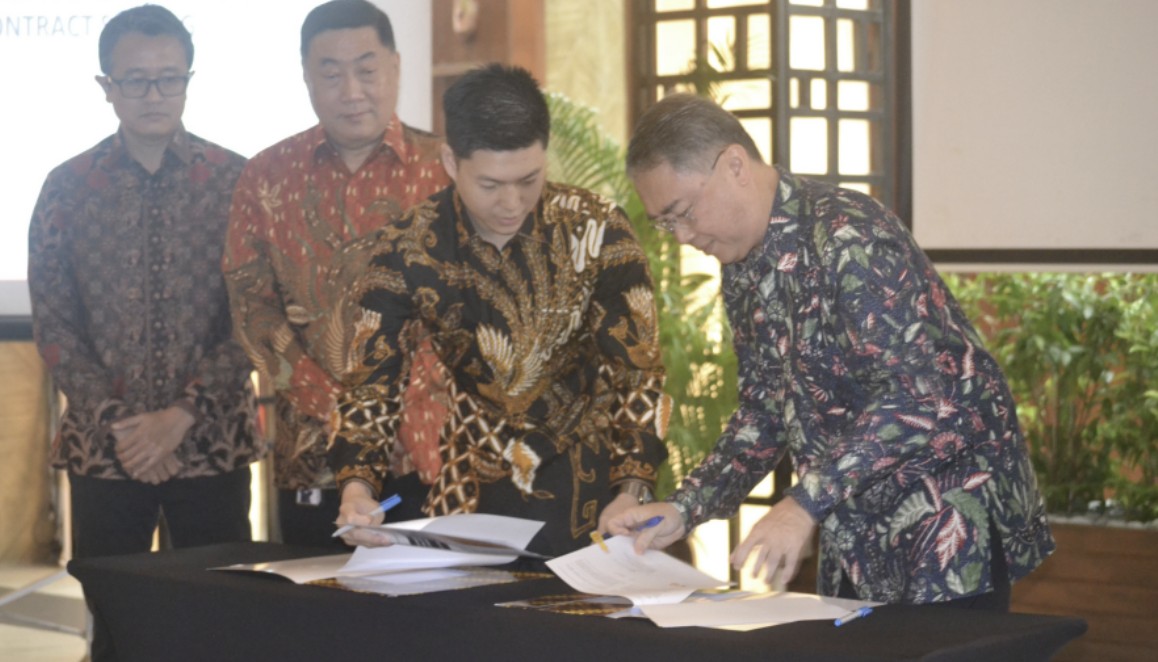
Local private firm to deliver SURF EPCI for Indonesian gas project

In 60 seconds

Top move

An FID-backed Indonesian gas development (Mako) moves subsea and MOPU activity from planning into contracting, creating near-term demand for SURF fabrication, installation and tie‑ins in Indonesia — treat this as a firm execution signal for mobilization planning

Key takeaways

  • An FID-backed Indonesian gas development (Mako) moves subsea and MOPU activity from planning into contracting, creating near-term demand for SURF fabrication, installation and tie‑ins in Indonesia — treat this as a firm execution signal for mobilization planning.
  • Local fabrication and a leased mobile offshore production unit (MOPU) mean buyers will face yard, load‑out and charter dependencies that can produce pass‑through mobilisation costs unless contract scope and option windows are explicit.
  • Asia shipyards are actively delivering specialised vessels (methanol‑ready subsea vessels and large LNG carriers), which eases medium‑term vessel supply but also signals competing heavy‑lift and berth demand that buyers should map against project windows.[2]
  • Regional fleet additions and O&M scopes (MISC LNG carriers and FPU work) increase local marine asset activity; this is context that can tighten availability for offshore support and heavy transport during overlapping campaigns.[1]
  • These items are operationally concrete (contracts, keel laying, vessel deliveries) but not yet a broad market squeeze for APAC drilling — watch yard berthing and specialist‑vessel bookings as the key early indicators of constraint.[2]

What changed since last run

  • Confirmed FID and an assigned local SURF EPCI contractor for the Mako gas project in Indonesia moves the signal from potential demand to a contracting/execution phase (article 3).
  • Keel‑laying and first steel cutting reported for methanol‑ready subsea vessels at a Shenzhen yard adds a concrete shipbuilding timeline to regional vessel supply assumptions (article 7).

Key facts

  • Six development wells tied back to a leased MOPU
  • Design capacity of 172 mmscfd for the MOPU
  • Approximately 59‑kilometre export pipeline to the KF platform
  • Keel laying and first steel cutting underway at a Shenzhen yard
  • Delivery on track for summer 2027
  • Vessels are methanol‑ready with battery hybrid technology

Why it matters

An FID-backed Indonesian gas development (Mako) moves subsea and MOPU activity from planning into contracting, creating near-term demand for SURF fabrication, installation and tie‑ins in Indonesia — treat this as a firm execution signal for mobilization planning. Local fabrication and a leased mobile offshore production unit (MOPU) mean buyers will face yard, load‑out and charter dependencies that can produce pass‑through mobilisation costs unless contract scope and option windows are explicit. Asia shipyards are actively delivering specialised vessels (methanol‑ready subsea vessels and large LNG carriers), which eases medium‑term vessel supply but also signals competing heavy‑lift and berth demand that buyers should map against project windows. Regional fleet additions and O&M scopes (MISC LNG carriers and FPU work) increase local marine asset activity; this is context that can tighten availability for offshore support and heavy transport during overlapping campaigns

Cost / money

  • FID and SURF scope in Indonesia increases risk of mobilisation pass‑throughs (yard build, load‑out, pipeline installation and charter) unless contracts allocate those costs explicitly to supplier or buyer.
  • Local fabrication and MOPU leasing shifts some spend toward local marine charters and fabrication lines, which can raise unit execution costs versus fully outsourced overseas fabrication if berths or crews are constrained.
  • Active shipbuilding and vessel deliveries in Asia reduce the medium‑term premium on newbuild availability but may compress short‑term dock and heavy‑lift windows that attract premium pricing.[2][1]

Supplier / commercial

  • SURF contractor selection and a local fabricator on the Mako project strengthen supplier leverage on schedule, change orders and conditional holds during load‑out and install phases.
  • Vessel owners and shipyards can offer shorter quote validity or mobilisation‑deposit terms when multiple projects compete for berths and fit‑out slots; expect conditional option language requests.[2]
  • O&M scopes awarded to large regional owners (MISC) show local providers leveraging long‑term relationships to bundle charter and operations work — that can reduce buyer negotiating latitude on standalone short hires.[1]

Safety / operations

  • Tied‑back wells to a leased MOPU and SURF tie‑ins increase execution complexity and elevate the importance of documented pre‑mobilisation readiness gates for HSE certifications and equipment interfaces.
  • New-generation vessel deliveries with hybrid and dual‑fuel capability introduce new operational checks (fuel handling, battery systems) that must be integrated into contractor competency and emergency response plans.[2][1]

What to watch

  • Watch for supplier notices that shorten quote validity windows or propose mobilisation deposits for SURF, fabrication and charter scopes — an early sign of supplier pricing leverage as projects move to execution.
  • Watch yard load‑out schedules and berth availability in Indonesia and nearby regional yards; slot clashes often create delay pass‑throughs and force re‑routing of heavy‑lift resources.[2]
  • Verify whether vessel O&M and FPU leases create calendar conflicts with planned heavy‑lift or support charters for drilling campaigns in the same timeframe.[1]

Top stories

Story 1Offshore EnergyMay 8, 2026

Local private firm to deliver SURF EPCI for Indonesian gas project

Signal strongSource-grounded

What happened

WNEL and partners reached FID for the Mako gas project and contracted a local private firm to deliver SURF (subsea umbilicals, risers and flowlines) and EPCI work for six development wells tied to a leased MOPU. The scope includes fabrication, coating, testing and offshore installation plus an export pipeline to tie into existing infrastructure, making this a moving‑forward execution package rather than a high‑level plan. Watch supplier mobilisation terms, yard load‑out timing and charter availability as the next operational triggers

Buyer takeaway

Treat the Mako award as an active procurement trigger: SURF fabrication, load‑out and installation slots will be the buying levers to control cost and schedule risk

Cost / money

Cost exposure will shift toward pass‑through mobilisation items (yard berths, heavy‑lift, charters and export pipeline install) unless contracts explicitly allocate these costs

Supplier / commercial

Local EPCI providers will have leverage on timing and conditional holds during load‑out; expect requests for short quote validity and mobilisation deposits

Safety / operations

Tied‑back wells and subsea install raise HSE interface risk; insist on documented pre‑mobilisation readiness gates and supplier competency evidence before mobilisation

What to watch

Watch supplier terms on deposit triggers and any notes that conditionalise availability during load‑out and installation windows

Key facts

  • Six development wells tied back to a leased MOPU
  • Design capacity of 172 mmscfd for the MOPU
  • Approximately 59‑kilometre export pipeline to the KF platform

Source excerpts

The project will initially comprise six development wells tied back to a leased mobile offshore production unit (MOPU), with a design capacity of 172 mmscfd
5%) and Coro Energy (15%), secured a final investment decision (FID) in March for the Mako gas project in the Natuna Sea
Home Fossil Energy Local private firm to deliver SURF EPCI for Indonesian gas project May 8, 2026, by West Natuna Exploration Limited (WNEL), a majority-owned subsidiary of Singapore-headquartered natural gas exploration and development company Conrad Asia Energy, has awarded Indonesian Timas Suplindo with an engineering, procurement, construction, and installation (EPCI) contract for the subsea umbilical, flowline, and riser (SURF) scope at its natural gas field off the coast of Indonesia
Story 2Offshore EnergyMay 8, 2026

Olympic Subsea's methanol-ready vessel duo enters construction

Signal moderateSource-grounded

What happened

A Shenzhen shipyard has started construction (keel‑laying, first steel cutting) on two methanol‑ready, battery‑hybrid subsea vessels for Olympic Subsea with delivery on track for summer 2027. This is an operational sign that regional yards are producing specialist subsea tonnage, which affects medium‑term vessel supply and berth demand. Watch whether these yard projects consume key load‑out and fit‑out slots that would otherwise support APAC SURF campaigns

Buyer takeaway

Newbuild programmes bring predictability to future vessel supply but can tighten short‑term berth and heavy‑lift availability

Cost / money

Short‑term berth and heavy‑lift bottlenecks can attract premiums during load‑out windows; newbuild timelines relieve this only after deliveries commence

Supplier / commercial

Shipyards may prioritise higher‑margin or contractually firm builds; buyers needing retrofit or urgent support should secure provisional slots early

Safety / operations

Dual‑fuel and hybrid systems add new inspection and operational training requirements that contractors must be able to manage before mobilisation

What to watch

Limited direct short‑term impact but watch yard slot calendars and heavy‑lift bookings as early indicators of constraint

Key facts

  • Keel laying and first steel cutting underway at a Shenzhen yard
  • Delivery on track for summer 2027
  • Vessels are methanol‑ready with battery hybrid technology

Source excerpts

Source: Olympic Subsea via LinkedIn Olympic Subsea reported that earlier in April the keel laying for the first vessel and the first steel cutting for the second vessel took place at the CMHI Shenzhen shipyard
Source: Olympic Subsea via LinkedIn Olympic Subsea reported that earlier in April the keel laying for the first vessel and the first steel cutting for the second vessel took place at the CMHI Shenzhen shipyard. The vessels will be ready to run on methanol and will feature battery hybrid technology, with delivery on track for the summer of 2027
Home Subsea Olympic Subsea’s methanol-ready vessel duo enters construction May 8, 2026, by The CMHI shipyard in Shenzhen, China, has begun the construction of two methanol-ready dual-fuel multipurpose subsea vessels for Norway’s Olympic Subsea. Source: Olympic Subsea via LinkedIn Olympic Subsea reported that earlier in April the keel laying for the first vessel and the first steel cutting for the second vessel took place at the CMHI Shenzhen shipyard
Story 3Offshore EnergyMay 8, 2026

LNG vessel pair enriches MISC’s fleet

Signal moderateSource-grounded

What happened

MISC unveiled two new-generation LNG carriers constructed by Hanwha Ocean and noted the company holds O&M scope for an FPU in Brunei; the vessels incorporate energy‑efficient systems and strengthen regional marine capability. The commercial activity demonstrates active charter and O&M markets in Southeast Asia, which influences where marine support and long‑term charter capacity sits. Watch whether this fleet activity competes with drilling support charters or frees up older tonnage for short‑term hire

Buyer takeaway

Active LNG and FPU activity signals stronger local marine demand that can either crowd out or redeploy support vessels; confirm availability before awards

Cost / money

Long‑term charters and O&M commitments can reduce the pool of ad‑hoc support tonnage, creating upward pressure on day rates for short hires

Supplier / commercial

Large regional owners may bundle FPU O&M and charter services, reducing standalone short‑hire negotiating leverage for buyers

Safety / operations

Strong safety records on these projects are a positive signal; verify that similar safety and competency levels extend to subcontracted drilling support vessels

What to watch

Watch calendar overlap between FPU charters and drilling support windows that could create pinch points for specialised marine services

Key facts

  • Two new 174,000 cbm LNG carriers delivered by Hanwha Ocean
  • MISC now operates four LNG carriers under long‑term time charter with SeaRiver Maritime
  • MISC reported two million safe man‑hours and zero lost time injury on the programme

Source excerpts

The Asian firm’s LNG fleet stands at 32 vessels with the arrival of these two ships, solidifying its position among the world’s leading owner-operators of LNG carriers. MISC secured the lease, operate, and maintain (O&M) scope of work last year for a floating production unit (FPU) set to be used at a natural gas development project off the coast of Brunei
Seri Dian and Seri Dayang LNG carriers; Source: MISC While announcing the naming of its new LNG carriers, Seri Dian and Seri Dayang, on May 7, 2026, for SeaRiver Maritime, MISC explained that the 174,000 cbm vessel duo was constructed by Hanwha Ocean. These ships are equipped with smart, energy-efficient technologies, including the intelligent control by exhaust recycling (ICER) system and an enhanced cargo containment system with reduced boil-off rates to improve efficiency and support safer operations
” With the addition of the Seri Dian and Seri Dayang LNG carriers, MISC now operates four LNG carriers under long-term time charter with SeaRiver Maritime. The Asian firm’s LNG fleet stands at 32 vessels with the arrival of these two ships, solidifying its position among the world’s leading owner-operators of LNG carriers

VP Snapshot

Executive Risk & Action View

An FID-backed Indonesian gas development (Mako) moves subsea and MOPU activity from planning into contracting, creating near-term demand for SURF fabrication, installation and tie‑ins in Indonesia — treat this as a firm execution signal for mobilization planning.

Overall
61
Cost
79
Supply
43
Schedule
38
Compliance
15

Top signals

30-180dcost

Signal 1: Cost / money

FID and SURF scope in Indonesia increases risk of mobilisation pass‑throughs (yard build, load‑out, pipeline installation and charter) unless contracts allocate those costs explicitly to supplier or buyer.

Signal 2: Cost / money

Local fabrication and MOPU leasing shifts some spend toward local marine charters and fabrication lines, which can raise unit execution costs versus fully outsourced overseas fabrication if berths or crews are constrained.

0-30dcost

Signal 3: Cost / money

Active shipbuilding and vessel deliveries in Asia reduce the medium‑term premium on newbuild availability but may compress short‑term dock and heavy‑lift windows that attract premium pricing.

30-180dschedule

Signal 4: Supplier / commercial

SURF contractor selection and a local fabricator on the Mako project strengthen supplier leverage on schedule, change orders and conditional holds during load‑out and install phases.

30-180dcommercial

Signal 5: Supplier / commercial

Vessel owners and shipyards can offer shorter quote validity or mobilisation‑deposit terms when multiple projects compete for berths and fit‑out slots; expect conditional option language requests.

Signal 6: Supplier / commercial

O&M scopes awarded to large regional owners (MISC) show local providers leveraging long‑term relationships to bundle charter and operations work — that can reduce buyer negotiating latitude on standalone short hires.

Recommended actions

CategoryDue 3d

Update the APAC mobilisation register to include Mako SURF, MOPU and nearby yard berthing windows.

Annotated availability register showing potential berth, load‑out and charter conflicts for planned APAC campaigns.

ContractsDue 3d

Ask shortlisted SURF and fabrication suppliers for written statements of quote validity, mobilisation deposit triggers and conditional availability notes.

Supplier replies that list validity windows and mobilisation deposit conditions to use in contracting decisions.

ContractsDue 21d

Include explicit mobilisation pass‑through, deposit and pre‑mobilisation readiness gates in upcoming SURF and marine RFPs and contract templates for Indonesian work.

Updated RFP/contract clauses that set expectations for mobilisation fees, deposit triggers and documented readiness gates.

CategoryDue 21d

Engage key regional shipyards and heavy‑lift providers to capture conditional option holds or provisional berthing slots for critical load‑outs.

Documented provisional holds or conditional option terms with yards and heavy‑lift providers to protect load‑out windows.

CategoryDue 60d

Run a supplier capacity assessment for SURF installers, local fabricators and specialist vessels covering APAC allocations and probable re‑prioritisation scenarios.

Ranked supplier capability and capacity matrix and an operational contingency plan for alternative sourcing or phased mobilisation.

ContractsDue 60d

Work with Legal and Contracts to pre‑draft balanced mobilisation‑deposit and cancellation clauses tailored to SURF and MOPU agreements.

Contract templates with calibrated deposit, cancellation and pass‑through clauses ready for APAC SURF and MOPU awards.

Risk register

RiskTriggerMitigation
Watch for supplier notices that shorten quote validity windows or propose mobilisation deposits for SURF, fabrication and charter scopes — an early sign of supplier pricing leverage as projects move to execution.Watch for supplier notices that shorten quote validity windows or propose mobilisation deposits for SURF, fabrication and charter scopes — an early sign of supplier pricing leverage as projects move to execution.Confirm exposure with category, contracts, and operations before the next supplier commitment.
Watch yard load‑out schedules and berth availability in Indonesia and nearby regional yards; slot clashes often create delay pass‑throughs and force re‑routing of heavy‑lift resources.Watch yard load‑out schedules and berth availability in Indonesia and nearby regional yards; slot clashes often create delay pass‑throughs and force re‑routing of heavy‑lift resources.Confirm exposure with category, contracts, and operations before the next supplier commitment.
Verify whether vessel O&M and FPU leases create calendar conflicts with planned heavy‑lift or support charters for drilling campaigns in the same timeframe.Verify whether vessel O&M and FPU leases create calendar conflicts with planned heavy‑lift or support charters for drilling campaigns in the same timeframe.Confirm exposure with category, contracts, and operations before the next supplier commitment.

CM Snapshot

Category Manager Decision Detail

Today's priorities

Update the APAC mobilisation register to include Mako SURF, MOPU and nearby yard berthing windows.

because the Mako FID and assigned SURF scope create firm mobilisation dependencies that change the availability profile for fabrication and charter assets.

Due 3d

high

CM move

Use this as the immediate supplier or contract action to move before the next sourcing gate.

Ask shortlisted SURF and fabrication suppliers for written statements of quote validity, mobilisation deposit triggers and conditional availability notes.

because suppliers facing a firm EPCI award commonly shorten validity or request deposits; documented responses preserve negotiation leverage and clarify exposure.

Due 3d

high

CM move

Use this as the immediate supplier or contract action to move before the next sourcing gate.

Include explicit mobilisation pass‑through, deposit and pre‑mobilisation readiness gates in upcoming SURF and marine RFPs and contract templates for Indonesian work.

because local fabrication, load‑out and MOPU tie‑ins concentrate risk on mobilization and interface readiness; clear contract language allocates cost and schedule responsibility.

Due 21d

high

CM move

Use this as the immediate supplier or contract action to move before the next sourcing gate.

Engage key regional shipyards and heavy‑lift providers to capture conditional option holds or provisional berthing slots for critical load‑outs.

because keel‑laying and active yard programmes in the region can consume berths and lifts; provisional holds preserve execution windows without full financial commitment.

Due 21d

high

CM move

Use this as the immediate supplier or contract action to move before the next sourcing gate.

Supplier radar

Offshore Energy

high

Observed supplier signal

SURF contractor selection and a local fabricator on the Mako project strengthen supplier leverage on schedule, change orders and conditional holds during load‑out and install phases.

Commercial implication

SURF contractor selection and a local fabricator on the Mako project strengthen supplier leverage on schedule, change orders and conditional holds during load‑out and install phases.

Next step: Validate the source-backed signal with incumbents and alternates before the next award or pricing decision.

Offshore Energy

high

Observed supplier signal

Vessel owners and shipyards can offer shorter quote validity or mobilisation‑deposit terms when multiple projects compete for berths and fit‑out slots; expect conditional option language requests.

Commercial implication

Vessel owners and shipyards can offer shorter quote validity or mobilisation‑deposit terms when multiple projects compete for berths and fit‑out slots; expect conditional option language requests.

Next step: Validate the source-backed signal with incumbents and alternates before the next award or pricing decision.

Offshore Energy

high

Observed supplier signal

O&M scopes awarded to large regional owners (MISC) show local providers leveraging long‑term relationships to bundle charter and operations work — that can reduce buyer negotiating latitude on standalone short hires.

Commercial implication

O&M scopes awarded to large regional owners (MISC) show local providers leveraging long‑term relationships to bundle charter and operations work — that can reduce buyer negotiating latitude on standalone short hires.

Next step: Validate the source-backed signal with incumbents and alternates before the next award or pricing decision.

Negotiation levers

Update the APAC mobilisation register to include Mako SURF, MOPU and nearby yard berthing windows.

When to use: because the Mako FID and assigned SURF scope create firm mobilisation dependencies that change the availability profile for fabrication and charter assets.

Expected outcome: Annotated availability register showing potential berth, load‑out and charter conflicts for planned APAC campaigns.

Commercial mechanism to carry into the next supplier conversation

Ask shortlisted SURF and fabrication suppliers for written statements of quote validity, mobilisation deposit triggers and conditional availability notes.

When to use: because suppliers facing a firm EPCI award commonly shorten validity or request deposits; documented responses preserve negotiation leverage and clarify exposure.

Expected outcome: Supplier replies that list validity windows and mobilisation deposit conditions to use in contracting decisions.

Commercial mechanism to carry into the next supplier conversation

Include explicit mobilisation pass‑through, deposit and pre‑mobilisation readiness gates in upcoming SURF and marine RFPs and contract templates for Indonesian work.

When to use: because local fabrication, load‑out and MOPU tie‑ins concentrate risk on mobilization and interface readiness; clear contract language allocates cost and schedule responsibility.

Expected outcome: Updated RFP/contract clauses that set expectations for mobilisation fees, deposit triggers and documented readiness gates.

Commercial mechanism to carry into the next supplier conversation

Engage key regional shipyards and heavy‑lift providers to capture conditional option holds or provisional berthing slots for critical load‑outs.

When to use: because keel‑laying and active yard programmes in the region can consume berths and lifts; provisional holds preserve execution windows without full financial commitment.

Expected outcome: Documented provisional holds or conditional option terms with yards and heavy‑lift providers to protect load‑out windows.

Commercial mechanism to carry into the next supplier conversation

Talking points

An FID-backed Indonesian gas development (Mako) moves subsea and MOPU activity from planning into contracting, creating near-term demand for SURF fabrication, installation and tie‑ins in Indonesia — treat this as a firm execution signal for mobilization planning.
Local fabrication and a leased mobile offshore production unit (MOPU) mean buyers will face yard, load‑out and charter dependencies that can produce pass‑through mobilisation costs unless contract scope and option windows are explicit.
Asia shipyards are actively delivering specialised vessels (methanol‑ready subsea vessels and large LNG carriers), which eases medium‑term vessel supply but also signals competing heavy‑lift and berth demand that buyers should map against project windows.
Regional fleet additions and O&M scopes (MISC LNG carriers and FPU work) increase local marine asset activity; this is context that can tighten availability for offshore support and heavy transport during overlapping campaigns.

Supplier radar

SupplierSignalImplicationNext stepConfidence
Offshore EnergySURF contractor selection and a local fabricator on the Mako project strengthen supplier leverage on schedule, change orders and conditional holds during load‑out and install phases.SURF contractor selection and a local fabricator on the Mako project strengthen supplier leverage on schedule, change orders and conditional holds during load‑out and install phases.Validate the source-backed signal with incumbents and alternates before the next award or pricing decision.high
Offshore EnergyVessel owners and shipyards can offer shorter quote validity or mobilisation‑deposit terms when multiple projects compete for berths and fit‑out slots; expect conditional option language requests.Vessel owners and shipyards can offer shorter quote validity or mobilisation‑deposit terms when multiple projects compete for berths and fit‑out slots; expect conditional option language requests.Validate the source-backed signal with incumbents and alternates before the next award or pricing decision.high
Offshore EnergyO&M scopes awarded to large regional owners (MISC) show local providers leveraging long‑term relationships to bundle charter and operations work — that can reduce buyer negotiating latitude on standalone short hires.O&M scopes awarded to large regional owners (MISC) show local providers leveraging long‑term relationships to bundle charter and operations work — that can reduce buyer negotiating latitude on standalone short hires.Validate the source-backed signal with incumbents and alternates before the next award or pricing decision.high

Negotiation levers

  • Update the APAC mobilisation register to include Mako SURF, MOPU and nearby yard berthing windows.because the Mako FID and assigned SURF scope create firm mobilisation dependencies that change the availability profile for fabrication and charter assets.Annotated availability register showing potential berth, load‑out and charter conflicts for planned APAC campaigns.

    high confidence

  • Ask shortlisted SURF and fabrication suppliers for written statements of quote validity, mobilisation deposit triggers and conditional availability notes.because suppliers facing a firm EPCI award commonly shorten validity or request deposits; documented responses preserve negotiation leverage and clarify exposure.Supplier replies that list validity windows and mobilisation deposit conditions to use in contracting decisions.

    high confidence

  • Include explicit mobilisation pass‑through, deposit and pre‑mobilisation readiness gates in upcoming SURF and marine RFPs and contract templates for Indonesian work.because local fabrication, load‑out and MOPU tie‑ins concentrate risk on mobilization and interface readiness; clear contract language allocates cost and schedule responsibility.Updated RFP/contract clauses that set expectations for mobilisation fees, deposit triggers and documented readiness gates.

    high confidence

  • Engage key regional shipyards and heavy‑lift providers to capture conditional option holds or provisional berthing slots for critical load‑outs.because keel‑laying and active yard programmes in the region can consume berths and lifts; provisional holds preserve execution windows without full financial commitment.Documented provisional holds or conditional option terms with yards and heavy‑lift providers to protect load‑out windows.

    high confidence

What to do / What to watch

What to do now

  • Update the APAC mobilisation register to include Mako SURF, MOPU and nearby yard berthing windows.

    Why: because the Mako FID and assigned SURF scope create firm mobilisation dependencies that change the availability profile for fabrication and charter assets.

    Owner: Category

    Expected outcome: Annotated availability register showing potential berth, load‑out and charter conflicts for planned APAC campaigns.

  • Ask shortlisted SURF and fabrication suppliers for written statements of quote validity, mobilisation deposit triggers and conditional availability notes.

    Why: because suppliers facing a firm EPCI award commonly shorten validity or request deposits; documented responses preserve negotiation leverage and clarify exposure.

    Owner: Contracts

    Expected outcome: Supplier replies that list validity windows and mobilisation deposit conditions to use in contracting decisions.

Next few weeks

  • Include explicit mobilisation pass‑through, deposit and pre‑mobilisation readiness gates in upcoming SURF and marine RFPs and contract templates for Indonesian work.

    Why: because local fabrication, load‑out and MOPU tie‑ins concentrate risk on mobilization and interface readiness; clear contract language allocates cost and schedule responsibility.

    Owner: Contracts

    Expected outcome: Updated RFP/contract clauses that set expectations for mobilisation fees, deposit triggers and documented readiness gates.

  • Engage key regional shipyards and heavy‑lift providers to capture conditional option holds or provisional berthing slots for critical load‑outs.

    Why: because keel‑laying and active yard programmes in the region can consume berths and lifts; provisional holds preserve execution windows without full financial commitment.

    Owner: Category

    Expected outcome: Documented provisional holds or conditional option terms with yards and heavy‑lift providers to protect load‑out windows.

    [2]

Longer view

  • Run a supplier capacity assessment for SURF installers, local fabricators and specialist vessels covering APAC allocations and probable re‑prioritisation scenarios.

    Why: because the Mako FID plus ongoing regional newbuild activity materially increases the chance of overlapping campaigns that strain local capacity, so a capability matrix informs...

    Owner: Category

    Expected outcome: Ranked supplier capability and capacity matrix and an operational contingency plan for alternative sourcing or phased mobilisation.

    [2]
  • Work with Legal and Contracts to pre‑draft balanced mobilisation‑deposit and cancellation clauses tailored to SURF and MOPU agreements.

    Why: because suppliers are likely to seek deposits or conditional holds as project backlogs firm; pre‑approved contract language preserves buyer protections and negotiation speed.

    Owner: Contracts

    Expected outcome: Contract templates with calibrated deposit, cancellation and pass‑through clauses ready for APAC SURF and MOPU awards.

What to watch

  • Watch for supplier notices that shorten quote validity windows or propose mobilisation deposits for SURF, fabrication and charter scopes — an early sign of supplier pricing leverage as projects move to execution
  • Watch yard load‑out schedules and berth availability in Indonesia and nearby regional yards; slot clashes often create delay pass‑throughs and force re‑routing of heavy‑lift resources
  • Verify whether vessel O&M and FPU leases create calendar conflicts with planned heavy‑lift or support charters for drilling campaigns in the same timeframe
  • Watch for supplier notices that shorten quote validity windows or propose mobilisation deposits for SURF, fabrication and charter scopes — an early sign of supplier pricing leverage as projects move to execution.: Watch for supplier notices that shorten quote validity windows or propose mobilisation deposits for SURF, fabrication and charter scopes — an early sign of supplier pricing leverage as projects move to execution
  • Watch yard load‑out schedules and berth availability in Indonesia and nearby regional yards; slot clashes often create delay pass‑throughs and force re‑routing of heavy‑lift resources.: Watch yard load‑out schedules and berth availability in Indonesia and nearby regional yards; slot clashes often create delay pass‑throughs and force re‑routing of heavy‑lift resources
  • Verify whether vessel O&M and FPU leases create calendar conflicts with planned heavy‑lift or support charters for drilling campaigns in the same timeframe.: Verify whether vessel O&M and FPU leases create calendar conflicts with planned heavy‑lift or support charters for drilling campaigns in the same timeframe
  • An FID-backed Indonesian gas development (Mako) moves subsea and MOPU activity from planning into contracting, creating near-term demand for SURF fabrication, installation and tie‑ins in Indonesia — treat this as a firm execution signal for mobilization planning
  • Local fabrication and a leased mobile offshore production unit (MOPU) mean buyers will face yard, load‑out and charter dependencies that can produce pass‑through mobilisation costs unless contract scope and option windows are explicit

Market pulse

IndexLatestChangeAs of
WTI Crude (WTI)71.23 /bbl+0.00 (+0.00%)May 8, 2026, 10:04 PM
Brent Crude (BRENT)74.89 /bbl+0.00 (+0.00%)May 8, 2026, 10:04 PM
Natural Gas (NG)3.12 /MMBtu+0.00 (+0.00%)May 8, 2026, 10:04 PM
Schlumberger (SLB)48 +0.00 (+0.00%)May 8, 2026, 10:04 PM
Halliburton (HAL)35 +0.00 (+0.00%)May 8, 2026, 10:04 PM
Baker Hughes (BKR)32 +0.00 (+0.00%)May 8, 2026, 10:04 PM
  • Natural Gas: Regional gas project FIDs increase demand sensitivity to natural gas market dynamics; procurement should monitor gas price moves that influence development economics and mobilization timing
  • Brent Crude: Oil price direction affects operator capital discipline; upward moves can accelerate project execution and supplier mobilisation demands in APAC

Sources

Inline citations jump here. Expand a source to read the excerpt, the AI interpretation, and the original link.

[1] LNG vessel pair enriches MISC’s fleet

offshore-energy.biz · May 8, 2026

Expand

AI reading

MISC unveiled two new-generation LNG carriers constructed by Hanwha Ocean and noted the company holds O&M scope for an FPU in Brunei; the vessels incorporate energy‑efficient systems and strengthen regional marine capability. The commercial activity demonstrates active charter and O&M markets in Southeast Asia, which influences where marine support and long‑term charter capacity sits. Watch whether this fleet activity competes with drilling support charters or frees up older tonnage for short‑term hire

Buyer takeaway

Active LNG and FPU activity signals stronger local marine demand that can either crowd out or redeploy support vessels; confirm availability before awards

Cost / money

Long‑term charters and O&M commitments can reduce the pool of ad‑hoc support tonnage, creating upward pressure on day rates for short hires

Supplier / commercial

Large regional owners may bundle FPU O&M and charter services, reducing standalone short‑hire negotiating leverage for buyers

Safety / operations

Strong safety records on these projects are a positive signal; verify that similar safety and competency levels extend to subcontracted drilling support vessels

What to watch

Watch calendar overlap between FPU charters and drilling support windows that could create pinch points for specialised marine services

Key facts

  • Two new 174,000 cbm LNG carriers delivered by Hanwha Ocean
  • MISC now operates four LNG carriers under long‑term time charter with SeaRiver Maritime
  • MISC reported two million safe man‑hours and zero lost time injury on the programme

Source excerpts

The Asian firm’s LNG fleet stands at 32 vessels with the arrival of these two ships, solidifying its position among the world’s leading owner-operators of LNG carriers. MISC secured the lease, operate, and maintain (O&M) scope of work last year for a floating production unit (FPU) set to be used at a natural gas development project off the coast of Brunei
Seri Dian and Seri Dayang LNG carriers; Source: MISC While announcing the naming of its new LNG carriers, Seri Dian and Seri Dayang, on May 7, 2026, for SeaRiver Maritime, MISC explained that the 174,000 cbm vessel duo was constructed by Hanwha Ocean. These ships are equipped with smart, energy-efficient technologies, including the intelligent control by exhaust recycling (ICER) system and an enhanced cargo containment system with reduced boil-off rates to improve efficiency and support safer operations
” With the addition of the Seri Dian and Seri Dayang LNG carriers, MISC now operates four LNG carriers under long-term time charter with SeaRiver Maritime. The Asian firm’s LNG fleet stands at 32 vessels with the arrival of these two ships, solidifying its position among the world’s leading owner-operators of LNG carriers

Used in this brief

  • An FID-backed Indonesian gas development (Mako) moves subsea and MOPU activity from planning into contracting, creating near-term demand for SURF fabrication, installation and tie‑ins in Indonesia — treat this as a firm execution signal for mobilization planning. Local fabrication and a leased mobile offshore production unit (MOPU) mean buyers will face yard, load‑out and charter dependencies that can produce pass‑through mobilisation costs unless contract scope and option windows are explicit. Asia shipyards are actively delivering specialised vessels (methanol‑ready subsea vessels and large LNG carriers), which eases medium‑term vessel supply but also signals competing heavy‑lift and berth demand that buyers should map against project windows. Regional fleet additions and O&M scopes (MISC LNG carriers and FPU work) increase local marine asset activity; this is context that can tighten availability for offshore support and heavy transport during overlapping campaigns
  • Verify whether vessel O&M and FPU leases create calendar conflicts with planned heavy‑lift or support charters for drilling campaigns in the same timeframe
  • MISC unveiled two new-generation LNG carriers constructed by Hanwha Ocean and noted the company holds O&M scope for an FPU in Brunei; the vessels incorporate energy‑efficient systems and strengthen regional marine capability. The commercial activity demonstrates active charter and O&M markets in Southeast Asia, which influences where marine support and long‑term charter capacity sits. Watch whether this fleet activity competes with drilling support charters or frees up older tonnage for short‑term hire
Open original source

[2] Olympic Subsea's methanol-ready vessel duo enters construction

offshore-energy.biz · May 8, 2026

Expand

AI reading

A Shenzhen shipyard has started construction (keel‑laying, first steel cutting) on two methanol‑ready, battery‑hybrid subsea vessels for Olympic Subsea with delivery on track for summer 2027. This is an operational sign that regional yards are producing specialist subsea tonnage, which affects medium‑term vessel supply and berth demand. Watch whether these yard projects consume key load‑out and fit‑out slots that would otherwise support APAC SURF campaigns

Buyer takeaway

Newbuild programmes bring predictability to future vessel supply but can tighten short‑term berth and heavy‑lift availability

Cost / money

Short‑term berth and heavy‑lift bottlenecks can attract premiums during load‑out windows; newbuild timelines relieve this only after deliveries commence

Supplier / commercial

Shipyards may prioritise higher‑margin or contractually firm builds; buyers needing retrofit or urgent support should secure provisional slots early

Safety / operations

Dual‑fuel and hybrid systems add new inspection and operational training requirements that contractors must be able to manage before mobilisation

What to watch

Limited direct short‑term impact but watch yard slot calendars and heavy‑lift bookings as early indicators of constraint

Key facts

  • Keel laying and first steel cutting underway at a Shenzhen yard
  • Delivery on track for summer 2027
  • Vessels are methanol‑ready with battery hybrid technology

Source excerpts

Source: Olympic Subsea via LinkedIn Olympic Subsea reported that earlier in April the keel laying for the first vessel and the first steel cutting for the second vessel took place at the CMHI Shenzhen shipyard
Source: Olympic Subsea via LinkedIn Olympic Subsea reported that earlier in April the keel laying for the first vessel and the first steel cutting for the second vessel took place at the CMHI Shenzhen shipyard. The vessels will be ready to run on methanol and will feature battery hybrid technology, with delivery on track for the summer of 2027
Home Subsea Olympic Subsea’s methanol-ready vessel duo enters construction May 8, 2026, by The CMHI shipyard in Shenzhen, China, has begun the construction of two methanol-ready dual-fuel multipurpose subsea vessels for Norway’s Olympic Subsea. Source: Olympic Subsea via LinkedIn Olympic Subsea reported that earlier in April the keel laying for the first vessel and the first steel cutting for the second vessel took place at the CMHI Shenzhen shipyard

Used in this brief

  • Next 2-4 weeks — Engage key regional shipyards and heavy‑lift providers to capture conditional option holds or provisional berthing slots for critical load‑outs.. Rationale: because keel‑laying and active yard programmes in the region can consume berths and lifts; provisional holds preserve execution windows without full financial commitment.. Owner: Category. KPI: Documented provisional holds or conditional option terms with yards and heavy‑lift providers to protect load‑out windows
  • Keel‑laying and first steel cutting reported for methanol‑ready subsea vessels at a Shenzhen yard adds a concrete shipbuilding timeline to regional vessel supply assumptions (article 7)
  • A Shenzhen shipyard has started construction (keel‑laying, first steel cutting) on two methanol‑ready, battery‑hybrid subsea vessels for Olympic Subsea with delivery on track for summer 2027. This is an operational sign that regional yards are producing specialist subsea tonnage, which affects medium‑term vessel supply and berth demand. Watch whether these yard projects consume key load‑out and fit‑out slots that would otherwise support APAC SURF campaigns
Open original source

[3] Local private firm to deliver SURF EPCI for Indonesian gas project

offshore-energy.biz · May 8, 2026

Expand

AI reading

WNEL and partners reached FID for the Mako gas project and contracted a local private firm to deliver SURF (subsea umbilicals, risers and flowlines) and EPCI work for six development wells tied to a leased MOPU. The scope includes fabrication, coating, testing and offshore installation plus an export pipeline to tie into existing infrastructure, making this a moving‑forward execution package rather than a high‑level plan. Watch supplier mobilisation terms, yard load‑out timing and charter availability as the next operational triggers

Buyer takeaway

Treat the Mako award as an active procurement trigger: SURF fabrication, load‑out and installation slots will be the buying levers to control cost and schedule risk

Cost / money

Cost exposure will shift toward pass‑through mobilisation items (yard berths, heavy‑lift, charters and export pipeline install) unless contracts explicitly allocate these costs

Supplier / commercial

Local EPCI providers will have leverage on timing and conditional holds during load‑out; expect requests for short quote validity and mobilisation deposits

Safety / operations

Tied‑back wells and subsea install raise HSE interface risk; insist on documented pre‑mobilisation readiness gates and supplier competency evidence before mobilisation

What to watch

Watch supplier terms on deposit triggers and any notes that conditionalise availability during load‑out and installation windows

Key facts

  • Six development wells tied back to a leased MOPU
  • Design capacity of 172 mmscfd for the MOPU
  • Approximately 59‑kilometre export pipeline to the KF platform

Source excerpts

The project will initially comprise six development wells tied back to a leased mobile offshore production unit (MOPU), with a design capacity of 172 mmscfd
5%) and Coro Energy (15%), secured a final investment decision (FID) in March for the Mako gas project in the Natuna Sea
Home Fossil Energy Local private firm to deliver SURF EPCI for Indonesian gas project May 8, 2026, by West Natuna Exploration Limited (WNEL), a majority-owned subsidiary of Singapore-headquartered natural gas exploration and development company Conrad Asia Energy, has awarded Indonesian Timas Suplindo with an engineering, procurement, construction, and installation (EPCI) contract for the subsea umbilical, flowline, and riser (SURF) scope at its natural gas field off the coast of Indonesia

Used in this brief

  • Safety / operations: Tied‑back wells to a leased MOPU and SURF tie‑ins increase execution complexity and elevate the importance of documented pre‑mobilisation readiness gates for HSE certifications and equipment interfaces
  • Next 72 hours — Update the APAC mobilisation register to include Mako SURF, MOPU and nearby yard berthing windows.. Rationale: because the Mako FID and assigned SURF scope create firm mobilisation dependencies that change the availability profile for fabrication and charter assets.. Owner: Category. KPI: Annotated availability register showing potential berth, load‑out and charter conflicts for planned APAC campaigns
  • Next 72 hours — Ask shortlisted SURF and fabrication suppliers for written statements of quote validity, mobilisation deposit triggers and conditional availability notes.. Rationale: because suppliers facing a firm EPCI award commonly shorten validity or request deposits; documented responses preserve negotiation leverage and clarify exposure.. Owner: Contracts. KPI: Supplier replies that list validity windows and mobilisation deposit conditions to use in contracting decisions
Open original source

[4] Natural Gas

finance.yahoo.com · n.d.

Expand

[5] Brent Crude

finance.yahoo.com · n.d.

Expand