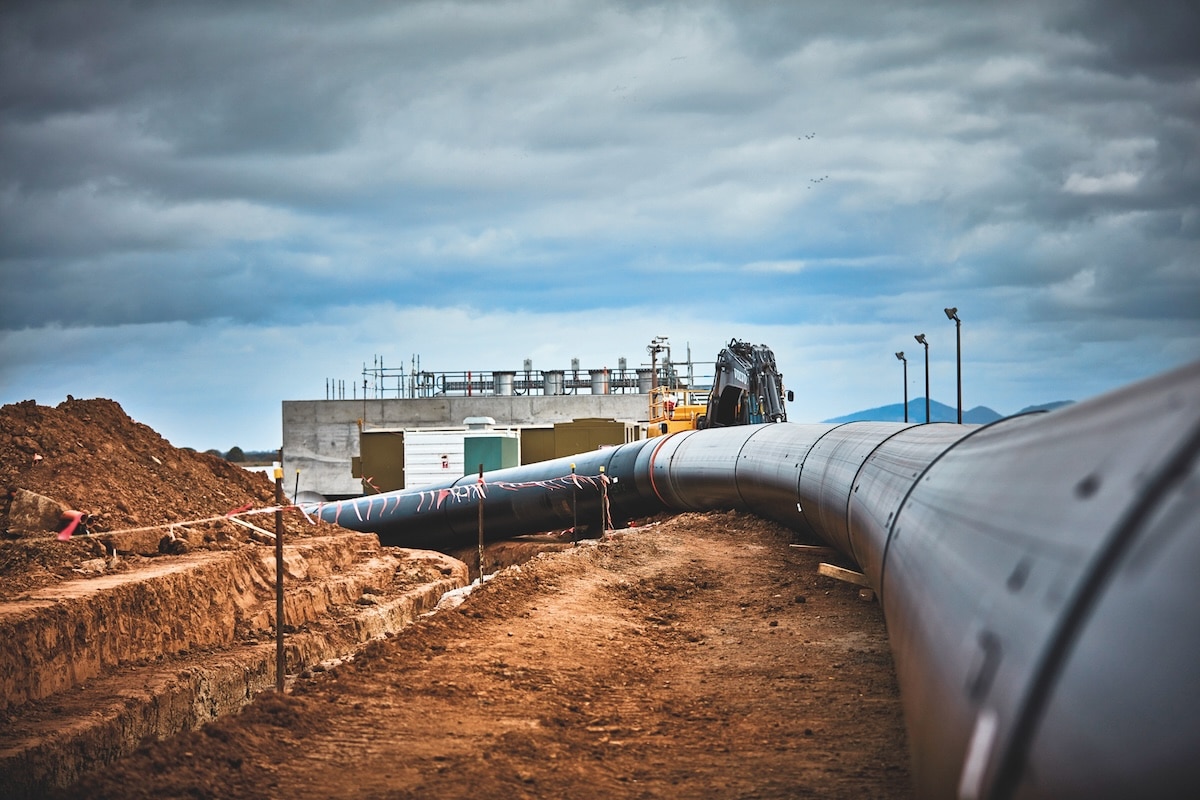
Every drop counts
What happened
PIPA is promoting plastic pipe systems as durable and low‑leak options for water networks, citing engineered lifespans and potable‑water testing standards. The article highlights AS/NZS 4020:2018 certification and claims about service suitability for drinking water applications. Watch supplier test reports and certification evidence before treating longevity claims as procurement acceptance criteria
Buyer takeaway
Treat plastic‑pipe certifications as a procurement gate: if a supplier can’t produce AS/NZS 4020 evidence and traceability, they should not be preferred for potable or sensitive service scopes
Cost / money
Certification-led selection can add premium to vendor offers and move some negotiating value from unit price to documented testing and acceptance costs
Supplier / commercial
Certified manufacturers will gain negotiating leverage in tenders for water, municipal and some site infrastructure scopes where specification requires potable‑water compliance
Safety / operations
Using certified plastic systems reduces contamination and leak risk, lowering remediation and environmental exposure compared with untested alternatives
What to watch
Verify lab reports and application fit: marketing claims about multi‑decade life are thematic unless backed by application‑specific testing and traceable material records
Key facts
- PIPA cites engineered life over 100 years for plastic pipes
- Points to AS/NZS 4020:2018 as the potable‑water certification benchmark
- Positions plastic systems as resistant to corrosion, chemical attack and abrasion
Source excerpts
Bray said plastic pipes undergo rigorous testing to ensure they are suitable for drinking water applications, including certification under AS/NZS 4020:2018, which assesses materials in contact with potable water
Environmental sustainability is another key benefit of plastic pipe systems
The safety of drinking water is inseparable from the durability of the systems that deliver it