Completions & Intervention · Australia (Perth)

Lock In Mobilisation and Equipment Risk for Well Intervention Supply

Published May 10, 2026, 6:00 AM AWSTAPACFull category signal
Ask AI
Weatherford picks up new jobs with Noble and Constellation Oil Services

In 60 seconds

Top move

Weatherford’s new managed-pressure drilling (MPD) awards signal tighter equipment delivery and aftermarket commitments that will compress supplier responsiveness for well-intervention scopes

Key takeaways

  • Weatherford’s new managed-pressure drilling (MPD) awards signal tighter equipment delivery and aftermarket commitments that will compress supplier responsiveness for well-intervention scopes.[1]
  • Lloyd’s Register endorsement of Wison’s internal-turret FPSO concept raises the capability floor for regionally supplied floating production hardware—useful when planning tie-backs and intervention interfaces in APAC.[2]
  • Fracturing tech trends (simulfracs and autonomous pressure control) point to rising execution dependency on pump uptime and control systems; contracting needs to capture uptime, remote support and remediation responsibilities.[3]
  • None of the items are direct APAC awards; treat these as supplier-capability signals that can change leverage and mobilisation clauses rather than immediate schedule shocks.[1]
  • Technology and design approvals (AiP) are operationally real: they shorten technical decision cycles but still require buyer verification of vendor delivery timelines and class approvals before mobilisation.[2]

What changed since last run

  • Added supplier-level delivery and aftermarket signals from Weatherford’s MPD awards that increase attention on equipment lead times versus the previous mobilisation-focused Indonesian SURF brief (previous run).
  • Added a capability/standards signal from Lloyd’s Register AiP endorsement of Wison’s internal turret FPSO, which affects regional redeployment and tie-back planning compared with prior run assumptions.

Key facts

  • Delivery of two deepwater MPD systems expected before year-end
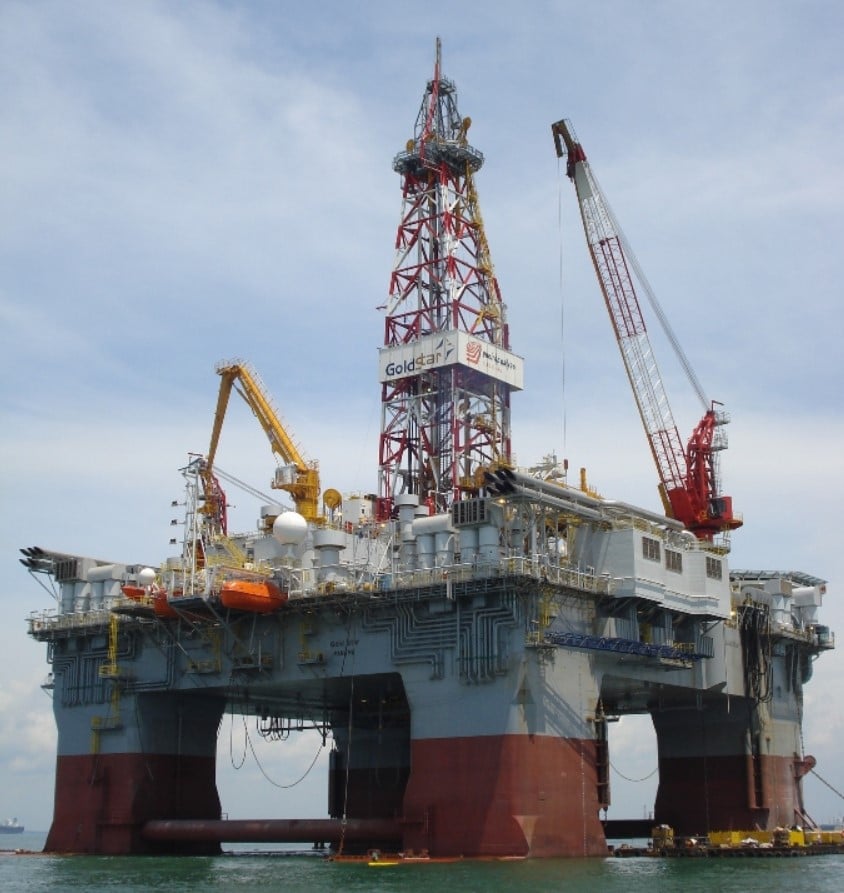
  • Gold Star rig contract tied through December 2028
  • Integrated service model incorporated into rig scope
  • Simulfracing adoption noted as significant among U.S. frac crews
  • Autonomous pressure control identified as key to simulfrac efficiency
  • Industry guidelines and best practices being published

Why it matters

Weatherford’s new managed-pressure drilling (MPD) awards signal tighter equipment delivery and aftermarket commitments that will compress supplier responsiveness for well-intervention scopes. Lloyd’s Register endorsement of Wison’s internal-turret FPSO concept raises the capability floor for regionally supplied floating production hardware—useful when planning tie-backs and intervention interfaces in APAC. Fracturing tech trends (simulfracs and autonomous pressure control) point to rising execution dependency on pump uptime and control systems; contracting needs to capture uptime, remote support and remediation responsibilities. None of the items are direct APAC awards; treat these as supplier-capability signals that can change leverage and mobilisation clauses rather than immediate schedule shocks

Cost / money

  • Firmer MPD equipment scheduling and aftermarket agreements mean suppliers can push shorter bid validity and mobilisation premiums for specialised well-intervention tools.[1]
  • Endorsement of standardized FPSO concepts can lower long-run redeployment costs but may require near-term spend to verify class approvals and integration scopes before award.[2]
  • Greater reliance on simulfracing and autonomous control increases the cost of ensuring pump uptime and remote diagnostics coverage in contracts (support, spare parts, and outage remediation).[3]

Supplier / commercial

  • Weatherford’s global aftermarket deal suggests suppliers with manufacturing + aftermarket footprints gain leverage in awarding short-notice mobilisation work for MPD and intervention services.[1]
  • Wison’s AiP gives an APAC-region supplier a clearer route to bid on FPSO-linked completions and intervention scopes, shifting some leverage toward builders with accepted concept-stage assurance.[2]
  • Technology providers offering autonomous frac controls may require new contract language on software support, data access, and liability for remote-run stages.[3]

Safety / operations

  • MPD system deliveries tied to drilling campaigns increase operational dependency on correct commissioning and trained crews; late equipment arrival risks compressed readiness and rework offshore.[1]
  • Autonomous pressure control and simulfracing change incident profiles: less manual intervention but higher dependency on control-system resilience and remote diagnostics.[3]

What to watch

  • Watch for shorter bid-validity windows and mobilisation deposits attached to MPD or integrated equipment packages—these are early indicators of supplier leverage.[1]
  • Watch vendor dossiers for AiP-backed FPSO designs that lack clear class-approval timelines or integration statements—those gaps shift risk to the buyer during tie-back and intervention planning.[2]
  • Watch fracturing service proposals for clauses that limit buyer access to real-time control data or that place remediation responsibility solely on the buyer if automated stages go off-plan.[3]

Top stories

Story 1Offshore EnergyMay 8, 2026

Weatherford picks up new jobs with Noble and Constellation Oil Services

Signal strongSource-grounded

What happened

Weatherford secured multiple managed-pressure drilling (MPD) contracts and a global aftermarket agreement with Noble and Constellation, covering deepwater systems delivery and support. Delivery of two MPD systems is expected before year-end and one contract runs through December 2028, which makes the awards operationally real for equipment scheduling and aftermarket commitments. Watch supplier bid-validity and mobilisation clauses as these are likely to appear tightened in proposals

Buyer takeaway

Treat the awards as a concrete supplier-capacity signal: suppliers with manufacturing + aftermarket roles will prioritise contracts that lock mobilisation and short‑validity commercial terms

Cost / money

Directional upward pressure on mobilisation premiums and tighter bid-validity windows for specialised intervention tools and MPD systems due to confirmed delivery schedules and aftermarket commitments

Supplier / commercial

Expect suppliers to attach conditional commercial terms (short validity, mobilisation deposits, cancellation fees) where they control equipment and aftermarket support

Safety / operations

MPD delivery schedules require aligned commissioning and trained crews; late arrival or incomplete commissioning increases offshore readiness and HSE risk

What to watch

Watch for shortened bid-validity, mobilisation deposits, and clauses moving re‑mobilisation costs to the buyer in supplier proposals

Key facts

  • Delivery of two deepwater MPD systems expected before year-end
  • Gold Star rig contract tied through December 2028
  • Integrated service model incorporated into rig scope

Source excerpts

These awards entail the delivery of two deepwater managed pressure drilling systems to support the rig owner’s Guyana operations, with delivery expected before year-end. Girish Saligram, Weatherford’s President and Chief Executive Officer, commented: “Our MPD systems are designed to provide precise pressure control, enhance safety, and improve drilling efficiency, and our global manufacturing and aftermarket capabilities ensure consistent performance throughout the asset lifecycle
Girish Saligram, Weatherford’s President and Chief Executive Officer, commented: “Our MPD systems are designed to provide precise pressure control, enhance safety, and improve drilling efficiency, and our global manufacturing and aftermarket capabilities ensure consistent performance throughout the asset lifecycle
oilfield services player to support a new offshore drilling campaign in Brazil, with a focus on the Búzios field, one of the country’s largest offshore production areas. The scope encompasses the provision of drilling technology for the Brazilian drilling firm’s Brava Star UDW drillship, under which Weatherford will provide equipment and operate and maintain the system, commencing in the first quarter of 2027 through December 2030
Story 2Worldoil

Hydraulic Fracturing

Signal moderateDirectional

What happened

Industry coverage highlights simulfracing (pumping into multiple wells simultaneously) and a move toward autonomous pressure-control systems in stimulation. The most important detail is that simulfracing adoption is material in North America and autonomous controls shift execution dependency from crew procedures to control-system uptime. Watch contracts for data access, remote-support SLAs and responsibility for automated-stage remediation

Buyer takeaway

Treat automation and simulfracing as a contracting variable: uptime, data access and remote support need explicit SLAs and remediation clauses

Cost / money

Higher indirect cost risk from needing guaranteed pump uptime, remote diagnostics and spare pools when autonomous controls are used

Supplier / commercial

Vendors offering autonomous systems may require software support contracts, recurring service fees, and restrictions on data access unless negotiated

Safety / operations

Automation reduces manual error but concentrates safety risk in control-system resilience and remote monitoring chains

What to watch

Watch for proposals that limit buyer access to control data or that make buyer responsible for remediation when automated stages deviate

Key facts

  • Simulfracing adoption noted as significant among U.S. frac crews
  • Autonomous pressure control identified as key to simulfrac efficiency
  • Industry guidelines and best practices being published

Source excerpts

frac crews may be using this method. News Frac chaos out, autonomous control in September 30, 2025 Why pump uptime isn’t the real measure of frac efficiency
News Frac chaos out, autonomous control in September 30, 2025 Why pump uptime isn’t the real measure of frac efficiency. True performance requires autonomous pressure control—especially in simul-frac operations—to optimize transitions, reduce downtime and deliver smarter, more meaningful gains
News Frac chaos out, autonomous control in September 30, 2025 Why pump uptime isn’t the real measure of frac efficiency
Story 3Offshore EnergyMay 8, 2026

Wison New Energies’ internal turret FPSO design wins endorsment from Lloyd’s Register

Signal strongSource-grounded

What happened

Lloyd’s Register granted an approval-in-principle (AiP) to Wison New Energies’ internal-turret FPSO design, clearing a concept-stage technical hurdle. This endorsement makes the design a more credible option for harsh‑environment floating production projects and shortens decision cycles for buyers considering redeployment or tie-back strategies. Watch supplier class-approval timelines and integration statements before relying on AiP for mobilisation planning

Buyer takeaway

Treat AiP endorsements as a credibility boost but not a delivery guarantee; verify class approvals, interfaces and supplier delivery plans before mobilisation decisions

Cost / money

Standardised designs can reduce long-term redeployment costs but may require near-term verification spend to confirm integration and class timelines

Supplier / commercial

Suppliers with AiP can gain commercial preference; expect bids to emphasise concept acceptance and to push for integration terms favorable to the builder

Safety / operations

AiP reduces design uncertainty but on-board integration points (risers, moorings, riser interfaces) still need buyer-level verification to avoid late HSE-related rework

What to watch

Watch whether AiP-backed vendors provide detailed class approval schedules and interface management plans—absence of those schedules shifts risk to the buyer

Key facts

  • AiP granted by Lloyd’s Register at concept stage
  • Design targeted for harsh-environment internal-turret FPSO applications
  • Independent concept-stage review completed to reduce technical uncertainty

Source excerpts

By completing an independent concept-stage review, the AiP is said to help demonstrate that the FPSO concept can progress with a clearer view of key technical and safety considerations, supporting earlier, more confident decision-making by project stakeholders. Loy Wee Meng, Senior Product Manager of Wison New Energies’ FPSO Product Center, highlighted: “With design for harsh environment FPSO now completed, Wison has in addition to standard FPSO as well as gas type FPSO designs already developed, possessed the
This AiP is interpreted to mark an early technical milestone for a standardized floating production concept aimed at complex offshore conditions
Loy Wee Meng, Senior Product Manager of Wison New Energies’ FPSO Product Center, highlighted: “With design for harsh environment FPSO now completed, Wison has in addition to standard FPSO as well as gas type FPSO designs already developed, possessed the portfolio to undertake FPSO design for 90% of the current world FPSO demand. ” Wison New Energies said the approval supports its work to develop FPSO designs that could be deployed more rapidly and reliably in challenging offshore regions

VP Snapshot

Executive Risk & Action View

Weatherford’s new managed-pressure drilling (MPD) awards signal tighter equipment delivery and aftermarket commitments that will compress supplier responsiveness for well-intervention scopes.

Overall
66
Cost
79
Supply
25
Schedule
38
Compliance
15

Top signals

30-180dcost

Signal 1: Cost / money

Firmer MPD equipment scheduling and aftermarket agreements mean suppliers can push shorter bid validity and mobilisation premiums for specialised well-intervention tools.

0-30dcost

Signal 2: Cost / money

Endorsement of standardized FPSO concepts can lower long-run redeployment costs but may require near-term spend to verify class approvals and integration scopes before award.

Signal 3: Cost / money

Greater reliance on simulfracing and autonomous control increases the cost of ensuring pump uptime and remote diagnostics coverage in contracts (support, spare parts, and outage remediation).

30-180dcommercial

Signal 4: Supplier / commercial

Weatherford’s global aftermarket deal suggests suppliers with manufacturing + aftermarket footprints gain leverage in awarding short-notice mobilisation work for MPD and intervention services.

Signal 5: Supplier / commercial

Wison’s AiP gives an APAC-region supplier a clearer route to bid on FPSO-linked completions and intervention scopes, shifting some leverage toward builders with accepted concept-stage assurance.

Signal 6: Supplier / commercial

Technology providers offering autonomous frac controls may require new contract language on software support, data access, and liability for remote-run stages.

Recommended actions

CategoryDue 3d

Run a targeted availability sweep of suppliers who provide MPD systems and managed aftermarket support to confirm delivery windows and bid‑validity tendencies.

Updated supplier availability log with delivery windows and noted bid-validity practices for MPD-capable suppliers.

ContractsDue 3d

Flag current tenders that include frac or stimulation scopes for a contracts review focused on uptime, remote-support SLAs and data-access rights.

List of active tenders with recommended SLA inserts for pump uptime, diagnostics access and remediation responsibilities.

ContractsDue 21d

Amend pre-qualification questionnaires (PQQ) for intervention and completions suppliers to require class-approval timelines, commissioning plans and aftermarket response SLAs fo...

PQQ and shortlist criteria updated so suppliers must declare class-approval and commissioning timelines before award.

OpsDue 21d

Issue a capability and spare-parts questionnaire to shortlisted fracturing and MPD vendors requesting remote-support staffing plans and spare-equipment pooling options.

Supplier dossiers containing spare-parts strategies and remote-support rosters to feed risk-based mobilisation decisions.

ContractsDue 60d

Negotiate a reusable contract addendum that standardises mobilisation deposits, bid-validity windows and re‑mobilisation pass-through mechanics for specialised completions equip...

A reusable addendum that procurement and legal can apply to completions and intervention awards to control mobilisation cost exposure.

CategoryDue 60d

Build a regional capability map for specialised intervention assets and MPD-ready crews, including vendor aftermarket footprints and likely black‑out dates for mobilisation plan...

Regional capacity map showing supplier locations, aftermarket hubs and mobilisation constraints to inform sourcing and scheduling decisions.

Risk register

RiskTriggerMitigation
Watch for shorter bid-validity windows and mobilisation deposits attached to MPD or integrated equipment packages—these are early indicators of supplier leverage.Watch for shorter bid-validity windows and mobilisation deposits attached to MPD or integrated equipment packages—these are early indicators of supplier leverage.Confirm exposure with category, contracts, and operations before the next supplier commitment.
Watch vendor dossiers for AiP-backed FPSO designs that lack clear class-approval timelines or integration statements—those gaps shift risk to the buyer during tie-back and intervention planning.Watch vendor dossiers for AiP-backed FPSO designs that lack clear class-approval timelines or integration statements—those gaps shift risk to the buyer during tie-back and intervention planning.Confirm exposure with category, contracts, and operations before the next supplier commitment.
Watch fracturing service proposals for clauses that limit buyer access to real-time control data or that place remediation responsibility solely on the buyer if automated stages go off-plan.Watch fracturing service proposals for clauses that limit buyer access to real-time control data or that place remediation responsibility solely on the buyer if automated stages go off-plan.Confirm exposure with category, contracts, and operations before the next supplier commitment.

CM Snapshot

Category Manager Decision Detail

Today's priorities

Run a targeted availability sweep of suppliers who provide MPD systems and managed aftermarket support to confirm delivery windows and bid‑validity tendencies.

because Weatherford’s MPD awards indicate suppliers with combined manufacturing + aftermarket footprints may tighten mobilisation and quote validity, and we need current availab...

Due 3d

high

CM move

Use this as the immediate supplier or contract action to move before the next sourcing gate.

Flag current tenders that include frac or stimulation scopes for a contracts review focused on uptime, remote-support SLAs and data-access rights.

because simulfracing and autonomous control increase execution dependency on control systems and remote support, and contract gaps will transfer remediation and uptime risk to t...

Due 3d

high

CM move

Use this as the immediate supplier or contract action to move before the next sourcing gate.

Amend pre-qualification questionnaires (PQQ) for intervention and completions suppliers to require class-approval timelines, commissioning plans and aftermarket response SLAs fo...

because AiP endorsements and global aftermarket agreements accelerate technical confidence but do not replace verified delivery schedules and class approvals that control mobili...

Due 21d

high

CM move

Use this as the immediate supplier or contract action to move before the next sourcing gate.

Issue a capability and spare-parts questionnaire to shortlisted fracturing and MPD vendors requesting remote-support staffing plans and spare-equipment pooling options.

because increased dependence on autonomous control and MPD systems raises the operational cost of downtime, and documented spare/support plans reduce execution exposure.

Due 21d

high

CM move

Use this as the immediate supplier or contract action to move before the next sourcing gate.

Supplier radar

Offshore Energy

high

Observed supplier signal

Weatherford’s global aftermarket deal suggests suppliers with manufacturing + aftermarket footprints gain leverage in awarding short-notice mobilisation work for MPD and intervention services.

Commercial implication

Weatherford’s global aftermarket deal suggests suppliers with manufacturing + aftermarket footprints gain leverage in awarding short-notice mobilisation work for MPD and intervention services.

Next step: Validate the source-backed signal with incumbents and alternates before the next award or pricing decision.

Offshore Energy

high

Observed supplier signal

Wison’s AiP gives an APAC-region supplier a clearer route to bid on FPSO-linked completions and intervention scopes, shifting some leverage toward builders with accepted concept-stage assurance.

Commercial implication

Wison’s AiP gives an APAC-region supplier a clearer route to bid on FPSO-linked completions and intervention scopes, shifting some leverage toward builders with accepted concept-stage assurance.

Next step: Validate the source-backed signal with incumbents and alternates before the next award or pricing decision.

Worldoil

high

Observed supplier signal

Technology providers offering autonomous frac controls may require new contract language on software support, data access, and liability for remote-run stages.

Commercial implication

Technology providers offering autonomous frac controls may require new contract language on software support, data access, and liability for remote-run stages.

Next step: Validate the source-backed signal with incumbents and alternates before the next award or pricing decision.

Negotiation levers

Run a targeted availability sweep of suppliers who provide MPD systems and managed aftermarket support to confirm delivery windows and bid‑validity tendencies.

When to use: because Weatherford’s MPD awards indicate suppliers with combined manufacturing + aftermarket footprints may tighten mobilisation and quote validity, and we need current availab...

Expected outcome: Updated supplier availability log with delivery windows and noted bid-validity practices for MPD-capable suppliers.

Commercial mechanism to carry into the next supplier conversation

Flag current tenders that include frac or stimulation scopes for a contracts review focused on uptime, remote-support SLAs and data-access rights.

When to use: because simulfracing and autonomous control increase execution dependency on control systems and remote support, and contract gaps will transfer remediation and uptime risk to t...

Expected outcome: List of active tenders with recommended SLA inserts for pump uptime, diagnostics access and remediation responsibilities.

Commercial mechanism to carry into the next supplier conversation

Amend pre-qualification questionnaires (PQQ) for intervention and completions suppliers to require class-approval timelines, commissioning plans and aftermarket response SLAs fo...

When to use: because AiP endorsements and global aftermarket agreements accelerate technical confidence but do not replace verified delivery schedules and class approvals that control mobili...

Expected outcome: PQQ and shortlist criteria updated so suppliers must declare class-approval and commissioning timelines before award.

Commercial mechanism to carry into the next supplier conversation

Issue a capability and spare-parts questionnaire to shortlisted fracturing and MPD vendors requesting remote-support staffing plans and spare-equipment pooling options.

When to use: because increased dependence on autonomous control and MPD systems raises the operational cost of downtime, and documented spare/support plans reduce execution exposure.

Expected outcome: Supplier dossiers containing spare-parts strategies and remote-support rosters to feed risk-based mobilisation decisions.

Commercial mechanism to carry into the next supplier conversation

Talking points

Weatherford’s new managed-pressure drilling (MPD) awards signal tighter equipment delivery and aftermarket commitments that will compress supplier responsiveness for well-intervention scopes.
Lloyd’s Register endorsement of Wison’s internal-turret FPSO concept raises the capability floor for regionally supplied floating production hardware—useful when planning tie-backs and intervention interfaces in APAC.
Fracturing tech trends (simulfracs and autonomous pressure control) point to rising execution dependency on pump uptime and control systems; contracting needs to capture uptime, remote support and remediation responsibilities.
None of the items are direct APAC awards; treat these as supplier-capability signals that can change leverage and mobilisation clauses rather than immediate schedule shocks.

Supplier radar

SupplierSignalImplicationNext stepConfidence
Offshore EnergyWeatherford’s global aftermarket deal suggests suppliers with manufacturing + aftermarket footprints gain leverage in awarding short-notice mobilisation work for MPD and intervention services.Weatherford’s global aftermarket deal suggests suppliers with manufacturing + aftermarket footprints gain leverage in awarding short-notice mobilisation work for MPD and intervention services.Validate the source-backed signal with incumbents and alternates before the next award or pricing decision.high
Offshore EnergyWison’s AiP gives an APAC-region supplier a clearer route to bid on FPSO-linked completions and intervention scopes, shifting some leverage toward builders with accepted concept-stage assurance.Wison’s AiP gives an APAC-region supplier a clearer route to bid on FPSO-linked completions and intervention scopes, shifting some leverage toward builders with accepted concept-stage assurance.Validate the source-backed signal with incumbents and alternates before the next award or pricing decision.high
WorldoilTechnology providers offering autonomous frac controls may require new contract language on software support, data access, and liability for remote-run stages.Technology providers offering autonomous frac controls may require new contract language on software support, data access, and liability for remote-run stages.Validate the source-backed signal with incumbents and alternates before the next award or pricing decision.high

Negotiation levers

  • Run a targeted availability sweep of suppliers who provide MPD systems and managed aftermarket support to confirm delivery windows and bid‑validity tendencies.because Weatherford’s MPD awards indicate suppliers with combined manufacturing + aftermarket footprints may tighten mobilisation and quote validity, and we need current availab...Updated supplier availability log with delivery windows and noted bid-validity practices for MPD-capable suppliers.

    high confidence

  • Flag current tenders that include frac or stimulation scopes for a contracts review focused on uptime, remote-support SLAs and data-access rights.because simulfracing and autonomous control increase execution dependency on control systems and remote support, and contract gaps will transfer remediation and uptime risk to t...List of active tenders with recommended SLA inserts for pump uptime, diagnostics access and remediation responsibilities.

    high confidence

  • Amend pre-qualification questionnaires (PQQ) for intervention and completions suppliers to require class-approval timelines, commissioning plans and aftermarket response SLAs fo...because AiP endorsements and global aftermarket agreements accelerate technical confidence but do not replace verified delivery schedules and class approvals that control mobili...PQQ and shortlist criteria updated so suppliers must declare class-approval and commissioning timelines before award.

    high confidence

  • Issue a capability and spare-parts questionnaire to shortlisted fracturing and MPD vendors requesting remote-support staffing plans and spare-equipment pooling options.because increased dependence on autonomous control and MPD systems raises the operational cost of downtime, and documented spare/support plans reduce execution exposure.Supplier dossiers containing spare-parts strategies and remote-support rosters to feed risk-based mobilisation decisions.

    high confidence

What to do / What to watch

What to do now

  • Run a targeted availability sweep of suppliers who provide MPD systems and managed aftermarket support to confirm delivery windows and bid‑validity tendencies.

    Why: because Weatherford’s MPD awards indicate suppliers with combined manufacturing + aftermarket footprints may tighten mobilisation and quote validity, and we need current availab...

    Owner: Category

    Expected outcome: Updated supplier availability log with delivery windows and noted bid-validity practices for MPD-capable suppliers.

    [1]
  • Flag current tenders that include frac or stimulation scopes for a contracts review focused on uptime, remote-support SLAs and data-access rights.

    Why: because simulfracing and autonomous control increase execution dependency on control systems and remote support, and contract gaps will transfer remediation and uptime risk to t...

    Owner: Contracts

    Expected outcome: List of active tenders with recommended SLA inserts for pump uptime, diagnostics access and remediation responsibilities.

    [3]

Next few weeks

  • Amend pre-qualification questionnaires (PQQ) for intervention and completions suppliers to require class-approval timelines, commissioning plans and aftermarket response SLAs fo...

    Why: because AiP endorsements and global aftermarket agreements accelerate technical confidence but do not replace verified delivery schedules and class approvals that control mobili...

    Owner: Contracts

    Expected outcome: PQQ and shortlist criteria updated so suppliers must declare class-approval and commissioning timelines before award.

    [2]
  • Issue a capability and spare-parts questionnaire to shortlisted fracturing and MPD vendors requesting remote-support staffing plans and spare-equipment pooling options.

    Why: because increased dependence on autonomous control and MPD systems raises the operational cost of downtime, and documented spare/support plans reduce execution exposure.

    Owner: Ops

    Expected outcome: Supplier dossiers containing spare-parts strategies and remote-support rosters to feed risk-based mobilisation decisions.

    [1][3]

Longer view

  • Negotiate a reusable contract addendum that standardises mobilisation deposits, bid-validity windows and re‑mobilisation pass-through mechanics for specialised completions equip...

    Why: because recent supplier activity shows a pattern toward shorter validity and mobilisation conditions, and a standard addendum will reduce negotiation time and limit unexpected p...

    Owner: Contracts

    Expected outcome: A reusable addendum that procurement and legal can apply to completions and intervention awards to control mobilisation cost exposure.

    [1]
  • Build a regional capability map for specialised intervention assets and MPD-ready crews, including vendor aftermarket footprints and likely black‑out dates for mobilisation plan...

    Why: because tighter supplier scheduling and AiP-backed design availability change where and when we can mobilise assets; a capacity map supports shortlist selection and contingency...

    Owner: Category

    Expected outcome: Regional capacity map showing supplier locations, aftermarket hubs and mobilisation constraints to inform sourcing and scheduling decisions.

    [1][2]

What to watch

  • Watch for shorter bid-validity windows and mobilisation deposits attached to MPD or integrated equipment packages—these are early indicators of supplier leverage
  • Watch vendor dossiers for AiP-backed FPSO designs that lack clear class-approval timelines or integration statements—those gaps shift risk to the buyer during tie-back and intervention planning
  • Watch fracturing service proposals for clauses that limit buyer access to real-time control data or that place remediation responsibility solely on the buyer if automated stages go off-plan
  • Watch for shorter bid-validity windows and mobilisation deposits attached to MPD or integrated equipment packages—these are early indicators of supplier leverage.: Watch for shorter bid-validity windows and mobilisation deposits attached to MPD or integrated equipment packages—these are early indicators of supplier leverage
  • Watch vendor dossiers for AiP-backed FPSO designs that lack clear class-approval timelines or integration statements—those gaps shift risk to the buyer during tie-back and intervention planning.: Watch vendor dossiers for AiP-backed FPSO designs that lack clear class-approval timelines or integration statements—those gaps shift risk to the buyer during tie-back and intervention planning
  • Watch fracturing service proposals for clauses that limit buyer access to real-time control data or that place remediation responsibility solely on the buyer if automated stages go off-plan.: Watch fracturing service proposals for clauses that limit buyer access to real-time control data or that place remediation responsibility solely on the buyer if automated stages go off-plan
  • Weatherford’s new managed-pressure drilling (MPD) awards signal tighter equipment delivery and aftermarket commitments that will compress supplier responsiveness for well-intervention scopes
  • Lloyd’s Register endorsement of Wison’s internal-turret FPSO concept raises the capability floor for regionally supplied floating production hardware—useful when planning tie-backs and intervention interfaces in APAC

Market pulse

IndexLatestChangeAs of
WTI Crude (WTI)71.23 /bbl+0.00 (+0.00%)May 9, 2026, 10:03 PM
Brent Crude (BRENT)74.89 /bbl+0.00 (+0.00%)May 9, 2026, 10:03 PM
Natural Gas (NG)3.12 /MMBtu+0.00 (+0.00%)May 9, 2026, 10:03 PM
Schlumberger (SLB)48 +0.00 (+0.00%)May 9, 2026, 10:03 PM
Halliburton (HAL)35 +0.00 (+0.00%)May 9, 2026, 10:03 PM
  • Schlumberger: Service-provider equity moves as a proxy for well‑services market and supplier pricing posture
  • Natural Gas: Gas price signals influence subsea tie-back economics and prioritisation of intervention spend

Sources

Inline citations jump here. Expand a source to read the excerpt, the AI interpretation, and the original link.

[1] Weatherford picks up new jobs with Noble and Constellation Oil Services

offshore-energy.biz · May 8, 2026

Expand

AI reading

Weatherford secured multiple managed-pressure drilling (MPD) contracts and a global aftermarket agreement with Noble and Constellation, covering deepwater systems delivery and support. Delivery of two MPD systems is expected before year-end and one contract runs through December 2028, which makes the awards operationally real for equipment scheduling and aftermarket commitments. Watch supplier bid-validity and mobilisation clauses as these are likely to appear tightened in proposals

Buyer takeaway

Treat the awards as a concrete supplier-capacity signal: suppliers with manufacturing + aftermarket roles will prioritise contracts that lock mobilisation and short‑validity commercial terms

Cost / money

Directional upward pressure on mobilisation premiums and tighter bid-validity windows for specialised intervention tools and MPD systems due to confirmed delivery schedules and aftermarket commitments

Supplier / commercial

Expect suppliers to attach conditional commercial terms (short validity, mobilisation deposits, cancellation fees) where they control equipment and aftermarket support

Safety / operations

MPD delivery schedules require aligned commissioning and trained crews; late arrival or incomplete commissioning increases offshore readiness and HSE risk

What to watch

Watch for shortened bid-validity, mobilisation deposits, and clauses moving re‑mobilisation costs to the buyer in supplier proposals

Key facts

  • Delivery of two deepwater MPD systems expected before year-end
  • Gold Star rig contract tied through December 2028
  • Integrated service model incorporated into rig scope

Source excerpts

These awards entail the delivery of two deepwater managed pressure drilling systems to support the rig owner’s Guyana operations, with delivery expected before year-end. Girish Saligram, Weatherford’s President and Chief Executive Officer, commented: “Our MPD systems are designed to provide precise pressure control, enhance safety, and improve drilling efficiency, and our global manufacturing and aftermarket capabilities ensure consistent performance throughout the asset lifecycle
Girish Saligram, Weatherford’s President and Chief Executive Officer, commented: “Our MPD systems are designed to provide precise pressure control, enhance safety, and improve drilling efficiency, and our global manufacturing and aftermarket capabilities ensure consistent performance throughout the asset lifecycle
oilfield services player to support a new offshore drilling campaign in Brazil, with a focus on the Búzios field, one of the country’s largest offshore production areas. The scope encompasses the provision of drilling technology for the Brazilian drilling firm’s Brava Star UDW drillship, under which Weatherford will provide equipment and operate and maintain the system, commencing in the first quarter of 2027 through December 2030

Used in this brief

  • Weatherford’s new managed-pressure drilling (MPD) awards signal tighter equipment delivery and aftermarket commitments that will compress supplier responsiveness for well-intervention scopes. Lloyd’s Register endorsement of Wison’s internal-turret FPSO concept raises the capability floor for regionally supplied floating production hardware—useful when planning tie-backs and intervention interfaces in APAC. Fracturing tech trends (simulfracs and autonomous pressure control) point to rising execution dependency on pump uptime and control systems; contracting needs to capture uptime, remote support and remediation responsibilities. None of the items are direct APAC awards; treat these as supplier-capability signals that can change leverage and mobilisation clauses rather than immediate schedule shocks
  • Supplier / commercial: Weatherford’s global aftermarket deal suggests suppliers with manufacturing + aftermarket footprints gain leverage in awarding short-notice mobilisation work for MPD and intervention services
  • Safety / operations: MPD system deliveries tied to drilling campaigns increase operational dependency on correct commissioning and trained crews; late equipment arrival risks compressed readiness and rework offshore
Open original source

[2] Wison New Energies’ internal turret FPSO design wins endorsment from Lloyd’s Register

offshore-energy.biz · May 8, 2026

Expand

AI reading

Lloyd’s Register granted an approval-in-principle (AiP) to Wison New Energies’ internal-turret FPSO design, clearing a concept-stage technical hurdle. This endorsement makes the design a more credible option for harsh‑environment floating production projects and shortens decision cycles for buyers considering redeployment or tie-back strategies. Watch supplier class-approval timelines and integration statements before relying on AiP for mobilisation planning

Buyer takeaway

Treat AiP endorsements as a credibility boost but not a delivery guarantee; verify class approvals, interfaces and supplier delivery plans before mobilisation decisions

Cost / money

Standardised designs can reduce long-term redeployment costs but may require near-term verification spend to confirm integration and class timelines

Supplier / commercial

Suppliers with AiP can gain commercial preference; expect bids to emphasise concept acceptance and to push for integration terms favorable to the builder

Safety / operations

AiP reduces design uncertainty but on-board integration points (risers, moorings, riser interfaces) still need buyer-level verification to avoid late HSE-related rework

What to watch

Watch whether AiP-backed vendors provide detailed class approval schedules and interface management plans—absence of those schedules shifts risk to the buyer

Key facts

  • AiP granted by Lloyd’s Register at concept stage
  • Design targeted for harsh-environment internal-turret FPSO applications
  • Independent concept-stage review completed to reduce technical uncertainty

Source excerpts

By completing an independent concept-stage review, the AiP is said to help demonstrate that the FPSO concept can progress with a clearer view of key technical and safety considerations, supporting earlier, more confident decision-making by project stakeholders. Loy Wee Meng, Senior Product Manager of Wison New Energies’ FPSO Product Center, highlighted: “With design for harsh environment FPSO now completed, Wison has in addition to standard FPSO as well as gas type FPSO designs already developed, possessed the
This AiP is interpreted to mark an early technical milestone for a standardized floating production concept aimed at complex offshore conditions
Loy Wee Meng, Senior Product Manager of Wison New Energies’ FPSO Product Center, highlighted: “With design for harsh environment FPSO now completed, Wison has in addition to standard FPSO as well as gas type FPSO designs already developed, possessed the portfolio to undertake FPSO design for 90% of the current world FPSO demand. ” Wison New Energies said the approval supports its work to develop FPSO designs that could be deployed more rapidly and reliably in challenging offshore regions

Used in this brief

  • Supplier / commercial: Wison’s AiP gives an APAC-region supplier a clearer route to bid on FPSO-linked completions and intervention scopes, shifting some leverage toward builders with accepted concept-stage assurance
  • Next 2-4 weeks — Amend pre-qualification questionnaires (PQQ) for intervention and completions suppliers to require class-approval timelines, commissioning plans and aftermarket response SLAs fo.... Rationale: because AiP endorsements and global aftermarket agreements accelerate technical confidence but do not replace verified delivery schedules and class approvals that control mobili.... Owner: Contracts. KPI: PQQ and shortlist criteria updated so suppliers must declare class-approval and commissioning timelines before award
  • Watch vendor dossiers for AiP-backed FPSO designs that lack clear class-approval timelines or integration statements—those gaps shift risk to the buyer during tie-back and intervention planning
Open original source

[3] Hydraulic Fracturing

worldoil.com · n.d.

Expand

AI reading

Industry coverage highlights simulfracing (pumping into multiple wells simultaneously) and a move toward autonomous pressure-control systems in stimulation. The most important detail is that simulfracing adoption is material in North America and autonomous controls shift execution dependency from crew procedures to control-system uptime. Watch contracts for data access, remote-support SLAs and responsibility for automated-stage remediation

Buyer takeaway

Treat automation and simulfracing as a contracting variable: uptime, data access and remote support need explicit SLAs and remediation clauses

Cost / money

Higher indirect cost risk from needing guaranteed pump uptime, remote diagnostics and spare pools when autonomous controls are used

Supplier / commercial

Vendors offering autonomous systems may require software support contracts, recurring service fees, and restrictions on data access unless negotiated

Safety / operations

Automation reduces manual error but concentrates safety risk in control-system resilience and remote monitoring chains

What to watch

Watch for proposals that limit buyer access to control data or that make buyer responsible for remediation when automated stages deviate

Key facts

  • Simulfracing adoption noted as significant among U.S. frac crews
  • Autonomous pressure control identified as key to simulfrac efficiency
  • Industry guidelines and best practices being published

Source excerpts

frac crews may be using this method. News Frac chaos out, autonomous control in September 30, 2025 Why pump uptime isn’t the real measure of frac efficiency
News Frac chaos out, autonomous control in September 30, 2025 Why pump uptime isn’t the real measure of frac efficiency. True performance requires autonomous pressure control—especially in simul-frac operations—to optimize transitions, reduce downtime and deliver smarter, more meaningful gains
News Frac chaos out, autonomous control in September 30, 2025 Why pump uptime isn’t the real measure of frac efficiency

Used in this brief

  • Supplier / commercial: Technology providers offering autonomous frac controls may require new contract language on software support, data access, and liability for remote-run stages
  • Safety / operations: Autonomous pressure control and simulfracing change incident profiles: less manual intervention but higher dependency on control-system resilience and remote diagnostics
  • Next 72 hours — Flag current tenders that include frac or stimulation scopes for a contracts review focused on uptime, remote-support SLAs and data-access rights.. Rationale: because simulfracing and autonomous control increase execution dependency on control systems and remote support, and contract gaps will transfer remediation and uptime risk to t.... Owner: Contracts. KPI: List of active tenders with recommended SLA inserts for pump uptime, diagnostics access and remediation responsibilities
Open original source

[4] Schlumberger

finance.yahoo.com · n.d.

Expand

[5] Natural Gas

finance.yahoo.com · n.d.

Expand