Bringing pipelines into the future
What happened
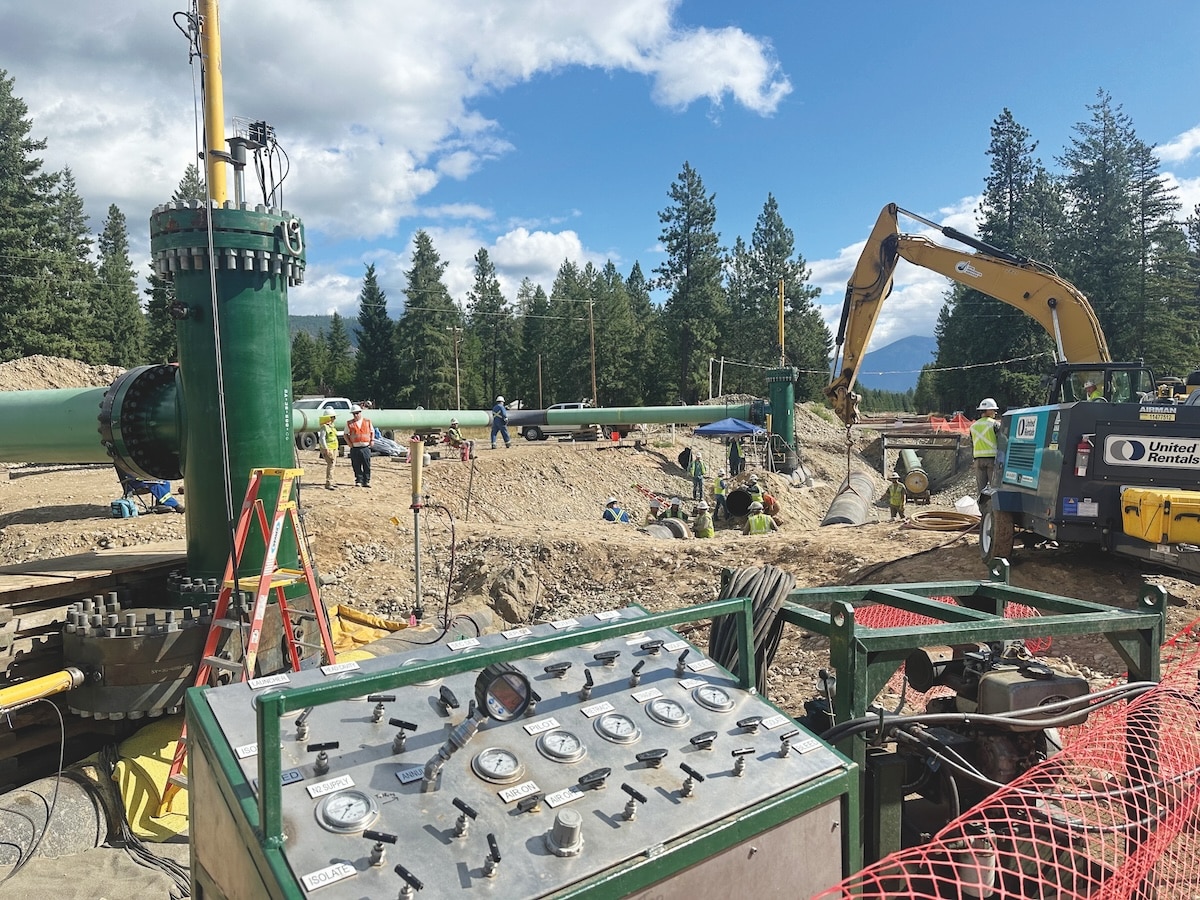
A North American operator used BISEP double block‑and‑bleed line stops and temporary bypass piping to replace a 36‑inch pipeline section while conducting a MAOP hydrotest on the parallel line. The project preserved customer supply and met stricter integrity rules, making isolation tooling and bypass inventory operational procurement items. Watch whether other operators adopt similar isolation‑first remediation, which would broaden demand for dedicated isolation fleets and bypass pipe
Buyer takeaway
Treat integrity jobs as multi‑component procurements: pipe, isolation tools, bypass lines and specialist crews must be evaluated together
Cost / money
Budget exposure shifts toward mobilisation, equipment hire and bypass pipe unless contracts explicitly bundle or allocate these costs
Supplier / commercial
Suppliers with owned isolation kits can negotiate timing and narrow quote windows; require documented inventory to avoid surprise pass‑throughs
Safety / operations
Line stopping preserves supply but demands validated isolation procedures and crew competence; include operational acceptance gates
What to watch
Watch for suppliers listing isolation tooling as optional extras or offering very short quote validity; require inventory proof at tender
Key facts
- Replacement of a two‑mile 36‑inch pipeline section
- MAOP hydrotest conducted on parallel 36‑inch line
- Use of 36‑inch BISEPs with 30‑inch integral bypass lines
Source excerpts
With the slab valves reopened, gas was diverted through the bypass lines
“Our industry leading hot tapping and leak-tight double block and bleed BISEP line stopping equipment can safely and efficiently isolate aging pipelines without disrupting product flow”
As urban growth continues to encroach on once-remote pipeline corridors, operators are being compelled to reassess ageing infrastructure in accordance with new regulation. A recent example of this comes from the US, where updated federal regulation imposed tighter integrity management measures, including stricter requirements for material traceability, periodic reassessment and the reconfirmation of maximum allowable operating pressure (MAOP) on older, previously untested pipelines