Subsea, SURF & Offshore · International (Houston)

Lock Scope, Capacity and Digital Levers for SURF and Offshore Works

Published May 12, 2026, 5:06 AM CSTINTERNATIONALFull category signal
Ask AI
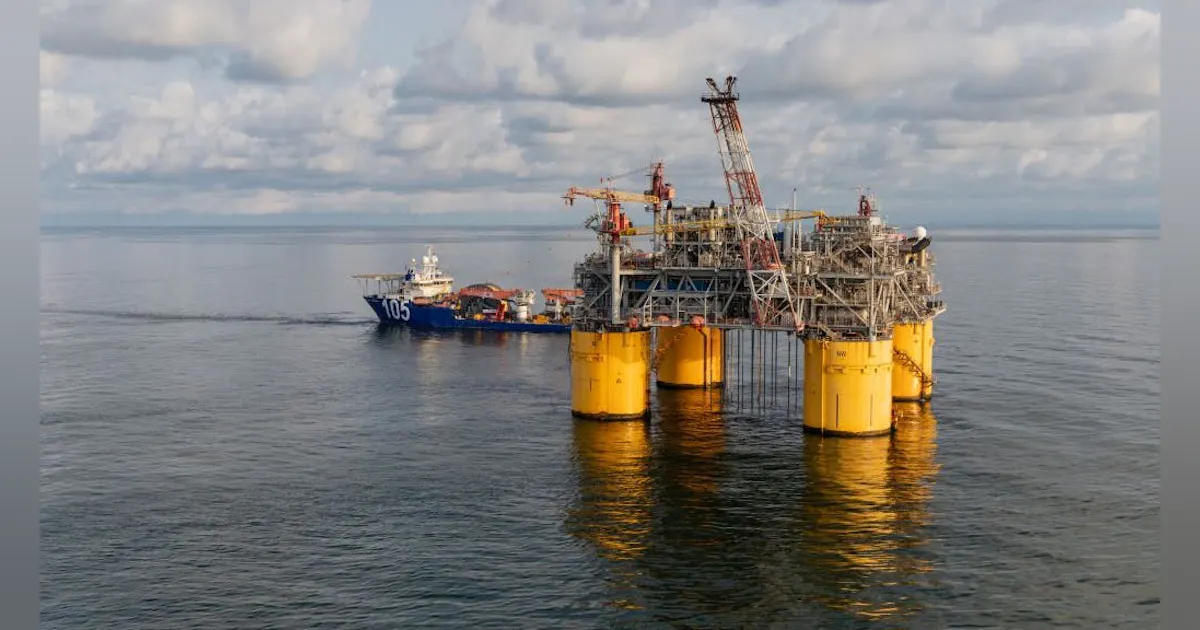
Talos Energy advances GoM work as Daenerys appraisal nears and new production comes online

In 60 seconds

Top move

Near-term Gulf of Mexico activity is increasing buyer exposure to SURF and tieback mobilization needs due to planned appraisal drilling and advancing development work, which raises the importance of confirmed installation scope and vessel/yard availability

Key takeaways

  • Near-term Gulf of Mexico activity is increasing buyer exposure to SURF and tieback mobilization needs due to planned appraisal drilling and advancing development work, which raises the importance of confirmed installation scope and vessel/yard availability.[2]
  • Major operators are using contract options to stabilise supply lines — Equinor’s multi-year option take‑ups for drilling and well services show suppliers will be busy and that capacity can be locked up by exercised options.[4]
  • Industry engineering is trending toward repeatable semisubmersible and modular topside designs and more digital lifecycle tools; that reduces per-project engineering time but shifts procurement levers toward standard‑spec fabrication yards and software/service SLAs.[1]
  • Supplier business models are shifting: a case study shows digital twins and service lifecycle management move value into ongoing vendor services, creating new uptime, data access and cyber terms buyers must accept or push back on.[3]
  • Signal is normal for the coverage window — we have project-level moves and thematic conference signals, but no single market-wide shock requiring emergency action; treat this as confirmed project demand plus evolving supplier commercial posture.[2]

What changed since last run

  • Added GoM operational updates: Talos announced imminent appraisal drilling and advancing Monument tieback work, creating a clearer short‑term SURF demand signal (article 3).
  • Added proof-point on supplier crowding: Equinor exercised one-year and two-year options across large drilling/well-services agreements, showing active capacity allocation by operators (article 5).
  • Added supplier digital/service shift: Optime Subsea case study illustrates supplier migration to digital twin and servitization models that affect contract scope and uptime/cyber terms (article 4).

Key facts

  • Industry shift to semis for newbuild FPUs since 2015
  • Trend toward standardised, repeatable designs to reduce cost and schedule
  • Appraisal drilling planned for June
  • Monument development advancing toward production with ongoing drilling and completions
  • Monument is a subsea tieback to an existing production platform
  • Supplier case study demonstrates use of PLM and digital twin to accelerate innovation

Why it matters

Near-term Gulf of Mexico activity is increasing buyer exposure to SURF and tieback mobilization needs due to planned appraisal drilling and advancing development work, which raises the importance of confirmed installation scope and vessel/yard availability. Major operators are using contract options to stabilise supply lines — Equinor’s multi-year option take‑ups for drilling and well services show suppliers will be busy and that capacity can be locked up by exercised options. Industry engineering is trending toward repeatable semisubmersible and modular topside designs and more digital lifecycle tools; that reduces per-project engineering time but shifts procurement levers toward standard‑spec fabrication yards and software/service SLAs. Supplier business models are shifting: a case study shows digital twins and service lifecycle management move value into ongoing vendor services, creating new uptime, data access and cyber terms buyers must accept or push back on

Cost / money

  • Appraisal and development starts in the GoM raise the probability buyers must mobilize SURF scopes or pay to hold vessel and yard slots if they cannot confirm schedules early.[2]
  • Equinor’s exercised contract options lock spend trajectories with preferred suppliers and reduce short-term negotiating leverage for competing buyers seeking the same rigs, services or well teams.[4]
  • Standardized, repeatable semis and modular topsides trend reduces one-off engineering cost but concentrates demand on yards and suppliers that already support repeat designs, tightening those vendors’ pricing posture.[1]

Supplier / commercial

  • Suppliers with integrated drilling and well services can convert option take‑ups into multi‑year revenue visibility, which makes them less price‑sensitive on short mobilization windows.[4]
  • Operators advancing tiebacks (Monument) create near-term booking needs for subsea installation vessels and SURF contractors — expect suppliers to shorten quote validity and push for deposits or slot commitments.[2]
  • Vendors offering digital twin and lifecycle services can propose higher-margin service contracts and post-delivery SLAs, shifting negotiation points from capex price to ongoing service terms and data access.[3]

Safety / operations

  • Faster sequences from appraisal to development and tieback execution compress shore-to-offshore readiness windows, increasing interface and HSE alignment risk if mobilization is confirmed late.[2]
  • Adoption of digital twins and service lifecycle management improves pre-deployment quality checks but increases dependency on connectivity and uptime guarantees — operational resilience becomes a procurement requirement.[3]

What to watch

  • Watch for suppliers to narrow quote validity or ask for deposits as GoM projects move from appraisal to development — this is an early sign buyers will need contractual levers for mobilisation costs.[2]
  • Watch whether repeatable semis and modular topside demand concentrates fabrication capacity on a handful of yards — if so, buyers will need alternate suppliers or split-scope options to avoid slot risk.[1]

Top stories

Story 1Offshore-mag

OTC 2026: Panel traces 40 years of deepwater floating production designs

Signal moderateDirectional

What happened

An OTC panel reviewed forty years of floating production evolution and highlighted a shift toward semisubmersibles and repeatable, modular designs to control cost and schedule. The most operational detail: since 2015 new FPUs in the Gulf have trended to semis because they offer cost and schedule advantages and suit standardised replication. Watch whether project owners specify repeatable standards in upcoming FEEDs, which would concentrate demand on yards that already support those designs

Buyer takeaway

Treat the conference trend as a procurement opportunity to push for standard specs that enable multi-project discounts, but also as a capacity risk if yards consolidate repeat-design work

Cost / money

Standardisation tends to lower engineering and per-unit build cost over time, but can raise near-term fabrication demand on preferred yards, tightening pricing and slot availability

Supplier / commercial

Yards that support repeat designs gain leverage to shorten quote validity and demand deposits when multiple projects seek the same build slots

Safety / operations

Repeatable designs can improve installation predictability and reduce bespoke HSE interface issues, assuming shore-to-offshore procedures are harmonised early

What to watch

Limited relevance for projects that require bespoke topsides; watch whether FEEDs move to standard templates which would alter preferred-supplier lists

Key facts

  • Industry shift to semis for newbuild FPUs since 2015
  • Trend toward standardised, repeatable designs to reduce cost and schedule

Source excerpts

This shift has been driven by the superior cost and schedule advantages of semis, their suitability for standardized “replicable” designs (e
After the 2014 price crash, operators focused on replication and cost control, moving from customized platforms to modular, repeatable solutions
Larry Cutburth (Wood Plc) described the move away from bespoke “stickbuilding” toward modular and standardized designs. After the 2014 price crash, operators focused on replication and cost control, moving from customized platforms to modular, repeatable solutions
Story 2Offshore-mag

Talos Energy advances GoM work as Daenerys appraisal nears and new production comes online

Signal strongSource-grounded

What happened

Talos Energy is advancing appraisal drilling in the Gulf of Mexico and moving development activity toward subsea tieback work at Monument, with appraisal drilling planned for June and development drilling underway at Monument. The concrete operational effect: imminent appraisal and active development increase near-term demand for SURF, installation vessels and subsea contractors; watch for suppliers to push for tighter quote windows and slot commitments

Buyer takeaway

Treat this as a real demand signal: mobilization windows will matter and suppliers will price accordingly if schedules are not confirmed early

Cost / money

Near-term mobilization and vessel booking costs are likely if SURF installation timing is confirmed or compressed due to appraisal-to-development sequencing

Supplier / commercial

SURF and vessel providers can narrow quote validity and require deposits once appraisal converts to development commitments

Safety / operations

Compressed readiness windows increase the need to align shore handling, HSE interfaces and installation procedures before mobilization

What to watch

Watch whether suppliers shorten quote validity or require deposits as appraisal turns into development — a sign of firmer mobilisation terms

Key facts

  • Appraisal drilling planned for June
  • Monument development advancing toward production with ongoing drilling and completions
  • Monument is a subsea tieback to an existing production platform

Source excerpts

Talos Energy is advancing multiple fronts across its US Gulf of Mexico portfolio, with appraisal drilling planned this summer on the Daenerys oil discovery, new production already onstream at Cardona and development drilling underway at the Monument project, according to the company's latest quarterly report
Monument, a Wilcox oil discovery in Walker Ridge blocks 271, 272, 315 and 316, is under development as a subsea tieback to the Shenandoah production platform in Walker Ridge. Although the committed firm capacity is 20 Mbbl/d, there is another prospective drilling location that could extend the resource beyond the base development case, Talos reported
Another recently drilled and completed well (CPL) should go onstream during the third quarter
Story 3Offshore-mag

Case Study: Optime Subsea Innovates 3km Underwater with Siemens PLM & SLM

Signal limitedDirectional

What happened

Optime Subsea published a case study showing they use Siemens PLM and digital twins to speed product development and deliver service-led revenue, positioning digital lifecycle tools as a competitive differentiator. The key operational detail: the supplier frames digital twins and service lifecycle management as part of a servitization model that shortens time-to-market and shifts value into ongoing services; watch contract terms for uptime SLAs and data access rights when suppliers propose similar models

Buyer takeaway

Expect more vendors to propose digital twin and service packages; procurement must convert technical claims into measurable SLAs and data/cyber obligations

Cost / money

Servitization can move costs from capex to recurring service fees and may reduce up-front capital but increase long-term OPEX

Supplier / commercial

Vendors using digital twins may seek multi-year service agreements and data-hosting terms that limit buyer flexibility unless contractually restricted

Safety / operations

Digital pre-checks can reduce offshore failures, but reliance on connectivity and software uptime introduces new operational failure modes

What to watch

Limited direct operational evidence — this is a vendor case study that signals a model shift rather than a market‑wide mandate

Key facts

  • Supplier case study demonstrates use of PLM and digital twin to accelerate innovation
  • Shift toward servitization and faster time-to-market via lifecycle management

Source excerpts

This case study reveals how they transformed a risk-averse industry by establishing a profitable servitization business model, achieving faster time-to-market, and turning challenges into opportunities with a robust digital twin and Service Lifecycle Management (SLM) process. Read the Full Story: Discover How Optime Subsea Achieved Subsea Excellence!
April 23, 2026Explore how Optime Subsea, a leader in subsea oil and gas solutions, leverages Siemens Teamcenter and NX to standardize innovation and deliver fail-proof product quality in extreme deep-sea environments. This case study reveals how they transformed a risk-averse industry by establishing a profitable servitization business model, achieving faster time-to-market, and turning challenges into opportunities with a robust digital twin and Service Lifecycle Management (SLM) process
This case study reveals how they transformed a risk-averse industry by establishing a profitable servitization business model, achieving faster time-to-market, and turning challenges into opportunities with a robust digital twin and Service Lifecycle Management (SLM) process
Story 4Offshore-mag

Equinor lengthens Norwegian drilling, well services deals

Signal strongSource-grounded

What happened

Equinor exercised one-year and two-year options across major integrated drilling and well services agreements on the Norwegian shelf, employing many service personnel and signalling sustained operator-driven demand. The concrete procurement reality: option take-ups allocate capacity and revenue to incumbents and reduce open-market availability for rigs, well services and specialists; watch whether similar option exercises appear regionally as operators prioritise certain suppliers

Buyer takeaway

Treat exercised options as a capacity constraint signal — confirm supplier availability and potential conflicts with your planned windows

Cost / money

Option exercises reduce near-term negotiating leverage and can raise short-term costs for buyers seeking the same suppliers or assets

Supplier / commercial

Suppliers with extended agreements gain predictable revenue and may deprioritise spot-market bids or short-notice requests from other buyers

Safety / operations

Longer supplier engagements can improve continuity and HSE familiarity, but require oversight to ensure efficiency and safety improvements promised in extensions are delivered

What to watch

Strong signal: option take-ups are a real allocation of capacity — map incumbent commitments against your booking plans immediately

Key facts

  • Multiple one-year and two-year option take-ups across integrated drilling and well services c
  • Agreements cover both fixed installations and mobile rigs and employ a substantial workforce

Source excerpts

Equinor has extended multiple supplier agreements for drilling and well services on the Norwegian continental shelf. The company has taken up one-year options under the three contracts for integrated drilling and well services to Baker Hughes Norge, Halliburton and SLB Norge, and two-year options under the 18 corporate framework agreements to the same trio and 15 other specialist services providers
Equinor has extended multiple supplier agreements for drilling and well services on the Norwegian continental shelf
Together with our suppliers, we will use this to simplify work processes, reduce costs and increase pace, while maintaining safety

VP Snapshot

Executive Risk & Action View

Near-term Gulf of Mexico activity is increasing buyer exposure to SURF and tieback mobilization needs due to planned appraisal drilling and advancing development work, which raises the importance of confirmed installation scope and vessel/yard availability.

Overall
48
Cost
100
Supply
61
Schedule
38
Compliance
15

Top signals

30-180dcost

Signal 1: Cost / money

Appraisal and development starts in the GoM raise the probability buyers must mobilize SURF scopes or pay to hold vessel and yard slots if they cannot confirm schedules early.

Signal 2: Cost / money

Equinor’s exercised contract options lock spend trajectories with preferred suppliers and reduce short-term negotiating leverage for competing buyers seeking the same rigs, services or well teams.

Signal 3: Cost / money

Standardized, repeatable semis and modular topsides trend reduces one-off engineering cost but concentrates demand on yards and suppliers that already support repeat designs, tightening those vendors’ pricing posture.

Signal 4: Supplier / commercial

Suppliers with integrated drilling and well services can convert option take‑ups into multi‑year revenue visibility, which makes them less price‑sensitive on short mobilization windows.

Signal 6: Supplier / commercial

Vendors offering digital twin and lifecycle services can propose higher-margin service contracts and post-delivery SLAs, shifting negotiation points from capex price to ongoing service terms and data access.

0-30dsupply

Signal 5: Supplier / commercial

Operators advancing tiebacks (Monument) create near-term booking needs for subsea installation vessels and SURF contractors — expect suppliers to shorten quote validity and push for deposits or slot commitments.

Recommended actions

CategoryDue 3d

Confirm SURF and tieback scope boundaries and critical interfaces with the Talos operator team and partners.

Stamped scope and interface list that feeds mobilization planning and supplier communications

ContractsDue 3d

Validate which of our incumbent suppliers have active commitments or option exercises that could conflict with planned bookings.

Supplier capacity flags and list of potential booking conflicts for negotiation

CategoryDue 21d

Issue a short RFI to SURF installers, cable vendors and installation vessel operators to capture near-term availability and commercial terms for tieback-type works in the GoM.

Supplier capacity matrix, indicative pricing ranges, and list of required deposit/slot conditions

ContractsDue 21d

Update tender and master‑service templates to include digital twin acceptance, uptime SLAs and data/cyber clauses for suppliers proposing lifecycle services.

Tender templates with explicit digital acceptance criteria, uptime SLAs and cyber responsibilities

CategoryDue 60d

Run a cross‑category capacity and specification review prioritising yards and suppliers that support repeatable semis and modular topside execution, and identify split‑scope or...

Capacity and contingency plan listing preferred and alternate fabrication/yard partners and recommended contract levers

ContractsDue 60d

Introduce contractual clauses for quote validity, deposit limits and pass‑through caps specifically for SURF and installation packages.

Contract addenda ready for issuing with tenders that cap deposits and pass‑through risk

Risk register

RiskTriggerMitigation
Watch for suppliers to narrow quote validity or ask for deposits as GoM projects move from appraisal to development — this is an early sign buyers will need contractual levers for mobilisation costs.Watch for suppliers to narrow quote validity or ask for deposits as GoM projects move from appraisal to development — this is an early sign buyers will need contractual levers for mobilisation costs.Confirm exposure with category, contracts, and operations before the next supplier commitment.
Watch whether repeatable semis and modular topside demand concentrates fabrication capacity on a handful of yards — if so, buyers will need alternate suppliers or split-scope options to avoid slot risk.Watch whether repeatable semis and modular topside demand concentrates fabrication capacity on a handful of yards — if so, buyers will need alternate suppliers or split-scope options to avoid slot risk.Confirm exposure with category, contracts, and operations before the next supplier commitment.

CM Snapshot

Category Manager Decision Detail

Today's priorities

Confirm SURF and tieback scope boundaries and critical interfaces with the Talos operator team and partners.

because Talos’ planned appraisal and advancing Monument development create concrete mobilization and installation dependencies that determine who pays for vessel slots, drum‑han...

Due 3d

high

CM move

Use this as the immediate supplier or contract action to move before the next sourcing gate.

Validate which of our incumbent suppliers have active commitments or option exercises that could conflict with planned bookings.

because Equinor’s recent option take‑ups indicate some suppliers will have constrained capacity and this affects our short-term booking leverage.

Due 3d

high

CM move

Use this as the immediate supplier or contract action to move before the next sourcing gate.

Issue a short RFI to SURF installers, cable vendors and installation vessel operators to capture near-term availability and commercial terms for tieback-type works in the GoM.

because Talos’ appraisal and Monument tieback activity will concentrate demand and an updated capacity view prevents reactive bookings at worse commercial terms.

Due 21d

high

CM move

Use this as the immediate supplier or contract action to move before the next sourcing gate.

Update tender and master‑service templates to include digital twin acceptance, uptime SLAs and data/cyber clauses for suppliers proposing lifecycle services.

because the Optime Subsea example shows suppliers are packaging digital twins and service models that transfer uptime and data risk to buyers unless contractually controlled.

Due 21d

high

CM move

Use this as the immediate supplier or contract action to move before the next sourcing gate.

Supplier radar

Offshore-mag

high

Observed supplier signal

Suppliers with integrated drilling and well services can convert option take‑ups into multi‑year revenue visibility, which makes them less price‑sensitive on short mobilization windows.

Commercial implication

Suppliers with integrated drilling and well services can convert option take‑ups into multi‑year revenue visibility, which makes them less price‑sensitive on short mobilization windows.

Next step: Validate the source-backed signal with incumbents and alternates before the next award or pricing decision.

Offshore-mag

high

Observed supplier signal

Operators advancing tiebacks (Monument) create near-term booking needs for subsea installation vessels and SURF contractors — expect suppliers to shorten quote validity and push for deposits or slot commitments.

Commercial implication

Operators advancing tiebacks (Monument) create near-term booking needs for subsea installation vessels and SURF contractors — expect suppliers to shorten quote validity and push for deposits or slot commitments.

Next step: Validate the source-backed signal with incumbents and alternates before the next award or pricing decision.

Offshore-mag

high

Observed supplier signal

Vendors offering digital twin and lifecycle services can propose higher-margin service contracts and post-delivery SLAs, shifting negotiation points from capex price to ongoing service terms and data access.

Commercial implication

Vendors offering digital twin and lifecycle services can propose higher-margin service contracts and post-delivery SLAs, shifting negotiation points from capex price to ongoing service terms and data access.

Next step: Validate the source-backed signal with incumbents and alternates before the next award or pricing decision.

Negotiation levers

Confirm SURF and tieback scope boundaries and critical interfaces with the Talos operator team and partners.

When to use: because Talos’ planned appraisal and advancing Monument development create concrete mobilization and installation dependencies that determine who pays for vessel slots, drum‑han...

Expected outcome: Stamped scope and interface list that feeds mobilization planning and supplier communications

Commercial mechanism to carry into the next supplier conversation

Validate which of our incumbent suppliers have active commitments or option exercises that could conflict with planned bookings.

When to use: because Equinor’s recent option take‑ups indicate some suppliers will have constrained capacity and this affects our short-term booking leverage.

Expected outcome: Supplier capacity flags and list of potential booking conflicts for negotiation

Commercial mechanism to carry into the next supplier conversation

Issue a short RFI to SURF installers, cable vendors and installation vessel operators to capture near-term availability and commercial terms for tieback-type works in the GoM.

When to use: because Talos’ appraisal and Monument tieback activity will concentrate demand and an updated capacity view prevents reactive bookings at worse commercial terms.

Expected outcome: Supplier capacity matrix, indicative pricing ranges, and list of required deposit/slot conditions

Commercial mechanism to carry into the next supplier conversation

Update tender and master‑service templates to include digital twin acceptance, uptime SLAs and data/cyber clauses for suppliers proposing lifecycle services.

When to use: because the Optime Subsea example shows suppliers are packaging digital twins and service models that transfer uptime and data risk to buyers unless contractually controlled.

Expected outcome: Tender templates with explicit digital acceptance criteria, uptime SLAs and cyber responsibilities

Commercial mechanism to carry into the next supplier conversation

Talking points

Near-term Gulf of Mexico activity is increasing buyer exposure to SURF and tieback mobilization needs due to planned appraisal drilling and advancing development work, which raises the importance of confirmed installation scope and vessel/yard availability.
Major operators are using contract options to stabilise supply lines — Equinor’s multi-year option take‑ups for drilling and well services show suppliers will be busy and that capacity can be locked up by exercised options.
Industry engineering is trending toward repeatable semisubmersible and modular topside designs and more digital lifecycle tools; that reduces per-project engineering time but shifts procurement levers toward standard‑spec fabrication yards and software/service SLAs.
Supplier business models are shifting: a case study shows digital twins and service lifecycle management move value into ongoing vendor services, creating new uptime, data access and cyber terms buyers must accept or push back on.

Supplier radar

SupplierSignalImplicationNext stepConfidence
Offshore-magSuppliers with integrated drilling and well services can convert option take‑ups into multi‑year revenue visibility, which makes them less price‑sensitive on short mobilization windows.Suppliers with integrated drilling and well services can convert option take‑ups into multi‑year revenue visibility, which makes them less price‑sensitive on short mobilization windows.Validate the source-backed signal with incumbents and alternates before the next award or pricing decision.high
Offshore-magOperators advancing tiebacks (Monument) create near-term booking needs for subsea installation vessels and SURF contractors — expect suppliers to shorten quote validity and push for deposits or slot commitments.Operators advancing tiebacks (Monument) create near-term booking needs for subsea installation vessels and SURF contractors — expect suppliers to shorten quote validity and push for deposits or slot commitments.Validate the source-backed signal with incumbents and alternates before the next award or pricing decision.high
Offshore-magVendors offering digital twin and lifecycle services can propose higher-margin service contracts and post-delivery SLAs, shifting negotiation points from capex price to ongoing service terms and data access.Vendors offering digital twin and lifecycle services can propose higher-margin service contracts and post-delivery SLAs, shifting negotiation points from capex price to ongoing service terms and data access.Validate the source-backed signal with incumbents and alternates before the next award or pricing decision.high

Negotiation levers

  • Confirm SURF and tieback scope boundaries and critical interfaces with the Talos operator team and partners.because Talos’ planned appraisal and advancing Monument development create concrete mobilization and installation dependencies that determine who pays for vessel slots, drum‑han...Stamped scope and interface list that feeds mobilization planning and supplier communications

    high confidence

  • Validate which of our incumbent suppliers have active commitments or option exercises that could conflict with planned bookings.because Equinor’s recent option take‑ups indicate some suppliers will have constrained capacity and this affects our short-term booking leverage.Supplier capacity flags and list of potential booking conflicts for negotiation

    high confidence

  • Issue a short RFI to SURF installers, cable vendors and installation vessel operators to capture near-term availability and commercial terms for tieback-type works in the GoM.because Talos’ appraisal and Monument tieback activity will concentrate demand and an updated capacity view prevents reactive bookings at worse commercial terms.Supplier capacity matrix, indicative pricing ranges, and list of required deposit/slot conditions

    high confidence

  • Update tender and master‑service templates to include digital twin acceptance, uptime SLAs and data/cyber clauses for suppliers proposing lifecycle services.because the Optime Subsea example shows suppliers are packaging digital twins and service models that transfer uptime and data risk to buyers unless contractually controlled.Tender templates with explicit digital acceptance criteria, uptime SLAs and cyber responsibilities

    high confidence

What to do / What to watch

What to do now

  • Confirm SURF and tieback scope boundaries and critical interfaces with the Talos operator team and partners.

    Why: because Talos’ planned appraisal and advancing Monument development create concrete mobilization and installation dependencies that determine who pays for vessel slots, drum‑han...

    Owner: Category

    Expected outcome: Stamped scope and interface list that feeds mobilization planning and supplier communications

    [2]
  • Validate which of our incumbent suppliers have active commitments or option exercises that could conflict with planned bookings.

    Why: because Equinor’s recent option take‑ups indicate some suppliers will have constrained capacity and this affects our short-term booking leverage.

    Owner: Contracts

    Expected outcome: Supplier capacity flags and list of potential booking conflicts for negotiation

    [4]

Next few weeks

  • Issue a short RFI to SURF installers, cable vendors and installation vessel operators to capture near-term availability and commercial terms for tieback-type works in the GoM.

    Why: because Talos’ appraisal and Monument tieback activity will concentrate demand and an updated capacity view prevents reactive bookings at worse commercial terms.

    Owner: Category

    Expected outcome: Supplier capacity matrix, indicative pricing ranges, and list of required deposit/slot conditions

    [2]
  • Update tender and master‑service templates to include digital twin acceptance, uptime SLAs and data/cyber clauses for suppliers proposing lifecycle services.

    Why: because the Optime Subsea example shows suppliers are packaging digital twins and service models that transfer uptime and data risk to buyers unless contractually controlled.

    Owner: Contracts

    Expected outcome: Tender templates with explicit digital acceptance criteria, uptime SLAs and cyber responsibilities

    [3]

Longer view

  • Run a cross‑category capacity and specification review prioritising yards and suppliers that support repeatable semis and modular topside execution, and identify split‑scope or...

    Why: because conference signals on semis and replication point to concentrated demand on repeat-design providers and early contingency planning preserves negotiation leverage and slo...

    Owner: Category

    Expected outcome: Capacity and contingency plan listing preferred and alternate fabrication/yard partners and recommended contract levers

    [1]
  • Introduce contractual clauses for quote validity, deposit limits and pass‑through caps specifically for SURF and installation packages.

    Why: because suppliers are likely to shorten quote windows and ask for deposits as project slots firm up, and clear clauses limit buyer exposure to mobilisation and slot-hold costs.

    Owner: Contracts

    Expected outcome: Contract addenda ready for issuing with tenders that cap deposits and pass‑through risk

    [2]

What to watch

  • Watch for suppliers to narrow quote validity or ask for deposits as GoM projects move from appraisal to development — this is an early sign buyers will need contractual levers for mobilisation costs
  • Watch whether repeatable semis and modular topside demand concentrates fabrication capacity on a handful of yards — if so, buyers will need alternate suppliers or split-scope options to avoid slot risk
  • Watch for suppliers to narrow quote validity or ask for deposits as GoM projects move from appraisal to development — this is an early sign buyers will need contractual levers for mobilisation costs.: Watch for suppliers to narrow quote validity or ask for deposits as GoM projects move from appraisal to development — this is an early sign buyers will need contractual levers for mobilisation costs
  • Watch whether repeatable semis and modular topside demand concentrates fabrication capacity on a handful of yards — if so, buyers will need alternate suppliers or split-scope options to avoid slot risk.: Watch whether repeatable semis and modular topside demand concentrates fabrication capacity on a handful of yards — if so, buyers will need alternate suppliers or split-scope options to avoid slot risk
  • Near-term Gulf of Mexico activity is increasing buyer exposure to SURF and tieback mobilization needs due to planned appraisal drilling and advancing development work, which raises the importance of confirmed installation scope and vessel/yard availability
  • Major operators are using contract options to stabilise supply lines — Equinor’s multi-year option take‑ups for drilling and well services show suppliers will be busy and that capacity can be locked up by exercised options
  • Industry engineering is trending toward repeatable semisubmersible and modular topside designs and more digital lifecycle tools; that reduces per-project engineering time but shifts procurement levers toward standard‑spec fabrication yards and software/service SLAs
  • Supplier business models are shifting: a case study shows digital twins and service lifecycle management move value into ongoing vendor services, creating new uptime, data access and cyber terms buyers must accept or push back on

Market pulse

IndexLatestChangeAs of
WTI Crude (WTI)71.23 /bbl+0.00 (+0.00%)May 12, 2026, 10:07 AM
Brent Crude (BRENT)74.89 /bbl+0.00 (+0.00%)May 12, 2026, 10:07 AM
Natural Gas (NG)3.12 /MMBtu+0.00 (+0.00%)May 12, 2026, 10:07 AM
Dry Bulk Shipping (BDRY) (BDRY)0 +0.00 (+0.00%)May 12, 2026, 10:07 AM
WTI (Fuel) (WTI)71.23 /bbl+0.00 (+0.00%)May 12, 2026, 10:07 AM
TechnipFMC (FTI)22 +0.00 (+0.00%)May 12, 2026, 10:07 AM
  • WTI Crude: Oil price direction affects operator spend appetite and accelerates appraisal-to-development decisions, which in turn tightens SURF and vessel booking windows
  • Dry Bulk Shipping (BDRY): Dry bulk shipping sentiment affects fabrication and transport costs for large topside and subsea modules; tighter shipping market increases slot and pass‑through risk

Sources

Inline citations jump here. Expand a source to read the excerpt, the AI interpretation, and the original link.

[1] OTC 2026: Panel traces 40 years of deepwater floating production designs

offshore-mag.com · n.d.

Expand

AI reading

An OTC panel reviewed forty years of floating production evolution and highlighted a shift toward semisubmersibles and repeatable, modular designs to control cost and schedule. The most operational detail: since 2015 new FPUs in the Gulf have trended to semis because they offer cost and schedule advantages and suit standardised replication. Watch whether project owners specify repeatable standards in upcoming FEEDs, which would concentrate demand on yards that already support those designs

Buyer takeaway

Treat the conference trend as a procurement opportunity to push for standard specs that enable multi-project discounts, but also as a capacity risk if yards consolidate repeat-design work

Cost / money

Standardisation tends to lower engineering and per-unit build cost over time, but can raise near-term fabrication demand on preferred yards, tightening pricing and slot availability

Supplier / commercial

Yards that support repeat designs gain leverage to shorten quote validity and demand deposits when multiple projects seek the same build slots

Safety / operations

Repeatable designs can improve installation predictability and reduce bespoke HSE interface issues, assuming shore-to-offshore procedures are harmonised early

What to watch

Limited relevance for projects that require bespoke topsides; watch whether FEEDs move to standard templates which would alter preferred-supplier lists

Key facts

  • Industry shift to semis for newbuild FPUs since 2015
  • Trend toward standardised, repeatable designs to reduce cost and schedule

Source excerpts

This shift has been driven by the superior cost and schedule advantages of semis, their suitability for standardized “replicable” designs (e
After the 2014 price crash, operators focused on replication and cost control, moving from customized platforms to modular, repeatable solutions
Larry Cutburth (Wood Plc) described the move away from bespoke “stickbuilding” toward modular and standardized designs. After the 2014 price crash, operators focused on replication and cost control, moving from customized platforms to modular, repeatable solutions

Used in this brief

  • Cost / money: Standardized, repeatable semis and modular topsides trend reduces one-off engineering cost but concentrates demand on yards and suppliers that already support repeat designs, tightening those vendors’ pricing posture
  • Next quarter — Run a cross‑category capacity and specification review prioritising yards and suppliers that support repeatable semis and modular topside execution, and identify split‑scope or.... Rationale: because conference signals on semis and replication point to concentrated demand on repeat-design providers and early contingency planning preserves negotiation leverage and slo.... Owner: Category. KPI: Capacity and contingency plan listing preferred and alternate fabrication/yard partners and recommended contract levers
  • Watch whether repeatable semis and modular topside demand concentrates fabrication capacity on a handful of yards — if so, buyers will need alternate suppliers or split-scope options to avoid slot risk
Open original source

[2] Talos Energy advances GoM work as Daenerys appraisal nears and new production comes online

offshore-mag.com · n.d.

Expand

AI reading

Talos Energy is advancing appraisal drilling in the Gulf of Mexico and moving development activity toward subsea tieback work at Monument, with appraisal drilling planned for June and development drilling underway at Monument. The concrete operational effect: imminent appraisal and active development increase near-term demand for SURF, installation vessels and subsea contractors; watch for suppliers to push for tighter quote windows and slot commitments

Buyer takeaway

Treat this as a real demand signal: mobilization windows will matter and suppliers will price accordingly if schedules are not confirmed early

Cost / money

Near-term mobilization and vessel booking costs are likely if SURF installation timing is confirmed or compressed due to appraisal-to-development sequencing

Supplier / commercial

SURF and vessel providers can narrow quote validity and require deposits once appraisal converts to development commitments

Safety / operations

Compressed readiness windows increase the need to align shore handling, HSE interfaces and installation procedures before mobilization

What to watch

Watch whether suppliers shorten quote validity or require deposits as appraisal turns into development — a sign of firmer mobilisation terms

Key facts

  • Appraisal drilling planned for June
  • Monument development advancing toward production with ongoing drilling and completions
  • Monument is a subsea tieback to an existing production platform

Source excerpts

Talos Energy is advancing multiple fronts across its US Gulf of Mexico portfolio, with appraisal drilling planned this summer on the Daenerys oil discovery, new production already onstream at Cardona and development drilling underway at the Monument project, according to the company's latest quarterly report
Monument, a Wilcox oil discovery in Walker Ridge blocks 271, 272, 315 and 316, is under development as a subsea tieback to the Shenandoah production platform in Walker Ridge. Although the committed firm capacity is 20 Mbbl/d, there is another prospective drilling location that could extend the resource beyond the base development case, Talos reported
Another recently drilled and completed well (CPL) should go onstream during the third quarter

Used in this brief

  • Next 72 hours — Confirm SURF and tieback scope boundaries and critical interfaces with the Talos operator team and partners.. Rationale: because Talos’ planned appraisal and advancing Monument development create concrete mobilization and installation dependencies that determine who pays for vessel slots, drum‑han.... Owner: Category. KPI: Stamped scope and interface list that feeds mobilization planning and supplier communications
  • Next 2-4 weeks — Issue a short RFI to SURF installers, cable vendors and installation vessel operators to capture near-term availability and commercial terms for tieback-type works in the GoM.. Rationale: because Talos’ appraisal and Monument tieback activity will concentrate demand and an updated capacity view prevents reactive bookings at worse commercial terms.. Owner: Category. KPI: Supplier capacity matrix, indicative pricing ranges, and list of required deposit/slot conditions
  • Next quarter — Introduce contractual clauses for quote validity, deposit limits and pass‑through caps specifically for SURF and installation packages.. Rationale: because suppliers are likely to shorten quote windows and ask for deposits as project slots firm up, and clear clauses limit buyer exposure to mobilisation and slot-hold costs.. Owner: Contracts. KPI: Contract addenda ready for issuing with tenders that cap deposits and pass‑through risk
Open original source

[3] Case Study: Optime Subsea Innovates 3km Underwater with Siemens PLM & SLM

offshore-mag.com · n.d.

Expand

AI reading

Optime Subsea published a case study showing they use Siemens PLM and digital twins to speed product development and deliver service-led revenue, positioning digital lifecycle tools as a competitive differentiator. The key operational detail: the supplier frames digital twins and service lifecycle management as part of a servitization model that shortens time-to-market and shifts value into ongoing services; watch contract terms for uptime SLAs and data access rights when suppliers propose similar models

Buyer takeaway

Expect more vendors to propose digital twin and service packages; procurement must convert technical claims into measurable SLAs and data/cyber obligations

Cost / money

Servitization can move costs from capex to recurring service fees and may reduce up-front capital but increase long-term OPEX

Supplier / commercial

Vendors using digital twins may seek multi-year service agreements and data-hosting terms that limit buyer flexibility unless contractually restricted

Safety / operations

Digital pre-checks can reduce offshore failures, but reliance on connectivity and software uptime introduces new operational failure modes

What to watch

Limited direct operational evidence — this is a vendor case study that signals a model shift rather than a market‑wide mandate

Key facts

  • Supplier case study demonstrates use of PLM and digital twin to accelerate innovation
  • Shift toward servitization and faster time-to-market via lifecycle management

Source excerpts

This case study reveals how they transformed a risk-averse industry by establishing a profitable servitization business model, achieving faster time-to-market, and turning challenges into opportunities with a robust digital twin and Service Lifecycle Management (SLM) process. Read the Full Story: Discover How Optime Subsea Achieved Subsea Excellence!
April 23, 2026Explore how Optime Subsea, a leader in subsea oil and gas solutions, leverages Siemens Teamcenter and NX to standardize innovation and deliver fail-proof product quality in extreme deep-sea environments. This case study reveals how they transformed a risk-averse industry by establishing a profitable servitization business model, achieving faster time-to-market, and turning challenges into opportunities with a robust digital twin and Service Lifecycle Management (SLM) process
This case study reveals how they transformed a risk-averse industry by establishing a profitable servitization business model, achieving faster time-to-market, and turning challenges into opportunities with a robust digital twin and Service Lifecycle Management (SLM) process

Used in this brief

  • Next 2-4 weeks — Update tender and master‑service templates to include digital twin acceptance, uptime SLAs and data/cyber clauses for suppliers proposing lifecycle services.. Rationale: because the Optime Subsea example shows suppliers are packaging digital twins and service models that transfer uptime and data risk to buyers unless contractually controlled.. Owner: Contracts. KPI: Tender templates with explicit digital acceptance criteria, uptime SLAs and cyber responsibilities
  • Added supplier digital/service shift: Optime Subsea case study illustrates supplier migration to digital twin and servitization models that affect contract scope and uptime/cyber terms (article 4)
  • Optime Subsea published a case study showing they use Siemens PLM and digital twins to speed product development and deliver service-led revenue, positioning digital lifecycle tools as a competitive differentiator. The key operational detail: the supplier frames digital twins and service lifecycle management as part of a servitization model that shortens time-to-market and shifts value into ongoing services; watch contract terms for uptime SLAs and data access rights when suppliers propose similar models
Open original source

[4] Equinor lengthens Norwegian drilling, well services deals

offshore-mag.com · n.d.

Expand

AI reading

Equinor exercised one-year and two-year options across major integrated drilling and well services agreements on the Norwegian shelf, employing many service personnel and signalling sustained operator-driven demand. The concrete procurement reality: option take-ups allocate capacity and revenue to incumbents and reduce open-market availability for rigs, well services and specialists; watch whether similar option exercises appear regionally as operators prioritise certain suppliers

Buyer takeaway

Treat exercised options as a capacity constraint signal — confirm supplier availability and potential conflicts with your planned windows

Cost / money

Option exercises reduce near-term negotiating leverage and can raise short-term costs for buyers seeking the same suppliers or assets

Supplier / commercial

Suppliers with extended agreements gain predictable revenue and may deprioritise spot-market bids or short-notice requests from other buyers

Safety / operations

Longer supplier engagements can improve continuity and HSE familiarity, but require oversight to ensure efficiency and safety improvements promised in extensions are delivered

What to watch

Strong signal: option take-ups are a real allocation of capacity — map incumbent commitments against your booking plans immediately

Key facts

  • Multiple one-year and two-year option take-ups across integrated drilling and well services c
  • Agreements cover both fixed installations and mobile rigs and employ a substantial workforce

Source excerpts

Equinor has extended multiple supplier agreements for drilling and well services on the Norwegian continental shelf. The company has taken up one-year options under the three contracts for integrated drilling and well services to Baker Hughes Norge, Halliburton and SLB Norge, and two-year options under the 18 corporate framework agreements to the same trio and 15 other specialist services providers
Equinor has extended multiple supplier agreements for drilling and well services on the Norwegian continental shelf
Together with our suppliers, we will use this to simplify work processes, reduce costs and increase pace, while maintaining safety

Used in this brief

  • Near-term Gulf of Mexico activity is increasing buyer exposure to SURF and tieback mobilization needs due to planned appraisal drilling and advancing development work, which raises the importance of confirmed installation scope and vessel/yard availability. Major operators are using contract options to stabilise supply lines — Equinor’s multi-year option take‑ups for drilling and well services show suppliers will be busy and that capacity can be locked up by exercised options. Industry engineering is trending toward repeatable semisubmersible and modular topside designs and more digital lifecycle tools; that reduces per-project engineering time but shifts procurement levers toward standard‑spec fabrication yards and software/service SLAs. Supplier business models are shifting: a case study shows digital twins and service lifecycle management move value into ongoing vendor services, creating new uptime, data access and cyber terms buyers must accept or push back on
  • Cost / money: Equinor’s exercised contract options lock spend trajectories with preferred suppliers and reduce short-term negotiating leverage for competing buyers seeking the same rigs, services or well teams
  • Supplier / commercial: Suppliers with integrated drilling and well services can convert option take‑ups into multi‑year revenue visibility, which makes them less price‑sensitive on short mobilization windows
Open original source

[5] WTI Crude

finance.yahoo.com · n.d.

Expand

[6] Dry Bulk Shipping (BDRY)

finance.yahoo.com · n.d.

Expand