Plug & Abandonment / Decommissioning · Australia (Perth)

Secure Local P&A Expertise as APAC Supplier Landscape Shifts

Published May 14, 2026, 6:06 AM AWSTAPACFull category signal
Ask AI
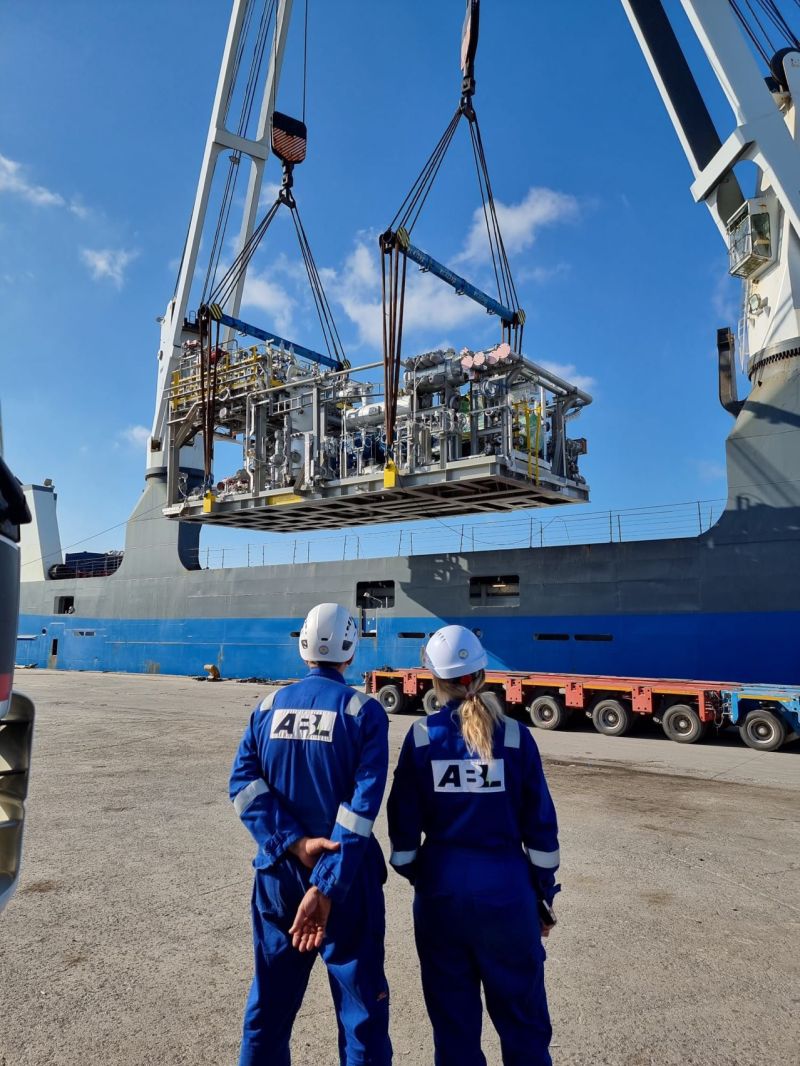
ABL enhances its menu for energy industries with acquisition of Southeast Asia‑based firm

In 60 seconds

Top move

An Asia‑Pacific engineering buyer just gained local safety and risk engineering capacity through ABL’s acquisition of SynergenOG — this creates nearer‑shore HAZOP/HAZID capability that can reduce travel and offshore staffing exposure for P&A projects

Key takeaways

  • An Asia‑Pacific engineering buyer just gained local safety and risk engineering capacity through ABL’s acquisition of SynergenOG — this creates nearer‑shore HAZOP/HAZID capability that can reduce travel and offshore staffing exposure for P&A projects.[2]
  • Large buyers continue to lock multi‑year inspection and charter capacity via frame agreements and long charters, signaling more firm vessel and ROV scheduling and less spot availability for ad‑hoc P&A mobilisations.[1][4]
  • Service firms are consolidating big inspection and maintenance campaigns (example: Føn’s busiest season), which lowers unit cost per inspection but raises single‑supplier dependence and reduces spare capacity available for emergency P&A work.[3]
  • Operational reality: expect longer quote lock‑in windows, explicit slot‑confirmation clauses, and mobilisation pass‑through asks from suppliers as they defend scarce vessel/ROV and specialist crew availability.[1][4][3]
  • Limited relevance note: some items are Europe‑focused (Ørsted, Føn); they are directional for APAC procurement tactics but not direct evidence of APAC contract awards or vessel shortages.[1][3]

What changed since last run

  • New local capability: ABL’s purchase of SynergenOG increases in‑region safety and risk engineering headcount across Southeast Asia versus prior run.
  • Market behaviour: a fresh large frame tender (Ørsted) and an announced busy inspection season (Føn) reinforce the trend toward multi‑year inspection frameworks since the last brief.
  • Charter signal: Offshore aggregated news shows multi‑decade chartering continuing in energy markets, adding directional pressure on available vessels since the prior update.

Key facts

  • Acquires SynergenOG, a Southeast Asia‑based consultancy
  • SynergenOG team of 45 consultants across multiple APAC offices
  • Strengthens ABL/Longitude’s Asia Pacific engineering footprint
  • Six‑year frame agreement with bi‑annual call‑off windows
  • Per call‑off mobilise/demobilise execution expected to be 5–10 days
  • Covers multiple pipeline sizes and subsea structures

Why it matters

An Asia‑Pacific engineering buyer just gained local safety and risk engineering capacity through ABL’s acquisition of SynergenOG — this creates nearer‑shore HAZOP/HAZID capability that can reduce travel and offshore staffing exposure for P&A projects. Large buyers continue to lock multi‑year inspection and charter capacity via frame agreements and long charters, signaling more firm vessel and ROV scheduling and less spot availability for ad‑hoc P&A mobilisations. Service firms are consolidating big inspection and maintenance campaigns (example: Føn’s busiest season), which lowers unit cost per inspection but raises single‑supplier dependence and reduces spare capacity available for emergency P&A work. Operational reality: expect longer quote lock‑in windows, explicit slot‑confirmation clauses, and mobilisation pass‑through asks from suppliers as they defend scarce vessel/ROV and specialist crew availability

Cost / money

  • Local engineering capability can reduce buyer travel and international consultancy fees but may compress bidding competition for specialist safety services.[2]
  • Frame agreements and long charters shift cost exposure from spot market volatility to contract pass‑through mechanics and mobilisation recovery clauses.[1][4]
  • Supplier consolidation of inspection campaigns tends to lower per‑asset costs but raises marginal cost for last‑minute P&A scopes when suppliers prioritise framework clients.[3]

Supplier / commercial

  • Acquirers expanding APAC footprints (ABL) can become dominant local suppliers for safety engineering and may demand longer lead times or retain preferential slots for framework clients.[2]
  • Tenders for multi‑year IRM/ROV frameworks introduce predictable call‑off volumes that suppliers will price into baseline rates and mobilization terms.[1]
  • Long charter deals (e.g., LNG carrier charters noted in industry news) are a market mechanism that demonstrates buyers’ willingness to lock vessel availability ahead — expect similar asks for vessel/ROV time in P&A tenders.[4]

Safety / operations

  • Near‑shore HAZOP/HAZID capability increases the chance that safety and technical risk reviews are completed earlier in design, lowering rework risk during lifts and abandonments.[2]
  • Large consolidated inspection campaigns require tighter logistics and handover discipline; without explicit sequencing clauses, concurrent scopes increase interface and seabed traffic risk during P&A.[3][1]
  • Long mobilisation windows per call‑off (5–10 days noted for Ørsted) are operationally real constraints buyers must include in scheduling for subsea works and abandonment lifts.[1]

What to watch

  • Watch suppliers to shorten quote validity and add slot‑confirmation or mobilisation‑cost recovery clauses in responses — these are common precursors to mobilisation premiums.[1][4]
  • Watch whether ABL integrates SynergenOG teams into regional delivery hubs or retains them as a specialist boutique — integration choice affects supplier competition and rapid mobilisation ability.[2]
  • Watch combined inspection campaigns for knock‑on effects in APAC: if major suppliers replicate this model locally, expect reduced emergency availability and tighter scheduling for decommissioning windows.[3]

Top stories

Story 1Offshore EnergyMay 13, 2026

ABL enhances its menu for energy industries with acquisition of Southeast Asia‑based firm

Signal strongSource-grounded

What happened

ABL Group acquired SynergenOG to bring process safety and risk engineering in‑house and expand its Asia Pacific footprint. The deal adds an in‑country team across Malaysia, Singapore, Indonesia, Brunei and India, strengthening local HAZOP/HAZID capability that buyers can call on for P&A planning and safety assurance. Watch whether ABL integrates SynergenOG as a regional delivery hub or keeps it as a specialist boutique — integration will determine competition and rapid mobilisation ability

Buyer takeaway

Treat this as a tangible increase in near‑shore safety engineering capacity that can cut travel and enable earlier HAZOP/HAZID work in P&A projects

Cost / money

Directionally reduces buyer travel and expatriate consultancy spend but may compress competitive tension for niche safety scopes

Supplier / commercial

ABL’s expanded footprint could lead to preferential sloting or bundled offers for framework clients; factor potential reduced competition into negotiations

Safety / operations

Earlier access to in‑region safety teams improves design‑to‑execution alignment and reduces rework risk during lifts and abandonment

What to watch

Watch whether ABL centralises delivery or keeps SynergenOG as a boutique; centralisation can reduce competitor options in APAC

Key facts

  • Acquires SynergenOG, a Southeast Asia‑based consultancy
  • SynergenOG team of 45 consultants across multiple APAC offices
  • Strengthens ABL/Longitude’s Asia Pacific engineering footprint

Source excerpts

With SynergenOG, we can deliver an expert safety and risk engineering capability that elevates our offering to support clients at every stage of an asset’s lifecycle
This allows us to bridge the gap between design and operations—embedding process safety and technical risk early into project engineering and tailoring it to the realities of how assets are actually operated
“With this acquisition, we bring SynergenOG’s expert safety and risk engineering in‑house
Story 2Offshore EnergyMay 13, 2026

Ørsted looking to award six-year frame agreement for inspection services

Signal strongSource-grounded

What happened

Ørsted issued a tender for a six‑year frame agreement covering bi‑annual ROV pipeline inspections with expected 5–10 day mobilisations per call‑off and an upper contract value stated. The structure shows how buyers lock inspection capacity ahead and define approved vessel acceptance criteria. Watch optional scopes (like seabed object removal) that can inflate individual call‑offs and affect mobilisation planning

Buyer takeaway

Frame agreements are a proven lever suppliers use to stabilise revenue and prioritise slots — replicate mobilisation and slot terms in APAC P&A frameworks

Cost / money

Contracting to multi‑year frames shifts price risk to negotiated pass‑through clauses and mobilisation terms rather than spot day rates

Supplier / commercial

Suppliers will require vessel approvals and may narrow quote validity; expect explicit call‑off and optional scope language

Safety / operations

Defined short mobilisations reduce offshore exposure per call‑off but require disciplined sequencing to avoid asset interface conflicts

What to watch

Optional scopes and renewal mechanics can be used to capture additional work later; tighten scope definition and price uplift rules

Key facts

  • Six‑year frame agreement with bi‑annual call‑off windows
  • Per call‑off mobilise/demobilise execution expected to be 5–10 days
  • Covers multiple pipeline sizes and subsea structures

Source excerpts

The contractor will be in charge of IRM ROV inspection work according to Ørsted, inspection sheets, visual inspection, CP stabbing, cleaning of marine growth, and optionally the removal of seabed objects, flooded member detection (FMD), FIGS pipeline and structure CP task, and other ROV tasks
The final scope will be defined in each call-off. Expected duration for execution, including mobilization and demobilization per call-off, is 5 to 10 days
The deadline for submitting requests to participate in the tender is June 16 by 13:00 local time
Story 3Offshore EnergyMay 13, 2026

Føn Energy Services mobilizes for subsea, above-water inspections in 'busiest season to date'

Signal strongDirectional

What happened

Føn Energy Services has mobilised technicians, vessels, diving teams and ROV spreads for what it calls its busiest inspection season to date across multiple European wind portfolios. The campaign combines scopes to lower unit costs and increase inspection throughput. Watch whether similar consolidation spreads to APAC: combined campaigns can reduce per‑unit cost but limit available emergency capacity

Buyer takeaway

Combined campaign models reduce unit costs but raise execution dependency on a single supplier; keep emergency capacity options open

Cost / money

Combining scopes drives down per‑asset inspection cost but can raise marginal cost or delay for ad‑hoc P&A requests

Supplier / commercial

Suppliers running large campaigns will prioritise framework clients and may tighten quote validity for non‑framework work

Safety / operations

Large concurrent campaigns demand clear handover and sequencing controls to manage seabed traffic and lift safety

What to watch

If replicated in APAC, such consolidation will reduce spot availability for urgent abandonment tasks — track supplier campaign footprints

Key facts

  • Largest inspection campaign in company history covering >900 offshore assets
  • Mobilisation includes technicians, vessels, diving teams and ROV spreads
  • Campaign spans multiple operators and geographies

Source excerpts

By combining scopes, we drive down costs, reduce emissions per asset visited, and give our clients the data-driven insight they need to make confident decisions about their assets
Føn Energy Services The company has mobilized technicians, vessels, diving teams, remotely operated vehicle (ROV) spreads, and survey equipment to support above- and below-water inspection scopes across offshore wind farms in the North Sea and Baltic Sea during the 2026 season
According to Føn, the combined portfolio of projects it is now engaged in covers more than 900 offshore wind assets supplying electricity to around 10 million households, making it the largest inspection campaign in the company’s history
Story 4Offshore Engineer

Offshore LNG News

Signal moderateDirectional

What happened

Industry news shows long chartering behaviour (example: Petronas signing multi‑decade charters) and active drilling permits, indicating continued vessel and rig demand across markets. These behaviours are operationally real because they remove tonnage from the spot pool and set scheduling priorities for suppliers. Watch whether long charters and rig programs translate into tighter vessel and specialist crew availability for APAC decommissioning windows

Buyer takeaway

Treat long charters and ongoing drilling programs as market constraints that can increase mobilisation premiums for P&A if not contractually addressed

Cost / money

Long charters reduce spot availability and can push buyers toward locking capacity earlier or accepting higher mobilisation pass‑throughs

Supplier / commercial

Vessel owners with locked charters gain leverage and may prioritise higher‑margin or long‑term clients when allocating windows

Safety / operations

Higher vessel utilisation can compress maintenance windows; verify uptime commitments and approved vessel lists before awards

What to watch

Monitor charter announcements and rig permits for APAC‑relevant owners — their booking patterns directly influence spot availability

Key facts

  • Reported long‑term charters and active drilling permits in industry news
  • Examples include multi‑year time charters and authorised drilling operations
  • Signals sustained demand for vessels and rigs in adjacent sectors

Source excerpts

The drilling operation will be conducted with COSL’s COSLInnovator semi-submersible drilling rig… Petronas Signs 20-year Charter Deal with MISC for Five LNG Carrier Newbuilds 13 hours ago Petronas LNG (PLL) has signed a 20-year time charter agreement with MISC Group for five newbuild liquefied natural gas (LNG) carriers as the Malaysian energy company strengthens long-term LNG supply capacity
Equinor Cleared for Wildcat Well Drilling Op in North Sea May 08, 2026 The Norwegian Offshore Directorate (NOD) has granted Equinor a drilling permit for a wildcat well in the North Sea, to be conducted with COSL’s COSLInnovator semi-submersible drilling rig
Headquartered in New Orleans… Turkey Looks to Expand LNG Imports from Algeria May 08, 2026 Turkey is looking to extend its liquefied natural gas (LNG) agreement with Algeria ahead of its expiry in September 2027, Energy Minister Alparslan Bayraktar said, adding that some of the gas could potentially be transported to southeastern Europe… Delfin Signs Long-Term LNG Supply Deal with Gunvor May 07, 2026 Delfin Midstream has signed a long-term liquefied natural gas supply agreement with commodity trader Gunvor Group

VP Snapshot

Executive Risk & Action View

An Asia‑Pacific engineering buyer just gained local safety and risk engineering capacity through ABL’s acquisition of SynergenOG — this creates nearer‑shore HAZOP/HAZID capability that can reduce travel and offshore staffing exposure for P&A projects.

Overall
48
Cost
100
Supply
61
Schedule
38
Compliance
15

Top signals

30-180dcost

Signal 1: Cost / money

Local engineering capability can reduce buyer travel and international consultancy fees but may compress bidding competition for specialist safety services.

Signal 2: Cost / money

Frame agreements and long charters shift cost exposure from spot market volatility to contract pass‑through mechanics and mobilisation recovery clauses.

Signal 5: Supplier / commercial

Tenders for multi‑year IRM/ROV frameworks introduce predictable call‑off volumes that suppliers will price into baseline rates and mobilization terms.

180d+cost

Signal 3: Cost / money

Supplier consolidation of inspection campaigns tends to lower per‑asset costs but raises marginal cost for last‑minute P&A scopes when suppliers prioritise framework clients.

180d+commercial

Signal 4: Supplier / commercial

Acquirers expanding APAC footprints (ABL) can become dominant local suppliers for safety engineering and may demand longer lead times or retain preferential slots for framework clients.

0-30dsupply

Signal 6: Supplier / commercial

Long charter deals (e.g., LNG carrier charters noted in industry news) are a market mechanism that demonstrates buyers’ willingness to lock vessel availability ahead — expect similar asks for vessel/ROV time in P&A tenders.

Recommended actions

CategoryDue 3d

Update supplier qualification lists to flag local safety/risk consultancies and note which have newly available in‑region teams.

Shortlist includes local safety engineering suppliers flagged for mobilisation and reduced travel needs.

ContractsDue 3d

Request current suppliers to confirm quote validity windows and slot‑confirmation commitments for upcoming P&A work.

Suppliers return clarified validity and slot terms that inform tender timelines.

ContractsDue 21d

Build a draft APAC inspection and mobilisation annex for upcoming P&A tenders that mandates mobilisation notice, approved vessel/ROV acceptance criteria, and pass‑through limits...

Tender templates include mobilisation annex that is ready for inclusion in imminent RFPs.

CategoryDue 21d

Run focused supplier capacity checks for ROV spreads, inspection vessels, and specialist P&A crews across shortlisted vendors.

Availability matrix showing declared windows for vessels, ROVs and specialist crews.

CategoryDue 60d

Scope an APAC decommissioning framework RFP that embeds slot confirmation, mobilisation cost caps, cancellation recovery mechanics, and local safety assurance deliverables.

Draft framework RFP with mobilisation and slot clauses ready for legal review.

ContractsDue 60d

Plan a supplier assurance campaign requiring spare provisioning statements, crew continuity records and local HAZOP/HAZID evidence before final awards.

Award criteria include declared spares, crew continuity and safety deliverables for shortlisted suppliers.

Risk register

RiskTriggerMitigation
Watch suppliers to shorten quote validity and add slot‑confirmation or mobilisation‑cost recovery clauses in responses — these are common precursors to mobilisation premiums.Watch suppliers to shorten quote validity and add slot‑confirmation or mobilisation‑cost recovery clauses in responses — these are common precursors to mobilisation premiums.Confirm exposure with category, contracts, and operations before the next supplier commitment.
Watch whether ABL integrates SynergenOG teams into regional delivery hubs or retains them as a specialist boutique — integration choice affects supplier competition and rapid mobilisation ability.Watch whether ABL integrates SynergenOG teams into regional delivery hubs or retains them as a specialist boutique — integration choice affects supplier competition and rapid mobilisation ability.Confirm exposure with category, contracts, and operations before the next supplier commitment.
Watch combined inspection campaigns for knock‑on effects in APAC: if major suppliers replicate this model locally, expect reduced emergency availability and tighter scheduling for decommissioning windows.Watch combined inspection campaigns for knock‑on effects in APAC: if major suppliers replicate this model locally, expect reduced emergency availability and tighter scheduling for decommissioning windows.Confirm exposure with category, contracts, and operations before the next supplier commitment.

CM Snapshot

Category Manager Decision Detail

Today's priorities

Update supplier qualification lists to flag local safety/risk consultancies and note which have newly available in‑region teams.

Do this because ABL’s acquisition expands local safety engineering capacity and having an up‑to‑date shortlist reduces travel exposure and speeds pre‑award technical checks.

Due 3d

high

CM move

Use this as the immediate supplier or contract action to move before the next sourcing gate.

Request current suppliers to confirm quote validity windows and slot‑confirmation commitments for upcoming P&A work.

Do this because suppliers are increasingly using shorter validity and slot confirmation clauses as leverage, and early verification prevents last‑minute mobilisation premium sur...

Due 3d

high

CM move

Use this as the immediate supplier or contract action to move before the next sourcing gate.

Build a draft APAC inspection and mobilisation annex for upcoming P&A tenders that mandates mobilisation notice, approved vessel/ROV acceptance criteria, and pass‑through limits...

Do this because multi‑year IRM frameworks and long charters are locking vessel and ROV availability, and clear annex terms preserve buyer rights and limit unexpected pass‑throug...

Due 21d

high

CM move

Use this as the immediate supplier or contract action to move before the next sourcing gate.

Run focused supplier capacity checks for ROV spreads, inspection vessels, and specialist P&A crews across shortlisted vendors.

Do this because consolidated inspection campaigns abroad and long charters can reduce pool availability; documented supplier availability reduces schedule risk and supports awar...

Due 21d

high

CM move

Use this as the immediate supplier or contract action to move before the next sourcing gate.

Supplier radar

Offshore Energy

high

Observed supplier signal

Acquirers expanding APAC footprints (ABL) can become dominant local suppliers for safety engineering and may demand longer lead times or retain preferential slots for framework clients.

Commercial implication

Acquirers expanding APAC footprints (ABL) can become dominant local suppliers for safety engineering and may demand longer lead times or retain preferential slots for framework clients.

Next step: Validate the source-backed signal with incumbents and alternates before the next award or pricing decision.

Offshore Energy

high

Observed supplier signal

Tenders for multi‑year IRM/ROV frameworks introduce predictable call‑off volumes that suppliers will price into baseline rates and mobilization terms.

Commercial implication

Tenders for multi‑year IRM/ROV frameworks introduce predictable call‑off volumes that suppliers will price into baseline rates and mobilization terms.

Next step: Validate the source-backed signal with incumbents and alternates before the next award or pricing decision.

Offshore Engineer

high

Observed supplier signal

Long charter deals (e.g., LNG carrier charters noted in industry news) are a market mechanism that demonstrates buyers’ willingness to lock vessel availability ahead — expect similar asks for vessel/ROV time in P&A tenders.

Commercial implication

Long charter deals (e.g., LNG carrier charters noted in industry news) are a market mechanism that demonstrates buyers’ willingness to lock vessel availability ahead — expect similar asks for vessel/ROV time in P&A tenders.

Next step: Validate the source-backed signal with incumbents and alternates before the next award or pricing decision.

Negotiation levers

Update supplier qualification lists to flag local safety/risk consultancies and note which have newly available in‑region teams.

When to use: Do this because ABL’s acquisition expands local safety engineering capacity and having an up‑to‑date shortlist reduces travel exposure and speeds pre‑award technical checks.

Expected outcome: Shortlist includes local safety engineering suppliers flagged for mobilisation and reduced travel needs.

Commercial mechanism to carry into the next supplier conversation

Request current suppliers to confirm quote validity windows and slot‑confirmation commitments for upcoming P&A work.

When to use: Do this because suppliers are increasingly using shorter validity and slot confirmation clauses as leverage, and early verification prevents last‑minute mobilisation premium sur...

Expected outcome: Suppliers return clarified validity and slot terms that inform tender timelines.

Commercial mechanism to carry into the next supplier conversation

Build a draft APAC inspection and mobilisation annex for upcoming P&A tenders that mandates mobilisation notice, approved vessel/ROV acceptance criteria, and pass‑through limits...

When to use: Do this because multi‑year IRM frameworks and long charters are locking vessel and ROV availability, and clear annex terms preserve buyer rights and limit unexpected pass‑throug...

Expected outcome: Tender templates include mobilisation annex that is ready for inclusion in imminent RFPs.

Commercial mechanism to carry into the next supplier conversation

Run focused supplier capacity checks for ROV spreads, inspection vessels, and specialist P&A crews across shortlisted vendors.

When to use: Do this because consolidated inspection campaigns abroad and long charters can reduce pool availability; documented supplier availability reduces schedule risk and supports awar...

Expected outcome: Availability matrix showing declared windows for vessels, ROVs and specialist crews.

Commercial mechanism to carry into the next supplier conversation

Talking points

An Asia‑Pacific engineering buyer just gained local safety and risk engineering capacity through ABL’s acquisition of SynergenOG — this creates nearer‑shore HAZOP/HAZID capability that can reduce travel and offshore staffing exposure for P&A projects.
Large buyers continue to lock multi‑year inspection and charter capacity via frame agreements and long charters, signaling more firm vessel and ROV scheduling and less spot availability for ad‑hoc P&A mobilisations.
Service firms are consolidating big inspection and maintenance campaigns (example: Føn’s busiest season), which lowers unit cost per inspection but raises single‑supplier dependence and reduces spare capacity available for emergency P&A work.
Operational reality: expect longer quote lock‑in windows, explicit slot‑confirmation clauses, and mobilisation pass‑through asks from suppliers as they defend scarce vessel/ROV and specialist crew availability.

Supplier radar

SupplierSignalImplicationNext stepConfidence
Offshore EnergyAcquirers expanding APAC footprints (ABL) can become dominant local suppliers for safety engineering and may demand longer lead times or retain preferential slots for framework clients.Acquirers expanding APAC footprints (ABL) can become dominant local suppliers for safety engineering and may demand longer lead times or retain preferential slots for framework clients.Validate the source-backed signal with incumbents and alternates before the next award or pricing decision.high
Offshore EnergyTenders for multi‑year IRM/ROV frameworks introduce predictable call‑off volumes that suppliers will price into baseline rates and mobilization terms.Tenders for multi‑year IRM/ROV frameworks introduce predictable call‑off volumes that suppliers will price into baseline rates and mobilization terms.Validate the source-backed signal with incumbents and alternates before the next award or pricing decision.high
Offshore EngineerLong charter deals (e.g., LNG carrier charters noted in industry news) are a market mechanism that demonstrates buyers’ willingness to lock vessel availability ahead — expect similar asks for vessel/ROV time in P&A tenders.Long charter deals (e.g., LNG carrier charters noted in industry news) are a market mechanism that demonstrates buyers’ willingness to lock vessel availability ahead — expect similar asks for vessel/ROV time in P&A tenders.Validate the source-backed signal with incumbents and alternates before the next award or pricing decision.high

Negotiation levers

  • Update supplier qualification lists to flag local safety/risk consultancies and note which have newly available in‑region teams.Do this because ABL’s acquisition expands local safety engineering capacity and having an up‑to‑date shortlist reduces travel exposure and speeds pre‑award technical checks.Shortlist includes local safety engineering suppliers flagged for mobilisation and reduced travel needs.

    high confidence

  • Request current suppliers to confirm quote validity windows and slot‑confirmation commitments for upcoming P&A work.Do this because suppliers are increasingly using shorter validity and slot confirmation clauses as leverage, and early verification prevents last‑minute mobilisation premium sur...Suppliers return clarified validity and slot terms that inform tender timelines.

    high confidence

  • Build a draft APAC inspection and mobilisation annex for upcoming P&A tenders that mandates mobilisation notice, approved vessel/ROV acceptance criteria, and pass‑through limits...Do this because multi‑year IRM frameworks and long charters are locking vessel and ROV availability, and clear annex terms preserve buyer rights and limit unexpected pass‑throug...Tender templates include mobilisation annex that is ready for inclusion in imminent RFPs.

    high confidence

  • Run focused supplier capacity checks for ROV spreads, inspection vessels, and specialist P&A crews across shortlisted vendors.Do this because consolidated inspection campaigns abroad and long charters can reduce pool availability; documented supplier availability reduces schedule risk and supports awar...Availability matrix showing declared windows for vessels, ROVs and specialist crews.

    high confidence

What to do / What to watch

What to do now

  • Update supplier qualification lists to flag local safety/risk consultancies and note which have newly available in‑region teams.

    Why: Do this because ABL’s acquisition expands local safety engineering capacity and having an up‑to‑date shortlist reduces travel exposure and speeds pre‑award technical checks.

    Owner: Category

    Expected outcome: Shortlist includes local safety engineering suppliers flagged for mobilisation and reduced travel needs.

    [2]
  • Request current suppliers to confirm quote validity windows and slot‑confirmation commitments for upcoming P&A work.

    Why: Do this because suppliers are increasingly using shorter validity and slot confirmation clauses as leverage, and early verification prevents last‑minute mobilisation premium sur...

    Owner: Contracts

    Expected outcome: Suppliers return clarified validity and slot terms that inform tender timelines.

    [1][4]

Next few weeks

  • Build a draft APAC inspection and mobilisation annex for upcoming P&A tenders that mandates mobilisation notice, approved vessel/ROV acceptance criteria, and pass‑through limits...

    Why: Do this because multi‑year IRM frameworks and long charters are locking vessel and ROV availability, and clear annex terms preserve buyer rights and limit unexpected pass‑throug...

    Owner: Contracts

    Expected outcome: Tender templates include mobilisation annex that is ready for inclusion in imminent RFPs.

    [1][4]
  • Run focused supplier capacity checks for ROV spreads, inspection vessels, and specialist P&A crews across shortlisted vendors.

    Why: Do this because consolidated inspection campaigns abroad and long charters can reduce pool availability; documented supplier availability reduces schedule risk and supports awar...

    Owner: Category

    Expected outcome: Availability matrix showing declared windows for vessels, ROVs and specialist crews.

    [3][4]

Longer view

  • Scope an APAC decommissioning framework RFP that embeds slot confirmation, mobilisation cost caps, cancellation recovery mechanics, and local safety assurance deliverables.

    Why: Do this because observed market behavior (multi‑year frameworks and supplier consolidation) will otherwise force ad‑hoc premium placements; a regional framework preserves negoti...

    Owner: Category

    Expected outcome: Draft framework RFP with mobilisation and slot clauses ready for legal review.

    [1][3][2]
  • Plan a supplier assurance campaign requiring spare provisioning statements, crew continuity records and local HAZOP/HAZID evidence before final awards.

    Why: Do this because concentration of specialist services and new local integrations can mask single‑point spare and crew continuity risk, and documented assurances reduce operationa...

    Owner: Contracts

    Expected outcome: Award criteria include declared spares, crew continuity and safety deliverables for shortlisted suppliers.

    [2][3]

What to watch

  • Watch suppliers to shorten quote validity and add slot‑confirmation or mobilisation‑cost recovery clauses in responses — these are common precursors to mobilisation premiums
  • Watch whether ABL integrates SynergenOG teams into regional delivery hubs or retains them as a specialist boutique — integration choice affects supplier competition and rapid mobilisation ability
  • Watch combined inspection campaigns for knock‑on effects in APAC: if major suppliers replicate this model locally, expect reduced emergency availability and tighter scheduling for decommissioning windows
  • Watch suppliers to shorten quote validity and add slot‑confirmation or mobilisation‑cost recovery clauses in responses — these are common precursors to mobilisation premiums.: Watch suppliers to shorten quote validity and add slot‑confirmation or mobilisation‑cost recovery clauses in responses — these are common precursors to mobilisation premiums
  • Watch whether ABL integrates SynergenOG teams into regional delivery hubs or retains them as a specialist boutique — integration choice affects supplier competition and rapid mobilisation ability.: Watch whether ABL integrates SynergenOG teams into regional delivery hubs or retains them as a specialist boutique — integration choice affects supplier competition and rapid mobilisation ability
  • Watch combined inspection campaigns for knock‑on effects in APAC: if major suppliers replicate this model locally, expect reduced emergency availability and tighter scheduling for decommissioning windows.: Watch combined inspection campaigns for knock‑on effects in APAC: if major suppliers replicate this model locally, expect reduced emergency availability and tighter scheduling for decommissioning windows
  • An Asia‑Pacific engineering buyer just gained local safety and risk engineering capacity through ABL’s acquisition of SynergenOG — this creates nearer‑shore HAZOP/HAZID capability that can reduce travel and offshore staffing exposure for P&A projects
  • Large buyers continue to lock multi‑year inspection and charter capacity via frame agreements and long charters, signaling more firm vessel and ROV scheduling and less spot availability for ad‑hoc P&A mobilisations

Market pulse

IndexLatestChangeAs of
WTI Crude (WTI)71.23 /bbl+0.00 (+0.00%)May 13, 2026, 10:10 PM
Brent Crude (BRENT)74.89 /bbl+0.00 (+0.00%)May 13, 2026, 10:10 PM
Natural Gas (NG)3.12 /MMBtu+0.00 (+0.00%)May 13, 2026, 10:10 PM
Baltic Dry (BDI)1,245 pts+0.00 (+0.00%)May 13, 2026, 10:10 PM
  • Baltic Dry: Baltic Dry trends inform vessel and heavy‑lift availability and cost pressure for mobilisations
  • Natural Gas: Natural gas price directionally influences LNG and charter decisions that indirectly affect fleet allocation

Sources

Inline citations jump here. Expand a source to read the excerpt, the AI interpretation, and the original link.

[1] Ørsted looking to award six-year frame agreement for inspection services

offshore-energy.biz · May 13, 2026

Expand

AI reading

Ørsted issued a tender for a six‑year frame agreement covering bi‑annual ROV pipeline inspections with expected 5–10 day mobilisations per call‑off and an upper contract value stated. The structure shows how buyers lock inspection capacity ahead and define approved vessel acceptance criteria. Watch optional scopes (like seabed object removal) that can inflate individual call‑offs and affect mobilisation planning

Buyer takeaway

Frame agreements are a proven lever suppliers use to stabilise revenue and prioritise slots — replicate mobilisation and slot terms in APAC P&A frameworks

Cost / money

Contracting to multi‑year frames shifts price risk to negotiated pass‑through clauses and mobilisation terms rather than spot day rates

Supplier / commercial

Suppliers will require vessel approvals and may narrow quote validity; expect explicit call‑off and optional scope language

Safety / operations

Defined short mobilisations reduce offshore exposure per call‑off but require disciplined sequencing to avoid asset interface conflicts

What to watch

Optional scopes and renewal mechanics can be used to capture additional work later; tighten scope definition and price uplift rules

Key facts

  • Six‑year frame agreement with bi‑annual call‑off windows
  • Per call‑off mobilise/demobilise execution expected to be 5–10 days
  • Covers multiple pipeline sizes and subsea structures

Source excerpts

The contractor will be in charge of IRM ROV inspection work according to Ørsted, inspection sheets, visual inspection, CP stabbing, cleaning of marine growth, and optionally the removal of seabed objects, flooded member detection (FMD), FIGS pipeline and structure CP task, and other ROV tasks
The final scope will be defined in each call-off. Expected duration for execution, including mobilization and demobilization per call-off, is 5 to 10 days
The deadline for submitting requests to participate in the tender is June 16 by 13:00 local time

Used in this brief

  • An Asia‑Pacific engineering buyer just gained local safety and risk engineering capacity through ABL’s acquisition of SynergenOG — this creates nearer‑shore HAZOP/HAZID capability that can reduce travel and offshore staffing exposure for P&A projects. Large buyers continue to lock multi‑year inspection and charter capacity via frame agreements and long charters, signaling more firm vessel and ROV scheduling and less spot availability for ad‑hoc P&A mobilisations. Service firms are consolidating big inspection and maintenance campaigns (example: Føn’s busiest season), which lowers unit cost per inspection but raises single‑supplier dependence and reduces spare capacity available for emergency P&A work. Operational reality: expect longer quote lock‑in windows, explicit slot‑confirmation clauses, and mobilisation pass‑through asks from suppliers as they defend scarce vessel/ROV and specialist crew availability
  • Supplier / commercial: Tenders for multi‑year IRM/ROV frameworks introduce predictable call‑off volumes that suppliers will price into baseline rates and mobilization terms
  • Safety / operations: Long mobilisation windows per call‑off (5–10 days noted for Ørsted) are operationally real constraints buyers must include in scheduling for subsea works and abandonment lifts
Open original source

[2] ABL enhances its menu for energy industries with acquisition of Southeast Asia‑based firm

offshore-energy.biz · May 13, 2026

Expand

AI reading

ABL Group acquired SynergenOG to bring process safety and risk engineering in‑house and expand its Asia Pacific footprint. The deal adds an in‑country team across Malaysia, Singapore, Indonesia, Brunei and India, strengthening local HAZOP/HAZID capability that buyers can call on for P&A planning and safety assurance. Watch whether ABL integrates SynergenOG as a regional delivery hub or keeps it as a specialist boutique — integration will determine competition and rapid mobilisation ability

Buyer takeaway

Treat this as a tangible increase in near‑shore safety engineering capacity that can cut travel and enable earlier HAZOP/HAZID work in P&A projects

Cost / money

Directionally reduces buyer travel and expatriate consultancy spend but may compress competitive tension for niche safety scopes

Supplier / commercial

ABL’s expanded footprint could lead to preferential sloting or bundled offers for framework clients; factor potential reduced competition into negotiations

Safety / operations

Earlier access to in‑region safety teams improves design‑to‑execution alignment and reduces rework risk during lifts and abandonment

What to watch

Watch whether ABL centralises delivery or keeps SynergenOG as a boutique; centralisation can reduce competitor options in APAC

Key facts

  • Acquires SynergenOG, a Southeast Asia‑based consultancy
  • SynergenOG team of 45 consultants across multiple APAC offices
  • Strengthens ABL/Longitude’s Asia Pacific engineering footprint

Source excerpts

With SynergenOG, we can deliver an expert safety and risk engineering capability that elevates our offering to support clients at every stage of an asset’s lifecycle
This allows us to bridge the gap between design and operations—embedding process safety and technical risk early into project engineering and tailoring it to the realities of how assets are actually operated
“With this acquisition, we bring SynergenOG’s expert safety and risk engineering in‑house

Used in this brief

  • Cost / money: Local engineering capability can reduce buyer travel and international consultancy fees but may compress bidding competition for specialist safety services
  • Supplier / commercial: Acquirers expanding APAC footprints (ABL) can become dominant local suppliers for safety engineering and may demand longer lead times or retain preferential slots for framework clients
  • Safety / operations: Near‑shore HAZOP/HAZID capability increases the chance that safety and technical risk reviews are completed earlier in design, lowering rework risk during lifts and abandonments
Open original source

[3] Føn Energy Services mobilizes for subsea, above-water inspections in 'busiest season to date'

offshore-energy.biz · May 13, 2026

Expand

AI reading

Føn Energy Services has mobilised technicians, vessels, diving teams and ROV spreads for what it calls its busiest inspection season to date across multiple European wind portfolios. The campaign combines scopes to lower unit costs and increase inspection throughput. Watch whether similar consolidation spreads to APAC: combined campaigns can reduce per‑unit cost but limit available emergency capacity

Buyer takeaway

Combined campaign models reduce unit costs but raise execution dependency on a single supplier; keep emergency capacity options open

Cost / money

Combining scopes drives down per‑asset inspection cost but can raise marginal cost or delay for ad‑hoc P&A requests

Supplier / commercial

Suppliers running large campaigns will prioritise framework clients and may tighten quote validity for non‑framework work

Safety / operations

Large concurrent campaigns demand clear handover and sequencing controls to manage seabed traffic and lift safety

What to watch

If replicated in APAC, such consolidation will reduce spot availability for urgent abandonment tasks — track supplier campaign footprints

Key facts

  • Largest inspection campaign in company history covering >900 offshore assets
  • Mobilisation includes technicians, vessels, diving teams and ROV spreads
  • Campaign spans multiple operators and geographies

Source excerpts

By combining scopes, we drive down costs, reduce emissions per asset visited, and give our clients the data-driven insight they need to make confident decisions about their assets
Føn Energy Services The company has mobilized technicians, vessels, diving teams, remotely operated vehicle (ROV) spreads, and survey equipment to support above- and below-water inspection scopes across offshore wind farms in the North Sea and Baltic Sea during the 2026 season
According to Føn, the combined portfolio of projects it is now engaged in covers more than 900 offshore wind assets supplying electricity to around 10 million households, making it the largest inspection campaign in the company’s history

Used in this brief

  • Cost / money: Supplier consolidation of inspection campaigns tends to lower per‑asset costs but raises marginal cost for last‑minute P&A scopes when suppliers prioritise framework clients
  • Next 2-4 weeks — Run focused supplier capacity checks for ROV spreads, inspection vessels, and specialist P&A crews across shortlisted vendors.. Rationale: Do this because consolidated inspection campaigns abroad and long charters can reduce pool availability; documented supplier availability reduces schedule risk and supports awar.... Owner: Category. KPI: Availability matrix showing declared windows for vessels, ROVs and specialist crews
  • Watch combined inspection campaigns for knock‑on effects in APAC: if major suppliers replicate this model locally, expect reduced emergency availability and tighter scheduling for decommissioning windows
Open original source

[4] Offshore LNG News

oedigital.com · n.d.

Expand

AI reading

Industry news shows long chartering behaviour (example: Petronas signing multi‑decade charters) and active drilling permits, indicating continued vessel and rig demand across markets. These behaviours are operationally real because they remove tonnage from the spot pool and set scheduling priorities for suppliers. Watch whether long charters and rig programs translate into tighter vessel and specialist crew availability for APAC decommissioning windows

Buyer takeaway

Treat long charters and ongoing drilling programs as market constraints that can increase mobilisation premiums for P&A if not contractually addressed

Cost / money

Long charters reduce spot availability and can push buyers toward locking capacity earlier or accepting higher mobilisation pass‑throughs

Supplier / commercial

Vessel owners with locked charters gain leverage and may prioritise higher‑margin or long‑term clients when allocating windows

Safety / operations

Higher vessel utilisation can compress maintenance windows; verify uptime commitments and approved vessel lists before awards

What to watch

Monitor charter announcements and rig permits for APAC‑relevant owners — their booking patterns directly influence spot availability

Key facts

  • Reported long‑term charters and active drilling permits in industry news
  • Examples include multi‑year time charters and authorised drilling operations
  • Signals sustained demand for vessels and rigs in adjacent sectors

Source excerpts

The drilling operation will be conducted with COSL’s COSLInnovator semi-submersible drilling rig… Petronas Signs 20-year Charter Deal with MISC for Five LNG Carrier Newbuilds 13 hours ago Petronas LNG (PLL) has signed a 20-year time charter agreement with MISC Group for five newbuild liquefied natural gas (LNG) carriers as the Malaysian energy company strengthens long-term LNG supply capacity
Equinor Cleared for Wildcat Well Drilling Op in North Sea May 08, 2026 The Norwegian Offshore Directorate (NOD) has granted Equinor a drilling permit for a wildcat well in the North Sea, to be conducted with COSL’s COSLInnovator semi-submersible drilling rig
Headquartered in New Orleans… Turkey Looks to Expand LNG Imports from Algeria May 08, 2026 Turkey is looking to extend its liquefied natural gas (LNG) agreement with Algeria ahead of its expiry in September 2027, Energy Minister Alparslan Bayraktar said, adding that some of the gas could potentially be transported to southeastern Europe… Delfin Signs Long-Term LNG Supply Deal with Gunvor May 07, 2026 Delfin Midstream has signed a long-term liquefied natural gas supply agreement with commodity trader Gunvor Group

Used in this brief

  • Industry news shows long chartering behaviour (example: Petronas signing multi‑decade charters) and active drilling permits, indicating continued vessel and rig demand across markets. These behaviours are operationally real because they remove tonnage from the spot pool and set scheduling priorities for suppliers. Watch whether long charters and rig programs translate into tighter vessel and specialist crew availability for APAC decommissioning windows
  • Buyer bottom line: persistent long charters and active drilling programs are directional signals that spot vessel/rig availability can tighten, affecting P&A mobilisation options
  • Treat long charters and ongoing drilling programs as market constraints that can increase mobilisation premiums for P&A if not contractually addressed
Open original source

[5] Baltic Dry

finance.yahoo.com · n.d.

Expand

[6] Natural Gas

finance.yahoo.com · n.d.

Expand