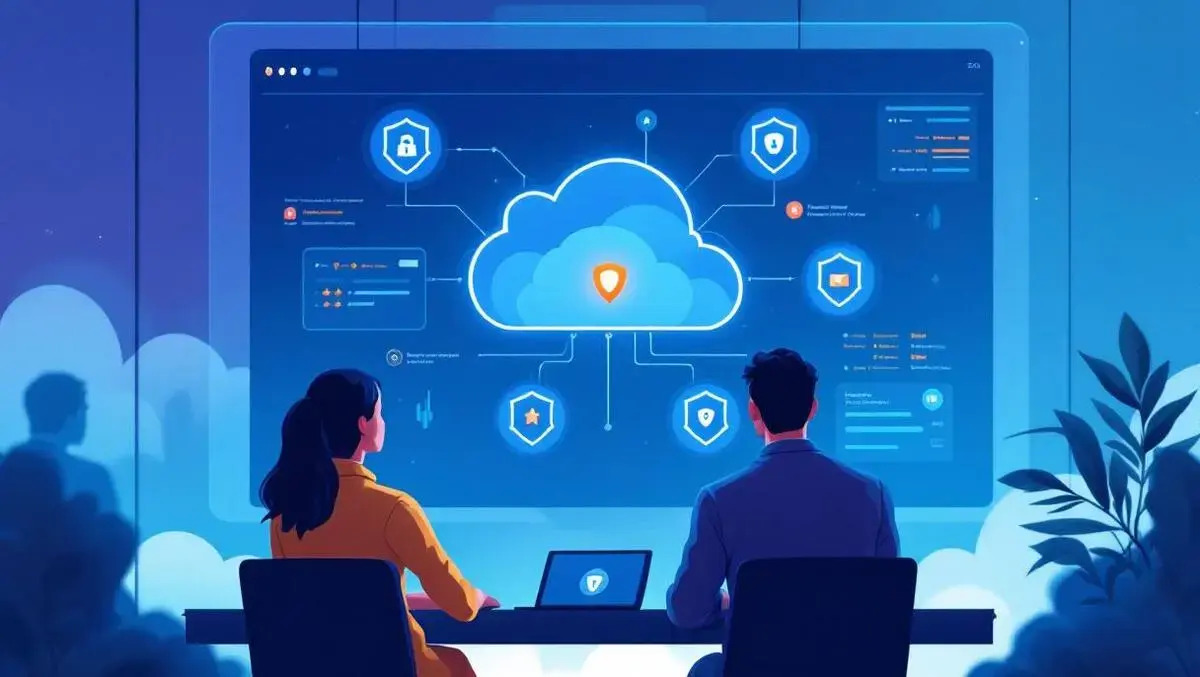
The Death of the Firewall
What happened
A long-form analysis argues the firewall is not dead and remains the enforcement point for on‑prem and OT environments. The piece highlights inline TLS/SSL inspection and quantum‑safe TLS enforcement as core roles that are hard to replace. Watch whether vendors ship integrated cloud‑to‑edge workflows and inspection capabilities that match operational latency constraints
Buyer takeaway
Treat the firewall as an active enforcement tool for segments that cannot move to cloud controls, not a legacy throwaway; factor appliances and inspection services into sourcing plans
Cost / money
Maintaining local inspection capability implies continued capital or managed‑service spend for appliances and inline decryption, which reduces the pace at which you can shift to cloud‑only contracts
Supplier / commercial
Vendors that provide end‑to‑end inspection and edge‑to‑cloud integrations will be able to sell bundled support and longer maintenance terms
Safety / operations
Local inspection reduces blind spots for OT and medical devices but requires operational controls (patching, certificate management) that procurement must verify are in vendor SLAs
What to watch
Watch whether vendors overstate cloud replacement of appliances; verify latency and device compatibility before decommissioning local enforcement
Key facts
- Firewall market remains significant with continued appliance demand
- Inline TLS/SSL inspection handles the majority of encrypted enterprise sessions
- On‑site enforcement still required for legacy OT, medical, and isolated network segments
Source excerpts
Physical devices handle what requires local execution: inline inspection, segmentation enforcement, survivability and OT/IoT security. The firewall's role is more specialized than it was, more tightly integrated with cloud services and more focused on the scenarios where local enforcement is irreplaceable
As organizations migrate to NIST-standardized post-quantum cryptography algorithms, the firewall is the enforcement point where quantum-safe TLS inspection gets implemented. That migration makes the refresh cycle more urgent, not less
Hospitals operate medical devices on isolated network segments because those devices cannot tolerate the latency or complexity of cloud-based access controls