Projects (EPC/EPCM & Construction) · Australia (Perth)

Reconfigure LNG and Offshore Mobilisation Strategies for Supplier Leverage

Published May 15, 2026, 6:00 AM AWSTAPACFull category signal
Ask AI
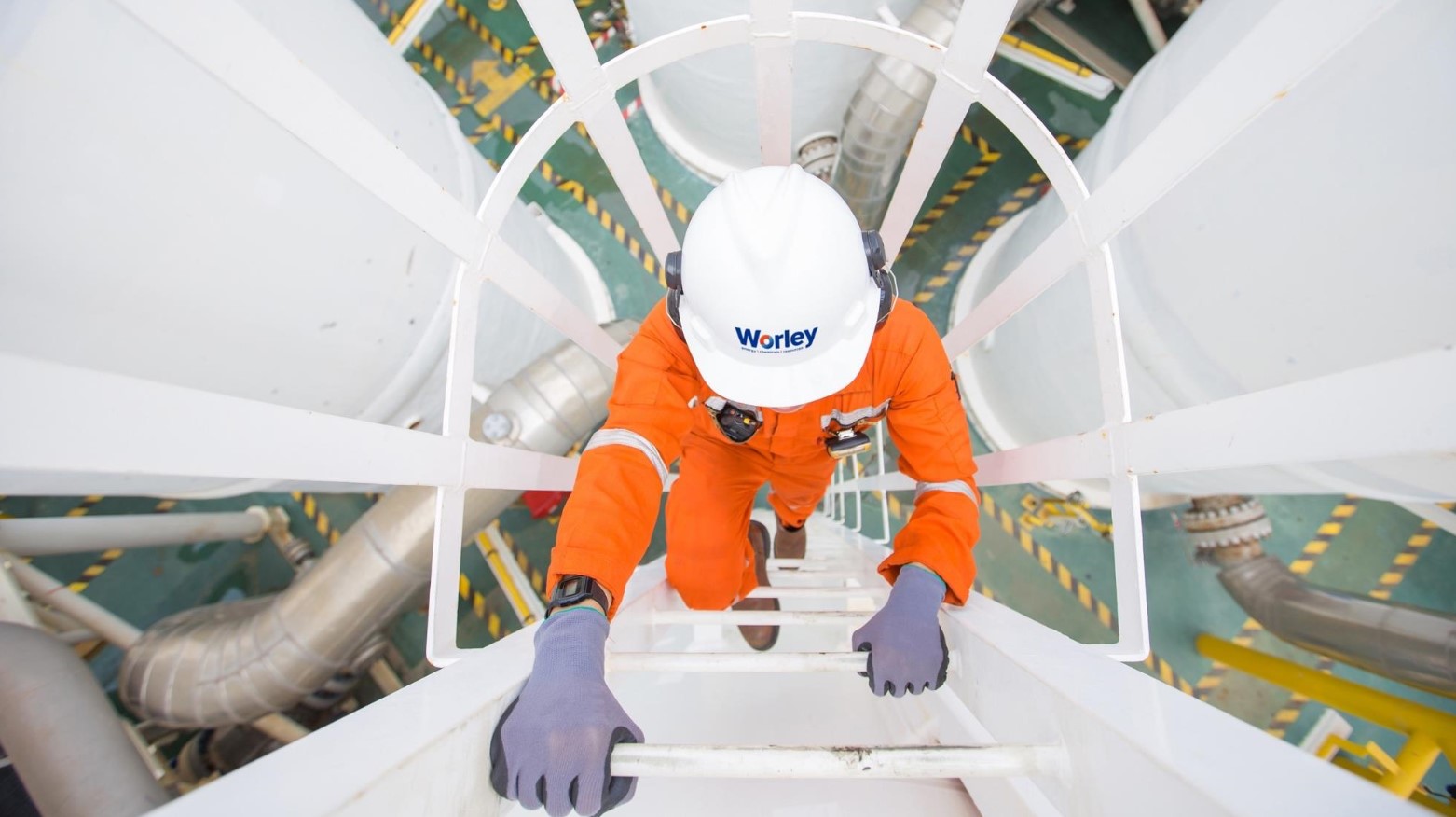
Worley and Baker Hughes embarking on integrated lower-carbon LNG quest

In 60 seconds

Top move

Worley and Baker Hughes’ non‑exclusive MOU signals more bundled EPC/EPCM pathways for LNG, which can shift commercial leverage toward integrated vendors during FEED-to-delivery procurements

Key takeaways

  • Worley and Baker Hughes’ non‑exclusive MOU signals more bundled EPC/EPCM pathways for LNG, which can shift commercial leverage toward integrated vendors during FEED-to-delivery procurements.[1]
  • Regional jack-up rig awards in Southeast Asia (PV Drilling) confirm steady demand for local drilling capacity, tightening availability windows for mobilization and local services in APAC markets.[2]
  • TotalEnergies’ finalized FEED for Namibia’s Venus project increases the probability of a large EPC tender sequence; expect early supplier commitments, local‑content requirements, and port/infrastructure planning to surface in contracting.[4]
  • A green methanol LOI (PuriFire / X‑Press) is an operational decarbonization signal for fuel logistics and port‑side supply chains, but it’s more relevant to fuel procurement and captive facility strategies than core EPC scopes.[3]
  • Overall signal is actionable but mixed: some items (MOU, rig awards) are confirmed commercial moves; the large offshore FEED is a medium‑term project signal — prepare contracting levers rather than assuming immediate buys.[1]

What changed since last run

  • New strategic MOU between Worley and Baker Hughes adds an integrated LNG EPC/EPCM pathway not present in the prior brief (May 14); this changes vendor bundling dynamics for upcoming FEEDs .
  • Confirmed APAC rig award to PV Drilling establishes another local mobilisation commitment in the region since the previous run focused on WA mobilisation pressure .
  • TotalEnergies has finalized FEED details for a large deepwater development, creating a clearer pipeline for future EPC/T&I opportunities that were earlier described as potential risks .

Key facts

  • Non‑exclusive strategic MOU between Worley and Baker Hughes
  • Focus on integrated, modular lower‑carbon LNG infrastructure
  • Positions vendors to offer FEED‑to‑delivery packages
  • Jack‑up contract awarded for a Southeast Asian development campaign
  • Assignment spans a multi‑month drilling program
  • Mobilisation window set within the regional drilling campaign schedule

Why it matters

Worley and Baker Hughes’ non‑exclusive MOU signals more bundled EPC/EPCM pathways for LNG, which can shift commercial leverage toward integrated vendors during FEED-to-delivery procurements. Regional jack-up rig awards in Southeast Asia (PV Drilling) confirm steady demand for local drilling capacity, tightening availability windows for mobilization and local services in APAC markets. TotalEnergies’ finalized FEED for Namibia’s Venus project increases the probability of a large EPC tender sequence; expect early supplier commitments, local‑content requirements, and port/infrastructure planning to surface in contracting. A green methanol LOI (PuriFire / X‑Press) is an operational decarbonization signal for fuel logistics and port‑side supply chains, but it’s more relevant to fuel procurement and captive facility strategies than core EPC scopes

Cost / money

  • Bundled EPC/EPCM offers from integrated vendor pairings can move cost exposure earlier into vendor packages and reduce buyer ability to unbundle later — expect pass‑throughs and constrained negotiation windows.[1]
  • Confirmed rig awards in Southeast Asia increase local mobilisation competition for camps, heavy transport and shore support, which can push spot rates and add pass‑through cost risk for buyers needing short‑notice services.[2]
  • A finalized FEED for a large deepwater development makes capital planning more concrete and may trigger early equipment long‑lead buy decisions from vendors, tightening lead times and supplier pricing posture ahead of FID.[4]

Supplier / commercial

  • Worley+Baker Hughes’ MOU strengthens supplier leverage for integrated FEED‑to‑delivery offers, reducing the effectiveness of RFQ unbundling unless buyers explicitly retain scope separation in contracts.[1]
  • PV Drilling’s secured jack‑up contract demonstrates supplier market tightness for regional rig inventory and increases the likelihood of shorter quote validity windows and mobilisation deposits from rig and marine service providers.[2]
  • TotalEnergies’ FEED finalization will prompt EPC bidders to firm up subcontractor chains and local content plans, creating early commercial pressure on domestic suppliers (ports, fabrication yards, MWS providers) to commit resources.[4]

Safety / operations

  • Integrated modular or vendor‑led solutions promoted by the MOU can reduce on‑site construction hazards through more factory work, but they increase dependency on vendor FAT, transport controls and handover acceptance criteria.[1]
  • Regional jack‑up campaigns (PV Drilling) underline standard operational safety dependencies — ensure SIMOPS coordination, crew readiness, and warranty/inspection gates when mobilising rigs into congested fields.[2]

What to watch

  • Watch for suppliers to shorten quote validity and request mobilisation deposits as integrated offers and rig awards firm up — this is an early signal of reduced buyer leverage in tight mobilisation markets.[2]
  • Watch whether LNG FEEDs start requiring locked modular purchases or early equipment commitments under integrated EPC approaches; if so, buyers lose later unbundling leverage and pass‑through exposure increases.[1]

Top stories

Story 1Offshore EnergyMay 14, 2026

Worley and Baker Hughes embarking on integrated lower-carbon LNG quest

Signal moderateSource-grounded

What happened

Worley and Baker Hughes signed a non‑exclusive MOU to pursue integrated, lower‑carbon LNG infrastructure offers. The tie‑up emphasizes modular LNG solutions and combining engineering, procurement and construction management capabilities to reduce interfaces and schedule risk. Watch whether FEEDs start to reflect bundled vendor packages and early equipment commitments

Buyer takeaway

Treat the MOU as a real vendor positioning move that will increase offers for bundled FEED‑to‑delivery packages; buyers should protect unbundling options in RFQs

Cost / money

Directional cost exposure: bundled vendor packages can move cost commitments earlier and limit buyer ability to negotiate separate equipment or installation pricing

Supplier / commercial

Increased supplier leverage for firms that can offer end‑to‑end modular solutions; expect shorter quote windows and requests for mobilisation terms unless contracts preserve separation

Safety / operations

More factory modularization reduces some on‑site risk but increases dependence on vendor FAT, transport control and clear handover acceptance gates

What to watch

Watch whether upcoming FEEDs include locked module purchases or required vendor‑handled FAT/transport acceptance; that will materially shift pass‑through and liability allocations

Key facts

  • Non‑exclusive strategic MOU between Worley and Baker Hughes
  • Focus on integrated, modular lower‑carbon LNG infrastructure
  • Positions vendors to offer FEED‑to‑delivery packages

Source excerpts

By partnering with Baker Hughes, we can offer customers more seamless, end‑to‑end solutions – from early concept and FEED through to project delivery and operations support
Home Fossil Energy Worley and Baker Hughes embarking on integrated lower-carbon LNG quest May 14, 2026, by U
The early collaboration is set on deploying the U
Story 2Offshore EnergyMay 14, 2026

Rig job for Southeast Asian development campaign goes to PV Drilling

Signal strongSource-grounded

What happened

PV Drilling secured a jack‑up assignment for a Southeast Asian development campaign, mobilising regional rig capacity for a multi‑month drilling program. The award confirms demand for local rig inventory and implies nearby services (camps, heavy haulage, harbour slots) will face pressure during mobilisation windows

Buyer takeaway

View this as a concrete local demand signal — secure support services early and verify quote validity windows from rig and logistics suppliers

Cost / money

Local mobilisation competition is likely to push spot rates for camps and transport, increasing pass‑through exposure for buyers needing short‑notice services

Supplier / commercial

Rig owners and marine service providers may shorten quote validity and request mobilisation deposits as bookings firm up; buyers need clause protections

Safety / operations

Firm rig campaigns increase SIMOPS exposure when multiple contractors operate in the same field; require staged handovers and third‑party inspection gates

What to watch

Watch suppliers for shortened quote validity and deposit requests as firms secure regional work — this signals reduced buyer leverage

Key facts

  • Jack‑up contract awarded for a Southeast Asian development campaign
  • Assignment spans a multi‑month drilling program
  • Mobilisation window set within the regional drilling campaign schedule

Source excerpts

The deal is slated to begin in July 2026, with Borr Drilling’s Thor jack-up rig secured for the work. PV Drilling confirmed a naming ceremony in March 2026 for a multi-purpose jack-up rig it bought from Noble Corporation last year
The company also highlighted that the drilling player deployed two rigs in 2025 with high working efficiency and operational safety
The company also highlighted that the drilling player deployed two rigs in 2025 with high working efficiency and operational safety. The latest contract is said to underscore ZNEP’s continued trust in PV Drilling’s technical expertise and service quality
Story 3Offshore EnergyMay 14, 2026

TotalEnergies’ 750-million-barrel project offshore Namibia targets first oil in 2030

Signal moderateDirectional

What happened

TotalEnergies finalized FEED work for the Venus deepwater development offshore Namibia and plans a large subsea/production concept targeting first oil on a multi‑year horizon. The FEED maturity plus government local‑content discussions make this a substantive pipeline for future EPC, subsea installation and supply‑base contracts

Buyer takeaway

Treat the FEED closeout as a precursor to EPC tendering and pre‑mobilisation demands on ports, yards and specialist suppliers — start qualification early

Cost / money

FEED maturity raises the likelihood of early long‑lead equipment purchases and tighter supplier pricing due to increased bidder confidence

Supplier / commercial

Local content emphasis and port expansion plans create negotiation levers but also the need to secure conditional holds with local providers

Safety / operations

Deepwater projects heighten reliance on specialized T&I contractors and marine warranty surveyors; allocate clear acceptance and transport responsibilities in contracts

What to watch

Watch official FID timing communications and any early supplier commitments that shift cost exposure ahead of buyer readiness

Key facts

  • FEED finalized for a large deepwater development (Venus, Orange Basin)
  • Development concept includes subsea and deepwater production systems
  • Government consultations on local content and port expansion planning underway

Source excerpts

While typical execution risks remain for a frontier offshore development, ongoing regulatory engagement, a finalized FEED package and firmed capital cost estimates support continued progress towards FID,” highlighted Meren
In addition, government communications indicate ongoing consultation on petroleum legislation and a national local content framework, with an emphasis on skills development, domestic supplier participation, and institutional capacity ahead of any future production. The Namibian Ports Authority has also outlined phased expansion plans for Lüderitz and Walvis Bay to support offshore energy activities, including oil and gas supply base capacity, quay wall expansions, and the interim use of existing facilities dur
The French giant expects the Venus phase 1 development to recover approximately 750 million barrels of oil, with a planned production capacity of around 150,000 barrels per day. The development concept targets first oil potentially in 2030, subject to FID timing by the end of 2026
Story 4Hydrocarbon EngineeringMay 14, 2026

PuriFire Energy and X-Press Feeders sign LoI for green methanol supply

Signal limitedDirectional

What happened

PuriFire Energy signed a Letter of Intent with X‑Press Feeders to explore green bio‑methanol supply and potential port‑based production facilities. The LOI aligns fleet demand with decentralised production, which is operationally relevant for fuel supply chains but peripheral to core EPC contracting

Buyer takeaway

Consider this a commercial development for fuel supply chains; include fuel sourcing and port‑supply clauses if your project uses certified green fuels

Cost / money

Access to certified green methanol could affect fuel logistics costs and captive fuel facility value propositions but current supply is still limited

Supplier / commercial

Offtake LOIs can create early commercial leverage for producers when vessel demand is aggregated; buyers should seek firm terms before relying on spot markets

Safety / operations

Handling and storage of bio‑methanol introduces fuel safety, certification and port permitting considerations that can affect logistics planning

What to watch

Limited relevance to EPC scopes today — watch for firm offtake agreements or pilot facility commitments that could change port logistics needs

Key facts

  • LOI to explore bio‑methanol offtake and port‑based production facilities
  • Initial targeted production range cited by source for demonstration facilities
  • Focus on aligning maritime demand with decentralised fuel production

Source excerpts

PuriFire Energy has signed a Letter of Intent (LOI) with X-Press Feeders to support the development and supply of green bio methanol for the shipping sector
By combining XPF’s fleet-scale demand signal with PuriFire’s decentralised production model, both parties aim to create a vertically aligned fuel supply chain - one that can be replicated at multiple port locations across Europe and beyond. The co-development of captive production facilities represents a forward-looking approach that moves beyond spot-market fuel procurement toward integrated, long-term energy security
Access to reliable and cost-competitive supply of certified green methanol will be an important factor for operators navigating these requirements. By combining XPF’s fleet-scale demand signal with PuriFire’s decentralised production model, both parties aim to create a vertically aligned fuel supply chain - one that can be replicated at multiple port locations across Europe and beyond

VP Snapshot

Executive Risk & Action View

Worley and Baker Hughes’ non‑exclusive MOU signals more bundled EPC/EPCM pathways for LNG, which can shift commercial leverage toward integrated vendors during FEED-to-delivery procurements.

Overall
61
Cost
79
Supply
43
Schedule
38
Compliance
15

Top signals

30-180dcost

Signal 1: Cost / money

Bundled EPC/EPCM offers from integrated vendor pairings can move cost exposure earlier into vendor packages and reduce buyer ability to unbundle later — expect pass‑throughs and constrained negotiation windows.

Signal 2: Cost / money

Confirmed rig awards in Southeast Asia increase local mobilisation competition for camps, heavy transport and shore support, which can push spot rates and add pass‑through cost risk for buyers needing short‑notice services.

Signal 3: Cost / money

A finalized FEED for a large deepwater development makes capital planning more concrete and may trigger early equipment long‑lead buy decisions from vendors, tightening lead times and supplier pricing posture ahead of FID.

30-180dschedule

Signal 4: Supplier / commercial

Worley+Baker Hughes’ MOU strengthens supplier leverage for integrated FEED‑to‑delivery offers, reducing the effectiveness of RFQ unbundling unless buyers explicitly retain scope separation in contracts.

30-180dcommercial

Signal 5: Supplier / commercial

PV Drilling’s secured jack‑up contract demonstrates supplier market tightness for regional rig inventory and increases the likelihood of shorter quote validity windows and mobilisation deposits from rig and marine service providers.

Signal 6: Supplier / commercial

TotalEnergies’ FEED finalization will prompt EPC bidders to firm up subcontractor chains and local content plans, creating early commercial pressure on domestic suppliers (ports, fabrication yards, MWS providers) to commit resources.

Recommended actions

ContractsDue 3d

Audit active LNG and offshore RFQs for clauses that allow unbundling and protect against early vendor pass‑throughs.

Flagged contracts with recommended clause amendments to retain scope separation and limit early pass‑through exposure.

CategoryDue 3d

Confirm rig and marine service availability on active mobilisation lanes supporting APAC projects and flag any providers shortening quote validity.

Supplier availability matrix updated and high‑risk providers flagged for follow up.

CategoryDue 21d

Issue targeted RFIs to modular vendors and local fabrication yards requesting FAT, transport and handover acceptance criteria and proposed warranty/pass‑through terms.

Received vendor FAT and transport acceptance documentation to use in contract risk allocation.

OpsDue 21d

Engage shortlisted port and logistics providers near potential deepwater supply bases to validate capacity and conditional hold options for future mobilisation windows.

Secured provisional hold commitments or ranked contingency providers for key supply‑base services.

CategoryDue 60d

Redesign upcoming LNG tender structures to include separate lots for engineering, modular supply, and on‑site installation to preserve competition where independent verification...

Tender templates updated with separated lots and evaluation criteria to protect buyer leverage during award.

ContractsDue 60d

Update mobilisation playbook and contract templates to require clear mobilisation deposit limits, quote‑validity minimums, and independent inspection gates for long‑lead modules...

Adopted playbook and contract clauses that reduce mobilisation deposit exposure and extend enforceable quote validity standards.

Risk register

RiskTriggerMitigation
Watch for suppliers to shorten quote validity and request mobilisation deposits as integrated offers and rig awards firm up — this is an early signal of reduced buyer leverage in tight mobilisation markets.Watch for suppliers to shorten quote validity and request mobilisation deposits as integrated offers and rig awards firm up — this is an early signal of reduced buyer leverage in tight mobilisation markets.Confirm exposure with category, contracts, and operations before the next supplier commitment.
Watch whether LNG FEEDs start requiring locked modular purchases or early equipment commitments under integrated EPC approaches; if so, buyers lose later unbundling leverage and pass‑through exposure increases.Watch whether LNG FEEDs start requiring locked modular purchases or early equipment commitments under integrated EPC approaches; if so, buyers lose later unbundling leverage and pass‑through exposure increases.Confirm exposure with category, contracts, and operations before the next supplier commitment.

CM Snapshot

Category Manager Decision Detail

Today's priorities

Audit active LNG and offshore RFQs for clauses that allow unbundling and protect against early vendor pass‑throughs.

Act because the cited source changes the timing, capacity, or commercial assumptions behind the next sourcing decision.

Due 3d

high

CM move

Use this as the immediate supplier or contract action to move before the next sourcing gate.

Confirm rig and marine service availability on active mobilisation lanes supporting APAC projects and flag any providers shortening quote validity.

Act because the cited source changes the timing, capacity, or commercial assumptions behind the next sourcing decision.

Due 3d

high

CM move

Use this as the immediate supplier or contract action to move before the next sourcing gate.

Issue targeted RFIs to modular vendors and local fabrication yards requesting FAT, transport and handover acceptance criteria and proposed warranty/pass‑through terms.

Act because the cited source changes the timing, capacity, or commercial assumptions behind the next sourcing decision.

Due 21d

high

CM move

Use this as the immediate supplier or contract action to move before the next sourcing gate.

Engage shortlisted port and logistics providers near potential deepwater supply bases to validate capacity and conditional hold options for future mobilisation windows.

Act because the cited source changes the timing, capacity, or commercial assumptions behind the next sourcing decision.

Due 21d

high

CM move

Use this as the immediate supplier or contract action to move before the next sourcing gate.

Supplier radar

Offshore Energy

high

Observed supplier signal

Worley+Baker Hughes’ MOU strengthens supplier leverage for integrated FEED‑to‑delivery offers, reducing the effectiveness of RFQ unbundling unless buyers explicitly retain scope separation in contracts.

Commercial implication

Worley+Baker Hughes’ MOU strengthens supplier leverage for integrated FEED‑to‑delivery offers, reducing the effectiveness of RFQ unbundling unless buyers explicitly retain scope separation in contracts.

Next step: Validate the source-backed signal with incumbents and alternates before the next award or pricing decision.

Offshore Energy

high

Observed supplier signal

PV Drilling’s secured jack‑up contract demonstrates supplier market tightness for regional rig inventory and increases the likelihood of shorter quote validity windows and mobilisation deposits from rig and marine service providers.

Commercial implication

PV Drilling’s secured jack‑up contract demonstrates supplier market tightness for regional rig inventory and increases the likelihood of shorter quote validity windows and mobilisation deposits from rig and marine service providers.

Next step: Validate the source-backed signal with incumbents and alternates before the next award or pricing decision.

Offshore Energy

high

Observed supplier signal

TotalEnergies’ FEED finalization will prompt EPC bidders to firm up subcontractor chains and local content plans, creating early commercial pressure on domestic suppliers (ports, fabrication yards, MWS providers) to commit resources.

Commercial implication

TotalEnergies’ FEED finalization will prompt EPC bidders to firm up subcontractor chains and local content plans, creating early commercial pressure on domestic suppliers (ports, fabrication yards, MWS providers) to commit resources.

Next step: Validate the source-backed signal with incumbents and alternates before the next award or pricing decision.

Negotiation levers

Audit active LNG and offshore RFQs for clauses that allow unbundling and protect against early vendor pass‑throughs.

When to use: Act because the cited source changes the timing, capacity, or commercial assumptions behind the next sourcing decision.

Expected outcome: Flagged contracts with recommended clause amendments to retain scope separation and limit early pass‑through exposure.

Commercial mechanism to carry into the next supplier conversation

Confirm rig and marine service availability on active mobilisation lanes supporting APAC projects and flag any providers shortening quote validity.

When to use: Act because the cited source changes the timing, capacity, or commercial assumptions behind the next sourcing decision.

Expected outcome: Supplier availability matrix updated and high‑risk providers flagged for follow up.

Commercial mechanism to carry into the next supplier conversation

Issue targeted RFIs to modular vendors and local fabrication yards requesting FAT, transport and handover acceptance criteria and proposed warranty/pass‑through terms.

When to use: Act because the cited source changes the timing, capacity, or commercial assumptions behind the next sourcing decision.

Expected outcome: Received vendor FAT and transport acceptance documentation to use in contract risk allocation.

Commercial mechanism to carry into the next supplier conversation

Engage shortlisted port and logistics providers near potential deepwater supply bases to validate capacity and conditional hold options for future mobilisation windows.

When to use: Act because the cited source changes the timing, capacity, or commercial assumptions behind the next sourcing decision.

Expected outcome: Secured provisional hold commitments or ranked contingency providers for key supply‑base services.

Commercial mechanism to carry into the next supplier conversation

Talking points

Worley and Baker Hughes’ non‑exclusive MOU signals more bundled EPC/EPCM pathways for LNG, which can shift commercial leverage toward integrated vendors during FEED-to-delivery procurements.
Regional jack-up rig awards in Southeast Asia (PV Drilling) confirm steady demand for local drilling capacity, tightening availability windows for mobilization and local services in APAC markets.
TotalEnergies’ finalized FEED for Namibia’s Venus project increases the probability of a large EPC tender sequence; expect early supplier commitments, local‑content requirements, and port/infrastructure planning to surface in contracting.
A green methanol LOI (PuriFire / X‑Press) is an operational decarbonization signal for fuel logistics and port‑side supply chains, but it’s more relevant to fuel procurement and captive facility strategies than core EPC scopes.

Supplier radar

SupplierSignalImplicationNext stepConfidence
Offshore EnergyWorley+Baker Hughes’ MOU strengthens supplier leverage for integrated FEED‑to‑delivery offers, reducing the effectiveness of RFQ unbundling unless buyers explicitly retain scope separation in contracts.Worley+Baker Hughes’ MOU strengthens supplier leverage for integrated FEED‑to‑delivery offers, reducing the effectiveness of RFQ unbundling unless buyers explicitly retain scope separation in contracts.Validate the source-backed signal with incumbents and alternates before the next award or pricing decision.high
Offshore EnergyPV Drilling’s secured jack‑up contract demonstrates supplier market tightness for regional rig inventory and increases the likelihood of shorter quote validity windows and mobilisation deposits from rig and marine service providers.PV Drilling’s secured jack‑up contract demonstrates supplier market tightness for regional rig inventory and increases the likelihood of shorter quote validity windows and mobilisation deposits from rig and marine service providers.Validate the source-backed signal with incumbents and alternates before the next award or pricing decision.high
Offshore EnergyTotalEnergies’ FEED finalization will prompt EPC bidders to firm up subcontractor chains and local content plans, creating early commercial pressure on domestic suppliers (ports, fabrication yards, MWS providers) to commit resources.TotalEnergies’ FEED finalization will prompt EPC bidders to firm up subcontractor chains and local content plans, creating early commercial pressure on domestic suppliers (ports, fabrication yards, MWS providers) to commit resources.Validate the source-backed signal with incumbents and alternates before the next award or pricing decision.high

Negotiation levers

  • Audit active LNG and offshore RFQs for clauses that allow unbundling and protect against early vendor pass‑throughs.Act because the cited source changes the timing, capacity, or commercial assumptions behind the next sourcing decision.Flagged contracts with recommended clause amendments to retain scope separation and limit early pass‑through exposure.

    high confidence

  • Confirm rig and marine service availability on active mobilisation lanes supporting APAC projects and flag any providers shortening quote validity.Act because the cited source changes the timing, capacity, or commercial assumptions behind the next sourcing decision.Supplier availability matrix updated and high‑risk providers flagged for follow up.

    high confidence

  • Issue targeted RFIs to modular vendors and local fabrication yards requesting FAT, transport and handover acceptance criteria and proposed warranty/pass‑through terms.Act because the cited source changes the timing, capacity, or commercial assumptions behind the next sourcing decision.Received vendor FAT and transport acceptance documentation to use in contract risk allocation.

    high confidence

  • Engage shortlisted port and logistics providers near potential deepwater supply bases to validate capacity and conditional hold options for future mobilisation windows.Act because the cited source changes the timing, capacity, or commercial assumptions behind the next sourcing decision.Secured provisional hold commitments or ranked contingency providers for key supply‑base services.

    high confidence

What to do / What to watch

What to do now

  • Audit active LNG and offshore RFQs for clauses that allow unbundling and protect against early vendor pass‑throughs.

    Why: Act because the cited source changes the timing, capacity, or commercial assumptions behind the next sourcing decision.

    Owner: Contracts

    Expected outcome: Flagged contracts with recommended clause amendments to retain scope separation and limit early pass‑through exposure.

    [1]
  • Confirm rig and marine service availability on active mobilisation lanes supporting APAC projects and flag any providers shortening quote validity.

    Why: Act because the cited source changes the timing, capacity, or commercial assumptions behind the next sourcing decision.

    Owner: Category

    Expected outcome: Supplier availability matrix updated and high‑risk providers flagged for follow up.

    [2]

Next few weeks

  • Issue targeted RFIs to modular vendors and local fabrication yards requesting FAT, transport and handover acceptance criteria and proposed warranty/pass‑through terms.

    Why: Act because the cited source changes the timing, capacity, or commercial assumptions behind the next sourcing decision.

    Owner: Category

    Expected outcome: Received vendor FAT and transport acceptance documentation to use in contract risk allocation.

    [1]
  • Engage shortlisted port and logistics providers near potential deepwater supply bases to validate capacity and conditional hold options for future mobilisation windows.

    Why: Act because the cited source changes the timing, capacity, or commercial assumptions behind the next sourcing decision.

    Owner: Ops

    Expected outcome: Secured provisional hold commitments or ranked contingency providers for key supply‑base services.

    [4]

Longer view

  • Redesign upcoming LNG tender structures to include separate lots for engineering, modular supply, and on‑site installation to preserve competition where independent verification...

    Why: Act because the cited source changes the timing, capacity, or commercial assumptions behind the next sourcing decision.

    Owner: Category

    Expected outcome: Tender templates updated with separated lots and evaluation criteria to protect buyer leverage during award.

    [1]
  • Update mobilisation playbook and contract templates to require clear mobilisation deposit limits, quote‑validity minimums, and independent inspection gates for long‑lead modules...

    Why: Act because the cited source changes the timing, capacity, or commercial assumptions behind the next sourcing decision.

    Owner: Contracts

    Expected outcome: Adopted playbook and contract clauses that reduce mobilisation deposit exposure and extend enforceable quote validity standards.

    [4][2]

What to watch

  • Watch for suppliers to shorten quote validity and request mobilisation deposits as integrated offers and rig awards firm up — this is an early signal of reduced buyer leverage in tight mobilisation markets
  • Watch whether LNG FEEDs start requiring locked modular purchases or early equipment commitments under integrated EPC approaches; if so, buyers lose later unbundling leverage and pass‑through exposure increases
  • Watch for suppliers to shorten quote validity and request mobilisation deposits as integrated offers and rig awards firm up — this is an early signal of reduced buyer leverage in tight mobilisation markets.: Watch for suppliers to shorten quote validity and request mobilisation deposits as integrated offers and rig awards firm up — this is an early signal of reduced buyer leverage in tight mobilisation markets
  • Watch whether LNG FEEDs start requiring locked modular purchases or early equipment commitments under integrated EPC approaches; if so, buyers lose later unbundling leverage and pass‑through exposure increases.: Watch whether LNG FEEDs start requiring locked modular purchases or early equipment commitments under integrated EPC approaches; if so, buyers lose later unbundling leverage and pass‑through exposure increases
  • Worley and Baker Hughes’ non‑exclusive MOU signals more bundled EPC/EPCM pathways for LNG, which can shift commercial leverage toward integrated vendors during FEED-to-delivery procurements
  • Regional jack-up rig awards in Southeast Asia (PV Drilling) confirm steady demand for local drilling capacity, tightening availability windows for mobilization and local services in APAC markets
  • TotalEnergies’ finalized FEED for Namibia’s Venus project increases the probability of a large EPC tender sequence; expect early supplier commitments, local‑content requirements, and port/infrastructure planning to surface in contracting
  • A green methanol LOI (PuriFire / X‑Press) is an operational decarbonization signal for fuel logistics and port‑side supply chains, but it’s more relevant to fuel procurement and captive facility strategies than core EPC scopes

Market pulse

IndexLatestChangeAs of
Henry Hub Gas (NG)3.12 /MMBtu+0.00 (+0.00%)May 14, 2026, 10:04 PM
Cheniere (LNG) (LNG)185 +0.00 (+0.00%)May 14, 2026, 10:04 PM
Brent Crude (BRENT)74.89 /bbl+0.00 (+0.00%)May 14, 2026, 10:04 PM
Fluor Corp (FLR)42 +0.00 (+0.00%)May 14, 2026, 10:04 PM
KBR Inc (KBR)58 +0.00 (+0.00%)May 14, 2026, 10:04 PM
  • Cheniere (LNG): Integrated LNG supplier moves affect EPC bundling and vendor pricing posture for LNG projects
  • Fluor Corp: Major EPC player public activity informs market appetite and tender timing for large scale projects

Sources

Inline citations jump here. Expand a source to read the excerpt, the AI interpretation, and the original link.

[1] Worley and Baker Hughes embarking on integrated lower-carbon LNG quest

offshore-energy.biz · May 14, 2026

Expand

AI reading

Worley and Baker Hughes signed a non‑exclusive MOU to pursue integrated, lower‑carbon LNG infrastructure offers. The tie‑up emphasizes modular LNG solutions and combining engineering, procurement and construction management capabilities to reduce interfaces and schedule risk. Watch whether FEEDs start to reflect bundled vendor packages and early equipment commitments

Buyer takeaway

Treat the MOU as a real vendor positioning move that will increase offers for bundled FEED‑to‑delivery packages; buyers should protect unbundling options in RFQs

Cost / money

Directional cost exposure: bundled vendor packages can move cost commitments earlier and limit buyer ability to negotiate separate equipment or installation pricing

Supplier / commercial

Increased supplier leverage for firms that can offer end‑to‑end modular solutions; expect shorter quote windows and requests for mobilisation terms unless contracts preserve separation

Safety / operations

More factory modularization reduces some on‑site risk but increases dependence on vendor FAT, transport control and clear handover acceptance gates

What to watch

Watch whether upcoming FEEDs include locked module purchases or required vendor‑handled FAT/transport acceptance; that will materially shift pass‑through and liability allocations

Key facts

  • Non‑exclusive strategic MOU between Worley and Baker Hughes
  • Focus on integrated, modular lower‑carbon LNG infrastructure
  • Positions vendors to offer FEED‑to‑delivery packages

Source excerpts

By partnering with Baker Hughes, we can offer customers more seamless, end‑to‑end solutions – from early concept and FEED through to project delivery and operations support
Home Fossil Energy Worley and Baker Hughes embarking on integrated lower-carbon LNG quest May 14, 2026, by U
The early collaboration is set on deploying the U

Used in this brief

  • Worley and Baker Hughes’ non‑exclusive MOU signals more bundled EPC/EPCM pathways for LNG, which can shift commercial leverage toward integrated vendors during FEED-to-delivery procurements. Regional jack-up rig awards in Southeast Asia (PV Drilling) confirm steady demand for local drilling capacity, tightening availability windows for mobilization and local services in APAC markets. TotalEnergies’ finalized FEED for Namibia’s Venus project increases the probability of a large EPC tender sequence; expect early supplier commitments, local‑content requirements, and port/infrastructure planning to surface in contracting. A green methanol LOI (PuriFire / X‑Press) is an operational decarbonization signal for fuel logistics and port‑side supply chains, but it’s more relevant to fuel procurement and captive facility strategies than core EPC scopes
  • Supplier / commercial: Worley+Baker Hughes’ MOU strengthens supplier leverage for integrated FEED‑to‑delivery offers, reducing the effectiveness of RFQ unbundling unless buyers explicitly retain scope separation in contracts
  • Safety / operations: Integrated modular or vendor‑led solutions promoted by the MOU can reduce on‑site construction hazards through more factory work, but they increase dependency on vendor FAT, transport controls and handover acceptance criteria
Open original source

[2] Rig job for Southeast Asian development campaign goes to PV Drilling

offshore-energy.biz · May 14, 2026

Expand

AI reading

PV Drilling secured a jack‑up assignment for a Southeast Asian development campaign, mobilising regional rig capacity for a multi‑month drilling program. The award confirms demand for local rig inventory and implies nearby services (camps, heavy haulage, harbour slots) will face pressure during mobilisation windows

Buyer takeaway

View this as a concrete local demand signal — secure support services early and verify quote validity windows from rig and logistics suppliers

Cost / money

Local mobilisation competition is likely to push spot rates for camps and transport, increasing pass‑through exposure for buyers needing short‑notice services

Supplier / commercial

Rig owners and marine service providers may shorten quote validity and request mobilisation deposits as bookings firm up; buyers need clause protections

Safety / operations

Firm rig campaigns increase SIMOPS exposure when multiple contractors operate in the same field; require staged handovers and third‑party inspection gates

What to watch

Watch suppliers for shortened quote validity and deposit requests as firms secure regional work — this signals reduced buyer leverage

Key facts

  • Jack‑up contract awarded for a Southeast Asian development campaign
  • Assignment spans a multi‑month drilling program
  • Mobilisation window set within the regional drilling campaign schedule

Source excerpts

The deal is slated to begin in July 2026, with Borr Drilling’s Thor jack-up rig secured for the work. PV Drilling confirmed a naming ceremony in March 2026 for a multi-purpose jack-up rig it bought from Noble Corporation last year
The company also highlighted that the drilling player deployed two rigs in 2025 with high working efficiency and operational safety
The company also highlighted that the drilling player deployed two rigs in 2025 with high working efficiency and operational safety. The latest contract is said to underscore ZNEP’s continued trust in PV Drilling’s technical expertise and service quality

Used in this brief

  • Supplier / commercial: PV Drilling’s secured jack‑up contract demonstrates supplier market tightness for regional rig inventory and increases the likelihood of shorter quote validity windows and mobilisation deposits from rig and marine service providers
  • Safety / operations: Regional jack‑up campaigns (PV Drilling) underline standard operational safety dependencies — ensure SIMOPS coordination, crew readiness, and warranty/inspection gates when mobilising rigs into congested fields
  • Next 72 hours — Confirm rig and marine service availability on active mobilisation lanes supporting APAC projects and flag any providers shortening quote validity.. Rationale: Act because the cited source changes the timing, capacity, or commercial assumptions behind the next sourcing decision.. Owner: Category. KPI: Supplier availability matrix updated and high‑risk providers flagged for follow up
Open original source

[3] PuriFire Energy and X-Press Feeders sign LoI for green methanol supply

hydrocarbonengineering.com · May 14, 2026

Expand

AI reading

PuriFire Energy signed a Letter of Intent with X‑Press Feeders to explore green bio‑methanol supply and potential port‑based production facilities. The LOI aligns fleet demand with decentralised production, which is operationally relevant for fuel supply chains but peripheral to core EPC contracting

Buyer takeaway

Consider this a commercial development for fuel supply chains; include fuel sourcing and port‑supply clauses if your project uses certified green fuels

Cost / money

Access to certified green methanol could affect fuel logistics costs and captive fuel facility value propositions but current supply is still limited

Supplier / commercial

Offtake LOIs can create early commercial leverage for producers when vessel demand is aggregated; buyers should seek firm terms before relying on spot markets

Safety / operations

Handling and storage of bio‑methanol introduces fuel safety, certification and port permitting considerations that can affect logistics planning

What to watch

Limited relevance to EPC scopes today — watch for firm offtake agreements or pilot facility commitments that could change port logistics needs

Key facts

  • LOI to explore bio‑methanol offtake and port‑based production facilities
  • Initial targeted production range cited by source for demonstration facilities
  • Focus on aligning maritime demand with decentralised fuel production

Source excerpts

PuriFire Energy has signed a Letter of Intent (LOI) with X-Press Feeders to support the development and supply of green bio methanol for the shipping sector
By combining XPF’s fleet-scale demand signal with PuriFire’s decentralised production model, both parties aim to create a vertically aligned fuel supply chain - one that can be replicated at multiple port locations across Europe and beyond. The co-development of captive production facilities represents a forward-looking approach that moves beyond spot-market fuel procurement toward integrated, long-term energy security
Access to reliable and cost-competitive supply of certified green methanol will be an important factor for operators navigating these requirements. By combining XPF’s fleet-scale demand signal with PuriFire’s decentralised production model, both parties aim to create a vertically aligned fuel supply chain - one that can be replicated at multiple port locations across Europe and beyond

Used in this brief

  • PuriFire Energy signed a Letter of Intent with X‑Press Feeders to explore green bio‑methanol supply and potential port‑based production facilities. The LOI aligns fleet demand with decentralised production, which is operationally relevant for fuel supply chains but peripheral to core EPC contracting
  • Buyer bottom line: relevant for decarbonization and fuel logistics planning, but limited impact on EPC scope unless projects include captive fuel facilities or port fuel services
  • Consider this a commercial development for fuel supply chains; include fuel sourcing and port‑supply clauses if your project uses certified green fuels
Open original source

[4] TotalEnergies’ 750-million-barrel project offshore Namibia targets first oil in 2030

offshore-energy.biz · May 14, 2026

Expand

AI reading

TotalEnergies finalized FEED work for the Venus deepwater development offshore Namibia and plans a large subsea/production concept targeting first oil on a multi‑year horizon. The FEED maturity plus government local‑content discussions make this a substantive pipeline for future EPC, subsea installation and supply‑base contracts

Buyer takeaway

Treat the FEED closeout as a precursor to EPC tendering and pre‑mobilisation demands on ports, yards and specialist suppliers — start qualification early

Cost / money

FEED maturity raises the likelihood of early long‑lead equipment purchases and tighter supplier pricing due to increased bidder confidence

Supplier / commercial

Local content emphasis and port expansion plans create negotiation levers but also the need to secure conditional holds with local providers

Safety / operations

Deepwater projects heighten reliance on specialized T&I contractors and marine warranty surveyors; allocate clear acceptance and transport responsibilities in contracts

What to watch

Watch official FID timing communications and any early supplier commitments that shift cost exposure ahead of buyer readiness

Key facts

  • FEED finalized for a large deepwater development (Venus, Orange Basin)
  • Development concept includes subsea and deepwater production systems
  • Government consultations on local content and port expansion planning underway

Source excerpts

While typical execution risks remain for a frontier offshore development, ongoing regulatory engagement, a finalized FEED package and firmed capital cost estimates support continued progress towards FID,” highlighted Meren
In addition, government communications indicate ongoing consultation on petroleum legislation and a national local content framework, with an emphasis on skills development, domestic supplier participation, and institutional capacity ahead of any future production. The Namibian Ports Authority has also outlined phased expansion plans for Lüderitz and Walvis Bay to support offshore energy activities, including oil and gas supply base capacity, quay wall expansions, and the interim use of existing facilities dur
The French giant expects the Venus phase 1 development to recover approximately 750 million barrels of oil, with a planned production capacity of around 150,000 barrels per day. The development concept targets first oil potentially in 2030, subject to FID timing by the end of 2026

Used in this brief

  • Cost / money: A finalized FEED for a large deepwater development makes capital planning more concrete and may trigger early equipment long‑lead buy decisions from vendors, tightening lead times and supplier pricing posture ahead of FID
  • Next 2-4 weeks — Engage shortlisted port and logistics providers near potential deepwater supply bases to validate capacity and conditional hold options for future mobilisation windows.. Rationale: Act because the cited source changes the timing, capacity, or commercial assumptions behind the next sourcing decision.. Owner: Ops. KPI: Secured provisional hold commitments or ranked contingency providers for key supply‑base services
  • Next quarter — Update mobilisation playbook and contract templates to require clear mobilisation deposit limits, quote‑validity minimums, and independent inspection gates for long‑lead modules.... Rationale: Act because the cited source changes the timing, capacity, or commercial assumptions behind the next sourcing decision.. Owner: Contracts. KPI: Adopted playbook and contract clauses that reduce mobilisation deposit exposure and extend enforceable quote validity standards
Open original source

[5] Cheniere (LNG)

finance.yahoo.com · n.d.

Expand

[6] Fluor Corp

finance.yahoo.com · n.d.

Expand